
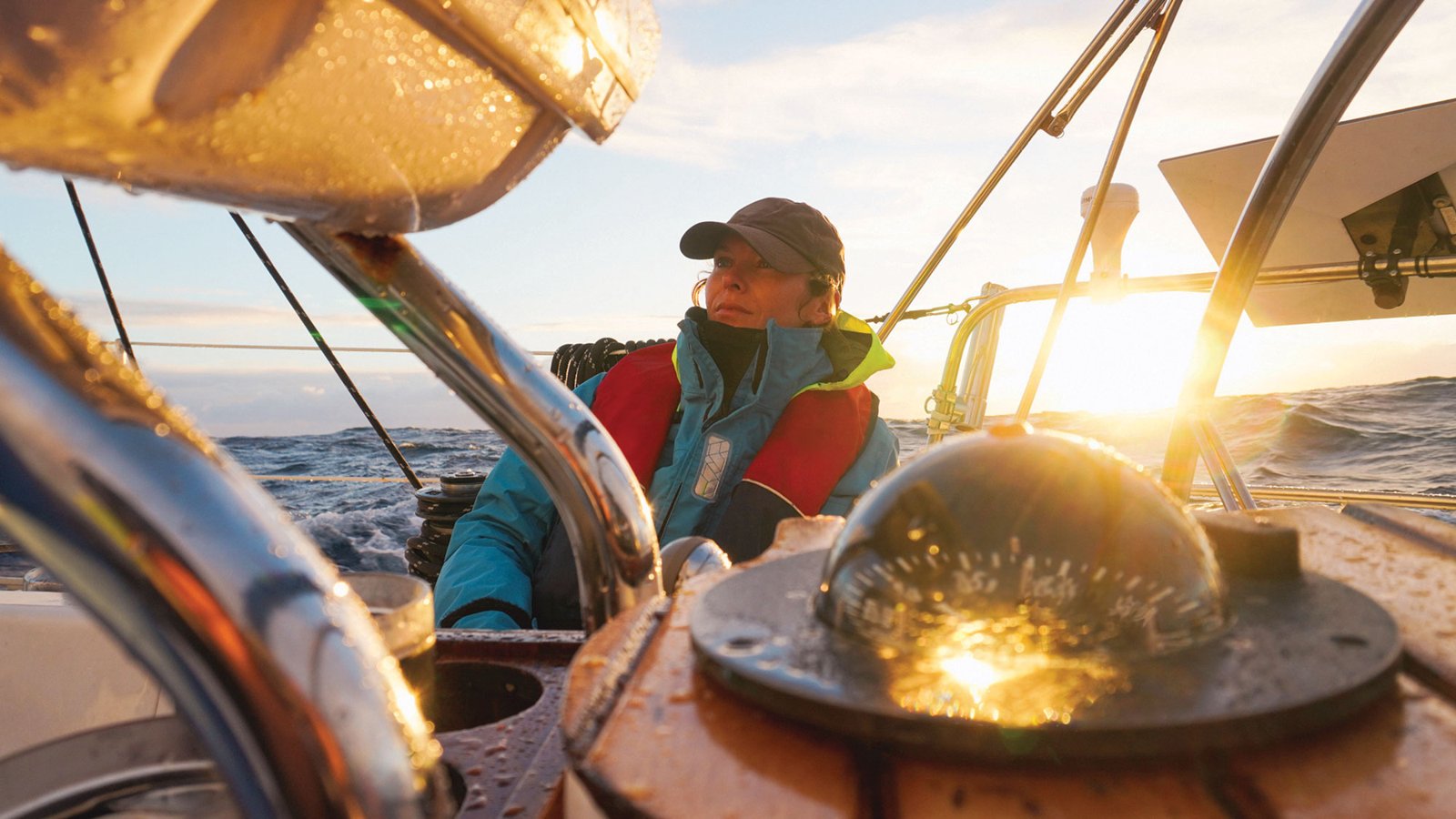
Sea navigation, especially in extreme conditions, requires not only technical skills, but also strong emotional intelligence. Charlotte DC and JP Baudains, sea professionals alternating work and competitions on superyacht, have developed essential rules to maintain the safety and cohesion of the team. Their experience, collected in an article published by Project World Sail, reveals how daily routines, emotional management and personnel selection are fundamental to address the challenges of offshore navigation.
The rule of three days: time to adapt
Sea navigation takes time to adapt. For the first 72 hours, the body and the mind are in a state of disorientation. Hormonal regulators, such as cortisol and melatonin, are not synchronized, causing confusion and irritability. This phenomenon, known as physiological habituation, is based on three pillars: the neurovestibular habituation circadian enters and the cognitive decompression. Only after three days, the brain adapts to the environment and recovers the ability to think clearly and focused.
News and routine: the psychological budget
Long offshore crossings are a unique experience, but they can become monotonous. To maintain motivation and concentration, sea professionals have developed psychological rules. The rule of “something different every day” is a way to fight boredom and keep the attention. Even when the sea is quiet, it is the task of the team to create new experiences, such as theme parties or creative activities. These small actions not only keep the mind active, but also safety, since a distracted brain is a brain in danger.
At the same time, daily routines offer a sense of stability. Without a rhythm, time seems to flow endlessly. For this reason, team members create small rituals, such as preparing dinner or exercising, which become points of reference for the day. These rituals not only help maintain consistency, but also create a collaborative and respectful working environment.
Being a good person: the basis of cohesion
Life on board a ship requires a high level of collaboration. Each action, even small, has an impact on the group. Team selection is crucial: prefer a small number of members rather than an inconsistent group. JP and Charlotte have learned that it is better to navigate with few, but experts, than with a group of unsuitable people. The management of a difficult crew can become a structural problem, especially in extreme conditions.
A concrete example is the case of the dirty glass. Leaving a glass in the sink may seem like an insignificant gesture, but sends a silent message: “My need for rest is more important than yours.” Small gestures of consideration, how to clean the glass, can create a positive and collaborative work environment. These acts, although seemingly trivial, are the basis of cohesion and security on board. The culture of low panic is another key aspect. In crisis situations, emotional reaction can be devastating. For this reason, sea professionals are committed to maintaining a calm and rational environment. The priority is security, and every concern is dealt with seriously. The management of emotions and the ability to listen to teammates are fundamental to maintain consistency and safety at sea.