
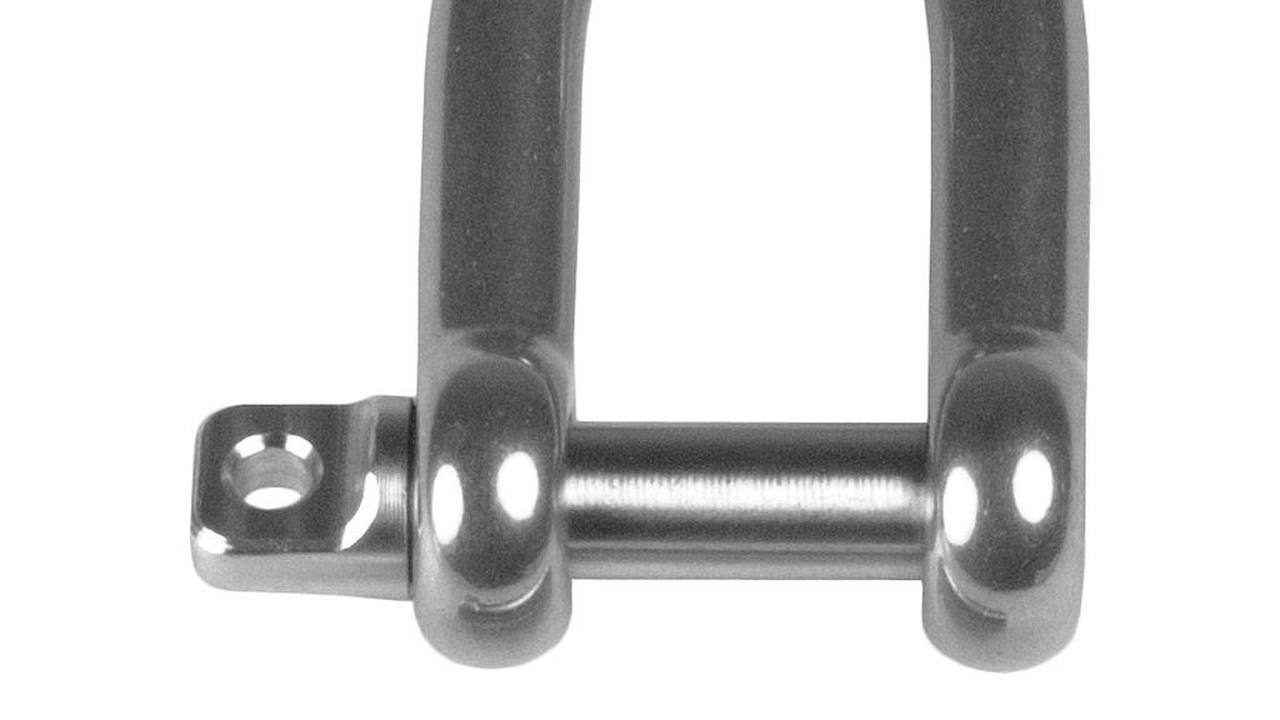
The sail remains open even if the drum turns? Before accusing the wrapper, check the accessories that transmit the movement and guide the line. An unintegrated pin, an incompatible spinal cord, an out-of-measure draft or a disallined referral may make a correct system ineffective. This analysis covers Ronstan accessories for standard winders and top-downs and separates identity, laying, testing and symptom.
Picture the set before dismantling it
Take your head, walls, drums, pins, line and rails. Mark the direction and position of the guide. The images help to recognize a rotated or mounted part, but do not replace code and manual. If the system is already under tension, download the sail in a controlled way before approaching the hands. No diagnosis justifies working next to a loaded pin.
Match each code to the series
Read drum, spin, adaptor, pins and rivii. The families 80, 120, 160, 200 and 280 use dedicated accessories. A part that enters physically is not necessarily compatible. Prepare a table with code, function and position; what is not identifiable remains excluded from testing. The same applies to purchased components used or from another sail.
| Symptom | Priority control | Action |
|---|---|---|
| drum turn, head stop | lap, cable, redancia | download and check the set |
| line jump | diameter, joint, guide | stop the maneuver |
| perno migra | insertion and deemed | not apply load |
| sailing reopens | closure and compatible stop | correct the cause |
| referral | support and alignment | structural adjustment |
Move your turn
The rotation must be regular and without abnormal play. The bearings are sealed and described as maintenance-free: do not open them and do not add fat for attempts. Instead, check bumps, corrosion, pins and freedom from the fabric. The upper spin should belong to the set series and work in the intended orientation.
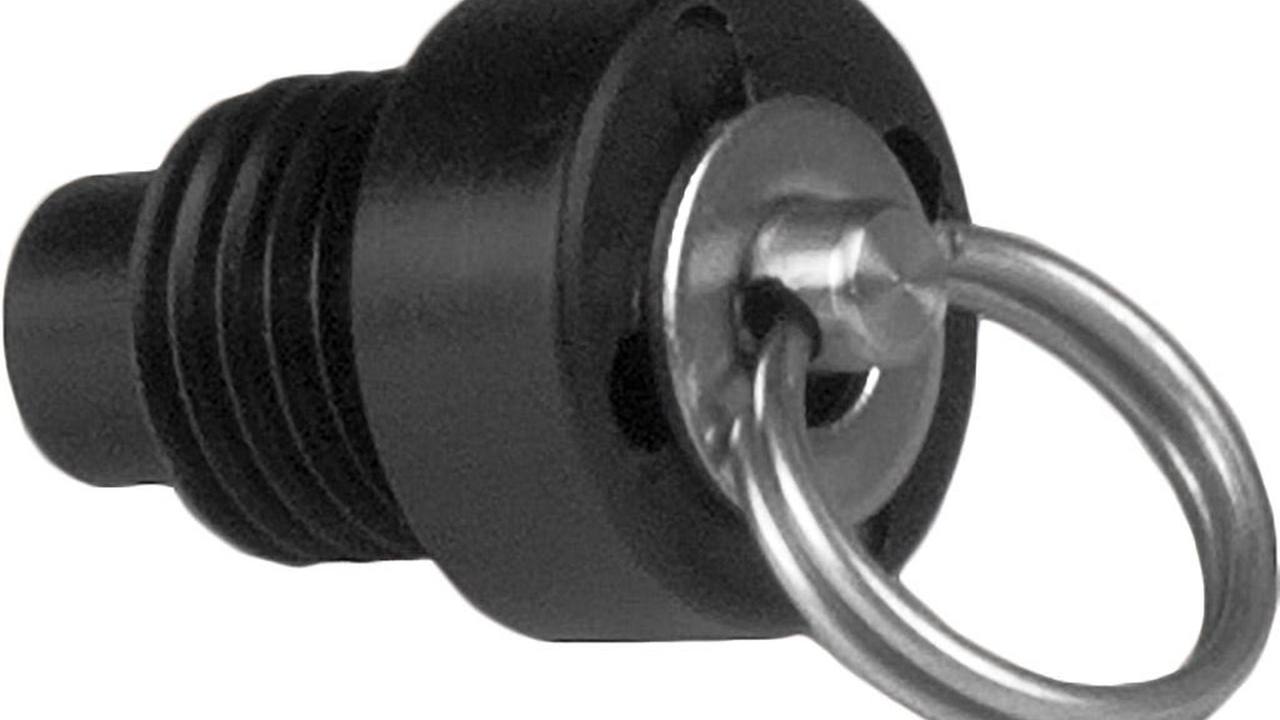
Watch the head of the pin
The low-profile head reduces the stitches, but a voluminous ligature can recreate them. Simulates the swelling sail and verify that the non-catching fabric pin, tail or cover. The pin must completely cross the component and remain held. If you can charge the tip or push it against a surface, the mounting is incorrect.
Try the quick pin hold
Operate the mechanism without load, insert it and visually control the closed position. Sand, salt or deformation require cleaning and evaluation, not strength. A quick pin speeds up the hold but does not eliminate verification. The crew must know what gesture confirms the closure and not rely on the only noise of the shot.
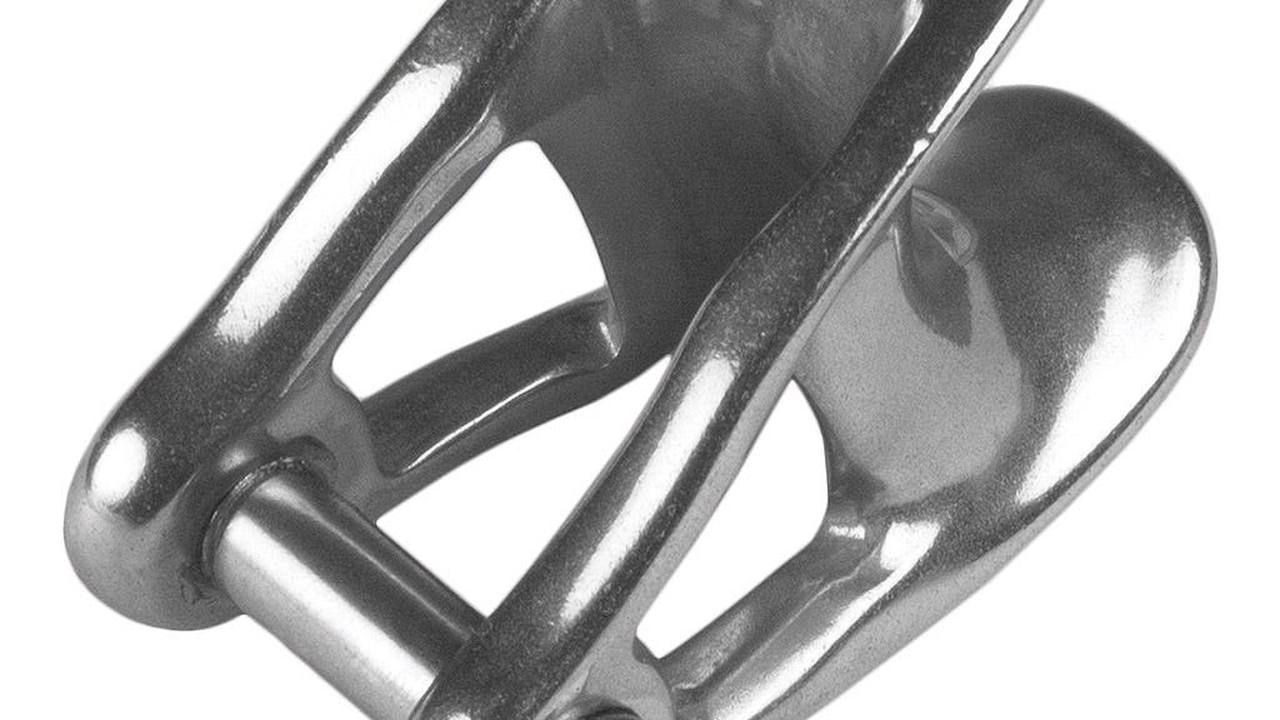
Check the dedicated grill
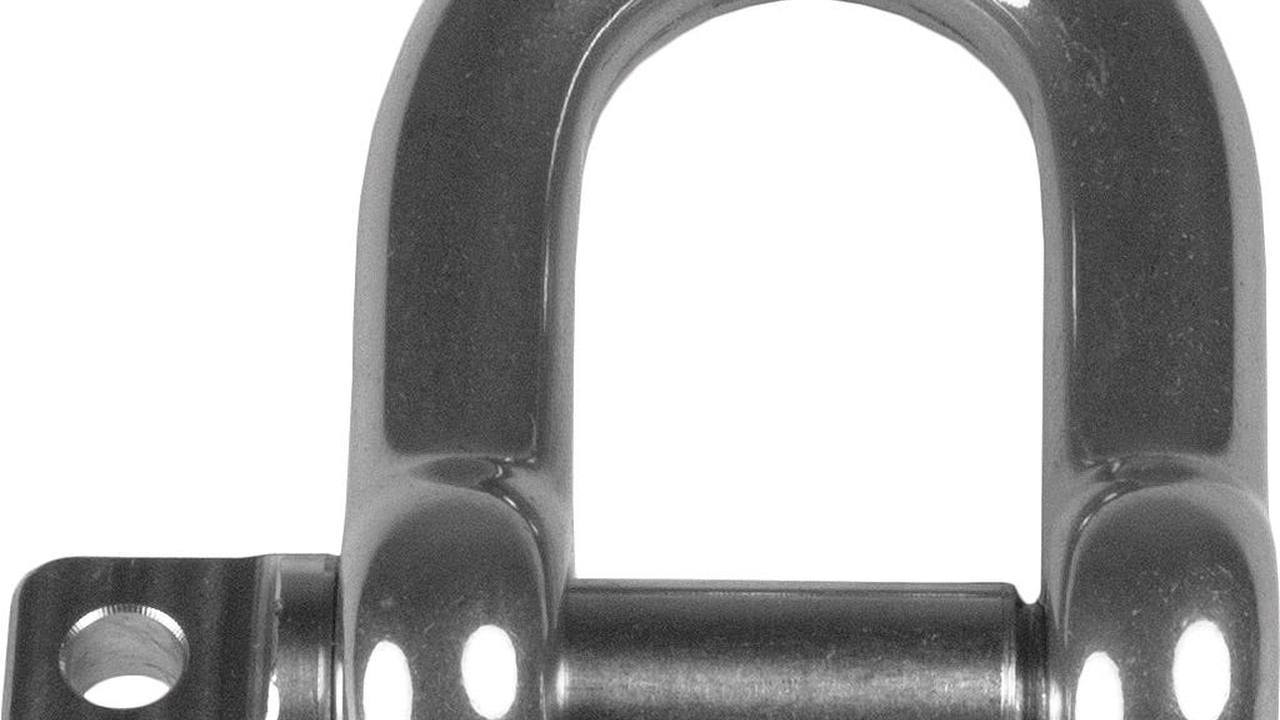
Compare material, diameter and code. The catalogue includes high-strength crickets associated with specific series. A replacement cricket can have correct opening but different shape or load. Check that you don't work across, that the pin doesn't touch the sail and that the body can move without getting stuck. Any ovalization or uncertain thread requires proper replacement.
Examines textile redundancy
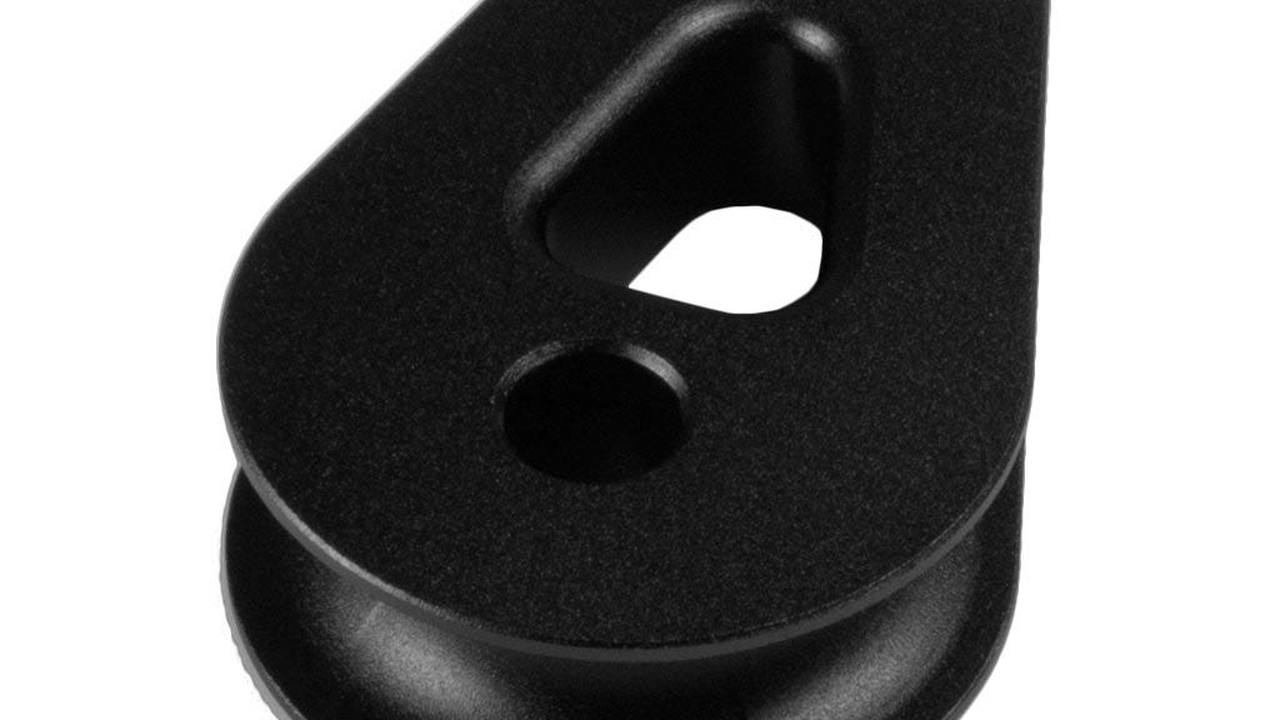
The draft must support the radius of the anti-tortion line and remain stable in the wrapping. Look for shifts, edges, polishing and damaged fibers. Do not change size because another component enters more easily. The rigger checks textile and terminal; the procedure confirms that redundancy, pin and ring work in the intended direction without concentrating the load.
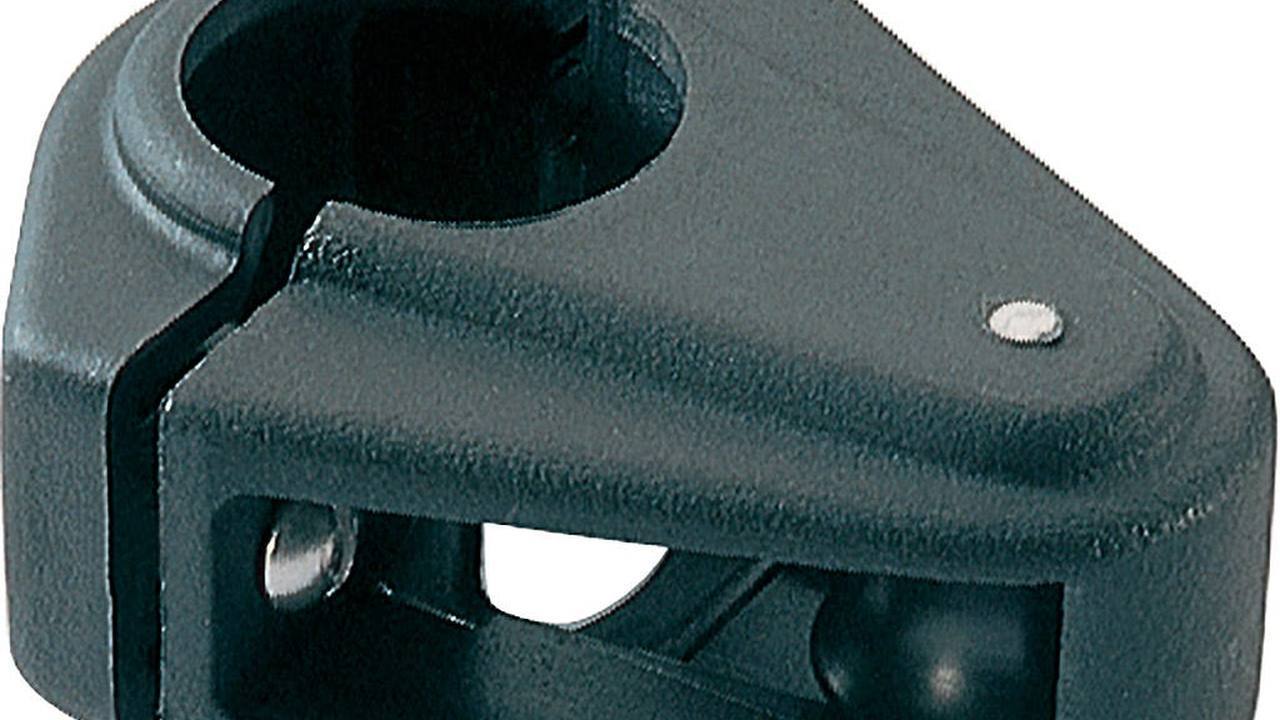
Check the top-down wall ring
The ring must rotate freely between sail and drum and cannot catch a rock or fabric. Remember that the declared load on the ring can be lower than that on the pins. Move it by hand and observe its orientation during a partial closure. If you tilt, beat or drag the sail, stop the test and check assembly and compatibility.
Follow the guide
The guide can be adjusted for zero or 90 degrees output in the planned systems. Check that the choice corresponds to the first reference and that the two branches remain separate. A tightened screw does not show alignment. Slide the line slowly and see if it climbs on the edge, taps a pin or tries to get out of the peripheral strip.
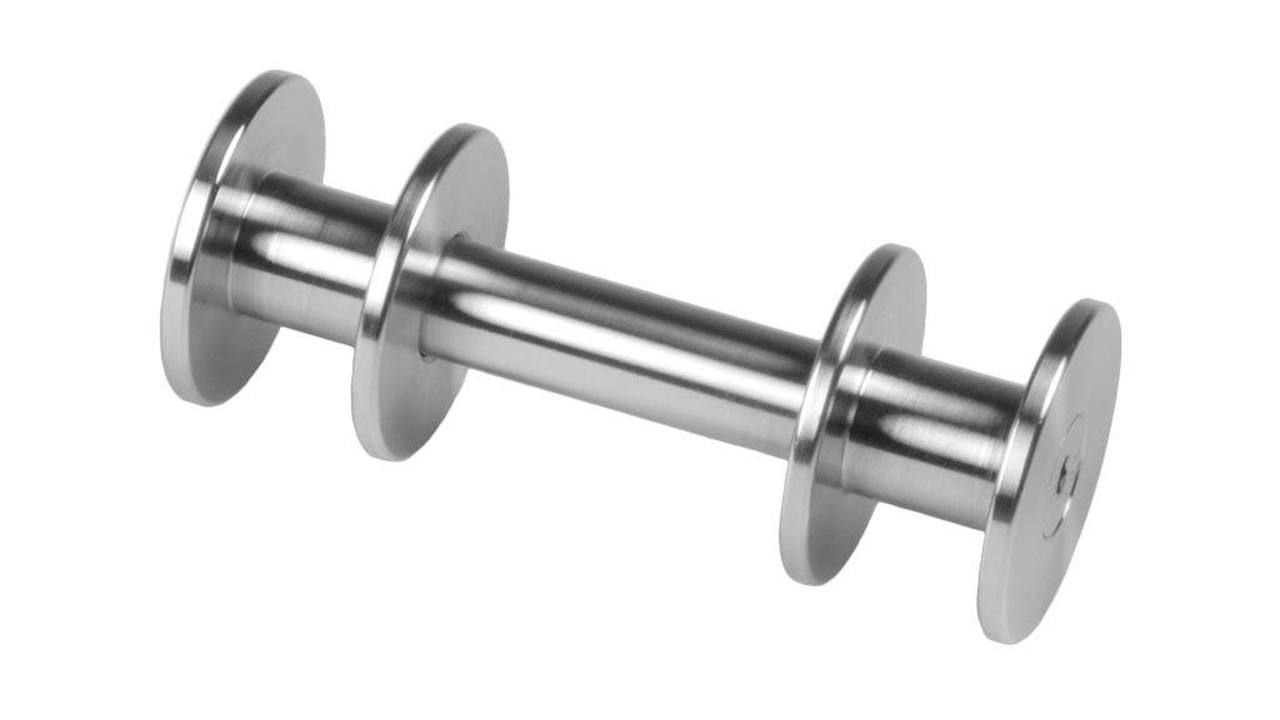
Inspect 2:1 or 3:1
Dedicated configurations add strokes and contact points. Identify the series and rebuild the path without assuming that the relationship solves a heavy line. Each pulley has to rotate, each branch must remain in its own plane and the support should not flet. A crossed top may seem to work empty and block as soon as the load grows.
Try the candlestick bottle
The RF3 stamp is indicated for winding lines up to 12 mm. Check real diameter, closure and support. The candlestick is not automatically considered structural for any shot. Make sure that the sketch doesn't slide, roote against a drag or create a tight corner. After the test he seeks signs of movement at the base.
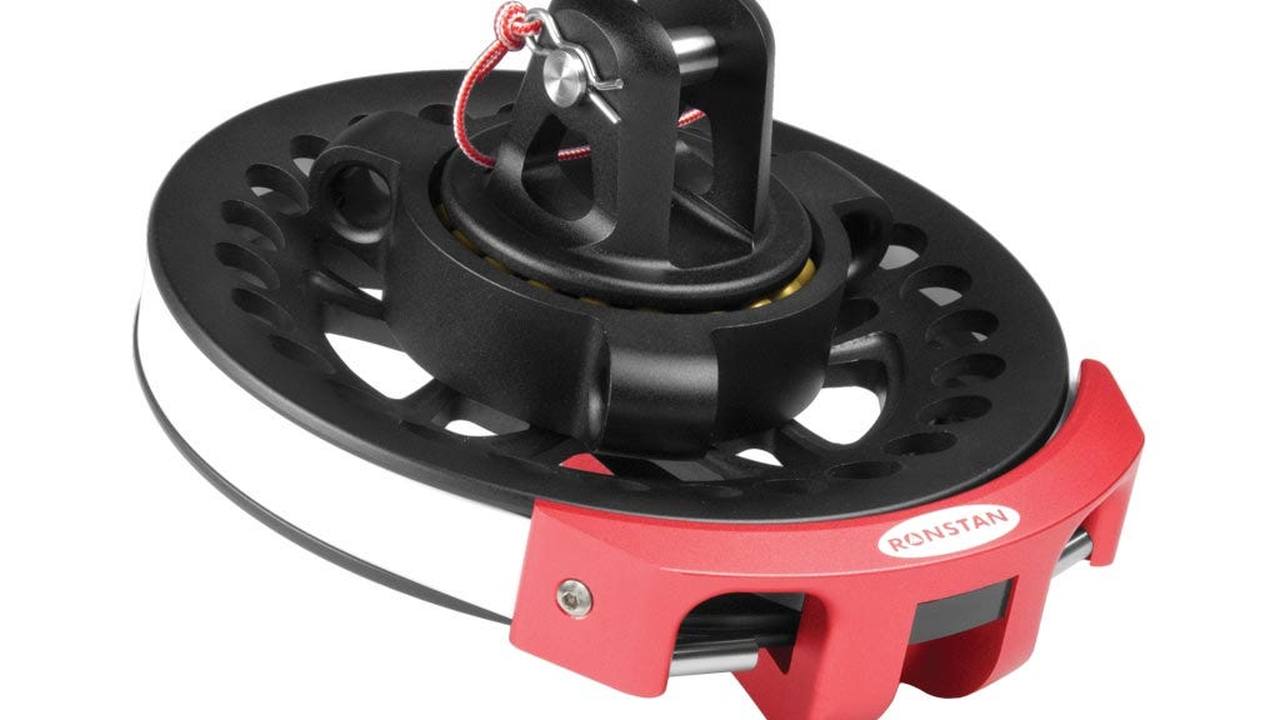
Check the pre-assembled line
A ready joint must remain uniform, without steps or broken fibers. For the 60 series there is a line of 5 mm and 8 meters; do not extend this measure to the other series. Pass the joint in every postponement and drum at low speed. If you change grip or skip, do not smooth or tighten for attempts: use the scheduled line.
Installation and removal test
The continuous line can be installed and removed quickly without tools on the described systems. Check that the layout preserves this function. If you need to disassemble a permanent referral or force the top behind a plate, the blanket hinders maintenance. It also plans where the line remains when sailing and winding are brought undercover.
Drive the rotation stop
The compact stop is used to prevent an involuntary opening when the sail is closed or raised and must be compatible with the model. Insert it and exclude it without load, verifying that it is not moved by rocks or fabric. Do not use it to block a partially open sail. If the system reopens, winding fixes, line or configuration.
Remove cover before testing
The neoprene protection of the spindle reduces impacts during handling and storing. Check size, humidity and status, then fix it as expected before use. You should not limit rotation or hide the pin during testing. After the return dry component and cover separately and verify that they do not hold salt or dirt.
Run a full vacuum test
With low sail, turn drum and spin, walk the line and move each attack. Check deemed and freedom. temporarily marks the location of the pins to discover migrations. The vacuum test does not certify the load, but it detects inverted mounts, mixed components and interferences without exposing the crew to a full sail.
Increases the load by phases
Under protected conditions, close partial and then complete. A maneuver, a guard head and walls. Nobody wraps the line on the hand. Arrest the test if an accessory rotates off the top, the flet referral or the spindle hardens. Do not compensate with sthanks: download, note the symptom and correct the cause.
Compare before and after
Use the initial photographs to check pins, crickets, drafts and guides. Even a small shift can anticipate a problem. Tap the rivii to detect heat and observe the line for new polishing. Record wind, sail and number of cycles, so the next comparison remains significant. A generic result “functions” does not allow diagnosis.
Clean without altering
Remove salt and contaminants according to instructions, without opening sealed bearings or using random products. Dry pins, crickets, line and covers. If a part presents game, corrosion or deformation, identify it from the code before replacing it. Do not mix spare parts only because they belong to the same brand.
Prepare the arrest procedure
Before the test you determine how to download the sail if the line jumps or an attack changes location. The procedure must avoid hands close to the drum, cable and charged pins. One person maintains the control of the roof, while another coordinates the reduction of the load. Do not use the rotation stop as an emergency brake and do not attempt to re-enter a live pin. Safety gloves and knife remain accessible according to the rules of board, but the first goal is to remove energy from the manoeuvre in an orderly manner.
Check available spare parts
Compare pins, crickets and ligatures with the set list. Each part must have code, series and position; a similar component is not considered appropriate. It also controls corrosion and is believed to be used in parts that are never used and stored separate from generic minutery. If a dedicated element is missing, note it before departure. The presence of correct spare parts reduces the temptation to improvise after a failure, but no replacement happens until sailing and attacks are completely unloaded.
Simula the complete boot
It kills the set in protected conditions and repeats the entire removal sequence. The continuous line must be able to remain ordered on deck when sailing and drum are brought undercover, without being trapped by rivii or ferramenta. Protect the spindle and terminals from bumps, but lets dry textiles and covers. Make sure that the removed pins have an identified container and cannot end up with generic spare parts. During the movement, see if a carabiner catches the sail or if the redancia folds the cable abnormally. A correct storage procedure preserves the parts and makes the control faster before the next exit. Record where each element is stored, so another crew member can recompose the set without deductions.
Update the set log
Note series, codes, line, route, photographs and results. Indicates which pin is quick, where the stop is working and how the cover is drawn. It records wind, used sail, number of cycles and any observed shift, so future comparison has a concrete basis. If you change an accessory, repeat the relevant evidence and retain the reason for replacement. the procedure makes visible the parts that normally disappear behind the sail: it is right there that a reliable system keeps its consistency.