
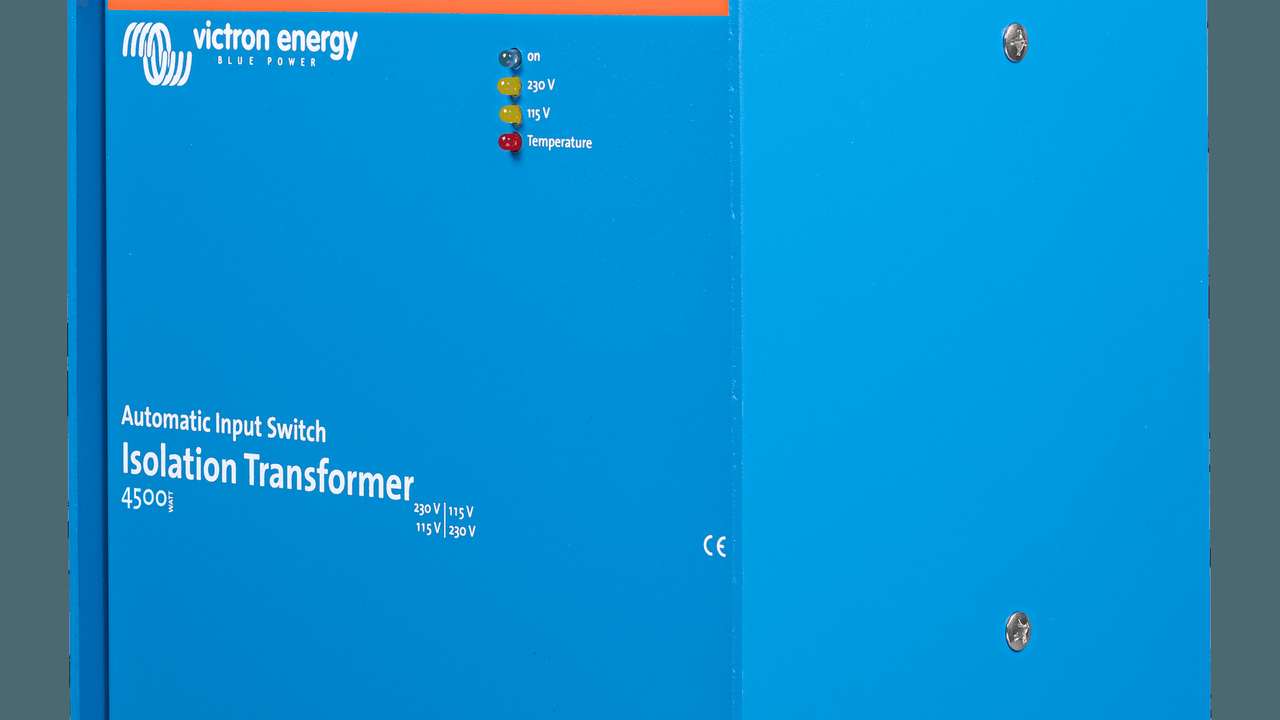
When anods are consumed much faster after a long stay in port, accusing the marina is easy but rarely enough. Galvanic currents through dock land, DC dispersions, modified bonding, incompatible metals and external connections can produce similar symptoms. Victron insulation transformers and VDI galvanic isolators intervene differently: the first galvanically separates the AC system of the boat from the network, the second blocks low continuous tensions on the earth while allowing the passage of fault currents above its threshold. the procedure starts from safety and never disconnects the earth to experiment.
Photograph the symptom before surgery
The status and position of each anode, metal concerned, date of last replacement, days connected to the dock, frequented marina and recent changes. A uniform consumption differs from localized or deposit sagging. Network cable, adapters, data links and bonding jobs are also noted. The photographs are compared with previous controls, not with memories. If there are shocks, differentials that intervene, smell, hot cables or tension on metal parts, the system is isolated and immediately entrusted to a qualified technician.
Distinguish galvanic, electrolytic and dispersion
Galvanic corrosion arises from metals and potentials connected through an electrolyte; a current etched by a DC fault can accelerate damage with different dynamics. An AC dispersion introduces a risk for people in addition to the metal problem. Diagnosis does not use anode speed as the only test. DC, AC, continuity, insulation and potentials occur with appropriate methods. Before evaluating VDI or transformer it is necessary to exclude damaged cables, faulty submerged pumps, random connections and external appliances.
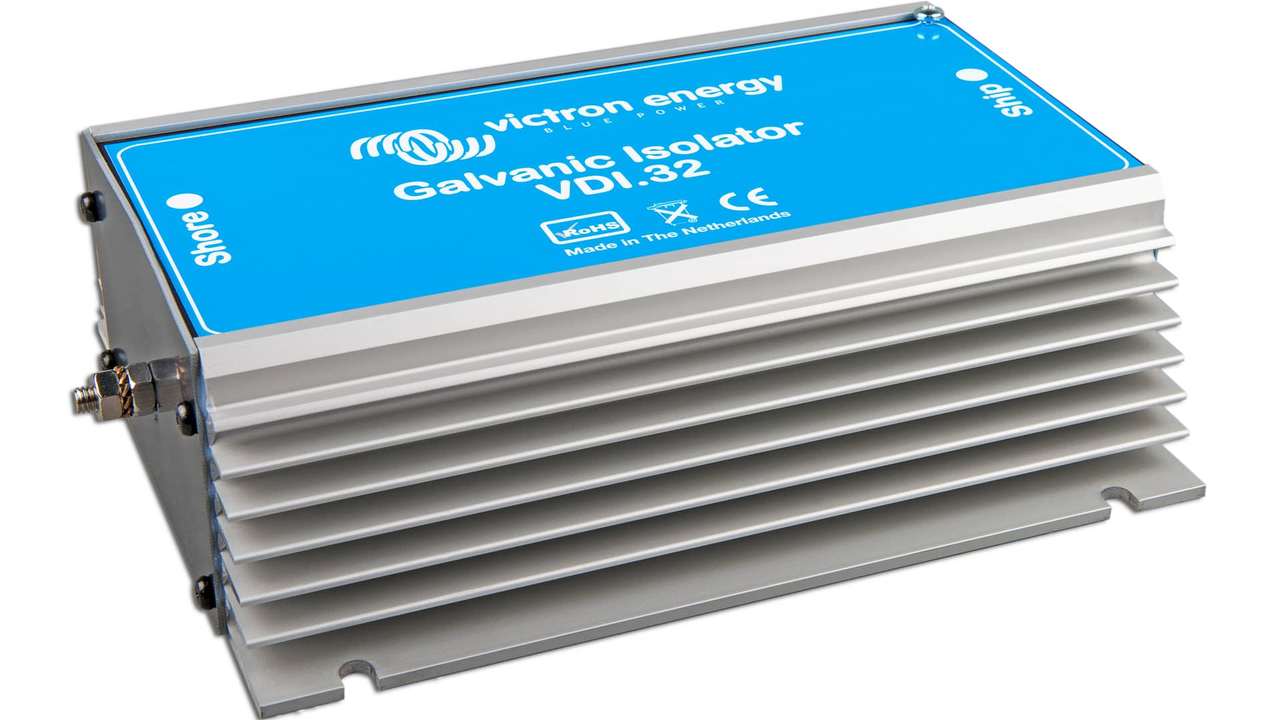
Identify the installed device
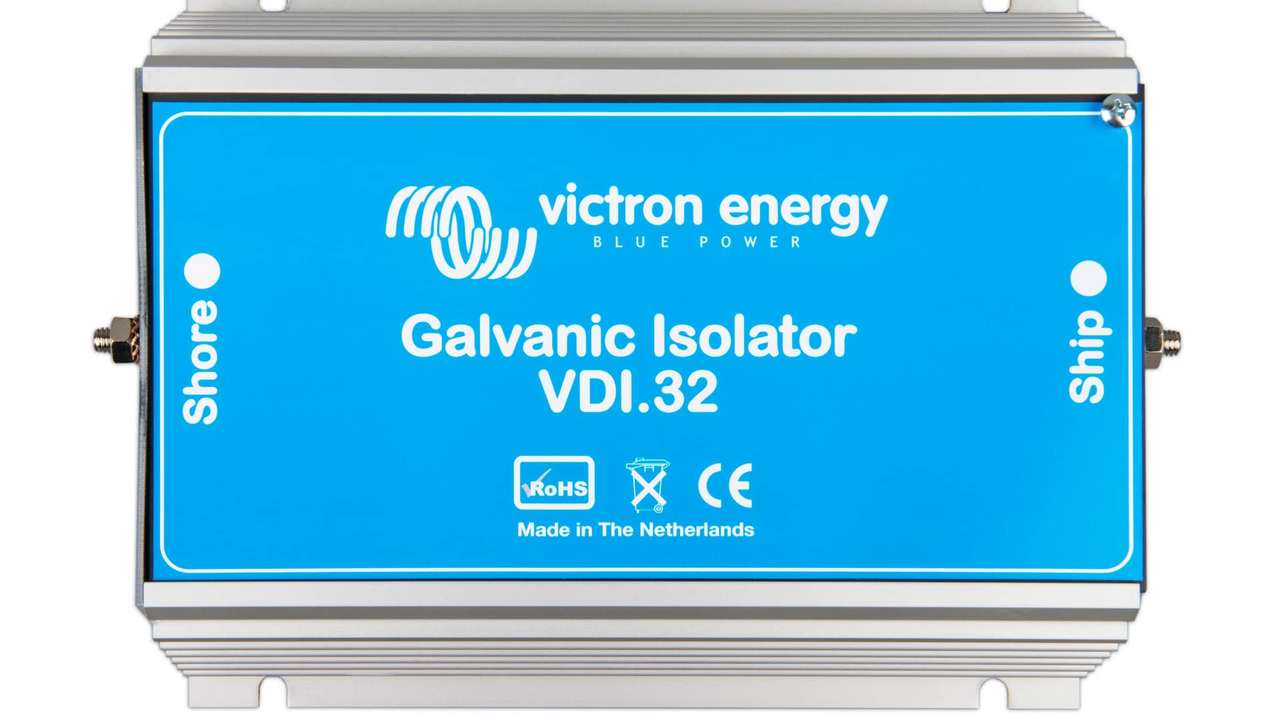
You read the full code of the insulator or transformer, the current or expected power, the voltage and the diagram applied. A VDI-16, VDI-32 or VDI-64 is not only judged by the form; a transformer from a different family can have different connections. You look for manual, declaration of conformity and delivery measures. If the device is not documented, it is not assumed that it is correctly sized or inserted into the right conductor. The position is compared with the official instructions.
Galvanic diagnosis table
| Symptom | Control | Decision |
|---|---|---|
| Quick anodes | Historical and potential | Cause to isolate |
| VDI | Wiring and parallel routes | Verified function |
| Hot Transformer | Loading and ventilation | Size or environment |
| Differen | Dispersion and schema | Immediate insulation |
| Localized metal | Bonding and contact | Specific copper |
Check the land without interrupting it
The continuity of the protection conductor is controlled according to the scheme and with suitable tools. It does not open the connection to see if the anodes slow down: during the test a failure may not make the protections intervene. With the VDI the path includes the device; with the input and output transformer belong to separate circuits and the management of ground and neutral follows the project. The verification includes socket, cable, framework and metal parts, without creating temporary bridges that alter the result.
Check differential and overcurrent
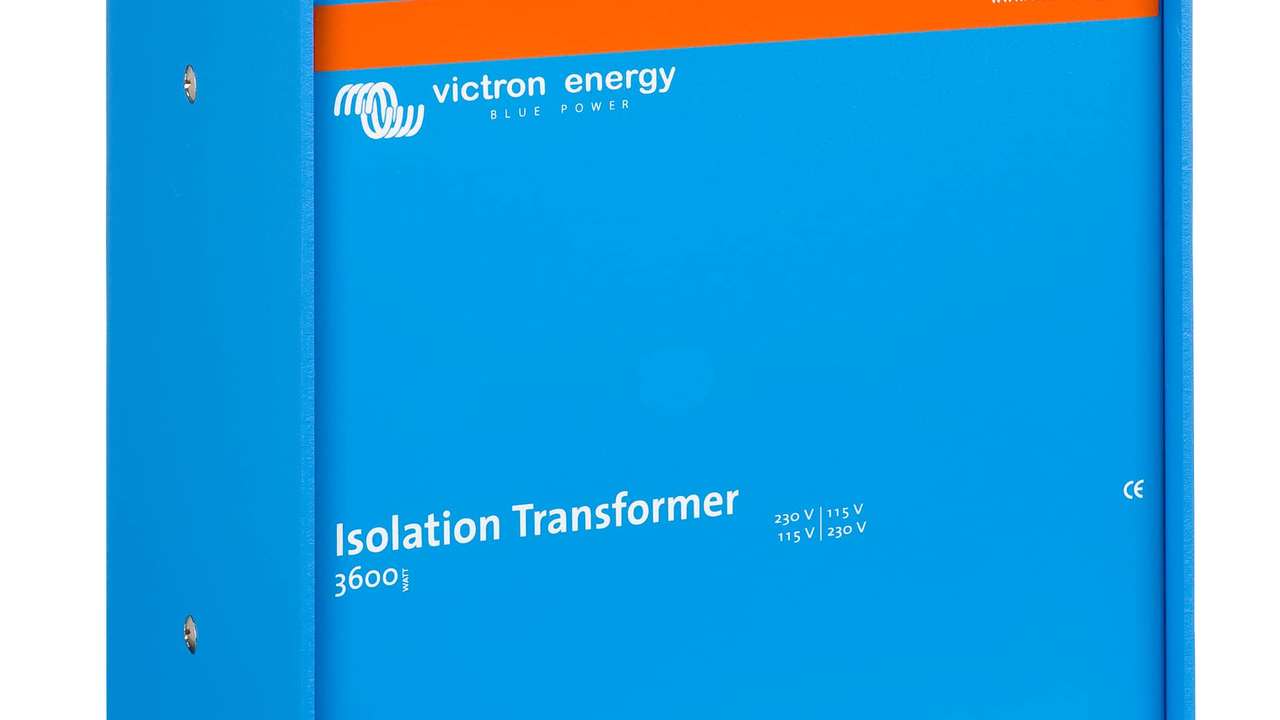
A galvanic insulator does not replace the differential. Its internal network must allow the passage of the fault currents necessary for the operation, according to the documented operation. The transformer creates a new distribution that requires consistent protection on the secondary. Devices are tested with professional procedures and selectivity occurs with those of the dock. A switch that snaps is not increased or blocked: the circuit is isolated and you look for dispersion, incorrect wiring or faulty load.
Search for parallel routes to the marina
A properly inserted VDI can be bypassed by a second conductive link. Shielded data cables, TV, telephone, metal walkways, piping, portable chargers and pier equipment are invented. Each element is controlled without removing necessary protections. Also a forgotten cable in gavone can recreate the path. The test compares documented and repeatable configurations. If disconnecting a non-essential accessory the phenomenon changes, that accessory becomes the subject of electrical verification, not a permanent solution left disconnected.
Follow bonding on board
It reconstructs which masses and metals are connected and why. Motors, axis, propellers, saildrives, sea sockets, tanks and metal hulls are not united or separated according to a generic rule. They measure continuity and fall on the planned branches, seeking oxidized joints and modifications. A broken connection can leave a metal without protection; an added one can involve a component that the project kept isolated. The design of the manufacturer and the specialist evaluation prevail over the shortcuts.
Examine anods and contacts
Material, mass, exposed surface and electrical contact of the anode are verified. Paint, oxide, washers or supports can isolate it from the metal it should protect. A wrong anod for the environment can provide a misleading reading. It is also checked that too much sacrificial material has not been added without calculation. The measurements are carried out in the same type of water and with comparable conditions. An intact anode does not automatically show no corrosion: it could simply not be connected.
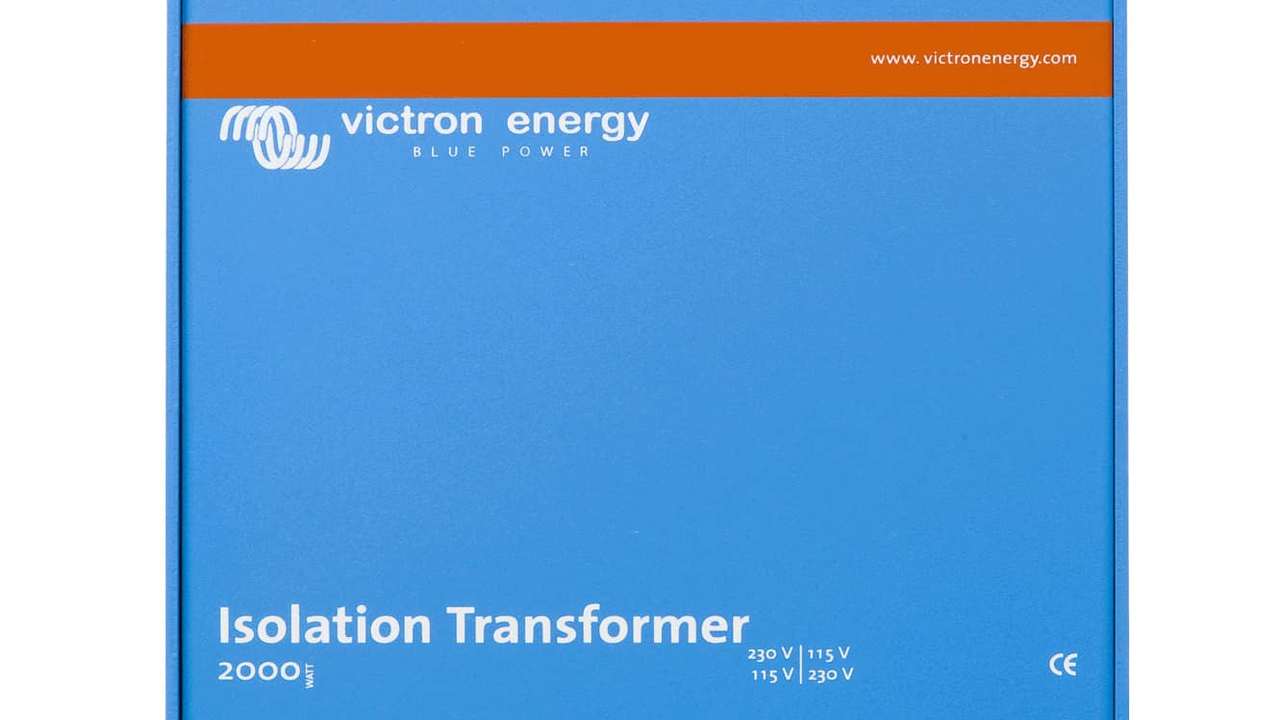
Measuring the transformer load
If a transformer is installed, voltage and current is recorded on the primary and secondary with progressive loads. Charger, boiler, kitchen, air conditioning and sockets can exceed the expected contemporaneity. Fall, noise and temperature are observed after a significant time. The soft start helps to contain the insert but does not correct overload or incorrect protection. If the device becomes excessively hot or the voltage drops, the loads are reduced and the size, ventilation and network are compared.
Check mounting and ventilation
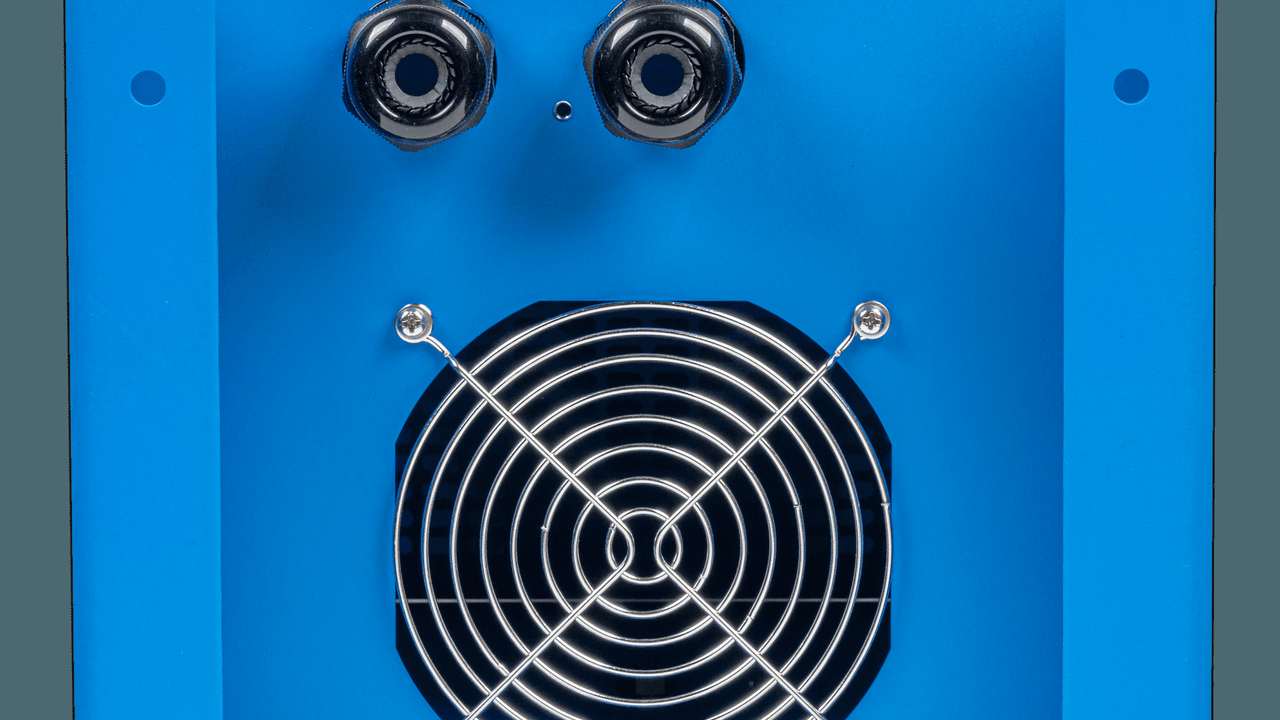
The transformer requires support capable of sustaining mass and vibration, distances and consistent ventilation. Water, condensation, vapours and materials should not reach clamps or impede cooling. The galvanic insulator must be fixed, accessible and protected from traction on the cables. Signs of heat, discoloration, smell or new buzz are recorded. Couples do not run hot and without isolation. A convenient but closed position can produce seasonal failures that disappear during a short test.
Verify voltage and configuration
The physical grip does not prove correct voltage or frequency. It measures the input and compares with the variant of the transformer and with any selections planned. Mechanical adapters do not transform the network. Connections for different voltages are carried out only according to manual and by competent personnel. The secondary value occurs before feeding the loads. An incorrect configuration can overheat the device or damage users without directly explaining the anodes, so it still enters the overall diagnosis.
Diagnosing VDI without destructive evidence
The control follows the official procedure of the model and checks wiring, integrity and absence of bypass. Improvised tensions do not apply or use a simple continuity test as a universal verdict, because the diode network has a behavior defined by polarity and threshold. If the device has undergone overcurrent or shows damage, it is replaced with consistent variant after identifying the cause. The new unit is not used as fuse for an unresolved system.
Insulate DC sources once a time
Pumps, chargers, alternators, solar, inverters and immersive appliances can introduce DC dispersions. Following the scheme you isolate non-essential branches one at a time and look at appropriate measures, without interrupting security devices. The battery is not disconnected under uncontrolled loads. If a branch significantly changes the phenomenon, they examine positive, negative, isolation and contacts with water or bonding. This phase prevents the dock cable from attributing a defect entirely inside the boat.
Compare port, mooring and duration
Fresh water, psalm and marina, temperature, proximity of metal structures and connected time change the picture. It compares homogeneous periods and registers if the boat remains powered even without crew. Changing boat seat can offer a clue, not a judgement on the marina. Diagnosis maintains as much loads and configuration as possible. If consumption varies, measurable differences in connections and the environment are sought. The report avoids undemonstrated accusations and keeps useful data to the port technician.
Perform final electrical testing
After correction there are polarity, isolation, protection continuity, differential, overcurrent, tensions and behavior under load. With the transformer there is an insertion, secondary, temperature and noise; with the VDI the installation and tests are confirmed. All covers are restored and supported cables. The results include tools, conditions and values, not only the word conforms. A second inspection after exercise controls setup, heat and locks without waiting for the next season.
Monitor anods after restoration
Initial and then periodical close ranges are established. Photos, mass or residual dimensions, measured potentials and dock days are compared. If consumption slows down but remains irregular, the diagnosis continues on the metals concerned. If it does not change, parallel paths and dispersions are reevaluated. Success is not the anode, but a consistent protection without damage to the components. Each new AC, DC or data equipment is recorded because it can alter the galvanic system.
When to stop the procedure
Perceived shock, tension on hull or masses, non-functional differential, hot cable, water in the device, blackened terminals or deteriorated insulation require disconnection of the dock and qualified technician. It does not open a transformer, it does not bypass a VDI and does not remove the earth. If the scheme is not available, the priority is to rebuild it. The urgency of the anods does not justify evidence that the electrical risk for crews, divers or other boats increases.
Procedure verdict
Anodes consumed quickly do not prove alone that the port is responsible or that the insulator is dead. The verification must distinguish small galvanic currents on earth, internal dispersions, bonding, anodes and parallel paths. The VDI blocks low continuous tensions according to its own principle; the transformer galvanically separates the network. Both require properly designed land and protections. Only after electrical tests and time monitoring can the cause be resolved without sacrificing security.