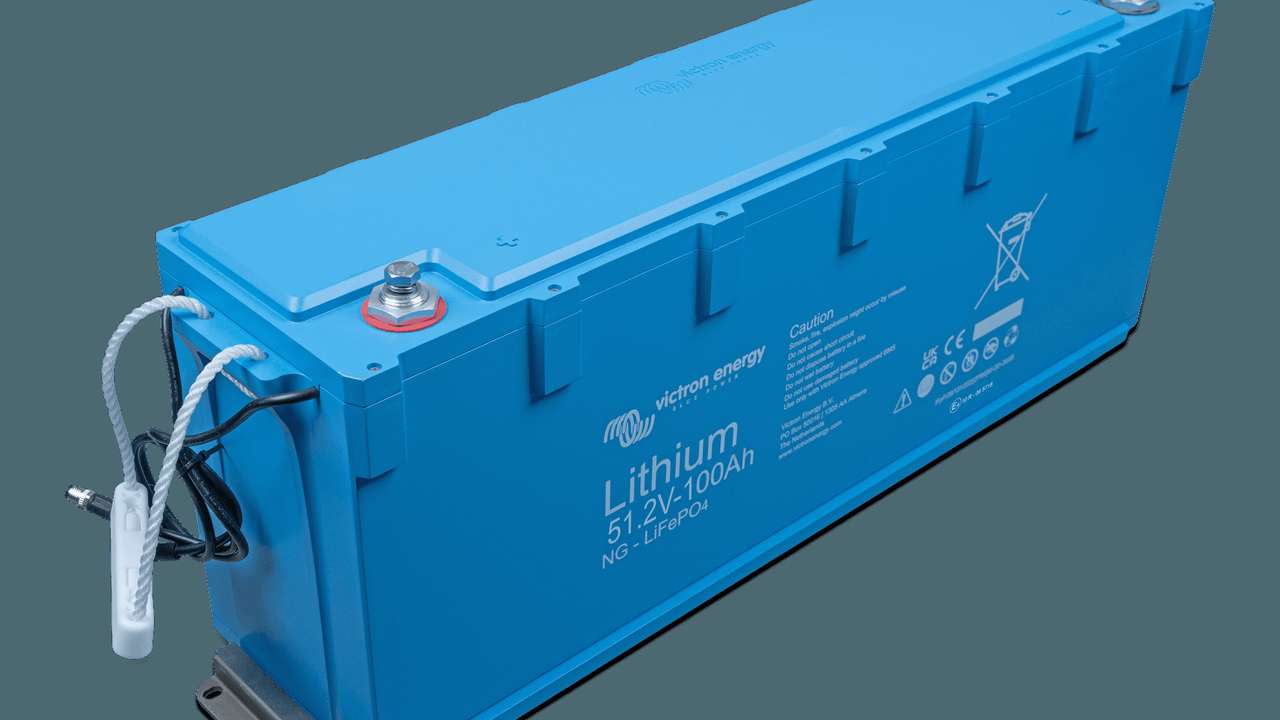
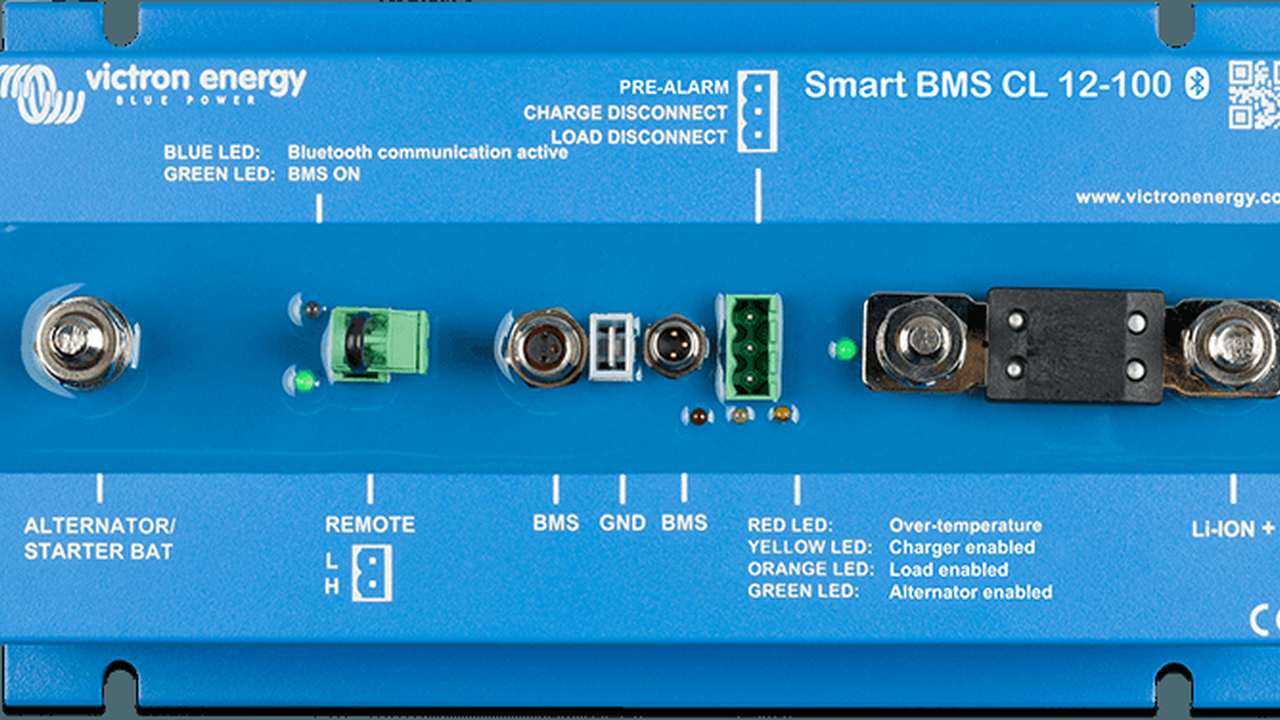
A lithium bank that suddenly turns off can be protecting the cells, reacting at temperature, losing a BMS signal or falling on the power circuit. Turn on without understanding the cause deletes clues and can repeat the arrest at the worst time. Lithium NG, Lithium Smart and SuperPack NG do not necessarily use the same management, so the procedure begins with the full code. Events and measurements are preserved, then battery, BMS, fuses, contactors, cables, loads and sources are separated. Replacement of the module comes only after showing a lack of accumulation.
Free the status before reset
Now, active loads, sources, engine status, total voltage, current, charging status, temperature, alarms and BMS indications are recorded. They photograph wiring and shielding without moving connectors. An arrest during a peak is different from one at rest; one in charge is different from one during discharge. What services have remained fed. The chronology allows you to understand whether cell protection, temperature, overcurrent or command loss has occurred and prevents an occasional restart from being exchanged for repair.
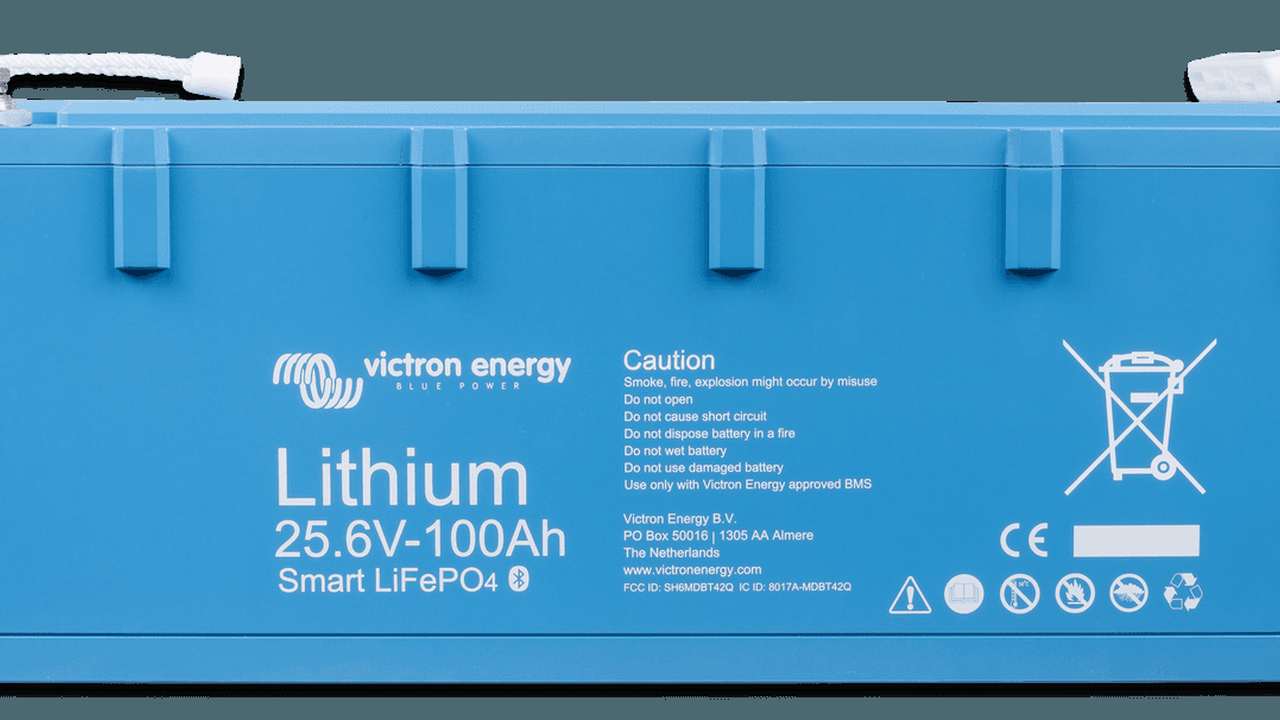
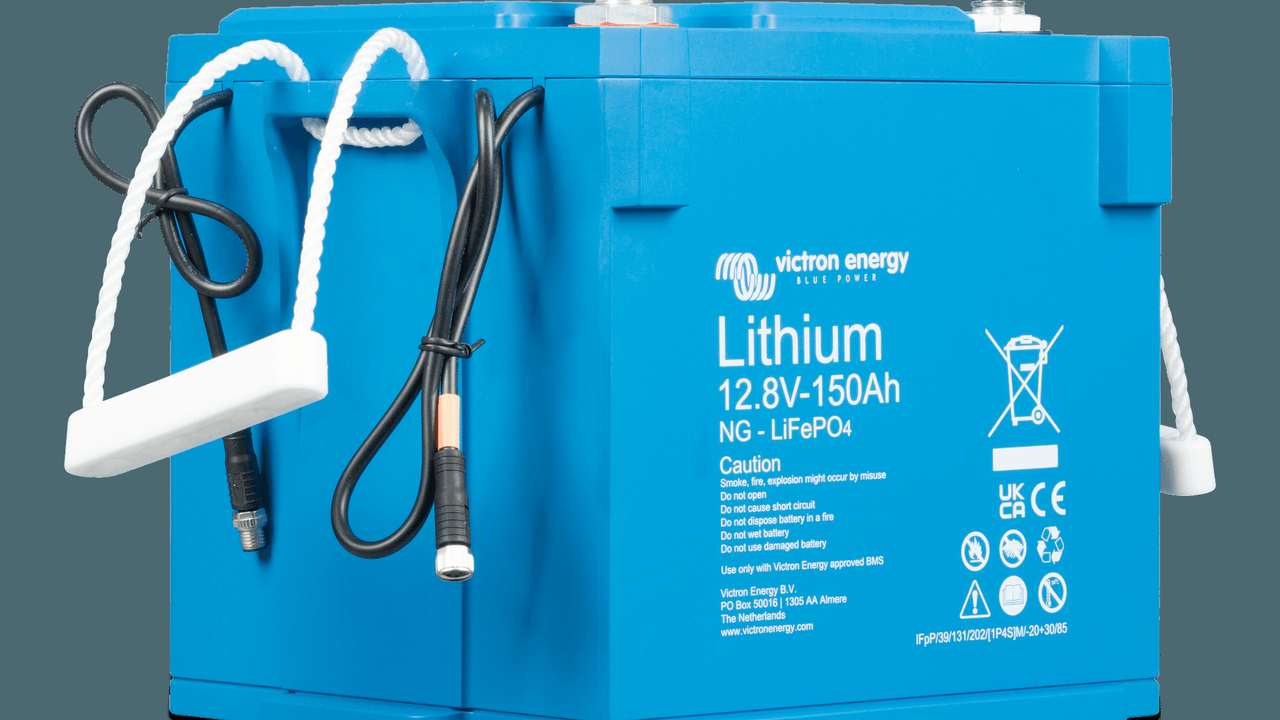
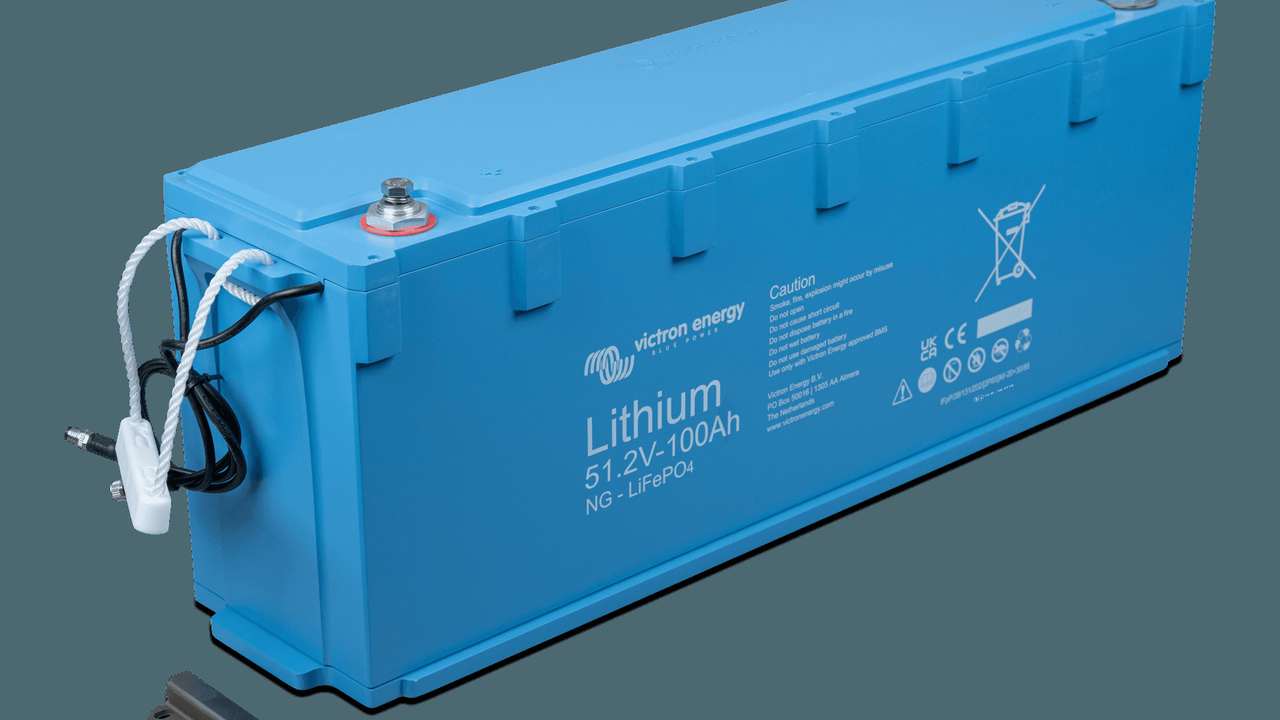
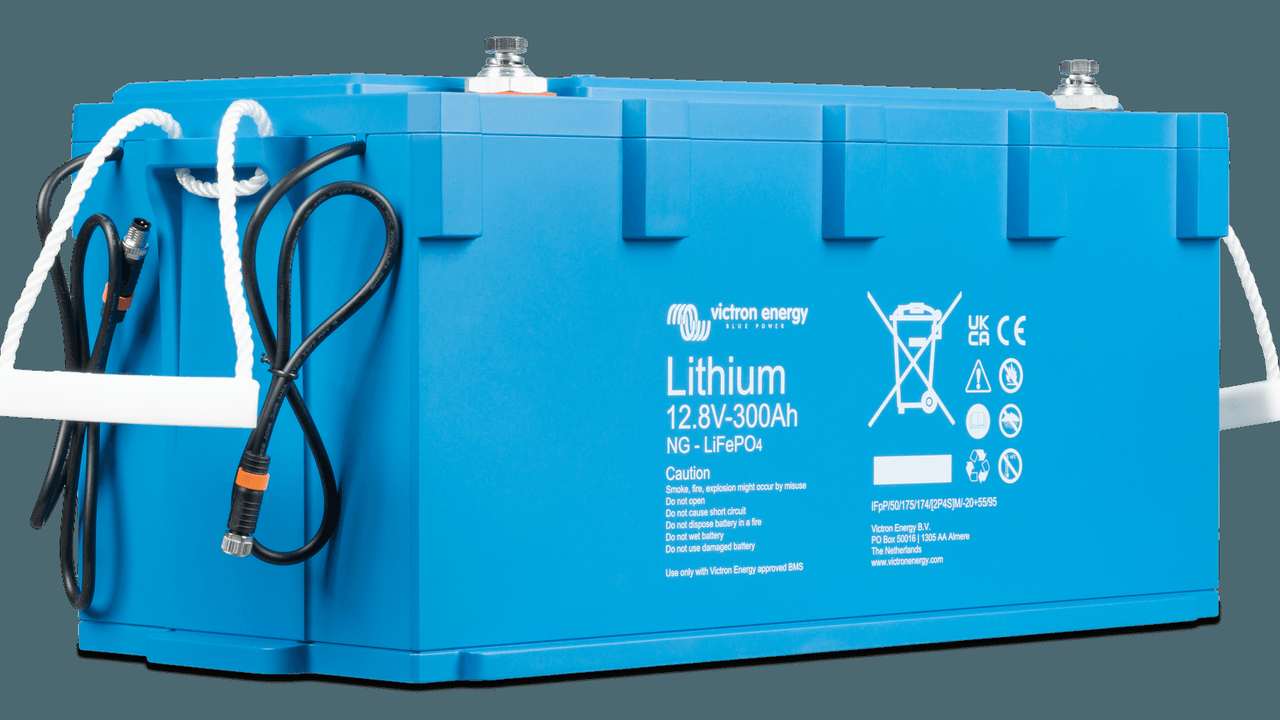
Identifying family, modules and BMS
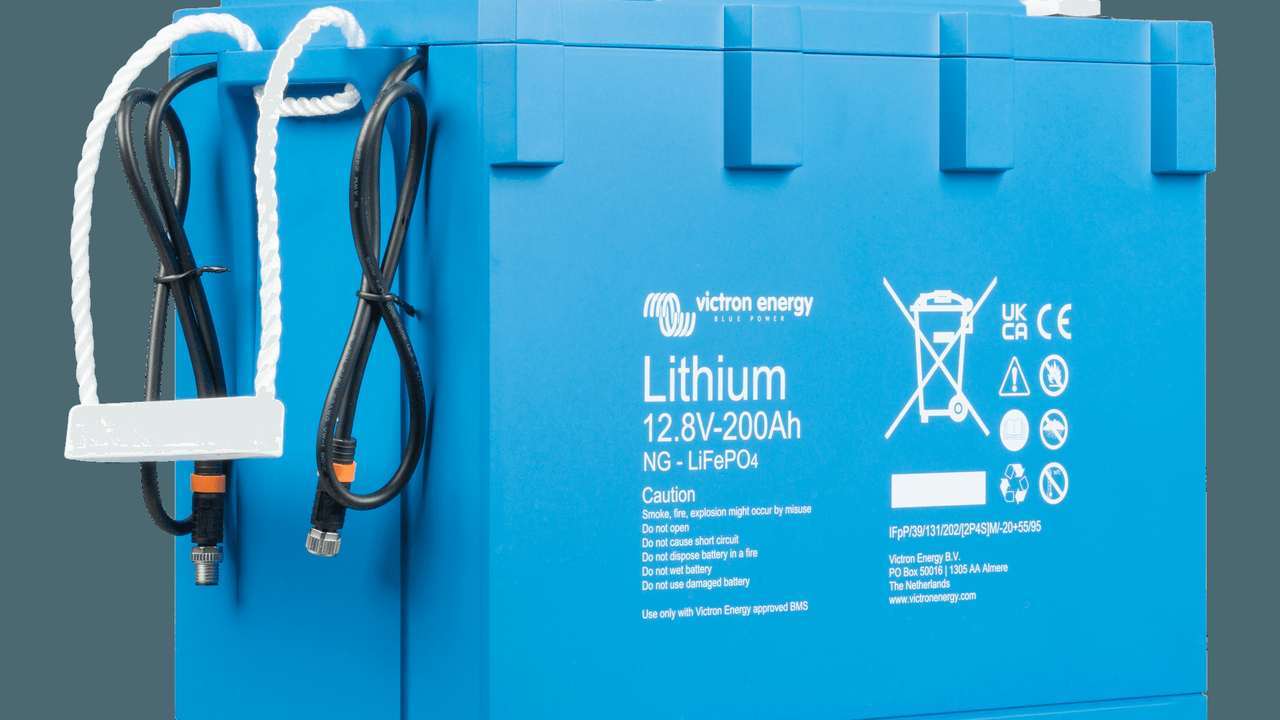
You read model, voltage, capacity, serial and connections of each battery. Lithium NG and Lithium Smart require the BMS system compatible with their family; SuperPack NG adopts a different management. There are number of modules, series, parallel, data network, contactors and signals. Components with similar name are not exchanged. If the counter has been modified, compare the current pattern with the one delivered. A management incompatibility can produce arrests even with healthy cells and seemingly correct overall voltage.
Read events, cells and temperatures
The events are acquired before cancelling them. It compares tensions of the cells and temperature of the modules, looking for a repeatable deviation. The total voltage can hide a high or low cell. An abnormal sensor can prevent charge or discharge according to the expected logic. You do not force the system beyond the limit to confirm the alarm. The data occurs with the procedure allowed and it is observed if it returns in the same conditions. A single isolated value is related to current, time and ambient temperature.
Quick Shutdown Table
| Symptom | Priority control | Closure |
|---|---|---|
| Stop under peak | Current, Fall, BMS and Contact | Repeated load without stop |
| Stop in charge | High hood, profile and charge signal | Reduced and balanced charge |
| Cold stop | Temperature and load limit | Authorization under conditions |
| Dead bank | Fuse, switch and BMS output | Voltage present on the correct path |
| Cyclical restarts | Residual load and recovery thresholds | Stable transition |
Check voltage to poles and bars
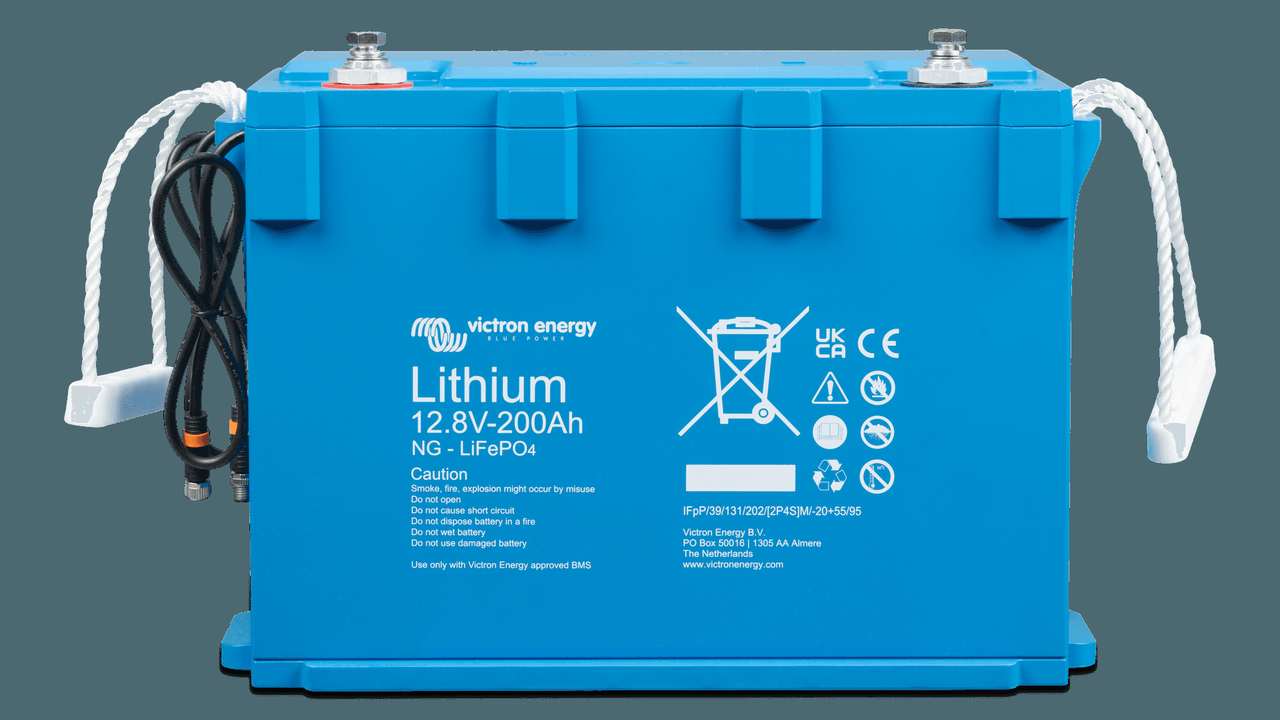
It is measured directly at the counter terminals and then at the distribution bars at the same time. A difference under load locates fuse, dissecter, contactor or connection. It includes the negative. If the voltage is present on the battery but absent downstream, the module is not charged. If the policies are already missing in accordance with the allowed access procedure, the integrated management or BMS status is verified. The measurements are carried out with instruments adapted to the voltage and without short circuiting high current terminals.
Check the fuse without bypass
The fuse occurs from the two sides during the relevant condition and, on isolated circuit, with element inspection, fuse holder and capicorda. A resistive contact can cause fall and heat before opening. The spare keeps type, value and break capacity. Increase the size or bridge the component eliminates cable protection, not cause it. If it intervened you search short, overload or peak off project. The lithium bank can provide high currents, so prudence does not depend on relatively low nominal voltage.
Try switches and contactors
It identifies which device commands charge, discharge or whole counter. Coil, power, mass and signal are measured according to pattern. An open contactor can be a correct response of the BMS; close it manually bypassing protection. A resistive contact can instead show vacuum tension and fall under current. After resolving the cause it proves opening and closing without improper loads. The safe state in case of interrupted wire is confirmed. The noise of the relay does not replace an electrical measure.
Follow the charge and load signals
The BMS can authorise battery chargers and utilities separately. It follows each signal to the controlled devices, checking polarity, logic and continuity. An oxidized wire can turn off the inverter while leaving the monitor active; an incorrect command can allow charge when it should stop. You do not join the exits to obtain a single consent. After repair you try normal state and stop with safe methods. The delivery clearly distinguishes alarm, pre alarm, stop charge and stop download.
Measure the fall under load
A voltage that collapses during inverter or psalm still can depend on the cables, not on the cells. The fall is measured on each positive and negative branch with known current. Caps, bars and picking points are compared. A hot point indicates concentrated resistance, but the temperature should be measured, not measured at the touch. It isolates itself before tightening. After correction the same load is repeated and the modules are compared. Measures at different times do not allow to attribute with certainty the loss to a single stroke.
Check the distribution in parallel
In parallel benches, currents of the branches are measured during loading and unloading. A module that works more than others can reach a limit first and command the arrest. Lengths, sections, terminals and withdrawal points must be comparable. There is also homogeneous status and capacity. Do not move a cable for attempts without updating scheme and protections. After rebalancing the test is repeated at multiple levels of current. The overall percentage does not show itself that each battery contributes correctly.
Low temperature during charging
If the counter refuses charge at low temperature, the arrest may be expected. We compare readings of real sensors and conditions, verifying that a module is not in a colder area. You do not quickly heat the battery or bypass your consent. Family limits apply and energy is planned with other sources or suitable environment. An inconsistent sensor is diagnosed according to procedure. Restoration occurs only when temperature and authorization fall into the intended field without persistent alarms.
High temperature and ventilation
During high current there are temperature of modules, terminals, environment and duration. A battery close to inverter, motor or hot bulkhead can reach the limit first. We control ventilation, space, fixing and objects accumulated in the compartment. A much warmer terminal suggests contact resistance; a uniform increase requires comparison with current and allowed conditions. It does not cool artificially to cancel the event. The correction is validated by repeating the same session with compartment in the normal navigation configuration.
Charge profile and high cell
A cell that reaches the current limit can depend on imbalance, incorrect profile, current or problematic module. You control solar settings, dock, inverter-loader and DC-DC. Sources are tested one at a time. You do not increase the tension to force the balance. The expected behaviour of the family is observed and the authorized procedure applies. After correction the charge must be reduced without repeated arrest and the cells must remain within the expected field even close to the full state.
Excessive or unmanaged load
They compare continuous current and peaks of inverters, pumps and motors with bench, BMS, contactors, fuses and cables. An added load after the project can pass the path even if the energy capacity seems abundant. Try one user at a time and then the authorized combinations. The limit is not raised to avoid shutdown. If the point is incompatible, it changes architecture or sequence. Restoration shows that the counter holds the expected load without falls, heat or protection interventions.
Compare monitors and battery data
The shunt monitor estimates the charging status from the overall flow, while the battery system observes cells and temperatures. The two data are not equivalent. It occurs that all returns cross the shunt and that ability, queue current and synchronization are correct. A high percentage does not exclude a weak cell; a stable voltage does not exclude reduced capacity. Readings with independent instruments are compared during testing. Diagnosis uses events and measurements, not a single icon on the display.
Examine fixing and data connectors
Movement, vibration and traction can loosen power or communication. Safe circuit controls brackets, straps, covers, connectors and routing. A crushed data cable can produce loss of a module; a stressed pole can create heat. The degree of protection does not authorize stagnations or immersion. Access is maintained for replacement and testing. After each intervention the cables are supported and the updated as-built photo. A defect that appears with sea size deserves special mechanical attention.
Restoration without reboot cycle
The cause is removed before the reset. Polarity, protections, pairs and connectors are controlled, so the expected sequence is applied. The counter is reactivated with essential loads only, observing cell tensions, temperature and BMS status. Users are gradually added. If the arrest returns, it does not insist. The new event is preserved and compared to the previous one. The degraded mode maintains communications, lights and pumps through the designed path, without contact bridging or using an external unprotected battery.
Final test of charge and discharge
Try each source separately, then the allowed combinations. Continuous loads and representative peaks apply, recording current branches, tensions, cells and temperatures. Pre-awakening, safe stop using permitted methods and stable recovery. The system must also protect motor battery and alternator. After cooling the sequence is repeated. A bench that remains on for a few minutes is not yet repaired: it must cross duration, power and transitions that had generated the defect.
Prevention and technical register
There are diagrams, modules, BMS, fuses, contactors, cables, pairs, profiles and test values. The inspections look for oxide, humidity, discoloration, fixations and temperature differences. Recurring events are analyzed before they cause total stop. A new battery or greater load require verification, not only connection. The crew knows what services to reduce to pre-awakening and how to activate degraded mode. The register transforms a sudden arrest into a recognizable and manageable condition.
Procedure verdict
The lithium counter shuts down following a precise chain: events, cells, temperature, BMS, signals, contactors, fuses, cables and loads. Lithium NG, Lithium Smart and SuperPack NG require consistent procedures with its management. The battery is replaced only when measurements and tests locate the defect in the module. A valid restoration holds charge and discharge, maintains uniform temperatures, distributes current between the branches and stops safely. Turn it on without this verification only postpones the next blackout.