
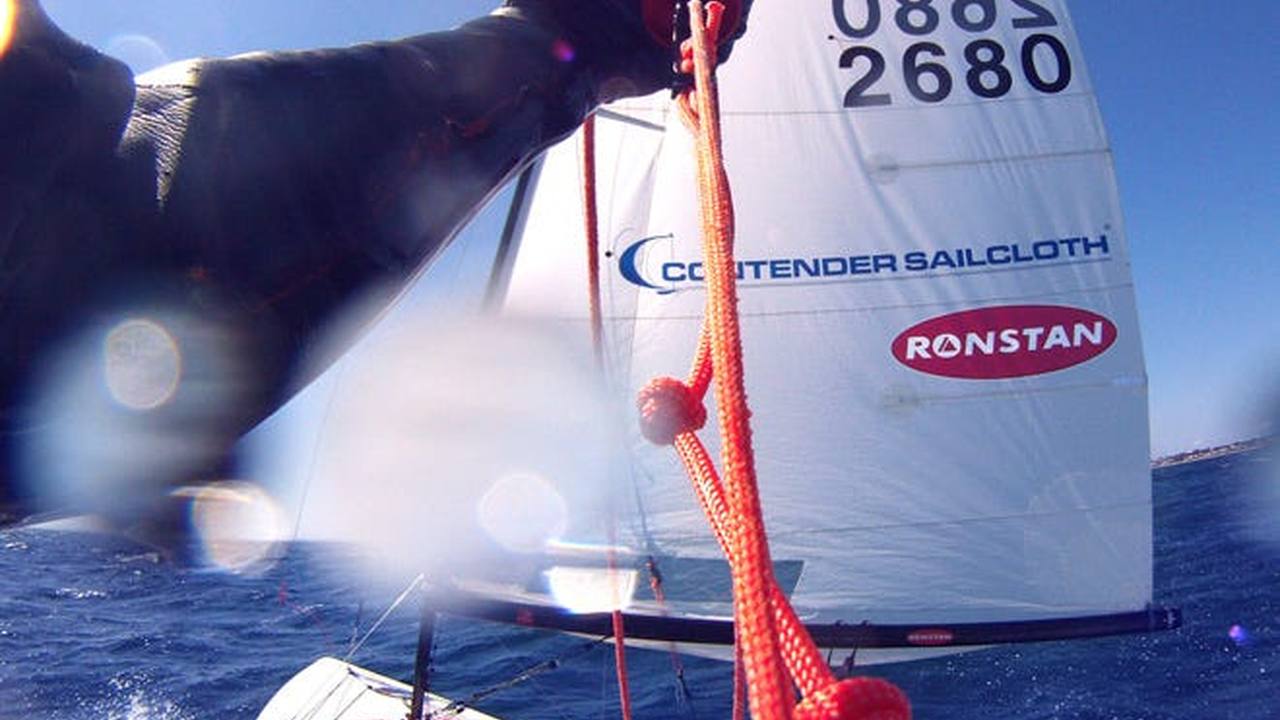
When a top escapes from the cleat, the first charge falls on the teeth. When he doesn't get rid, he thinks about the spring. In fact, the symptom can be born from a wrong size, a side entrance, a deformed fairlead or a base that moves. C-Cleat, T-Cleat and V-Cleat Ronstan have different principles and ranges; for this the useful diagnosis starts from the identification of the code and observes the maneuver under a controlled voltage. Changing the component without understanding the path is likely to reproduce the same defect.
“Does not hold” describes an effect, not the cause
The top may not enter enough in the throat, have a diameter out of range, arrive with an incorrect angle or be held by an accessory that does not center it. A loose base also reduces the precision of the gesture. Before disassembly, the problem appears: empty, with a specific voltage, on one direction or after the top is wet. The comparison between conditions narrows the field without turning a test into a dangerous stress.
The C-Cleat uses cams and almost constant torque spring
The documentation Ronstan describes a profile of the teeth and a geometry of the cams designed to grasp without damaging the top. A multispirated spring embedded in the upper part generates an almost constant couple, so as to also retain small lines with inbound and outgoing efforts. The C-Cleat cams are made of rigid carbon fiber composite, resistant to corrosion and teeth wear. However, these characteristics do not correlate an oblique path.
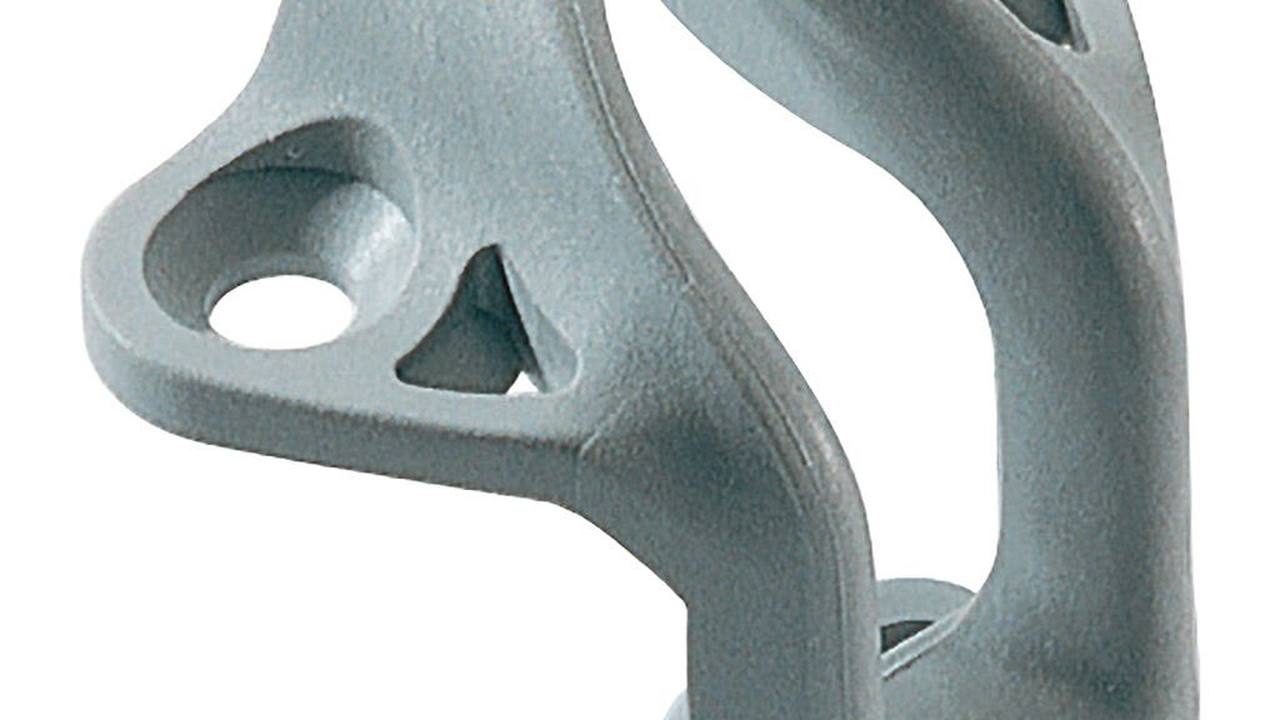
The code distinguishes the size before each test
RF5400 is the small C-Cleat for 2 to 8mm top; RF5410 is the average from 3 to 12; RF5420 is the largest from 6 to 16. The three sizes use interaxis of 27, 38 and 51 mm respectively. A top can fit into the range of multiple models, but this does not make the equivalent bodies: change maximum workload, encumbrance, vices and accessories. The diagnosis begins by comparing the code installed with the separate maneuver.
The small RF5400 offers a precise reference
RF5400 weighs 20 grams, uses M4 fixings and declares 75 kilograms of maximum workload, with breaking load of 150. It measures 48 for 24 mm and is 20 high. If the top is larger than 8mm, the problem does not solve by forcing it between the cams. If the base has holes on another interasses, a different model or adaptation may have been mounted. Every discrepancy is clarified before the trial under fire.
The average RF5410 requires M5 on 38mm
RF5410 weighs 50 grams, accepts peaks from 3 to 12mm and declares 125 kilograms of maximum workload, with breaking at 250. The body measures 66 by 31 mm and is 26 high. A saddle or fairlead for the average size must match this grill. If an accessory is tilted or leaning only on one side, it can drive the top off center while leaving the cams seemingly intact.
The large RF5420 is not a reinforced medium
RF5420 weighs 110 grams, works with peaks of 6 to 16 mm, uses M6 on 51 mm and declares 230 kilograms of maximum workload, with breaking at 460. It measures 88 for 41 mm and is 35 high. A replacement with the large change imprint and transmitted load. If the flex support or screws move, the higher rated range does not improve the system: it makes the structure verification more important.
The nominal diameter does not tell the whole top
In addition to the gauge, construction, rigidity, crushing and surface are observed. A deformed top can have a different diameter in the processed areas; polished or flattened fibres show where contact is concentrated. It does not automatically conclude that the cleat is aggressive: a side input can push the line against a edge or a fairlead. The damaged top is evaluated and replaced when necessary, but the path is corrected before consuming the spare in the same way.
One polished side indicates misalignment
Symmetric traces are compatible with a center grip; a polish marked on a single cheek or on the edge of the accessory invites to follow the previous branch. It occurs if a stamp, a cable or the operator’s position takes the top off axis. The cleat should not be rotated randomly to chase the symptom. It reconstructs the real direction in the positions of use and corrects the layout maintaining the accessibility of the release.
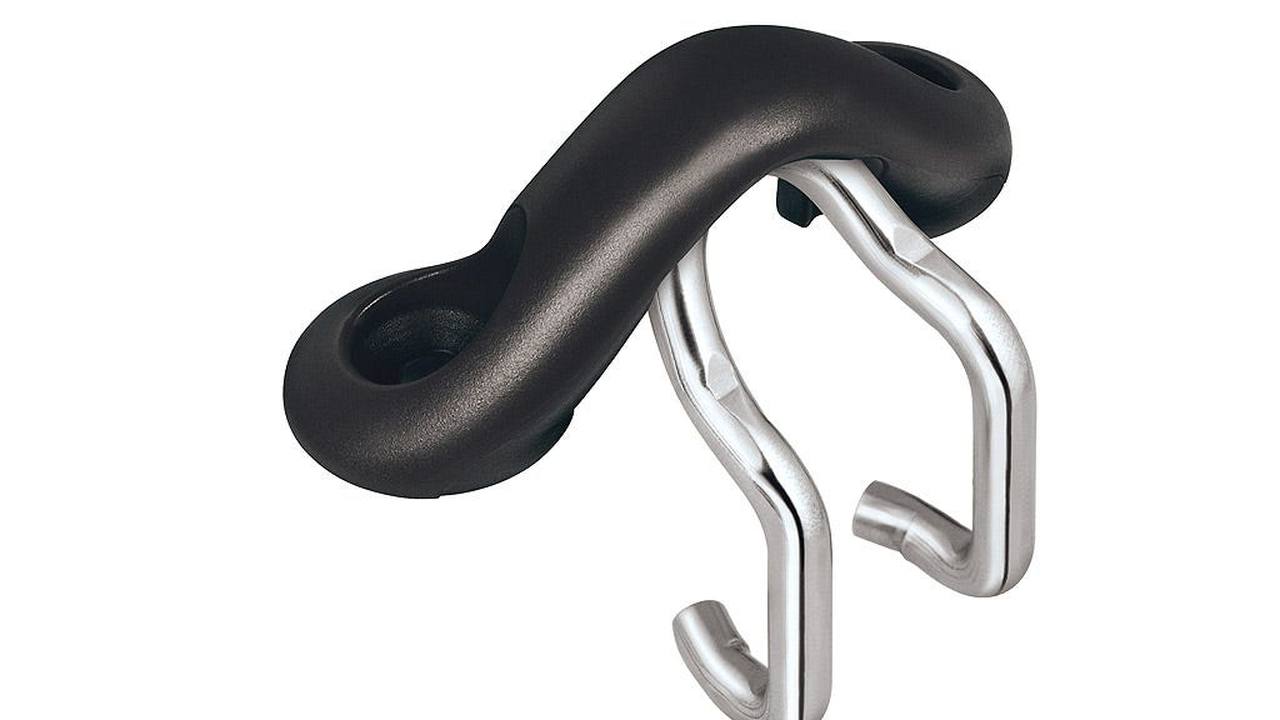
The V-Cleat does not behave like two cams
The V-Cleat are indicated for peaks under moderate loads and use a fixed throat. The verification does not seek a spring or two mobile cams. They control the integrity of the throat, range of the top, input angle and stability of the base. An open version and one with fairlead have different paths. If the crew has to pull in an unforeseen direction to free the top, the position of the component or the guide can be the cause.
RF5100 and RF5101 share the top, not the intersection
Both are provided for peaks from 3 to 6 mm and fixes from 4. RF5100 open weighs 9 grams and has 36mm inter axis; RF5101 with fairlead weighs 11 grams and uses 48 mm. In the fairlead version, the cut at the base can be used as a becket for a 2:1 configuration. If you replace each other without reviving holes and path, the top may seem incompatible when it is installation to be changed.
V sizes grow together at the top
RF5105 open is for 5-8mm, weighs 23 grams and uses 5 out of 55 fixings. RF5106 with fairlead covers the same range, weighs 27 grams and has interasses of 66. RF5110 is open for 8-12 millimeters, weighs 51 grams and uses 6 to 72 fixings. These numbers are useful to recognize a mixed mounting: a different size accessory or adapted holes often leave an impossible geometry to achieve correctly.
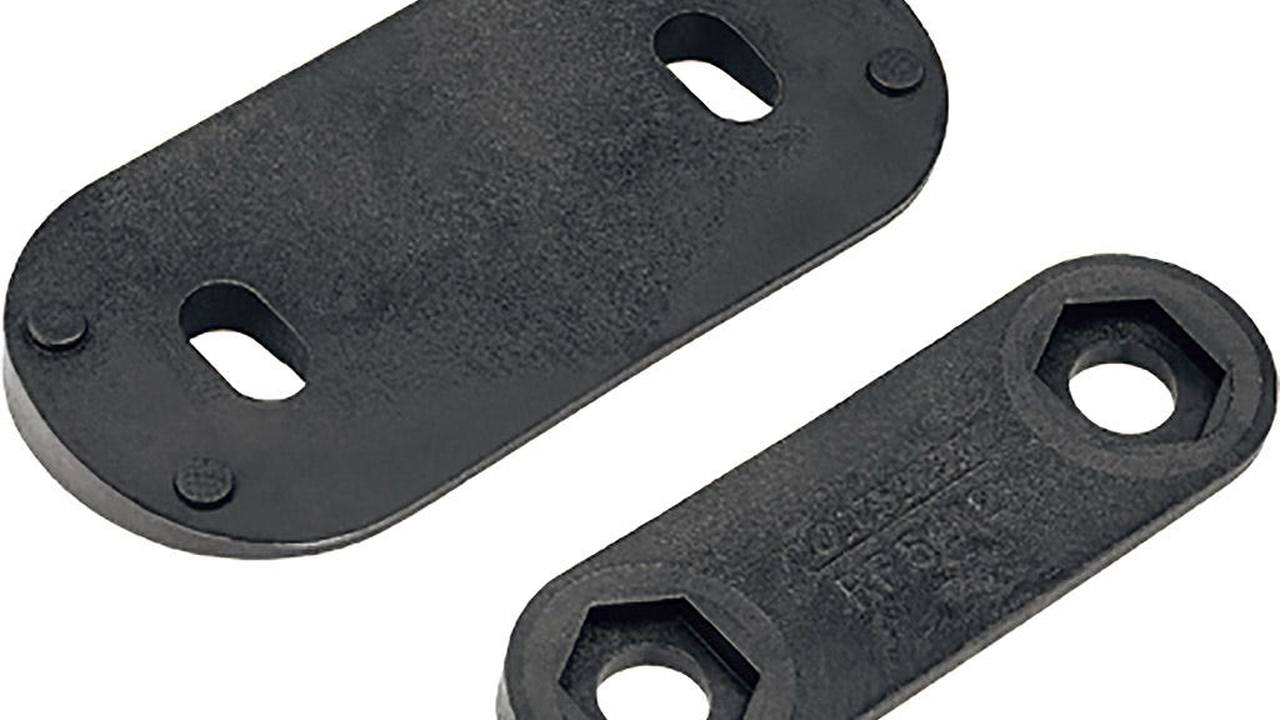
The front fairlead can be the real friction point
RF5005 serves small cams; RF5017 and RF5517 are reinforced fairleads for C-Cleat and T-Cleat medium. We observe edges, centering, cracks, deformation and contact with the top. A fairlead that holds properly empty can twist when the base moves under tension. The test separates its contribution without using the maneuver in an unauthorised manner. A damaged edge is not smoothed by altering its shape: the component is evaluated for correct replacement.
The RF5414 guide changes the path to the base
RF5414 is a top guide mounted at the base for medium cam cleat and compatible with C-Cleat and T-Cleat size. If the top struggles to enter, it occurs that the guide has not been mounted on the contrary, tilted or on an irregular surface. The passage must remain consistent with the diameter and the operator’s gesture. Fresh signs on one side indicate a contact to explain, not a normal patina of use.
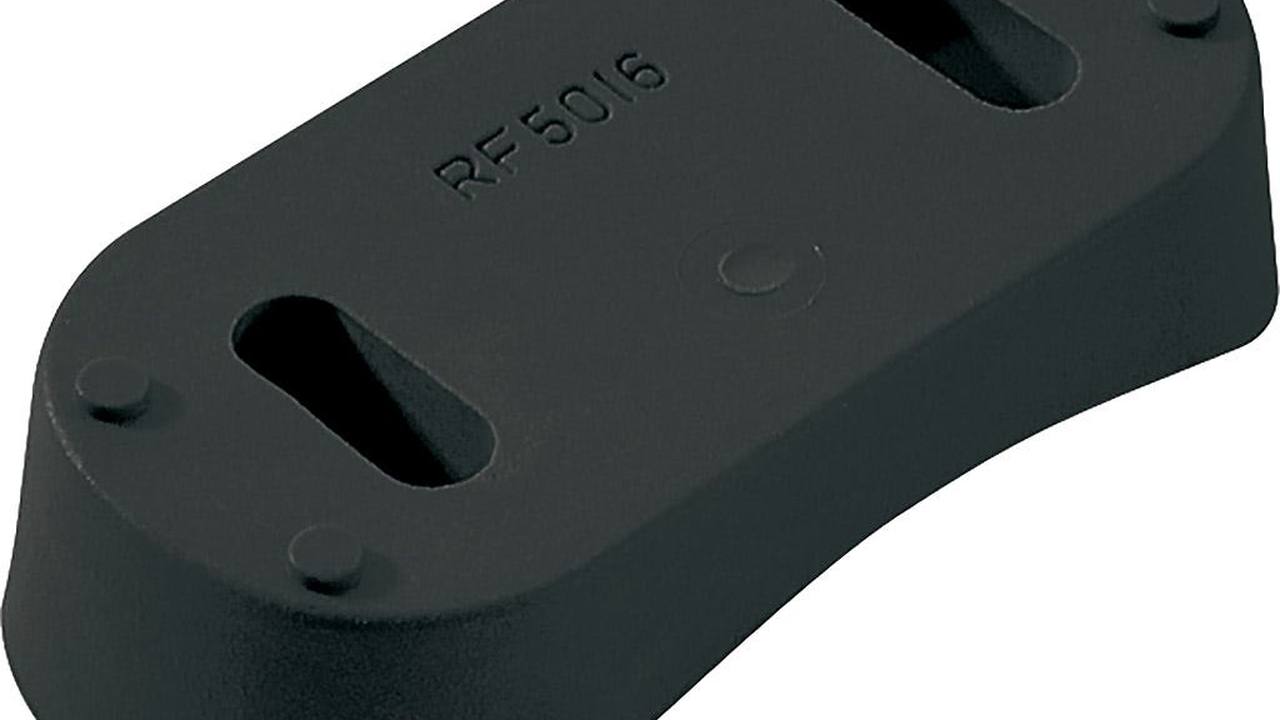
The wedge kit can correct or create the corner
RF5402 is the small cleat wedge kit; RF5412 is expected for average C-Cleat and T-Cleat. The wedge tilts the body against the support. If the top runs after a retrofit, it is checked that the kit belongs to the right size and that the inclination really brings the line in the throat. Overlay unplanned thicknesses, tighten a base that does not support or use the wedge as structural filling makes the diagnosis confused and can charge the screws badly.
The RF5416 curve base must rest without oscillating
RF5416 is a reserver and adaptor for curved surface intended for medium cams. Its presence indicates that the body should not be tightened directly on an incompatible curvature. You download the manoeuvre and it occurs if the base rests along the expected surface or if there is a perceptible movement. Slotted sealing, changing prints and polished washers are clues to move. Restoration also concerns support, not only the upper component.
Seat and insert must remain centered
RF5003 is a 7mm saddle for small size. RF5013 is the mid-sized saddle with 38mm interasses; RF5013A integrates a stainless steel liner. The saddle should not tighten the top or present a rotated edge over the throat. If the insert is mobile, deformed or marked asymmetrically, the manoeuvre is discharged and the set inspected before continuing the use.
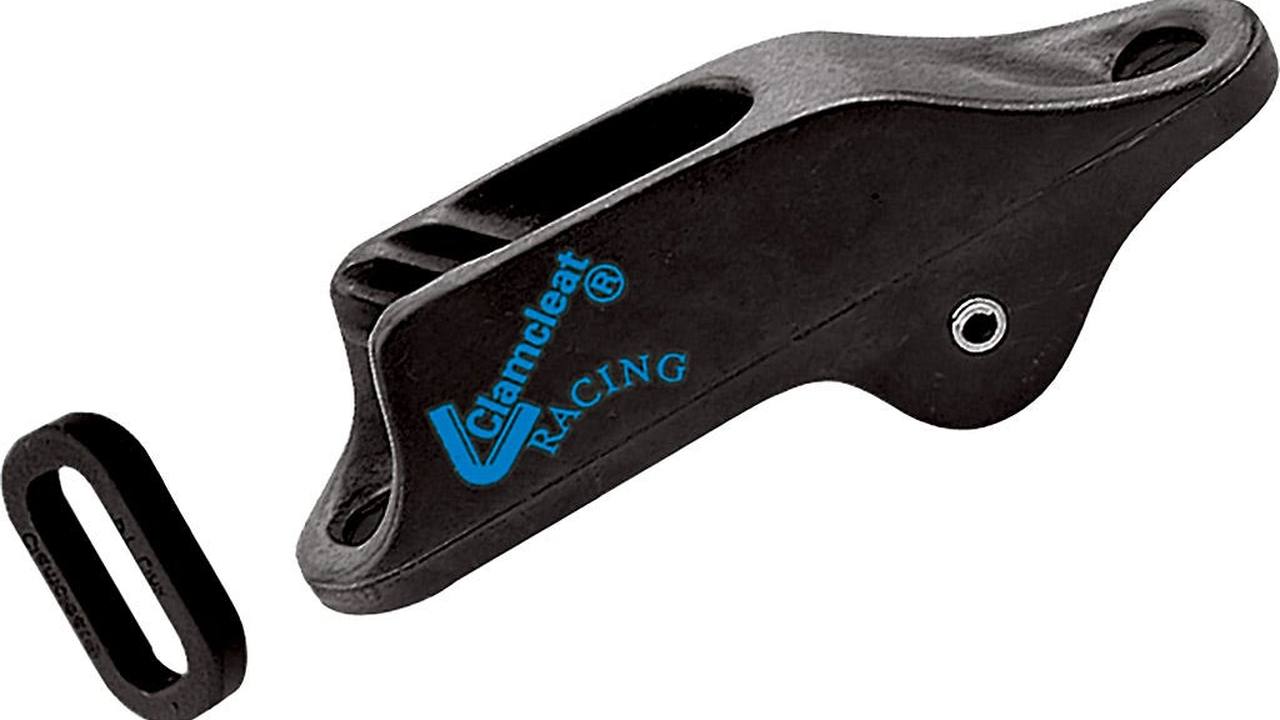
The RF5121 alloy cleat has its own diagnosis
RF5121 weighs 46 grams, accepts a 4 to 8mm top and integrates a roller to facilitate adjustment 2:1, along with a dense self-locking profile. It should not be interpreted with the criteria of a pair of C-Cleat cams. They control roller, throat, exit of the two branches and stability of the attack. If the top jumps from the roller during the movement, alignment and configuration must be reviewed before attributing the problem to the teeth.
Numbers make the symptom comparable
| Component | Cima declared | Inter | Priority control |
|---|---|---|---|
| C-Cleat RF5400 | 2-8 mm | 27 mm | Size and M4 |
| C-Cleat RF5410 | 3-12 mm | 38 mm | Average accessories |
| V-Cleat RF5101 | 3-6 mm | 48 mm | Fairlead and becket |
| V-Cleat RF5110 | 8-12 mm | 72 mm | Entrance to the throat |
A base that moves alters every feeling
With the completely unloaded top you control screws, support and surrounding surface. A cleat that rotates a few degrees changes the angle and can produce an intermittent seal. It does not correct by tightening blindly: it is necessary to know if the thread, the hole, the counterplate and the material below are integral. The lock follows the configuration of the boat and the intended viteria. If there are structural doubts, the manoeuvre remains out of service until the competent verification.
Cleaning should not change materials and friction
Salt and particles can hinder the movement of the cams or accumulate in the throat, but aggressive products or unplanned lubricants can retain dirt and contaminate the top. Only a procedure compatible with the materials and with the relevant indications is used. Before and after you photograph the area to distinguish waste from wear. If a cam remains irregular or a throat has damage, it is not forced or modified by hand.
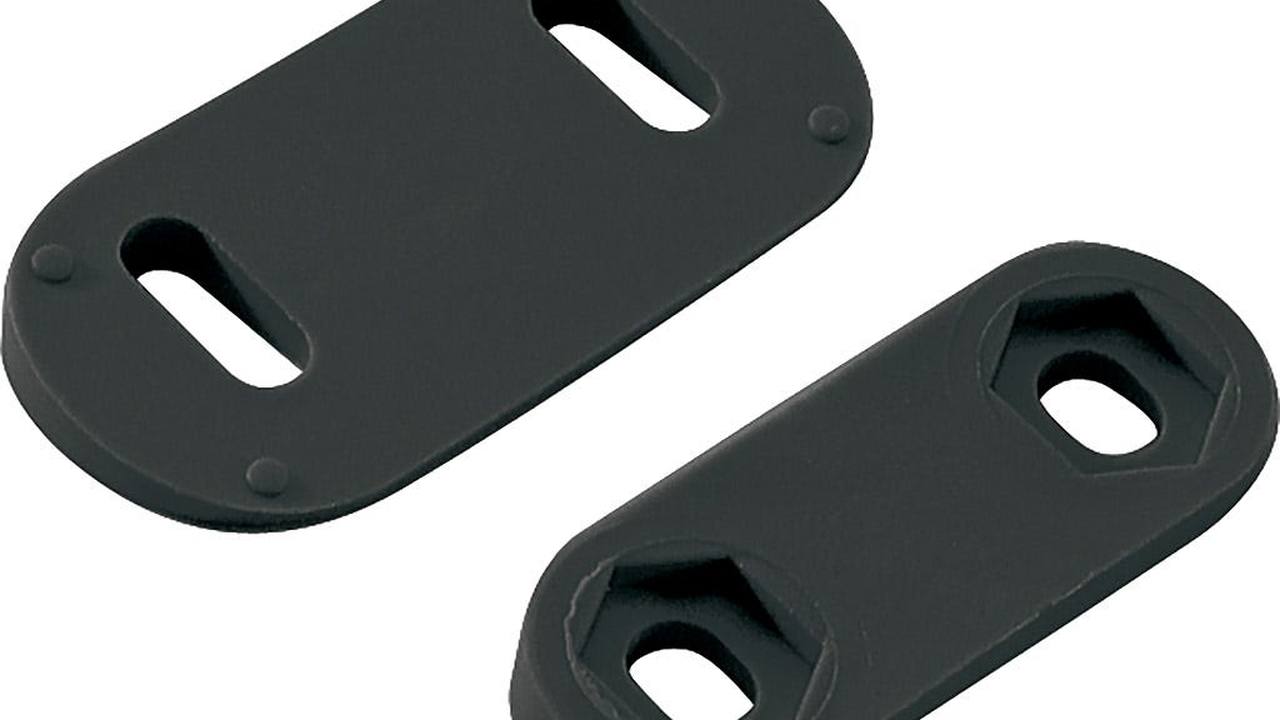
Progressive testing avoids fast conclusions
After identification and vacuum control, the top is inserted and released with contained voltage. They observe entrance, centering, movement of the base and necessary gesture. The load increases only under authorized conditions, without deliberately approaching the nominal maximum. The test stops if the top slips, frames, marks a edge or moves the support. Recording the precise phase allows to compare the result after correction.
The replacement must restore the system, not only teeth
Compare code, size, top range, interasses, fixes and accessories. A chromatic variant can help the crew, but it does not replace technical correspondence. Fairlead, saddle, wedge and curve base are verified together with the body. If the defect is born from misalignment or movement, mounting a new cleat in the same position does not close the job. The correct result is a top that enters, keeps and frees with a repeatable gesture.
History reveals what a single photo hides
The log keeps code, associated top, date of assembly, photographs and symptoms. Compare the edge of a fairlead, the position of the screws and the wear of the top over time allows to distinguish an event isolated from a growing problem. It is not necessary to assign a universal life to the component: it counts real use. A documented diagnosis avoids random replacements and makes it immediately visible if the problem recurs in the same geometry.
The culprit is found following the top
The useful question is not only if the teeth are consumed, but where the behaviour of the maneuver changes. From the incoming branch you follow guide, throat or cams, accessories, base and branch out. Each element leaves specific clues. When cutting, angle and support are consistent, the cleat can perform its task without compensating for external defects. It is this route ordered to transform “the top escapes” from frustrating impressions into a verifiable technical problem.