
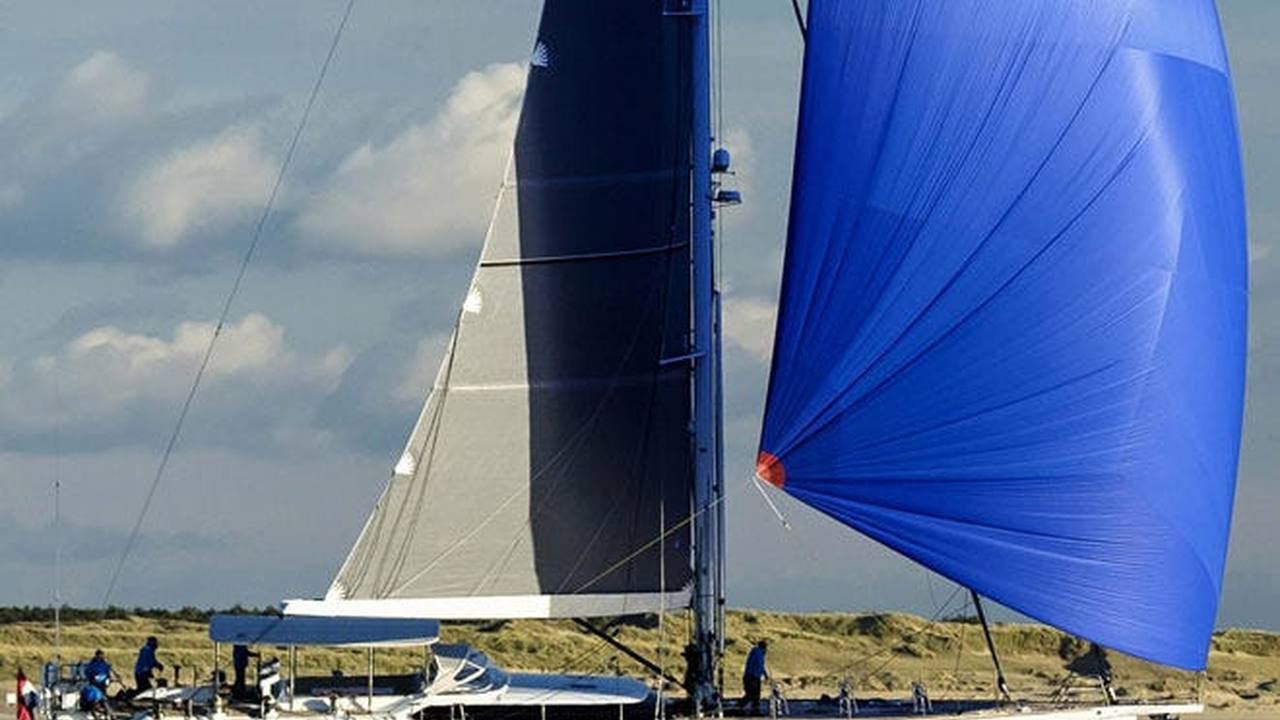
A 55mm track can look oversized until you have to drive a huge frog without just one step. Ronstan Series 55 works in a context in which the weight of the sail, the compression of the sticks and the length of the trolleys transform a few tenths of misalignment into a perceptible symptom. The test must therefore answer a precise question: does the resistance belong to the rail, the connection or the configuration of the sail? The answer is obtained by isolating one level at a time, without using the win to win what has not yet been understood.
Before the test, energy is safe
Drain, sticks and fabric can save energy even when the frog looks firm. The work area is delimited, the load is downloaded and held according to the procedures of the boat and no one is available along the possible trajectory of the trolleys. Gates and terminals do not open with the package supported above. If the sail cannot be controlled by adequate means, the verification passes to qualified personnel before any disassembly.
Testing begins with the mounted code
Series 55 isn't enough. Track type, lengths, gates, joints, pen trolley, intermediate, fast, reef, end cap and end stop are recorded. A photograph of the code is associated with the location. The standard mast track and the luff groove version belong to the same commercial family, but do not automatically share all components. Identifying the configuration prevents a similar replacement from being tested on a different coupling.
The intermediate trolley becomes the first comparison
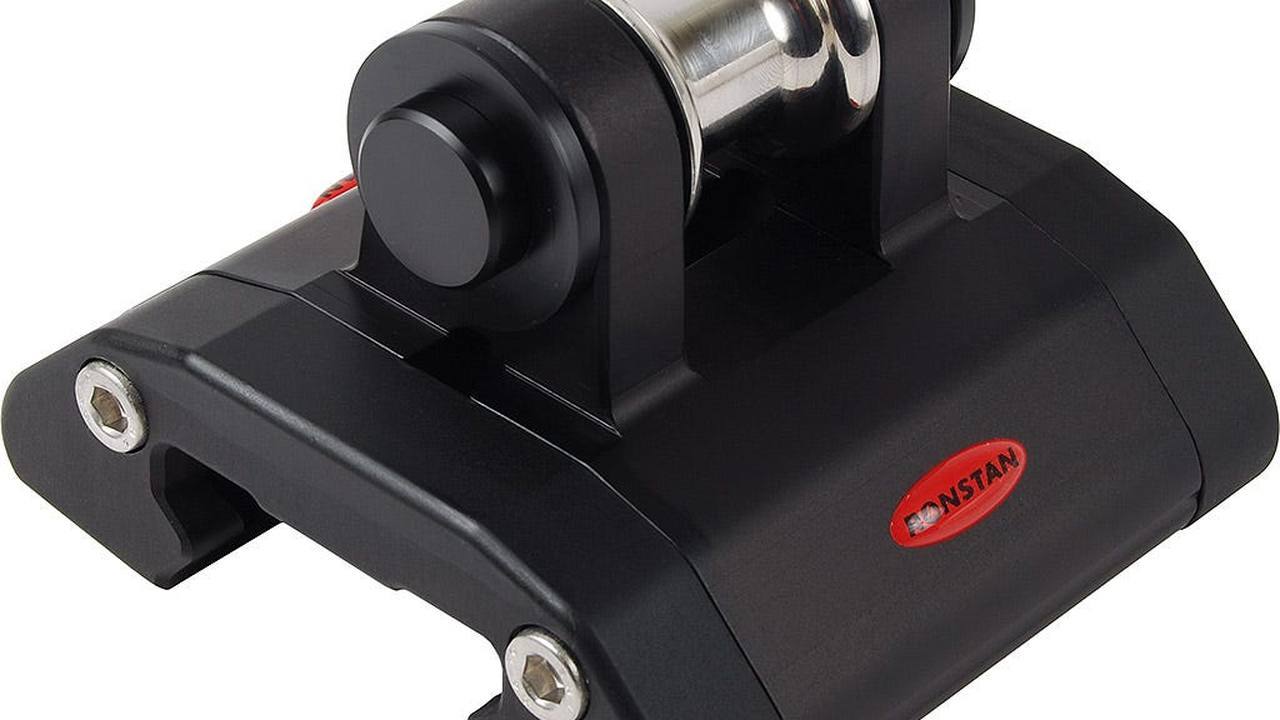
The intermediate RC15563 measures 128 for 94 mm. Downloaded and held correctly, it can help you feel the continuity of the track along an accessible portion. Direction, altitude and repeatability of the variation are observed. If more bodies slow down at the same point, priority goes to rail, joint or gate. If the symptom always follows only one cart, the control moves on the body and on the connection to the sail.
The position of the defect is more than the adjective
“Duro” is not enough. It is noted height on the tree, direction of march, tension, trim, trolley involved and configuration of the frog. A single stroke at a joint is different from a continuous roughness; a slowing that appears only with a loaded stick suggests a lateral carrier. The minutes allow to repeat the same manoeuvre after the intervention and verify a real difference.
The standard track offers measurable references
Standard black strokes are 1.996 or 2.996 mm long. The M12 flanked fixings follow a 100 mm pitch; the plunger stop holes are spaced 50. These measures allow overlapping of the symptom at joints, fixings and arrests. They do not authorize to tighten or drill without knowing the structure of the tree: the test records the anomaly and directs the competent inspection.
Reef trolley must be tried in its configuration
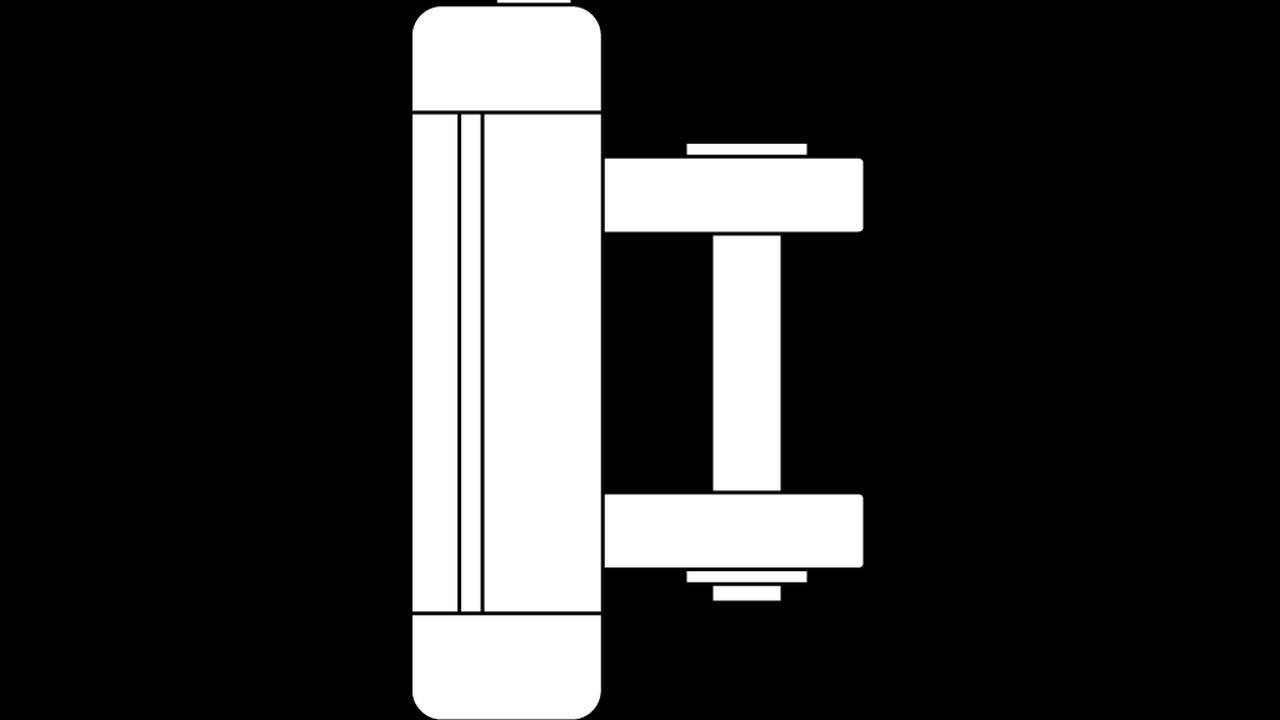
RC15572 measures 216 for 94 mm. With a hand taken, the directions applied by walls and borosa change, so a problem absent full sail can appear without the track being damaged. You compare the configurations within the approved operating limits and you see when the side push is born. Control includes reinforcement, referral and freedom of connection; you do not force your cart over a durable point.
The quick must close and articulate
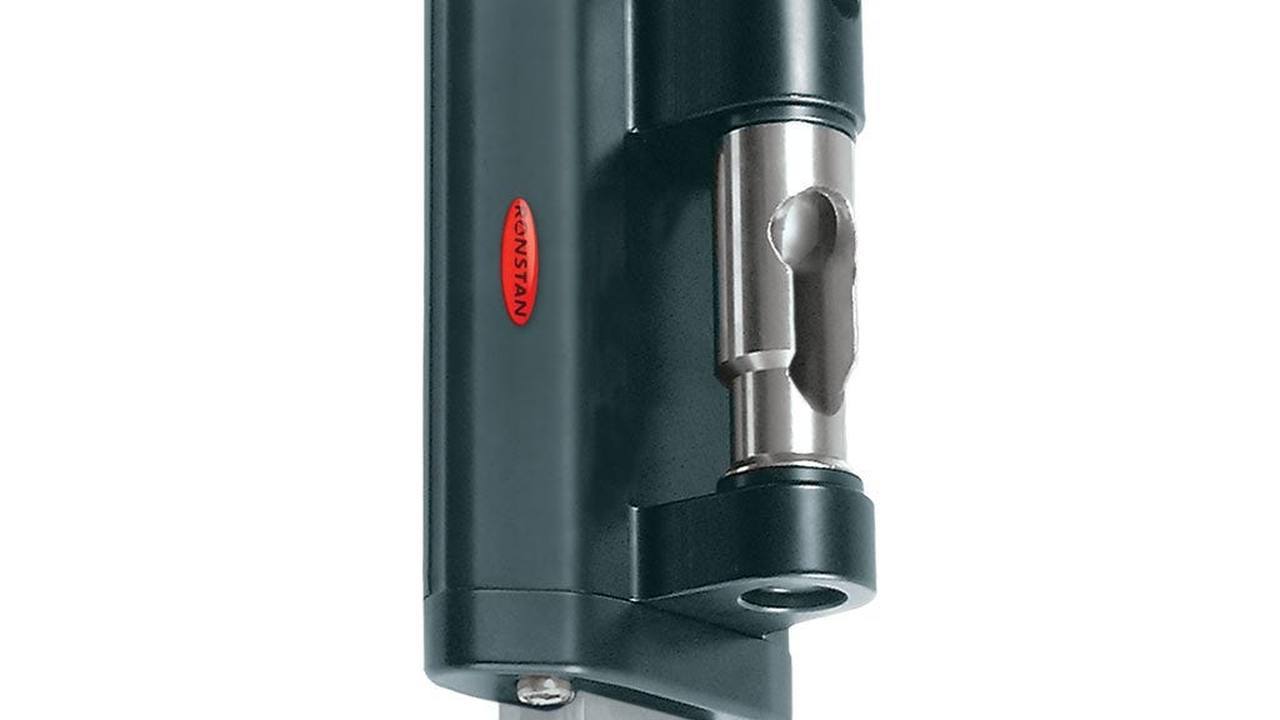
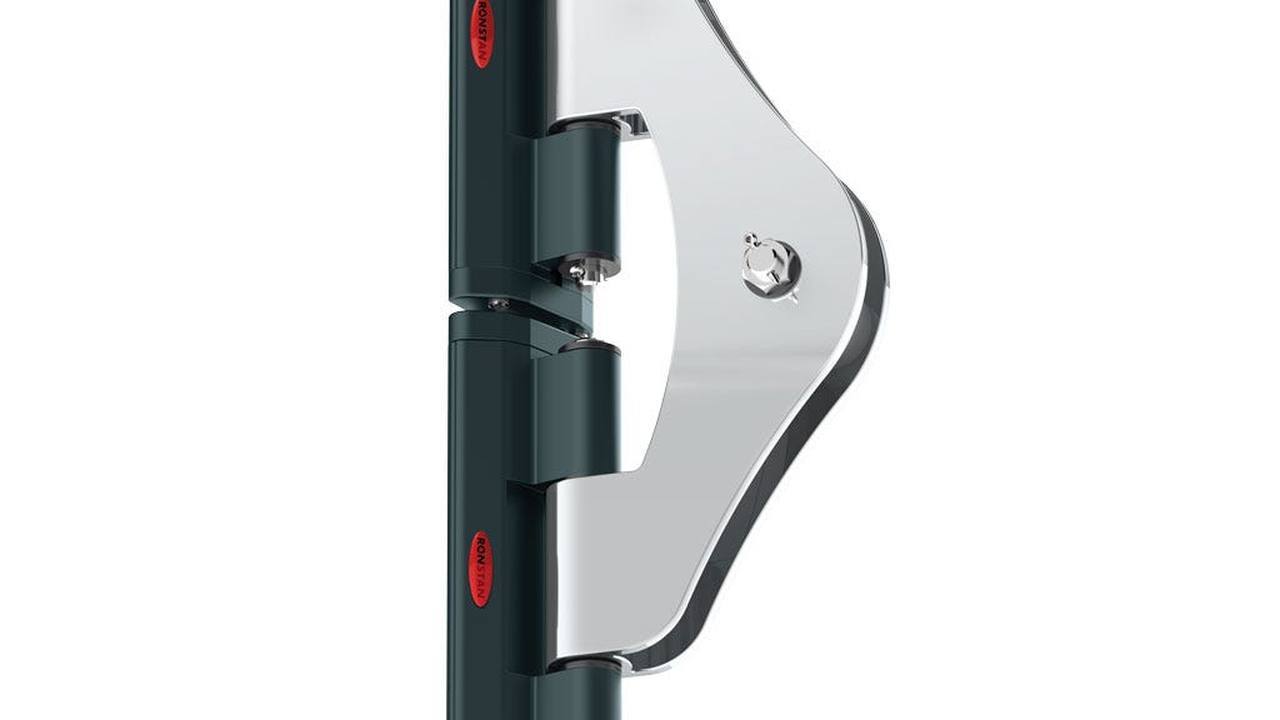
The RC15569 body measures 206 for 94 mm, uses Torlon balls and a 316 stainless steel spherical seat. The release must be completely closed before the manoeuvre, while the joint must accompany the side change of the stick. A bare seat can load the edge of the track and simulate a faulty recirculation. The test takes place with increasing tension, hands away from the mobile parts and observation from protected position.
The unloading passage separates rail and sail
When security allows it, the circuit is checked first without the linkage, then with the controlled connections and finally under the authorized operating conditions. If the step already exists empty, stick and fabric lose priority. If it appears only after connection, alignment, angle and compression are analyzed. This progression avoids dismantling the track for a problem that is born out of the profile.
A joint leaves a signature in the two directions
The joiner of the mast track is 60 mm long and is made of acetal. It maintains aligned two sections already supported, but does not correct a support out of plan. A step can be more evident downhill than uphill. The sample cart crosses the fitting slowly in the two directions, before and after the expected tightening. Any movement of the profile or repeatable difference imposes arrest and installation control.
The gate looks like a portion of track
In the configuration luff groove the opening area measures 800 mm. Closed, it must recreate geometric continuity; open, it must allow service without liberating unattended trolleys. You can see upper edge, lower edge, fixing and interference with the collected sail. If all bodies change behavior at the same altitude, the gate becomes a strong candidate. The solution is not to launch the trolleys beyond the connection with greater speed.
Luff groove requires your diagnostic path
The inner throat is indicated with diameter of 24 mm; the profiles are 2.025 or 3.025 mm long and the section declares 55 mm wide and 37,5 height. The joints are a dedicated pair of stainless steel 316, 60 mm long. During the inspection, continuous throat and stretches are checked. Measures and components are not exchanged with the standard mast track.
Cleaning should not mask alignment
Salt and particles can alter the sliding sensation. The rinsing with fresh water allows a new passage and makes visible deposits or signs. Random lubricants do not apply to make the symptom disappear: an unforeseen product can retain dirt, change recirculation or hide a step. Maintenance follows the indications applicable to the component; a disallined rail remains a geometric problem even when it seems more sliding.
The table orders proof without force
| Symptom observed | Priority control | Useful evidence | Decision |
|---|---|---|---|
| More trolleys at the same altitude | Down, gate, runway | Exhaust passage in two directions | Inspection of installation |
| One body everywhere | Cart and connection | Comparison with an intermediate | Isolate the component |
| Loaded sail only | Articulation and bending | Progressive tension | Check alignment |
| Only with reef | Reinforcement | Comparison between trims | Correct configuration |
The stick connection can produce side load
A compressed stick changes side and describes a corner from the tree. If the spherical seat, the pin or the receptacle do not retain freedom, the force is discharged on a edge of the cart. The symptom often grows with tension and disappears at low sail. The movement is observed without inserting hands between the parts and comparing sticks nearby. Anomalous games, deformations or incomplete closures require suspension of the test.
The long pen requires space throughout the ride
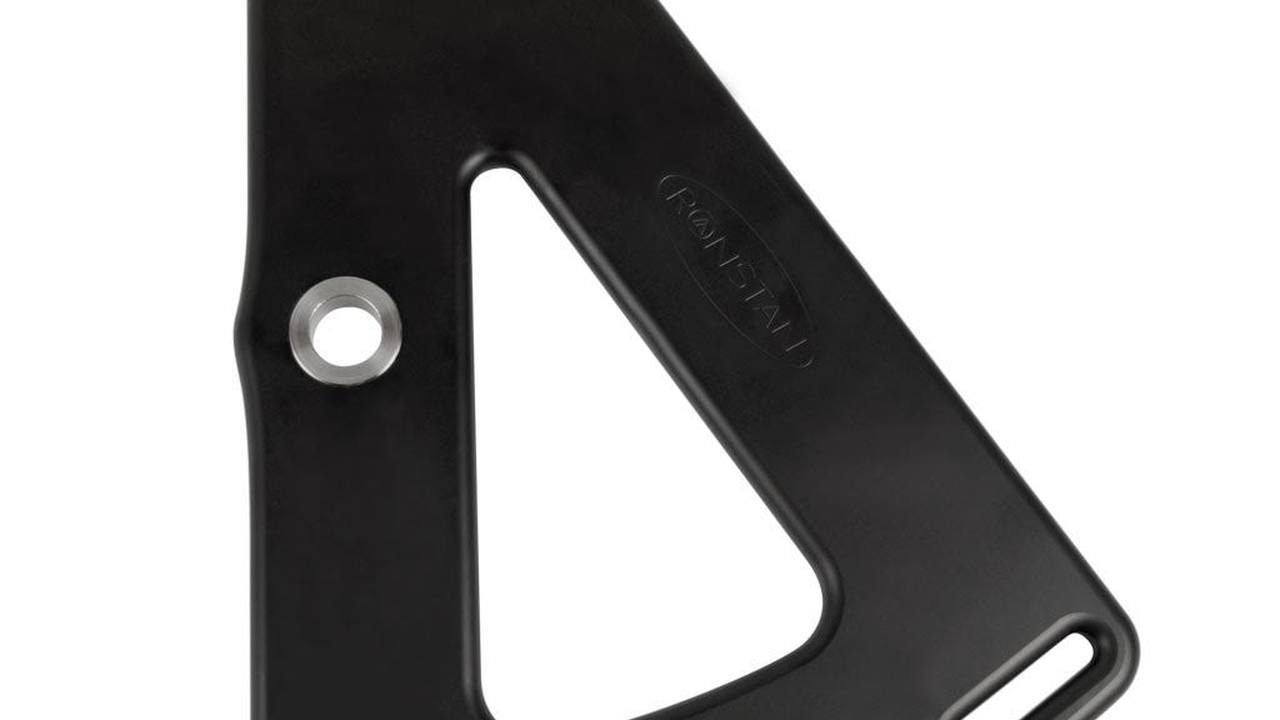
RC15561 measures 710 for 126 mm. The length distributes the load but makes it more sensitive to misalignment and increases the footprint at the head of the tree. Tablets, plates and straightness are observed while changing angle; no part must reach a line that draws the body to the side. The specific limits stated for this variant are not automatically attributed to other family carts.
The standard pen offers a second comparison
RC15560 measures 605 for 126 mm. If the problem concerns only the high section of the race, it occurs if the pen remains free or if straight and tablet impose a twist. A shorter cart does not solve by definition an off-axis connection. The technician compares geometry, space and distribution provided by the sail plan, then repeats the passage in the same condition recorded at the beginning.
End cap and end frame are not interchangeable
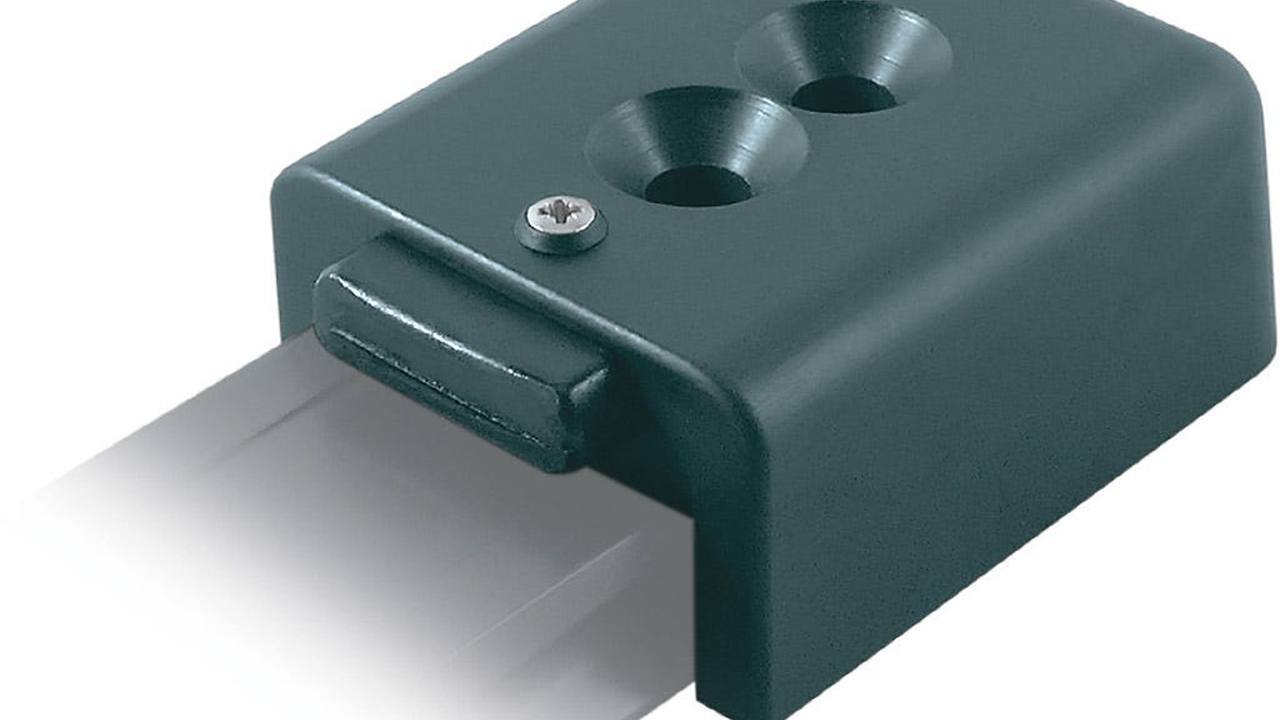
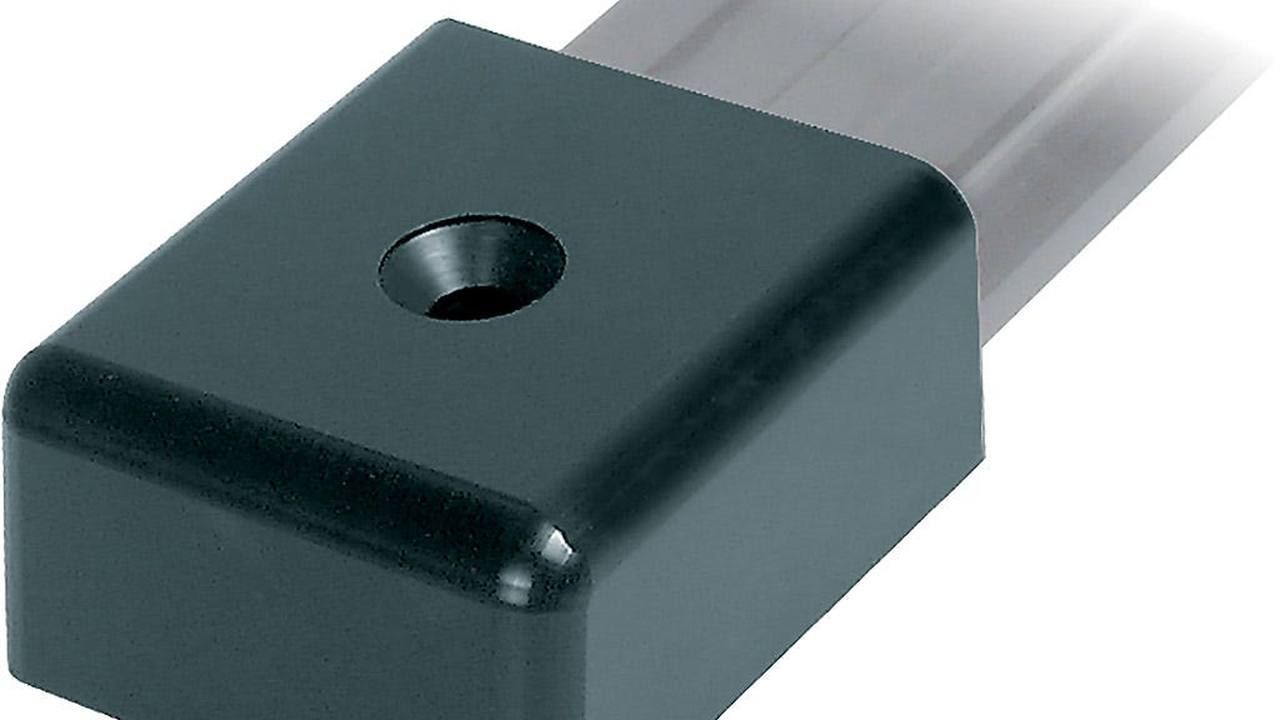
RC15580 is an acetal cap of 85 for 75mm, 155 grams, fixed with a 10mm screw. RC15581 is a alloy wheelbase with rubber pads, about 110.3 for 75.5 mm and 477 grams. The first closes the section, the second stops the group. Before opening the terminal, all trolleys must be held independently and the sail made safe.
The lower part can create an apparent defect
When the frog falls, fabric, reinforcements and sticks accumulate between the trolleys. A fold held from the bag can tilt the package and increase friction only in the last meters. It is observed the collection from safe distance and it occurs that the sail does not cover gate or run. If the track is regular without tissue but the problem returns with the package, the collection management enters the diagnosis.
The bending of the rig explains the intermittent symptoms
A perfect connection with the resting tree can change when tailoring and sailing change the shape of the support. If the slowdown depends on walls, tension or trim, normal operating conditions are compared without introducing exceptional loads. The variation is related to the joint share. A phenomenon that appears with the bending indicates a problem to be evaluated on the tree-support-rotary set, not an invitation to pull stronger.
Noise completes fault map
A dry blow at the same point suggests a localized discontinuity; a distributed roughness may indicate contamination or behavior of the body. A noise that follows only one stick oriented towards the connection. Video and audio can document the sequence from a secure location, keeping the quota reference visible. Approach the face to the track or touch a loaded cart does not improve the quality of diagnosis.
Stop signals do not discuss
Mobile wheel, loose fixing, open joint, gate that does not close, deformed body, ball loss, insecure terminal or sudden resistance require stop. The sail is ensured and the system entrusted to adequate competence. Prosecute because lacks little race can turn a local defect out of the carts, give to the frog or uncontrolled movement of a stick.
The final test must be repeatable
After the intervention the same sequence is repeated: the same direction, the same observed quota, the same order and the authorized voltage levels. They record smoothness, noise and behavior of each configuration, including reef. “It seems better” is not enough; the defect must not reappear in the conditions that produced it. Codes, photographs, measures and intervention enter the boat maintenance file.
On Series 55 precision is a procedure
Effective testing does not try to prove that the frog goes up anyway. Separate track, joints, gates, trolleys and connections until the behavior becomes explainable. The official dimensions offer references, but the real boat decides how those components work together. When each step is safe, tracked and repeatable, the 55mm of the rail stop being a catalog measurement and become a continuous line along which a large sail can be controlled.