
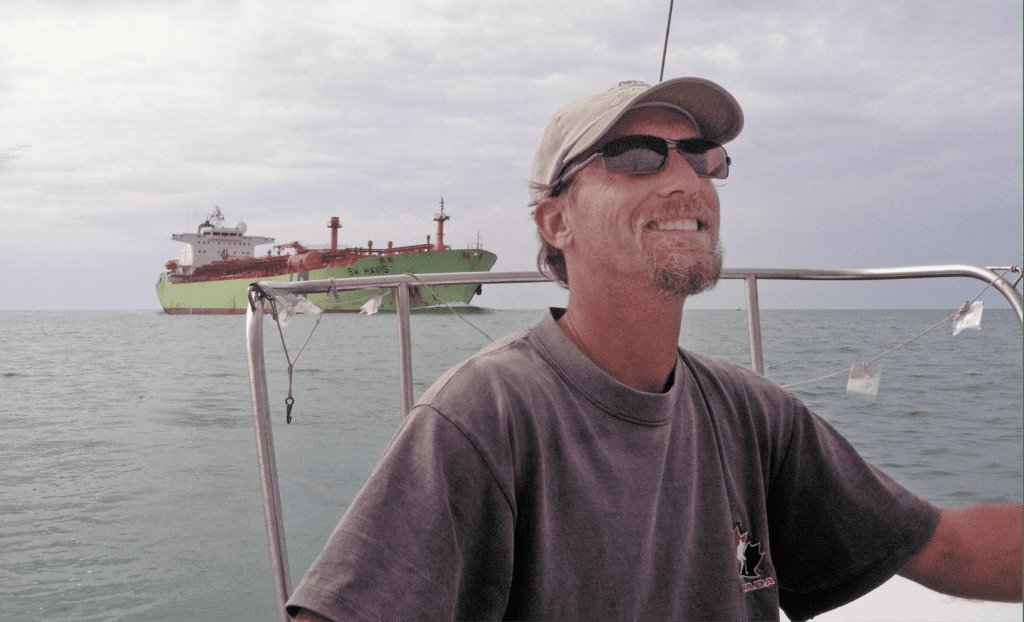
The confusion in the avoidance of collisions between boats is an increasingly important theme, especially in contexts where international rules are not sufficiently clear or evenly applied. According to the COLREGs regulations, sailors must follow precise guidelines to ensure the safety and predictability of maneuvers. However, in complex situations, such as input into narrow channels or overtaking, the rules can be ambiguous, requiring a combination of knowledge, attention and courtesy. The complexity grows when encountering boats with limited manoeuvre, such as rowing or fishing activities, and when alarm signals are not well interpreted.
Rules COLREGs and situations of uncertainty
COLREGs, i.e. the International Rules for the Prevention of Sea Collisions, are a fundamental document for safe navigation. However, in some situations, such as when two boats meet in a narrow channel or when a motor ship approaches a rowboat, the rules do not always provide a clear answer. For example, if a motor vessel comes out of a narrow canal and a rowboat is located on its right, the motor vessel is considered the ship to pass right, but the rowing ship may not have enough time to avoid a collision.
The responsibility for the avoidance of collisions is always the responsibility of the sailor, regardless of who is in a privileged position. You must maintain constant vigilance, use alarm signals such as the sound of the clacson and follow the rules for the maneuver. For example, when a motor ship has to alter the course, it must use specific signals, such as a short sound to indicate a baboon vira or a prolonged sound to warn of a danger.
Alarm signals and responsibilities
The responsibility for the avoidance of collisions is always the responsibility of the sailor, regardless of who is in a privileged position. You must maintain constant vigilance, use alarm signals such as the sound of the clacson and follow the rules for the maneuver. For example, when a motor ship has to alter the course, it must use specific signals, such as a short sound to indicate a baboon vira or a prolonged sound to warn of a danger.
A typical case of confusion occurs when a motor ship approaches a rowboat. In these cases, the motor ship may not recognize the rules of manoeuvre, leading to risk situations. The solution requires a combination of knowledge of the rules, attention and courtesy, since the simple application of the rules is not always sufficient to ensure security. The responsibility for the avoidance of collisions is always borne by the sailor. Although the use of systems such as AIS or satellites has improved the ability to track boats, visual vigilance remains essential to avoid accidents.
The rowing boats, although not directly regulated by the COLREGs, must follow the safety guidelines. For example, if a rowboat is in a privileged position, like when it is in the head of a motor ship, it must maintain a stable route and not alter it without clear signals. In addition, in some areas, such as Minnesota or Oceanside, CA, rules for rowing boats may vary, requiring local knowledge to avoid conflicts. The vigilance and knowledge of the rules are fundamental to avoid collisions. Complexity grows when encountering boats with unpredictable behaviour, such as those at high speeds or with erratic routes. In such cases, it is necessary to maintain a stable route and to communicate clearly intentions, using alarm signals when necessary.