
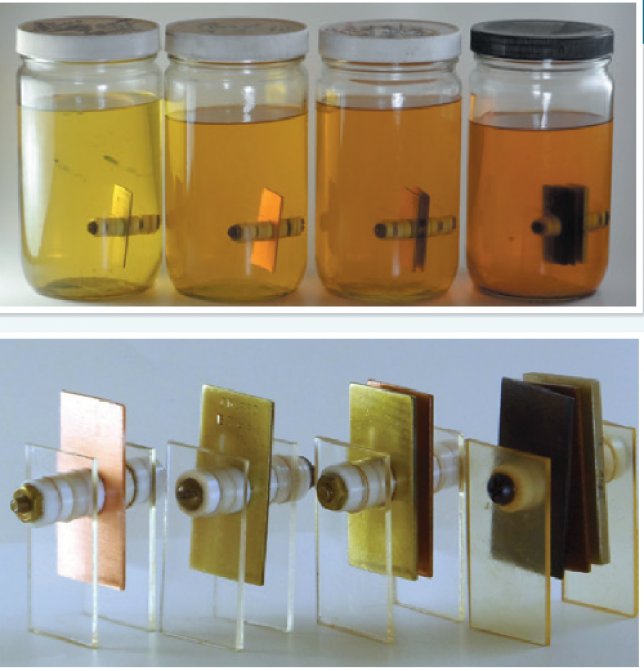
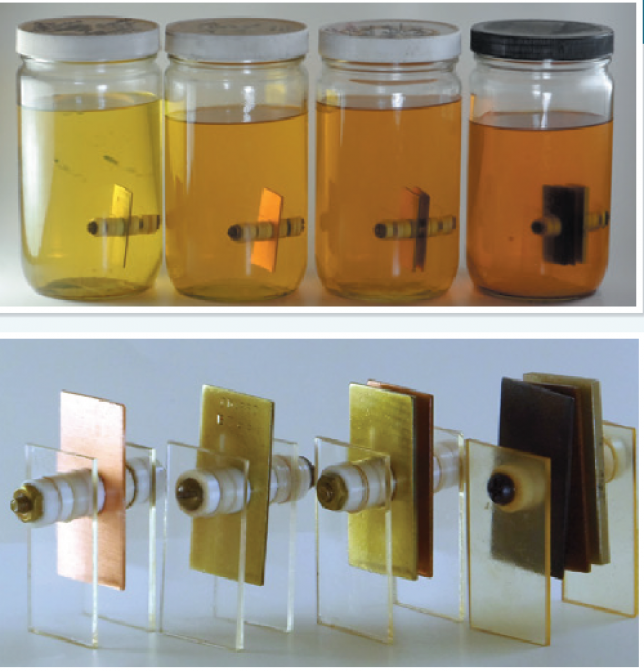
Untreated diesel can damage pipes and metal components of the fuel system, provided that there are incompatible metals and that the fuel remains uncontaminated for a sufficiently long period. This phenomenon, occurring in a test conducted on diesel samples exposed to different metals, has evidenced an acceleration of corrosion and formation of mud, especially in the presence of copper, zinc and aluminum. The article, updated and published on October 21, 2019, analyzed how fuel chemistry can interact with metals, causing significant damage over time.
Corrosion and formation of mud in the fuel system
Corrosion of metals such as copper and bronze can be caused by a modification in fuel chemistry, which specifically attacks these materials. In a test, diesel samples exposed to copper, bronze and aluminum showed an increase in mud formation and a change in the chemical composition of fuel. The addition of zinc and copper has accelerated the process, with a decrease in pH and a change in the smell of diesel. The presence of water or oxygen, as in unsealed containers, has further aggravated the situation.
The combination of metals and storage conditions can cause a deterioration of fuel.
Recommendations for fuel conservation
To prevent corrosion and mud formation, it is advisable to avoid the use of metals such as copper, bronze and aluminum in fuel systems, especially in standby-type applications, as in unused vessels. The ASTM, together with all major motor manufacturers, has expressed an opposition to their use due to the long-term stability problems. In addition, the use of specific additives can help reduce mud formation and maintain fuel quality. Fuel cleaning, although it can reduce water and mud, does not solve the problem at the root, which is the presence of metallic ions.
The implications for storage systems
Conservation of fuel under optimal conditions is crucial to avoid damage to metal components. The use of sealed containers and the avoidance of exposing fuel under conditions of moisture or excess oxygen can reduce the risk of corrosion. In addition, the frequency of fuel usage affects greatly: regular consumption reduces the likelihood of mud formation and system damage. If you see the presence of mud, it is important to check not only the quality of the fuel, but also the compatibility of the materials used in the system. Proper fuel management, combined with the use of anti-corrosion additives, is essential to maintain its quality and prevent long-term damage. Understanding the mechanisms of corrosion and mud formation allows to make informed decisions for the maintenance of fuel systems.