
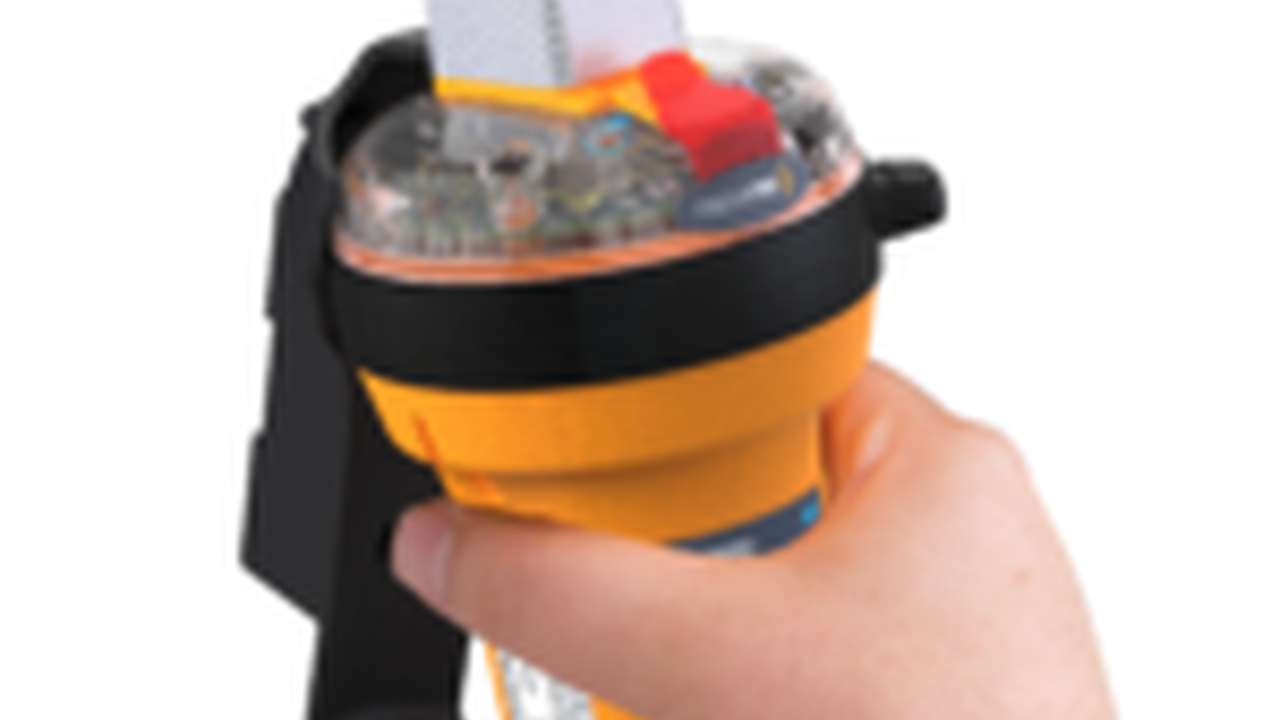
The most advanced radioboa can fail the simplest control: expired battery, unupdated identification, antenna blocked by the vest or bracket covered by a wax. New EPIRB and PLB combine 406 MHz satellite alarm, GNSS position, 121.5 MHz homing and, on models like Ocean Signal EPIRB3 and PLB3, AIS, Return Link Service, NFC and visible and infrared lights. the procedure does not promise aid and does not simulate a real activation. It is used to demonstrate that the correct device is intact, recorded, accessible and known by those who will use it.
First row: identify exactly each device
They separate EPIRB on board, personal PLB, AIS MOB and other emergency equipment. The form is not enough: you read the brand, model, serial number, programmed identifier and applicable manual. Each line of the inventory indicates location, assigned person, type of bracket, date battery and accessories. If two units have similar products, the label is photographed to avoid trade. No control proceeds on a "equivalent" model chosen for memory, because lights, test sequences, float and release modes can change.
The table turns the visit into a verifiable outcome
| Control | ♪ | PLB | Required statement |
|---|---|---|---|
| Analyst | Unit and Contact Data | Assigned data and contacts | Documented coherence |
| Support | Manual or automatic bracket | Compatible personal attachment | Free extraction |
| Battery | Date readable | Date readable | Within the applicable limit |
| Autonomous | Sequence | Sequence | Correct indication |
| Antenna and lights | Integer and free | Integer and free | No obstacle |
| Briefing | Use and false alarm | Use and false alarm | Training |
Check the body before pressing any key
The shell should not show cracks, deformations, abnormal discoloration or unauthorized opening traces. They examine labels, seals, protected button, antenna, cord and contact zones with the bracket. Salt, sand and dirt are treated according to the instructions, without improvised solvents. The presence of internal humidity, corrosion or loose parts requires suspension and technical evaluation. A clean container does not prove electronic efficiency, but a visible damage is enough not to consider the ready apparatus.
Read the battery date without creative interpretations
The date on the device or documentation must be readable and transcribed. No residual life is calculated by observing how many times the autotest has been performed. For PLB3, Ocean Signal indicates more than 24 hours of operation at less than 20 °C and a replacement criterion linked to production or commissioning; remains valid what is specified for the specimen. After real activation, damage or abnormal condition, the ordinary calendar is not enough. The practice is forwarded to a suitable center before reuse.
Check manual bracket and EPIRB accessibility
The EPIRB is extracted on the device off following the planned movement. The bracket must hold it without dangerous games and release it without tools not covered. Stops, cappucci, drainage, corrosion and legibility of instructions are checked. Then repeat the operation with gloves and reduced light. A valid boat position can become unreachable with closed door, inflated raft or hanging equipment. If the radioboa is behind mobile objects, the procedure also fails when the support is technically intact.
Automatic version adds specific controls
An EPIRB in automatic container requires verification of assembly, free path to the surface and the intended release component. Date, installation and replacement of the hydrostatic element, when present, follow the exact configuration. Do not paint, drill or tie the container to prevent vibration. It is checked that curtains, cables and structures added during a refit do not hinder opening or floating. The automatic function does not eliminate manual use: the crew must however know how to recognize and extract the unit when circumstances require it.
Compare ID with registration
Number of series and identification on the label are compared character by character with the available documentation. The name of the unit, flag, owner, contact details and emergency contacts are verified through the competent procedure for that case. Telephone change, sale, device transfer or boat replacement are administrative alarm signals. the procedure does not assume a universal rule between countries: registers the used channel, confirmation received and date of control. An incomplete analogue does not become acceptable because the electronic autotest is green.

PLB must leave the vest without entanglement
You wear the configured jacket, locate the PLB and simulate access without activating it. The attack must follow the indications of the device and the manufacturer of the vest, keeping free antenna, lights and controls. The PLB3 can be integrated into compatible jackets, but compatibility does not deduce from only available space. The string also occurs: it must avoid loss according to the intended use without creating a dangerous bond. Closed pockets, sprayhood or belts should not force the antenna in incorrect position.
Do not take PLB float for granted
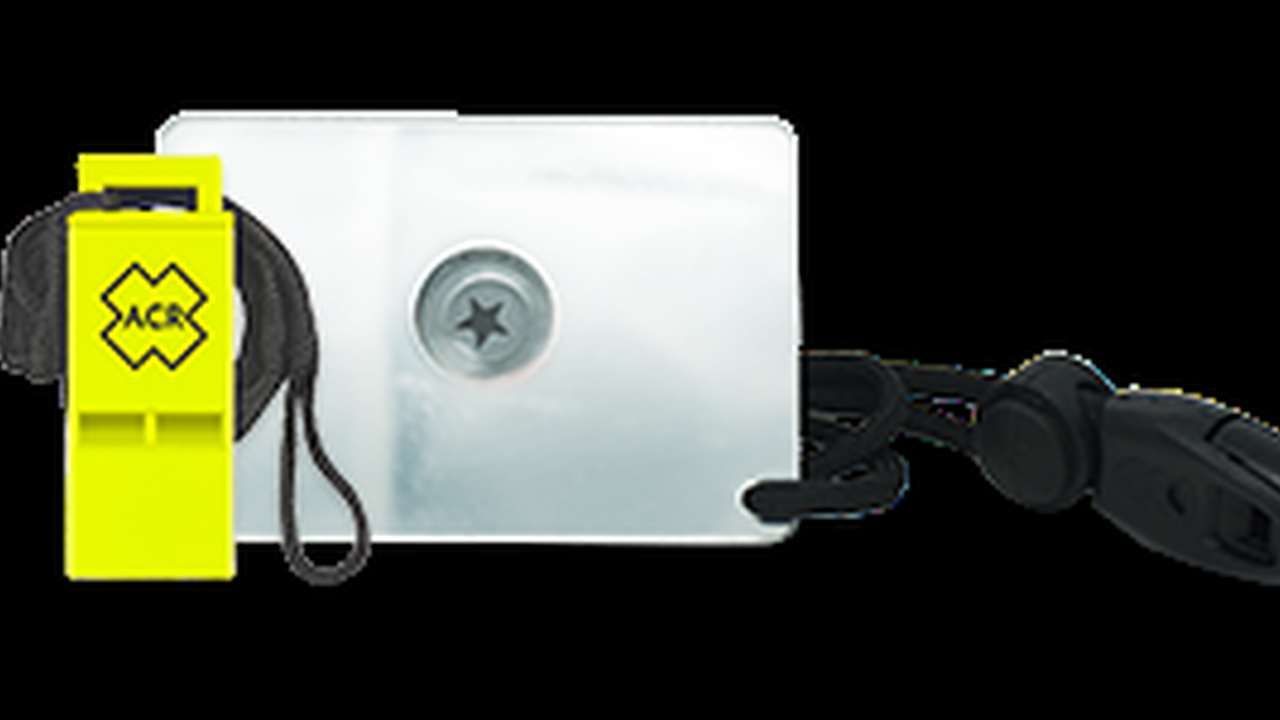
Some personal localizers require a housing to obtain floatation and the housing itself has a defined way of use. Floating does not necessarily mean being able to transmit correctly leaving the device free in water. Instructions and markings of the model are read, then the correct accessory is present and in good condition. the procedure discards phrases like "waterproof" or "is orange, then floats". In emergency the device must be maintained and oriented as prescribed, with antenna over water and sky view.
The antenna is a component, not a handle
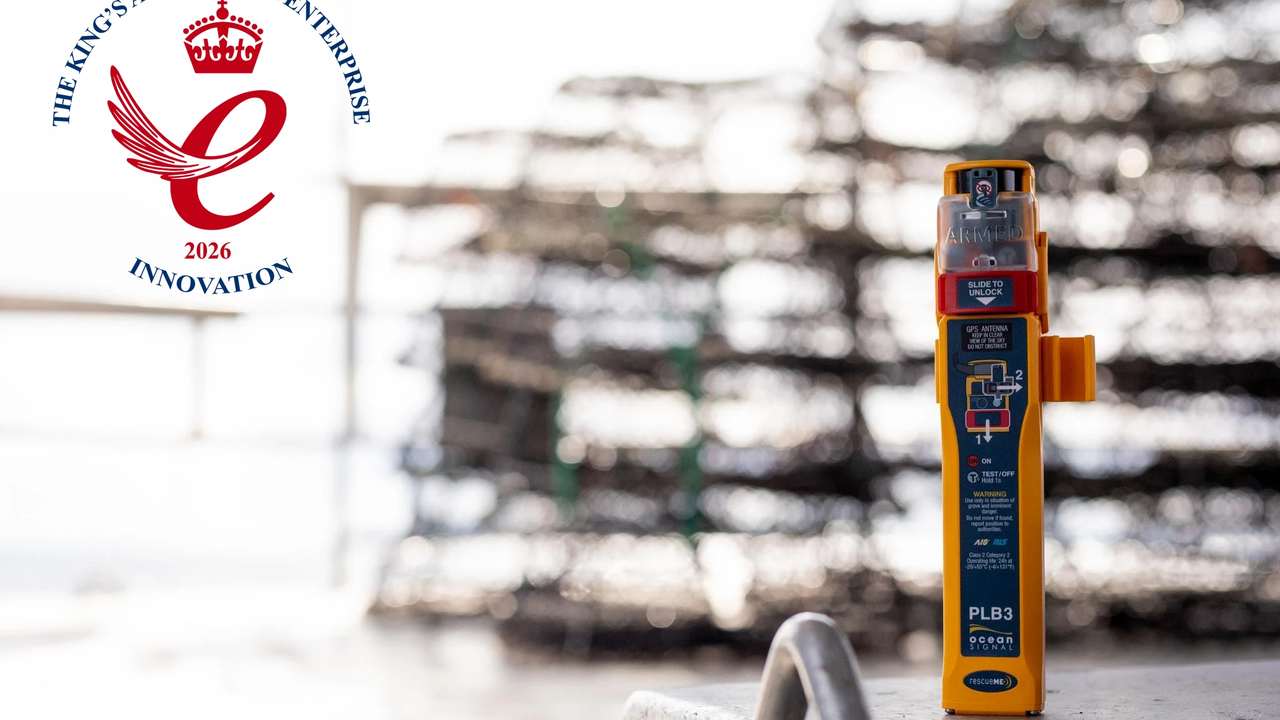
The antenna is inspected without bending it beyond the allowed procedure. It should not be used to extract the radioboa, tie the cord or hold the device. They control base, unexplained tract and boot mechanism. In the ergonomic test, the person shows where he has to be compared to the body, the raft and the structures. Metal, covers and people can shield transmission. An antenna integrates but impossible to open with the PLB mounted on the vest produces a negative result and requires a new installation.
Autotest is only performed in the planned mode
Before pressing the command you read the model sequence and you establish who observes the indicators. The autotest uses a function designed for verification; it never proves the apparatus by activating a real alarm. Lights, signals and results are noted, without repeating the test in case of doubt. Some devices provide a distinct and more expensive GNSS test for the battery, with specific limits. An unconformed result is recorded and leads to technical verification, not to subsequent attempts until obtaining a reassuring color.
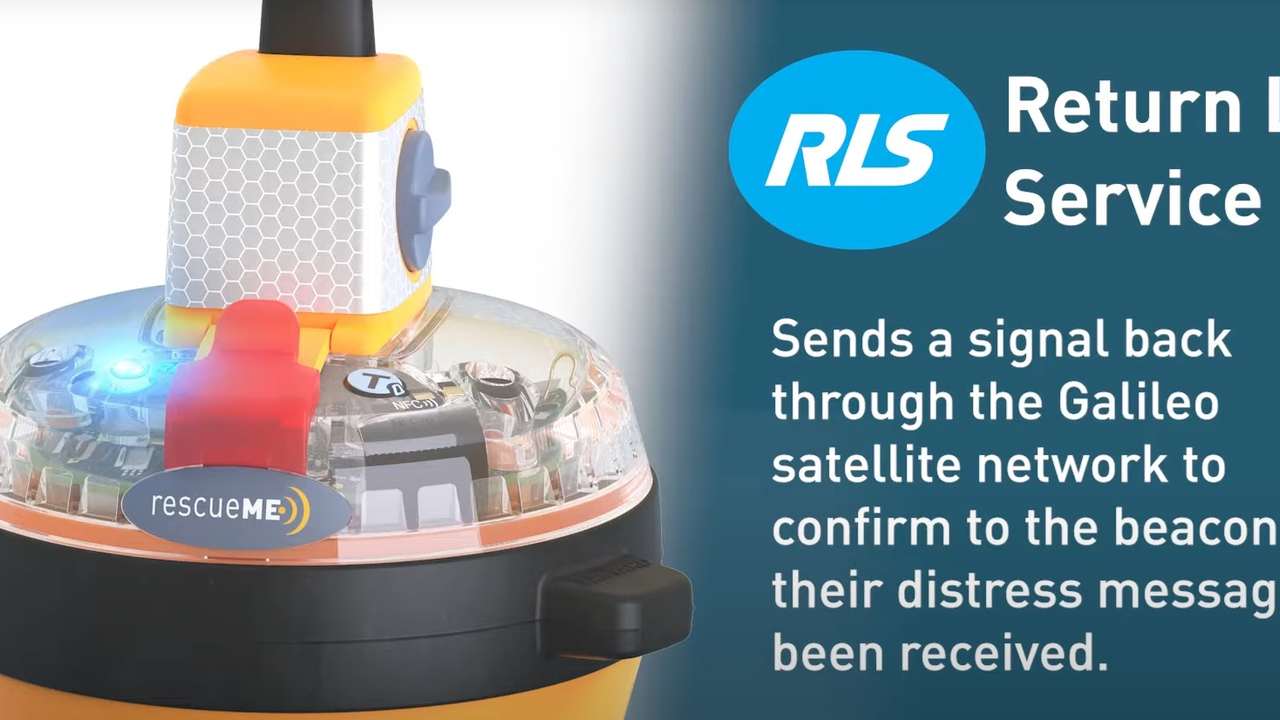
NFC helps the register, but does not replace inspection
On compatible models, NFC reading with smartphones makes test results and stored information available. We try the coupling according to the procedure, we associate the outcome to the correct specimen and we keep the date. NFC is not the means that transmits the rescue request and the phone is not necessary to the primary function of the radioboa. A recent screen does not show that bracket, antenna, battery and recording are now correct. the procedure considers the digital data an additional evidence, not a shortcut.
AIS and 406 MHz must be explained separately
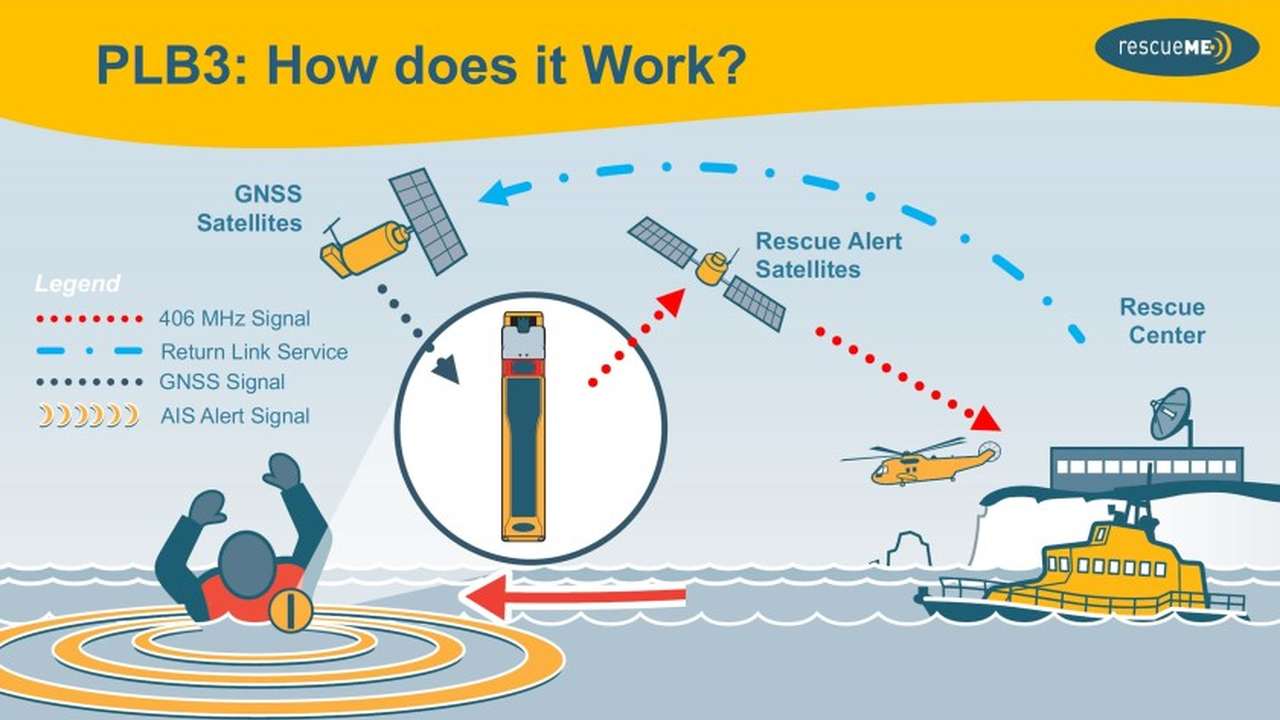
The 406 MHz message is processed by the Cospas-Sarsat system; the AIS instead creates a local alarm for compatible devices in the area. The 121.5 MHz homing channel supports close search. The presence of multiple transmissions does not guarantee that each display near will show the same symbol or that each receiver is active. In the briefing you describe roles and limits, then the configuration of the board devices with non-operative modes occurs. No live proof is made to demonstrate reception.
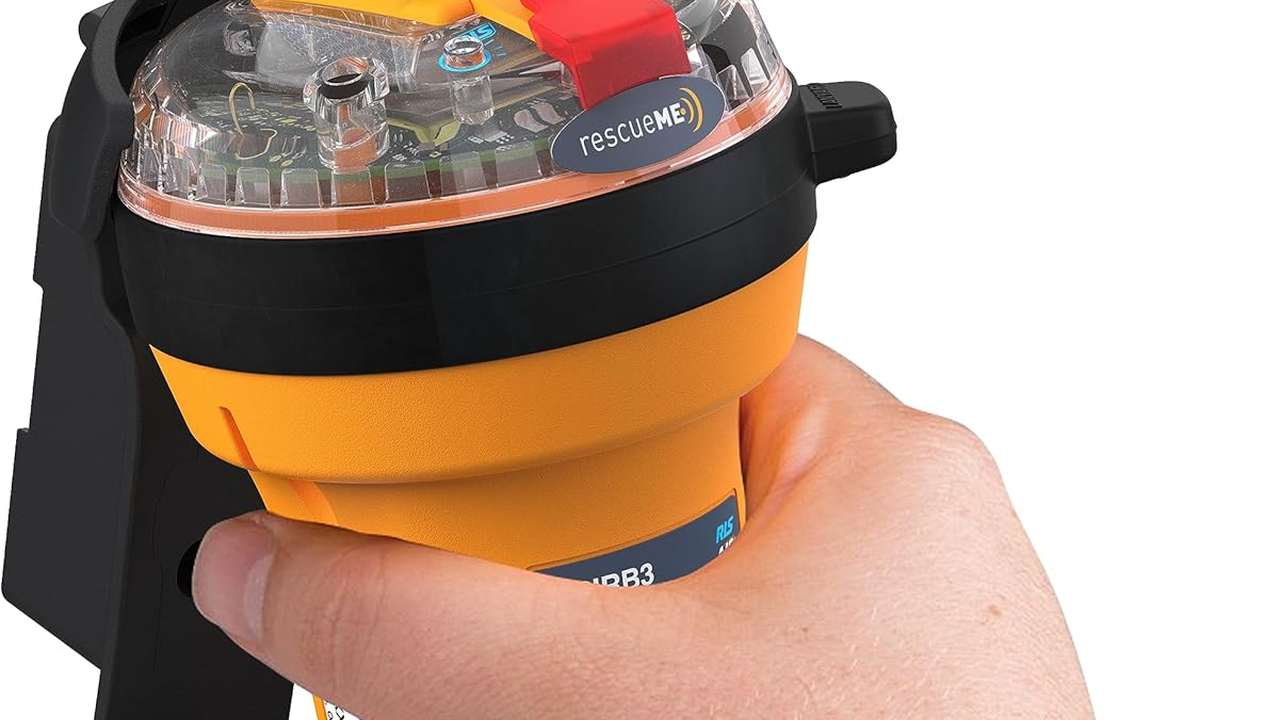
RLS confirms the expected reception, not the arrival of the means
The Return Link Service, when available and supported, can provide the device with a confirmation through the intended indication. The crew must recognize that signal and not confuse it with battery, GNSS or AIS. Confirmation does not allow a conversation and does not establish a time of arrival. the procedure asks the trained person to explain this difference with their own words. If the answer is "I can talk to the station", the briefing must be repeated. Understanding the signal avoids wrong decisions at greater pressure.
Check visible and infrared lights without dazzling
EPIRB3 and PLB3 include lights for detection, including visible and infrared emissions according to the product. Their verification takes place only in the context of the planned test procedure. The integrity of the lens is observed, lack of covers and position on the vest or raft. It does not fix the light towards the eyes and it is not assumed that a common camera correctly shows the infrared. A light covered by fabric, sprayhood or equipment is a configuration defect even when the circuit passes the autotest.
Prepare the procedure for a false alarm
In addition to the inventory there is a short procedure: stop the issue as indicated, immediately notify the competent authority with the applicable channels and communicate identifying, position and circumstances. You do not hide the event and you do not expect to see if someone calls. After the episode occurs if the device needs service and records what caused activation. The crew detects in advance number, radio or appropriate contact for the area. A generic procedure without verified contact does not exceed control.
Try the passage from the cabin to the raft
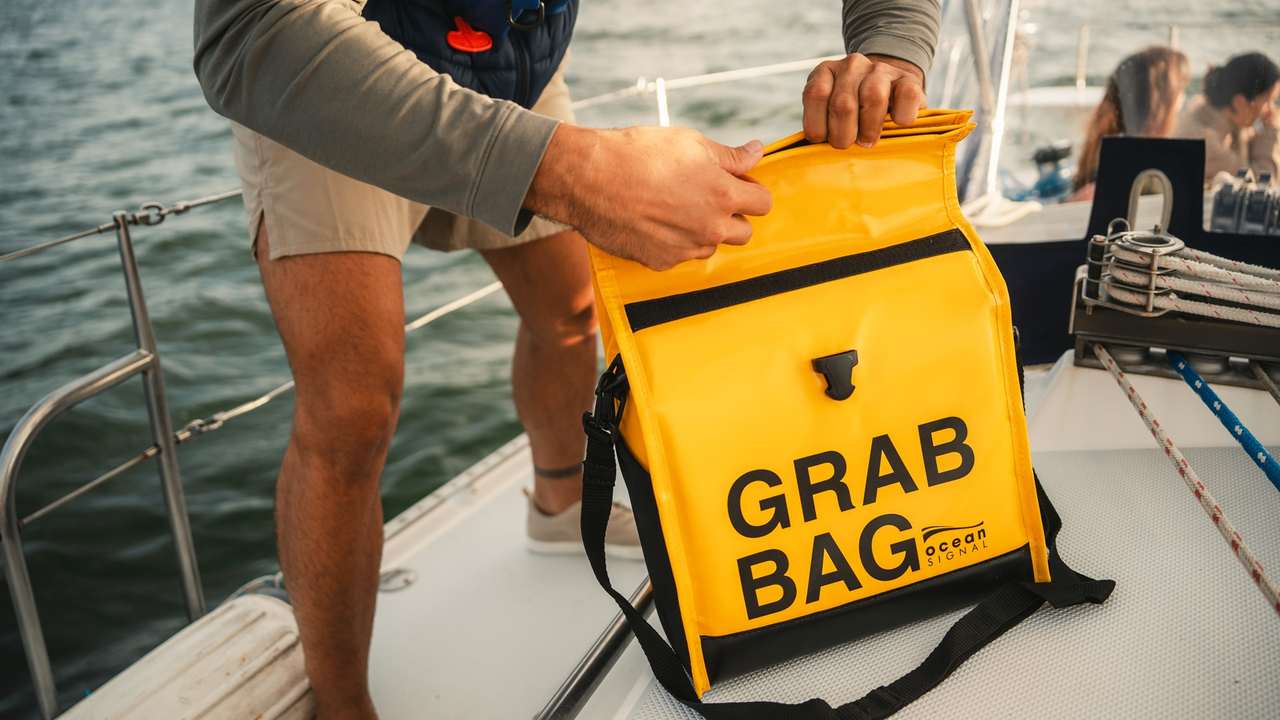
With devices off, it simulates who takes the EPIRB, who controls the PLBs and who wears the grab bag. The route is tried with an indisposable exit and with reduced light. It happens that the EPIRB cord does not remain tied to the boat when it has to follow the raft and that no one grabs the antenna. The guard must be able to operate without the commander. Times and difficulties are noted; if a bracket requires moving materials, the position changes. The test is used to correct the equipment, not to evaluate the speed of the crew.
Close with nominal deadlines and responsibilities
The report assigns a person to visual monthly control, autotest according to program, anagraphic update and deadline management. Battery, automatic release element when present and maintenance are not collected under a generic annual date. An extraordinary control opens after impact, immersion, activation, modification of the vest or transfer of ownership. Each outcome shows model and serial number. The boat is ready only when there are no "to check" lines without owner and term.
The ready radio is what the crew can use
the procedure ends with a demonstration on a device off: recognition, extraction, antenna, position, meaning of the indicators, false activation and delivery to the raft. EPIRB and PLB remain complementary: the first is associated with the boat, the second follows the person. AIS, GNSS, RLS, homing, NFC and stroboscopic add capacity, but do not compensate for a wrong label or blocked bracket. When documents, battery, accessories and training coincide, the apparatus stops being a sealed object and becomes a truly usable part of the emergency plan.