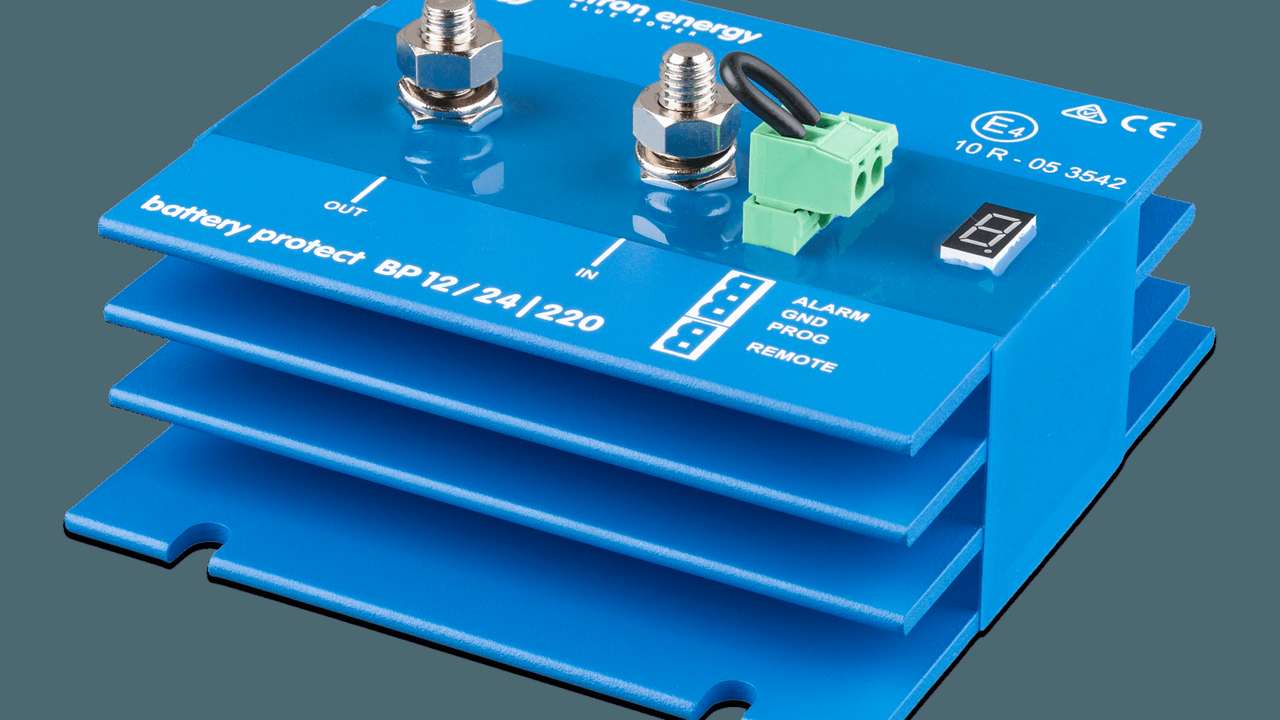
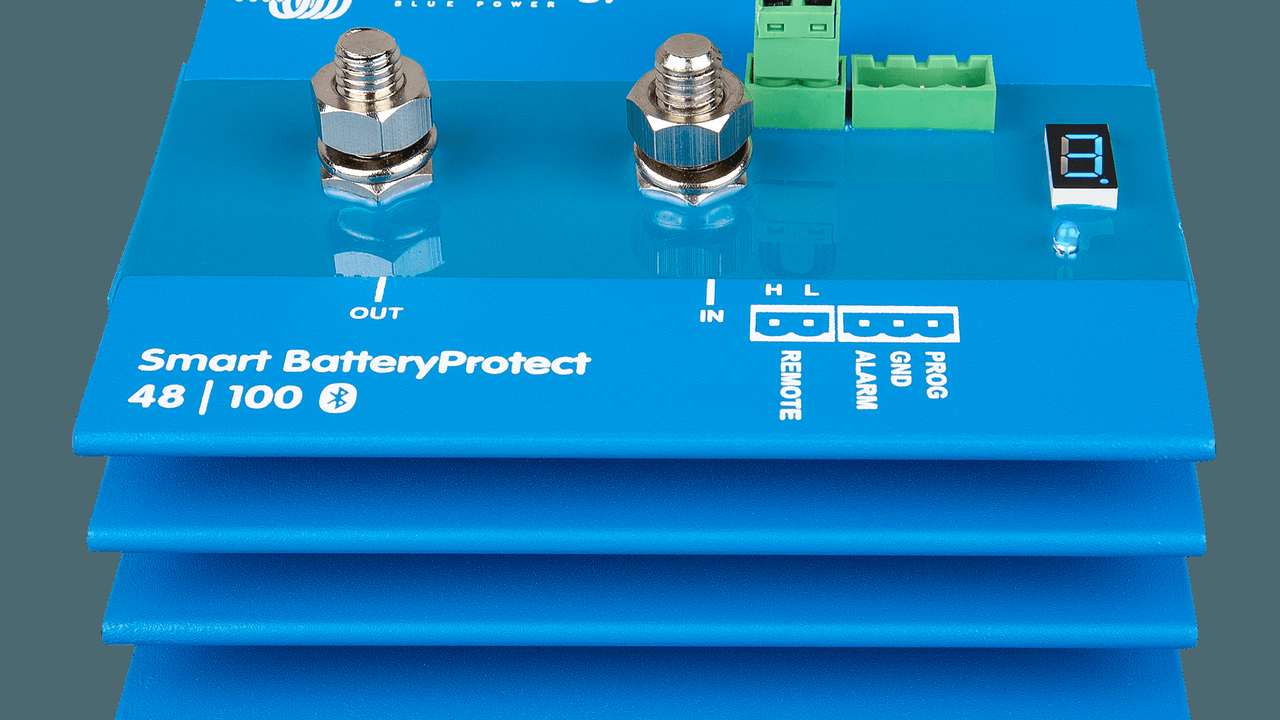
When refrigerator and lights turn off while the battery still looks charging, the culprit is not automatically the counter. A BatteryProtect may have detected a threshold, an overload, a temperature or a remote control; a fall on the wiring can make the lowest voltage appear during the spike. The immediate reset cancels the symptom without explaining the cause. the procedure identifies model, loads and program, input and output measurement, separates BatteryProtect from BMS and fuse, then restores only after a test under controlled conditions.
Record what is off and when
There are involved users, active sources, bench status, contemporary loads, temperature and messages of the app or picture. If the detachment occurs when a compressor starts, after hours of discharge, with active inverter or during a switching. One branch off indicates a different route from the whole boat in the dark. The photographs of the state and the programming precede each change. If there are smell, heat or discoloration, it safely puts itself and stops the diagnosis fed.
Identify model, size and version
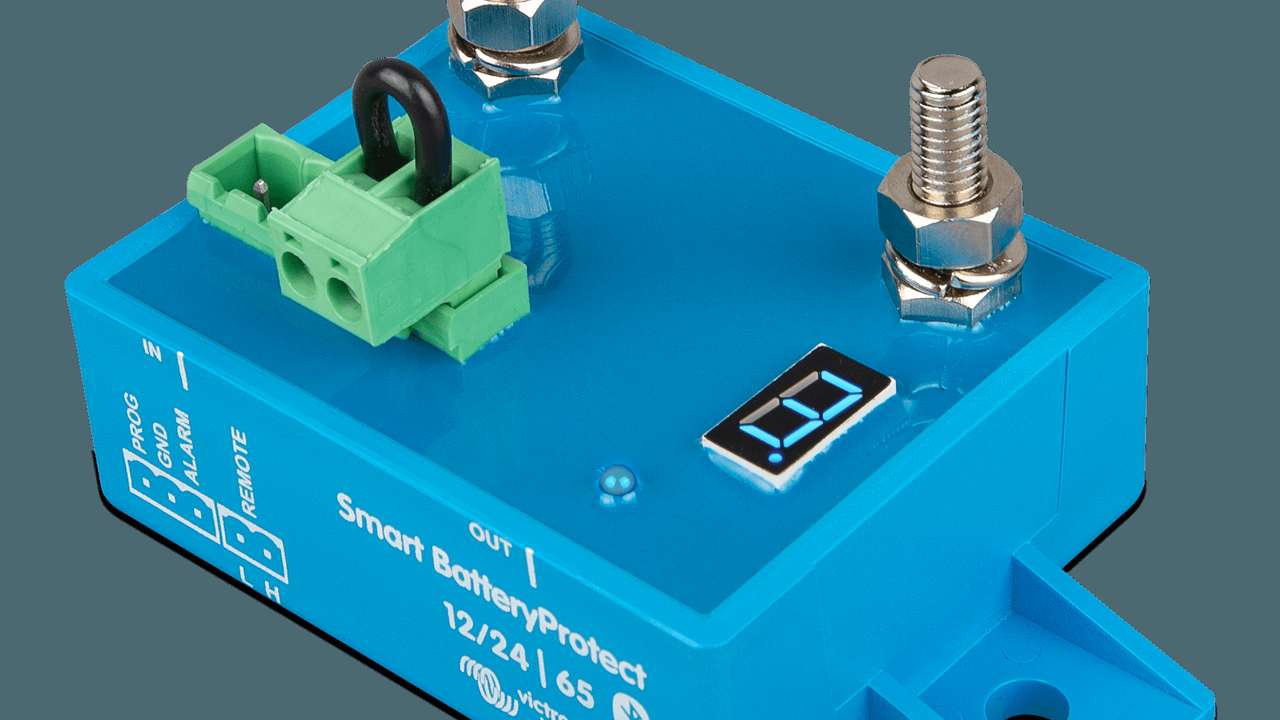
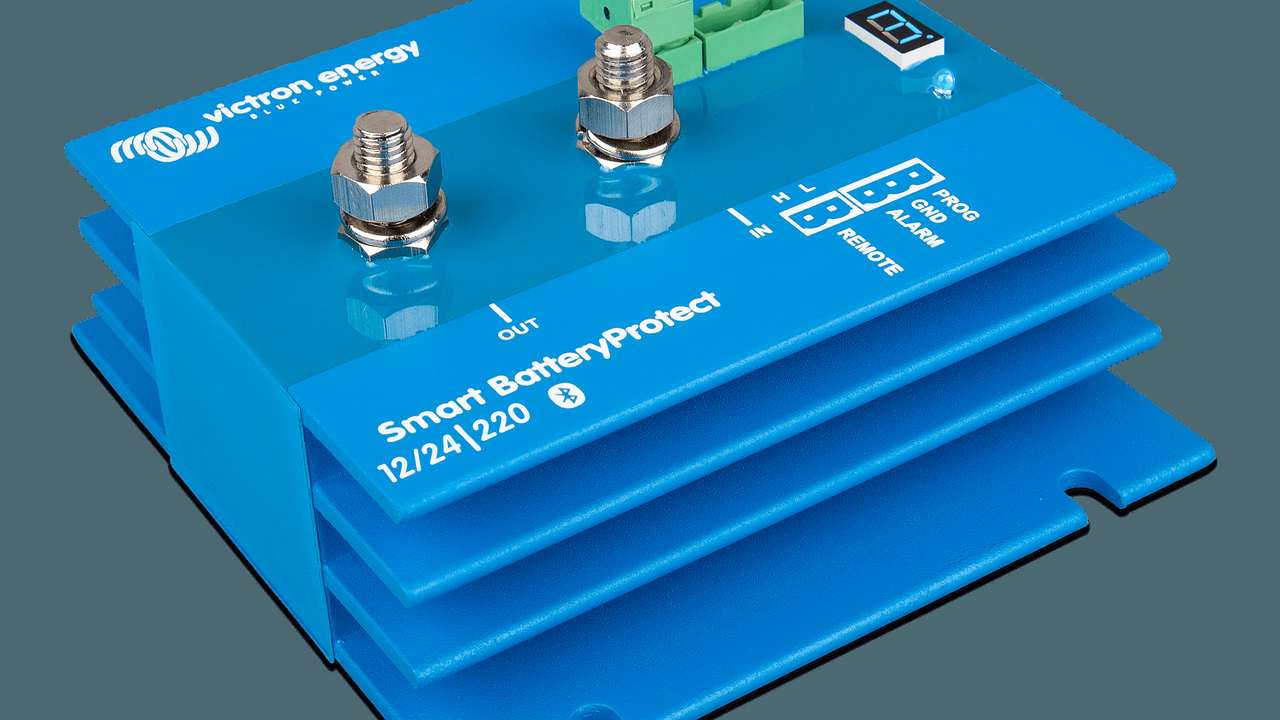
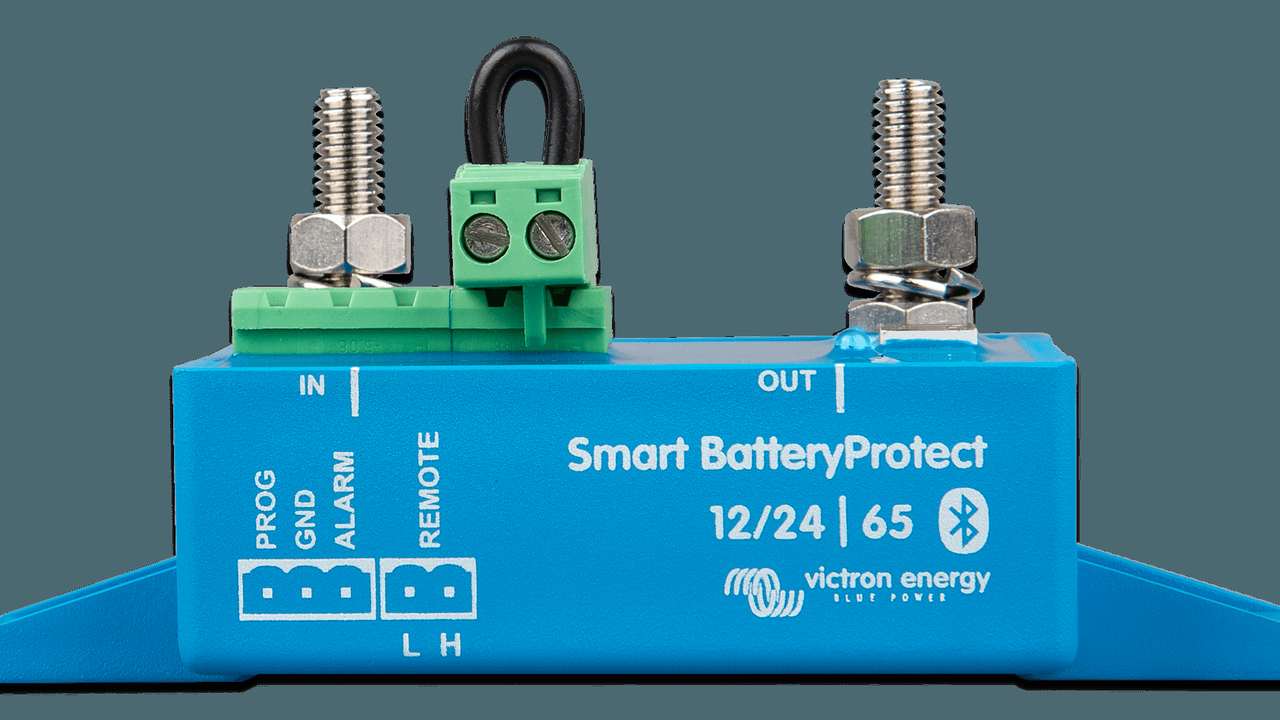
Smart BatteryProtect and BatteryProtect exist in different currents and interfaces. You read code, voltage, tag, terminal layout and associated manual. The similar number does not allow to use remote programming or wiring of another model. You list the connected loads and compare continuous current and ideas with the project. If the size is unknown or the device has been replaced without updating the scheme, the diagnosis stops until the real configuration is reconstructed.
Measure tension to the right clamps
The voltage is measured on the counter, at the input and output of the device during the symptom. Readings performed at different times can confuse battery recovery with a cable drop. It is used a certain negative reference and a suitable tool, avoiding shorts on the terminals. If the entrance goes down a lot under load, you will investigate the bench and climb up. If entrance remains stable and exit opens, state, program and load occur. An empty measure does not close any of the two assumptions.
Quick Diagnosis Table
| Symptom | First control | Closing test |
|---|---|---|
| Output off | Remote input, program and command | Detachment explained and stable reconnection |
| Turnover | Current, fall, cable and load | Repeated start without event |
| App not connected | Power, model, access and distance | State compared with measures |
| Cyclic re-ignition | Soils, hysteresis and discharge battery | Reduced load and stable voltage |
| Ineffective control | Bridge, contact, BMS and wiring | Open and closed audits |
Check fuse and upstream power
The BatteryProtect does not replace the fuse of the conductor. It occurs dissecter, fuse, terminals and power upstream according to procedure. A partially damaged fuse or resistive contact can maintain a vacuum tension and collapse to the load. After insulation we control capicorda, oxide and heat signs. You do not increase the fuse to avoid new gaps. The protection must remain consistent with the cable section and the short current available. Each repair is returned under load.
Read the program without changing it
First you record the current program or thresholds, then compare with nominal voltage, chemistry and battery documentation. A correct setting on an old bench can be mistaken after a replacement. Detachment and reconnection are not the same tension; delays and hysteresis avoid continuous switching. If the tension to the clamps does not really reach the threshold, the problem is elsewhere. Changing the program to turn the refrigerator back on can hide a deep discharge or a fall, so it only happens after measurements.
Compressor and overload
Refrigerators, pumps and other engines can absorb an initial peak. It is measured with instrument capable of capturing the event and compares with size and conditions of the model, without extending values between versions. A too long point can indicate mechanical load, low voltage or insufficient wiring. More users started together change the diagnosis. One load at a time and then the expected contemporaneity. If the load is not suitable for the device, the architecture corrects instead of repeating reset.
Fall of tension and hot cables
It measures the fall on positive and negative while the load operates, stating the loss on cable, terminal, fuse or device. The temperature is compared to current and known time. A loose end or badly crimped can generate heat and drop the tension at the entrance. The pair only occurs after isolation and with the value of the manual. It's not indiscriminate. After repair, the same cycle is repeated and falls and temperatures are compared with the initial values.
Inverted input and output
The device has a defined connection direction. Inverted installation can cause abnormal behavior or damage and is not correct under tension. They compare terminals, polarity and schematics with the real model. Also a path that allows reverse current from other sources requires specific verification; the BatteryProtect should not be placed in a function excluded from the manual. Before moving cables you can isolate all possible sources, including dock, solar, alternator and temporary connections.
Remote control, bridge and switch
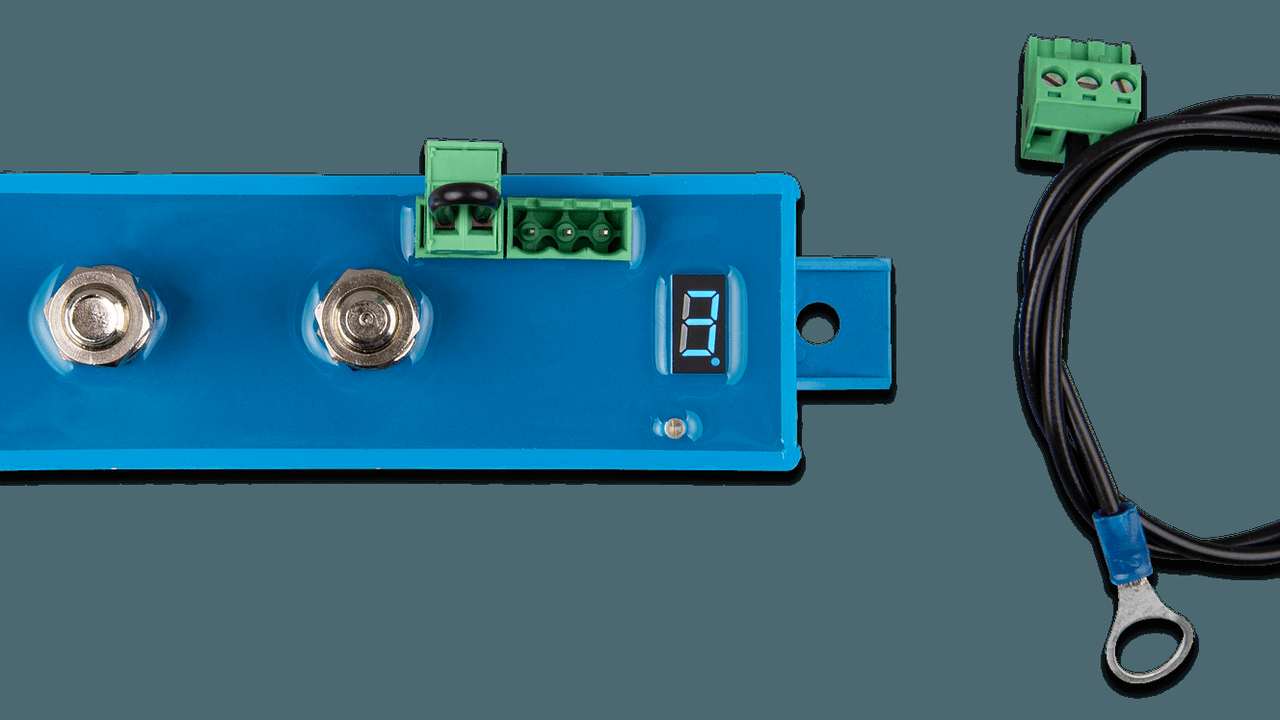
If voltage and program are correct but the output remains disabled, the remote circuit occurs. Missing bridge, open switch, oxidized contact or control output can control shutdown. It follows the electric logic provided by the model, without applying arbitrary tensions. It has been open and closed with controlled power and safety. The remote wire receives label and protection. If the command comes from another system, it also diagnoses its condition, avoiding attributing to the BatteryProtect a decision received.
BMS signal and cell condition
A compatible BMS can ask you to disconnect the loads to protect the cells. We read alarms, temperatures, tensions and communication according to the real counter. The BatteryProtect does not measure individual cells and its threshold does not replace the BMS. You do not bridge the command to rekindle the services. If the BMS event is real, the cause of battery or charge is resolved; if the signal is incorrect, wiring and configuration occurs. Restoration follows official procedures without forced dangerous conditions.
Bluetooth absent or unconnected app
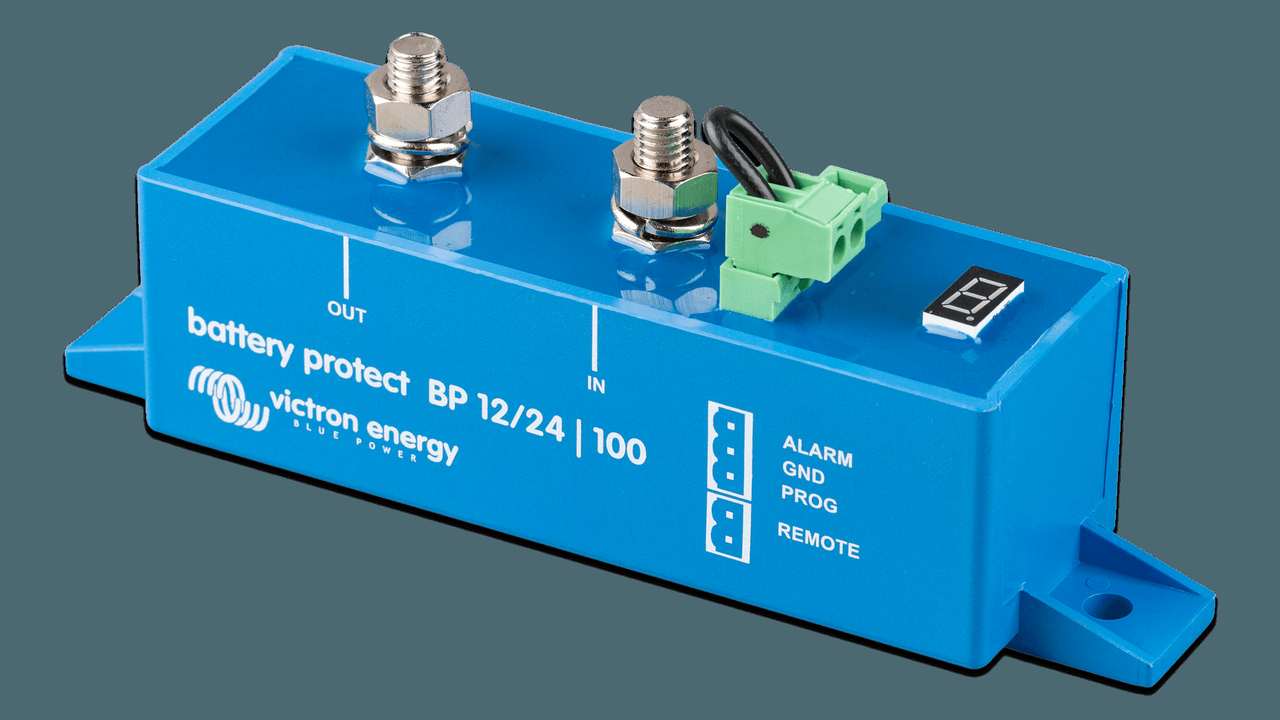
Smart versions confirm power, model, distance, permissions and correct device. A Bluetooth problem does not show that the power output is spoiled. However, input and output are measured and indicators available are observed. Before deleting associations or reset you save name and program. Codes and accesses belong to the owner. If the phone is not available, the diagnosis must be able to establish the electrical state and isolate the branch. The app is a tool, not the only secure command of the system.
Cyclic and battery power up
After detachment the tension of the counter can rise without load, reach the reconnecting threshold and fall as soon as the utilities depart. The cycle indicates insufficient energy, inconsistent thresholds, degraded battery or excessive load. It is not eliminated by indiscriminately lowering reconnection. Loads are reduced, the battery is measured under test and the charging source occurs. Arranged delays and hysteresis are checked. The solution must make the system stable, not only extend the period between two switches.
Not received
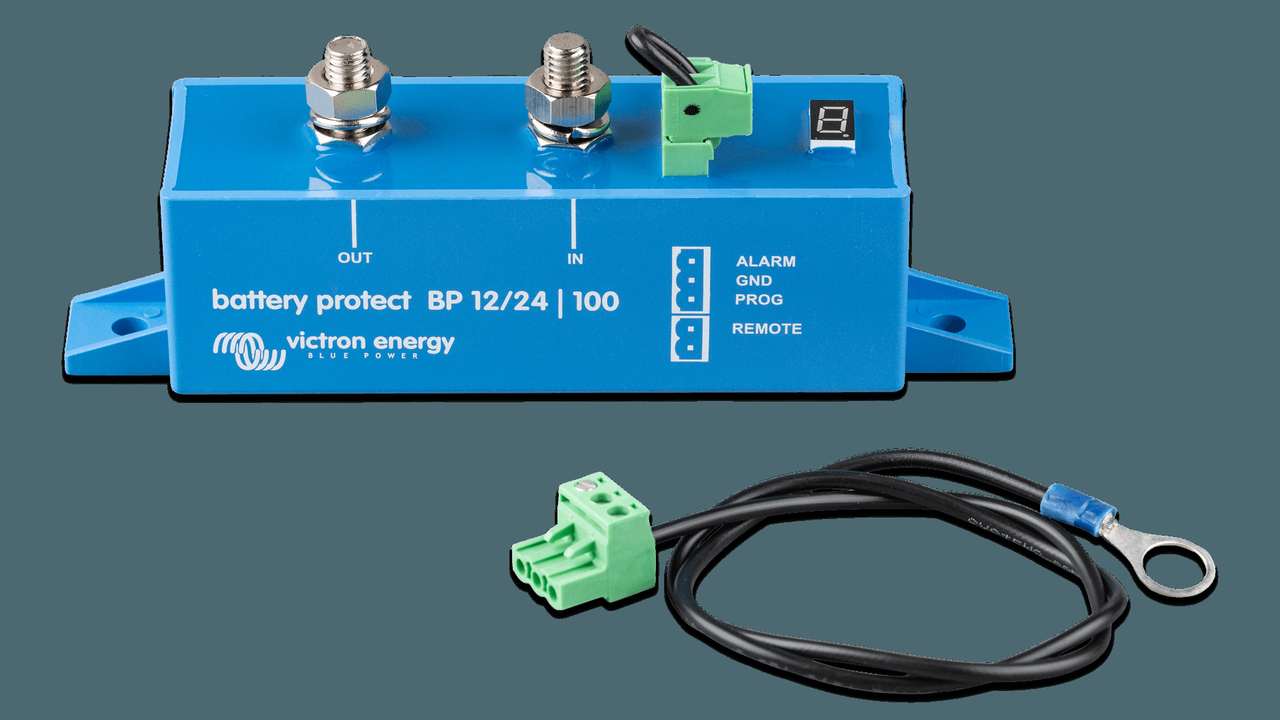
If the project provides a pre-awakening, exit, wiring, recipient and action occurs. A message on the display or phone also requires network and configuration; the local event is checked separately. It simulates a safe condition and measures the time available before detachment. If no one knows what to do, the alarm is not operational. Users requiring ordered shutdown receive a specific procedure. After the remedy the whole chain is tested and the result is recorded, without intentionally downloading the counter beyond limits.
Restoration with progressive loads
Polarity, fuse, capicorda, program, remote control and covers are confirmed. Then you energize the branch with a small load, measure tension and current and add the utilities once at a time. Fridge or pump complete more start-ups under representative conditions. Fall, temperature and device status are observed. If you reappear the symptom, you stop the sequence at the exact point. A successful empty reconnection does not close the diagnosis. The Minutes retain measures, modifications and limits not proven.
Degraded mode without dangerous bypass
The crew must know which services have been detached and how to preserve energy. A wire on the clamp or an improvised power bridge is not a degraded mode. If the project includes emergency power, use protection, cable, switch and dimensional limits. The BatteryProtect is isolated before surgery. Critical services are not transferred to the comfort branch without calculation. Even without app or internet, basic measures and procedures must remain available. Degraded mode ends with repair and restoration of normal configuration.
Prevent next shutdown
It updates the pattern with model, program, loads, currents, fuse and remote control. The inspections verify heat, oxide, humidity, traction and new utilities. The detachment historian is compared with the use and status of the counter. After replacement of the battery you see thresholds and test. A new refrigerator or inverter can change point and priority. The program does not become a random variable to fit every symptom. Initial fall and temperature measures provide a concrete reference for future interventions.
Procedure verdict
If the fridge and lights are switched off, the correct diagnosis goes through model, power supply, clamp voltage, fuse, program, point, fall, remote control and BMS. The BatteryProtect can have performed exactly the required protection; the problem can be counter, load or wiring. The reset comes only after the rescue of the state. Closure requires progressive loads, repeated start-ups, stable temperatures and reconnection without cycles. Thus the crew recovers services without sacrificing the energy margin that the device had to protect.