
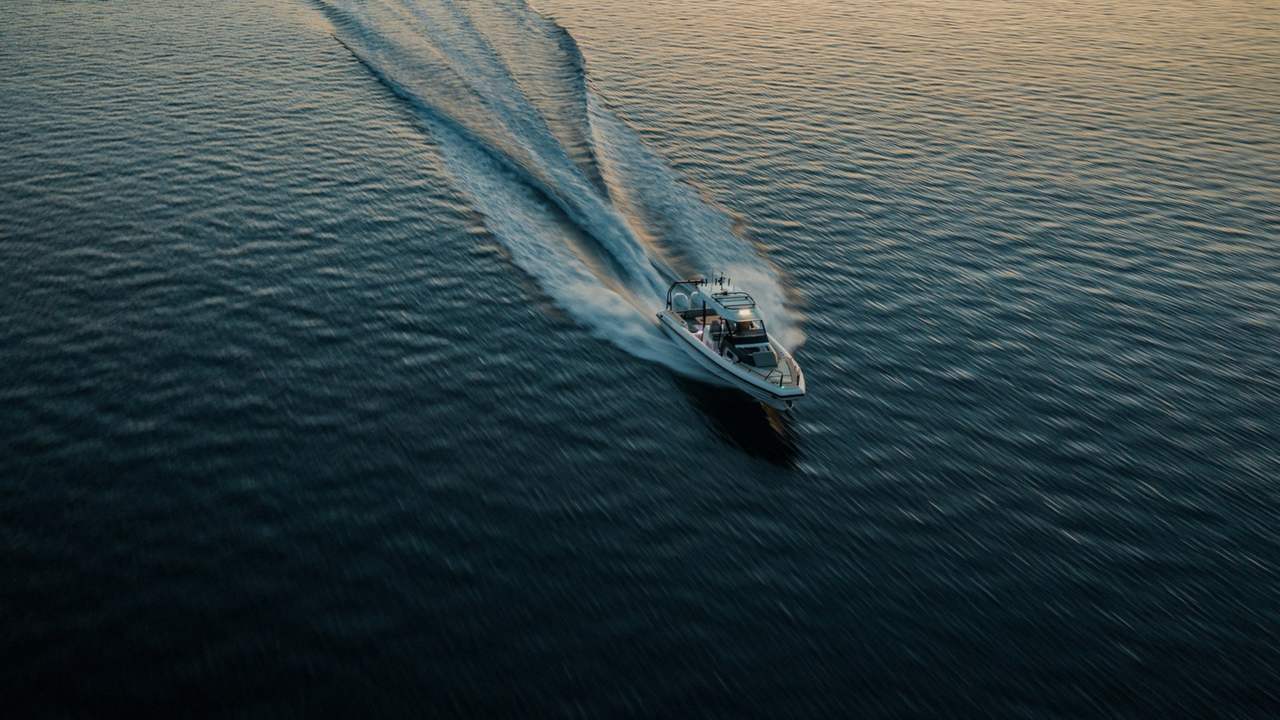
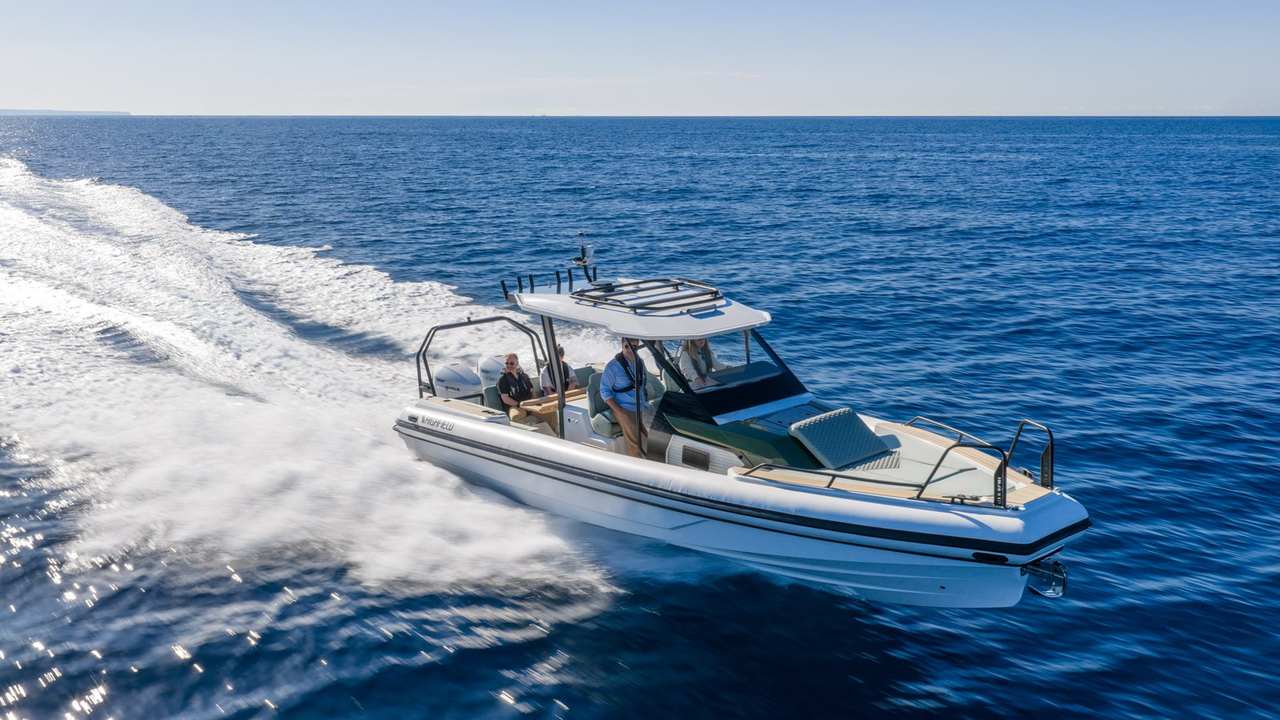
Nine meters in aluminium, double 300 CV and category B: we analyze why ADV 9 is closer to a fast cruiser than to a traditional RIB.
Green in brief
ADV 9 is suitable for those who want a quick and robust means for exposed transfers, with possibility to stay overnight. The double 300 CV is consistent with offshore use; the single 450 with quick days and easier maintenance.
Reference numbers
| Length | 9,20 m |
|---|---|
| Baglio | 3,27 m |
| Boat weight | 3.300 kg |
| Engines | single 450 or 2 × 300 CV |
| Maximum speed | 50 knots |
| Declared autonomy | 250 miles |
| Fuel | 450 l |
| Category | EC B + C |
The plate data are project references. The test must specify people, liquids, equipment and conditions: a speed or autonomy without trim and reserve is not a repeatable data.
Component analysis by component
Aluminium crossover
The nine meters uses welded structure and tubular as side protection. Cordoni, stern mirror, metal insulation and anods must be verified. Aluminium tolerates intense use but an incompatible or dispersed current screw can create localized damage difficult to see under coatings.
Choices of propulsion
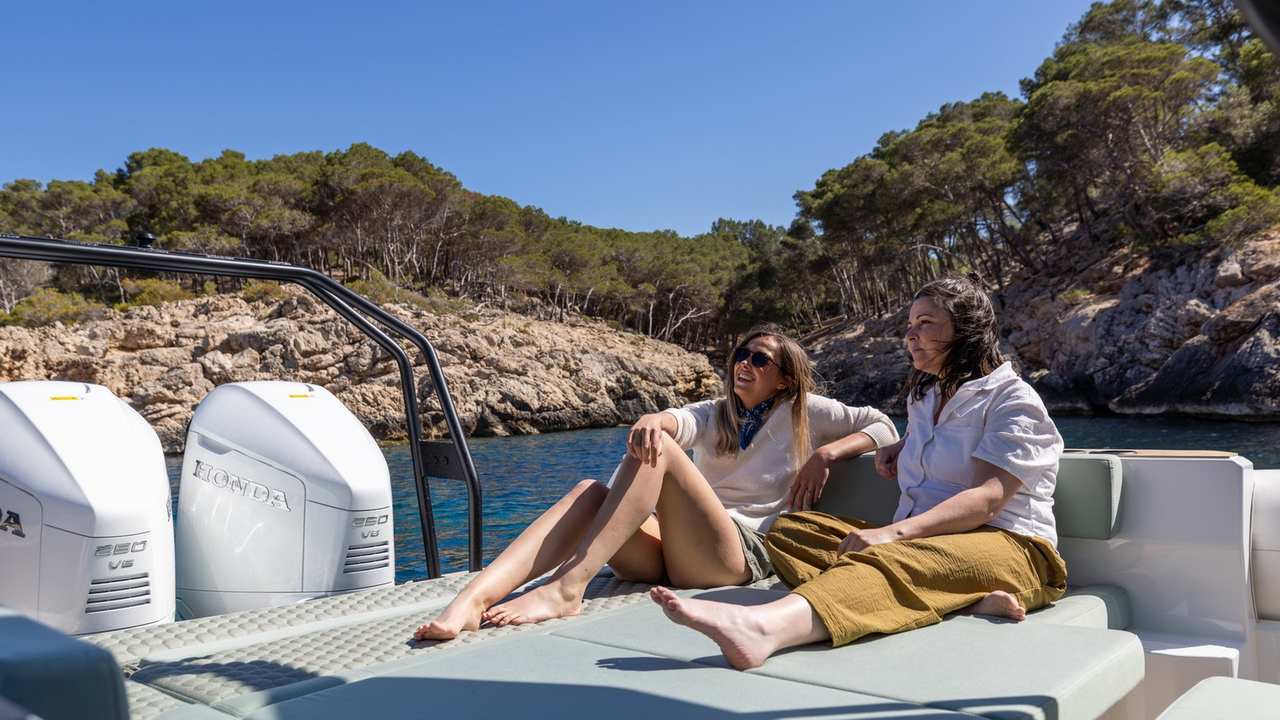
There is a single up to 450 CV or two up to 300 each. The single reduces weight and maintenance; the couple offers redundancy and control, but loads the stern. Length stem, height, propellers and batteries must be defined with the yard.
Performance
There are 50 knots and up to about 250 miles. They are not necessarily obtained in the same order. With 450 liters, the useful measure is liters per mile to several regimes and with cabin equipped; a prudent reserve must cover wind, wave and deviation.
Approval B/C
The scope changes: eight people in category B, twelve in C. It is not just bureaucracy, but a condition of project and load. Equipment, baggage and equipment must comply with the stated configuration; the largest number in each navigation is not automatically used.
Cabin
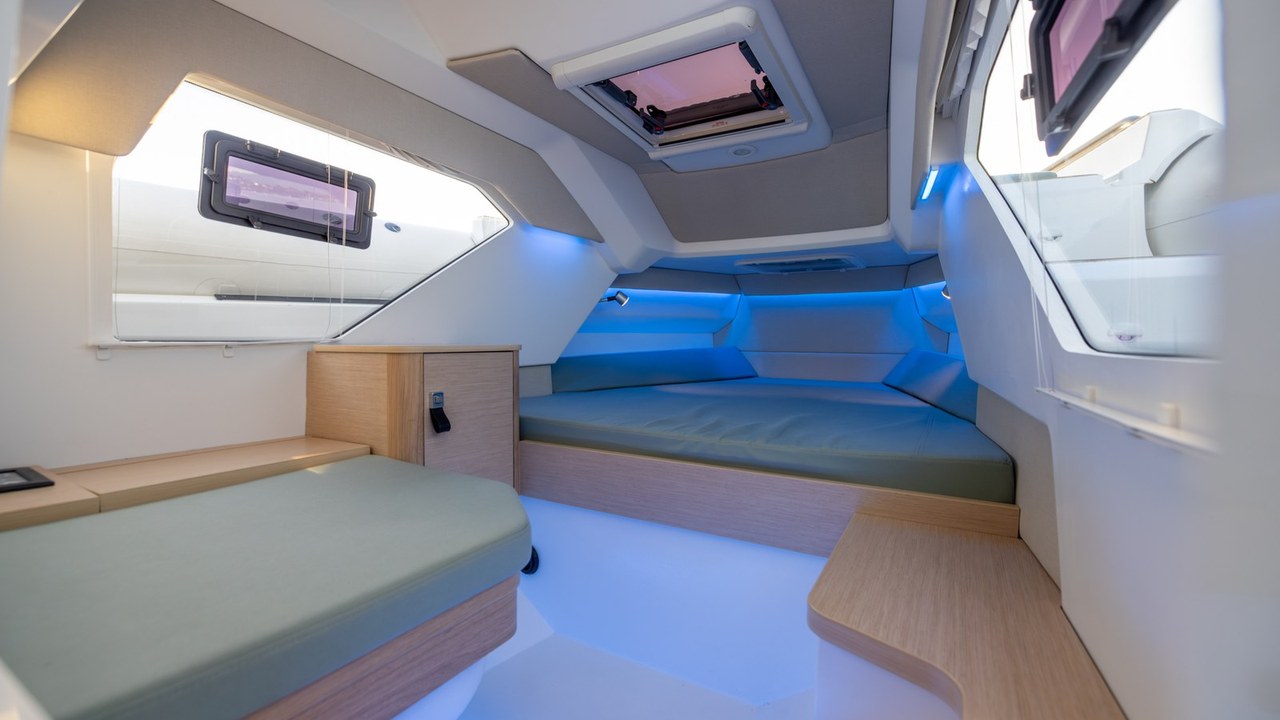
The ADV9 brings the RIB concept to a crossover cabin. Showers, toilets and services should be evaluated on ventilation, drainage and capacity of black waters. Internal surfaces should not hide tank access, pumps and console fixations.
Four lifting points
The dedicated points facilitate handling, but require braces, angles and correct flow rates. The operating weight of 3,300 kg grows with engines, 450 liters, batteries and equipment. The lifting plan must use the real weight, not the naked one of the catalog.
Engine, transmission and response
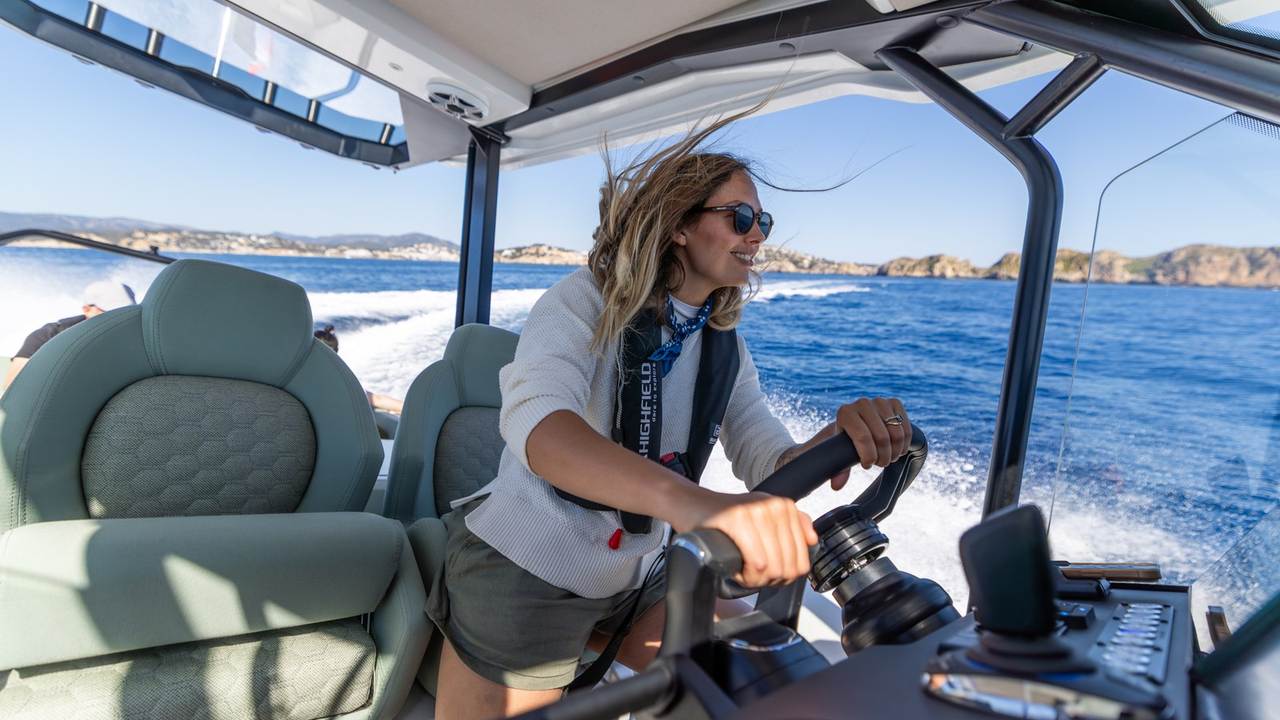
The choice is between a single 450 CV and two 300 outboards. The single weighs and costs less, however, offers only one propulsive line; the double increases thrust, maneuverability and redundancy, but it brings mass and consumption to the stern. The 50 declared nodes and 250 miles of autonomy do not necessarily belong to the same regime. The propeller, height, load and trim must be tested with the boat in the real arrangement.
In the sea trial we would note turns, knots, consumption, temperature, noise and vibration at stable intervals. We would also try degraded manoeuvre, arrests and local commands. Electronics and joysticks increase precision, but they do not have to hide mechanical differences between the two sides or a incorrect trim.
Available configurations: how to choose
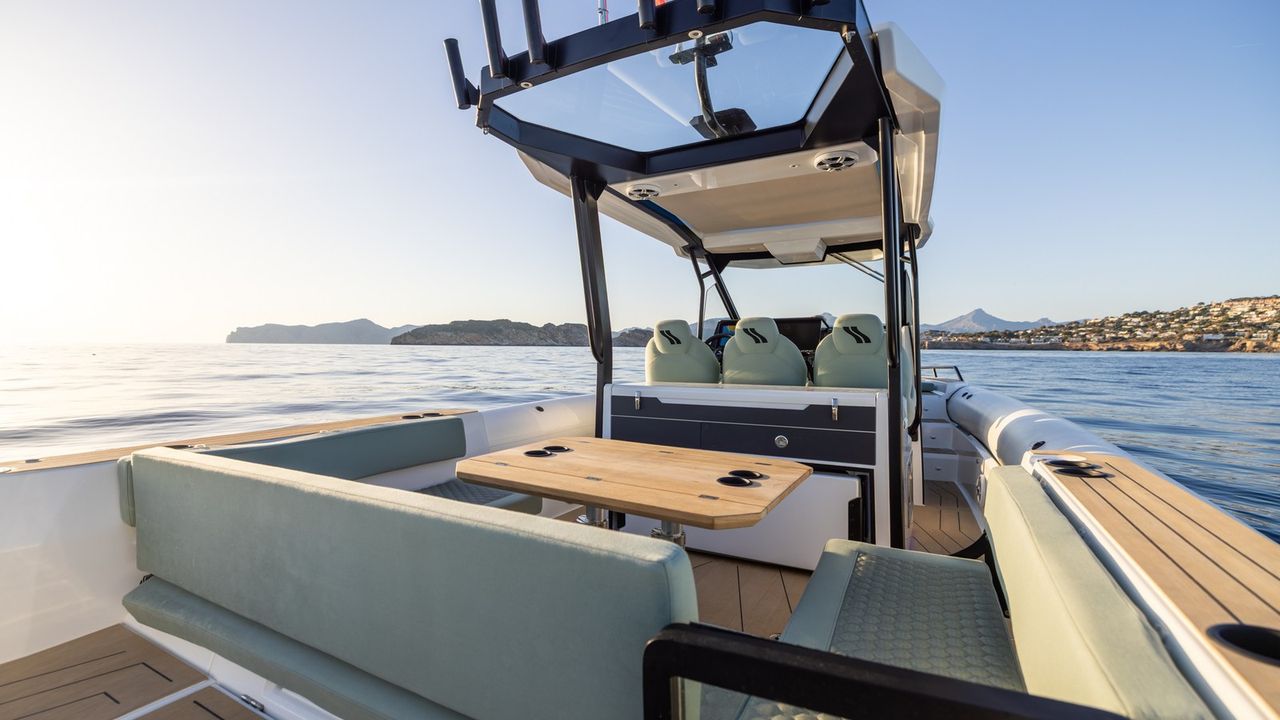
The double engine is consistent with distant transfers and maneuver, but two 300 CVs push weight and cost. For coastal use the single 400-450 can be cleaner. The decision must be taken together with cabins, batteries and tanks, because everyone weighs on the stern.
The choice must be made before sizing batteries, generator, tanks and storages. Changing advanced capitulate layout or propulsion can leave over or undersized plants, or concentrate mass where the famine tolerates it less.
Accessories and onboard services
Single 450 CV or double up to 2×300
In the capitulate they must be declared brand, model, weight installed and position. It is also necessary to identify power supply, protection and access for disassembly: the commercial name of the option, alone, does not allow to assess its integration and maintenance.
Toilets and cabin services with appropriate tank
The verification does not end with the ignition in the dock. The component must be tested with engine, generator or network services under the conditions provided, annoting absorption and alarms. Local commands and emergency procedures must appear in the on-board documentation.
T-top with radar and antennas on structural plates
This item changes the operating configuration and can move electric masses or loads. Before the order, a scheme is needed, the consumption data and the interference with the existing gavones, passages and equipment. It should be added to the spare parts plan.
Double counter and consumption monitoring
The installation must preserve inspection of valves, filters, fixings and nearby cablings. We would also ask what assistance can be made in frequent areas and what mode can be used if sensor, display or actuator is not available.
DSC VHF, AIS and sonar
The benefit is real only if crew and plant can support it. In the test the continuous operation is measured, not a demonstration of a few seconds; in the manual must be limits, maintenance and conditions that require not to use it.
Lifting equipment calculated on the operating weight
Before delivery, this equipment must be included in the technical inventory with registration, schema and wear parts. The full weight includes brackets, cables, fluids and accessories: it is the complete value, not that of the only device, which enters the balance of the boat.
Layout, ergonomics and hidden plants
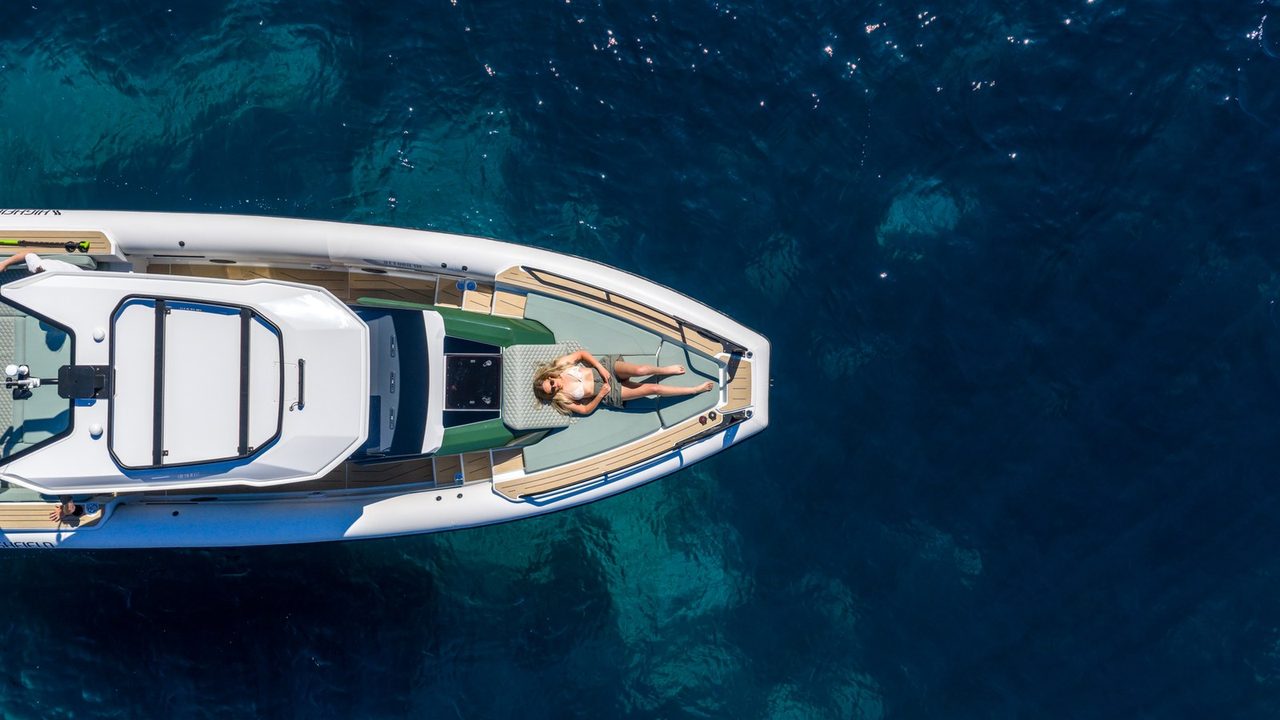
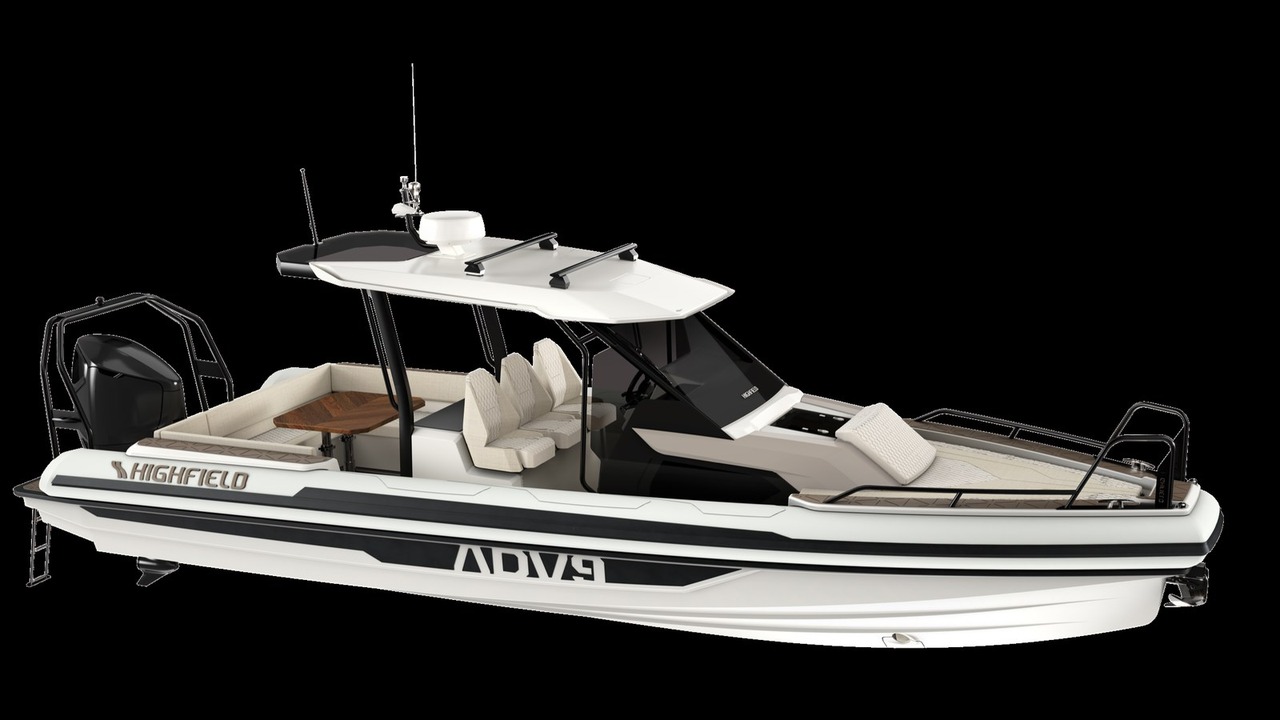
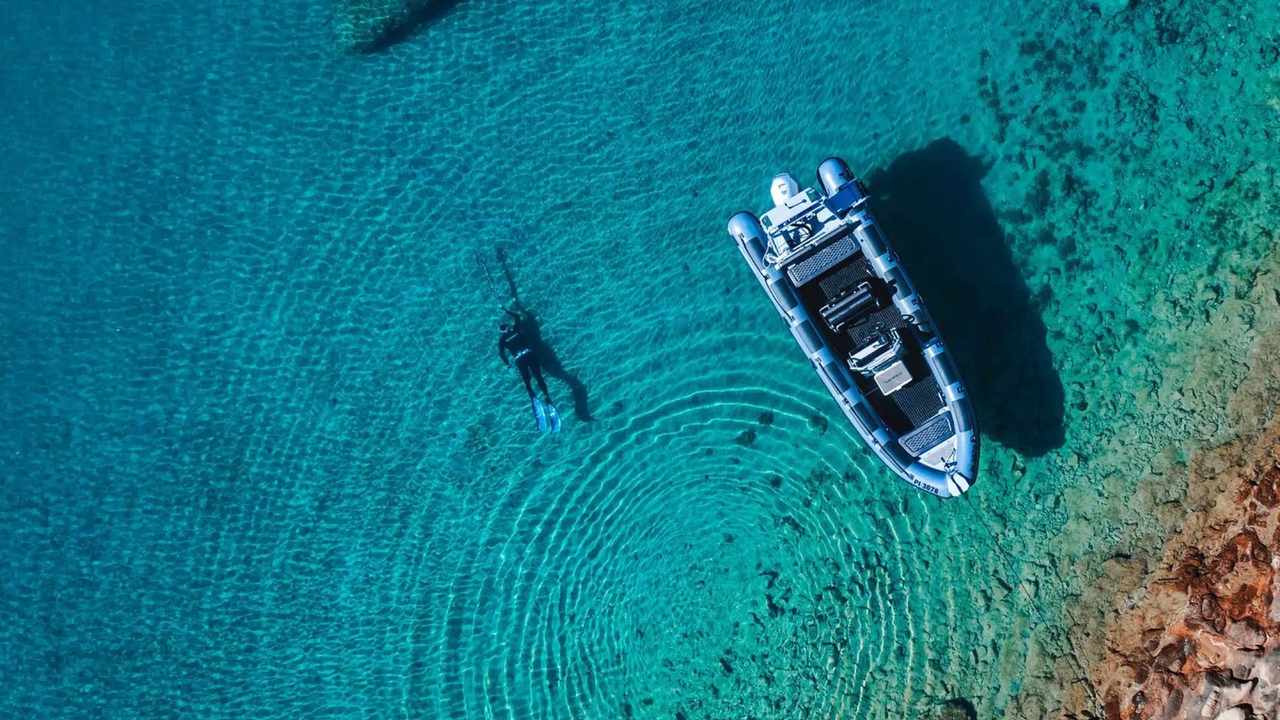
Cabin, t-top, sunbathing areas and large blanket allow weekends and sports activities. Four lifting points also open use as a large yacht tender, but require precise certification and procedures. Compact Radar, AIS, autopilot, VHF DSC, brace, refrigerator and toilet complete the fast cruiser. If you install lithium, the outboard charger must be compatible with BMS and charging profile.
We would open all the panels to identify sea sockets, pumps, valves, filters and connections. We would change drains with water, ventilation with closed environments and possibility to reach emergency equipment in night and day configuration.
verification of the expert for this model
In pre-purchase control or delivery testing we would not limit ourselves to visible finish. On this model we would put in writing at least these points:
Galvanic corrosion and hull cords
The point should be documented with photography, initial condition and result after the test. If different games, losses or values emerge between the sides, the cause must be isolated before acceptance.
Structure and ventilation with choice propulsion
No static verification is enough: a complete cycle is needed under operating conditions and a second hot check. Noise, temperature, absorption or abnormal pressure must become a measure, not an impression.
Real weight on the four lifting points
We would ask for physical access, schema and isolation procedure. The component must be able to be reached with the mounted furniture and without making any other essential function of the boat.
Load compliance by category B or C
The minutes must distinguish ordinary wear, regulation and defect. For each anomaly, spare parts, hours of work, any feed and consequences on use until restoration are indicated.
Access to installations behind the cabin
The result must be compared with the configuration delivered and the maintenance historian. Software, calibrations or subsequent modifications must be recorded along with the date and subject that has performed the operation.
General control also includes CE documentation, freshmen, work history, fire protection, batteries, bilge and insulation tests where relevant. The anomalies must be quantified in hours, spare parts and boat stop, not described with a generic “to be reviewed”.
Reasoned maintenance plan
Before each exit
Quick control must include galvanic corrosion and hull cords and trim and ventilation with chosen propulsion. Levels, bilge, alarms and mandatory safety equipment occur before starting, when an anomaly can still be corrected without operational pressure.
After navigation or heavy use
Salt, heat and vibration make priority real weight on the four lifting points and load compliance by category B or C. The rinse should not push water into the connectors; hot inspections should be carried out respecting protections and cooling times.
Seasonal cutting
In addition to the cycles prescribed by the manufacturer, we would enter access to the installations behind the cabin in the annual report. Photographs, fluid analysis when relevant, alarm logs and operating hours allow you to read a trend before you become still boat.
Who really needs it
The switch from ADV 7 to 9 is not a simple magnification. Three ton and three, 3.27 meters bay and cabin move the project into the fast cruiser band. The aluminum construction offers shock resistance and an easily inspectable structure; requires strict galvanic insulation between hull, motors, plants and stainless steel accessories. Six air chambers maintain the protective function of the tubular.
The successful configuration is the one that keeps margin: load, energy, autonomy and accessibility. It is this margin, more than the maximum, that distinguishes a pleasant boat on display from a convincing boat after many seasons.