
The yard: roots, method and reputation
Mediterranean history with international vision
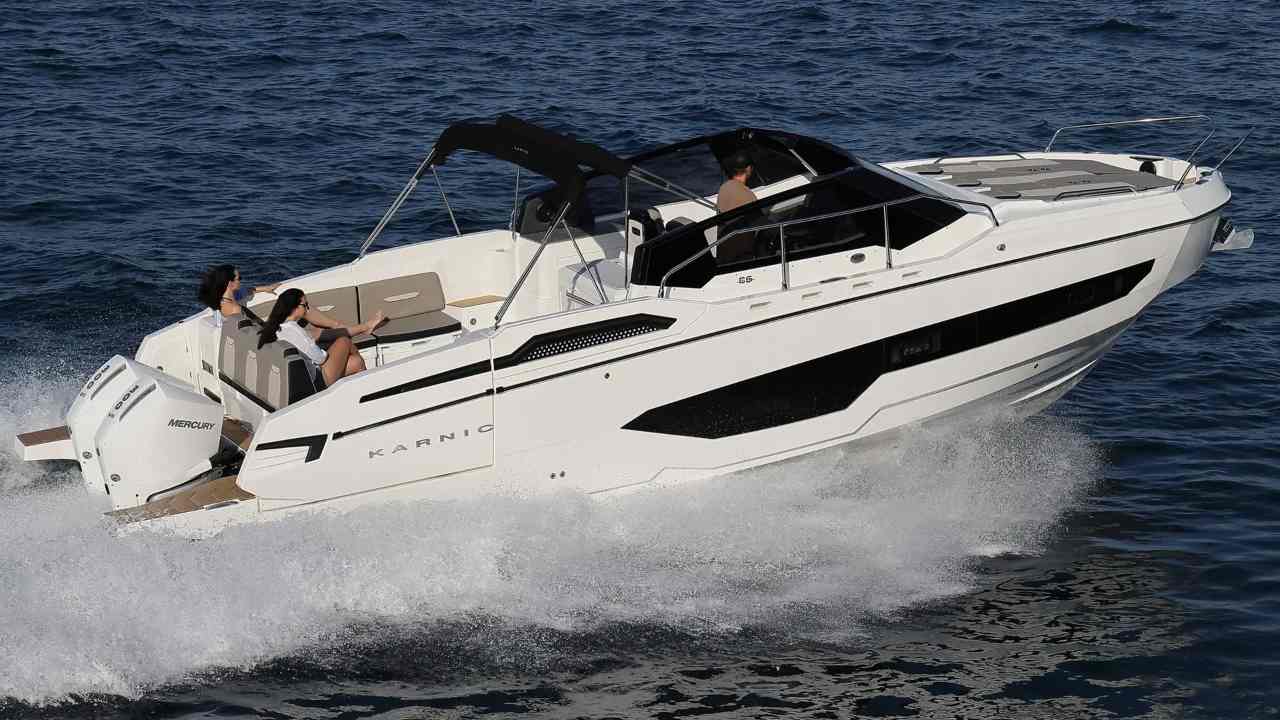
Born and raised in the heart of the eastern Mediterranean, the brand Karnic built its name on boats from marine character, attentive to the seal on the short wave and the robustness structural. The company has invested early in repeatable processes, standardizing vacuum infusion, dimensional controls and quality systems for lot, so as to ensure consistent performance among the specimens.
Project philosophy
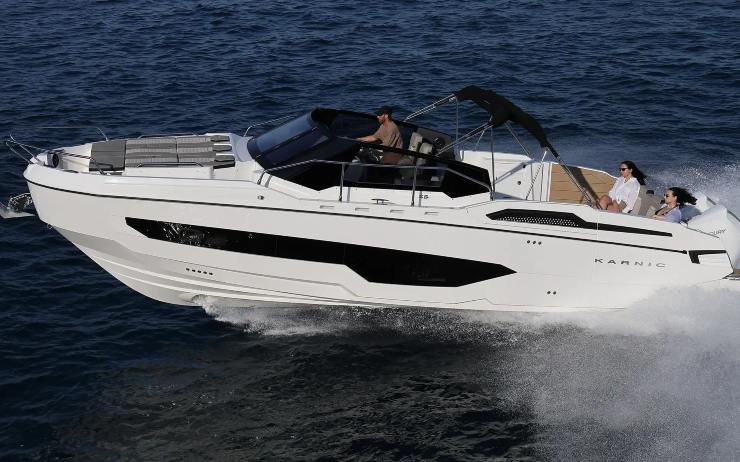
The CS line favours carene a V variable variable with calibrated support skates and distribution of volumes designed to reduce beaking. The orientation is pragmatic: optimized weight, legible system, wide technical access, marine finishes anti-UV. The CS10-S represents the most sporty interpretation of this paradigm, with a setting from modern dayboat capable of holding sustained rhythms without sacrificing viability in the dock.
Market perception
Between dealers and commanders, Karnic is synonymous with value for money favourable and simplicity maintenance. In areas of variable weather, the range is appreciated for the ability to maintain logical asset and dry indoor, with predictable operating costs and competitive residual value.
Technical introduction of the model
CS10-S was conceived as a platform double outboard motorization with mowing geometries, distributed loads and volumes functional to day life. The project favours a protected rudder, clear paths and a modular layout to adapt the well to the different activities: fast cruise, relaxation in satin, bathrooms and lunch on board.
Dimensions and naval architecture
Water and Sustainability Lines
The bow is sharp to cut the short wave; the deadrise attenuates to the stern so as to favor the planata, while the longitudinal skates generate portanza and stability in travel. The stern mirror is sized for modern motor pairs, with foot positioning designed for avoid cavitation in the accelerations decided.
General provisions
The width is exploited to obtain viable and passable wells; the hull maintains a dry central section that limits sprays to the mascone. The rudder is a compact “cabin” with windscreen, designed for visibility and aerodynamic protection, without weighting the silhouette.
Balance and trim
The longitudinal centre of gravity has been kept in content: this makes the boat ready for the trigger and reduces the phenomenon of “porpoising”. With interceptors o trim tabs optional, the control of beaking and transversal disposition is immediate even with wind to the cross.
Materials and construction processes
Deck and blanket
The composite uses closed cell sandwiches in extended surfaces and reinforcements monolithic in the areas under load (basings, plates, tientibene attacks). The cycle foresees vinyl barrier as skin-coat to mitigate osmosis and printed with fabrics biaxial/triaxial infusions for control of the fiber/resin ratio.
Internal structure
A grid with longheroni and madieri it stiffens the bottom and distributes the forces generated by outboards. The main bulkheads are glued structurally and subsequently laminated to ensure mechanical continuity. The hull-cover joints are sealed and bound to reduce cygolii and micro-vibrations.
Finishes and coatings
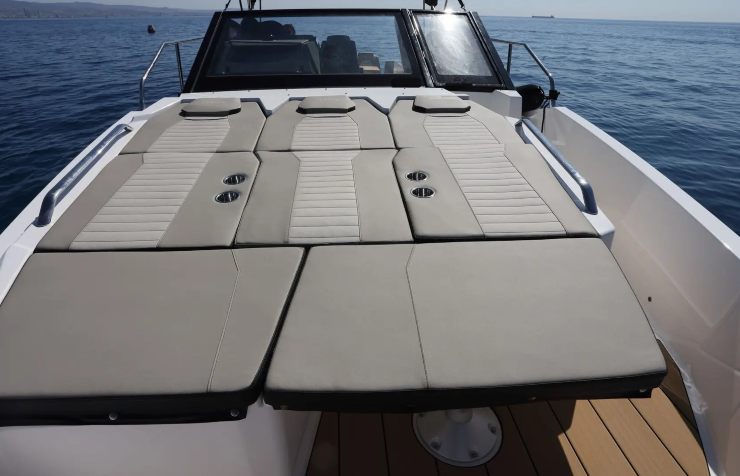
Covered, floors anti-slip and teak-like synthetic coatings simplify maintenance. Padded using foam different density, with salt and UV resistant marine fabrics. On request, wooden inserts and fine details on the worktops.
Propulsion, transmission and propellers
Double outboard installation
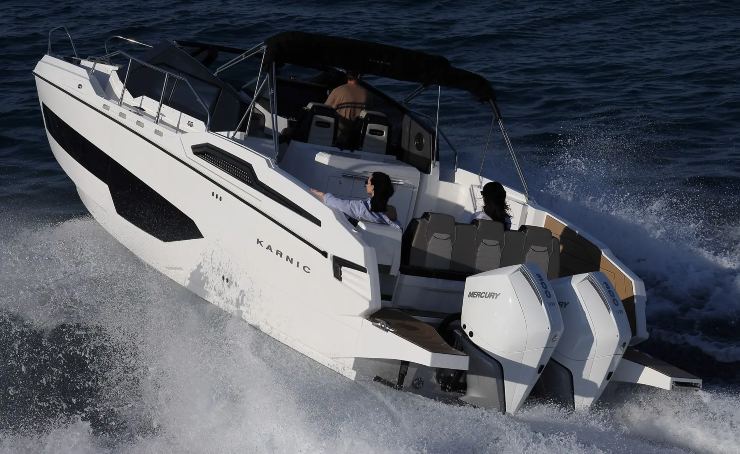
The boat was born for two petrol engines four times with electronic injection and drive-by-wire management. The digital interface allows integration with mooring joysticks of leading manufacturers. Power Steering reduces fatigue on the rudder and improves accuracy at high speeds.
Choice of reports and propellers
I reduction reports are selected according to the typical load and equipment (T-Top, hard-top, equipment). The propellers are calibrated to give preference to point or extension; with the right couple you get fast planed and cruise regime inside the window of maximum specific efficiency.
Energy requirements
The CS10-S can be configured with lithium services, inverter/charger and DC networks optimized for minimum voltage drop. This allows to feed increased refrigerators, pumps, entertainment and peak loads without using fixed generators.
Performance, autonomy and dynamic comfort
Typical trends
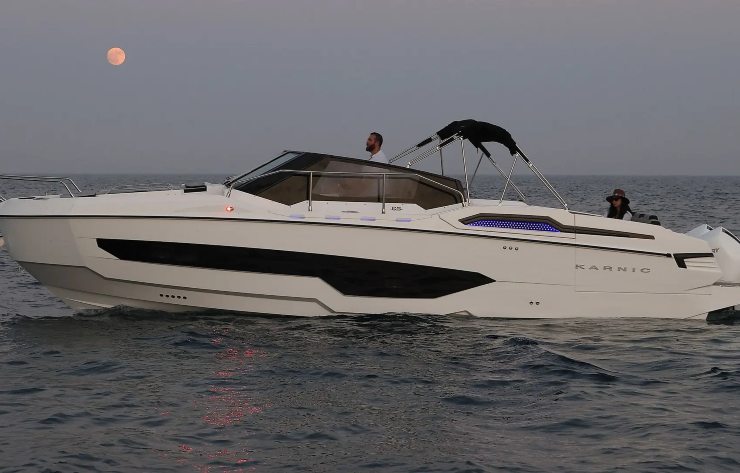
With dual mid-range motorization, the boat enters the bridge with ready and maintains an elastic cruise on a wide arc of turns. The daily autonomy easily covers transfers, stops in satin and return, thanks to sizable tanks and homogeneous consumption between the two engines.
Vibrations and noise
Counterprints and internal panellings soften the vibrations; the insulation of the bulkheads limits the acoustic transmission to the cabin. The flares in the bow and the V marked keep the blanket dry, reducing sprays and strokes on the short wave.
Controlled asset
Electronic Trim and interceptors automatic, where installed, keep the horizontal arrangement containing residual banding. The boat responds progressively in turn, with limited radius and limited speed loss.
Edge, electronic and domotic systems
Plank and instrumentation
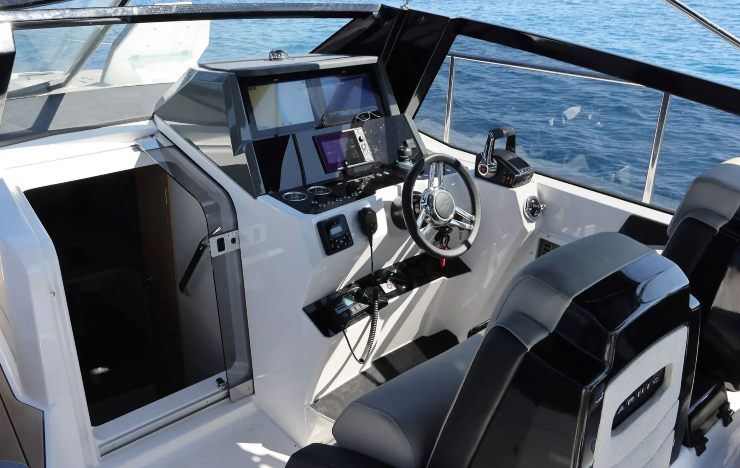
The console welcomes mFD doubles 12–16”, network NMEA 2000, autopilot, eco-scandaglio and solid state radar integration. The engine data are replicated by bus; ergonomics includes hand-operated controls, footrests and bolster seats with tipping cushions.
Electric panels and energy management
The separation between 12/24 V and 220 V dock socket is clear; chargers, battery monitors and fuses are easily inspectable. A dedicated app can provide telemetry basic and remote management of pumps, lights, fridge and battery status.
Integrated security
Sentine with redundant pumps, gas/CO sensors in closed areas, flow extinguisers and sealed USB-C sockets. The well is drainage with oversized scuppers to evacuate water quickly in case of rain or spray.
Functional design, space organization and layout
Stylistic identity
Weaving lines, clean surfaces and windscreen define the footprint. The bow volumes are exploitable without inflating the profile; T-Top or hard-top add shading and sports personality.
Cover and routes
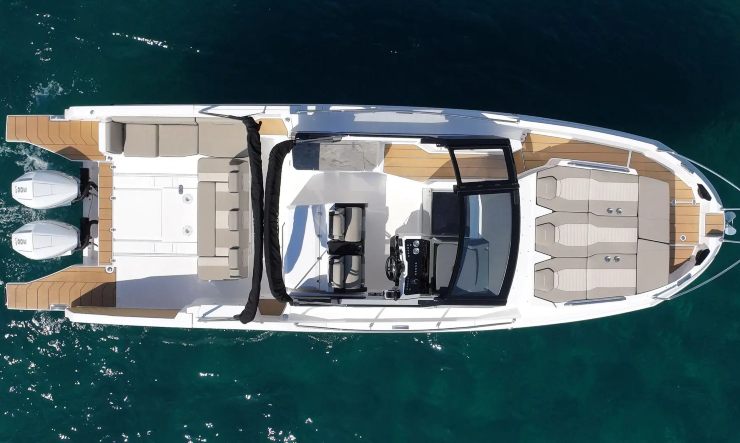
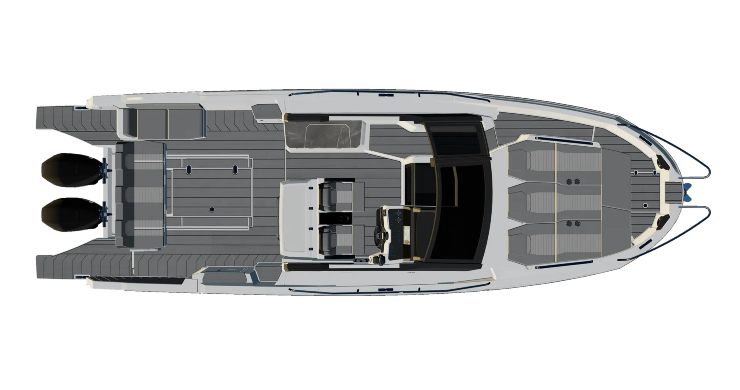
- Prua with transformable sunbed and ventilated gavones.
- Console with double seats and rooms dedicated to objects and equipment.
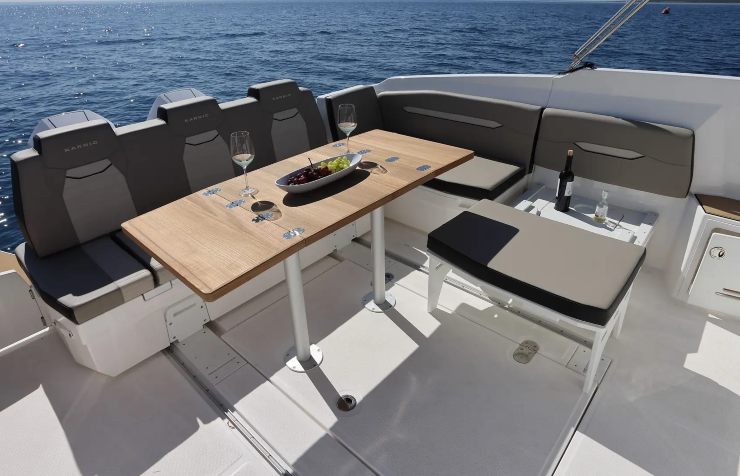
- Pozzetto modular: dinette, telescopic table, wet-bar with sink and fridge.
- ♪ with symmetrical platforms, ladder and free central passage.
Ergonomics and viability
The bridge guarantees clean view standing or sitting; continuous tints and wide passages reduce risks. Differentiated density padding supports well on prolonged cruise.
Layout
Innovation: efficiency, stability and impact reduction
Energy efficiency
Thanks to construction infusion and the low weight, the boat can adopt less thirsty engines at equal performance. Lithium services limit deep cycles on batteries, prolonging life.
Active stabilization
On this size interceptors with automatic control are the most efficient solution for comfort and consumption: quick response, low absorption, minimal maintenance. High-speed implementation flaps remain a valid alternative.
Environmental impact
Fuel predispositions with bio quotas, optimized electric plants and targeted insulation contribute to reduce emissions, noise e vibration on board.
Life on board
Cabin and toilet
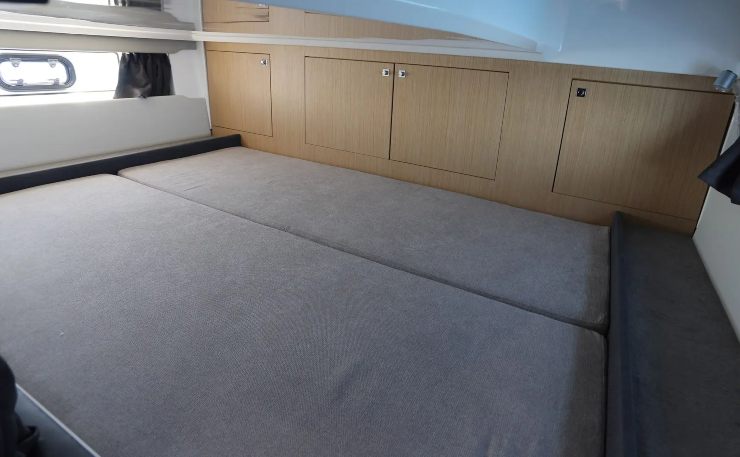
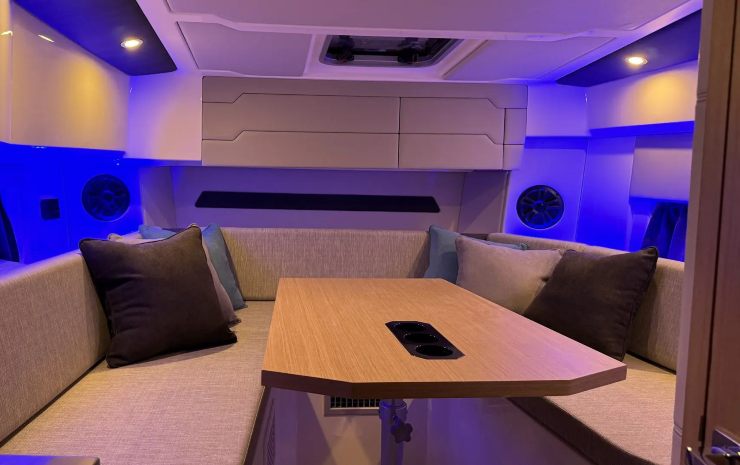
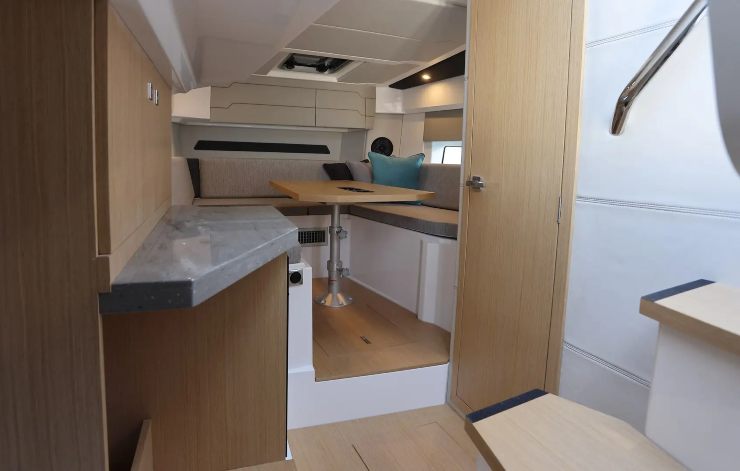
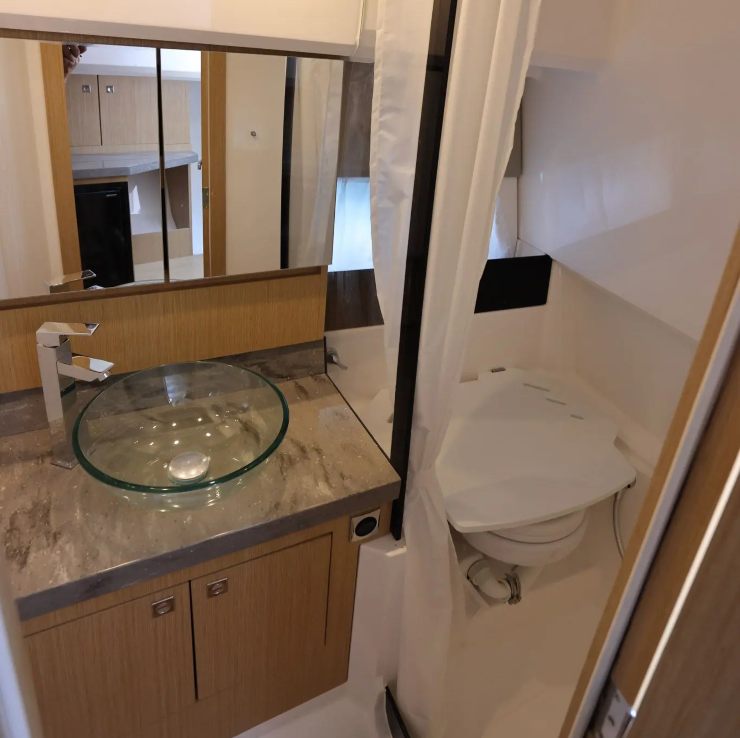
The undercover proposes a convertible cap or an open space well aired with soft-close hangings and backlit boots. The toilet is complete with marine WC, sink and shower; clear surfaces amplify the perception of spaces.
Area
The cockpit dinette changes function in a few moments: lounge, lunch, extended sunbathing. T-Top and tents expand the shadow; stern shower, refrigerator and wet-bar favor prolonged shave stops.
Customization
Options like multizone audio, mooring camera, underwater lights and winch with water dropper allow you to sew the boat on private needs or premium charters.
Try at sea: behavior and sensations
Dynamic stamp
The CS10-S steering with linear progression and limited radius; speed losses are moderate thanks to skates. The passage on the wave remains soft; on fast cruise the set is easily readable and correctable.
Sea format
With short wave and tense wind, the bow cut clean and the flares keeps the well dry. Acting on trim and flaps/interceptors, the speed is kept without excessive impact on comfort.
Manovre in porto
The double helix and the joystick (if present) simplify mooring and exiting from the boat seat even with wind. The visibility from the bridge and the perimeter tientibene ensure safe movement of the crew.
Market, competitive position and trend
Segment and pricing
The CS10-S guards the band day cruiser sports outboard: performance oriented customers, simplicity and clear cost management. Economic positioning is competitive, especially with regard to North-European and American manufacturers with similar equipment.
Comparison with direct rivals
- Northern Europe: proverbial solidity and deep V; higher average price.
- USA: generous powers and lifestyle mood; sometimes larger masses and higher consumption.
- Mediterranean: great attention to design and spaces, price variability and finishes.
Karnic ranks as rational choice: well-kept construction, efficient famine, consistent equipment, strong use value.
Target customer
Private owners
Users looking for simplicity, costs under control and a dry boat, ready to use, with clear maintenance and logical border paths.
Premium daily charter
Operators who need flexible configurations, extended shading, acoustic comfort and quick cleaning at the end of service; useful telemetry for fleet management.
Dealers and brokers
Proposed with immediate message, linear lists and packages, ideal for buyers who migrate from smaller or maxi-tender.
Recognition and feedback
The CS family has collected positive reviews for constructive understanding, comfort in cruise e cleaning of plants. The CS10-S capitalizes this reputation with an even more rational layout and a bridge ready for modern integrations.
Future prospects and direction of the yard
Electronic integration
The trend is towards related ecosystems: remote monitoring, predictive diagnostics and intelligent energy management. The lightened structure also opens to larger battery packs.
Efficiency and lightness
Reduced weights, more precise laminations and rationalized cabling remain priority to increase autonomy, speed of cruise and perceived comfort while reducing maintenance.
Management and maintenance
Technical access
Large doors, wired passages with margins for upgrades and tidy strips allow fast interventions. Consumption components (filters, impellers, fuses) can be reached without extensive disassembly.
Operating costs
The efficient famine combination + modern outboard keeps the consumption content and extends maintenance intervals. Marinized surfaces and coatings facilitate post-exit cleaning.
Final assessment
Key points
- Carena balanced, predictable and comfortable.
- Construction infusion, reinforcements where they serve, solid joints.
- Ergonomics curated, modular spaces, smooth paths.
- Price/value competitive in the panorama of day cruisers sports.
Where it can grow
- Packages energy even more generous for intensive users.
- Standard Dissemination interceptors on top set-ups.
In summary
Karnic CS10-S is a consistent choice for those who want a dayboat modern, agile to manage and with really accessible spaces. Offers a centered balance between performance, comfort e costs, staying easily configurable for family, sports or charter. A boat “honest” in promises and solid in realization.
Iconographic deepening
Data sheet (points synthesis)
- Model: Karnic CS10-S
- Type: Day cruiser double motorization outboard
- Carena: V variable with longitudinal skates
- Construction: Composite infusion; closed cell sandwiches; vinyl barrier
- Structure: Longheroni/madieri grille; glued and laminated bulkheads
- Propulsion: 2 × 4T petrol outboard, drive-by-wire, steering power
- Controls: Optional joystick integrated mooring
- References: Calibrated step based on loads and setups
- Asset: Interceptors o trim tabs (optional)
- Electronics: Double MFD 12–16”, network NMEA 2000, autopilot, radar so-lid
- Networks: 12/24 V services; 220 V from dock; predisposition lithium with inverter/charger
- Layout: Convertible bow socket; modular cockpit with dinette and wet-bar; weft bath platforms
- Security: draining well, gas/CO sensors, redundant bilge pumps
- Target: Private owners, day charter premium, flotte demo/dealer
Video
Conclusion
Karnic CS10-S looks like a dayboat consistent and well calibrated, where every choice—from variable V hull to the construction infusion—precise objective: combine comfort, efficiency e management simplicity. The double outboard motorization offers push and redundancy reserve, while the modular layout transforms the lounge well to lunch in few gestures, keeping clear steps and operational safety. The predisposition to integrated electronics and services to lithium makes the current model today and upgradeable tomorrow. In competitive comparison, the CS10-S favours the use value: travels miles with measured consumption, stays dry on the wave and is maneuvered naturally in port — species with joystick e interceptors. For the private owner, the day charter or the dealer looking for a linear product to be proposed, is a proposal solid, honest in promises and versatile in configurations. A boat that convinces more with the facts than with the special effects.