
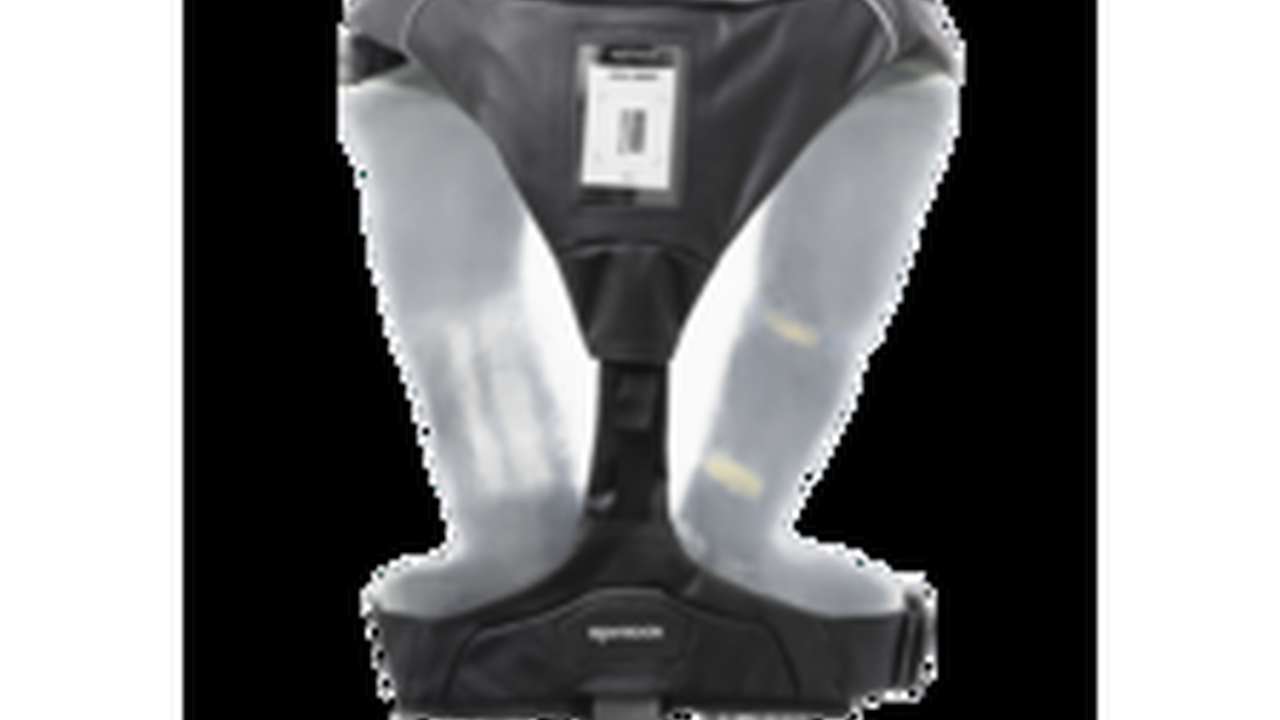
A light can be present in the vest and fail the control before turning on: folded antenna under the cover, unreachable command, obstructed sensor or Lume-On detached from the room. the procedure separates Pylon DW-PY/L1, raised SOLAS light with 23cm antenna, from the DW-LMN pair that illuminates the swollen bladder. Check components, compatibility and sequence without unnecessarily enabling the cylinder. The “ready” result comes only when position, deployment, command and register coincide with the installed model.
Start from the code, not the color of the lamp
Open the case according to the jacket procedure and identify the component. Pylon reports the DW-PY/L1 code; Lume-On is DW-LMN and is packaged as a pair. Do not attribute performance of one product to another. Record series of the jacket and accessories actually present. If a generic light occupies the intended location, control does not promote it by similarity. Exact instructions and compatibility are recovered before deciding whether the system can return to service.
Confirm which element is approved light
Pylon is described as a compact SOLAS light and meets the ISO 12402-8 indicated by the manufacturer. Lume-On must be used in addition to an approved light. In the board the distinction appears explicitly: raised primary and additional illumination of the room. If Pylon or another light is missing and only the two LED stickers remain, the jacket does not exceed control on the basis of Lume-On. The diffuse function is not exchanged for conformity.
| Point | How to control | Conformed statement | Anomaly |
|---|---|---|---|
| Pylon | Code, enclosure, antenna | Integrated and in-house | Folded or absent |
| Activation | Sensor and control | Free and accessible | Covered or blocked |
| Lume-On | Two units under the room | Fitted pair | Lifted element |
| Compatibility | Jacket and instructions | Allowed configuration | Model not confirmed |
| Filling | Sequence and encumbrance | No interference | Compressed accessory |
Examine the antenna for all its length
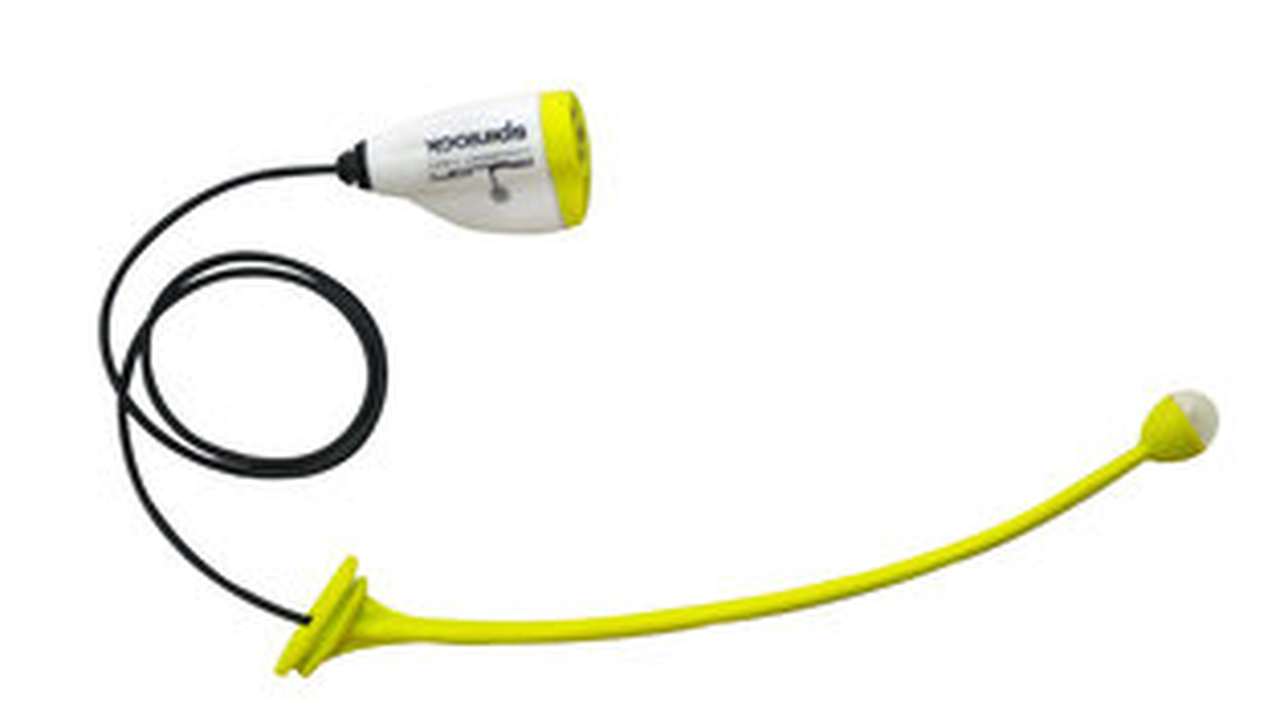
Pylon uses a 23cm light antenna that unfolds with inflating. Look for crushing, permanent folds, cracking and abrasive points. The base must remain fixed as expected, without play or twist. Do not straighten with heat and do not strengthen with ribbon. Make sure the case doesn't force you under a belt. An integral antenna but folded in the wrong direction can remain trapped, so the procedure also photographes the orientation before closing.
Check that the high point stays out of the sprayhood
The stated advantage of Pylon is to reduce head shadow and obstruction of sprayhood, improving visibility all around. Open the textile elements without operationally inflating the room and check the planned route. No seam, visor or beacon must wrap the antenna. If the hood has been replaced or repositioned, reevaluate the interface. The lamp does not exceed control only because it is seen in open housing: it must be able to reach the raised position in the inflat configuration.
Enclosure, sensor and switch
Pylon combines water activation and on/off command. Inspect the body for cracks, deformations, corrosion and salt contamination. The sensor should not be sealed by adhesives or protective products; the switch must remain accessible. Do not simulate water with electric bridges and do not open a sealed enclosure. The functional test is performed only as required by the instructions, annoting the outcome. A hard command or a injured body produce replacement, not an improvised repair.
Read performance and duration without turning them into promises
The Pylon board indicates LED with a minimum of 0.75 candle and duration of more than ten hours. Check that the installed model matches, then record the reference. Do not deduct residual autonomy from the external aspect and do not promise a sighting distance: conditions and observer change the result. If the useful life or the specified replacement criterion is exceeded, the light is renewed even if a short ignition appears brilliant. An instant test does not certify ten hours of service.
The Lume-On pair must be complete
Lume-On includes two flashing LEDs. Count them and check that they are both on the lower side of the room in the planned positions. A single missing unit changes the lighting and does not match the declared packaging. Examine enclosure and surfaces without pulling cables or lifting the adhesive for curiosity. If the two elements appear different by age, shape or assembly, compare the configuration with the instructions. Do not integrate with a generic adhesive light.
Observe adherence without stressing bladder
Self-adhesive units apply directly under the inflatable room. Check raised edges, bubbles, contamination and displacement, but do not use unauthorized solvents or glues. The room should not show abrasion, hard prints or alterations near the application. If the adhesive fails, the component is managed according to the manufacturer’s instructions. Press strongly on a folded room can damage it; the procedure favors proper observation and service procedure.
Ensure separate construction between room and cover
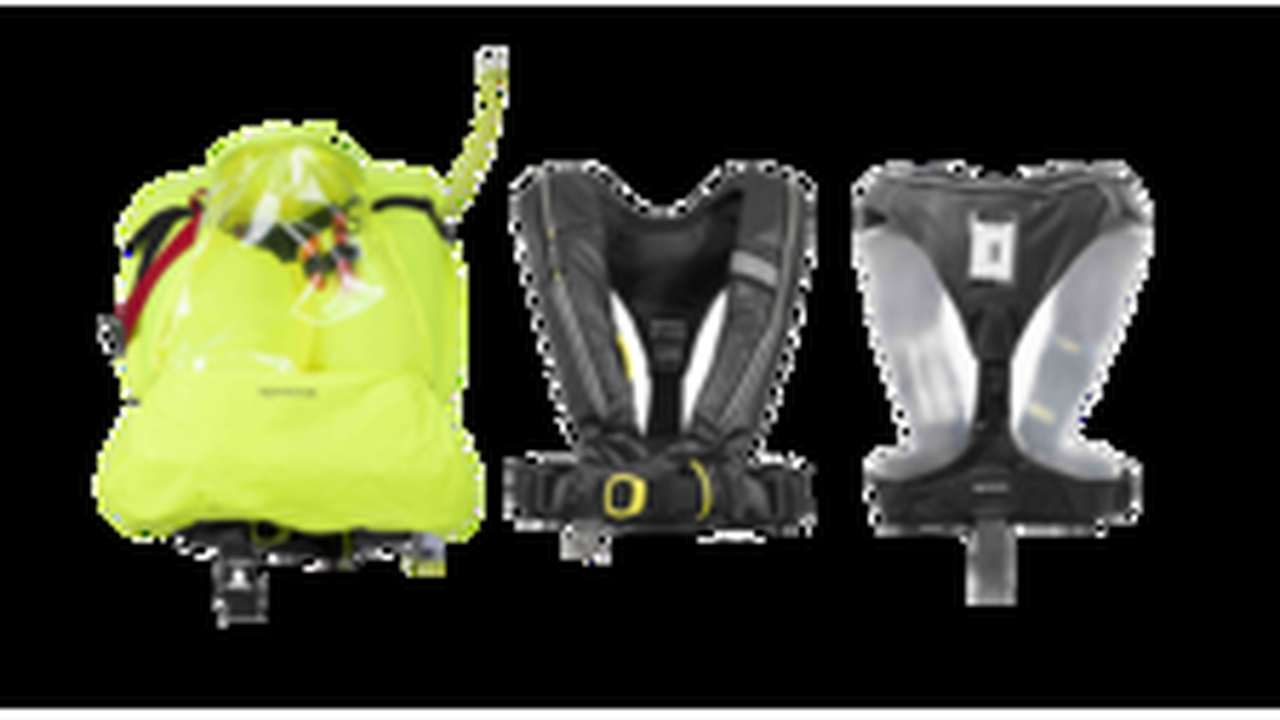
Lume-On only integrates jackets with separate chamber and case. Physically check this construction and model, without assuming compatibility from a commercial photo. On different marks the user must confirm the compatibility with the manufacturer of the jacket. In the absence of confirmation, do not apply the elements. Also on a suitable model, welds, valves, oral tube and bending areas remain free. The control documents the point chosen before it becomes hidden under the cover.
Compare configuration with series setups
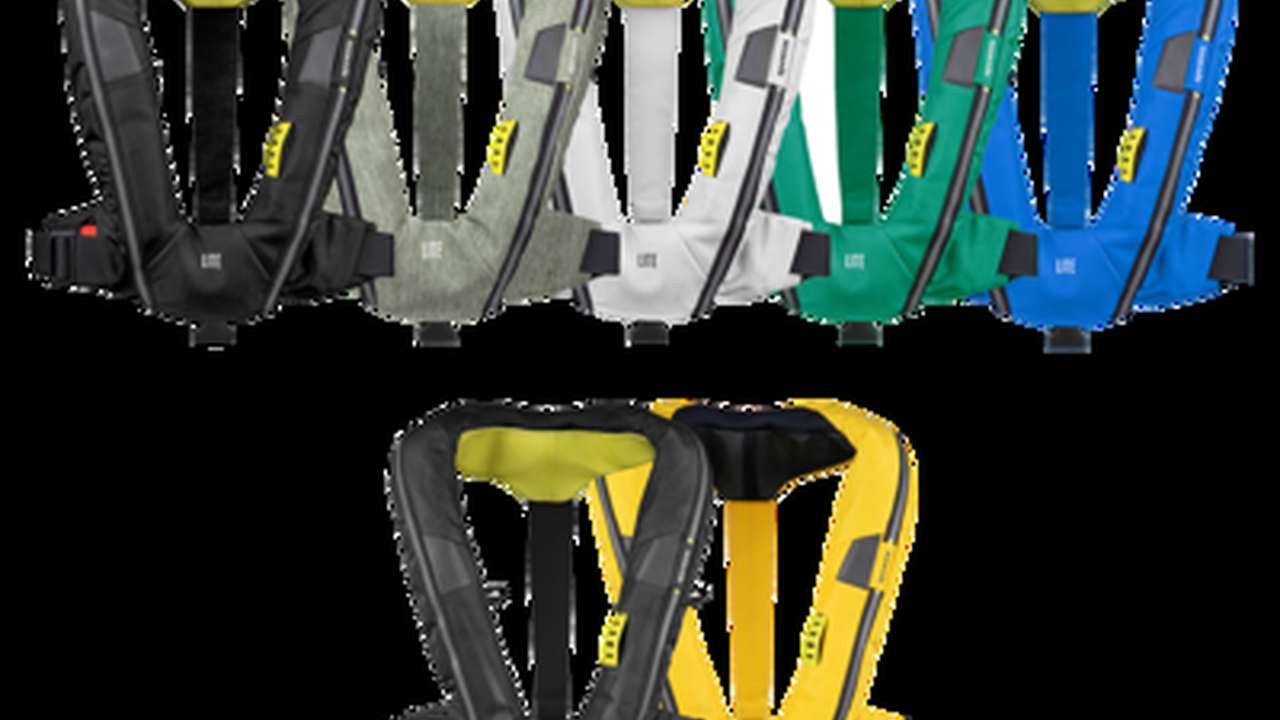
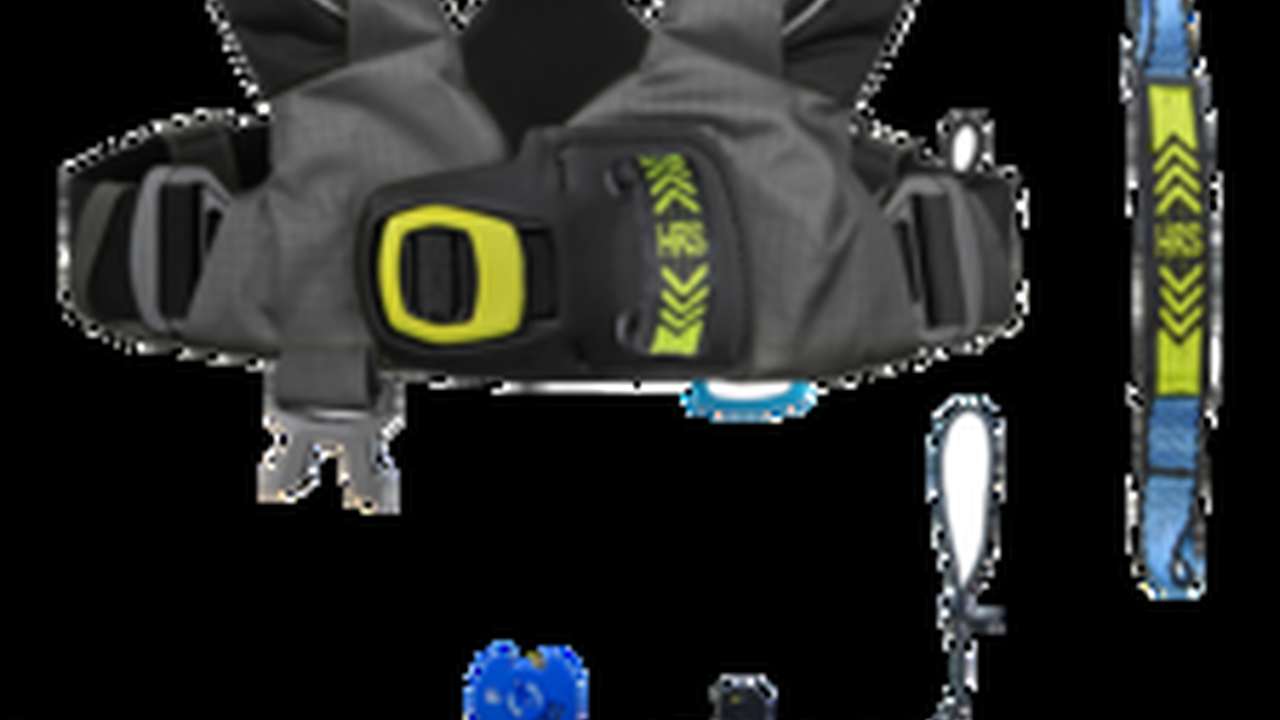
Pylon and Lume-On are indicated as standard equipment on Deckvest VITO and Deckvest 6D. For these models it compares presence and placement with the expected configuration, but still checks the specimen: previous maintenance may have removed or moved elements. For other families use the compatibility list and instructions. A jacket is not enough if accessories, year or version differ. the procedure stores code and image of the location, not only the commercial name.
Check weight and hard points in folding
Pylon weighs 37 grams and Lume-On 14 grams the pair. The mass is not critical by itself, but each rigid body can press on the room for months of storage. Pass your fingers on the closed configuration and locate corners or overlaps, without compressing. Antenna and LED should not be under cylinder, head or buckle. If the case closes only by forcing, reopening and repeating the expected sequence; do not reduce the folds or move structural components.
Inspect the cell through component status
Pylon uses a lithium-ion cell. Do not open the body and do not attempt replacement if not provided. Search for swellings, deformations, loss and thermal signs; check the dates or deadlines from the manufacturer and the maintenance plan. Preservation to the heat, humidity and previous activations affect reliability, so the log includes history and abnormal conditions. A light with suspected enclosure is isolated and replaced without perforating, crushing or disposing together with common waste.
Read the capacity indicator during service
Pylon has a battery life indicator designed to confirm the minimum declared capacity of ten hours. Please read according to the instructions during the service of the vest or in the expected check before sailing. Do not replace the verification with a flash of a few seconds. The batteries of Pylon and Lume-On are not replaceable because the units are sealed and sealed; an exhausted component is then completely renewed. Avoid wet storage, which can cause unwanted activation and early consumption.
Do not wet the operating vest for a quick test
Activation in water does not justify improvised diving. An unplanned test can involve cartridges, cylinders, folding and availability of the entire jacket. Use the test modes indicated and, when it is necessary to see the deployment, a review procedure or teaching equipment. Prepare spare parts and materials before opening. After each test, check that the sensor, switch, antenna and chamber are dry and relocated. The device is ready only after complete closure.

Check that light does not interfere with other accessories
Sprayhood, whistle, oral tube, cord, beacon AIS MOB and manual command share little space. Check each interface with the room open in the context of service, avoiding an accessory to cover or pull the other. The antenna should not hold the hood; Lume-On should not occupy welding; a beacon should not crush the light. the procedure considers the set and does not approve individual isolated components. Each change requires a new control of the entire layout.
Filling following the jacket sequence
Places room, antenna and textiles in the prescribed order. The bright element must be able to exit without being bound by velcro or cross folds. Do not use the cover to contain added components that do not have a seat. Check that closures and indicators of the vest return in the expected condition. An internal photograph before closing facilitates future comparison. If the cover remains tense, protrude a hard body or the manual handle changes position, reopen and correct.
Record model, last control and operational status
The card matches each jacket to his Pylon, to the Lume-On pair and to the person or position on board. Date, outcome, compatibility, anomalies and interventions. Do not exchange lights between vests without updating the log and repeat installation control. A removed component carries the status incomplete until it is replaced. In the charter, a discreet marking prevents different crews from moving accessories for color or size, losing the technical association.
The crew test remains undestructive
Shows who wears the vest where light and command are found, how to recognize diffuse lighting and how to report an anomaly. Do not activate the cylinder during the briefing. The training clarifies that Pylon increases visibility but does not replace call, view and recovery maneuver. Those who conduct control observe accessibility with gloves and wax. If the command is covered by clothing or a personal pack, the configuration is correct before navigation.
Close the procedure only with four available functions
The system exceeds the gate when Pylon is identified and integrated, the antenna can unfold, activate and command are free, the Lume-On pair is compatible and adhering. Declared performance, maintenance and folding must be in the register. A lamp that flashes for a few seconds is not enough; not even a light room without approved light. the procedure transforms the presence of accessories into a verified chain, ready to make the person more recognizable without compromising the vest.