
When the frog goes down, the cart is often referred to as guilty before even observing the rest of the plant. The defect can instead arise from a flat joint, from a fectuccia that pulls laterally, from an incomplete terminal or from the choice of an uncompatible link. The Ronstan Series 14 allows an orderly diagnosis because trolleys, rails and accessories have defined functions and quotas.
The family works on 14 mm rail and is indicated, as a typical field, for monohulls up to 12 meters or 38 square meters of frog and multihulls up to 9 meters or 30 square meters. Before each intervention these indications must be compared with sail, tree and real straightening moment.
The first test separates friction and side load
The test starts with low sail and protected conditions. It is observed whether the problem always appears at the same point as the rail or follows a specific trolley. A localized stop suggests joint, fixing or deformation; a resistance linked to the position of the sail can depend on the attack. Pull stronger does not clarify the cause and risks marking track, balls or textiles.
Series 14 uses a dedicated track
The 14 mm wide profile receives trolleys of the same series. Ronstan employs two recirculating spheres that engage with the rail to limit friction even with transversal component. The presence of the spheres does not compensate for a twisted or dirty. Before diagnosis the salt is eliminated with the intended treatment and the entire length without load is checked.
RC11463 identifies intermediate trolley
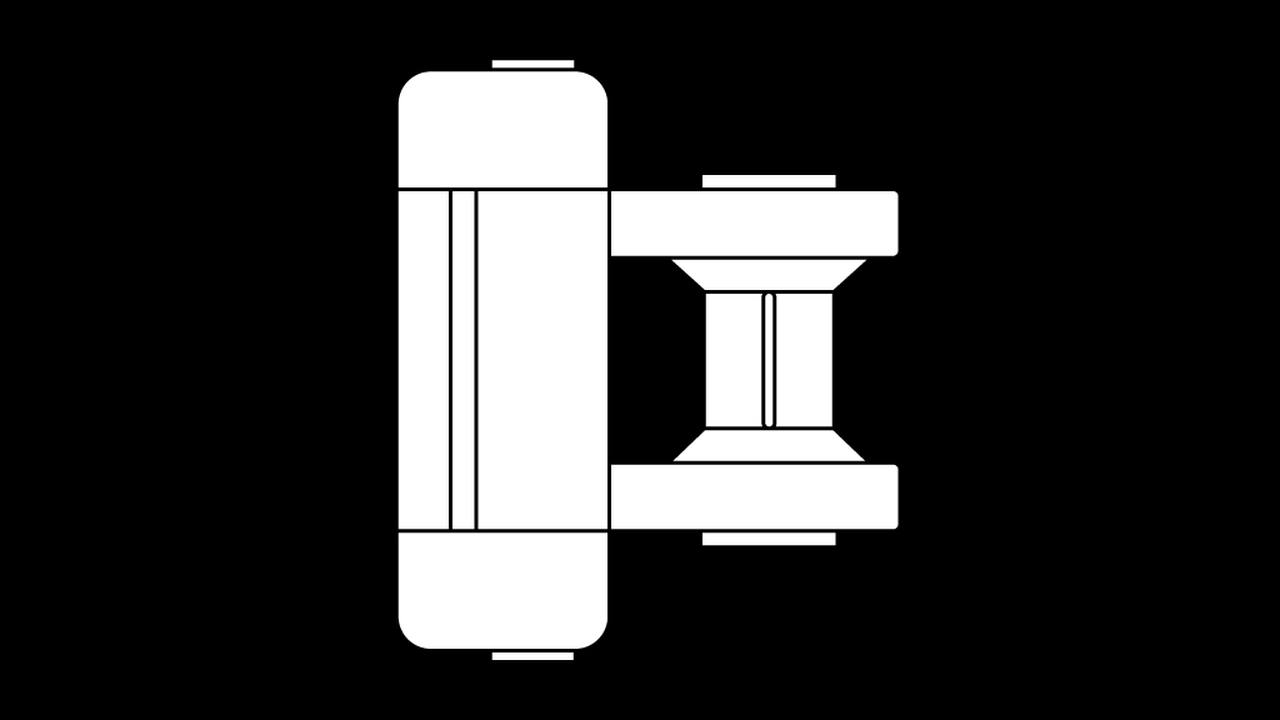
The intermediate trolley RC11463 measures 54 for 41mm, uses alloy body, Torlon balls and a quick pin. The bushing can be sewn in the fectuccia ring. If the cart is free when disconnected but becomes hard with the sail, you control the orientation of the bushing, length of the fettuccia and lateral shooting. The problem should not be automatically attributed to the spheres.
RC11466 changes function and length
RC11466 measures 66 for 41 millimetres and is the trolley for connecting the stick. It is not a slightly longer intermediate to trade without verification. The stick can impress different compression and joint. They control alignment of the recipe, freedom of connection and absence of contact between body, sail and adjacent parts throughout the race.
RC11460 should be checked separately at the pen
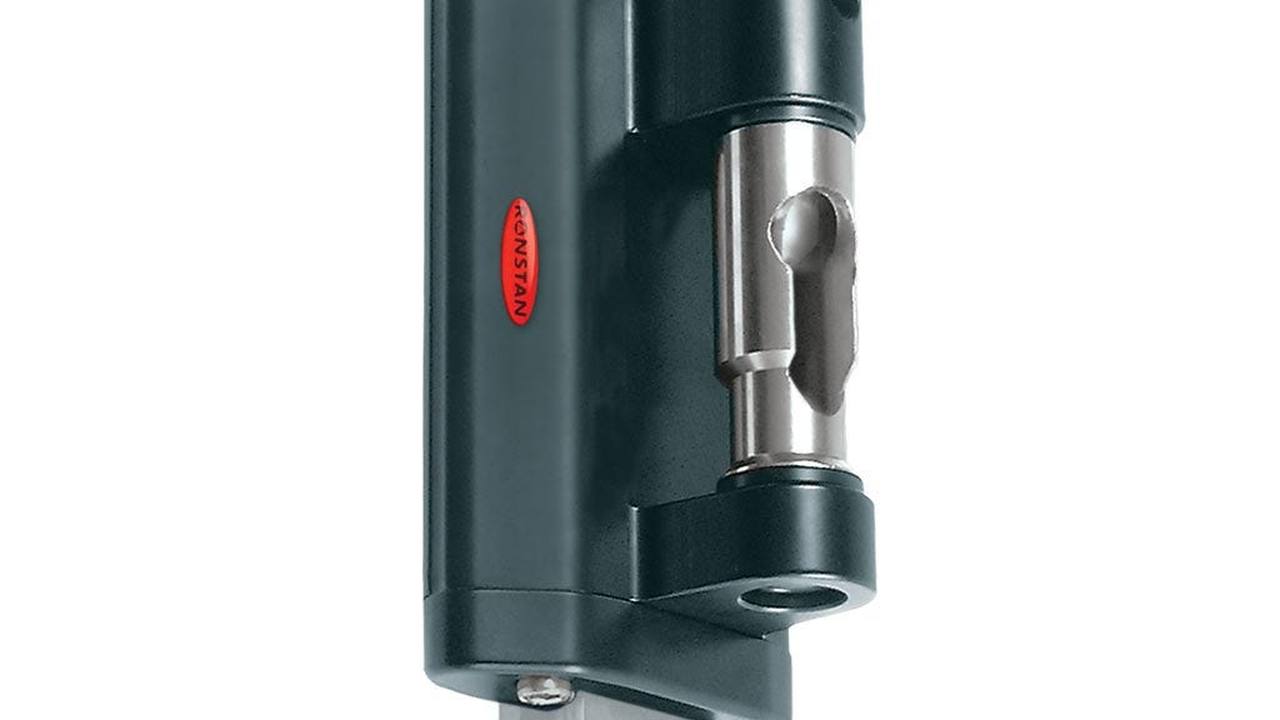
The RC11460 pen trolley measures 155 for 41 mm. The greater length distributes the upper knot and occupies more railings. If the friction appears only in the upper part, they inspect the tablet, straight, side twist and available space near the tree head. The pen should not use the cart as a lever to correct a disassed connection.
A similar link may belong to another series
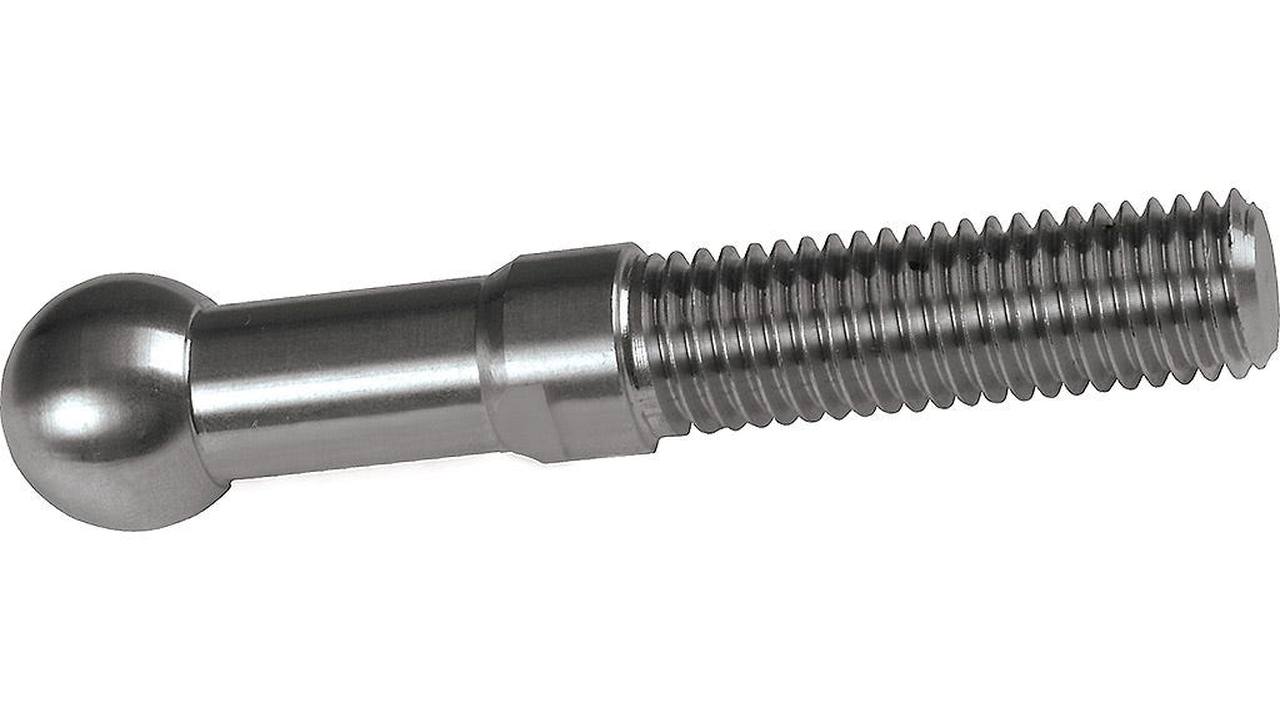
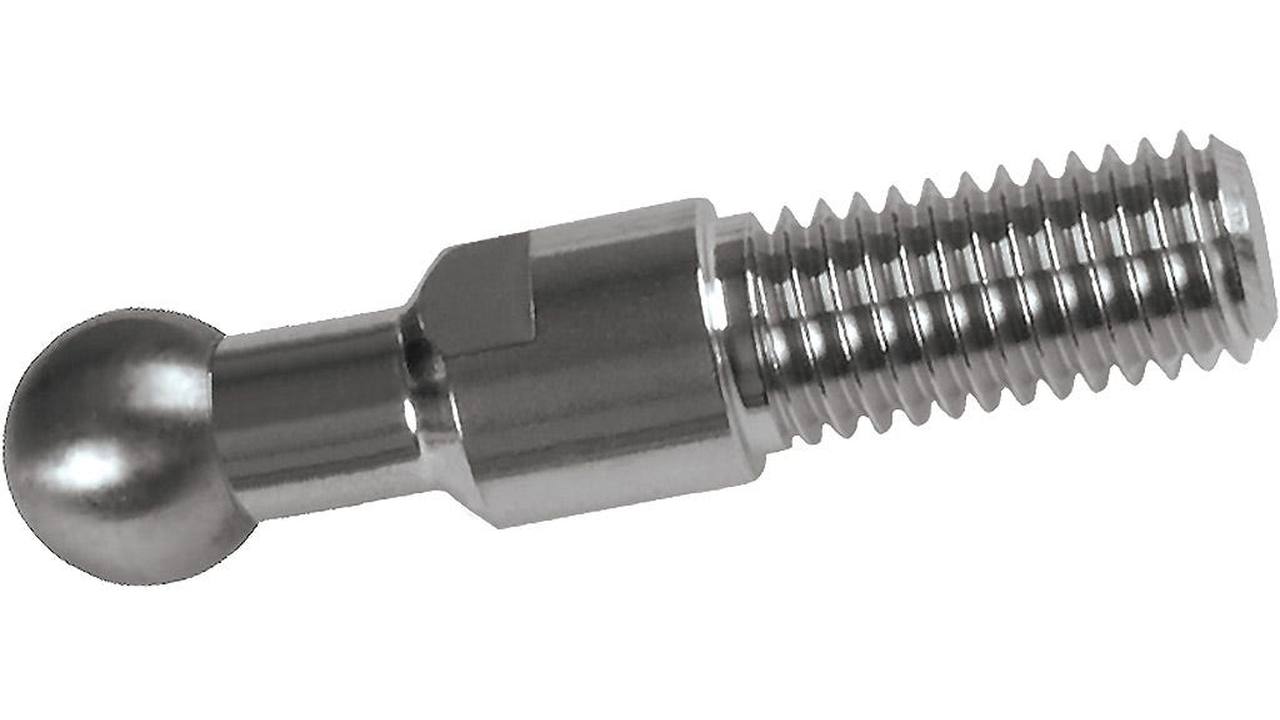
The quick links Ronstan change the diameter of the ball, thread and application between families. A component can enter the receptacle or tighten without creating the intended combination. During the inventory you read the code, you measure the connection and compare the cart series. Compatibility is not deducted from color, shape or robustness.
The rail exists in two nominal lengths
RC1141-2.0 is 1.975 mm long, while RC1141-3.0 arrives at 3.025. Both adopt M4 interaxis fixings of 37,5 mm. This data allows to locate joints and screws. If the defect is repeated regularly, each fixing point occurs; if it appears once, the joint or local deformation become priority candidates.
The joint must be combined with the touch
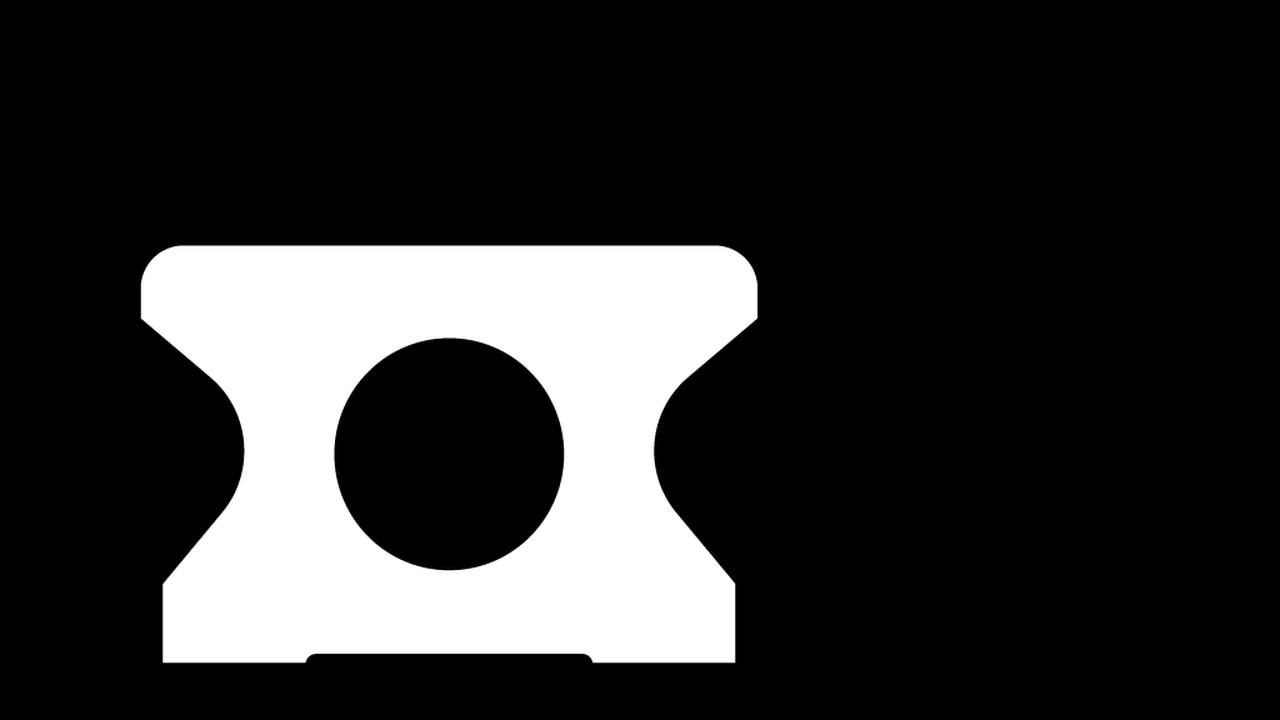
RC1141J is used to align two discs. With supported sail and secure plant, you slowly pass an unloaded cart on the spot and you observe every variation. A perceptible edge indicates that continuity is not correct. An anodized track is not emptied: first installation, shaft support, locking and component integrity occurs.
The tree structure can deform the track
Too tight screw or an uneven base can transfer a curve to the rail. Rasing visual control helps to recognize undulation; an adequate line allows more objective verification when accessible. Material and thickness of the tree determine how to deal with the fixings. Training or reinforcement without a structural plan is not an acceptable correction.

The test must be repeated with the connected sail
After the vacuum run, you connect one point at a time. If the intermedium introduces resistance, we examine fectuccia and mouth; if the stick point changes behavior, we observe the receptacle; if the pen alters the stroke, we control plates and straightness. This sequence avoids replacing multiple elements at the same time and losing diagnostic information.
RC00010 requires a pen without twist
The RC00010 plates measure 188 by 119 mm and are declared for several Ronstan families, including Series 14, 19 and 22. Their wide application does not eliminate the verification of the tablet. Bolts, holes and attachment must support the pen without forcing it out of axis. Bright signs or asymmetrical consumption can indicate movement or contact to be deepened.
The table transforms symptoms into controls
| Symptom | System data | Priority check |
|---|---|---|
| Arrest on a point | RC1141J joint | Comparability of profiles |
| Periodic friction | M4 every 37,5 mm | Laying and clamping |
| Duro with connected sail | RC11463, 54 × 41 mm | Women and bushing |
| Duro to the stick | RC11466, 66 × 41 mm | Link and recipe |
| Hard to pen | RC11460, 155 × 41 mm | Plates and straightness |
| Outbound trolley | RC11481, 68 × 33 mm | Endcorsa |
| Exhibited edge | RC11480, 28 × 20 mm | Terminal hood |
| Uncertain link | Different sizes for series | Code and application |
Finecorsa and hood are not equivalent
RC11481 is the 68 for 33 mm wheelbase and holds the trolleys. RC11480 is the 28 for 20 cap and protects the end of the profile. If the correct deemed is missing, a cart can go out and free the spheres. During the inspection, there is evidence of presence, tightening and possibility of controlled removal for planned interventions.
The field of use does not replace verification
Twelve meters of monohull or nine of multihull are typical references, not an automatic guarantee. A very wide range, a high straightening moment or an unusual arrangement of the sticks may require a different assessment. If the plant works near the limit or shows deformations, the analysis involves sailor, tree builder and equipment technician.
Salt must be removed before judging wear
Deposits and particles can make an uneven track still integral. The rinsing with fresh water is performed without introducing unforeseen products. After drying, the race is repeated and the behaviour is compared. If the defect remains identical, you switch to alignment and components; if it changes, a more accurate cleaning is planned according to the specific instructions.
The spheres and the body tell the type of problem
Missing, splintered or blocked sports require proper shutdown and intervention. Signs concentrated on one side of the body suggest transverse load or unlined track; uniform wear may indicate prolonged service. No random elements are reinserted or materials are mixed. The shopping cart code and the intended spare must be confirmed before disassembly.
Quick pins must be tested
Each pin is open, closed and controlled without load. You must retain the link, remain accessible and do not submit deformations. A difficult closure can depend on the alignment of the fettuccia, not only on the pin. Force it with tools while maneuvering hides the symptom and can damage the mechanism or the surrounding textile.
The taking of thirdroles is the most revealing test
The reduction changes position, load and accumulation of trolleys. Under protected conditions, each hand is tested, observing whether the package interferes with terminals, buck or cover. The frog must reach the new order without compressed trolleys on the end of the race. If the problem emerges only at the reef, it measures available space and sequence of attacks before intervening on the track.
Diagnosis ends with repeatable testing
After the correction we repeat vacuum stroke, progressive connection, sifted, reduction and lowered. You note the points crossed and the perceived force, without relying on the only memory. The result must be stable in several steps. An improvement achieved only by pulling from a different angle indicates that the cause was not eliminated.
Codes and photographs avoid the next error
The board of the plant records cart codes, lengths of the rail, position of the joints, ends, plates, links and cookbooks. Technical photographs of the attacks, taken before disassembly, help to reconstruct the correct order. The traceability prevents the subsequent refitting of an almost equal component to be installed instead of the one provided.
Seasonal control must have a fixed order
At the beginning of the season we start from the lower terminals, we walk every fixing, cross the joints and end in the pen area. Carts and attacks are observed in the same sequence used during testing. Repeating the order makes it easier to compare changes and prevents high areas from being neglected. After the rinse, they are checked, pins, bushings, seams and freedom of links, without loading the sail until each closure is confirmed.
If an anomaly emerges there is a position, code and condition, then you decide whether to stop the plant or request a specialist verification. New rumours, missing spheres, moving or deformations are not classified as aesthetic inconveniences. A short but always equal procedure offers a reliable reference and limits improvised interventions when the boat is already ready to leave.
An efficient 14 Series is not only recognized by the rank that falls quickly. It must allow controlled movements, safe connections and understandable maintenance. The most useful diagnosis is the one that identifies the responsible interface and leaves a verifiable system, instead of replacing parts for attempts.