
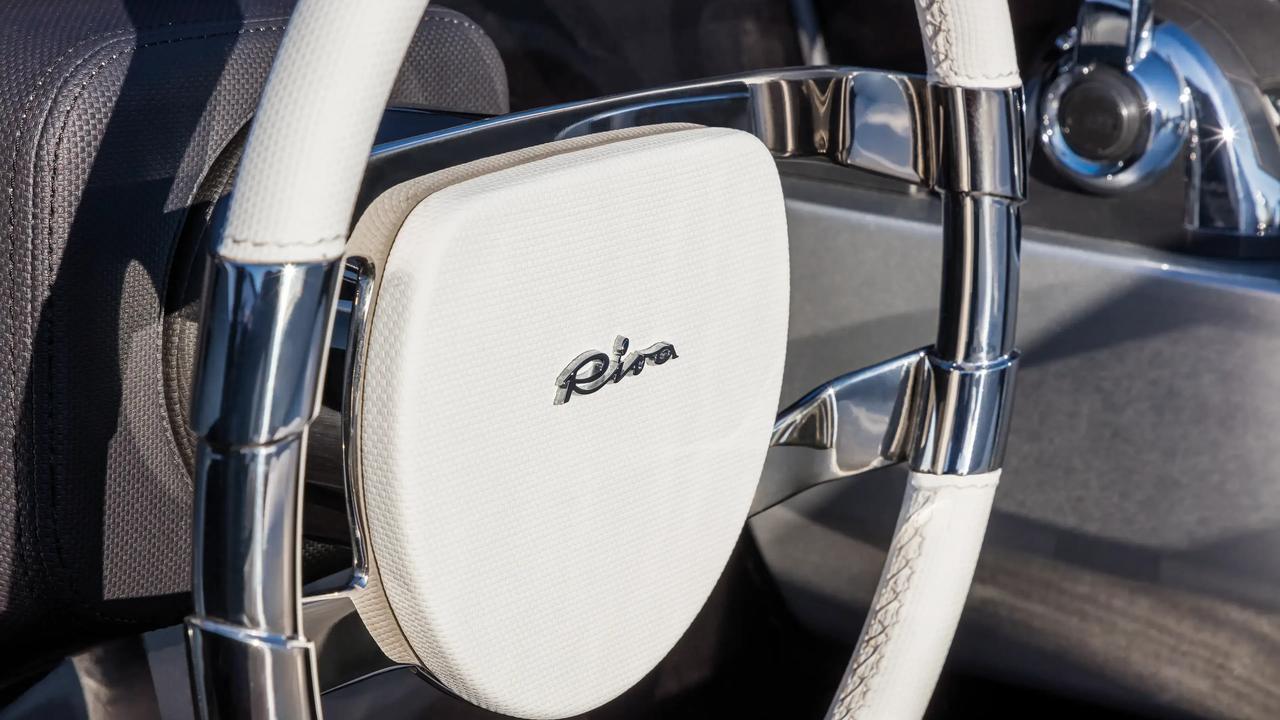
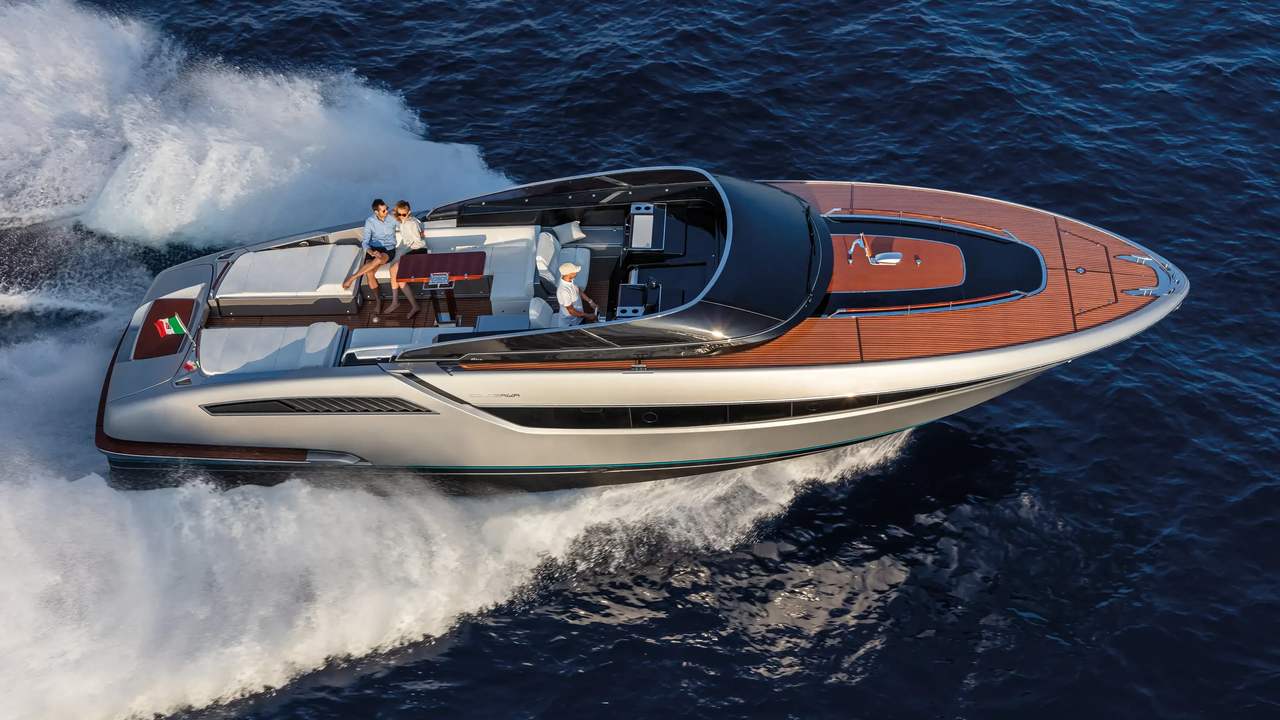
Configuring a Riva Dolceriva means turning a compact technical sheet into a list of verifiable decisions. The model measures 14.92 meters outside everything, is proposed with or without Hard Top and includes two pairs of Volvo D13 with V-drive transmission. The declared capacity is ten people, with a cabin and a bathroom. This guide focuses on plants, loads, tanks and delivery controls, using exclusively official data and separating the manufacturer's performance from any real evidence that NauticMag did not perform.
First choice: which Dolceriva configure
The main alternatives are two for cover and two for motorization. The boat can be opened or equipped with Hard Top, an element that the yard associates with the protection of relaxation areas from sun and rain. For engines you can choose between Volvo D13 800 from 800 hp and Volvo D13 1000 from 1,000 hp, both indicated with V-drive. A correct distinction must report both decisions without leaving generic formulas.
The initial verification is to make contract, unit card and technical documentation coincide. Images, demonstration specimens and already delivered boats can have different configurations. Any equipment not present in the official source examined must be confirmed in writing before entering the purchase plan.
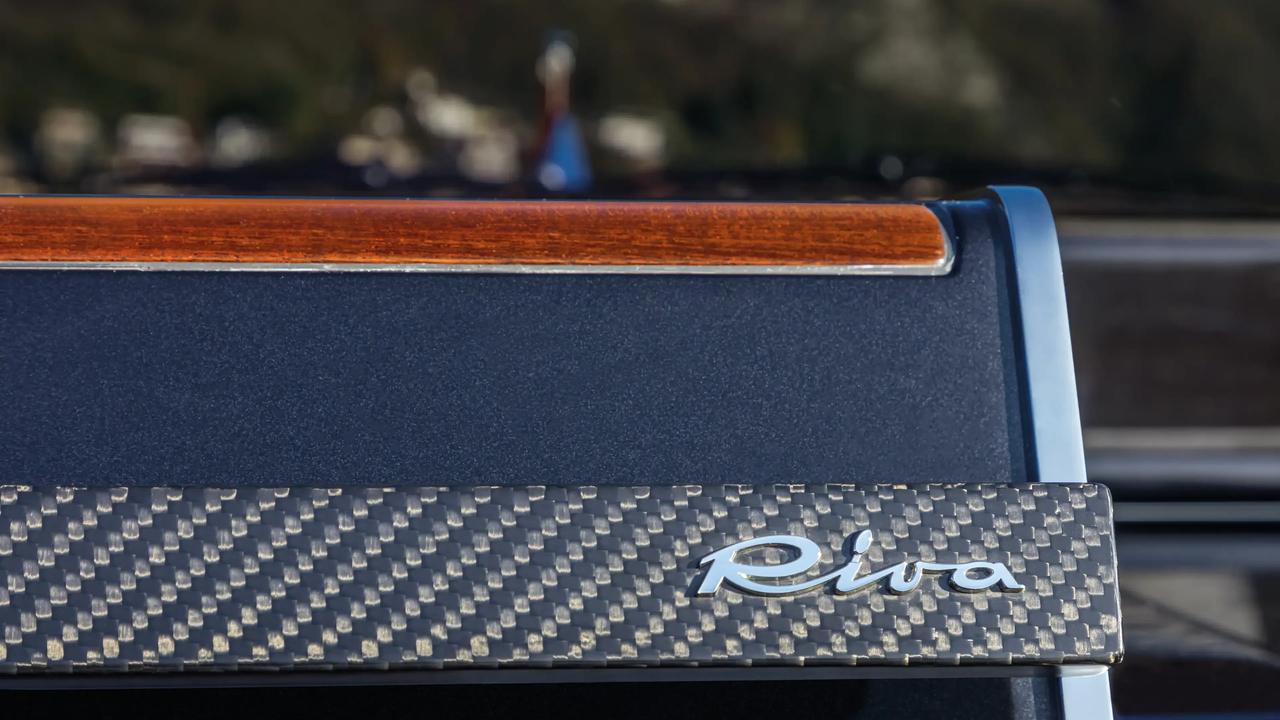
Useful measures for port and flowering
The length outside everything is 14.92 meters, the hull length 12.80 meters, the maximum beam 4.26 meters and the fishing 1,48 meters. For the boat seat you use the real footprint of the delivered configuration, not a measure chosen for convenience. The port operator must know length outside everything, bay and fishing; any margins and ledges must be verified on the unit.
The declared vacuum weight is 21,400 kilograms, the full load of 24,900 kilograms. For lifting, invasive and handling, it serves the real operating weight and the procedure provided by the manufacturer. It is not prudent to measure means and bands on the single vacuum mass, especially when fuel, water and equipment can be on board.
Fuel: 1,800 liters to be administered
The official fuel capacity is 1,800 liters. The number describes the declared tank, not a consumption or a guaranteed journey. In delivery must be checked indicator, alarms provided, correspondence between the shown level and quantity placed, inspection access indicated in the manuals and correct identification of the supply points.
The planning must include a reserve established by the shipowner in relation to route, weather and alternatives of landing. Note added liters, engine hours and miles traveled allows you to build a database of your boat. It is more useful than a generic value because it reflects load, speed, sea and state of unity.
Fresh water: capacity and control
Riva declares 310 liters of fresh water. With a maximum capacity of ten people, the duration depends strongly on habits: the board does not indicate individual consumption, so domestic autonomy should not be invented. Before departure the level occurs, it defines a minimum threshold and the operation of the utilities on the ship delivered.
During delivery it is useful to observe whether reading varies consistently during filling and usage. Loss, smells or irregularities require technical control. The nominal capacity remains a design data; the actual usable quantity and the accuracy of the sensor must be verified according to manuals and real conditions.
Motors D13 800: declared profile
The configuration with Volvo D13 800 employs 800 hp drives and V-drive transmission. The yard declares 35 knots of maximum, 30 knots of cruise and 230 nautical miles of autonomy to the cruise. These values are not the result of a NauticMag test. To use them in a comparison you need to know the conditions in which they were determined.
The delivery shows serial numbers, tools, alarms, levels and documentation of the engines actually installed. The test must include start-up, switch to different regimes and return to the minimum according to the manufacturer's procedure. Any anomaly should be verbalized, without turning a short output into an improvised performance assessment.
Motors D13 1000: what changes in data
The second configuration uses Volvo D13 1000 from 1,000 hp, still with V-drive. Riva declares 40 knots of maximum speed, 35 knots of cruise and 220 nautical miles to the cruise. Compared to the D13 800, maximum and cruise increase both five knots, while the autonomy published at the respective cruise decreases by ten miles.
It is not an identical speed comparison: 220 miles are referred to 35 knots, 230 to 30 knots. To assess efficiency and costs, homogeneous data is required that the simple table does not provide. The choice must therefore be linked to the profile of use, to the available assistance and to the management estimates of the configuration actually ordered.
Configuration table
| Control | Official data | Check in delivery |
|---|---|---|
| Version | Open or with Hard Top | Correspondence with contract |
| Engines | Volvo D13 800 or D13 1000 | Models and serial numbers |
| Transmission | V-drive | Installed documentation |
| Fuel | 1.800 l | Level and indication |
| Water | 310 l | Level and utilities |
| Persons | 10 | Consistent equipment |
| Cabin | 1 | Equipment delivered |
| Bathroom | 1 | Functional test |
| Weight | 21.400/24.900 kg | Test Condition |
| Fishing | 1,48 m | Compatible with approdes |
V-drive transmission: documents and controls
The V-drive is the only type of transmission indicated in the two lines of motorization. The source does not provide reports, propellers or installation details, which must therefore come from the documentation of the individual boat. In delivery, we check the identification of the components, expected levels, any maintenance indications and absence of abnormal signals.
After the test the inspection provided by the technician in charge, respecting safety and temperature of the components. Vibrations or noises should not be interpreted intuition: regime, speed, load condition and observed phenomenon are recorded, then a documented diagnosis is asked. This makes the record useful and repeatable.
Hard Top: an operational choice
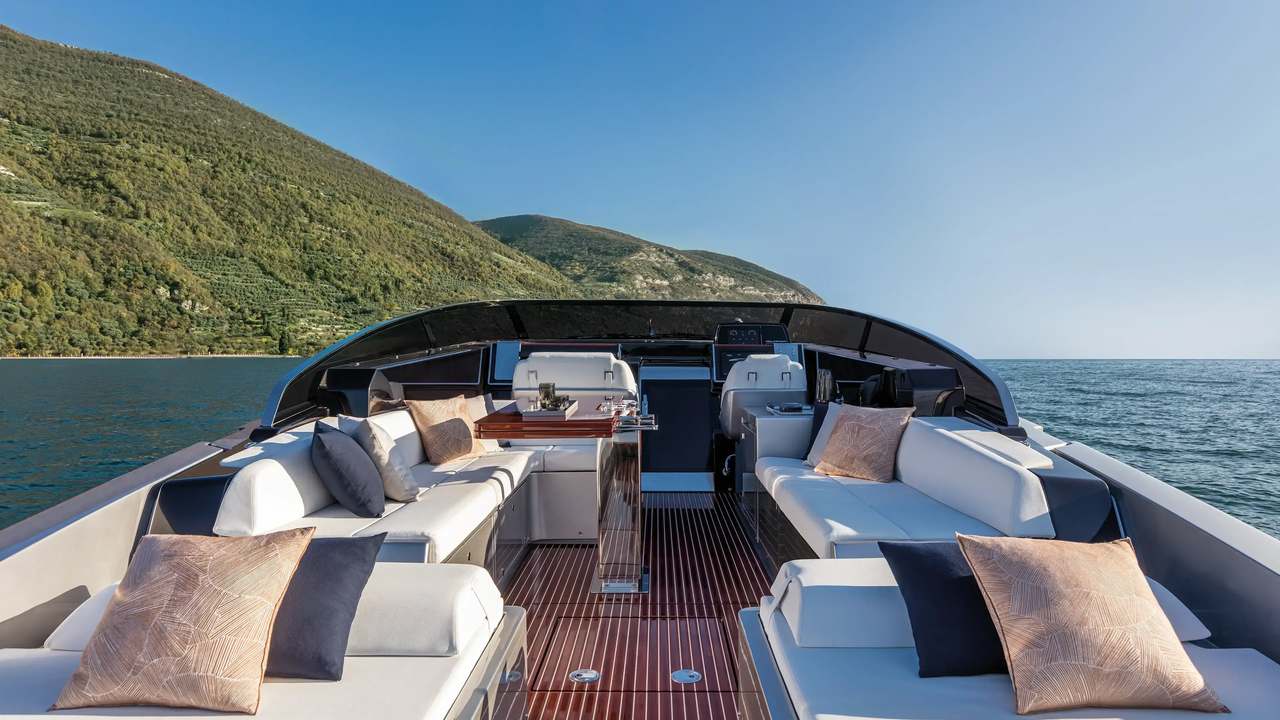
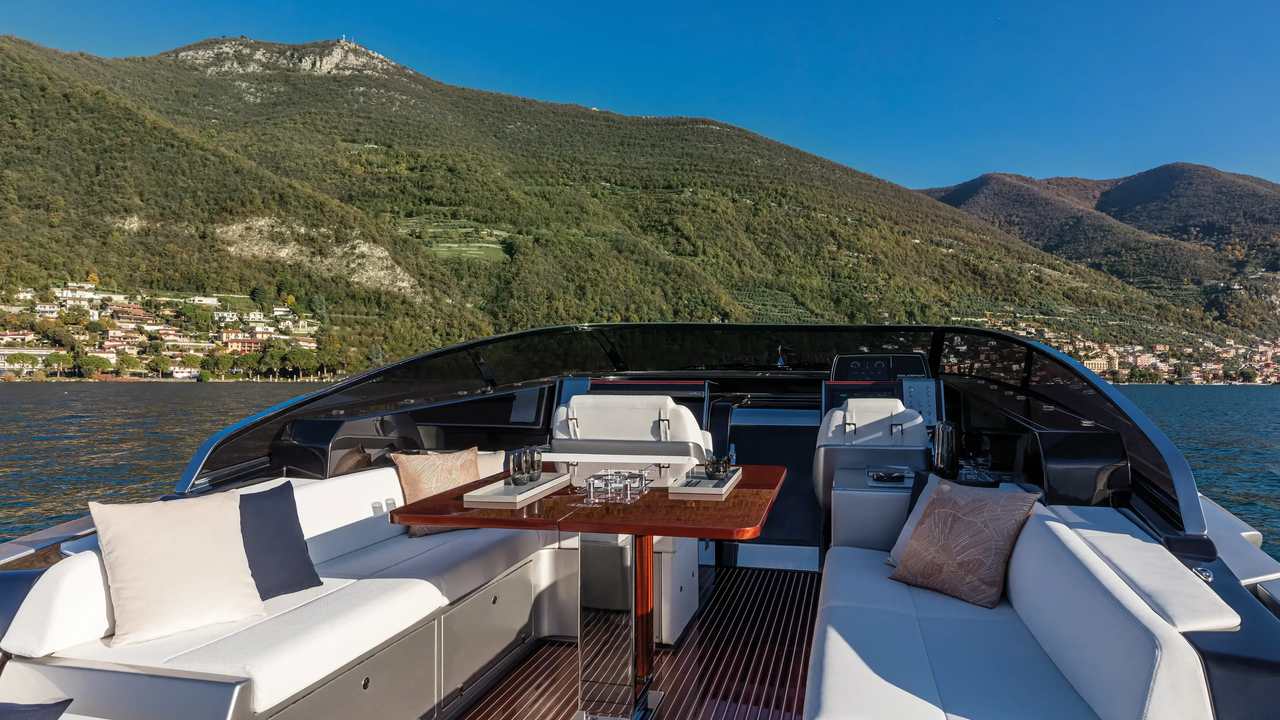
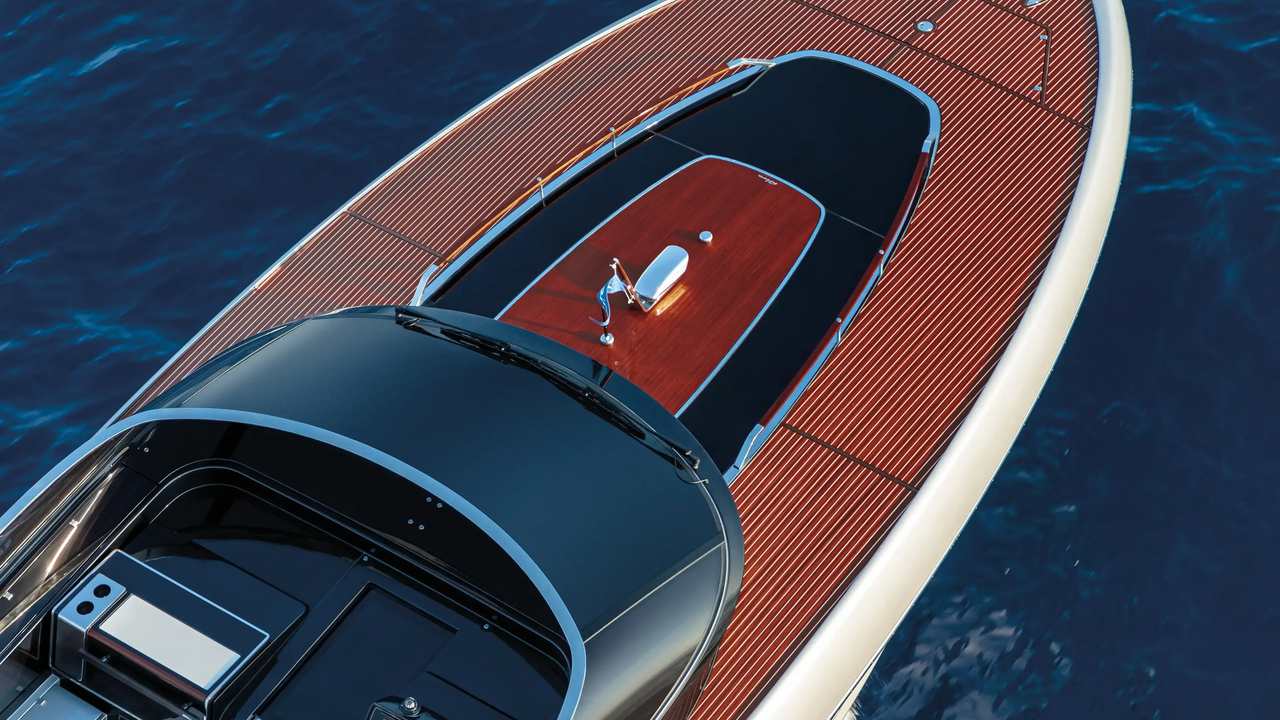
According to Riva, the Hard Top repairs relaxation areas from the sun and rain. The configuration should be chosen considering season, latitude, outdoor stay and crew preferences. Before confirming, visibility, shading and access to the two actual versions are compared, because a synthetic description does not return all practical consequences.
The separate must specify the version, its components and care instructions. No materials, mechanisms or equipment that the source consulted does not document. The correct approach is to ask the board, weight and manual of the solution offered and integrate them into the boat’s file.
Cabin, bathroom and ten people
The official configuration includes a cabin and a bathroom. The limit of ten people is not equivalent to ten beds. For a day on board, the distribution of guests and equipment is evaluated; to stay you start from the declared cabin and the actual equipment. This distinction avoids overlaying daytime and nightlife.
The functional proof of the bathroom must cover the components really present, following the manuals. For the cabin you can control locks, lighting, documented ventilation and available boots. It does not deduce a plant from generic photographs: each verification must be connected to the separate and specific unit.
Weight balance and test condition
Between empty displacement and full load there are 3,500 kilograms. This discard includes the transition between two official conditions, but does not allow it to be considered a free flow. Fuel, water, people, personal effects and equipment contribute to weight; limits and distribution must be obtained from onboard documents.
Each test should note tank levels, number of people and relevant materials. Without this data, a speed or trim comparison is unreadable. The same discipline is used when you change the configuration: before adding equipment you experience weight, position and compatibility with the directions of the manufacturer.
Autonomy: prudent calculation
The official autonomous are 230 miles to the 30 knot cruise for the D13 800 and 220 miles to the 35 knot cruise for the D13 1000. They should not be transformed directly into a safe radius. Rotta, reserve, sea, wind, load and deviations reduce the available operating space compared to a theoretical value.
The commander defines a margin consistent with the journey and checks the supply possibilities. After each exit, the log allows to compare miles, hours and fuel. Over time you get a practical curve of your Dolceriva, keeping Riva data as a declared reference and not as a guarantee.
test at sea
Before moving, engine configuration, fuel level, water, people and weather are identified. During the test, instruments and alarms are observed, the agreed steps are followed and speeds are noted without necessarily chasing the maximum. The safety and completion of the delivery prevail over the search for a number.
At the end of the day, every deviation is recorded and technical control is repeated. If you compare the values with the official ones, the minutes must remember that the conditions can be different. The test does not certify consumption or autonomy if it does not measure by method quantity used and distance.
documentation and maintenance sequence
The file must include unit documents, manuals of Volvo D13 and V-drive, separate version, applicable certifications and maintenance plan. Prices, intervals and costs are not present in the source examined, so they must be requested at the yard and service network. Optionals must also be listed one by one.
To program the first year it is useful to create timetables based on hours and calendar reported in manuals, without inventing standard frequencies. Invoices, technical reports and configuration updates are kept. A complex boat remains more legible when each intervention has given, engine hours, component and responsible.
Recommended configuration: method, not a formula
The official data do not indicate a universally better version. The D13 800 declare a cruise of 30 knots and 230 miles; the D13 1000 carry the declared cruise to 35 knots with 220 miles. The Hard Top adds protection to relaxation areas, while the open version maintains the setting without that cover. The choice depends on the program.
The correct method is to assign a weight at required speed, usual radius, climate, port, assistance and verified budget. Then try the nearest configuration and close all entries in writing. In this way Dolceriva is not chosen on the basis of an isolated primacy, but built around a concrete and controllable use.