
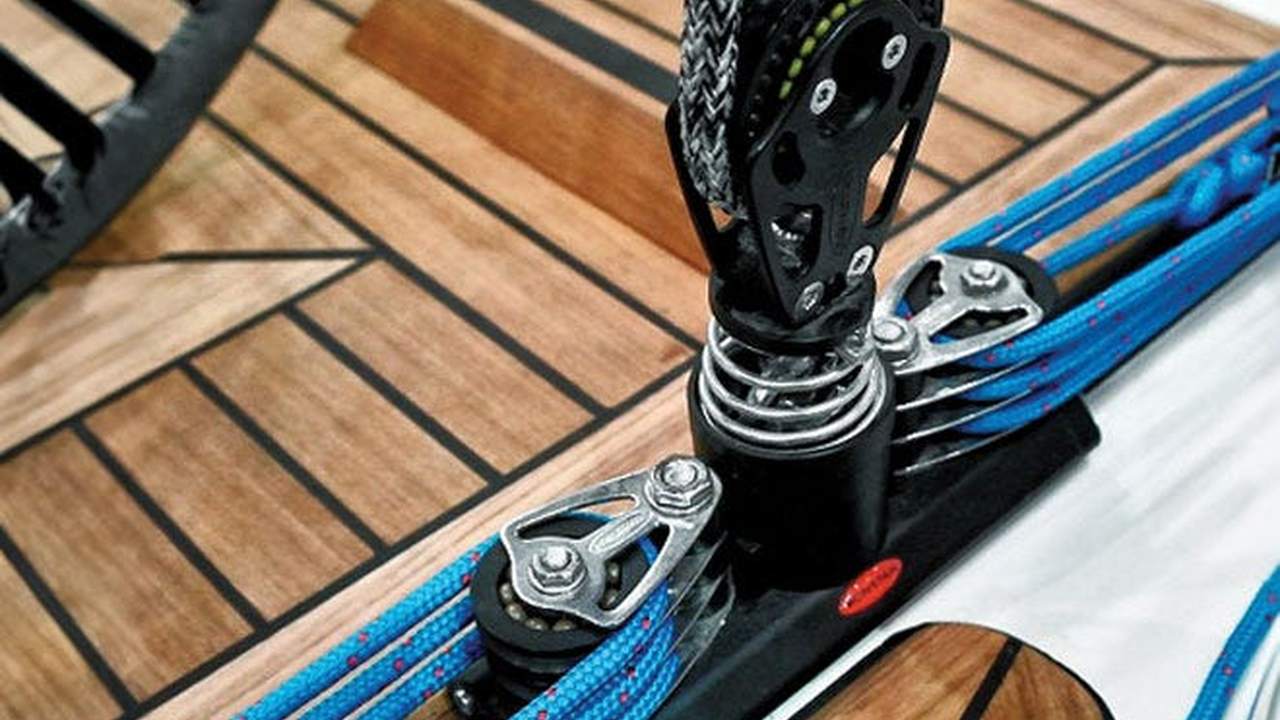
A tray can be perfect empty and become hard as soon as the frog is loaded. The cause is not necessarily the cart: a rail deformed by the clamping, an off-floor terminal, a flexible support or a top that enters laterally produce the same symptom. Installing the Ronstan Series 26 means then checking a chain, not screwing a component.
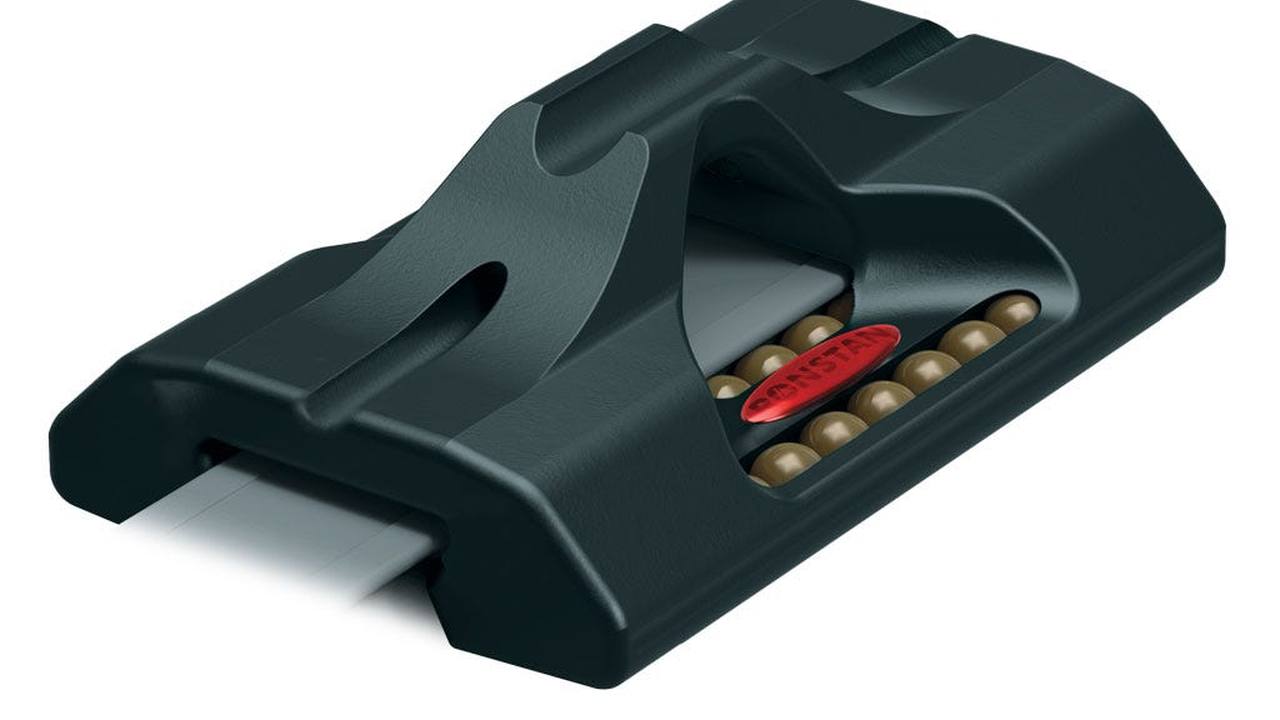
Ronstan offers the family for randa trays on boats up to 12 meters and for genoa systems up to 13 meters. The alloy trolleys run on two rows of recirculation Torlon balls. The declared field guides the selection, but loads, structure and maneuvers of the boat must be checked separately. This procedure organizes identification, laying, armament and testing without turning into a generic sequence.
Photograph and identify before disassembly
Code of the cart, towards the rail, terminals and path of the tops are recorded before the intervention. They separate frog and genoa components and note accessories. The Series 26 includes single terminals, doubles and chokers: two similar pieces can create different relationships. An initial inventory prevents the configuration from being reconstructed by memory after removing the old equipment.
Check that the cart matches the function
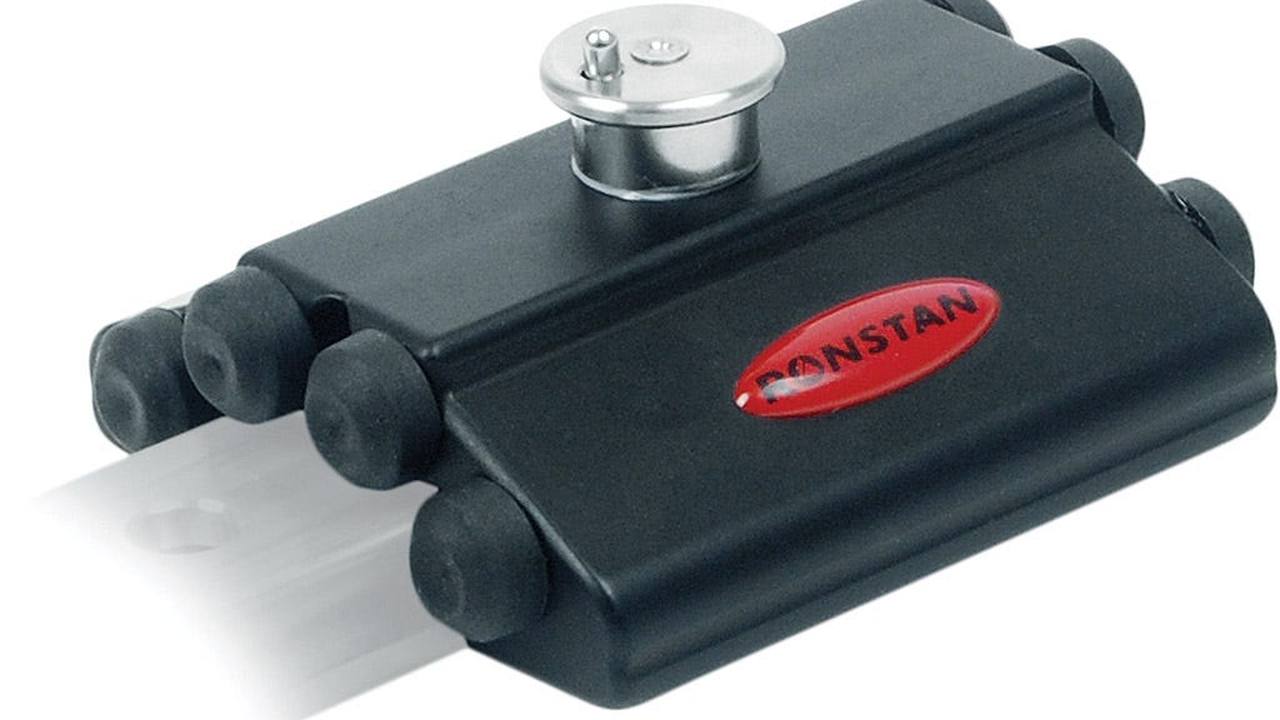
RC12603 is 120mm long, uses a pivoting cricket and has two M6 holes. RC12605 instead integrates an eye for ligature. RC12613 and RC12623 carry four pulleys, but the second adds two strokers. Before laying you compare the code with the schematic of the maneuver, not with the only width of the rail.
Measure the race with all the terminals present
The rails, trolleys, tailgates and terminals are placed on the support without sealing. Extreme positions are marked with respect to the point of sailing. The nominal stroke loses the length of the cart and the ends. The upper bozzello can also meet the well before the body: therefore the whole attack is simulated, not only the sliding.
Check structure and access under deck
A regol highlights enclosures and bombings; the inferior inspection seeks reinforcements, sandwiches, plants and space for tools or counters. The technician defines the treatment of holes, insulation of materials and tightening. If the base is not known, the drill stops. The sealant does not transform a thin skin into a support and does not prevent the bending between fixings.
Distinguish the two RC1260 lattices
The rails of 1, 2 and 3 meters use fixings of 6 mm to interaxes of 100 mm; the holes for the pistons are every 50. They mark with different colors before transferring positions. Stop holes are not additional structural points. The 2-metre version is declared 1.996 mm long and about 26 mm wide.
Do the first test with fixings just approached
The cart is inserted according to the procedure that keeps the balls under control and slowly slide. Noise is heard and resistance is noted. Each attachment is gradually approached, repeating the test. If a point makes the cart harder, it reopens and controls the surface; it does not complete the lock hoping that the system is set.
Align the RC1261J joint without steps
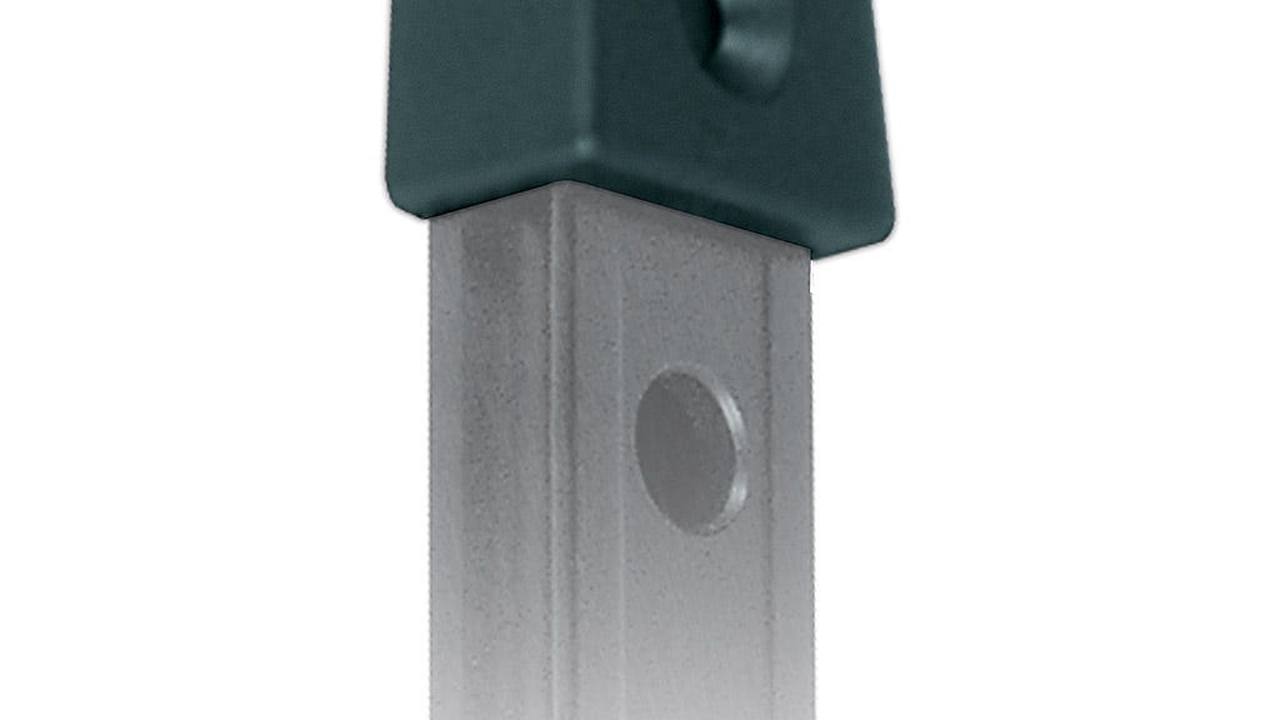
When serving two brushes, the joint maintains the geometric transition. The bases must be on the same floor. You pass the cart several times on the connection before and after the tightening, using touch and sound to perceive a bump. A relative movement indicates that support is not continuous or that neighboring fixes do not properly distribute the action.
Armare RC12613 and RC12623 without crossing the sections
The four pulleys create a circuit with more top and contact points. It lays down each section following the design, keeping the outputs centered. The RC12623 also proves the two strokers from the operating place. The release must be net on both sides; a top that enters oblique can hold back badly and consume against the cheek.
Separately test the 2:1 of the RC12617
The RC12617 incorporates a 75mm main pulley, three 50-inch control pulleys and strokers. First you try the main shot 2:1, then the command of the cart, finally the two systems together. This order allows to attribute an friction to the correct circuit. It also occurs that no stamp reaches the end of the race before the cart.
Check the connection height and joint
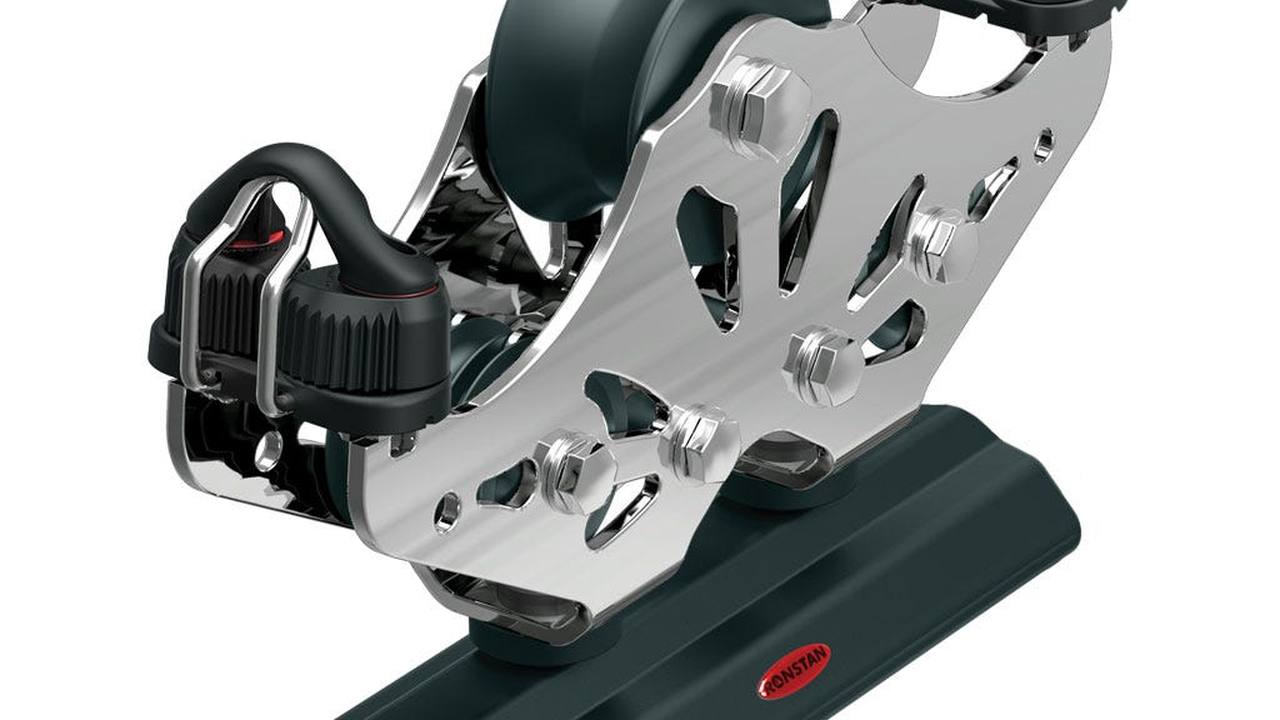
The cricket or ligature must follow the shot without touching the body of the cart. With central boma, underwind and overwind, the corner is observed. A too short attack can go to a bar; a long increase in oscillation and height. The verification is carried out with progressive load because some contacts appear only when the manoeuvre tends.
Manage the two rocks on the RC12631
The genoa trolley uses a large pulley destined to two rocks. The tops are threaded separately and lead to the winch without cross. One wall at a time and then the simulated sail change. Polishing on a single edge, marked trefoli or lateral noise indicate an entrance out axis that must be corrected by moving the referral, not forcing the top.
Choose the terminal from the real circuit
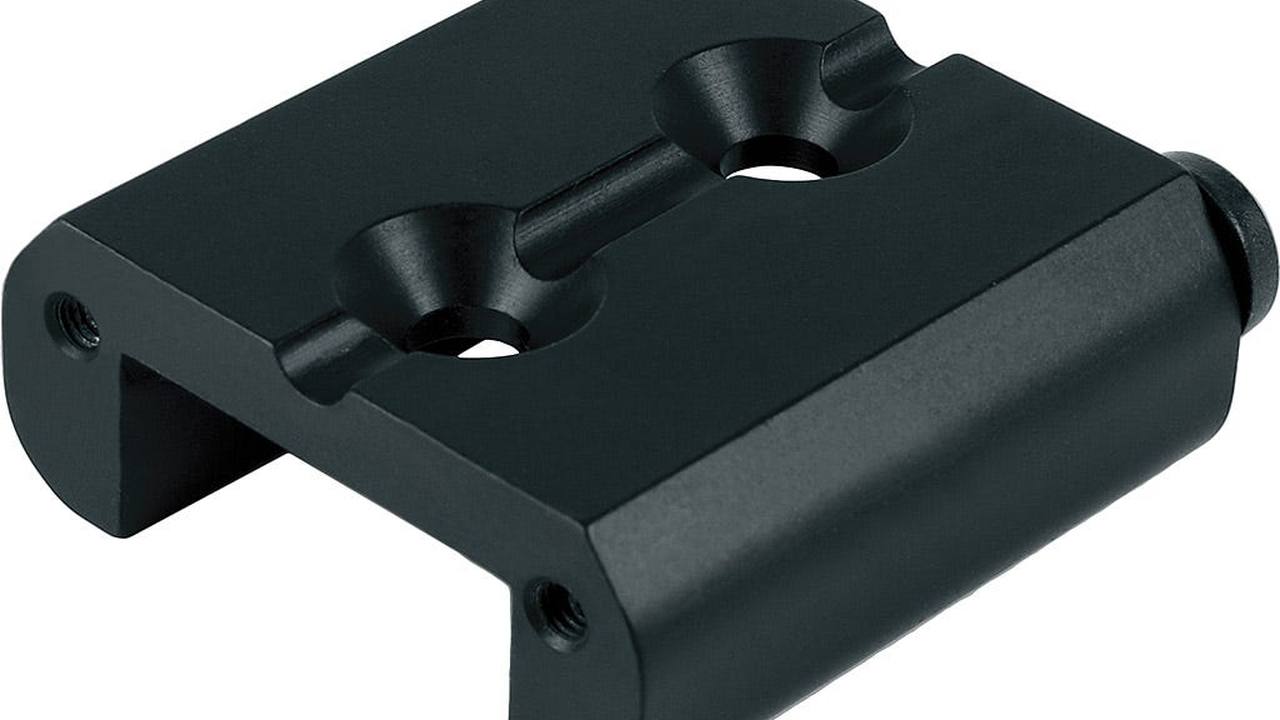
RC12685 combines single pulley and becket; RC12686 uses two pulleys; RC12687 adds a becket; RC12687C also includes a stroker. You count the desired ratio and draw the top before fixing the terminal. The most complete variant is not always the most suitable: it can create an uncomfortable exit or run without offering a usable advantage.
Mount plate, cap and stop in the correct role
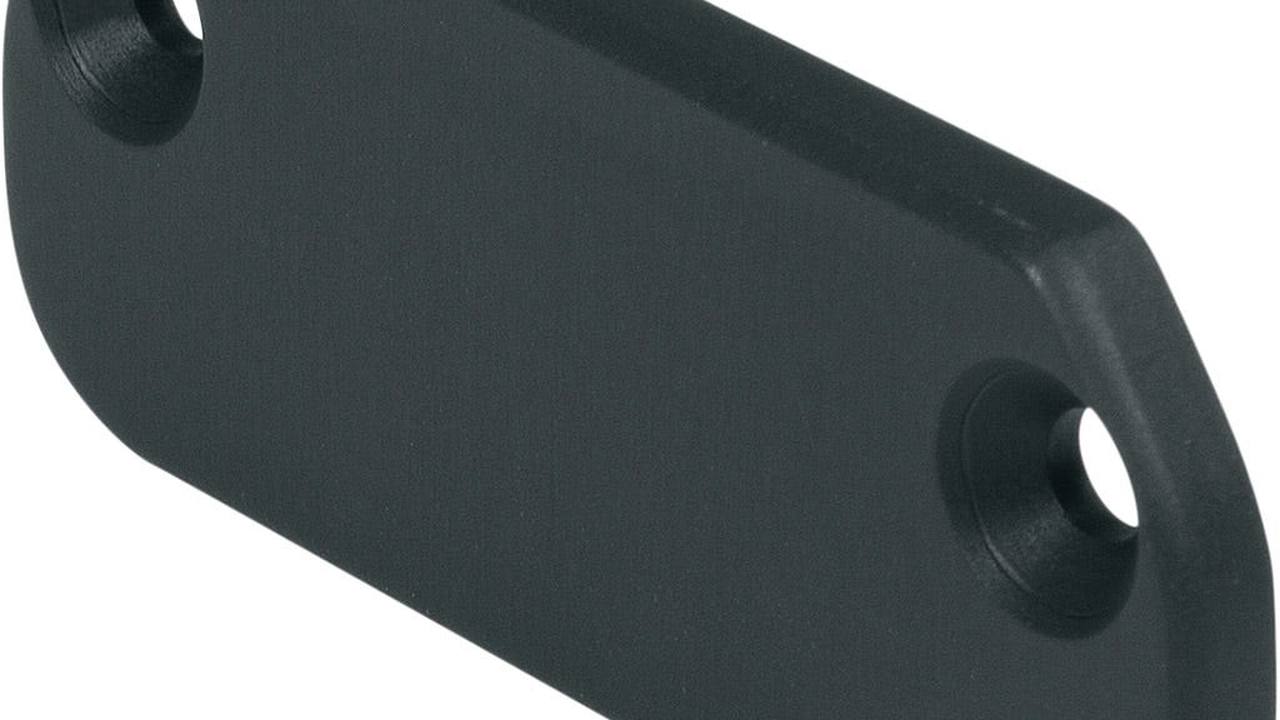
RC12681P is the cover plate with the expected screws. RC12680 is the 34 cap for 32 mm; RC12681 is the alloy wheelbase. It happens that the screws are flush and that the cart cannot go out. A finishing element is never considered equivalent to the stop designed for railing.
A test table makes the cause visible
| Try | Correct results | Action if you fail |
|---|---|---|
| Download Rotate | Uniform resistance | Check plan and cleaning |
| ♪ | No bump | Rialline supports and brushes |
| RC12617 | 2:1 free | Check out sketches and attack |
| Shopping Cart | Ordered routes | Rear correcting and terminals |
| Bullshit | Net grip and release | Fix top angle |
| Genoa | Separate scotts | Repositioning the referral |
| Endcorsa | Positive arrangements | Block dynamic testing |
| Loaded support | No movement | Reevaluating the structure |
Apply the sealant without losing straightness
After dry testing the seal is prepared according to defined materials and procedures. The holes remain clean and the compound is not used to bridge differences in altitude. The rail is laid without twist. During the clamping the excess is removed and the sliding is repeated; a hardening with deformed rail would make every subsequent correction more complex.
Increase the load by observable levels
The first level just stretches the tops. The second moves the cart along the entire race. The third simulates a real adjustment in protected conditions. An operator maneuver, another observes fixtures, terminals and support. Dry noises, base movement, friction variation or unexpected contacts interrupt the test and are recorded with relative position and load.
Do not use the end as operating brake
RC12683 limits the race in a chosen position, but it should not receive the launched cart repeatedly. Control buds must slow down the movement. It proves the arrest at low speed and it occurs that the body cannot override it. The position must preserve space for attack and sketches, avoiding a superior component to hit before the end of the race.
Clean the slopes and observe the differences
After salt or sand, fresh water and drain movement help to remove particles. Additional products are used only if provided, because adhesive residues can hold abrasives. Maintenance compares the state with the initial photographs: slopes, screws, joints, ligatures, cricket, peaks and finish. A small but progressive change is more informative than an isolated control.
Diagnose the hard point without replacing random pieces
If the defect appears in the same section, rail, joint and fixing are investigated. If it appears only under load, it controls bending of the support and direction of the shooting. If it concerns only one wall, attention goes to the circuit. If the top is marked laterally, the exit is corrected. The position of the symptom quickly reduces the field of causes.
Repeat control after the first exits
The test in the dock does not reproduce all combinations of drooping, vibration and load. After the first navigation we repeat the unloaded sail and compare the photographs of the fixtures, terminals and attacks. Fresh traces, separate sealing, screws no longer flush, polished fibers and variations at the point where the chokers take the top. Control must take place before the system is considered to be stabilized.
If a difference appears, it does not compensate by increasing the lock without diagnosis. It is first identified if the movement concerns rail, support, terminal or textile circuit; then the procedure suitable for boat materials is applied. Even a minimum change deserves attention when repeated in the same position, because it can anticipate deformation of the base or misalignment under load.
Separate ordinary maintenance and technical intervention
The crew can rinse, inspect and record system behaviour. Disassembly of rails, modification of reinforcements, replacement of fixings or correction of a deformed base instead require skills and structural data. This distinction prevents a symptom from being masked with unforeseen lubricants or with a random tightening. Useful maintenance keeps cleaning and information; technical intervention eliminates the cause.
Deliver an identifiable configuration
In the end, codes, arrangements, position of the stops, date of testing and images of the links are recorded. The crew must know which signals require arrest and how to free the chokers. The Series 26 name is not enough to order a replacement: terminal, trolley and pulleys must be recognized by code and function.
Good installation is not limited to overcoming the first test. It must maintain the same smoothness after tightening, load and some complete maneuvers. When behavior remains uniform and each top works on its own plane, the system is ready; if it changes, the procedure has already provided clues to intervene before going to the sea.