
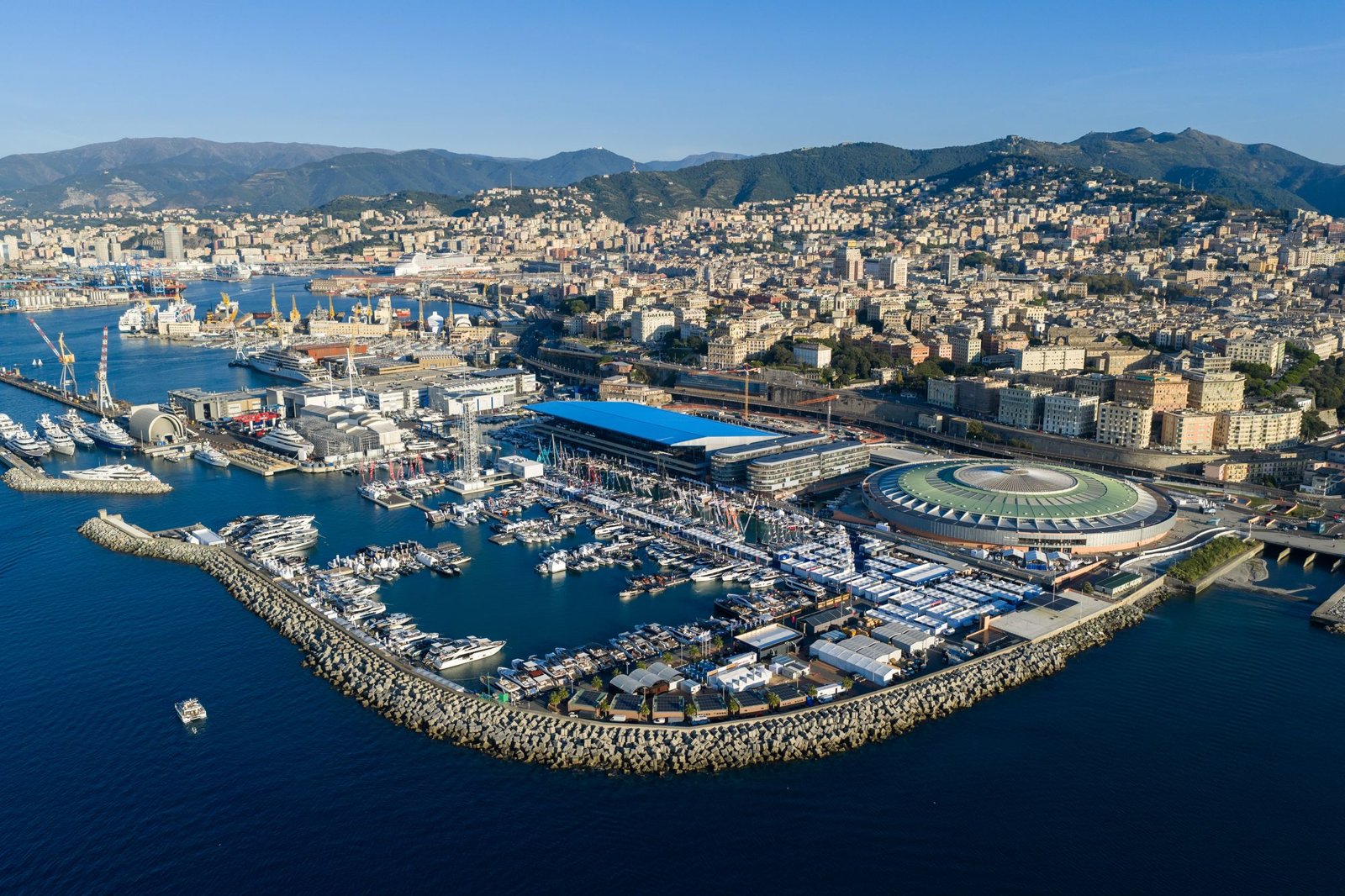
Nautical tourism in Italy has an estimated economic impact in 5,7 billion euros in 2025, with a particular focus on superyacht and coastal infrastructure. The sector, which has 790 ports and almost 172 thousand places boat, generates a daily expense that varies from 200 euros for the small nautical to 78 thousand euros for the superyacht. Tourist expenses on the ground, between catering, shopping, transport and hospitality, range between 45 and 650 euros per day per person. The main destinations for the seasonal superyachts are Costa Smeralda and Golfo di Olbia, followed by Capri, Gulf of Tigullio and Amalfi Coast, while Liguria, with Genoa, Spezia and Riviera dei Fiori, confirms the main pole for the seasonal superyachts.
A strategic sector for the Italian economy
Nautical tourism is a strategic sector for Italy, not only for the direct contribution to the economy, but also for the brooding on other sectors of Made in Italy and tourism. According to Tommaso Nastasi, Strategy and Value Creation Leader of Deloitte, the sector is a key asset for the country. Operational expenditure, which includes mooring, fuel, maintenance, storage and crews, reached 3.6 billion euros in 2025, equal to 63% of the total, while consumption on the ground, between catering, shopping, entertainment, transport and hospitality, is worth 2.1 billion (37%).
The expenditure is concentrated in the high-end, which supports local enterprises, occupation and Made in Italy.
The challenges and opportunities of the sector
The competitive challenge is to transform traffic into value, with differentiated strategies per segment and a territorial connectivity that can intercept the expense of shipowners and guests. Liguria and Tuscany lead the superyacht offer, with about 2% of the boat seats destined for units over 24 meters. The South and the islands, on the other hand, remain less served in terms of qualified infrastructure for high-paying customers, with less than five facilities every 100 km.
The valorisation of the entire supply chain and nautical tourism can further strengthen the position of the Italian boat in the world.
With 7% of the fleet represented by premium yachts between 18 and 24 meters, the industry focuses on high value units, which generate 55% of the direct impact. The annual superyachts, about 960, spend in Italy 193 days on average, distributed over 8.3 months of the year, and are largely yachts between 40 and 60 meters. The annual expenditure generated by these superyachts is about five times higher than that of seasonal foreign units.
Confindustria Nautica, through the study "Yachting Tourism and Economic Contribution" realized in collaboration with Deloitte, has made available to enterprises and institutions a tool to orientate investments and value the contribution of nautical tourism to the development of the territories. The goal is to strengthen Italy’s attraction for superyachts and support the small and medium nautical, which represents an entrance door to the diporto and an essential element to spread the culture of the sea.
Nautical tourism in Italy is not only measured in the boats produced, but also in the work, services and economic activities that their presence generates along our coasts. Our vision holds together all the components of the field: adequate harbour infrastructure, qualified services and vocational training are the levers on which to work to promote greater accessibility, prolong the nautical season and generate lasting opportunities for enterprises and coastal communities.