
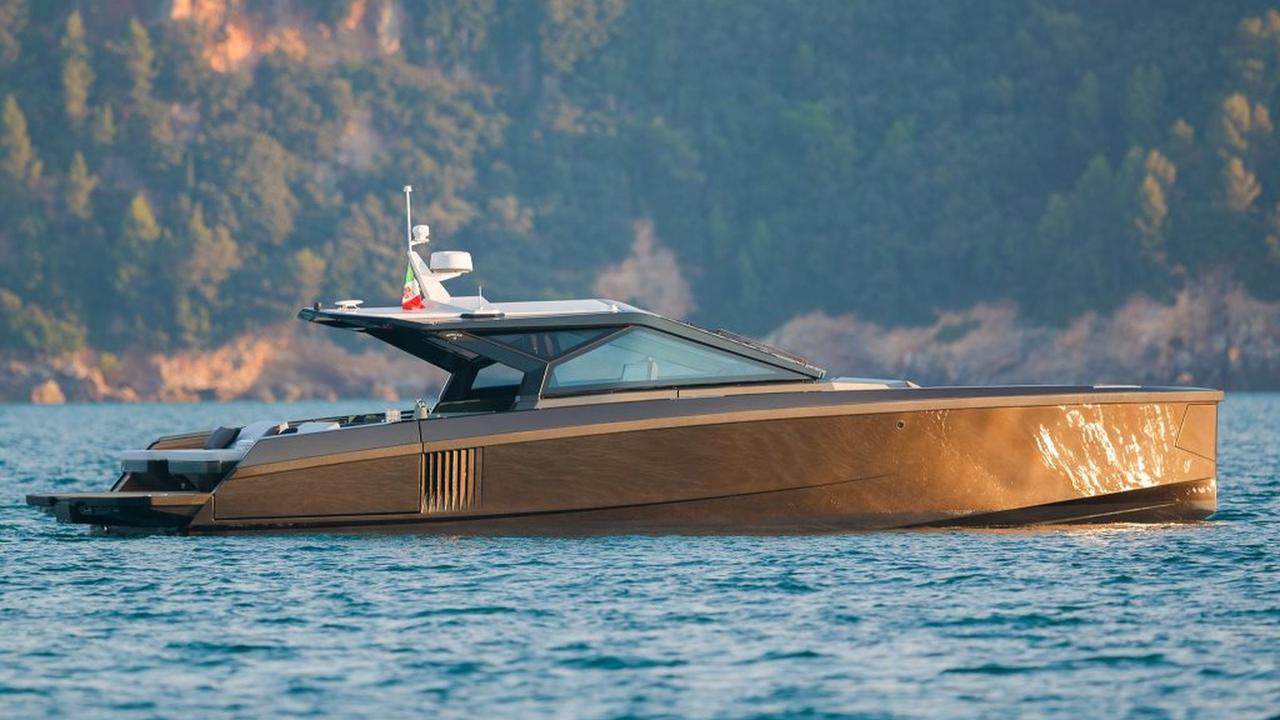
Attractable walls, deep-V, glass and carbon dome: flexibility is real, but the two engines radically change the boat.
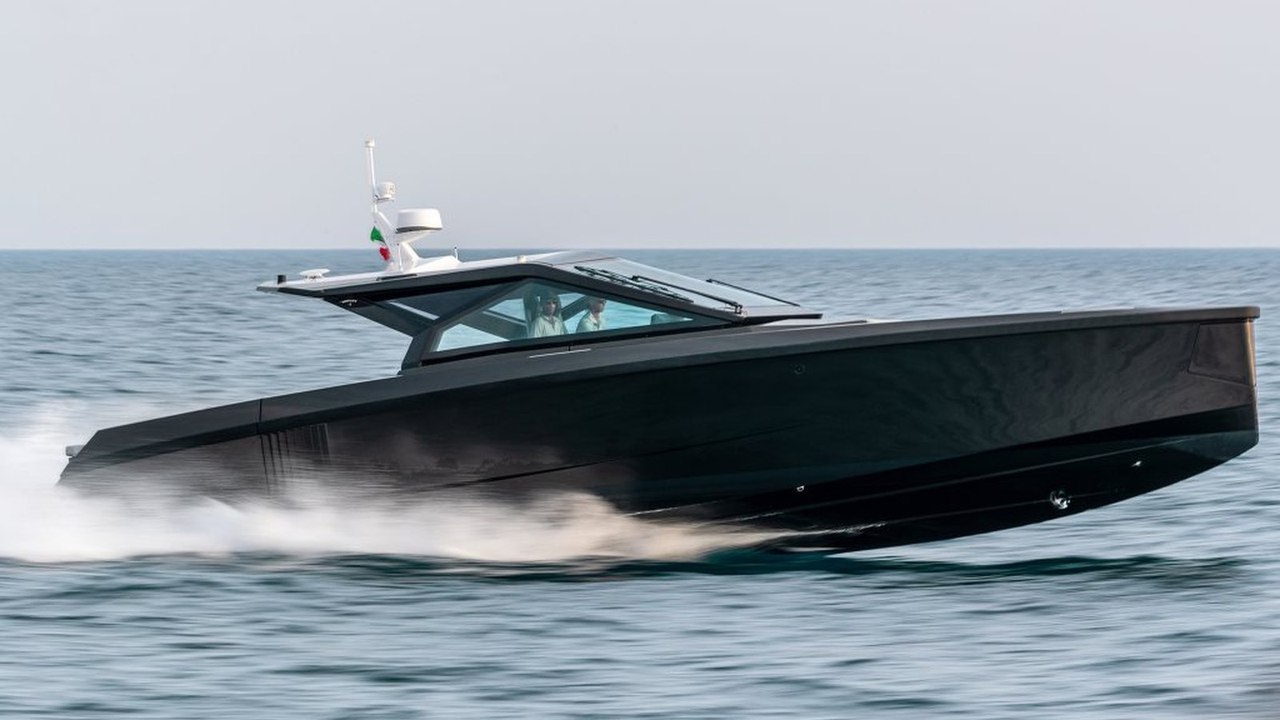
Green in brief
Wallypower50 is convincing when choosing a clear mission. IPS for the elegant and maneuverable weekender; outboard for those who put speed and mechanical accessibility in front of autonomy. Summarizing both philosophies in the optional produces only weight.
Reference numbers
| Length | 14,60 m |
|---|---|
| Baglio | 4,30 m |
| Fishing | 1,30 m |
| Light dislocation | 12.900 kg |
| Standard motors | 2 × Volvo Penta IPS650, 480 CV |
| Cruise / maximum | 30 / 36 knots |
| Fuel / water | 1.400 / 240 l |
| Declared autonomy | 280 miles per cruise |
The plate data are project references. The test must specify people, liquids, equipment and conditions: a speed or autonomy without trim and reserve is not a repeatable data.
Component analysis by component
Exhaust and load
The boat weighs 12.9 light tons and about 16.6 full. Almost four tons of liquids, people and equipment change order. The test curves must specify displacement; otherwise the 30 nodes of cruise, 36 maximum and 280 miles are not comparable.
Twin IPS650
Two 480 CV Volvos with IPS pod free volume and offer joysticks. Tents, oil, counter-rotating propellers and galvanic protection are the most expensive details to neglect. The diagnostics must be accompanied by physical inspection and separate testing of the two apparatuses.
Walls
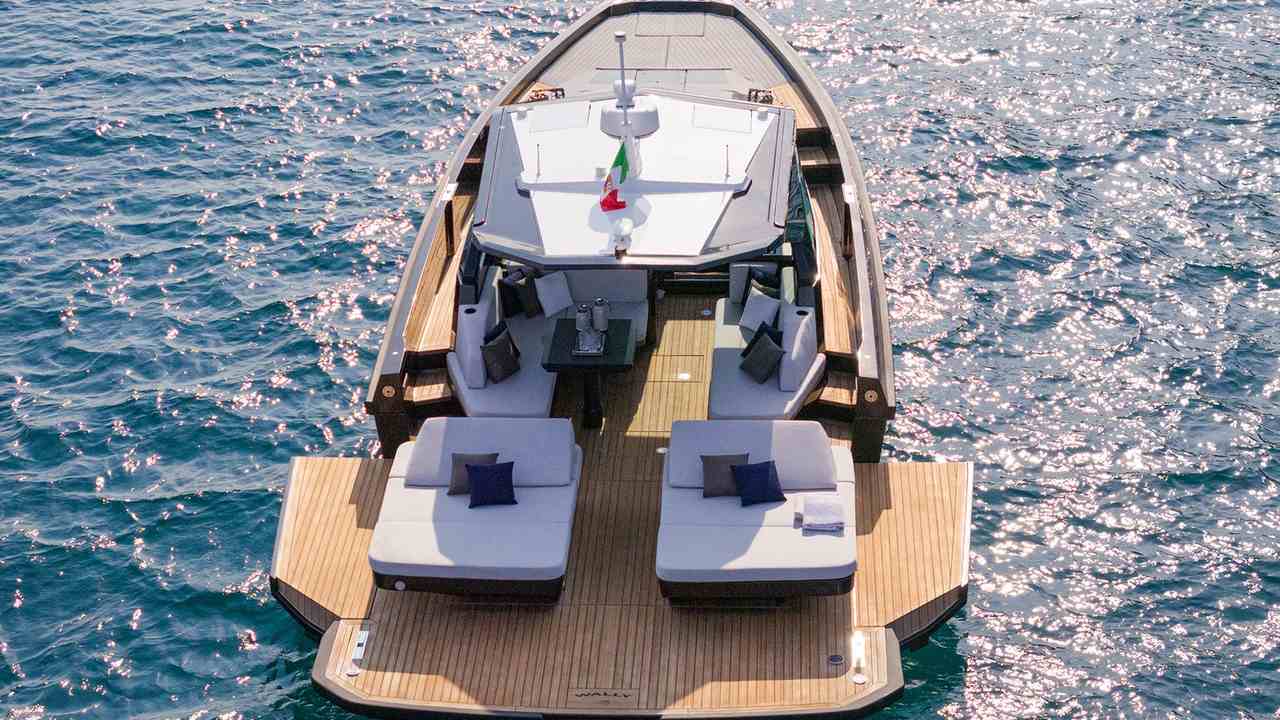
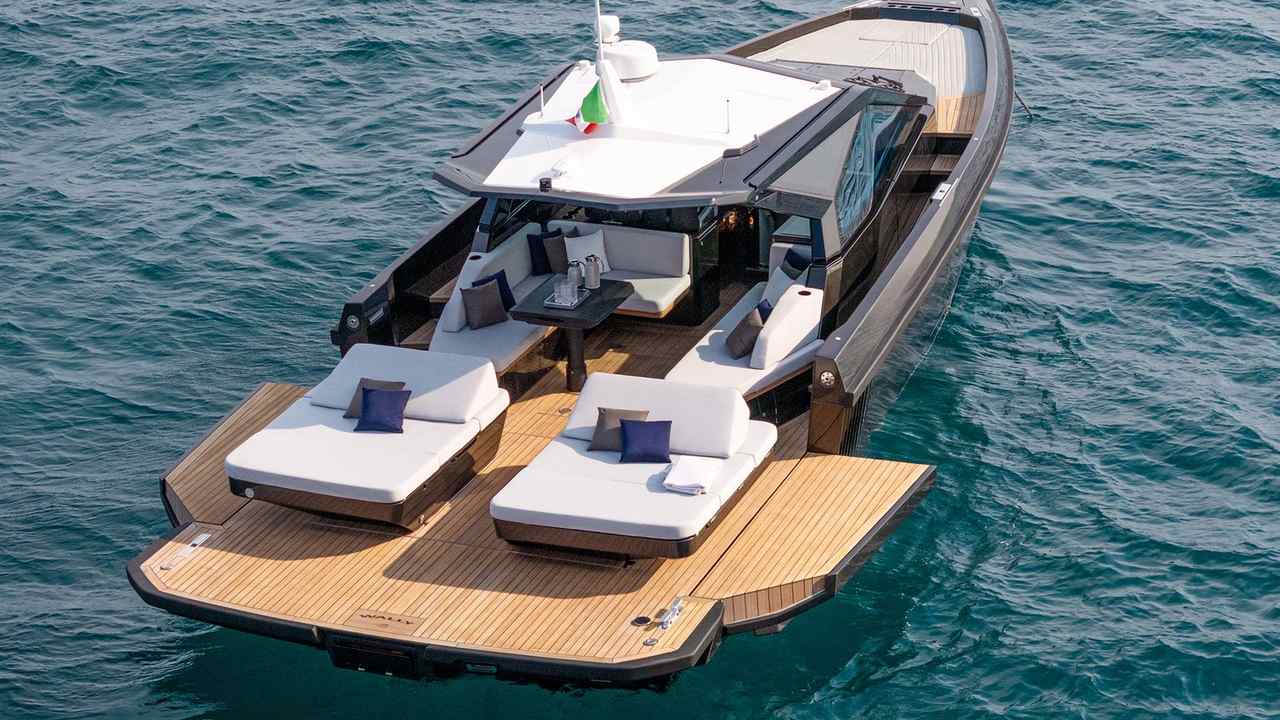
Approximately six square meters of side wings expand the well. Actuators, hinges, seals and blocks must work without twist. Exhausts must work both open and closed; sensors and emergency control are more important than the rapidity of transformation.
Glass-carbon dome
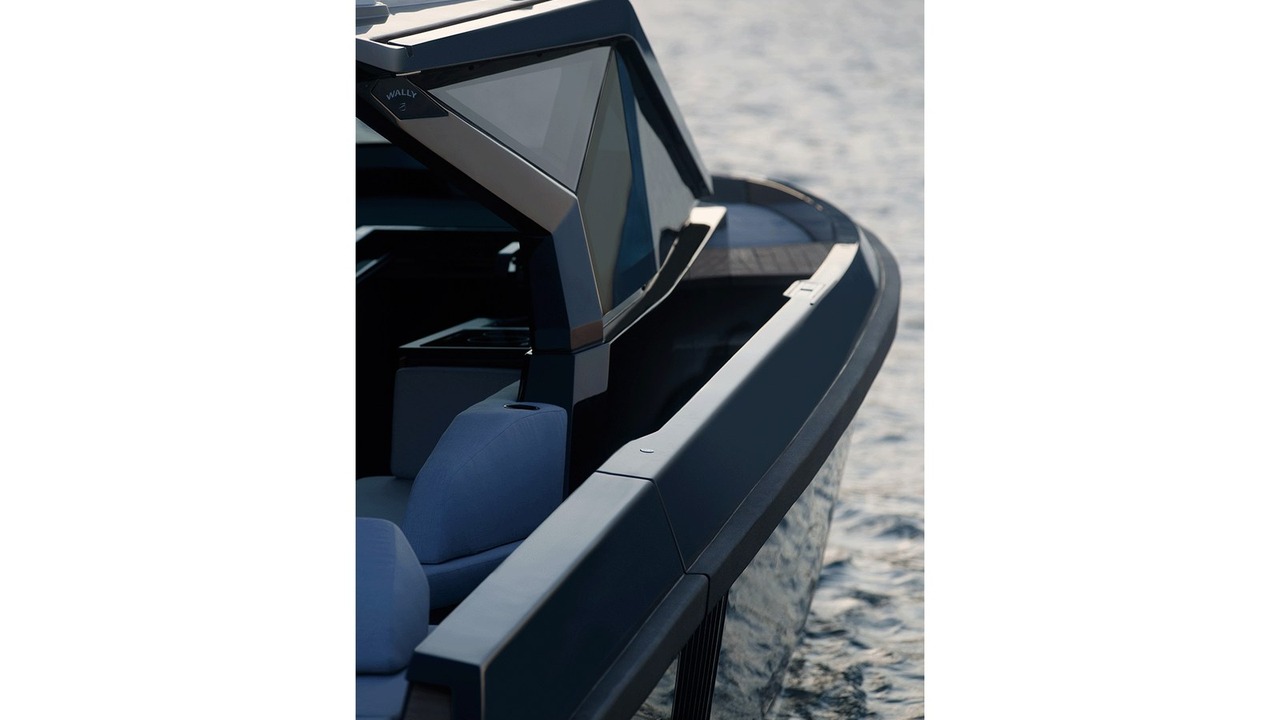
The superstructure integrates glass and carbon for lightness and visibility. Mounting, pasting and sun shielding should be evaluated in hot hours. The wide transparency can increase thermal load, therefore ventilation and air conditioning must be measured, not only lit in the dock.
Compact interior
Double cabin, lounge and galley make the 50 a weekender. The 240 liters of water require conscious management of shower and kitchen. Booting, ventilation and access to the bathroom after a real night say more than the photographs; pumps and valves must remain inspectable.
Version 50X
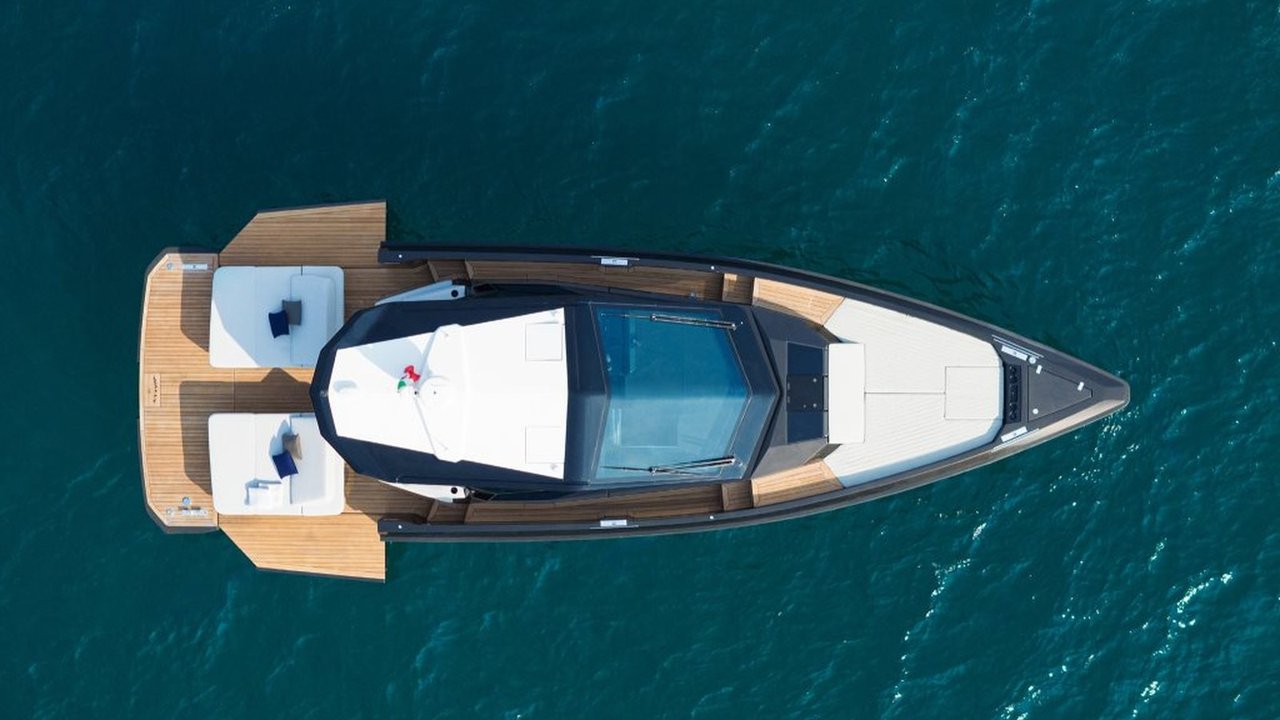
The outboard variant completely changes the stern: four 400 CVs carry up to about 48 knots and 240 miles, four 500 exceed 50 knots with lower indicative autonomy. It is not an upgrade equivalent to IPS: consumption change, center of gravity, maintenance and usability of the platform.
Engine, transmission and response
The standard uses two 480 hp IPS650, 30 cruising knots and 36 max. The 50X switches to four Mercury 400 or 500 CVs and exceeds 48–50 knots, but changes weight to stern, maintenance, noise and access to the platform. IPS offers optional joystick and Dynamic Positioning; outboards simplify replacement and raise transmission. They are not equivalent variants: they must be chosen for use profile and service network.
In the sea trial we would note turns, knots, consumption, temperature, noise and vibration at stable intervals. We would also try degraded manoeuvre, arrests and local commands. Electronics and joysticks increase precision, but they do not have to hide mechanical differences between the two sides or a incorrect trim.
Available configurations: how to choose
The IPS are consistent with autonomy, silence and clean platform; the 50X favors speed and widespread assistance of outboards. Stabilizer and air conditioning improve the weekend, but they must be inserted in full weight and energy balance.
The choice must be made before sizing batteries, generator, tanks and storages. Changing advanced capitulate layout or propulsion can leave over or undersized plants, or concentrate mass where the famine tolerates it less.
Accessories and onboard services
IPS650 or 50X platform defined at origin
In the capitulate they must be declared brand, model, weight installed and position. It is also necessary to identify power supply, protection and access for disassembly: the commercial name of the option, alone, does not allow to assess its integration and maintenance.
Stabilizer for anchor comfort
The verification does not end with the ignition in the dock. The component must be tested with engine, generator or network services under the conditions provided, annoting absorption and alarms. Local commands and emergency procedures must appear in the on-board documentation.
Radar, AIS, autopilot and poppiera camera
This item changes the operating configuration and can move electric masses or loads. Before the order, a scheme is needed, the consumption data and the interference with the existing gavones, passages and equipment. It should be added to the spare parts plan.
Calibrated air conditioning on glazed dome
The installation must preserve inspection of valves, filters, fixings and nearby cablings. We would also ask what assistance can be made in frequent areas and what mode can be used if sensor, display or actuator is not available.
Generator or large service counter with load management
The benefit is real only if crew and plant can support it. In the test the continuous operation is measured, not a demonstration of a few seconds; in the manual must be limits, maintenance and conditions that require not to use it.
Tents compatible with open walls
Before delivery, this equipment must be included in the technical inventory with registration, schema and wear parts. The full weight includes brackets, cables, fluids and accessories: it is the complete value, not that of the only device, which enters the balance of the boat.
Layout, ergonomics and hidden plants
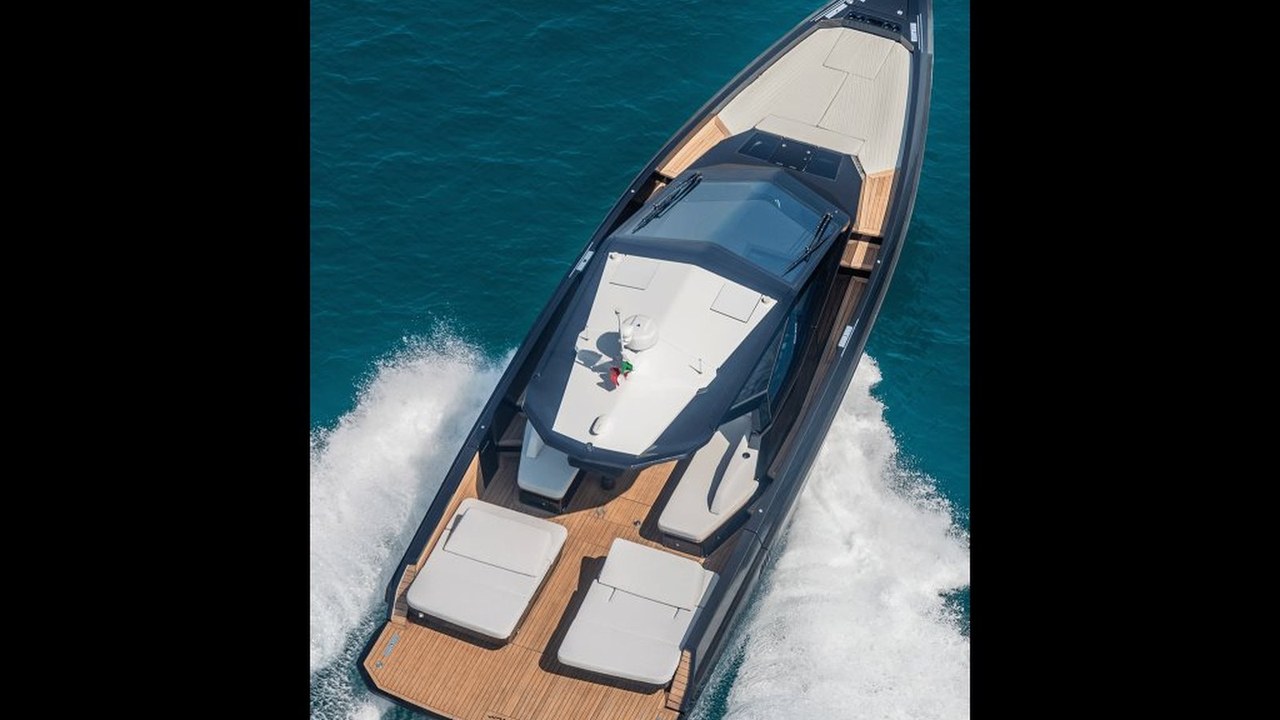
Undercover there are double prodiero, living room and kitchen, enough for a couple on weekends. On deck the two separate chaise longues leave central passage and flexibility to tender, chase boat or day cruiser. Gyroscopic stabilizer, catwalk, shading hardtop, refrigerators and audio system can complete the Mediterranean use; each addition must respect the balance of a boat that lives by acceleration and response.
We would open all the panels to identify sea sockets, pumps, valves, filters and connections. We would change drains with water, ventilation with closed environments and possibility to reach emergency equipment in night and day configuration.
verification of the expert for this model
In pre-purchase control or delivery testing we would not limit ourselves to visible finish. On this model we would put in writing at least these points:
Tents, anods and IPS pod games
The point should be documented with photography, initial condition and result after the test. If different games, losses or values emerge between the sides, the cause must be isolated before acceptance.
Blocks and drainage of the wall
No static verification is enough: a complete cycle is needed under operating conditions and a second hot check. Noise, temperature, absorption or abnormal pressure must become a measure, not an impression.
Pasting and thermal load of the dome
We would ask for physical access, schema and isolation procedure. The component must be able to be reached with the mounted furniture and without making any other essential function of the boat.
Structure between light and full displacement
The minutes must distinguish ordinary wear, regulation and defect. For each anomaly, spare parts, hours of work, any feed and consequences on use until restoration are indicated.
Technical distinction between 50 and 50X
The result must be compared with the configuration delivered and the maintenance historian. Software, calibrations or subsequent modifications must be recorded along with the date and subject that has performed the operation.
General control also includes CE documentation, freshmen, work history, fire protection, batteries, bilge and insulation tests where relevant. The anomalies must be quantified in hours, spare parts and boat stop, not described with a generic “to be reviewed”.
Reasoned maintenance plan
Before each exit
Quick control must include seals, anodes and games of the IPS pods and blocks and drainage of the dazzling walls. Levels, bilge, alarms and mandatory safety equipment occur before starting, when an anomaly can still be corrected without operational pressure.
After navigation or heavy use
Salt, heat and vibration make priority paste and heat load of the dome and trim between light and full displacement. The rinse should not push water into the connectors; hot inspections should be carried out respecting protections and cooling times.
Seasonal cutting
In addition to the cycles prescribed by the manufacturer, we would insert technical distinction between 50 and 50X in the annual report. Photographs, fluid analysis when relevant, alarm logs and operating hours allow you to read a trend before you become still boat.
Who really needs it
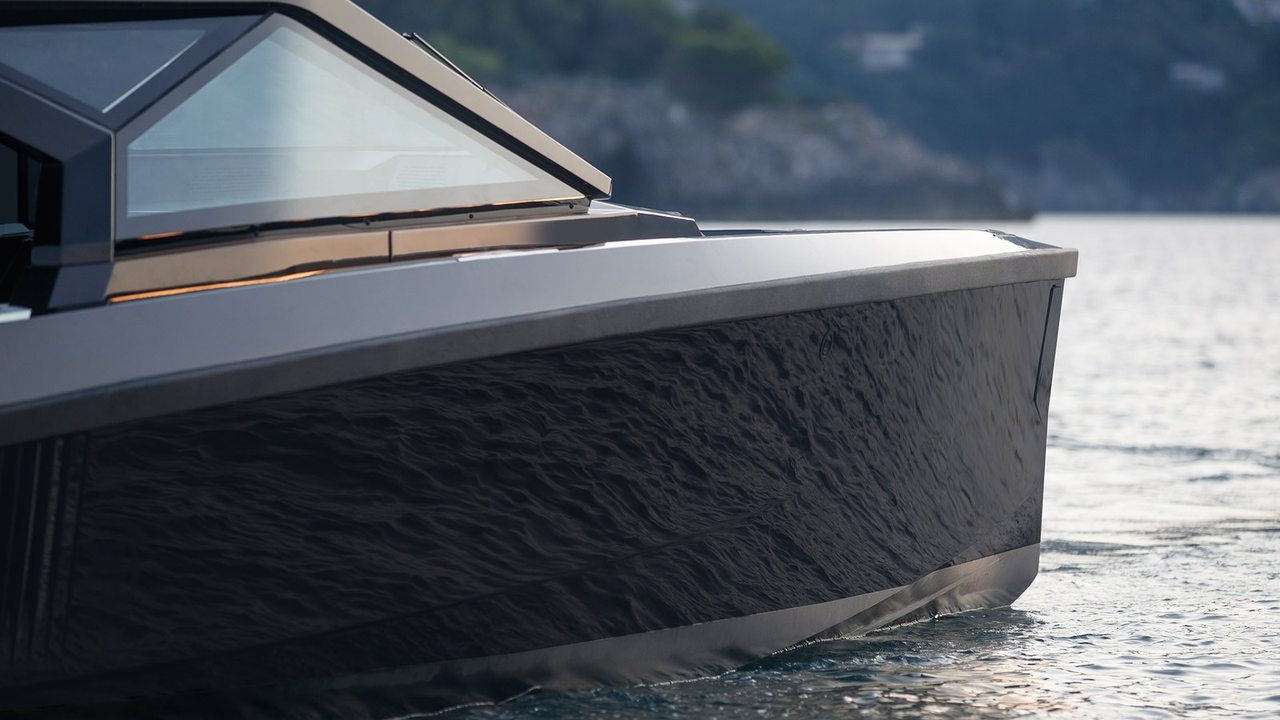
The vertical bow shape, the double chine and the flush bridge define a deep hull and an aesthetic without unnecessary elements. The wall walls add about six square meters to the poppiera area when it is stopped; in navigation they become structural parts to block and control. The glass and carbon dome protects the well without building a massive superstructure, keeping the visual and aerodynamic center low.
The successful configuration is the one that keeps margin: load, energy, autonomy and accessibility. It is this margin, more than the maximum, that distinguishes a pleasant boat on display from a convincing boat after many seasons.