
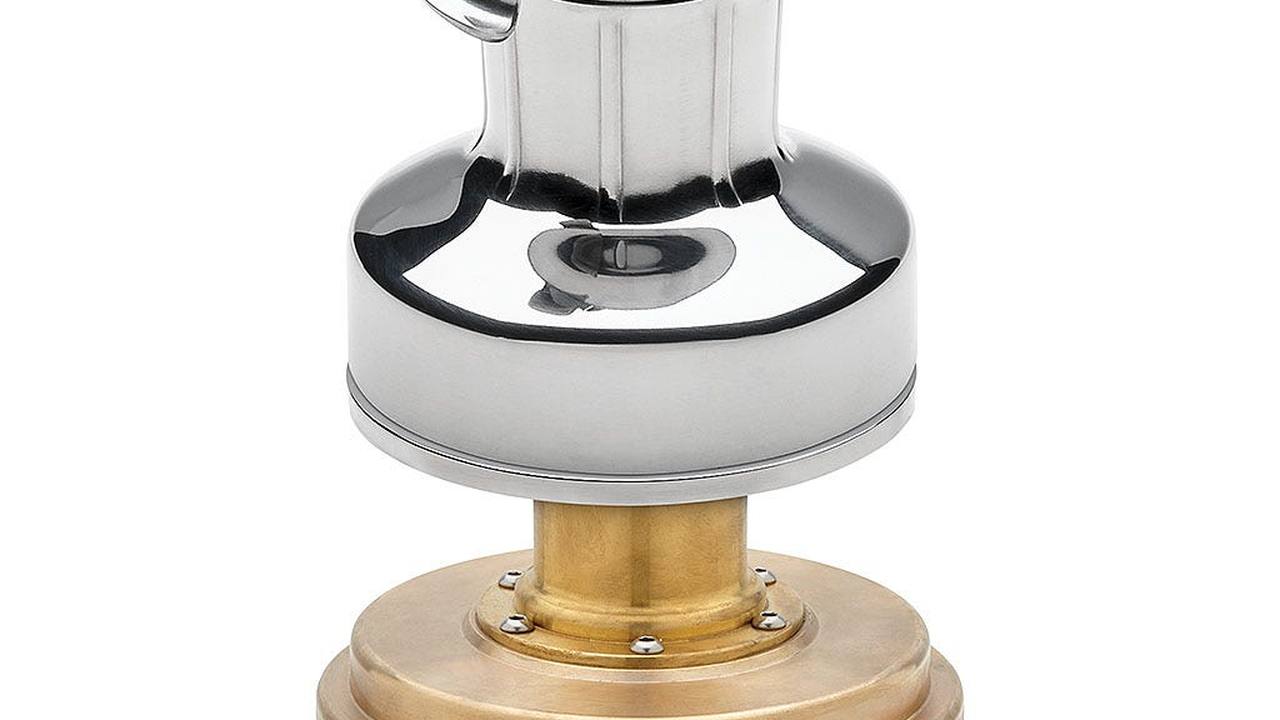
With an electric winch the pressure of a finger can apply to the top a force that by hand would take time and effort. Andersen Compact Motor modulates the speed according to the button and integrates load and temperature protections, but no electronics sees fingers, crossed edges or a blocked postponement. This analysis organizes identification, isolation, testing and use so that the progress of the command is not exchanged for automatic safety.
Identify size, voltage and variant
The full code of the unit is recorded and occurs if the group is Above Deck or Below Deck, at 12 or 24 volts. The Compact Motor catalogue includes numerous sizes from 28ST to 68ST, with specific combinations. Label, schema and manual must coincide. You do not deduct the tension from the nearby battery and you do not use the design of a similar model. Any discordance blocks the power before the test.
The procedure starts with the open switch
With isolated circuit you control bell, base, self-tailer, motor, reducer, terminals and button cable. There must be no game, water, salt, abrasions or blackouts. The top remains unloaded and the handle is removed. The switcher is not the command button: it has to make the system unavailable while someone inspects the mobile parts. A second person checks the absence of a starter when access is shared.
| Phase | Verification | Break if |
|---|---|---|
| isolated | identity, base, cables, humidity | uncertain code, game or damage |
| powered vacuum | LED, direction, modulation, stop | irregular response or error code |
| controlled load | coils, voltage, noise, temperature | flow, decline or intervention |
| after the test | terminals, register, insulation | heat, smell or infiltration |
Check the button before trusting the LED
The command integrates a bright indicator that signals when the system is powered. The presence of the LED does not show polarity, tension under load or integrity of the entire circuit. It occurs that the hinged cover closes, that the surface is not damaged and that the stroke is free. The stated IP67 degree covers the component under the expected conditions, does not authorize improper jets, installation immersion or connectors left exposed.
Pressure must produce a progressive response
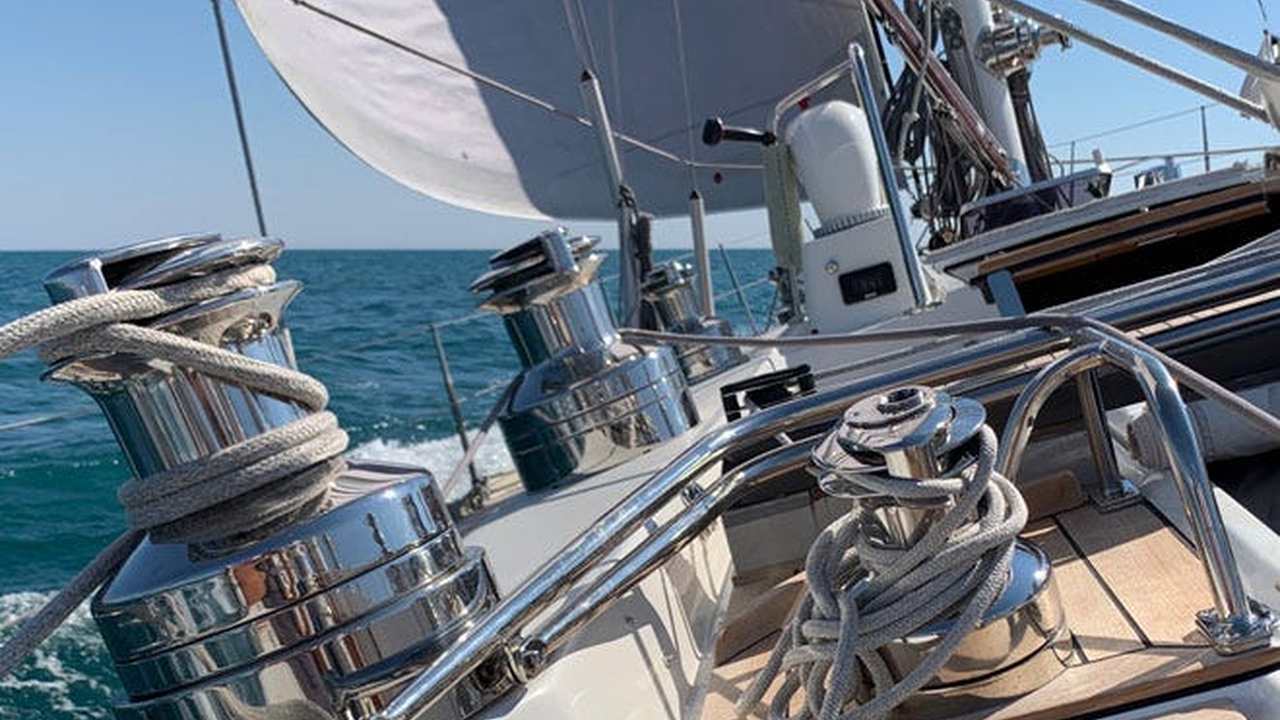
The brushless motor varies the speed in proportion to the pressure on the button. Vacuum applies a short and light command, then it gradually increases by observing departure and stop. Greetings, delays or permanence of the bike are not normal. You do not test with the handle inserted or people close to the bell. The operator maintains a position that allows to remove the finger immediately without losing the balance.
Flashes are information to decode
Button and controller can use LED to communicate codes when overload or other protections. The code is noted before removing power, then compared to system documentation. It is not resolved by pressing repeatedly until the winch departs. If the meaning is not certain, the circuit remains isolated. Data, conditions, load and action taken enter the register to distinguish an event isolated from a applicant.
Battery and voltage verification at terminals
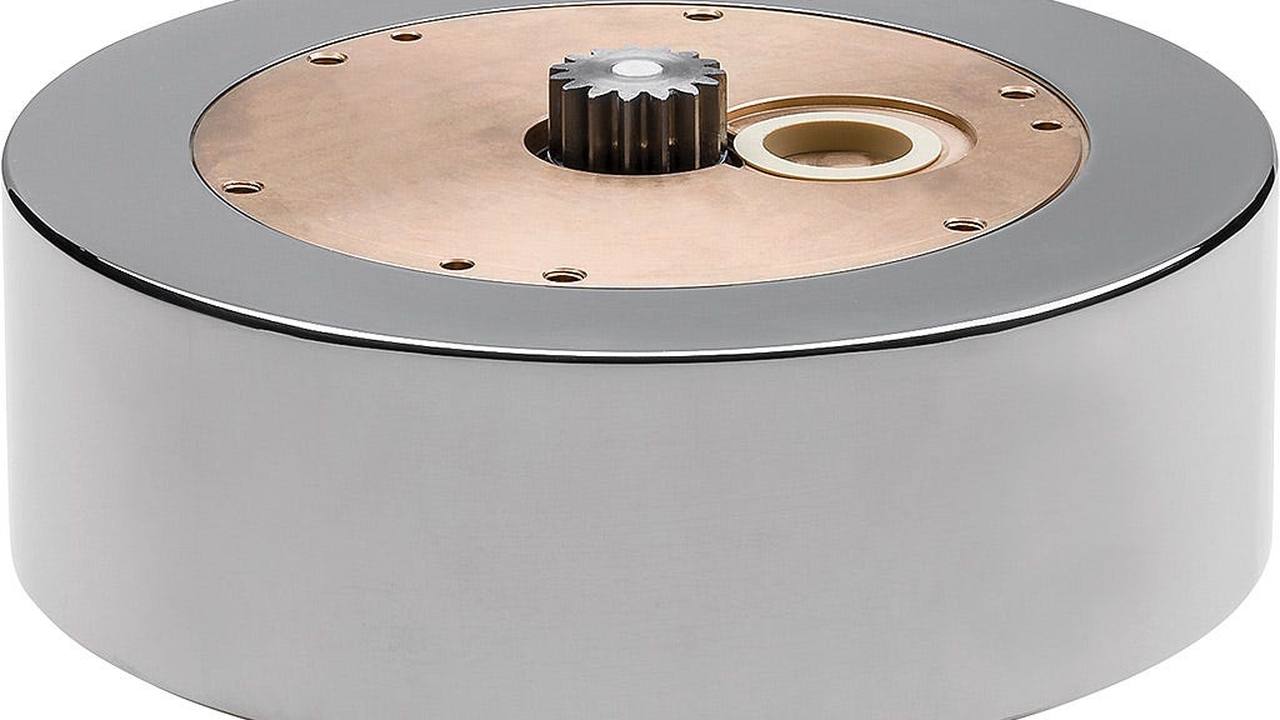
A battery that shows correct tension at rest can yield during the manoeuvre. Before the test, you will check the status, connections and compatibility with 12 or 24 volts. Under controlled load it is measured where the behavior at the terminals of the group, without improvising pointing near the mobile parts. Excessive falls, hot cables or black clamps impose the stop. Pressure does not increase to compensate for weak power.
The positive and negative path counts in full
Both conductors lead to voltage drop and heating. They follow from the bench to the unit, verifying mechanical protection, curvature rays, pond passes, capicorda and support. A cable included for the button does not replace the power conductors. Lawns must not compress isolation or create rubbing. Any change over the scheme is documented and approved, not hidden because the engine seems to work.
Protection switch and switch must be tested
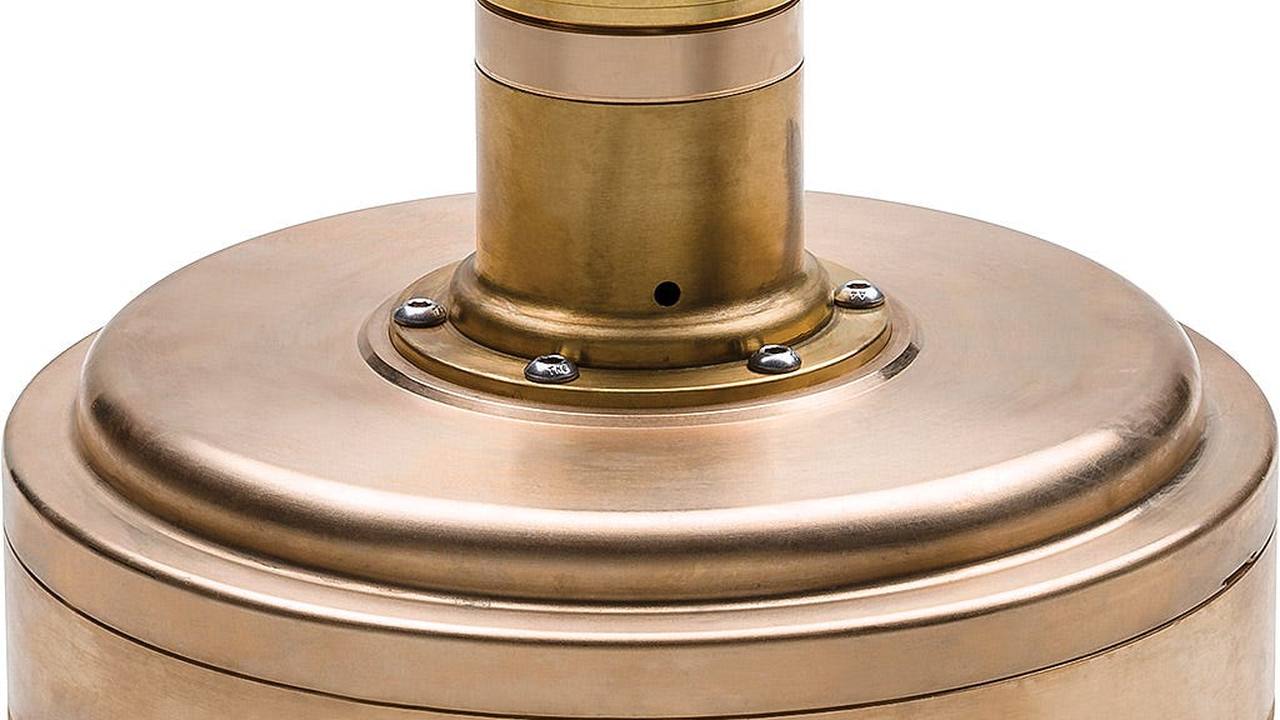
The protection device corresponds to the model and the conductors; the switcher allows to remove energy deliberately. Accessibility and identification occurs before use. The test is not to cause a failure: the operation is controlled mechanically according to the procedure. The crew must know which command to use in emergency. A switch covered by equipment or indistinguishable from other services makes a slow answer that should be immediate.
The top must be ready before feeding
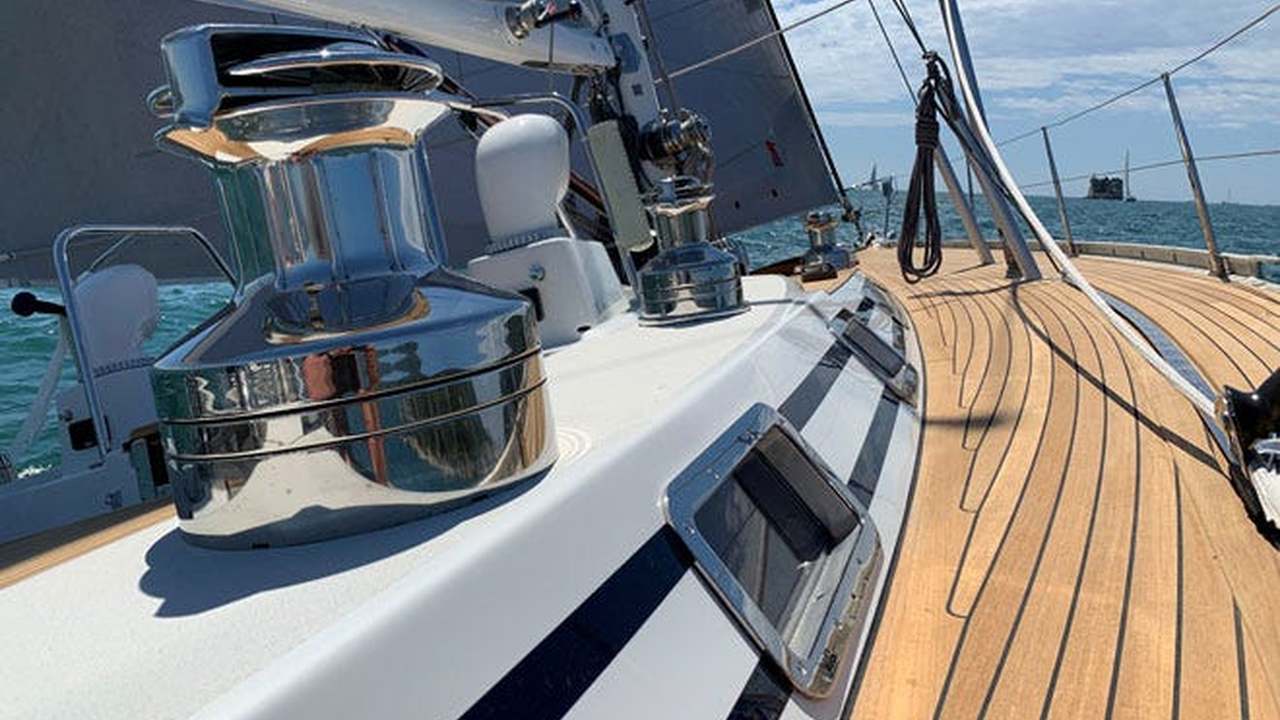
Diameter, stocking and status must be compatible with jaws and bell. Spires go up neatly to the self-tailer, without crossings. The tail comes out in a free area and does not pass around feet or equipment. Only after this check closes the circuit. The Power Rib profile helps the controlled grip, but a wrong or contaminated top can flow. No hand corrects the coils while the engine is available.
The first load must be limited and observable
The test takes place in port with clear area, clear communication and possibility to download the manoeuvre. It starts at the minimum speed, observing top, reference, bell and base. It only increases if each element remains regular. One person takes over the command, another observes without approaching. New noise, foundation movement, smell, heat or inconsistent speed interrupt the test before the system is brought to the operating load.
The overload is an event to investigate
The controller is preset to stop the winch if the expected maximum shot is exceeded and can make use again when the load decreases. After a stop you release the command and reduce the tension in the maneuver safely. They control sail, rivii, top and dimensioning. You do not use reparation after a few seconds as a normal cycle and you do not try to “surpass the point” with repeated impulses.
Thermal arrest is not just a dead time
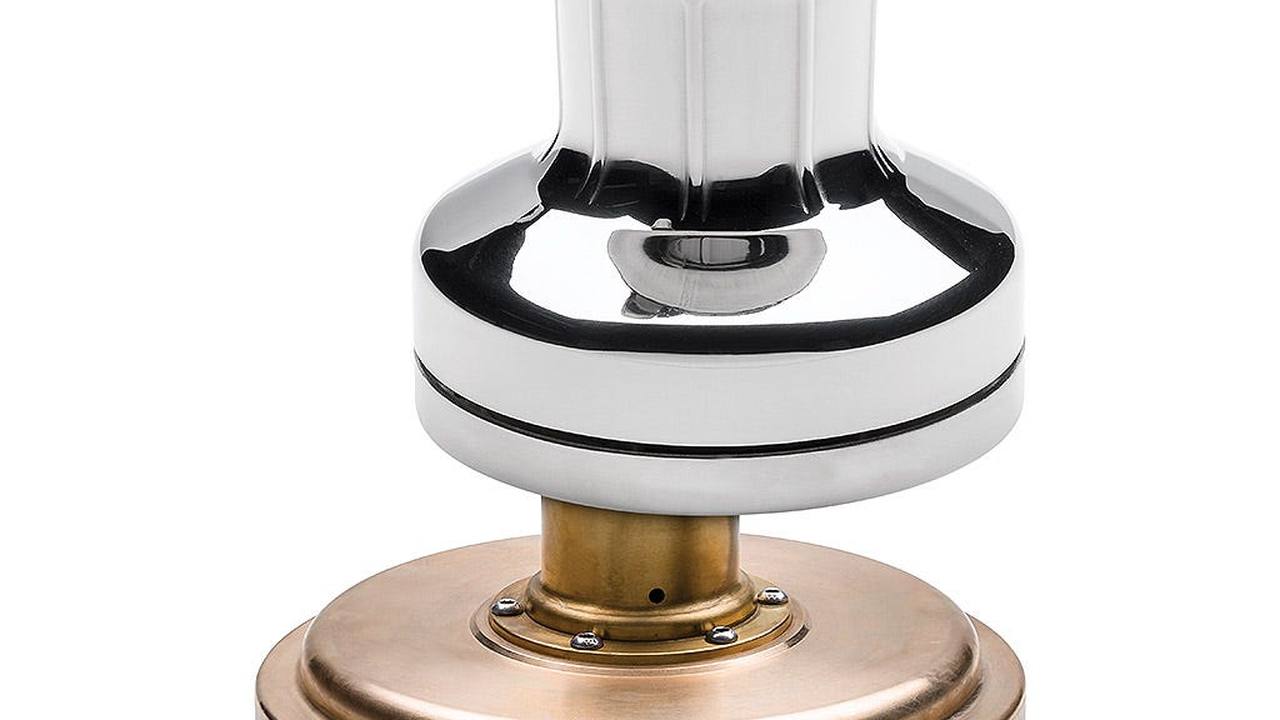
The engine has protection that deactivates it when it overheats and restores after returning to normal temperature. As the reset is automatic, before touching the group the switcher opens. It records duration and context, checking work cycle, ventilation, loading and feeding. Pour water or remove external protections can create other risks. A second intervention in the same session requires diagnosis before resuming.
Above Deck requires exposure control
The above covered group is more exposed to splashes and humidity. The manufacturer does not recommend installation on vertical surface and recalls precautions, coverage when appropriate and seasonal maintenance, including lubrication of the shaft seal. Before the exit, stagnations, protection and status of the seal occur. An IP degree of the button does not automatically extend to motor, reducer, joints or complete installation.
Below Deck requires air, dry and access
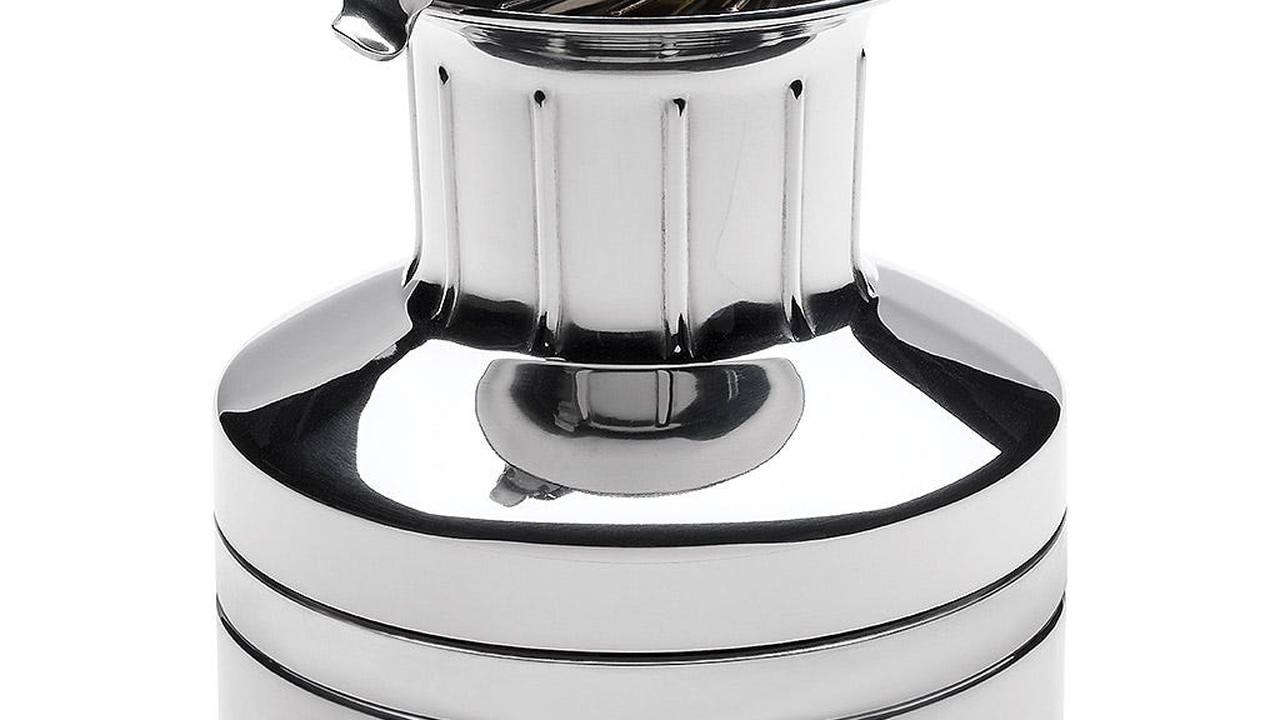
The internal placement protects more motor and reducer, but does not make the harmless compartment. Condensation, leaks from the blanket, free objects and cables that can rub. The space must allow terminal inspection and removal of the unit. Cielini or panels are fixed without blocking the planned ventilation. After challenging navigation the compartment is checked again, because an initial infiltration may not be visible from the outside.
Manual mode starts from isolation
When configuration and procedure require the use of the handle, the power supply is first rendered unavailable. The compatible handle enters and locks properly; no one can reactivate the circuit during work. It is not left inserted at the end. The electric-manual passage is lightly charged before you need it. A crew who does not know the procedure should not discover it with loaded sail and unavailable engine.
The service combines mechanical and electrical components
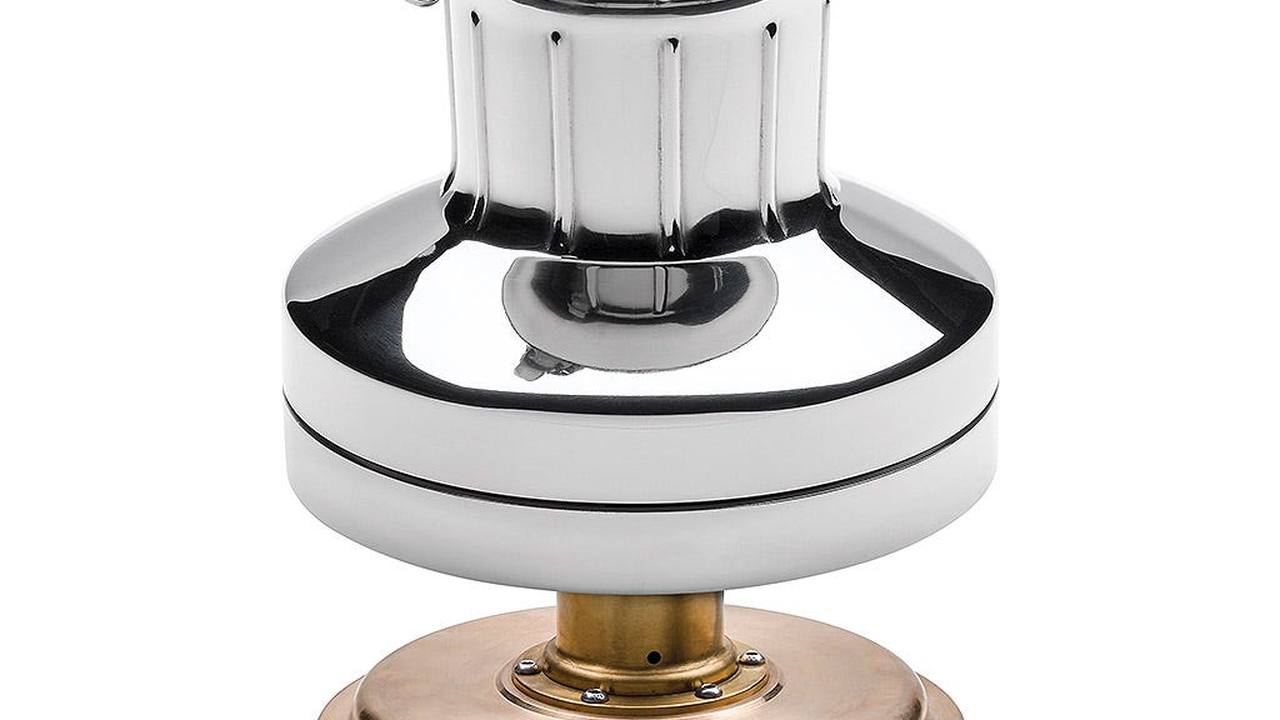
For the winch part is indicated a range of about two years in normal use, to be anticipated in heavy conditions. The Above Deck unit also requires seasonal care of the shaft seal. We control bearings, gears, jaws, fixings, terminals, cable and button. Parts and lubricants match the model. Maintenance is not performed with connected battery and does not end until a progressive test confirms behavior.
After each intervention update the register
Code of winch, voltage, configuration, date, hours or intensity of use, LED codes and interventions are kept together. Photos of the terminals and the foundation make the controls comparable. If you change battery, cable, button or top, note the change and repeat the relevant part of the test. This avoids attributing to the engine a problem introduced elsewhere and prevents temporary repair from becoming invisible.
Before each exit test the arrest, not the limit
With unloaded winch it occurs that the bike immediately ceases to release the button. It does not cause overload and does not seek thermal intervention. The lid is closed and the switcher operated according to procedure. This short test confirms the command-controller chain without subjecting the manoeuvre to useless force. If the stop delays, the LED signals an anomaly or the button does not return freely, the system remains isolated.
Intense rain and washing require subsequent control
After strong exposure you see button, steps, joints and lower compartment. It is not assumed that the IP67 degree of the command protects the entire installation. We look for moisture, salt dragged and drops near the terminals, keeping the circuit open. A cover used on the Above Deck group must be removed before the drive and should not retain condensation. Any water input is resolved before feeding, not dried superficially to accelerate the departure.
The crew change requires a new briefing
Guests and shifts must know which button commands the winch, how to read the indicator, where the switch is located and which word orders the stop. The demonstration is empty. It also shows how to free the area and why no one touches the ears. Only one manager drives, while the observer does not intervene physically. The minimum speed does not harm the machine: it only serves to modulate an action that remains powerful.
The final rule is to stop before adding strength
Variable speed, integrated control and protections make Compact Motor sophisticated, non-fallible. The system does not recognize a nearby hand, an inactivated shell or a damaged postponement. Each maneuver begins with visibility, free zone and unique manager of the button. If response, sound or load are not expected, you release the command and you isolate it. the procedure serves to make this stop normal, before the power turns a doubt into harm.