
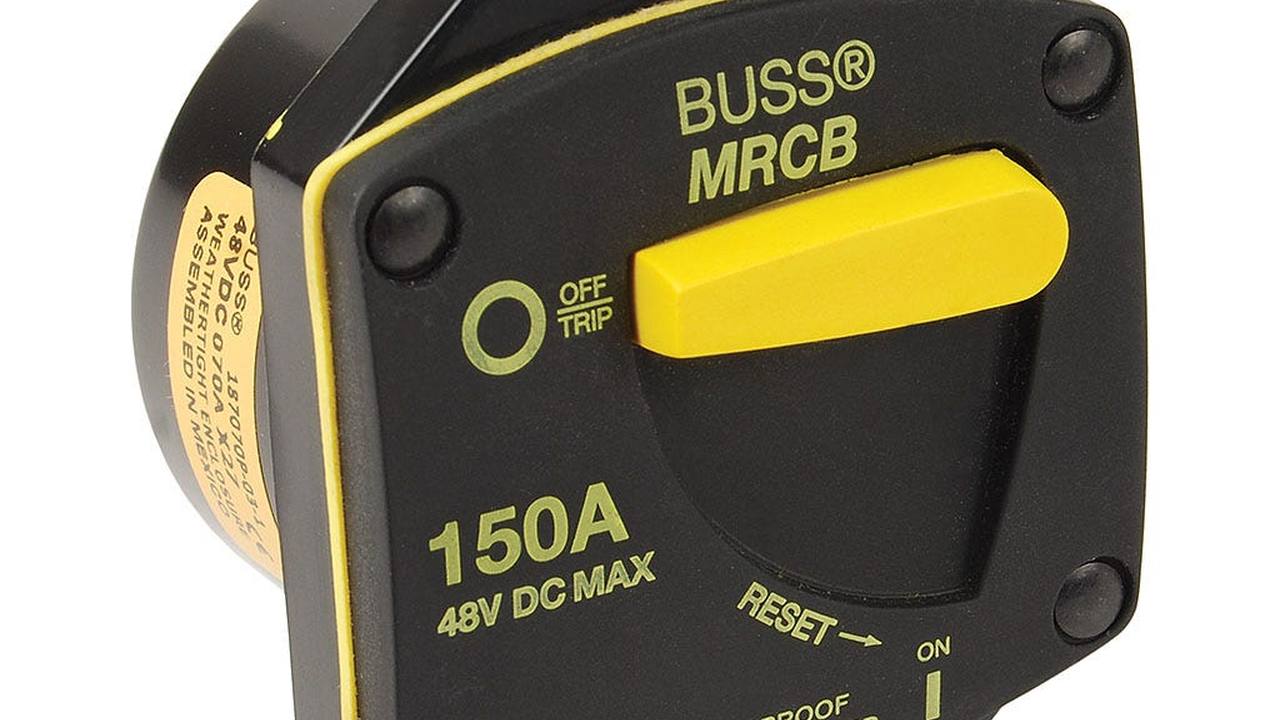
An electric winch can continue to pull while the operator is still trying to figure out what got stuck. For this reason Orbit and QuickTrim must be managed with a verification sequence that starts from the identification of the model and ends with isolation, testing and registration. The sizes from 20 to 50 do not have all the same speeds or the same motorization. The procedure must describe what is really installed, not a generic “cover machine”.
First rule: read model and configuration
It identifies the size, code, speed number, QuickTrim presence and any electrical group. The 20 is manual at a speed; 30 and 40 are two speed manuals with QuickTrim; 45 and 50 exist at two or three speeds. E1 covers 30QT and 40QT, E2+ 45QT and 50QT sizes, with 12 or 24 volt variants. The onboard label shows this data without ambiguous abbreviations. a verification sequence copied by another model is discarded.
Verification begins with isolated power supply
On electric versions the first step is to make an unexpected start according to the installed system impossible. Command, protection and state indication are controlled. No hand enters between bell, top, self-tailer or revive until the energy is isolated. The only absence of noise does not show that the circuit is safe. Those who carry out the control communicate to the crew that the machine is out of service and prevents another person from reactivating the command without authorization.
| Control | 30QT/40QT | 45QT/50QT | Criteria for outcome |
|---|---|---|---|
| Manual speed | two | two or three | known and regular sequence |
| QuickTrim | present | present | small controlled helmet |
| Motorization | E | E2+ | corresponding code |
| Voltage | 12 or 24 V | 12 or 24 V | equal to the documented plant |
| Command | protected and visible | protected and visible | no involuntary drive |
It first inspects what keeps the winch to the boat
Base, bolts, counterplate, sealing and blanket are observed for loosening, corrosion, infiltrations or deformations. A movement of the base makes any functional evidence useless. Under deck, accessibility and traces of water are controlled without disassembling components under load. The locks follow applicable data and sequence; it does not tighten “until it seems firm”. If the sandwich appears crushed or the sealing is compromised, the winch remains out of service until the competent evaluation.

The bell must turn without new noises
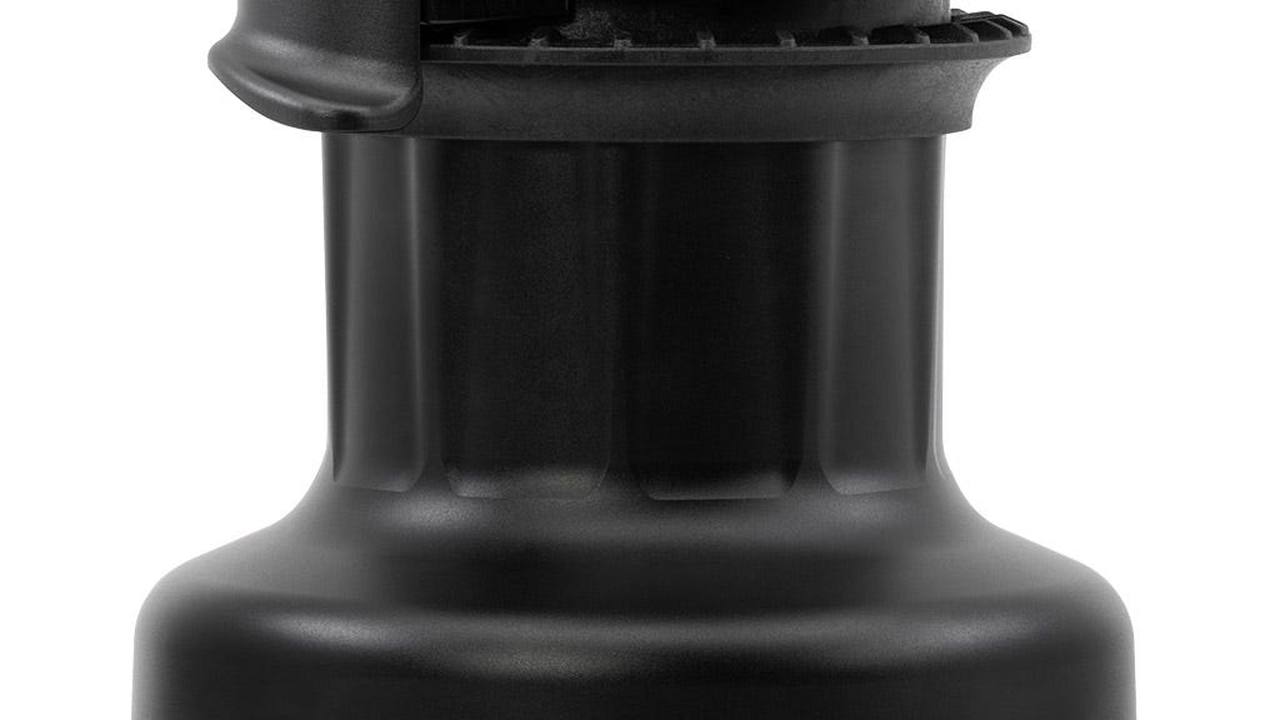
With exhaust system and insulated power supply, the expected manual rotation occurs. Inputs, growing game, metallic noise or irregular resistance require stop. The Power Ribs surface is observed for contamination and damage that can attack the top. It does not card or add lube on the bell. Residues are removed by compatible method; the internal parts follow the manufacturer's plan. The comparison with a previous control is more reliable than the feeling of the moment.
The top enters the right postponement or the test ends
You follow the maneuver from the load to the winch and it occurs that each draft is free, aligned and suitable. The top should not rub on edges, cross another maneuver or reach the self-tailer with anomaly angle. Diameter and construction must be compatible. A hard, glazed, inflated or cut top is withdrawn. Adding spires to hide a incorrect path does not solve the cause and can increase the amount of top close to the hands.
Spires prepare without fingers in the grip zone
The top is wrapped in the intended direction and with the number of coils indicated for conditions and model. The operator keeps hands and clothing away from the bell. The tail remains governable, without rings around feet or equipment. Before loading, a second check confirms that no person is in the path of the handle or top. If a spire rises on the other, it is discharged and reordered: you do not try to correct it while the winch is in shooting.
The self-tailer retains but does not replace the operator
The top must sit properly in the jaw and exit in the expected direction. We control the wear, contamination and freedom of the accessible parts. The hand does not accompany the top near the point of grip during the movement. The self-tailer allows more neat management, but does not absorb the energy of the maneuver or makes sure an overload. The tail is always kept under control. If the top jumps, slips or is crushed abnormally, the test is stopped.
QuickTrim only tries for small releases
The QuickTrim function, present in sizes from 30 to 50, allows a fine lasco without removing the handle and without removing the top from the self-tailer. The test begins without significant load, with short movement and free area. The operator must perceive a progressive response and immediately recover control. QuickTrim is not used to release a blocked maneuver or perform a great release. If the command is uncertain or the top starts to snaps, you download the system with safe procedure.
Two speeds must be recognizable without force
On the sizes 30QT and 40QT the handle rotation selects the two speeds according to the expected mechanism. Try first in both ways and listen to the graft. The passage must be regular. A report that does not enter is not searched with additional blows or lever. During quick recovery you avoid accumulating top; in the working phase you control load and posture. Each authorized member of the crew repeats the sequence in port.
The third speed requires dedicated training
The 45QT and 50QT three-speed configurations add an operating mode that cannot be intuited by those who know only a two-speed winch. the procedure shows model RA6453 or RA6503 when applicable and describes the sequence without transferring it to other versions. Before sailing, a guided test takes place. If the crew cannot identify the active relationship, the winch is only used by a trained person until the training is completed.
The declared voltage must coincide with the system
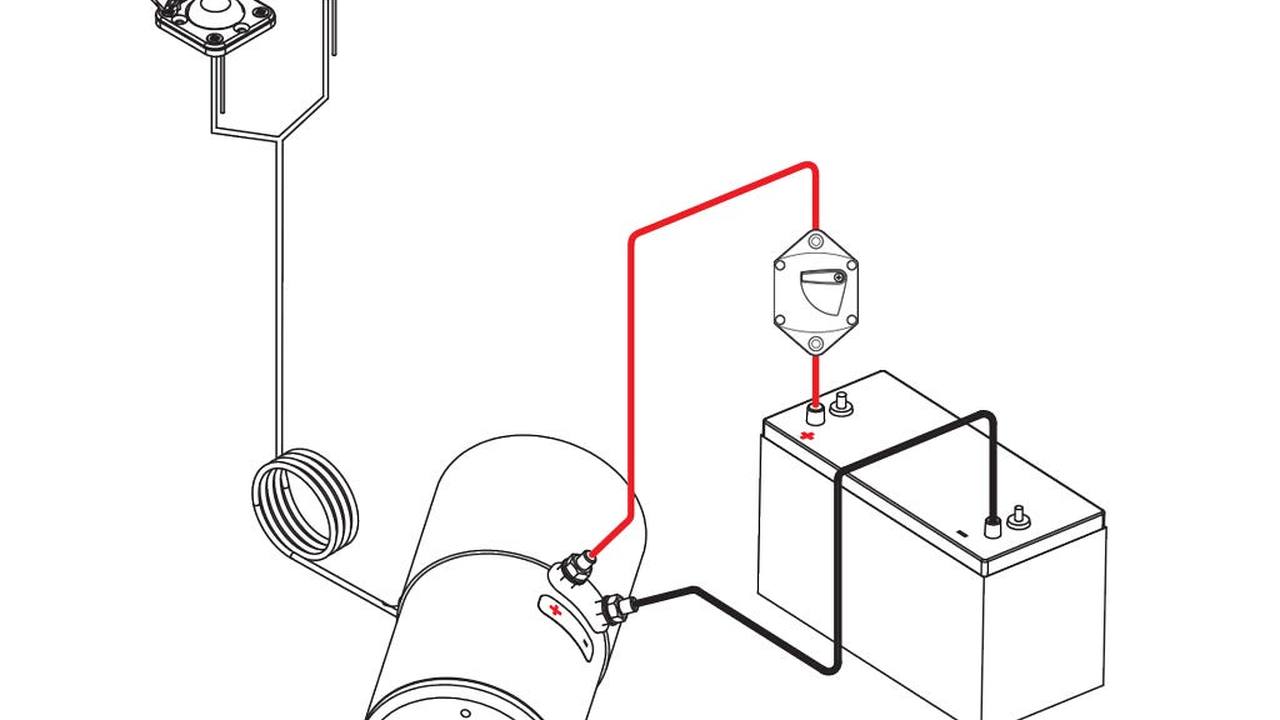
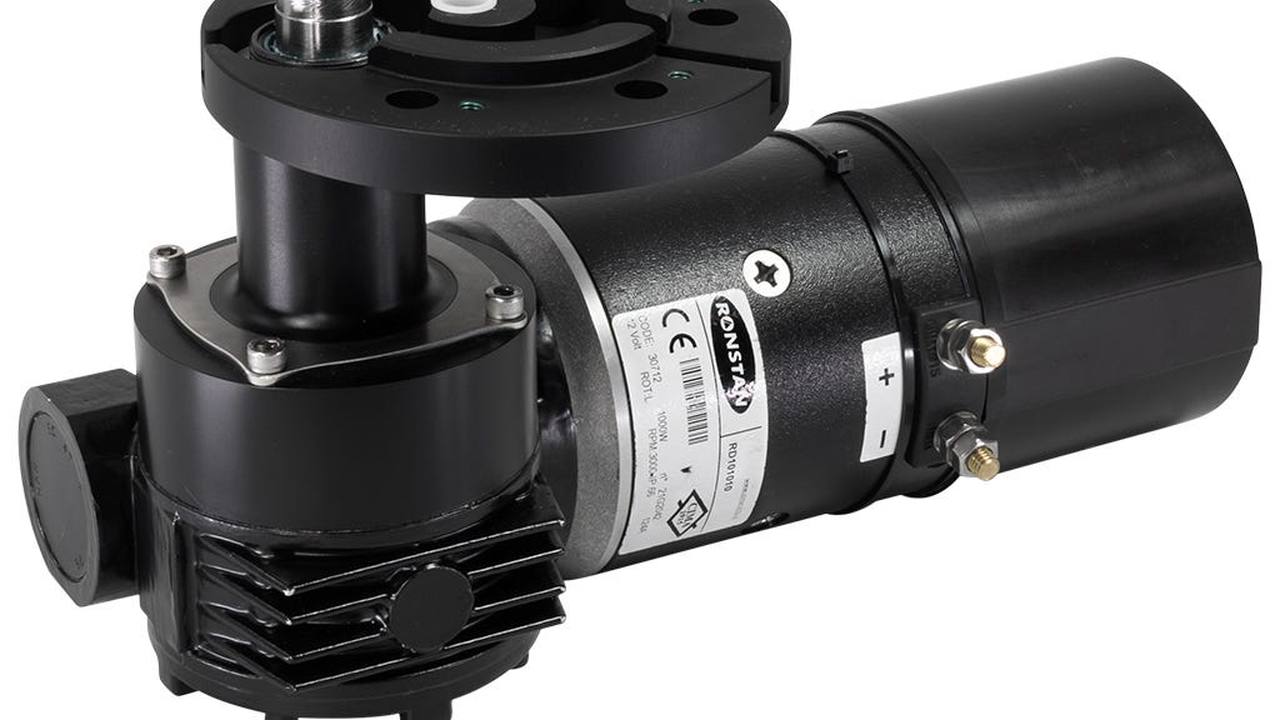
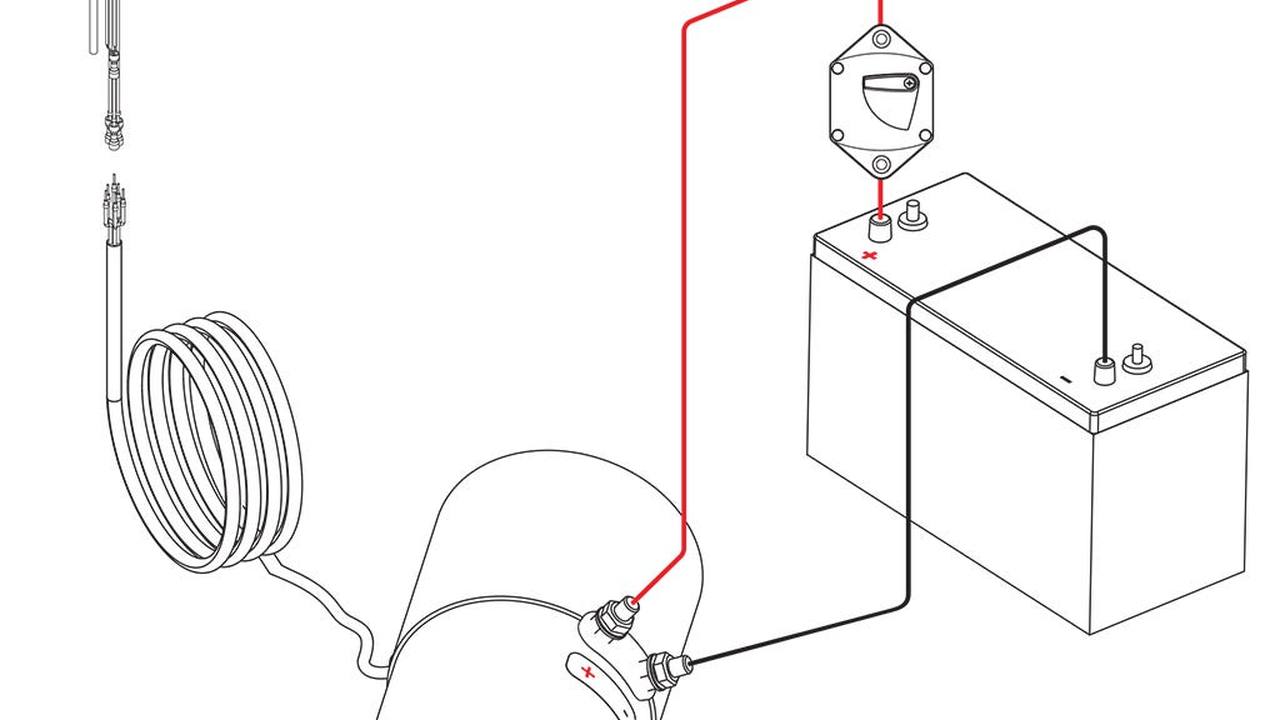
E1 and E2+ are available at 12 or 24 volts. They compare tags, schematics, battery, protection and documentation. Do not deduce tension from the color of a cable or the speed of the engine. A different voltage spare is not connected for test. The terminals remain protected, tightened and dry; signs of heat, oxide or deteriorated insulation lead to the isolation of the circuit. The electrical measure is carried out by a competent person with appropriate tools and procedures.
The button must see the maneuver that commands
The operator checks that the position of the command is visible bell, tail and surrounding area. The button should not be able to operate by supporting a knee or object. If there are multiple commands, it is defined who has control. Before the start, the maneuver is announced and confirmation is received. A button that remains pressed, returns slowly or presents damage is put out of service. No one tries to free him while the circuit is powered.
Electric test part without top
After the controls and with free area, the power is restored and a short pulse without load is performed. Direction, immediate stop, noise and vibration occur. Different speeds are tested separately when expected. You do not keep the command to “see if you pass” a noise. Once the test is finished, the system is again isolated before touching any part. Result and anomaly are noted, avoiding the subsequent round repeating an already failed test.
The controlled load arrives only after the vacuum test
The top is properly prepared and the load gradually increased in port. An observer controls base, rails and tail while one operator uses the command. Try recovery, stop and, separately, QuickTrim adjustment. Nobody's in the shooting line. Scrolling, base movement, smell, heat or abnormal absorption immediately interrupt testing. You do not look for the system limit: it is confirmed that the configuration works regularly in the expected field.
The handle is not included with available engine
If the configuration allows manual use, the handle is tested with isolated power. Inserting, blocking, rotation space and storing must be clear. Before making the engine available, the handle is removed and placed. A lever left in the socket can become dangerous if the bell is operated. The crew knows the sequence to switch from electric to manual and vice versa, without relying on attempts during an urgent manoeuvre.
The conversion kit keeps your code
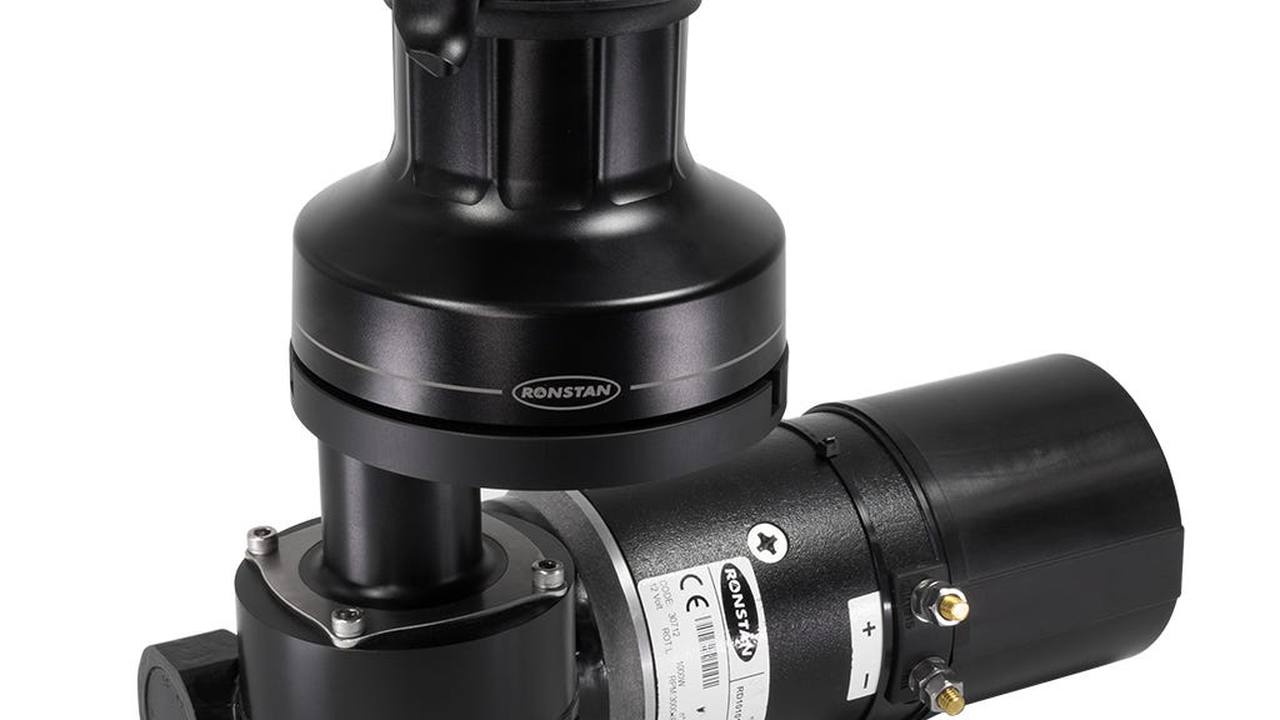
When a winch is motorized with official kit, the procedure records kit code, starting model, voltage and date of the operation. It is not enough to update the “electric” voice. Schematics, installed components and job manager are preserved. Protections and controls are included in the test. If a party is replaced, the correspondence is verified on the applicable catalog. Mixing elements E1 and E2+ or 12 and 24 volts for visual resemblance is excluded.
Maintenance follows correct intervals and products
After salt water and intense use, surfaces and accessible areas are cleaned without pushing contaminants inside. Disassembly, lubrication and replacement of components follow specific instructions. There are no surfaces for taking the top. Each intervention ends with vacuum test and verification of fixations. The register includes hours or frequency of use, symptoms and spare parts. A seemingly cheap piece does not justify uncertain compatibility in a machine that handles high loads.
Stop criteria must be decided before leaving with the boat
Mobile base, damaged top, irregular self-tailer, ratio that does not trigger, QuickTrim with snaps, faulty command, hot wiring or unidentified voltage are reasons to suspend use. the procedure indicates who can authorize the restoration. You do not accept a test “only for this exit”. The manual alternative is prepared in advance and not improvised. The speed of an electric winch is only useful when the crew can stop it at the first signal not expected.
The log closes control and prepares the next
Model, size, speed, QuickTrim, E1 or E2+, voltage, test results and anomalies are noted for each location. Technical photographs and documents remain in the border file, not exposed in the operating area. The register allows to recognize changes over time and prevents a substitute component from losing its identity. a complete verification sequence does not slow the departure: eliminates uncertain steps and makes it evident when the system is ready, when it requires maintenance and when it has to remain isolated.