
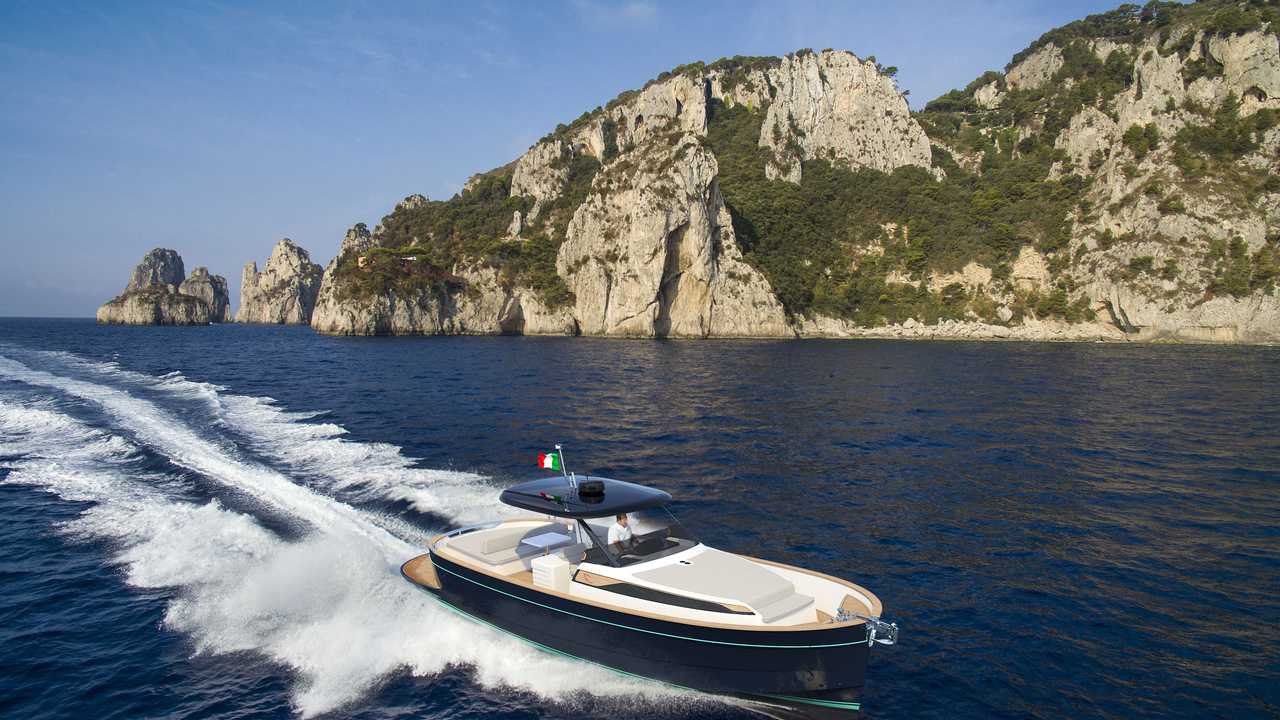
L’Apreamare Gozzo 35 porta il linguaggio del gozzo mediterraneo in una barca planante di 11,20 metri fuori tutto. La carena a geometria variabile, il baglio di 3,70 metri e la scelta fra due architetture propulsive richiedono una configurazione ragionata. La documentazione contempla due Volvo Penta D4-270 con trasmissioni DPI oppure due D4-320 con linee d’asse. Cambiano installazione, manutenzione e comportamento operativo. Questa guida organizza dati e controlli per ordine, consegna e gestione, senza attribuire alla redazione prestazioni di una prova non effettuata.
Prima regola: identificare versione e distinta
Il nome del modello non descrive da solo la barca. Propulsione, anno, arredi, hardtop, elettronica e accessori definiscono il peso e gli impianti della singola unità. Il contratto deve riportare ogni componente con modello e posizione, mentre il disegno generale deve coincidere con ciò che verrà costruito. Descrizioni generiche lasciano margini proprio nei punti che incidono sulla manutenzione.
La revisione della distinta dovrebbe unire utilizzo e vincoli: porto abituale, pescaggio disponibile, ore annuali, percorrenze, persone, notti a bordo e capacità dell’assistenza locale. Da queste risposte deriva la scelta fra DPI e linea d’asse, non da una preferenza astratta. Anche un accessorio semplice va valutato per peso, assorbimento, spazio e accesso tecnico.

Misure reali per ormeggio e sollevamento
La lunghezza fuori tutto dichiarata è 11,20 metri, mentre lo scafo misura 9,95 e la linea di galleggiamento 9,64. Il baglio massimo è 3,70 metri e l’immersione a pieno carico è indicata in 0,90. Sono dati destinati a funzioni diverse. Per il posto barca conta l’ingombro completo; per invaso e sollevamento servono geometria, peso e punti ammessi.
Dopo la consegna è utile misurare la configurazione effettiva includendo ancora, piattaforme e componenti sporgenti. Il pescaggio può variare con carico e trasmissione. Una scheda operativa con dimensioni, peso, posizione delle fasce e fotografie riduce errori in cantiere. Affidarsi alla sola denominazione commerciale espone a incompatibilità con travel lift e posti dimensionati al limite.

Sette tonnellate a vuoto, nove a pieno carico
Il dislocamento dichiarato passa da 7.000 chilogrammi a vuoto a 9.000 a pieno carico. Duemila chilogrammi comprendono motori, liquidi, equipaggio, dotazioni e optional secondo le condizioni definite nella scheda. Il dato rende evidente che una prova senza livelli e carico annotati non è confrontabile con un’altra.
Il piano dei pesi deve registrare la posizione longitudinale e verticale delle masse aggiunte. Batterie, generatore, climatizzazione o tender collocati a poppa possono modificare l’assetto più di quanto suggerisca il solo peso. Una pesata reale con serbatoi dichiarati aiuta a programmare sollevamento e a diagnosticare, negli anni, aggiunte non controllate o assorbimento d’acqua.

Carena a geometria variabile e pattini
L’opera viva è descritta come una carena a geometria variabile con pattini di sostentamento. Le sezioni cambiano lungo lo scafo per conciliare volume, passaggio sull’onda e portanza ai regimi plananti. Il risultato dipende però dalla distribuzione dei carichi, dallo stato della superficie e dall’abbinamento con la propulsione. Carena sporca o eliche inappropriate possono alterare assetto e consumo.
In perizia a secco si osservano pattini, spigoli, raccordi, timoni o piedi, prese e scarichi. Riparazioni devono essere documentate e geometricamente regolari. Le fasce di sollevamento non devono appoggiarsi su componenti vulnerabili. La prova successiva registra regime, velocità, vibrazioni e correzioni applicate, così da collegare ogni comportamento a condizioni misurabili.

DPI: trim, sterzata e manutenzione immersa
La configurazione DPI usa due Volvo Penta D4-270. I piedi poppieri integrano trasmissione, sterzata e possibilità di trim, offrendo all’operatore un controllo diretto dell’assetto. Questa architettura richiede una manutenzione precisa di cuffie, tenute, anodi, lubrificanti e organi immersi mobili. Gli intervalli devono essere inseriti nel calendario, non lasciati alla memoria.
Alla consegna si verificano numero di serie, eliche, corsa del trim, sincronizzazione e assenza di interferenze. Dopo la prova si cercano trafilamenti e anomalie nei lubrificanti secondo le procedure ammesse. Il vantaggio funzionale ha valore soltanto se il cantiere locale può sollevare la barca e assistere i piedi nei tempi richiesti dall’uso dell’armatore.

Linea d’asse: installazione e controlli dedicati
L’alternativa documentata associa due D4-320 alle linee d’asse. Motori, invertitori, giunti, assi, supporti, boccole, tenute ed eliche formano un sistema unico. L’assenza dei piedi poppieri non elimina la manutenzione: la sposta su allineamento, tenute, supporti e organi di governo. Ogni componente deve essere raggiungibile per controlli e sostituzioni.
La verifica comprende vibrazioni a diversi regimi, temperature, trafilamenti e condizioni delle tenute dopo la navigazione. A secco si controllano giochi e stato di assi, eliche e timoni. L’allineamento va valutato nella condizione prescritta, perché scafo e supporti possono assestarsi. La scelta è sensata quando il programma d’uso valorizza robustezza e assistibilità disponibili nel porto abituale.

Vano motore e accessibilità quotidiana
Due diesel in undici metri richiedono un vano progettato come spazio di lavoro. Livelli, filtri, giranti, batterie, valvole e punti di rabbocco devono essere raggiungibili senza smontare arredi estranei. Illuminazione, ventilazione e protezione delle parti calde incidono sulla sicurezza dell’operatore quanto l’ordine visivo.
La prova parte da motori freddi e prosegue fino alla stabilizzazione. Si annotano pressioni, temperature, fumosità e vibrazioni; al rientro si ispezionano sentina, manicotti e raccordi. Etichette permanenti devono corrispondere agli schemi. Un esercizio di chiusura carburante o presa a mare dimostra se una valvola è davvero raggiungibile quando serve.

Settecento litri di carburante
La capacità dichiarata è 700 litri. Il serbatoio, quando pieno, introduce una massa significativa che diminuisce lungo la navigazione. Bocchettone, sfiato, linee, filtri e valvole devono essere identificati e ispezionabili. Durante un rifornimento controllato si osservano indicatore, ritorni e comportamento dello sfiato, evitando di accettare rigurgiti come normalità.
L’autonomia si calcola sulla configurazione consegnata, usando litri per miglio misurati a più regimi e conservando una riserva esplicita. Mare, fouling, carico e uso dei servizi modificano il risultato. Il registro di bordo dovrebbe unire ore, quantità rifornite, livelli e percorso: le discrepanze ripetute possono segnalare taratura errata, perdita o un cambio di efficienza.

Centosettanta litri d’acqua e cinquanta di reflui
L’acqua dolce dichiarata è 170 litri e le acque nere 50. L’impianto idrico comprende serbatoio, bocchettone, sfiato, pompa, filtro, autoclave e utenze effettivamente installate. Si provano più punti contemporaneamente, poi si ispezionano raccordi e sentine. Un piccolo gocciolamento continuo può consumare rapidamente la riserva e mantenere umidi i mobili.
Il circuito reflui richiede schema leggibile, valvole gestite secondo le regole applicabili, sfiato libero e possibilità di aspirazione. Indicatore, toilette e collegamenti si collaudano con acqua pulita. Odori persistenti non sono un tratto inevitabile: possono indicare manichette permeate, ristagni o ventilazione insufficiente. Ogni fascetta deve poter essere raggiunta senza demolire le finiture.

Coperta mediterranea e percorsi operativi
Il layout separa zona conviviale prodiera, passavanti e pozzetto. La circolazione laterale è uno dei vantaggi del progetto, soprattutto con poche persone in manovra. La prova pratica si svolge con cuscini, tavolo, parabordi e cime nelle posizioni d’uso. Tientibene, protezioni e antiscivolo devono accompagnare il percorso senza punti morti.
Scarichi e canaline vengono provati con acqua nella condizione di carico. Coperchi, sedute e tavoli devono bloccarsi in navigazione e consentire accesso ai gavoni. La zona prodiera non deve ostacolare ancora e catena; quella poppiera deve mantenere una relazione sicura con piattaforma e propulsione. Una coperta sociale resta valida soltanto se le funzioni operative non vengono sacrificate.
Tabella tecnica dell’Apreamare Gozzo 35
| Parametro | Dato dichiarato | Controllo operativo |
|---|---|---|
| Lunghezza fuori tutto | 11,20 m | Misurare la barca completa per l’ormeggio |
| Lunghezza scafo / galleggiamento | 9,95 / 9,64 m | Non confondere le diverse convenzioni |
| Baglio massimo | 3,70 m | Verificare posto e travel lift |
| Immersione a pieno carico | 0,90 m | Confermare sulla configurazione effettiva |
| Dislocamento vuoto / pieno | 7.000 / 9.000 kg | Annotare liquidi e optional durante la pesata |
| Motori DPI | 2 × Volvo Penta D4-270 | Controllare piedi, trim, anodi e tenute |
| Motori linea d’asse | 2 × Volvo Penta D4-320 | Controllare assi, supporti e allineamento |
| Carburante | 700 l | Calcolare autonomia con riserva |
| Acqua dolce / reflui | 170 / 50 l | Provare pompe, sfiati e indicatori |
| Persone | 14 | Numero massimo, non carico ideale universale |
| Certificazione | CE B, RINA | Riscontrare i documenti della singola unità |
I valori descrivono il modello e devono essere verificati sulla documentazione della barca consegnata. Versione propulsiva e allestimento cambiano peso e impianti. La portata di quattordici persone non implica che ogni condizione di mare e distribuzione del carico sia adatta a quel numero.
Plancia, governo e visibilità
La postazione riunisce manette, sterzo, strumenti motore, navigazione, pompe e allarmi. La leggibilità deve essere provata seduti e in piedi, con sole basso e navigazione notturna. Parabrezza, montanti e hardtop non devono nascondere riferimenti durante accosto o virata. I comandi essenziali devono essere riconoscibili senza dipendere da una sola schermata.
La rete elettronica richiede schema, versioni software e terminazioni identificate. GPS, bussola, profondità, radio e apparecchi opzionali si verificano insieme ai dati motore. Un errore intermittente va diagnosticato, non cancellato e dimenticato. L’aggiunta di radar o antenne deve rispettare campo visivo, portate e sigillatura dei passaggi sul tetto.
Cabina, toilette e ventilazione
La cabina consente crociere brevi e riposo protetto. Cuccetta, arredi e vani devono rimanere fissati con rollio e permettere una via d’uscita chiara. I tessuti richiedono ricambio d’aria anche a barca chiusa; condensa e odori sono segnali utili per trovare infiltrazioni o ventilazione insufficiente.
Nel locale toilette acqua, elettricità e scarichi convivono in poco spazio. Si controllano protezioni, pompa, aspirazione, sigillature e possibilità di raggiungere i raccordi. Pannelli ben rifiniti ma non rimovibili complicano ogni intervento. Dopo la doccia, quando presente nella distinta, superfici e scarichi devono asciugare senza portare acqua verso mobili o sentina.
Impianto elettrico e bilancio energetico
Avviamento, servizi ed elettronica devono essere separati secondo uno schema chiaro. Batterie, alternatori e caricabatterie vanno dimensionati sui carichi effettivi: frigorifero, pompe, luci, strumenti ed eventuale climatizzazione. La capacità nominale non coincide con quella utilizzabile e varia con tecnologia, temperatura e profondità di scarica ammessa.
La prova da banchina comprende protezioni, differenziale, polarità e caricamento. In rada si misura il consumo a motori spenti per un profilo realistico. Fusibili e sezionatori devono avere etichette permanenti. Un eventuale inverter aggiunge potenza disponibile ma richiede cablaggi, ventilazione e protezioni adeguati; non può essere trattato come un accessorio collegato senza revisione del sistema.
Pompe, sentine e prese a mare
Ogni sentina deve essere visibile e raggiungibile. Si identificano pompe automatiche e comando manuale, si solleva il galleggiante e si verifica lo scarico fuori bordo. Allarmi e indicatori non sostituiscono l’ispezione fisica. Residui oleosi o acqua ricorrente richiedono una causa, non una pulizia periodica senza diagnosi.
Le prese a mare si associano a una planimetria e a valvole azionabili. Fascette, tubi e supporti devono essere adatti e privi di sfregamento. L’equipaggio deve sapere quale utenza isolare e come. Una valvola nascosta dietro un modulo o troppo dura per essere chiusa rapidamente non offre la protezione teorica riportata nello schema.
Prova in mare con un protocollo ripetibile
Prima di partire si annotano persone, liquidi, condizioni, eliche e pulizia della carena. Il riscaldamento progressivo permette di verificare strumenti e risposta senza inseguire subito il regime massimo. Si registrano giri, velocità, assetto, vibrazioni e correzioni a più andature. Le due architetture propulsive non vanno confrontate ignorando differenze di potenza e carico.
Virate progressive, arresto, retromarcia e manovra in porto completano il quadro. Alla fine si riaprono vano motore e sentine per cercare trafilamenti, odori e temperature anomale. Il dato interessante non è un picco isolato, ma la coerenza fra regime, velocità, consumo e comportamento. Il verbale conserva condizioni e anomalie con una responsabilità assegnata per la correzione.
Manutenzione programmata per la versione scelta
Il calendario parte dai manuali di motori e trasmissione. La DPI concentra attenzioni su piedi, cuffie, anodi e lubrificanti; la linea d’asse su allineamento, tenute, supporti e organi immersi. Entrambe richiedono tagliandi dei D4, controllo del raffreddamento, filtri carburante e protezione anticorrosione. Le scadenze annuali e per ore devono convivere.
Lavaggio, cuscineria, drenaggi e impianti idrici hanno intervalli propri. Un registro con ore, rifornimenti, interventi e ricambi crea continuità anche quando cambia il tecnico. Prima dell’acquisto va stimato il costo del posto barca per 11,20 per 3,70 metri e verificata la disponibilità di sollevamento e assistenza compatibile con la trasmissione scelta.
sequenza di verifiche prima dell’ordine
La scheda di configurazione indica DPI o linea d’asse, motori, eliche, elettronica, batterie, caricabatterie, hardtop, frigorifero, acqua, toilette, climatizzazione e dotazioni di sicurezza. Per ogni voce riporta peso, assorbimento, posizione, accesso e manutenzione. Preventivo, disegno e lista pesi devono descrivere la stessa barca.
Si richiedono schemi di carburante, acqua, reflui, sentine ed elettricità prima che gli accessi siano chiusi. Le foto dell’installazione diventano parte del fascicolo. Le tolleranze accettabili per peso e assetto vengono concordate. Questa disciplina riduce varianti tardive e impedisce che un optional apparentemente innocuo renda irraggiungibile un filtro o sovraccarichi una zona.
controlli di consegna e giudizio tecnico
Alla consegna si controllano documenti, targhette, numeri di serie e distinta. Si misurano peso e ingombri, si provano chiusure, drenaggi, trasformazioni, pompe, rifornimenti e protezioni elettriche. Il collaudo in mare avviene con carico documentato e termina con una seconda ispezione. Ogni difetto resta in un elenco con responsabile e verifica della soluzione.
L’Apreamare Gozzo 35 offre spazi generosi e due identità propulsive sulla stessa base. La scelta corretta dipende da fondali, velocità abituale, capacità di manutenzione e preferenza operativa. La barca più convincente non è quella con più dotazioni, ma quella nella quale carena, trasmissione, impianti e coperta restano leggibili e assistibili per l’armatore.