
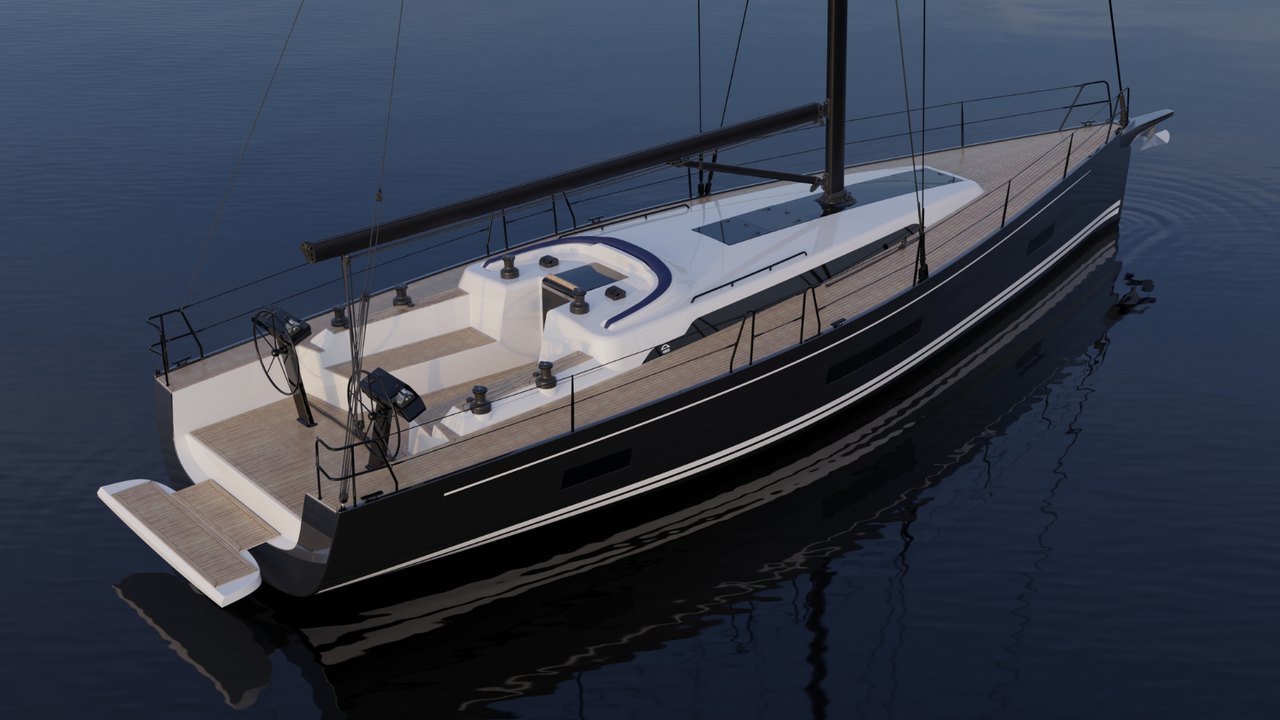
L’Arcona 465 Mk II è l’evoluzione 2026 di un performance cruiser da 14,09 metri. Introduce scafo in vetroresina accanto alla costruzione in carbonio, impianto a 24 V e batterie al litio di serie, nuove colonnine di governo e una piattaforma bagno opzionale. I dati sono preliminari e perfino il dislocamento appare diverso nei materiali consultati: prima dell’ordine servono specifica firmata e pesi della configurazione. Questa analisi segue il metodo di un capitolato tecnico, senza attribuire prestazioni a una barca non provata.
Dati preliminari da congelare nel contratto
| Voce | Dato pubblicato | Verifica |
|---|---|---|
| Lunghezza / con bompresso | 14,09 / 14,83 m | Ingombri reali |
| Galleggiamento / baglio | 13,25 / 4,24 m | Assetto e posto barca |
| Pescaggio | 2,20 / 2,50 / 2,80 m | Variante di chiglia |
| Dislocamento | Dato preliminare non uniforme | Peso contrattuale per allestimento |
| Motore | Yanmar 4JH57C, SD60 | Versione e seriali |
| Carburante / acqua | 240 / 340 l | Serbatoi e indicatori |
| Acque nere / boiler | 2 × 70 / 40 l | Circuiti e scarichi |
| Categoria | CE A-Ocean | Dotazioni e manuali |
Dislocamento: risolvere la divergenza
La pagina del cantiere riporta 9.950 kg preliminari, mentre un materiale del distributore indica 9.550 kg. Quattrocento chilogrammi sono troppo rilevanti per essere ignorati. Il contratto deve precisare peso della versione in carbonio e della vetroresina, tolleranza, liquidi inclusi e optional. Prima della consegna si richiede una pesata o documentazione equivalente. Senza questa base, confronti di assetto e prestazioni non sono tecnicamente difendibili.

Carbonio o vetroresina: due prodotti da distinguere
La 465 precedente era proposta esclusivamente in carbonio; la Mk II aggiunge uno scafo in vetroresina. Non è una semplice scelta di prezzo: cambiano massa, rigidezza, riparazione e possibile distribuzione dei rinforzi. Il capitolato deve descrivere fibre, resina, anima, zone piene e processo. In perizia si verificano laminato, paratie e giunzioni secondo il materiale effettivo. La comparazione deve includere peso finale e capacità di carico, non soltanto la denominazione.
Tre chiglie per tre programmi
I pescaggi sono 2,20, 2,50 e 2,80 metri. La versione profonda privilegia braccio raddrizzante e bolina; la ridotta facilita fondali e porti. Pinna, bulbo, zavorra e attacchi devono essere specificati per ogni variante. Il controllo a terra cerca crepe, deformazioni, fairing e segni d’urto. Un cambio di chiglia incide su dislocamento e certificazione: non va trattato come accessorio sostituibile senza analisi.

Colonnine di governo aggiornate
Le nuove colonnine derivano dall’Arcona 50 e puntano a migliorare ergonomia. Ruota, bussola, strumenti e comandi devono però essere provati da entrambi i lati con equipaggio in movimento. Si controllano catena cinematica, giochi, arresti e accesso al governo d’emergenza. La posizione dei display deve evitare riflessi e lasciare visibili vele e prua. Un aggiornamento ergonomico è valido quando riduce movimenti e carico cognitivo.
Timone, equilibrio e prova ripetibile
Il giudizio sul governo richiede vento, onda, vele e carico registrati. Si provano bolina, traverso e portanti con regolazioni progressive. Il timone deve alleggerirsi correggendo il piano velico, non richiedere forza costante. A terra si ispezionano pala, asse, boccole e tubo. La prova include recupero da straorza e conduzione ridotta. Nessuna promessa di velocità sostituisce la qualità del controllo.

Bompresso integrato e manovre portanti
Il bompresso integrato è parte della revisione e porta la lunghezza complessiva a 14,83 metri. Attacco, laminato, tack line e interferenza con l’ancora devono essere controllati. Carichi ammessi e vele compatibili vanno riportati nel manuale. Il gennaker dichiarato misura 197 m² e lo spinnaker 195 m²: la gestione richiede spazi, sacchi, circuiti e una procedura di ammainata adatta all’equipaggio.
Piano velico da verificare sulla barca
La randa è indicata in 74,4 m² e il fiocco al 107% in 54,4 m². Si identifica albero, boma, sartiame e vela effettivamente ordinati. Tessuto, grammatura, riduzioni e avvolgitori cambiano peso e facilità. Ogni manovra viene provata sotto carico compatibile. Una configurazione per regata e una da crociera oceanica possono condividere lo scafo, ma non lo stesso piano di sicurezza e manutenzione.

Coperta e piattaforma opzionale
La piattaforma bagno non è automaticamente compresa. Se scelta, si verificano portata, attuatori, interblocchi, drenaggio e recupero manuale. I percorsi laterali devono offrire antisdrucciolo e appigli con sbandata. Gavoni e vie di fuga restano accessibili. Le immagini mostrano una configurazione, non una distinta: teak, ferramenta e arredi devono essere elencati. La poppa aperta richiede anche una procedura chiara durante la navigazione.
Struttura, paratie e carichi concentrati
Chiglia, albero, lande, timone e winch concentrano forze elevate. Il controllo esamina rinforzi, tabbing delle paratie, bulloneria e segni di movimento. Attraversamenti per cavi o tubi non devono indebolire elementi strutturali o tenute. La versione in carbonio richiede attenzione alle interfacce metalliche; quella in vetroresina alla continuità dei laminati. Schemi e fotografie di costruzione sono parte utile della consegna.

Motore Yanmar 4JH57C e SD60
Il motore ausiliario indicato è uno Yanmar 4JH57C con saildrive SD60. Si controllano seriali, accessibilità, supporti, filtri, raffreddamento, scarico e insonorizzazione. La membrana del saildrive, gli anodi e la protezione galvanica hanno scadenze precise. La prova a motore registra regime, velocità, temperatura e vibrazioni in direzioni opposte. Capacità di arresto e governo in retromarcia sono più utili di un picco isolato.
Carburante: 240 litri e riserva
Serbatoio, bocchettone, sfiato, sensore e decantatore devono essere accessibili. L’autonomia si calcola con consumo misurato, mare e riserva prudenziale. Il registro dei rifornimenti verifica la precisione dell’indicatore. Un serbatoio contaminato rende inutile la capacità nominale; drenaggio e campionamento sono quindi parte della manutenzione. Eventuali riscaldatori o generatori devono entrare nel bilancio.

Impianto a 24 V come piattaforma
La Mk II adotta 24 V e batterie al litio di serie. Capacità, chimica, BMS, contattori e protezioni devono essere specificati. Si verifica compatibilità fra alternatore, caricabatterie, inverter e utenze. Il collaudo applica carichi simultanei e controlla tensione, temperatura e allarmi. Una batteria al litio non è soltanto maggiore autonomia: richiede strategia di isolamento, ventilazione, spegnimento e assistenza adeguata.
Separare avviamento e servizi
Il banco motore deve poter avviare anche dopo un problema ai servizi. Schemi, fusibili e sezionatori devono rendere evidente la separazione. Si prova il comportamento con BMS dei servizi aperto e si verifica l’alimentazione di navigazione, comunicazioni e sentine. Ponti d’emergenza richiedono istruzioni, non improvvisazione. Ogni modifica successiva deve aggiornare schema e calcolo dei cavi.

Interni aggiornati e controllo dei pesi
La revisione introduce superfici, palette e dettagli contemporanei. Ogni scelta di materiale influenza massa e manutenzione. Pannelli, tavolo, sedute e paglioli devono avere fermi marini e lasciare accessi. Il controllo si svolge aprendo tutti i vani e verificando valvole, pompe e cablaggi. Il comfort deriva anche da appigli continui e spigoli protetti; la finitura non deve trasformarsi in barriera tecnica.
Luce naturale e nuove finestre
Le finestre scafo sono state riprogettate per aumentare luce e aggiornare il profilo. Aperture e incollaggi devono conservare continuità strutturale e tenuta. Si controllano bordi, sigillanti, schermature e condensa. In mare si osservano movimenti e rumori. Le superfici vetrate influenzano temperatura e privacy: ventilazione e oscuramento devono essere valutati nella configurazione ordinata.

Finiture diverse, impianti uguali
La combinazione di legni chiari o caldi non cambia requisiti di sicurezza. Cerniere, chiusure, bordi e incollaggi devono resistere a umidità e sbandata. Cucina, frigorifero e fornello vengono provati con più utenze. Valvole gas, rilevatore e ventilazione vanno identificati. I rendering spiegano le alternative ma non impegnano il cantiere: colori, tessuti e dotazioni devono essere allegati al contratto.
Acqua dolce e boiler
La capacità dichiarata è 340 litri, con boiler da 40. Si provano autoclave, portata simultanea, sensore e possibilità di sanificazione. Tubi e raccordi devono essere accessibili, senza sfregamenti. Un dissalatore opzionale introduce prefiltri, presa a mare e conservazione della membrana. L’autonomia si costruisce su persone e consumi reali, mantenendo una riserva per guasti.

Acque nere: due serbatoi da 70 litri
I due serbatoi indicati totalizzano 140 litri. Ogni circuito viene seguito da WC a valvole, anti-sifone, ventilazione e aspirazione da terra. Indicatori e pompe devono essere provati. Tubi permeati o sfiati insufficienti generano odori. Gli accessi devono permettere manutenzione senza rimuovere arredi estesi. La capacità va inserita nel piano di crociera insieme ai limiti locali di scarico.
Elettronica aggiornata e modalità degradata
La Mk II annuncia elettronica aggiornata, ma marchi e display devono essere confermati. Si mappa la rete dati, identificando sensori e alimentazioni condivise. Il guasto di un display o del backbone non deve eliminare bussola, profondità, comunicazioni e governo. Backup delle configurazioni, VHF portatile e carte completano il piano. Aggiornare software senza una copia dello stato precedente aumenta il rischio.
Accessori e matrice di integrazione
Winch elettrici, avvolgitori, riscaldamento, dissalatore, pannelli solari e autopilota vengono valutati per massa, ampere e manutenzione. Ogni opzione riceve protezione, comando manuale e ricambio critico. Le utenze ad alto assorbimento devono essere compatibili con il banco litio e la ricarica. Una scelta coerente con la missione migliora la barca; un elenco senza priorità consuma capacità di carico.
Perizia pre-consegna
A terra si controllano laminato, chiglia, timone, saildrive, prese a mare e struttura. Con albero armato si verificano sartiame e lande. In acqua si provano motore, governo, manovre, pompe e sistema elettrico. Il peso reale viene confrontato con il capitolato. Documenti CE, manuali, seriali e garanzie devono corrispondere. Ogni rilievo ha responsabile e scadenza.
Manutenzione e monitoraggio
Prima dell’uscita: rig, governo, sentine, livelli e stato batterie. Ogni mese: pompe, allarmi, BMS, winch e piattaforma. A stagione: chiglia, timone, saildrive, anodi, sartiame e sigillature. Tensione del rig, capacità del banco e consumi vengono registrati. Un sistema moderno resta affidabile soltanto se i dati di esercizio rendono visibili le derive.
Valutazione tecnica
L’Arcona 465 Mk II propone scelte sostanziali: carbonio o vetroresina, tre chiglie, 24 V e litio standard. La qualità del risultato dipenderà dalla specifica definitiva e dal controllo dei pesi. Il piano velico è potente, gli impianti promettono autonomia e l’ergonomia è aggiornata, ma i dati preliminari vanno congelati prima dell’ordine. Una sequenza di verifiche rigorosa trasforma la novità in una barca verificabile.