
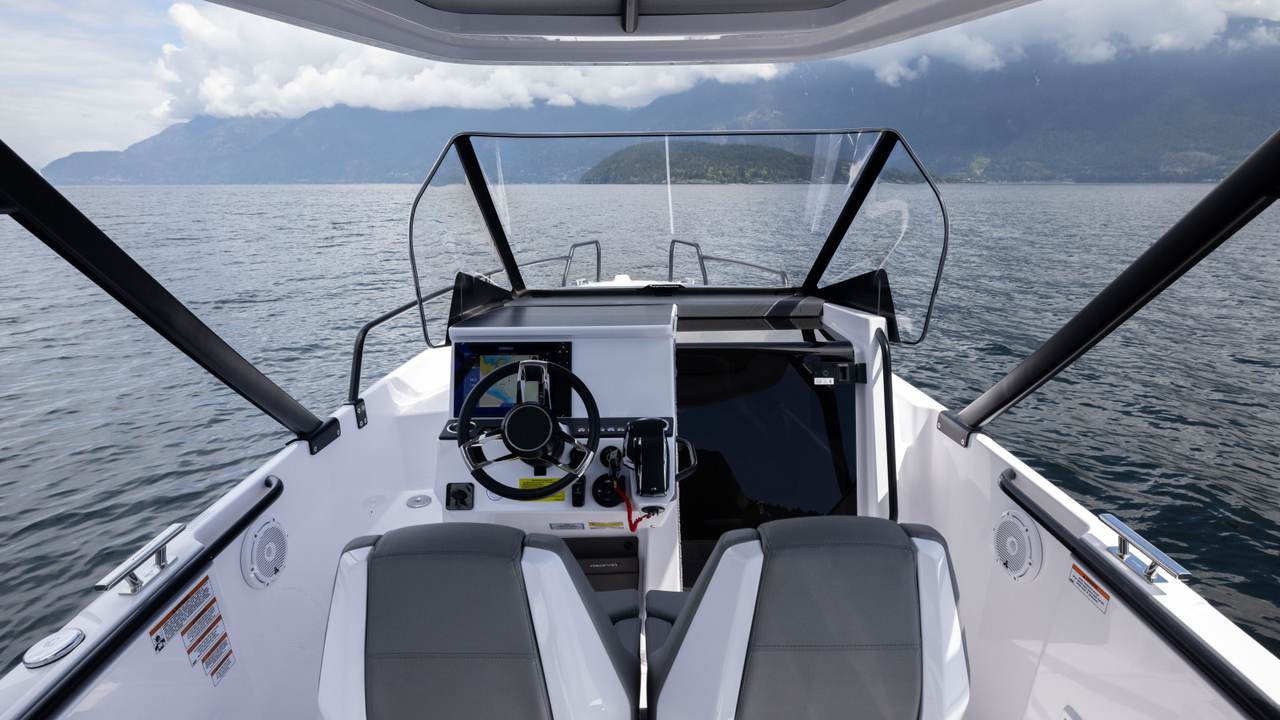
Configurare un Axopar 25 Cross Top significa coordinare fuoribordo, coperta, volume notte, impianto carburante e dotazioni entro una piattaforma lunga 8 metri e larga 2,23. Il modello può ricevere motori da 200 a 300 hp e ospitare otto persone in categoria C, ma ogni scelta cambia massa, autonomia e uso. Questa sequenza di verifiche parte dai dati ufficiali e separa ciò che è dichiarato dalle verifiche da compiere sulla singola barca.
Configurazione di base
| Parametro | Specificazione |
|---|---|
| Lunghezza senza motore | 8,00 m |
| Baglio | 2,23 m |
| Peso senza motore | 1.750 kg |
| Pescaggio alle eliche | 0,85 m |
| Potenza fuoribordo | 200–300 hp |
| Carburante | 230 l |
| Capacità | 8 persone, categoria C |
| Posti letto | 2 |
| Materiale dichiarato | GRP |
| Velocità dichiarata | fino a 45 nodi |
Prima dell’ordine si aggiungono alla scheda massa del motore scelto, batterie, carburante, dotazioni, arredi e carrello. Solo il totale reale consente di verificare trasporto e sollevamento.
Scegliere 200, 250 o 300 hp
La scelta non va ridotta alla velocità massima. Un motore più potente può offrire margine con carico, ma pesa e costa di più e può cambiare consumi e assicurazione. Il 250 hp è la configurazione associata dal costruttore al riferimento di consumo a crociera. Per ogni opzione si chiedono elica prevista, regime massimo, alternatore, peso, intervalli di manutenzione e disponibilità di assistenza nella zona d’uso.

verifica dello specchio di poppa
Si controllano piastre, bulloni, sigillature, passaggi di sterzo e cablaggi, cercando fessure, infiltrazioni o deformazioni. Il fuoribordo deve inclinarsi senza interferenze con coperta e accessori. Cavi e tubi non devono lavorare in trazione a fine corsa. Dopo le prime ore è prudente far verificare serraggi e tenuta secondo le indicazioni di cantiere e produttore del motore.
Carburante: dal bocchettone al filtro
I 230 litri dichiarati alimentano un impianto che comprende bocchettone, sfiato, serbatoio, tubazioni, valvole e filtrazione. Prima dell’avviamento si cercano odori e tracce in sentina; durante il rifornimento si evita il trabocco e si osserva lo sfiato. Acqua e contaminanti nel carburante richiedono prevenzione, soprattutto dopo lunghi periodi di fermo. Ogni componente deve restare accessibile.

Autonomia: usare il dato di 1,2 l/nm
Axopar indica 1,2 litri per miglio a 25 nodi con Mercury 250 hp. È un punto di misura dichiarato, non un valore costante. Per la propria barca si registra carburante rabboccato, miglia GPS, carico e mare su più uscite. L’autonomia pianificata usa consumo prudente e volume utilizzabile con riserva; non presume che tutti i 230 litri possano essere consumati.
Batteria, ricarica e sezionamento
Motore, strumenti, luci e servizi dipendono dal bilancio elettrico della configurazione ordinata. Si identificano batterie, interruttori, fusibili, caricabatterie e punti di massa. A motore spento gli assorbimenti devono essere controllati; un accessorio aggiunto non va collegato senza protezione e schema. La sequenza di verifiche di fine giornata include spegnimento dei carichi, tensione e assenza di calore o ossidazione ai terminali.

Posto guida ed ergonomia
Volante, manetta e display devono essere leggibili sia seduti sia in appoggio. Prima di partire si impostano unità, allarmi, profondità e pagine motore, senza navigare nei menu durante una manovra. Parabrezza e montanti possono creare angoli ciechi: il timoniere li verifica muovendo il punto di osservazione. Cime, telefoni e oggetti non devono ostacolare comando o sterzo.
Passaggi laterali e coperta
La configurazione aperta richiede una disciplina di stivaggio. I passaggi ai lati della consolle devono restare liberi, le superfici pulite e i tientibene solidi. Prima dell’uscita si chiudono gavoni e si bloccano cuscini e moduli. Con otto persone si assegnano posti durante accelerazioni e rientro; nessuno si sposta a prua mentre il conducente non ha confermato condizioni sicure.

Scegliere il layout poppiero
Le configurazioni ufficiali mostrano soluzioni diverse per sedute e spazio libero. Prima di ordinare, si elencano attrezzature tipiche, numero di ospiti e modalità d’accesso all’acqua. Un divano o prendisole aumenta il comfort ma occupa superficie; una coperta aperta facilita carichi e pesca. Va verificato che ogni modulo lasci accesso a sentina, batterie, filtro carburante e fissaggi.
Volume notte per due persone
Il posto letto dichiarato richiede controlli pratici: ingresso, lunghezza, aerazione, illuminazione, vie d’uscita e spazio per gli effetti personali. Dopo una notte si deve poter asciugare la condensa. Se vengono aggiunti servizi o prese, il contratto deve precisare componenti, scarichi, ventilazione e protezioni. Il volume non va usato per stivare oggetti pesanti non fissati durante la navigazione.

Drenaggio e sentina
Si localizzano scarichi, tappi, pompe e allarmi, provandoli con modalità consentite. Foglie, sabbia e piccoli oggetti possono ostruire le canalizzazioni. Dopo lavaggio o pioggia si verifica che nessun vano trattenga acqua. La presenza di una pompa non dimostra la sua efficienza: alimentazione, galleggiante, tubo e uscita richiedono ispezioni regolari e registrazione degli interventi.
T-top e accessori superiori
La struttura Cross Top deve essere controllata nei fissaggi e nei punti di contatto con parabrezza e coperta. Antenne, luci o tessuti aggiunti cambiano altezza e carico al vento. Prima del trasporto si rimuovono gli elementi previsti e si usano soltanto punti di rizzaggio autorizzati. Scricchiolii o gioco non vanno mascherati serrando a caso: occorre verificare supporti e coppie corrette.

Varo: sequenza minima
Prima della rampa si controllano tappo, cime, parabordi, batteria, carburante, motore sollevato e attrezzatura fissata. In acqua si verifica raffreddamento, sterzo, innesto, strumenti e assenza di infiltrazioni prima di lasciare il pontile. Il conducente prova arresto e retromarcia in spazio libero. Il pescaggio alle eliche di 0,85 metri impone margine su fondali e rampa.
Prova di consegna con dati registrati
Con carico noto si annotano regime, velocità GPS, trim, pressione o dati motore disponibili e consumo istantaneo a più andature. Si verifica il raggiungimento del regime raccomandato a pieno gas solo quando condizioni e rodaggio lo consentono. La velocità “fino a 45 nodi” serve da contesto, non da unico criterio di accettazione. Vibrazioni, sbandamento o allarmi richiedono indagine.

Trasporto e massa effettiva
Il peso di 1.750 chilogrammi esclude il motore. Vanno aggiunti fuoribordo, carburante, batterie, allestimenti, dotazioni e rimorchio. Si pesa la combinazione pronta alla strada, poi si confrontano portate di carrello, assi, pneumatici e gancio. La lunghezza dichiarata esclude il motore: ingombro totale, supporto poppiero e posizione del baricentro devono essere misurati direttamente.
Manutenzione dopo acqua salata
Il fuoribordo si risciacqua secondo manuale, senza avviare o alimentare circuiti nella sequenza sbagliata. Elica, piede e prese vengono ispezionati dopo contatti o detriti. Coperta, ferramenta e T-top si lavano con prodotti compatibili, poi si asciugano cabina e gavoni. Anodi, olio, filtri, girante e manutenzioni seguono ore e calendario del produttore, con fatture e seriali conservati.
Controlli periodici del composito
Gelcoat, giunzioni, attacchi e specchio si ispezionano con luce pulita, distinguendo graffi superficiali da crepe o movimenti. Un tecnico valuta umidità e struttura quando compaiono segnali sospetti. Forare il GRP per un accessorio richiede posizione autorizzata, sigillatura e rinforzo adeguato. Tutte le modifiche vanno fotografate prima della chiusura dei pannelli e riportate nello schema di bordo.
sequenza di verifiche documentale
La consegna deve includere dichiarazione e targhetta, manuale della barca, manuale motore, garanzie, distinta optional, seriali, schema elettrico e certificati richiesti. Si registrano chiavi, codici, elica, firmware e primo tagliando. Un inventario fotografico protegge acquirente e venditore e facilita i ricambi. Le promesse commerciali non riportate nel contratto non sono una specifica verificabile.
Valutazione conclusiva
La consegna si chiude soltanto quando inventario e funzioni coincidono con il contratto. Si fotografano numeri di serie, ore iniziali, elica, batterie, strumenti e accessori; si provano chiavi, chiusure, pompe, luci e caricabatterie. Eventuali mancanze vengono annotate con responsabile e data di risoluzione, senza affidarsi a promesse verbali. Una copia del verbale resta a bordo e una a terra. Questo passaggio rende più semplice distinguere un difetto di consegna da un problema nato durante l’uso.
Per evitare che la sequenza di verifiche diventi un documento dimenticato, ogni controllo deve indicare frequenza e responsabile. Prima di ogni uscita si verificano sicurezza, sentina, carburante e motore; ogni mese si provano batterie, pompe e fissaggi; a inizio e fine stagione si controllano scafo, anodi, filtri e documenti. Le scadenze si adattano al manuale e alle ore reali, senza sostituirlo. Annotare “regolare” non basta: è preferibile registrare tensione, ore, litri, data e componente, così un cambiamento può essere riconosciuto.
Una seconda scheda riguarda le anomalie. Odore di carburante, acqua ricorrente, vibrazione, sterzo duro, temperatura, allarme o calo di regime richiedono una decisione esplicita: fermare, rientrare o affidare la barca all’assistenza. Cancellare un messaggio senza capirlo elimina soltanto l’avviso. Fotografie, video e dati del display devono essere raccolti in sicurezza, mai durante una manovra. Il registro unisce sintomo, carico, meteo e intervento eseguito, evitando sostituzioni casuali.
Infine, la configurazione deve rimanere leggibile nel tempo. Ogni accessorio aggiunto entra nella distinta con assorbimento, fusibile, peso, posizione e manuale. Cavi non identificati e fori non documentati complicano la diagnosi e possono compromettere garanzia o tenuta. Dopo un cambio proprietario, questa documentazione vale quanto un interno ben conservato: consente di sapere che cosa è originale, che cosa è stato modificato e quali controlli devono essere ripetuti prima dell’uso.
L’Axopar 25 Cross Top è configurabile senza diventare dispersivo, purché le decisioni seguano il programma d’uso. Motore, layout poppiero, elettronica e servizi notte devono essere scelti come un insieme con massa e accessi manutentivi noti. Una sequenza di verifiche ben costruita rende verificabili autonomia, trasporto e sicurezza e impedisce che la velocità dichiarata oscuri gli aspetti quotidiani: drenaggio, batterie, carburante, rimessaggio e manutenzione.