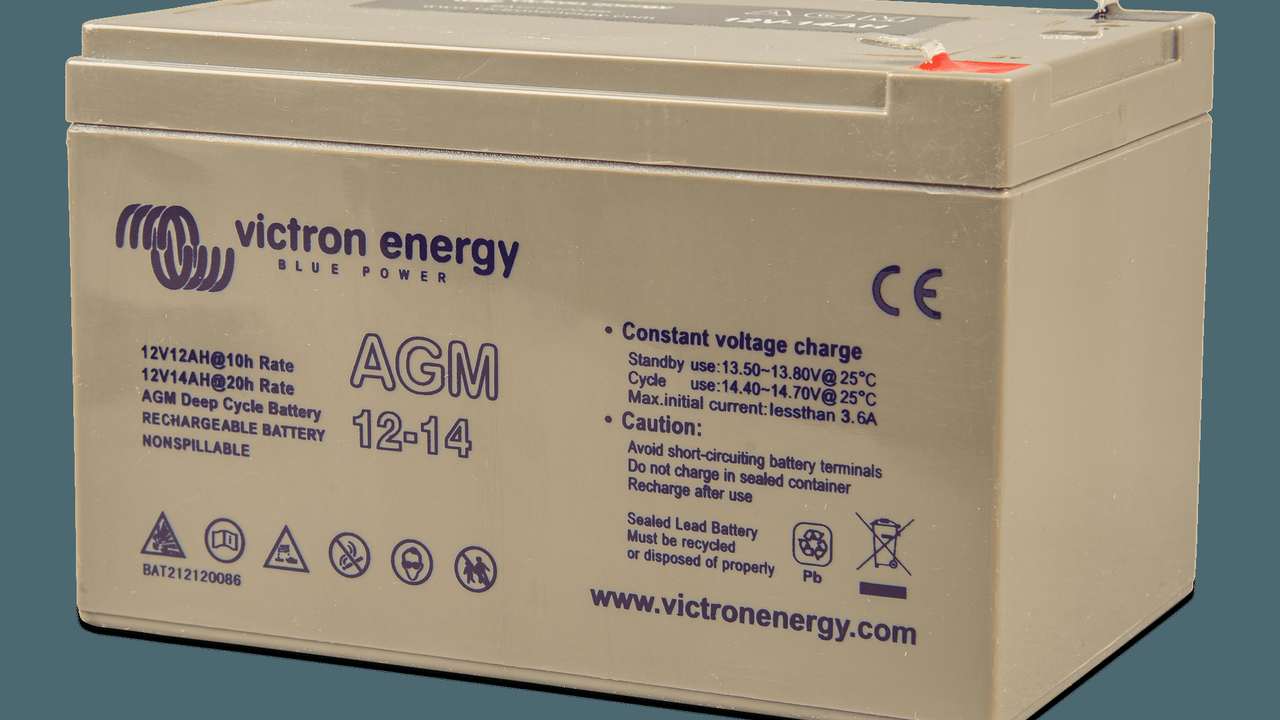
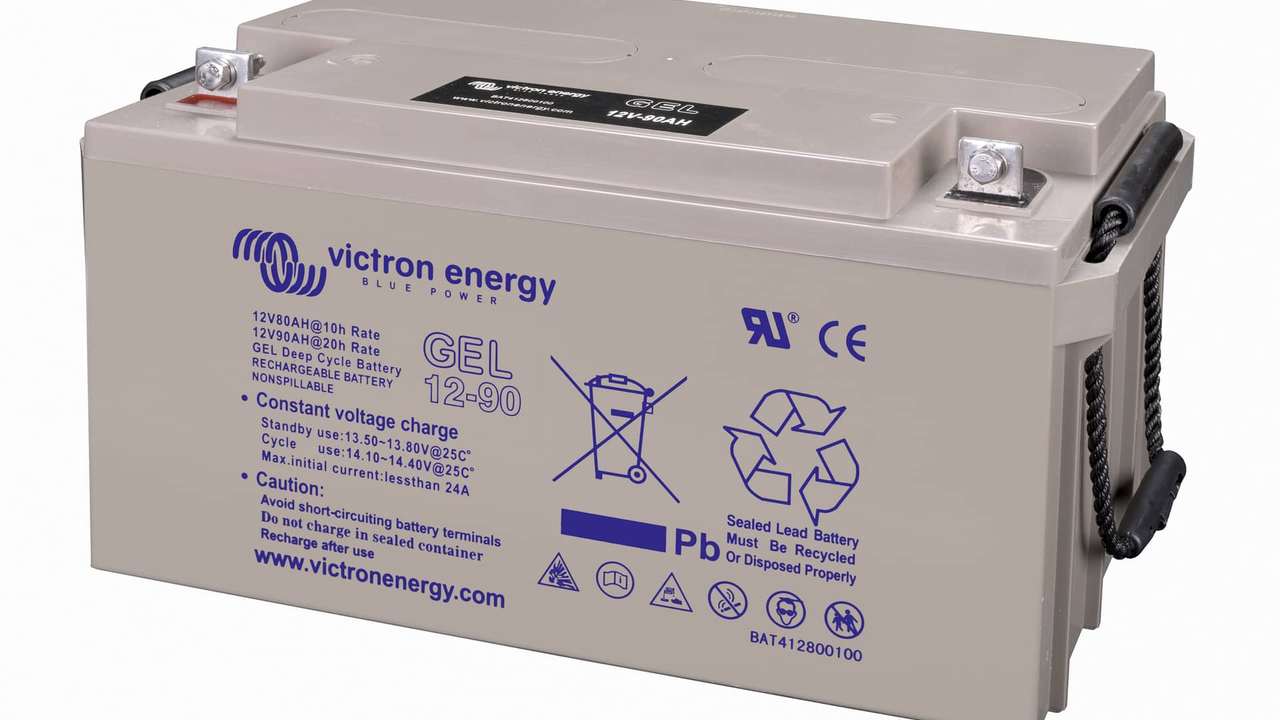
Una batteria AGM o GEL può mostrare circa dodici volt a riposo e crollare appena partono frigorifero, inverter o pompa. La tensione senza corrente non dimostra la capacità: superficie di carica, terminali resistivi, solfatazione, un modulo debole o una ricarica incompleta possono produrre lo stesso sintomo. Prima di sostituire il banco si registrano condizioni, si identificano tecnologia e codice, si misura sotto carico e si verifica l’intera catena di ricarica. la procedura separa batteria, parallelo, cablaggio, monitor e sorgenti, evitando diagnosi basate su una sola lettura.
Registrare tensione, corrente e tempo
Si annotano stato delle sorgenti, ore dall’ultima carica, carichi attivi, temperatura, tensione ai poli e corrente. La misura viene ripetuta prima, durante e dopo il carico che causa il problema. Un calo istantaneo con recupero rapido differisce da una capacità che si esaurisce progressivamente. Si fotografa cablaggio e monitor senza scollegare nulla. Banchina e solare vengono messi in stato noto. Questi dati permettono di ripetere il difetto e impediscono che una breve ricarica cancelli la superficie utile alla diagnosi.
Identificare AGM, GEL e famiglia
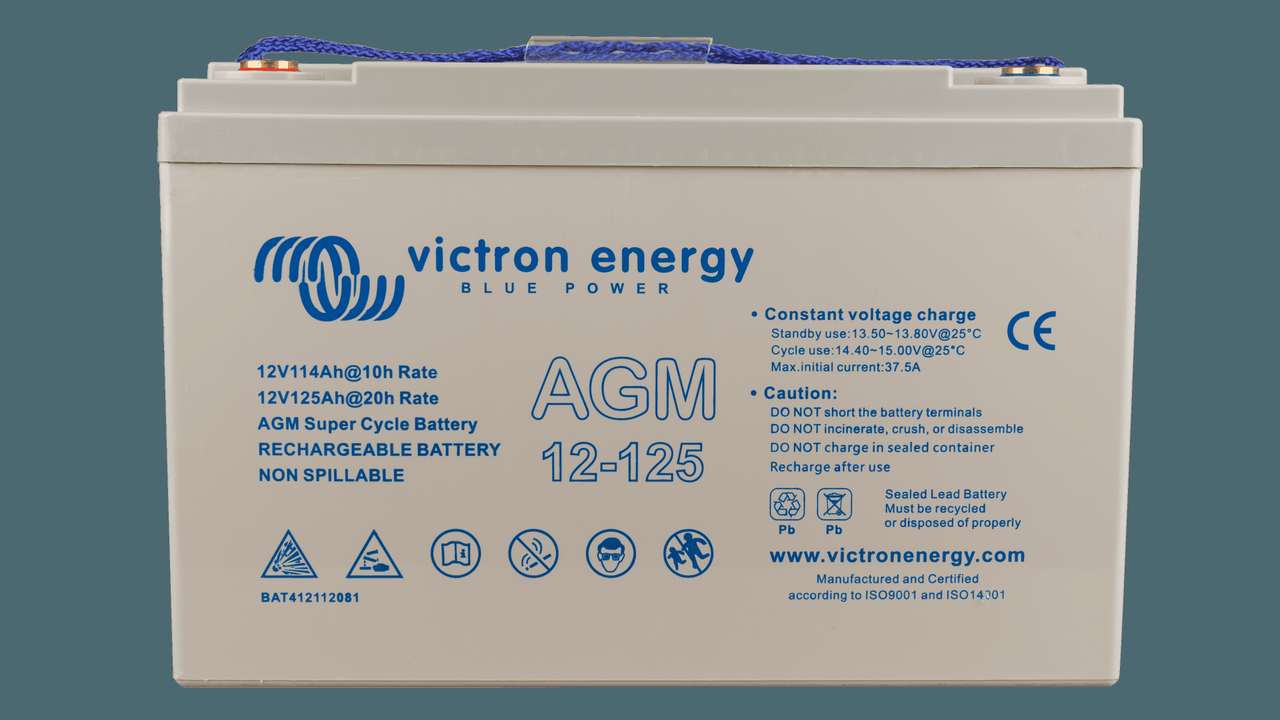
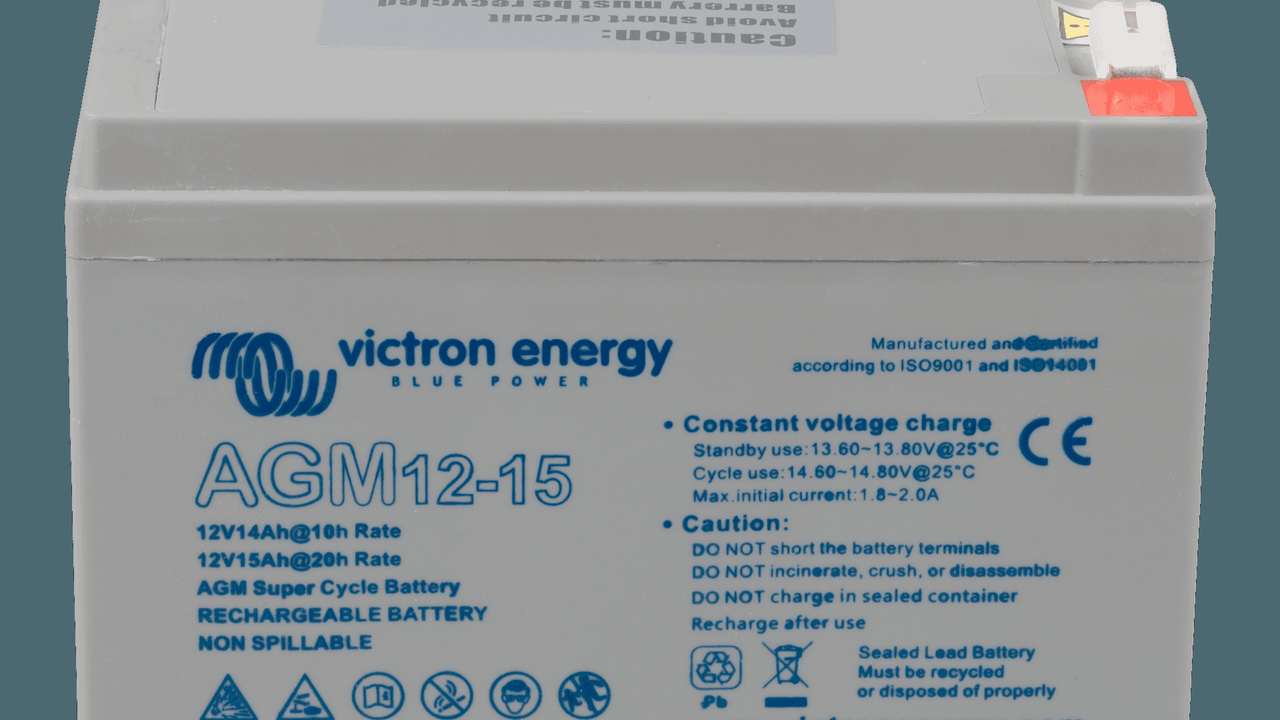
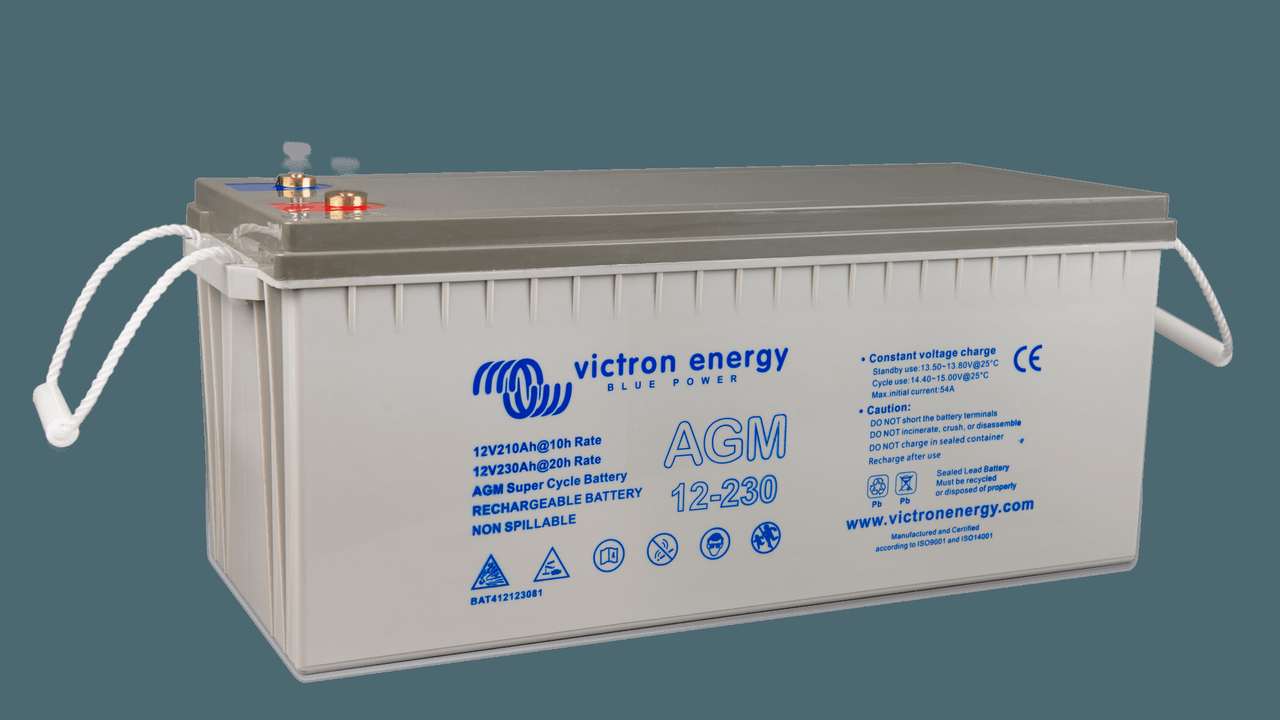
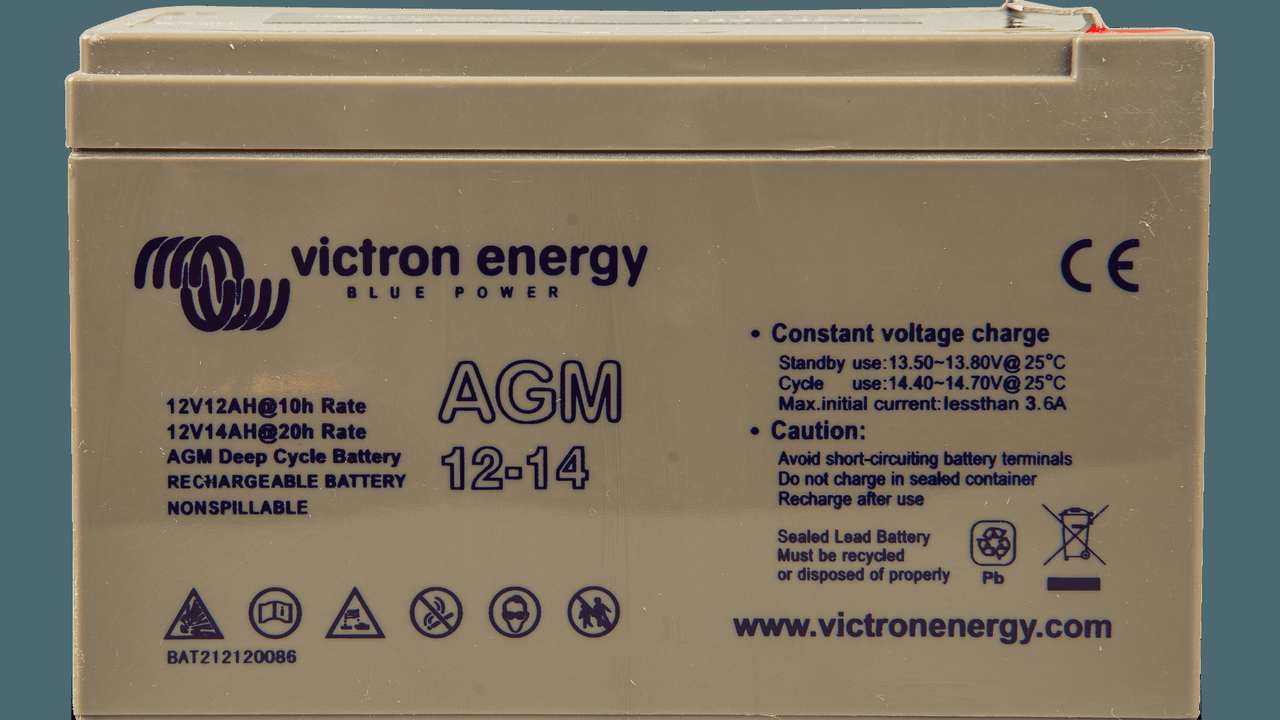
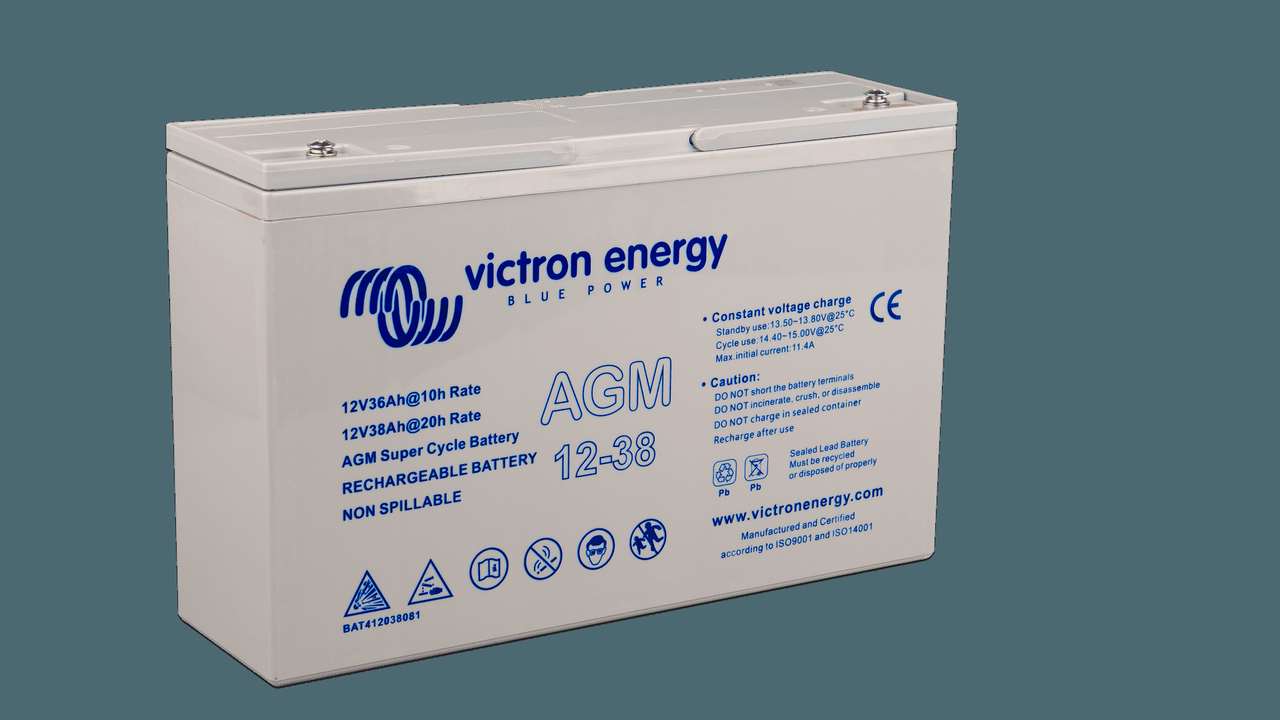
Si legge il codice completo, capacità, tensione, età e tecnologia di ogni modulo. Deep Cycle, AGM Super Cycle, GEL e batterie destinate a servizi Telecom non vengono considerate equivalenti. Si annotano collegamenti in serie o parallelo, terminali e profilo configurato. Batterie diverse per età, capacità o tecnologia rendono il banco difficile da interpretare. Se manca documentazione, lo schema viene ricostruito fisicamente. La procedura e i valori di carica seguono il modello reale, non la forma della scatola o una dicitura generica sul quadro.
Eliminare la superficie di carica
Dopo una ricarica recente la tensione può sembrare alta senza rappresentare energia disponibile. Si applica la procedura di riposo o carico leggero prevista, senza scaricare inutilmente il banco. Poi si misura di nuovo. La tensione viene interpretata insieme a temperatura e corrente. Un valore stabile a vuoto può ancora crollare sotto richiesta. Non si accende un grande inverter come primo test. Si parte da carichi noti e controllabili, registrando il comportamento in modo che la prova possa essere confrontata dopo ogni correzione.
Tabella rapida della diagnosi
| Sintomo | Controllo prioritario | Chiusura |
|---|---|---|
| Crollo istantaneo | Terminali, fusibile, ramo debole e carico | Caduta localizzata e corretta |
| Autonomia ridotta | Carica completa e prova capacità | Energia utile misurata |
| Un modulo caldo | Corrente del ramo e resistenza | Ripartizione uniforme |
| Carica non termina | Profilo, tensione ai poli e batteria | Fasi completate correttamente |
| Percentuale errata | Shunt, capacità e sincronizzazione | Monitor confrontato con misura |
Misurare direttamente ai poli
La tensione viene rilevata ai terminali della batteria e poi alle barre nello stesso momento e sotto corrente. La differenza localizza percorso positivo o negativo. Se il quadro crolla ma i poli restano stabili, la batteria non è la prima indiziata. Si usano strumenti adatti e si proteggono i terminali da corti. Ogni modulo in parallelo viene controllato nello stesso scenario. Le letture non vengono confrontate se ottenute con carichi diversi. Dopo la riparazione si ripete esattamente la condizione iniziale.
Controllare fusibile e sezionatore
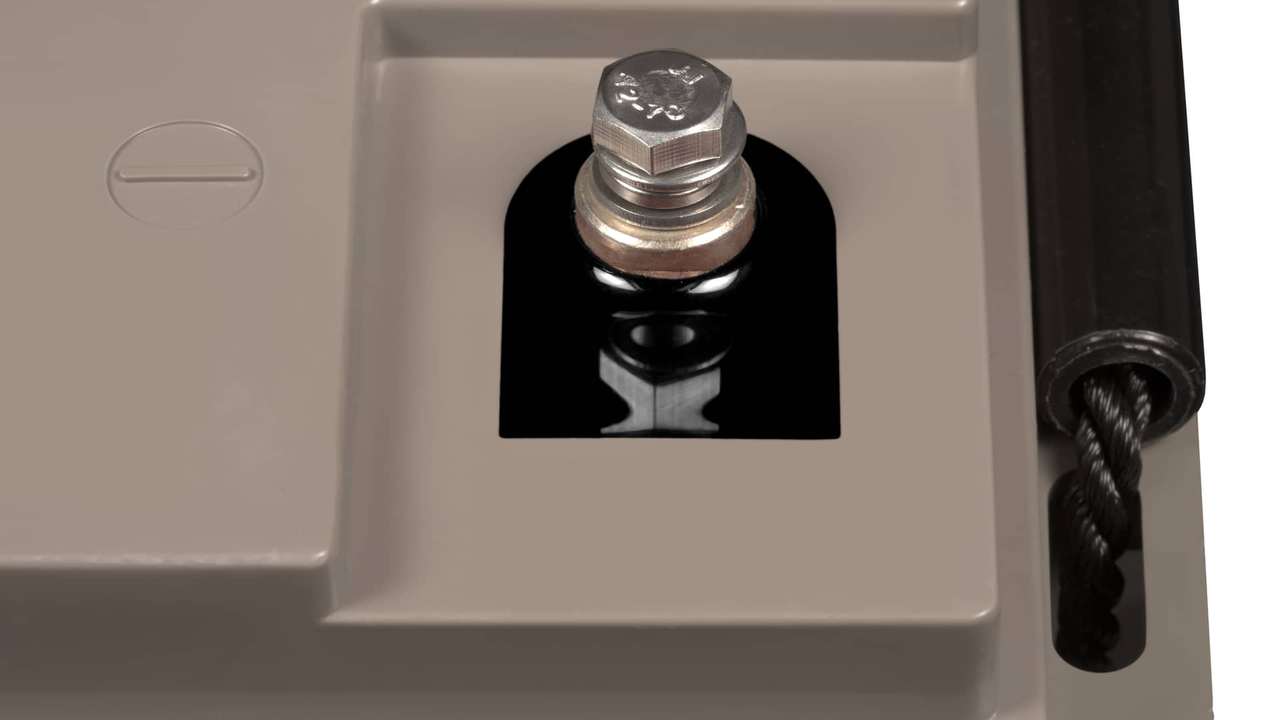
Portafusibile, elemento, sezionatore e capicorda possono introdurre resistenza. Si misura la caduta ai loro capi durante il carico. A circuito isolato si ispezionano ossido, scolorimento, crimpatura e coppia. Un fusibile visivamente integro non garantisce un contatto efficiente. Il ricambio mantiene tipo, valore e capacità di interruzione. Non si ponticella per prova e non si aumenta la taglia. Un punto caldo conduce alla misura della corrente e alla correzione della connessione, non a una diagnosi automatica di batteria esaurita.
Confrontare i rami del parallelo
Con pinza adeguata si misura la corrente di ogni batteria durante scarica e ricarica. Un ramo che contribuisce poco può avere collegamento resistivo o modulo degradato; uno che contribuisce troppo può invecchiare prima. Si confrontano lunghezze, sezioni e punti di prelievo. Batterie di età diversa vengono valutate come possibile causa. Non si scollega un ramo sotto corrente. Dopo isolamento si controllano terminali e stato del modulo. La ripartizione deve migliorare nella stessa prova, non soltanto a banco appena caricato.
Eseguire una prova sotto carico noto
Si usa un carico controllato e compatibile, registrando corrente, tensione e durata. Picchi casuali non permettono di stimare capacità. Il test parte da stato definito e viene interrotto ai limiti operativi scelti. Si osservano tutti i moduli e le temperature. Un calo eccessivo immediato indica resistenza o batteria debole; una discesa regolare ma rapida indica capacità ridotta o banco piccolo. La prova non viene usata per portare deliberatamente una batteria oltre una scarica prudente. Segue ricarica completa.
Verificare il caricatore di banchina
Si controllano profilo AGM o GEL, tensioni, corrente e durata delle fasi. La misura ai poli permette di vedere le cadute. Un caricatore che passa presto al mantenimento può lasciare il banco incompleto; uno con valori inadatti può scaldarlo o accelerare degrado. Si verifica l’effetto dei carichi presenti durante la ricarica. La diagnosi osserva l’intero ciclo, non pochi minuti. Dopo la carica prevista si lascia riposare e si ripete il test sotto carico. Solo così si distingue ricarica insufficiente da capacità realmente persa.
Controllare alternatore e cadute
Si misura all’alternatore, alla batteria motore, all’ingresso del separatore o DC-DC e ai poli servizi. Le letture vengono prese insieme a corrente e regime autorizzato. Una caduta su cavo o isolatore può impedire il completamento della carica pur mostrando tensione in aumento. Si considerano regolatore, sensing e temperatura della macchina. Non si scollega una batteria con alternatore attivo. Dopo la correzione si verifica che il banco accetti corrente e raggiunga le fasi previste, senza sacrificare la batteria di avviamento.
Valutare il contributo solare
Pannelli e regolatore vengono osservati con irraggiamento noto. Si controllano profilo, tensione ai poli e corrente netta dopo i carichi di bordo. Una piccola produzione può mantenere la tensione senza recuperare il deficit. Ombra, stagione e orientamento riducono l’energia rispetto alla targa. La prova viene eseguita con banchina e motore in stato definito. Se il solare completa correttamente la carica, il monitor deve riflettere energia accettata. Un valore di potenza istantaneo non dimostra il bilancio giornaliero.
Temperatura e comportamento del banco
Si misura ambiente, moduli e terminali durante carica e scarica. Freddo e corrente influenzano la capacità disponibile; calore accelera il degrado. Un modulo più caldo degli altri suggerisce corrente sbilanciata o resistenza. Si verifica vicinanza a motore, inverter e paratie. Il caricatore usa la compensazione prevista dalla tecnologia. Non si raffredda o riscalda artificialmente per far passare la prova. Dopo aver corretto ventilazione o collegamenti si ripete lo stesso ciclo, mantenendo vano e portelli come in navigazione normale.
Segni di solfatazione e scarica cronica
Un banco lasciato ripetutamente incompleto può perdere capacità. La diagnosi usa cronologia di carica, autonomia e prova controllata; non attribuisce la causa soltanto all’età. Si cercano carichi parassiti, profili errati e tempi insufficienti. Eventuali procedure di recupero vengono applicate soltanto se previste per la batteria e l’impianto, senza tensioni improvvisate. Una capacità che non ritorna dopo carica corretta viene documentata. Sostituire il banco senza correggere la ricarica prepara lo stesso guasto sulle batterie nuove.
Controllare carichi parassiti
A quadro spento si misura la corrente residua e si isola un circuito alla volta secondo procedura. Monitor, modem, pompe automatiche e memorie possono consumare energia per giorni. Non si rimuovono fusibili a caso in presenza di sistemi critici. Il valore viene confrontato con la permanenza prevista. Un piccolo assorbimento continuo può spiegare un banco scarico senza difetto interno. La soluzione assegna alimentazione e priorità corrette, mantenendo servizi di sicurezza. Dopo la correzione si verifica la corrente residua nelle stesse condizioni.
Verificare lo shunt e il monitor
Tutti i ritorni del banco devono attraversare lo shunt, tranne i collegamenti previsti dallo schema. Si controllano capacità configurata, efficienza, corrente di coda e sincronizzazione. Una percentuale errata può far credere che il banco sia pieno quando la carica non è terminata. Il monitor viene confrontato con multimetro e pinza. La tensione indicata su un punto remoto può differire dai poli sotto carico. Dopo la configurazione si esegue un ciclo completo e si osserva se energia in ingresso e uscita diventano coerenti.
Ispezionare fissaggio e ambiente
Movimento e vibrazioni possono allentare terminali o danneggiare il contenitore. A circuito sicuro si controllano staffe, cinghie, supporto, coperture e trazione dei cavi. Rigonfiamenti, perdite, odori o deformazioni richiedono sospensione e gestione appropriata. Il vano deve permettere ispezione e condizioni previste, anche per batterie sigillate. Condensa e oggetti metallici vengono rimossi. Dopo l’intervento i cavi sono sostenuti e la fotografia as-built aggiornata. Un difetto intermittente con mare formato può avere causa meccanica.
Prova di capacità e criteri di sostituzione
Dopo carica completa e riposo controllato si applica un carico noto entro limiti prudenti. Si registra energia restituita, tensione, corrente, tempo e temperatura. Nei paralleli si osservano i rami. Il risultato viene corretto per condizioni e confrontato con età e necessità operative. Una batteria viene sostituita quando la capacità o la resistenza non soddisfano più il progetto, non perché mostra una singola tensione bassa. La sostituzione parziale considera omogeneità del banco e rischio di squilibrio fra nuovo e usato.
Ripristino e prova completa
Si ripristinano protezioni, coppie, coperture e configurazioni. Banchina, alternatore e solare vengono provati separatamente. Il banco raggiunge la fase prevista, riposa e alimenta carichi continui e picchi autorizzati. Si misurano cadute, correnti dei rami e temperature. I carichi parassiti vengono verificati a quadro spento. Il test viene ripetuto dopo raffreddamento. Un valore vicino a dodici volt non basta: il banco deve accettare energia, conservarla e restituirla senza collassi o punti caldi nella durata prevista.
Prevenzione e registro
Il registro conserva tecnologia, moduli, età, capacità, profili, fusibili, cavi e risultati del collaudo. Le ispezioni cercano ossido, calore, trazione, fissaggi e differenze fra batterie. Si annotano scariche profonde e periodi senza ricarica completa. Una nuova utenza riapre il bilancio energetico. L’equipaggio sa quali carichi ridurre e come leggere corrente e stato. Questa disciplina rende riconoscibile il degrado progressivo e impedisce che un banco sano venga sostituito per un portafusibile caldo o un monitor sincronizzato male.
Verdetto della procedura
Una batteria AGM o GEL che crolla va diagnosticata con corrente, tempo e temperatura. La sequenza utile è poli, barre, fusibili, rami, carico, ricarica e capacità. Solo dopo aver escluso cadute, profili errati e monitor si decide la sostituzione. Il ripristino valido dimostra carica completa, energia utile, ripartizione uniforme e stabilità sotto i carichi reali. Così il numero sul voltmetro torna a essere una misura dentro un sistema, non il verdetto affrettato su una batteria che potrebbe essere soltanto scarica o mal collegata.