
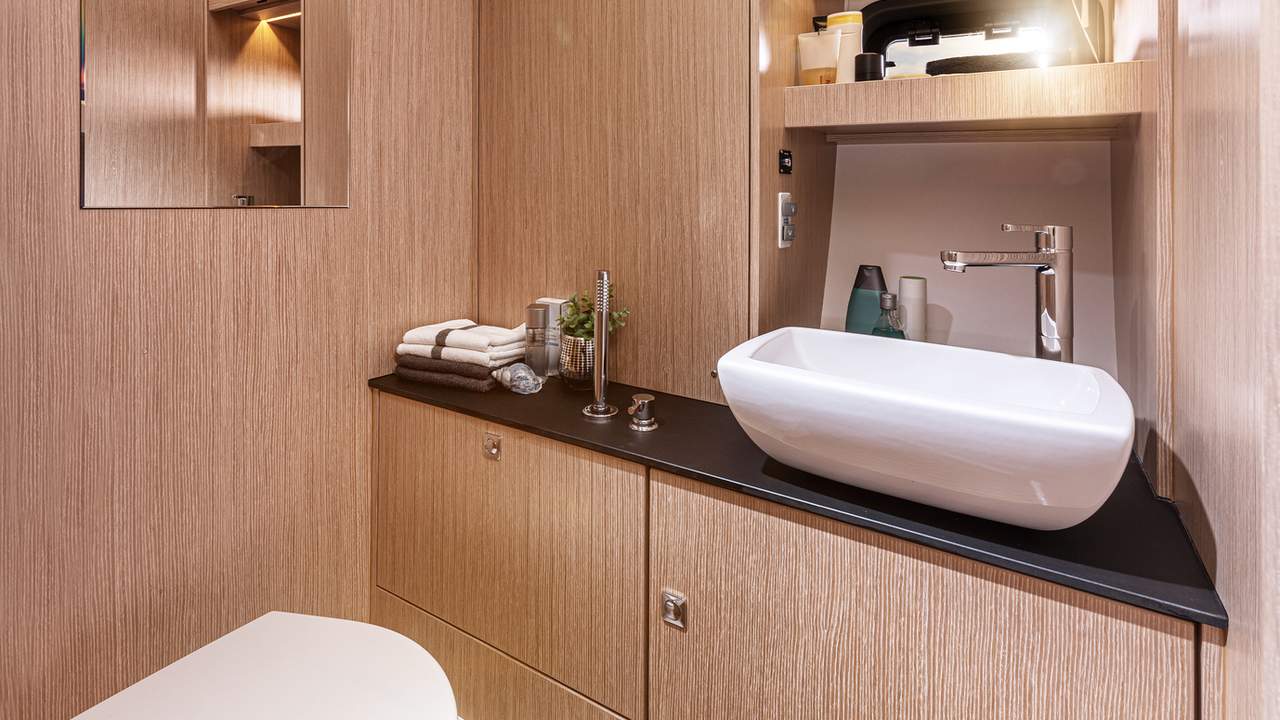
Configurare un BAVARIA SR41 significa partire dall’identità esatta dell’unità, non dal solo nome commerciale. Il cantiere dichiara propulsioni MerCruiser o Volvo Penta, circa 750 litri di carburante, circa 240 litri d’acqua, due cabine e due bagni. Questi dati impostano la verifica, ma ordine, targhe, manuali e collaudo devono descrivere la barca realmente consegnata. La guida seguente organizza i controlli per sistemi: motori e piedi, serbatoi, elettricità, coperta trasformabile, servizi interni e sicurezza. Non assegna potenze, prestazioni o accessori che la documentazione ufficiale consultata non specifica.
Matrice di configurazione prima della visita
La prima operazione è creare una matrice con quattro colonne: elemento ordinato, elemento installato, documento che lo identifica e prova da eseguire. Motori, trasmissioni, eliche, comandi, batterie, apparecchi di cucina, elettronica, pompe e dispositivi di coperta devono avere una riga propria. Accanto si annotano numero di serie, manuale e intervallo di manutenzione. Una voce assente dalla distinta non va considerata standard per analogia con altre unità. Questa disciplina evita di confondere fotografie di presentazione, possibilità di gamma e dotazione effettiva, e rende misurabile ogni rilievo durante la consegna.

Dimensioni da tradurre in vincoli operativi
Il SR41 misura 12,24 metri fuori tutto e 13,23 metri includendo la piattaforma; lo scafo è lungo 11,86 metri, il galleggiamento 9,40 e il baglio 3,99. L’altezza dichiarata sul galleggiamento è 3,46 metri senza antenna. Per ormeggio, invaso e passaggi sotto strutture non basta copiare queste cifre: occorre rilevare l’unità allestita, comprese ancora, antenne e qualsiasi sporgenza. Si registra anche la posizione dei piedi. Il risultato diventa una scheda da tenere a bordo e aggiornare quando vengono aggiunti apparati.
Tabella di controllo dell’unità
| Voce dichiarata | Dato | Verifica pratica |
|---|---|---|
| Fuori tutto / con piattaforma | 12,24 / 13,23 m | Misurare l’ingombro allestito |
| Scafo / galleggiamento | 11,86 / 9,40 m | Usare il riferimento corretto |
| Baglio | 3,99 m | Confrontare posto barca e alaggio |
| Altezza | 3,46 m senza antenna | Rilevare antenne e accessori |
| Pescaggio | 0,77 / 1,02 m | Associare la posizione dei piedi |
| Peso a secco | circa 10.438 kg | Calcolare il carico operativo |
| Carburante | circa 750 L | Verificare capacità utilizzabile e indicatore |
| Acqua | circa 240 L | Provare pompe, rubinetti e scarichi |
| Alloggio | 2 cabine / 2 bagni | Collaudare ogni utenza separatamente |
| Propulsione | MerCruiser o Volvo Penta | Leggere targhe e documentazione |
| Categoria CE | B6 con D4 / B10 | Confrontare targa, motori e certificato |
Identificazione di motori e trasmissioni
La tabella del costruttore indica i marchi MerCruiser e Volvo Penta, ma non autorizza a dedurre modello o potenza dell’esemplare esaminato. Prima dell’avviamento si fotografano le targhe e si confrontano con contratto, dichiarazioni e manuali. Si identificano anche piedi, rapporti, eliche e comandi. Il controllo comprende livelli, filtri, cinghie visibili, cablaggi, tubazioni, supporti e accessibilità. Ogni manutenzione deve poter essere eseguita senza smontaggi imprevisti. Durante la prova si annotano regimi, temperature, allarmi e risposta dei comandi, mantenendo separate osservazioni e valori dichiarati.
Piedi poppieri e pescaggio
I valori di 0,77 e 1,02 metri corrispondono rispettivamente ai piedi sollevati e abbassati. Non sono un permesso generale a navigare alla quota minore: posizione ammessa, regime e procedura dipendono dai manuali della trasmissione installata. Il collaudo verifica corsa, sincronizzazione, indicazione al posto di guida, rumori e arresti. A secco si osservano eliche e componenti immersi. Prima di partire l’equipaggio deve conoscere una sequenza unica per acque basse, alaggio e ormeggio, con un margine che consideri onda, carico e incertezza del fondale.

Circuito carburante da 750 litri circa
La capacità nominale non coincide automaticamente con il volume utilizzabile. Si identifica il serbatoio, il bocchettone, lo sfiato, le linee, le intercettazioni e l’indicatore. Si cerca ogni segno di trasudamento e si verifica che i passaggi siano protetti. La prova dell’autonomia parte soltanto da livelli noti e da consumi misurati sull’unità, con mare, carico, carena e motori registrati. Una riserva prudente resta separata dal calcolo. Il proprietario conserva un registro dei rifornimenti: variazioni insolite fra quantità imbarcata e indicazione possono anticipare un problema di sensore o di lettura.
Acqua dolce e utenze dei due bagni
I circa 240 litri alimentano più punti d’uso. La verifica parte dal riempimento controllato, poi aziona pompa e rubinetti uno alla volta. Si osservano pressione, rumorosità, giunti, drenaggi e vani adiacenti. I due bagni aumentano comfort e privacy, ma moltiplicano valvole, pompe, scarichi e possibili ristagni. Ogni comando va etichettato e ogni accesso tecnico deve rimanere libero dai bagagli. Capacità di raccolta e configurazione sanitaria vanno lette nei documenti dell’esemplare, senza attribuire alla gamma dati non esplicitamente confermati.
Impianto elettrico: mappa prima dei carichi
Il quadro elettrico va ricostruito per funzioni: avviamento, servizi, ricarica, illuminazione, pompe, navigazione, cucina e utenze esterne. Per ogni circuito si annotano protezione, comando e apparato servito. Batterie, caricabatterie e generatori eventualmente presenti devono coincidere con la distinta; non si presume la loro presenza. A barca ferma si accendono i carichi in sequenza e si osservano tensioni, allarmi, cadute e riscaldamenti anomali. Le etichette devono essere comprensibili anche a un ospite. Una copia dello schema e la posizione degli arresti principali restano facilmente raggiungibili.
Posto di guida ed elettronica installata
Il cantiere presenta gli strumenti nel campo visivo del conducente. Il controllo reale si svolge con seduta regolata, tetto in posizioni diverse e passeggeri nei posti previsti. Display, interruttori e comandi devono essere identificabili senza distogliere a lungo lo sguardo. Si provano allarmi, illuminazione e visibilità verso prua, lati e poppa. Qualsiasi apparato elettronico va elencato per marca, modello, alimentazione e aggiornamento. La prova non deve confondere una schermata disponibile con un sensore effettivamente collegato: ogni dato importante viene confrontato con un riscontro indipendente quando possibile.
Hardtop e tetto scorrevole
Il tetto scorrevole è un sistema mobile esposto ad acqua, sale e vibrazioni. Va aperto e chiuso più volte, verificando uniformità della corsa, fermi, guarnizioni, drenaggi e procedura in caso di anomalia. Si controlla che oggetti o cavi non possano entrare nel movimento. Le antenne installate modificano l’altezza reale rispetto ai 3,46 metri dichiarati senza antenna. Nel piano di manutenzione si riportano pulizia, lubrificazione e controlli indicati dal produttore del meccanismo. Una trasformazione piacevole deve anche risultare prevedibile e sicura per chi la usa.

Wet bar esterno e distinta degli apparecchi
Il wet bar serve il pozzetto, ma la sua dotazione va letta voce per voce. Alimentazione elettrica, eventuale acqua, scarico, ventilazione e chiusure devono essere compatibili con gli apparecchi realmente montati. Durante il collaudo si prova ogni utenza separatamente e poi insieme agli altri carichi. Sportelli e oggetti devono rimanere fermi con il moto; i liquidi non possono raggiungere cablaggi o vani non drenati. La posizione del wet bar è efficace soltanto se chi lo utilizza non blocca il passaggio verso posto di guida, piattaforma o accessi tecnici.
Lounge di poppa: tre assetti da provare
La zona poppiera può essere prendisole, spazio con tavolo vicino all’acqua oppure seduta rivolta verso il pozzetto quando gli schienali vengono ripiegati. Il passaggio fra le configurazioni deve essere eseguito dall’equipaggio abituale. Si osservano peso dei componenti, cerniere, blocchi, sede del tavolo e stivaggio dei cuscini. In navigazione serve un assetto definito, senza parti libere. La trasformazione deve lasciare accessibili piattaforma, gavoni e vie di movimento. Una fotografia non dimostra che la sequenza sia pratica: il tempo e lo sforzo richiesti vanno misurati.
Piattaforma, bagno e sicurezza delle trasmissioni
Con la piattaforma l’ingombro dichiarato arriva a 13,23 metri. L’area richiede un controllo specifico di antiscivolo, scaletta, appigli, bordi e drenaggi. Prima che qualcuno entri in acqua, la procedura deve porre la propulsione in condizione sicura e impedire avviamenti involontari. La distanza da piedi ed eliche va compresa da tutto l’equipaggio. All’ormeggio si verifica come piattaforma, parabordi e cime interagiscono. Ogni accessorio aggiunto deve avere fissaggio e carico documentati, perché una modifica a poppa influenza peso, passaggi e manutenzione.

Cucina interna e gestione simultanea delle utenze
La cucina interna concentra acqua, scarichi, vani e apparecchi. La sequenza di verifiche non presume cosa sia incluso: trascrive la distinta e prova solo ciò che è installato. Sportelli, cassetti e piani devono avere chiusure efficaci; nessun oggetto deve potersi spostare verso il passaggio. Con acqua in uso si osservano raccordi e drenaggi. Con gli apparecchi elettrici accesi si controllano quadro e tensioni secondo i manuali. Infine si simula una preparazione semplice con persone sedute nella dinette, per verificare che apertura di mobili e movimento dell’operatore non eliminino la via di uscita.
Dinette e accessi tecnici
La dinette non si valuta soltanto per numero di sedute. Occorre verificare appoggi, spigoli, ventilazione, illuminazione e blocchi dei mobili. Porte e cassetti vengono provati con la barca ferma e controllati di nuovo durante la navigazione. Pannelli che conducono a valvole, pompe o cablaggi non devono essere sepolti da scorte. Il proprietario assegna una sede a dotazioni e bagagli prima della prima crociera. Un inventario fotografico aiuta a ripristinare l’ordine e rende evidente una variazione, una perdita o un componente che si è allentato.
Cabina armatoriale a centro barca
La cabina armatoriale è collocata a centro barca e dispone del proprio bagno con doccia separata. Si provano porte, luci, oscuramenti, ventilazione, stivaggi e accesso ai lati della cuccetta. Nel bagno si esegue un ciclo prolungato di acqua e drenaggio, poi si controllano i vani confinanti. Valvole e pompe devono restare raggiungibili anche con la cabina pronta per la notte. La verifica comprende rumorosità degli impianti e tenuta delle chiusure, ma qualsiasi giudizio sul comfort in navigazione deve riferirsi alle condizioni effettivamente sperimentate.

Bagno armatoriale e doccia separata
La separazione della doccia riduce gli spruzzi nel resto del locale, ma aggiunge guarnizioni, superfici e drenaggi da controllare. Si osserva il deflusso con la barca nella condizione di prova, senza dedurre il comportamento a ogni assetto. Rubinetti e doccia vengono azionati mentre altre utenze prelevano acqua, così da rilevare variazioni di pressione. Sportelli e accessori devono rimanere fermi. Al termine si ispezionano raccordi e pannelli. Il manuale di bordo deve indicare come isolare il circuito e come accedere alla pompa in caso di blocco.
Cabina VIP e bagno ospiti
La cabina prodiera è destinata agli ospiti e il secondo bagno si trova sul lato di dritta. La prova riguarda cuccetta, armadi, ventilazione, oscuramenti, prese e via di uscita. Nel bagno si ripete il collaudo completo, senza assumere che il buon funzionamento dell’altro locale garantisca questo circuito. Si etichettano le intercettazioni e si verifica che asciugamani o bagagli non coprano accessi. Con due persone presenti si valuta la praticabilità del passaggio. Il numero di locali è un vantaggio solo quando ogni sistema rimane indipendentemente ispezionabile.

Peso a secco e piano di carico
I circa 10.438 chilogrammi sono un peso a secco, non il dislocamento pronto alla partenza. Carburante, acqua, persone, attrezzature, provviste e apparati aggiunti aumentano massa e modificano assetto. Si crea quindi un piano di carico, con oggetti pesanti in sedi idonee, gavoni non sovraccaricati e vie libere. Prima di una prova si registrano livelli e persone; senza questi dati, velocità, consumi e comportamento non sono confrontabili. Se l’unità riceve nuovi accessori, il piano viene aggiornato e si rivaluta la distribuzione tra prua, centro e poppa.
Categoria CE e configurazione effettiva
La scheda riporta B6 con motorizzazione D4 e B10 in altra configurazione. La relazione fra categoria, motori e numero di persone va verificata sulla targa e sul certificato specifici. Il massimo autorizzato non è un obiettivo da raggiungere in ogni uscita: meteo, esperienza, sedute, dotazioni e carico guidano la decisione del comandante. Per ciascuna persona devono esistere dispositivi di sicurezza raggiungibili. La sequenza di verifiche collega il dato CE ai motori installati e non trasferisce automaticamente il limite di un allestimento a un altro.
Collaudo statico per circuiti
Il collaudo in banchina procede per blocchi: documenti e targhe, sentine, elettricità, acqua, bagni, cucina, tetto, lounge, piattaforma, luci e sicurezza. Ogni prova ha un esito, un rilievo fotografico e, se necessario, un responsabile della correzione. Poi i sistemi vengono usati insieme per individuare interazioni fra pompe, batterie e utenze. Si controllano nuovamente vani e raccordi dopo un intervallo, perché una perdita lenta può non apparire subito. La consegna non si chiude con una promessa verbale: ogni anomalia deve essere corretta e verificata di nuovo.
Prova in mare con dati ripetibili
In mare si annotano vento, onda, carico, livelli, stato della carena e configurazione propulsiva. A regimi stabilizzati si registrano velocità, eventuale consumo misurato, temperature, assetto, visibilità e allarmi. Si provano comandi e manovre con progressione prudente, senza inventare velocità di punta o autonomia universale. Il tetto e le parti trasformabili restano nell’assetto previsto per la navigazione. Una seconda lettura dei vani al rientro può evidenziare acqua, calore o allentamenti. I risultati diventano il riferimento dell’esemplare per controlli futuri.

Verbale finale e manutenzione iniziale
Il verbale riunisce matrice di configurazione, numeri di serie, fotografie, misure, esiti statici e dati della prova. Manuali e scadenze vengono trasformati in un calendario per motori, piedi, batterie, tetto, pompe, filtri, guarnizioni e dispositivi di sicurezza. Il BAVARIA SR41 offre una coperta trasformabile e una distribuzione con due cabine e due bagni; la qualità d’uso dipende però dalla corrispondenza fra ordine e installazione e dalla possibilità di controllare ogni circuito. Una sequenza di verifiche completa rende questa corrispondenza verificabile, ripetibile e utile durante tutta la gestione della barca.