
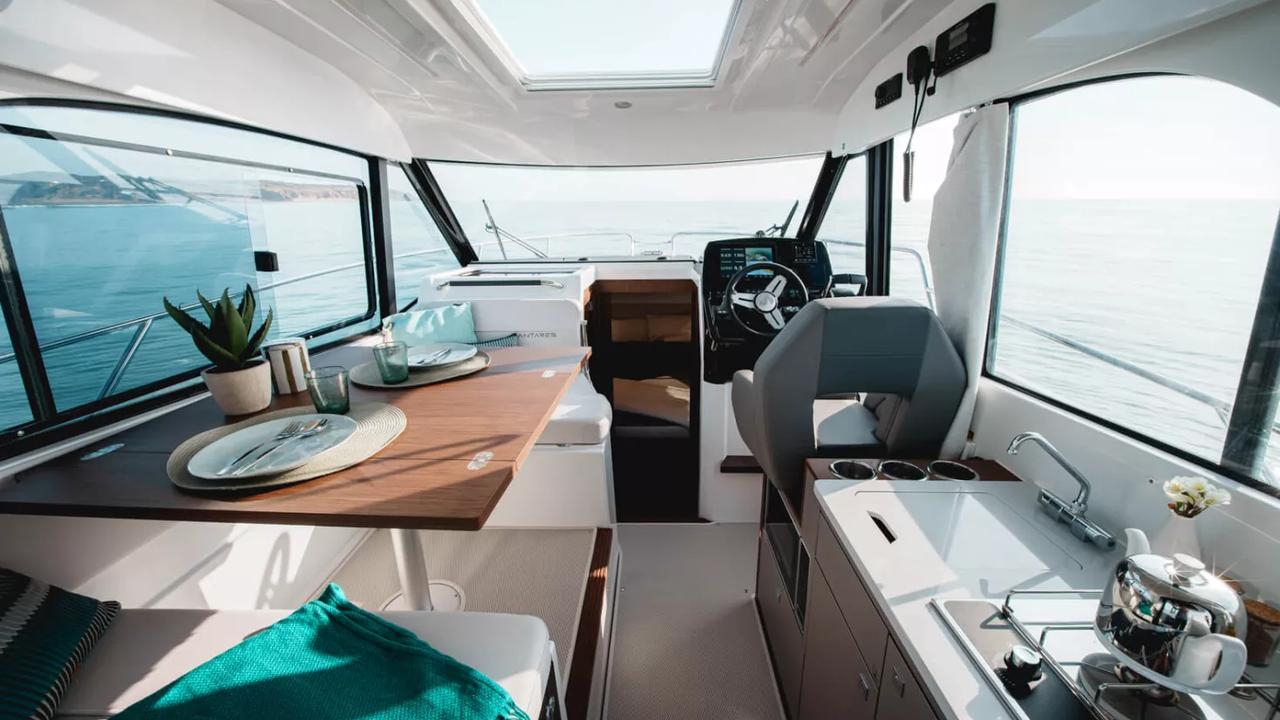
La configurazione del Beneteau Antares 9 richiede scelte coordinate: due fuoribordo, 600 litri di carburante, timoneria chiusa, cucina, due cabine e numerosi impianti opzionali convivono in 8,23 metri. Il cantiere prevede fino a 500 cavalli complessivi, 160 litri d’acqua e un frigorifero da 80 litri; riscaldamento, climatizzazione, generatore, batterie al litio e pannelli solari dipendono invece dall’ordine. Questa guida costruisce una verifica tecnica per specifica, consegna e gestione, senza trasformare dichiarazioni commerciali in una prova o attribuire a ogni esemplare dotazioni non confermate.
Il profilo d’uso viene prima del configuratore
Numero abituale di persone, durata delle soste, clima e disponibilità di corrente in banchina determinano l’allestimento. Una barca usata per uscite giornaliere ha esigenze diverse da un weekender che trascorre due notti in rada. Scrivere questi scenari evita optional sovrapposti e aiuta a dimensionare batterie, acqua, cucina e climatizzazione.
La distinta finale separa standard, pacchetti e accessori installati dal concessionario. Ogni elemento deve avere marca, modello, posizione e garanzia. Le fotografie non sostituiscono il documento dell’unità ordinata.

Postazione di guida e visuale
La plancia deve essere provata seduti e in piedi, verificando prua, quartieri poppieri e passavanti. Sedile, appoggio dei piedi e distanza dai comandi devono adattarsi al comandante. Persone, tende e oggetti sul cruscotto non possono coprire i riferimenti utili alle manovre.
Elettronica, motori e servizi richiedono una gerarchia degli allarmi. Si impostano pagine semplici e si conserva una procedura alternativa se il display principale non funziona. La strumentazione integrata non elimina controlli visivi e conoscenza degli ingombri.

Dinette interna e trasformazioni
Il salone beneficia di grandi vetrate e può offrire posti letto aggiuntivi secondo configurazione. Tavolo e sedute devono trasformarsi senza ostruire l’uscita o la discesa alle cabine. Ogni cuscino rimovibile necessita di una sede asciutta, raggiungibile senza svuotare un intero gavone.
Alla consegna si esegue la trasformazione completa, controllando fermagli, supporti e stabilità. La qualità non è soltanto estetica: porte, cassetti e schienali devono restare chiusi quando la barca si muove.

Sedute e comfort in timoneria
Le sedute interne lavorano vicino a cucina, porte e passaggi. Si verifica che ogni posizione lasci accesso ai comandi e non crei punti di schiacciamento. Rivestimenti e imbottiture devono tollerare umidità e sole proveniente dalle superfici vetrate.
Gli schienali si provano sotto carico. Le basi devono consentire ispezione dei vani sottostanti e non nascondere componenti di manutenzione frequente. L’ergonomia reale emerge con l’equipaggio previsto a bordo.

Comandi, sterzo e doppia motorizzazione
La potenza massima è due volte 250 cavalli. Prima dell’ordine si definiscono marca, modello, eliche, strumenti e eventuale assistenza alla manovra. Peso e prestazioni devono essere riferiti a quella combinazione, non al solo limite massimo.
Alla consegna si registrano numeri di serie e software, quindi si prova la corsa completa dello sterzo. Tubazioni e cavi non devono sfregare. Trim, arresto di emergenza e allarmi vengono verificati uno per uno.

Timoneria, tettuccio e ventilazione
La sovrastruttura chiusa estende la stagione ma richiede gestione di calore e condensa. Il tettuccio apribile è una scelta da confermare; guarnizioni, scarichi e meccanismi devono essere provati con acqua e movimento. La ventilazione naturale va valutata con porte e finestre nelle diverse posizioni.
Riscaldamento e climatizzazione aggiungono assorbimenti, prese d’aria e scarichi. Il loro dimensionamento dipende da clima e uso. Filtri e componenti devono rimanere accessibili, con istruzioni chiare per fermo invernale e manutenzione.

Cabina armatoriale a prua
La cabina principale adotta un letto queen-size, armadio e illuminazione dedicata. La sequenza di verifiche misura il passaggio attorno al letto, verifica aerazione e oscuramento e identifica i pannelli tecnici. Il corredo deve poter restare asciutto durante l’uso della cucina e della doccia.
Si provano tutte le luci e le prese, osservando bordi, cerniere e chiusure. L’eventuale condensa non va nascosta dai rivestimenti. Materassi e basi devono consentire l’ispezione periodica delle superfici sottostanti.

Seconda cabina e stivaggio
La cabina ospiti accoglie due persone. L’altezza variabile e la forma dello scafo impongono una prova diretta da parte degli utilizzatori. Ventilazione, luce e accesso non possono essere dedotti dalla sola capacità nominale.
Borse e indumenti necessitano di vani propri. Non si usano come stivaggio permanente spazi destinati a pompe, batterie o valvole. Ogni portello tecnico deve aprirsi anche con la cabina preparata per la notte.

Locale toilette e circuiti sanitari
Il locale toilette concentra acqua, scarichi e ventilazione. Si prova il rubinetto, si osserva il deflusso e si controllano connessioni e guarnizioni dopo l’uso. Le valvole dell’impianto devono essere identificate sulla singola barca e utilizzate secondo le regole applicabili.
Il circuito delle acque nere richiede procedura di svuotamento e prodotti compatibili. Odori persistenti indicano un problema da cercare, non da coprire. Pannelli e mobili devono consentire l’intervento senza demolizioni.

Piano degli interni e vie di uscita
Il disegno del ponte inferiore aiuta a verificare relazione fra cabine, toilette e scala. Le vie di uscita devono restare libere con porte e letti in uso. Oggetti personali non possono occupare gradini o accessi a dispositivi di emergenza.
La planimetria dell’esemplare viene conservata insieme agli schemi. Eventuali modifiche successive devono aggiornare la documentazione. Sapere dove passano tubazioni e cablaggi riduce tempi e rischi degli interventi.
Cucina, frigorifero e carichi
Il frigorifero dichiarato è da 80 litri; il piano cottura può essere elettrico o configurato diversamente secondo il mercato, mentre il microonde è opzionale. La scelta determina energia, ventilazione e procedure. Ogni apparecchio viene provato simultaneamente agli altri carichi previsti.
Sportelli e cassetti devono avere fermi efficaci. Acqua e calore non devono raggiungere cablaggi o materiali sensibili. Un estintore accessibile e la conoscenza dei sezionamenti completano la configurazione.
Carburante e pianificazione dell’autonomia
Due serbatoi da 300 litri forniscono 600 litri complessivi. Si identificano bocchettoni, sfiati, valvole e filtri. Gli indicatori vengono confrontati con quantità note, perché una percentuale visualizzata non sostituisce la conoscenza della capacità utilizzabile.
Il dato dichiarato di 130 miglia alla velocità di crociera dipende dalle condizioni adottate dal costruttore. L’armatore costruisce la propria tabella da rilievi con carico, mare e regime annotati, mantenendo sempre una riserva adeguata.
Acqua dolce e servizi
La capacità acqua è 160 litri. Pompa, filtro, accumulatore e valvole devono essere accessibili. Si provano rubinetti e scarichi, osservando se la pompa mantiene pressione o riparte senza richiesta, segnale possibile di perdita.
Prima di una lunga sosta si applicano svuotamento e sanificazione previsti. Le tubazioni devono essere protette dal gelo dove necessario. Il consumo quotidiano reale stabilisce autonomia e necessità di rifornimento.
Batterie, litio e pannelli solari
Batterie al litio e solare figurano fra le opzioni, ma richiedono progettazione integrata. Capacità, sistema di gestione, caricabatterie, alternatori, protezioni e sezione dei cavi devono essere compatibili. Una semplice sostituzione di tecnologia non è sufficiente.
Si prepara un bilancio dei carichi per frigorifero, elettronica, luci, pompe e climatizzazione. Il monitor batterie viene calibrato. Fissaggio, ventilazione e sezionamenti devono essere documentati e facilmente raggiungibili.
Generatore e climatizzazione
Un generatore opzionale modifica rumore, ventilazione, scarico, peso e manutenzione. Prima di sceglierlo si verifica se banchina, alternatori e batterie possono sostenere il programma. L’installazione deve prevedere rilevamento e gestione sicura dei gas di scarico.
La climatizzazione richiede drenaggio della condensa e filtri accessibili. Si prova in tutte le cabine, misurando assorbimenti e comportamento a porte chiuse. Manuali e intervalli di servizio entrano nel piano di manutenzione.
Seanapps e monitoraggio remoto
Seanapps può collegare livelli, batterie e manutenzione allo smartphone, se la relativa unità è installata e attivata. Alla consegna si trasferisce l’account, si verifica quali sensori siano effettivamente connessi e si registrano eventuali servizi.
Il dato remoto aiuta ma non sostituisce l’ispezione. Un livello errato o una connessione assente richiedono confronto con strumenti e serbatoi. Privacy, aggiornamenti e funzionamento senza rete devono essere compresi dal proprietario.
Tabella di configurazione Antares 9
| Elemento | Dato dichiarato | Verifica |
|---|---|---|
| Lunghezza | 8,23 m | Ingombro completo |
| Baglio | 2,99 m | Posto barca |
| Peso a secco | 4.620 kg | Peso operativo |
| Pescaggio | 0,63–0,96 m | Motori e carico |
| Carburante | 2 × 300 L | Valvole e indicatori |
| Acqua | 160 L | Pompa e scarichi |
| Potenza massima | 2 × 250 hp | Motori ordinati |
| Frigorifero | 80 L | Assorbimento |
| Pozzetto | 1,70 × 2,40 m | Trasformazioni |
| Cabine | 2 | Ventilazione e stivaggio |
I dati descrivono il modello. Targhetta, manuali e distinta dell’unità prevalgono; optional e allestimenti modificano pesi, consumi e ingombri.
controlli di consegna a secco
Si confrontano numeri identificativi, motori e dotazioni con il contratto. Si provano porte, tettuccio, varco laterale, sedute e letti. Nei vani si controllano fissaggi, etichette, drenaggi e accessibilità di batterie, pompe e valvole.
Apparati e account vengono consegnati con manuali e garanzie. Difetti e lavori residui entrano in un verbale con responsabilità e scadenza. Nessuna promessa verbale sostituisce la verifica.
verifica della prova in acqua
Si annotano carico, livelli, motori, eliche e meteo. Avviamento, sterzo, trim e manovre vengono provati gradualmente. Temperature, allarmi, vibrazioni e visuale sono osservati a differenti regimi in uno spazio sicuro.
Velocità e consumi descrivono soltanto l’esemplare nelle condizioni registrate. Al rientro si controllano sentina, connessioni e odori. Ogni anomalia deve essere compresa prima dell’accettazione.
Valutazione della configurazione
Antares 9 offre molte funzioni in una misura compatta e può servire bene una famiglia che desidera una timoneria protetta. La versatilità aumenta però l’importanza di una distinta precisa e di impianti semplici da raggiungere.
La configurazione migliore è quella che sostiene il programma senza superare capacità energetiche, spazi di stivaggio e disponibilità di manutenzione. Una sequenza di verifiche completa trasforma l’acquisto in una base documentata per l’uso futuro.