
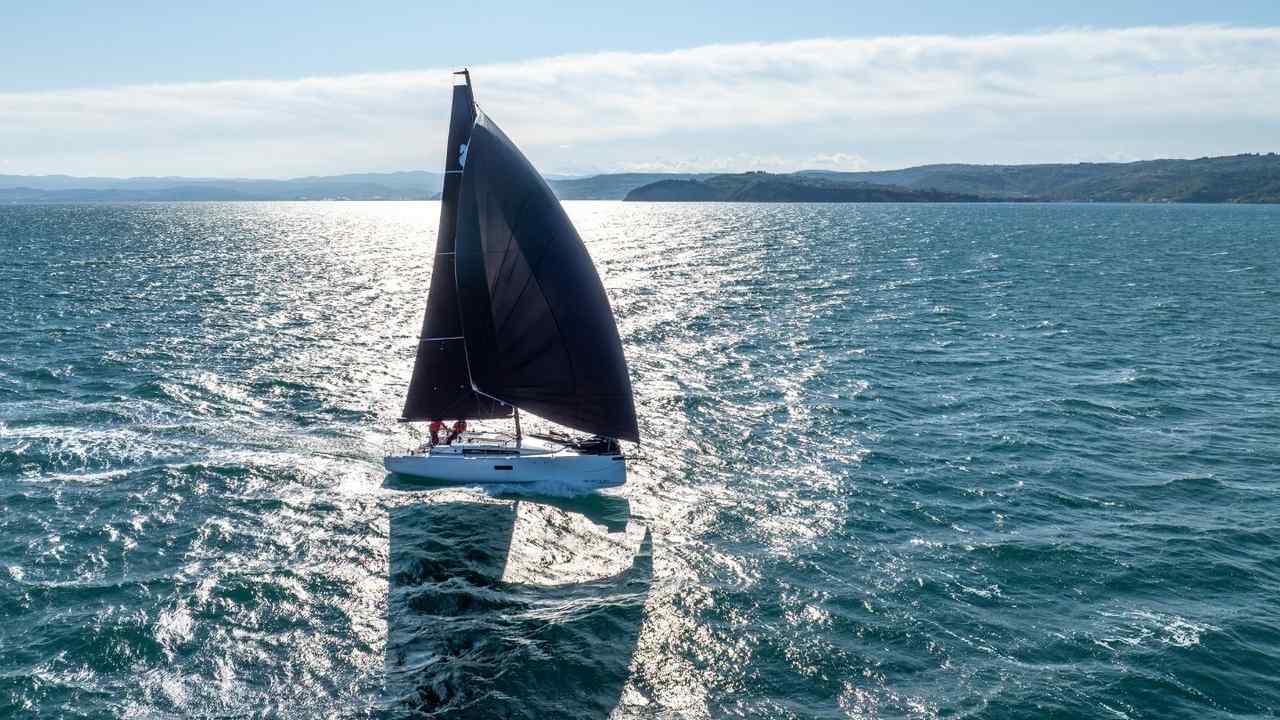
Il Beneteau First 36 SE non è un semplice pacchetto di vele applicato al First 36. La Seascape Edition riduce la massa dichiarata di 400 chilogrammi, affina la carena fino a diminuire la superficie bagnata di quasi tre metri quadrati, sostituisce le due ruote con una barra e riorganizza coperta e interni per la regata ORC. Rimangono tre cabine, quadrato e servizi essenziali, ma ogni componente viene valutato per il rapporto fra funzione e peso.
L’architettura navale è di Samuel Manuard, il design di Lorenzo Argento, l’ingegneria strutturale di Pure Design & Engineering e gli interni di Sito. Il dislocamento leggero dichiarato è 4.400 chilogrammi contro i 4.800 della versione standard documentata. Questo divario è il centro della configurazione: dotazioni, vele, elettronica, sicurezza e materiale di bordo possono restituire rapidamente massa alla barca. La verifica dell’armatore deve quindi controllare non soltanto ciò che manca, ma ciò che viene aggiunto.
Dati principali da fissare nel contratto
| Voce | Dato dichiarato | Controllo operativo |
|---|---|---|
| Lunghezza fuori tutto | 11,98 m | Ingombro per posto barca e regole di classe |
| Baglio massimo | 3,80 m | Stabilità di forma e passaggi a terra |
| Dislocamento leggero | 4.400 kg | Base da confrontare con peso reale in assetto regata |
| Riduzione rispetto al First 36 | 400 kg | Vantaggio da non consumare con accessori non pianificati |
| Tirante d’aria | 17,80 m | Vincolo per ponti, gru e linee aeree |
| Pescaggio minimo indicato | 1,95 m | Da confermare con la chiglia della specifica unità |
| Carburante / acqua | 70 / 200 l | Massa variabile e autonomia dei servizi |
| Potenza motore massima | 29 CV | Ausiliario, saildrive ed elica da verificare insieme |
| Layout | 3 cabine | Funzione conservata con allestimenti alleggeriti |
| Obiettivo | Ottimizzazione ORC | Certificato e inventario devono coincidere con la barca |
Dossier di configurazione prima dell’ordine
La prima attività non è scegliere il colore delle vele, ma congelare una distinta completa. Scafo, chiglia, albero, sartiame, coperta, elettronica, batterie, motore, elica, interni, sicurezza e vele devono essere elencati con peso e posizione. La configurazione promozionale non coincide automaticamente con quella ammessa o vantaggiosa nel certificato ORC dell’armatore.
Ogni modifica successiva va registrata. Un salpa ancora, batterie maggiorate, riscaldamento o materiale di crociera possono essere utili, ma cambiano dislocamento e distribuzione. Il guadagno di 400 chilogrammi deve diventare un budget, non una licenza a reinstallare tutto senza calcolo.

Carena affinata e superficie bagnata
Beneteau dichiara una riduzione prossima a tre metri quadrati della superficie bagnata rispetto alla base First 36. La finalità è diminuire la resistenza viscosa e rendere la barca più pronta nelle transizioni. Non significa che la carena planei a una velocità garantita: equipaggio, vele, onda e assetto determinano il risultato.
A secco si controllano simmetria, fairness, finitura, giunzione della chiglia, timoni e posizione degli appendici. Antivegetativa spessa o applicata male vanifica una parte del lavoro progettuale. Le misure utili per il certificato devono provenire dalla configurazione reale, non da un dépliant generico.
Costruzione sandwich infusa sotto vuoto
Scafo, coperta, paratie e componenti interni sono descritti come strutture sandwich infuse sotto vuoto. La tecnica mira a controllare rapporto fibra-resina e massa, mentre i componenti interni partecipano alla rigidità. Rimuovere o modificare un modulo senza conoscere la funzione strutturale non è accettabile.
La perizia osserva laminati accessibili, incollaggi, collegamento scafo-coperta, basi delle lande, piede d’albero, paratie e zone vicine alla chiglia. Crepe, rumori o movimenti vanno interpretati da un tecnico competente. La leggerezza richiede controllo, non diffidenza automatica.
Quattrocento chilogrammi: dove vengono risparmiati
La riduzione non deriva da un singolo pezzo. Barra, ottimizzazione dei materiali, scale del tambuccio in carbonio, bordi in carbonio e sacche equipaggio al posto di mobili tradizionali fanno parte della strategia. Anche il rivestimento tecnico del pozzetto risponde a una funzione precisa senza replicare allestimenti più pesanti.
Durante l’accettazione si pesa la barca nelle condizioni concordate. Serbatoi, vele, attrezzatura e dotazioni presenti devono essere annotati. Senza una procedura di pesata, la cifra di catalogo non può essere usata per diagnosticare una differenza.

Barra al posto delle ruote
La barra riduce componenti e offre una connessione diretta con i timoni. Libera inoltre il pozzetto da colonnine e trasmissioni delle ruote. Il rovescio è una diversa gestione degli spazi e dei carichi: raggio di movimento, posizione del timoniere e passaggio dell’equipaggio devono essere provati durante virate e strambate.
Si controllano giochi, frenature, attacchi, boccole e sistemi di emergenza. La barra non deve interferire con scotte, piedi o accessi. La regolazione del pilota automatico, se previsto, va studiata senza introdurre punti deboli o geometrie sfavorevoli.
Timoni, chiglia e verifica dell’allineamento
La pagina ufficiale dichiara l’ottimizzazione di forma della carena e progetto della chiglia per il rating ORC, ma la specifica esatta della singola unità va confermata. Pescaggio, materiale, peso e posizione del centro di gravità della chiglia sono dati contrattuali, non da dedurre dal nome del modello.
A terra si ispezionano giunto, bulloni accessibili, danni da grounding, pale dei timoni, assi e giochi. La simmetria dei timoni è essenziale. In acqua si verifica che la barca mantenga controllo e che la barra non presenti durezza, vibrazioni o ritorni anomali.
Albero, sartiame e inventario
Il tirante d’aria massimo dichiarato è 17,80 metri. La misura deve includere la configurazione effettiva e va confrontata con ponti, gru e vincoli del porto. Albero, crocette, sartiame, lande, terminali e tensioni formano un sistema che deve essere documentato e ispezionato.
La sequenza di verifiche registra produttore, numero di serie, anno, certificazioni e intervalli. Dopo il primo assestamento si controllano tensioni e allineamento. Antenne, strumenti e luci aggiunte in testa aumentano peso dove l’effetto è maggiore; ogni grammo in alto vale più dello stesso grammo vicino alla sentina.
Piano velico e guardaroba ORC
Il guardaroba deve essere definito in funzione del programma e del certificato. Materiali, superfici, inferiture, stecche, avvolgitori e vele da portante cambiano prestazione e rating. Non è corretto pubblicare una superficie come universale senza la distinta della versione ordinata.
Ogni vela riceve un’identificazione, misure, peso, data e stato. Le sacche hanno una posizione assegnata e non devono bloccare accessi o spostarsi durante le manovre. Prima della regata si controllano drizze, scotte, stopper, bozzelli e punti di mura sotto carico progressivo.
Pozzetto tecnico e rivestimento antisdrucciolo
Il fondo del pozzetto usa una schiuma tecnica morbida e antisdrucciolo. Il materiale deve offrire presa a equipaggio bagnato, resistere ai carichi e consentire pulizia. Incollaggi, bordi e drenaggi sono i punti da osservare, perché un distacco può diventare intralcio durante una manovra.
La disposizione deve permettere a timoniere, randista e tailer di lavorare senza collisioni. Verricelli, stopper e rinvii vanno provati con guanti e carico. Ogni cima deve avere percorso e zona di raccolta, evitando anelli vicino a piedi e barra.

Elettronica da regata e ridondanza
Strumenti vento, velocità, profondità, bussola, GPS e software tattico devono condividere dati affidabili. La rete va documentata con indirizzi, terminazioni, alimentazioni e versioni. Un display duplicato non è vera ridondanza se dipende dallo stesso sensore o dallo stesso fusibile.
La calibrazione si esegue con una procedura registrata. Log sporco, sensore vento disallineato o offset di bussola rendono sofisticati algoritmi inutili. La sequenza di verifiche pre-regata include carica, backup delle configurazioni, comunicazioni e modalità semplificata in caso di guasto.
Motore ausiliario, saildrive ed elica
La potenza massima indicata è 29 cavalli. Motore, saildrive, rapporto ed elica devono essere verificati come un insieme. Per una barca da regata l’elica pieghevole o abbattibile può ridurre resistenza, ma richiede manutenzione e corretta apertura in retromarcia.
Si provano avviamento a freddo, ricarica, raffreddamento, innesto, vibrazioni e spinta. Il saildrive richiede controllo di cuffia, anodi, olio e corrosione secondo manuale. La possibilità di rientrare contro vento non va valutata solo in acqua piatta.
Settanta litri di carburante
Il serbatoio da 70 litri è coerente con il ruolo ausiliario del diesel, ma impone pianificazione nei trasferimenti. Volume nominale e utilizzabile non sono necessariamente identici. Indicatore, sfiato, bocchettone, filtro e valvola devono essere accessibili.
Il consumo si misura con ore e litri reintegrati a più regimi. Una riserva prudente considera mare contrario, ricarica e manovre. Il carburante fermo a lungo richiede gestione della contaminazione e controllo del pre-filtro.
Batterie, ricarica e assorbimenti
Elettronica, autopilota, luci, pompe, comunicazioni e utenze interne dipendono da un impianto che deve rimanere leggero ma adeguato. Capacità nominale, energia utilizzabile, chimica, protezioni e ricarica vanno calcolate sul profilo reale, compresa una regata notturna.
La sequenza di verifiche misura tensione, caduta sotto carico e corrente di carica. Cavi e fusibili devono essere etichettati. Aggiungere capacità senza valutare peso e posizione può compromettere il vantaggio della versione SE.
Duecento litri d’acqua e circuiti
Duecento litri d’acqua dolce sono una massa importante, fino a circa duecento chilogrammi quando il serbatoio è pieno. Livello e posizione influenzano assetto e certificato di misura. Per una regata la quantità imbarcata deve rispettare regole e necessità dell’equipaggio.
Pompa, filtro, serbatoio, sfiato e rubinetti vanno provati. Perdite piccole sono inaccettabili sia per sicurezza sia perché spostano acqua in sentina. Prima di una sosta lunga il circuito viene pulito e gestito secondo manuale.

Tre cabine in un interno alleggerito
Il layout a tre cabine viene conservato, ma gli elementi sono ripensati. Sacche amovibili sostituiscono alcuni mobili in legno; teli antirollio migliorano l’uso delle cuccette in navigazione; scale e bordi in carbonio riducono massa. La funzione resta, ma l’estetica segue una logica più tecnica.
In consegna si prova ogni cuccetta, chiusura e sacca. Le vie di fuga e l’accesso agli impianti devono rimanere liberi. Componenti rimovibili vanno assicurati durante la navigazione e inventariati prima di una regata.

Quadrato e cucina: essenziale non significa incompleto
Il quadrato offre sedute e tavolo, mentre la cucina mantiene le funzioni essenziali. Gas, acqua, scarichi e ventilazione richiedono controlli separati dall’attrezzatura velica. Una barca da regata non può accettare tubi non fissati o oggetti liberi solo perché gli interni sono minimalisti.
Si provano chiusure, fermi, fornello, valvole, pompe e drenaggi. Pentole e cambusa ricevono posti bassi e sicuri. Ogni elemento rimosso per una competizione deve essere gestito nel rispetto del certificato e ripristinato senza danneggiare strutture o impianti.

Sacche equipaggio e stivaggio
Le sacche riducono massa e possono essere assegnate ai singoli membri. Devono però avere fissaggi affidabili e non oscillare contro le paratie. La sequenza di verifiche indica posizione, contenuto massimo e modalità di chiusura. Oggetti duri o batterie portatili richiedono protezione aggiuntiva.
Lo stivaggio influenza assetto. Materiale pesante viene tenuto basso e vicino al centro, nel rispetto delle regole. Prima della partenza si esegue un giro completo per cercare oggetti liberi, sportelli aperti e cime che possano finire in sentina.

Seanapps e barca connessa
Il sistema Seanapps può mostrare stato di batterie, livelli e manutenzioni, oltre a funzioni di pianificazione. È uno strumento di monitoraggio, non una sostituzione degli indicatori di bordo o dei controlli fisici. Connettività, copertura e aggiornamento dei dati devono essere verificati.
L’armatore definisce utenti, permessi, privacy e procedura dopo un cambio di proprietà. Gli allarmi vanno testati. Una lettura remota coerente a barca ferma non prova che il sensore risponda correttamente in navigazione.
Certificato ORC e controllo documentale
L’ottimizzazione ORC ha valore soltanto se misure, pesi e inventario del certificato corrispondono alla barca. Numero velico, appendici, rig, vele, elica e dotazioni dichiarate devono essere aggiornati. Una modifica non registrata può annullare il vantaggio o creare contestazioni.
Prima dell’iscrizione si confrontano fisicamente componenti e documenti. Versione del certificato, scadenze e prescrizioni della manifestazione vengono archiviate. Il rating non è una misura assoluta di velocità e non sostituisce preparazione dell’equipaggio.
sequenza di verifiche pre-regata
Ventiquattro ore prima si controllano meteo, certificati, sicurezza, equipaggio, vele, sartiame, timoni, chiglia, motore, batterie, comunicazioni e inventario. Si verificano tappi, valvole, pompe, luci e sistemi di recupero uomo a mare. Ogni anomalia ha responsabile e scadenza.
Prima della partenza si ripete un giro breve: oggetti fissati, sacche chiuse, acqua e carburante registrati, strumenti calibrati, motore provato, drizze libere e barra senza interferenze. La sequenza di verifiche è firmata, non affidata alla memoria collettiva.

Audit dopo la navigazione
Al rientro si registrano carichi anomali, rumori, infiltrazioni, usura delle cime e problemi elettronici. Coperta, sentina, lande, piede d’albero, timoni e saildrive ricevono un controllo rapido prima che i dettagli vengano dimenticati. Le vele vengono asciugate e ispezionate.
I dati di navigazione sono conservati insieme a configurazione e meteo. Una variazione graduale di velocità o angolo può rivelare sporco, calibrazione o assetto. La manutenzione basata sui riscontri vale più di interventi casuali.
Perizia e prova senza prestazioni inventate
Questa analisi non attribuisce velocità o risultati alla redazione. Una prova della singola barca registra vento reale, onda, vele, equipaggio, liquidi e configurazione. Valuta equilibrio, sensibilità alla barra, manovre, accelerazione e controllo, senza confondere una giornata favorevole con una garanzia.
A terra si completa il controllo strutturale; in acqua si provano anche motore, impianti e accessi. Dopo la prova si ispezionano sentine e giunti. Il rapporto distingue fatti osservati, documenti del cantiere e raccomandazioni.
Giudizio tecnico e profilo dell’armatore
Il First 36 SE è destinato a chi considera configurazione e disciplina parte della prestazione. I 400 chilogrammi risparmiati, la minore superficie bagnata e la barra creano una base coerente; tre cabine e servizi mantengono capacità di trasferimento e uso misto.
La barca perde senso se viene ordinata leggera e poi caricata senza un bilancio, oppure se il certificato non segue le modifiche. Con distinta, pesata, manutenzione e sequenza di verifiche ben gestite, offre una piattaforma di serie tecnicamente credibile per ORC e navigazione veloce. Il vero optional decisivo è un processo di gestione rigoroso.
