
Profilo del cantiere: BENETEAU, 140 anni di cantieristica tra tradizione e industrializzazione intelligente
Origini e DNA: dalla pesca alla nautica globale
BENETEAU nasce nel 1884 a Saint-Gilles-Croix-de-Vie, in Vandea, come cantiere legato al mondo della pesca: barche di lavoro, cultura del mare, e soprattutto una mentalità pragmatica in cui la prestazione non è un vezzo, ma un requisito. La storia del marchio è punteggiata da transizioni tecnologiche significative: già nei primi decenni del Novecento compaiono sperimentazioni su unità motorizzate, segno di una propensione a “spingere” l’innovazione anche quando il mercato è conservativo.
Filosofia costruttiva: serialità evoluta, controllo qualità e progettazione integrata
Nel tempo BENETEAU è diventata un riferimento mondiale della nautica da diporto, costruendo una delle capacità industriali più importanti del settore. Il punto non è la “produzione di massa” intesa in senso riduttivo, ma la possibilità di trasferire su modelli di serie processi tipici dell’industria avanzata: standardizzazione dei sotto-assiemi, ripetibilità dei laminati, controllo delle tolleranze, gestione dell’impiantistica con schemi e componentistica validata. Questo approccio si riflette su tre elementi: affidabilità, facilità di manutenzione e tenuta del valore sul mercato dell’usato, aspetti decisivi per armatori privati e, ancor di più, per flotte charter di fascia alta.
Reputazione e direzione futura: digitale e sostenibilità come vettori
La strategia recente del Gruppo mette in evidenza una direzione chiara: connettività, servizi digitali e attenzione a materiali/processi più sostenibili. Anche quando un modello non nasce ibrido o elettrico, l’impostazione di progetto tende a integrare sistemi e predisposizioni che riducono attriti operativi: gestione “smart” degli impianti, diagnostica, evoluzione dell’esperienza a bordo. È una traiettoria coerente con un mercato dove l’armatore pretende prestazioni ma non accetta più la complessità d’uso tipica delle barche di un decennio fa.
Il progetto Gran Turismo 50: due anime, un’unica architettura
Hardtop o Sportfly: stessa piattaforma, diversa fruizione della coperta
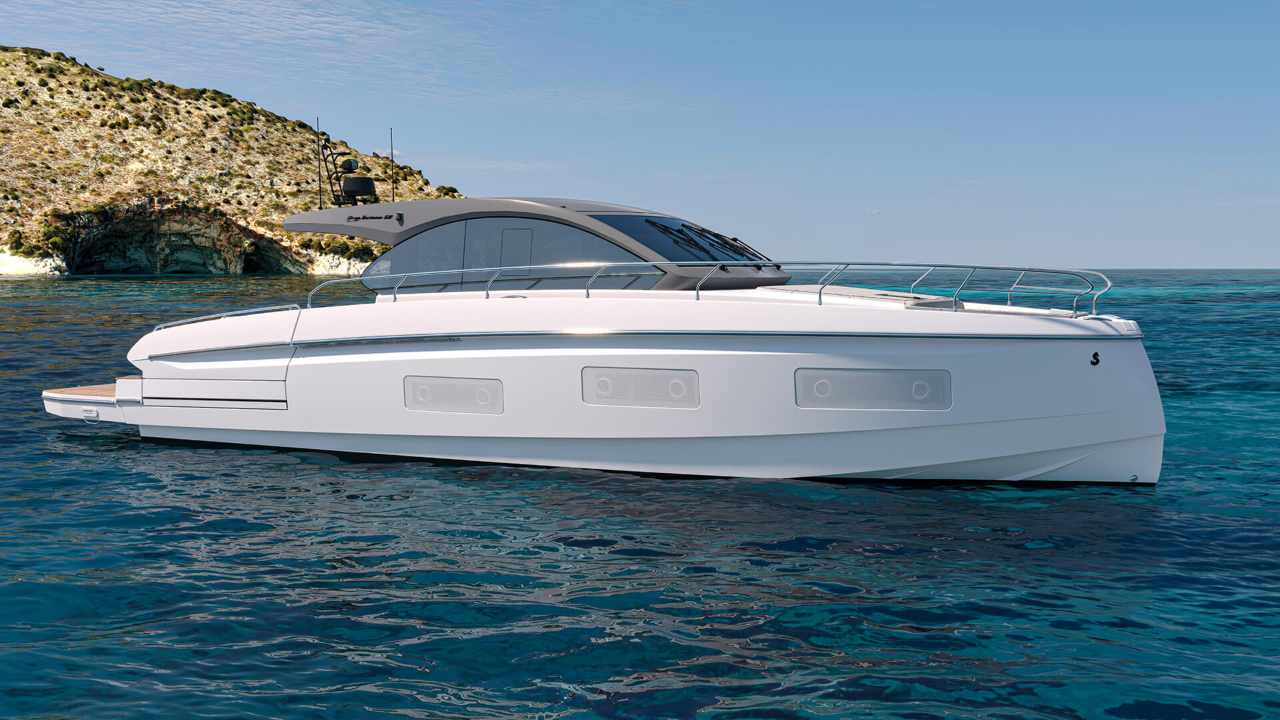
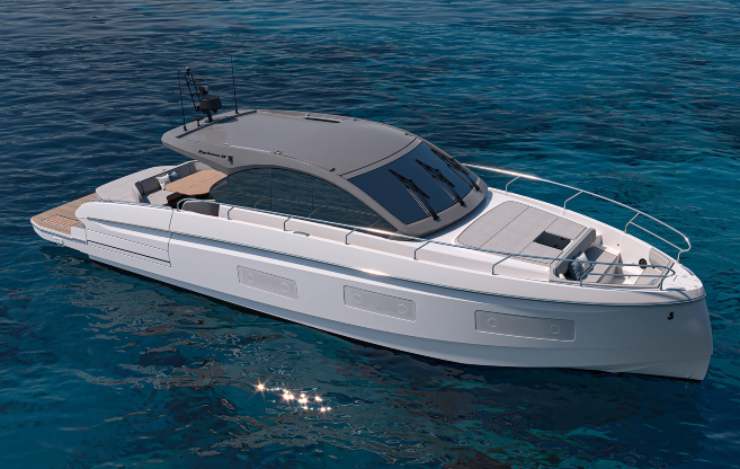
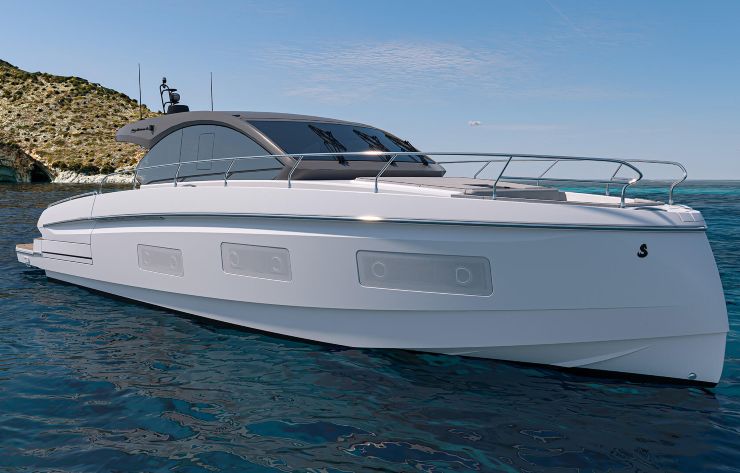
Il Gran Turismo 50 è declinato in due configurazioni principali: Hardtop e Sportfly. La differenza non è di “stile”, ma di architettura dell’uso: l’hardtop privilegia un profilo più filante, una protezione diretta del living di coperta e un baricentro percepito più “coupé”; lo sportfly aggiunge un livello superiore più compatto, che amplia la socialità e la visibilità, mantenendo però un’impostazione sportiva (non un flybridge classico). A parità di carena e impostazione interna, la scelta influenza ergonomia in manovra, ventilazione naturale e scenari d’uso (giornate estive, charter, rada).
Team di firme: ingegneria, stile e interior design
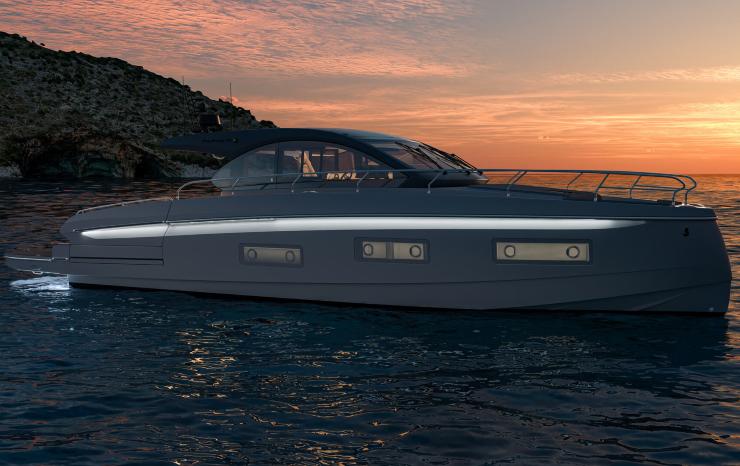
Il progetto è costruito su un triangolo tipico delle barche contemporanee di fascia alta: architettura navale interna al marchio (con focus su strutture e carena), design esterni firmato da Nuvolari & Lenard, e interni sviluppati da Andreani Design. La barca, quindi, non è il risultato di un solo gesto creativo, ma di un lavoro integrato: linee tese e sportive, grandi superfici vetrate, e una distribuzione interna che cerca luce e volume senza tradire la logica strutturale di uno scafo planante.
Dimensioni e architettura navale: numeri che spiegano il comportamento in mare
Geometrie principali: perché 15,78 metri non sono “solo una misura”
La lunghezza fuori tutto è 15,78 m, con baglio attorno a 4,38–4,40 m: valori che posizionano il modello in piena fascia 50 piedi, con una larghezza che favorisce la vivibilità ma anche una piattaforma stabile in manovra e in rada. Il dislocamento leggero dichiarato per la versione hardtop è nell’ordine di 12.961 kg, mentre lo sportfly cresce di qualche centinaio di chilogrammi, coerentemente con la sovrastruttura aggiuntiva. Il pescaggio massimo indicativo è circa 1,16 m, un compromesso adatto a crociere costiere, rada e marina, senza penalizzare eccessivamente l’assetto propulsivo dell’IPS.
Carena planante Air Step® 2: idrodinamica applicata alla “facilità”
Il cuore tecnico è la carena Air Step® 2, sviluppata per lavorare in sinergia con IPS. In sintesi, l’idea è gestire portanza e resistenza con superfici e volumi pensati per ridurre il bisogno di trim esasperati e per migliorare l’efficienza a più andature. In navigazione questo si traduce in due effetti percepibili anche da un non addetto ai lavori: planata più “naturale” (la barca sale senza strappi) e passaggio sull’onda più composto, con un assetto che tende a rimanere leggibile e stabile nelle virate. È un approccio che privilegia la qualità del comportamento, oltre al picco di velocità.
Materiali e costruzione: compositi, sandwich e finiture “industriali” con gusto sartoriale
Scafo e coperta: laminati compositi e sandwich con anima in balsa
Dal punto di vista costruttivo lo scafo adotta una soluzione tipica della produzione avanzata in composito: struttura in vetroresina con aree in sandwich (resina poliestere + fibra di vetro + anima in balsa) e controstampo/parti in laminato monolitico dove serve robustezza e concentrazione di carichi. È una scelta ingegneristica che punta a massimizzare il rapporto rigidità/peso, migliorando anche l’isolamento termoacustico rispetto a soluzioni completamente monolitiche.
Interni: noce opaco, superfici soft-touch e top in Corian®
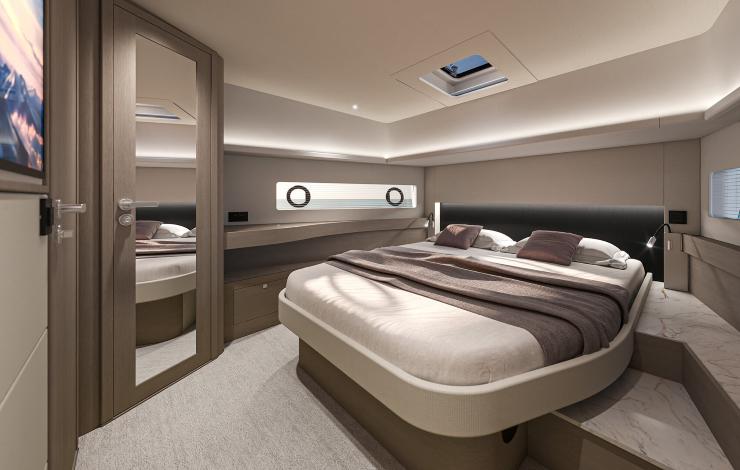
La percezione premium è costruita su materiali e finiture ben orchestrati: lavorazioni effetto noce (opaco, con vena controllata), imbottiti e inserti soft-touch, superfici laccate in aree mirate e un uso razionale di Corian® per top e piani lavoro nelle zone cucina. Qui la tecnica si vede in un dettaglio spesso trascurato: l’abbinamento tra finitura e gestione della luce. Su un 50 piedi con ampie vetrate, un legno troppo lucido amplifica riflessi e “sporca” la lettura degli spazi; una finitura opaca, invece, rende l’ambiente più profondo e contemporaneo.
Motorizzazioni e trasmissione: Volvo Penta IPS come architettura di progetto
La piattaforma è pensata per la propulsione IPS, con coppia di motori Volvo Penta in configurazione tipica di gamma: 2 × IPS600 (2 × 435 hp) come standard e 2 × IPS650 (2 × 480 hp) come opzione, con integrazione del joystick e dei sistemi EVC. L’IPS non è solo “manovra facile”: significa eliche controrotanti, efficienza propulsiva elevata e una risposta in accelerazione più lineare, con un comportamento in retromarcia e in spazi stretti nettamente superiore a soluzioni tradizionali con assi.
Prestazioni, consumi e autonomia: la velocità conta, ma vince l’efficienza “reale”
Dati di prova: crociera e consumi con IPS600
In navigazione, le prove riportano un’impostazione coerente con la filosofia del modello: una barca comoda, controllabile, con velocità di crociera solide più che un’ossessione per la punta. Con IPS600 si parla di una crociera nell’intorno dei 23 nodi a circa 3.200 giri, con un consumo complessivo indicativo attorno a 120 l/h. La velocità massima rilevata in alcune condizioni di test può attestarsi intorno a 28 nodi, con consumi nell’ordine di 150 l/h. Interessante anche il dato di “soglia”: la planata viene mantenuta intorno a 11 nodi con consumi sensibilmente inferiori, elemento utile per trasferimenti economici o mare formato dove si preferisce un passo più “morbido”.
Capacità serbatoi e stima di autonomia: numeri leggibili, non promesse
La capacità carburante è 2 × 650 L (totale 1.300 L) e l’acqua dolce è 400 L. Su queste basi, assumendo una crociera di riferimento a 23 nodi e 120 l/h, l’autonomia teorica si avvicina a circa 240–250 miglia nautiche (tenendo poi un margine prudenziale per riserva, variazioni di carico, mare e uso generatori/clima). È un valore coerente con l’uso tipico: weekend lunghi, crociere mediterranee a tappe, e charter dove contano tempi di trasferimento contenuti e comfort in rada.
Sistemi di bordo: Ship Control, elettronica e domotica applicata alla nautica
Ship Control: la centralizzazione che riduce errori e stress
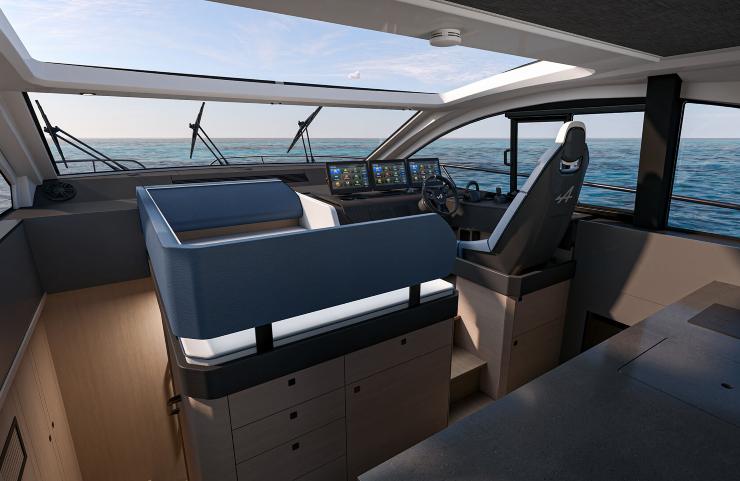
Uno degli elementi più distintivi è il sistema Ship Control: una piattaforma che permette di gestire e monitorare funzioni chiave (livelli, climatizzazione, luci di navigazione, illuminazione, impianto audio) dalla postazione di guida o da un dispositivo connesso via Wi-Fi. In pratica, il comandante lavora con un’interfaccia più “logica” e meno frammentata: meno pannelli sparsi, più controllo d’insieme, maggiore rapidità nel check pre-partenza e nel troubleshooting. È un vantaggio enorme anche per la sicurezza operativa: la barca diventa più prevedibile, e quindi più facile da condurre bene.
Pacchetto elettronico: predisposizioni, MFD e integrazione
Il modello adotta configurazioni elettroniche coerenti con la categoria: multifunzione di grande formato, radar e autopilota in pacchetti, VHF e AIS a seconda dell’allestimento, con una logica modulare che consente di partire “essenziali” e poi crescere. Dal punto di vista ingegneristico, è importante sottolineare la qualità dell’integrazione: quando display, dati motore e impianti dialogano, l’esperienza migliora e si riduce l’effetto “cabina di pilotaggio piena di scatole”. Anche per l’armatore non tecnico, la differenza si sente: tutto è più immediato, più leggibile, più vicino al mondo automotive.
Design e spazi: il “full-space” come strategia progettuale
Coperta principale: continuità pozzetto-salone e ventilazione modulabile
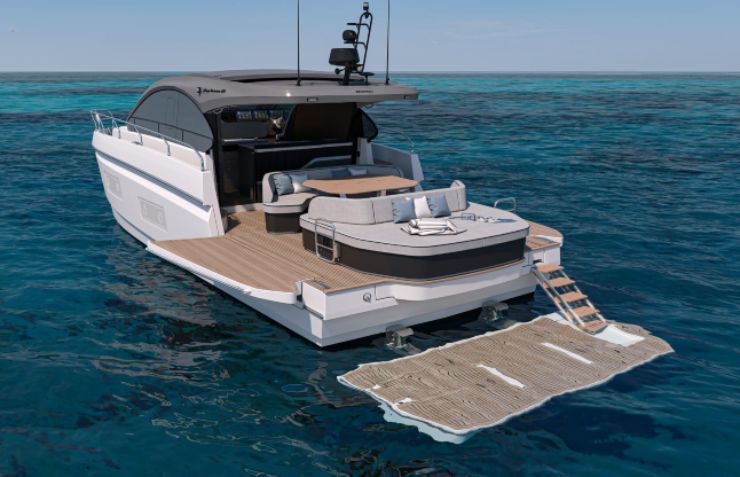
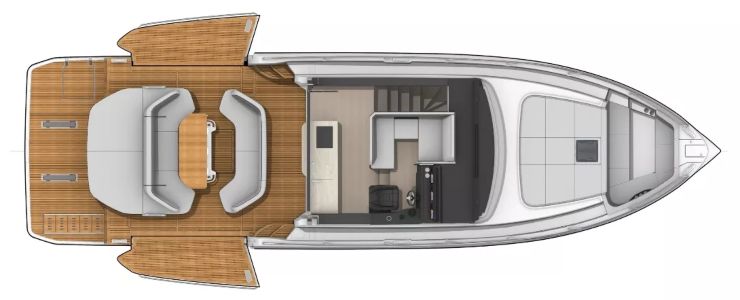
La coperta principale è progettata come un ambiente unico: pozzetto e living dialogano attraverso aperture e superfici trasparenti, con vetrate laterali e copertura rigida che proteggono senza “chiudere”. La filosofia è chiara: vivere la barca come una terrazza sul mare, dove il confine tra interno ed esterno è regolabile in base a meteo e stagione. In questa impostazione il comandante non è isolato: la postazione di guida rimane dentro la vita sociale, una scelta che funziona molto bene su unità orientate alla crociera familiare e al day-long di livello.
Due o tre cabine: modularità senza compromessi sulla suite armatoriale
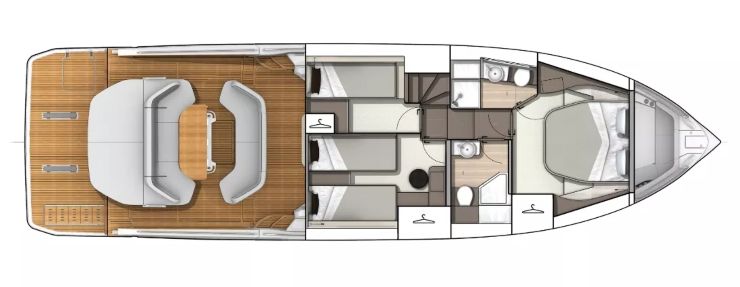
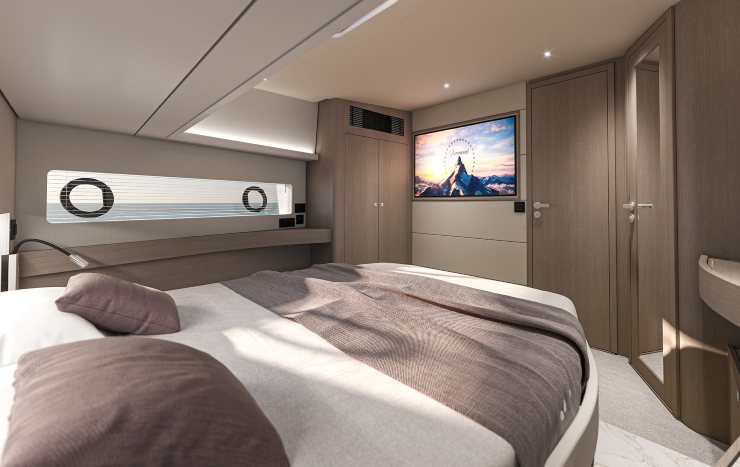
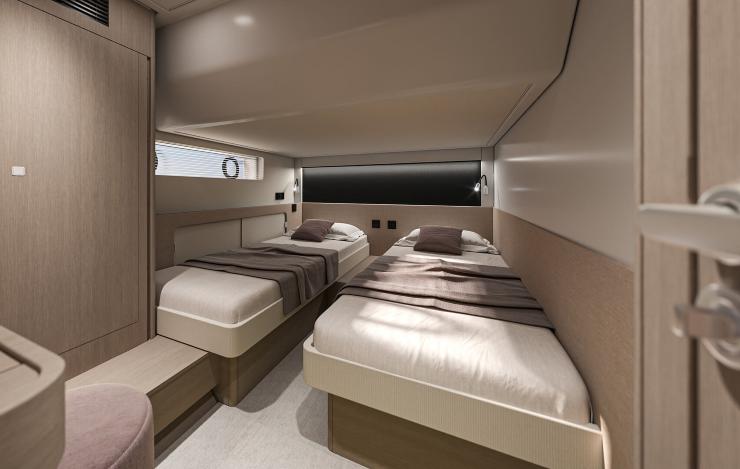
Sottocoperta, la barca offre una configurazione a 2 cabine (con area lounge aggiuntiva) oppure a 3 cabine, mantenendo l’elemento più “da yacht” del progetto: una suite armatoriale a tutto baglio a centro barca, con servizi dedicati e stivaggi impostati in modo quasi “dressing room”. È un punto cruciale perché, nel segmento 50 piedi, la suite full-beam non è solo comfort: è un indicatore di maturità progettuale, dato che richiede un’ottima gestione delle strutture, delle finestrature e della distribuzione impiantistica.
Impianti, ergonomia e layout
Climatizzazione, energia e silenzio: quando la tecnica “sparisce”
Su barche di questo livello, il comfort non è un accessorio: è un sistema. Predisposizioni per aria condizionata, gestione elettrica articolata, batterie servizi e soluzioni di ricarica/shore power sono parte della piattaforma. Ma il vero valore è la capacità del progetto di rendere queste funzioni trasparenti: l’utente non deve “fare il tecnico”, deve solo vivere la barca. Anche la cura per l’insonorizzazione del vano motori e la gestione dei flussi d’aria contribuiscono a un’esperienza più “yacht-like”, soprattutto in crociera a regime costante.
Ergonomia delle cabine e servizi: numeri che diventano percezioni
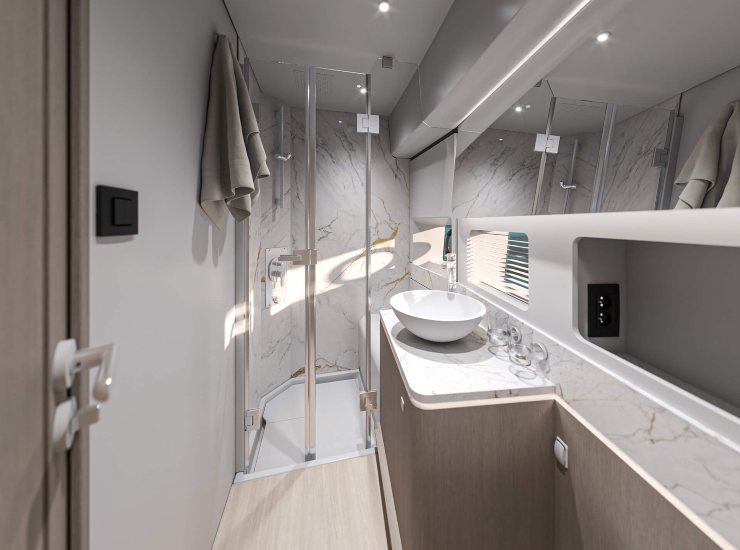
Alcuni dettagli raccontano l’attenzione alla fruibilità: altezze interne generose in varie aree, servizi organizzati con docce separate e soluzioni che aumentano la praticità quotidiana. Non è solo una questione di “lusso”: è una questione di usabilità. Quando un bagno è ben separato, quando gli stivaggi sono accessibili, quando l’illuminazione è studiata tra diretta e indiretta, la barca smette di essere un oggetto e diventa una casa mobile sul mare—con la differenza che deve funzionare anche con mare, umidità, vibrazioni e cicli d’uso intensi.
Layout
Prestazioni in navigazione: comportamento, virate, sensazione al timone
Stabilità e comfort: il vantaggio delle scelte coerenti
Dalle impressioni di prova emerge un tratto comune: il Gran Turismo 50 tende a restituire una sensazione di controllo e di progressione pulita, con virate sostenute ma non nervose, e un assetto che non richiede correzioni continue. Questo è il beneficio della coerenza progettuale: carena pensata per IPS, pesi gestiti per un living di coperta importante, e sistemi di governo che aiutano il pilota invece di metterlo “contro” la barca.
Mercato e concorrenza: dove si colloca e contro chi gioca davvero
Segmento e prezzo: sport-cruiser premium “family & entertaining”
Il posizionamento è quello di un sport-cruiser premium orientato alla crociera familiare evoluta e al day entertaining. Le indicazioni di prezzo variano per anno/model year e dotazioni, ma il modello si è collocato, al lancio, in una fascia che lo mette in competizione diretta con cantieri dal forte heritage nel coupé mediterraneo. In quest’ottica contano molto gli optional: piattaforma immergibile, pacchetti elettronici, generatori, aria condizionata, upgrade finiture.
Competitor diretti: la sfida è su layout e “qualità della vita”, non solo sui nodi
I rivali naturali sono modelli come Princess V50, Sunseeker Predator 50 e altri coupé/open di pari taglia, dove cambiano filosofia e priorità: c’è chi spinge sulla potenza e sul pedigree sportivo, chi sulla qualità artigianale percepita, chi sull’efficienza e sulla fruibilità degli spazi. Il Gran Turismo 50 gioca una partita precisa: continuità indoor/outdoor, domotica e facilità di conduzione, con un equilibrio prestazionale adatto a crociere veloci ma anche a lunghe giornate a bordo senza stress.
Trend del settore: meno ostentazione, più esperienza
Il segmento sta evolvendo verso barche che non siano solo “veloci e belle”, ma facili, con impianti integrati, gestione energetica più intelligente, e spazi pensati per vivere la barca come un’abitazione temporanea di alto profilo. Il Gran Turismo 50 interpreta bene questa tendenza con la sua impostazione “salotto sul mare”, la modularità delle versioni e la cura per i dettagli funzionali (tender, beach area, ventilazione, controllo impianti).
Risultati, riconoscimenti e presenza internazionale
Il modello ha beneficiato di visibilità e riconoscimenti di settore, con segnalazioni legate ai premi europei del powerboat, elemento che rafforza la credibilità commerciale e l’interesse del pubblico specializzato. In parallelo, la barca è tipicamente protagonista nei grandi saloni internazionali, dove il target cerca unità pronte, complete, e con un linguaggio progettuale immediatamente contemporaneo.
Immagini extra
Prospettive future: cosa racconta il Gran Turismo 50 sulla direzione del cantiere
Il Gran Turismo 50 non è un esercizio isolato: è la dimostrazione di una traiettoria che unisce ingegneria di carena, integrazione con partner propulsivi, e digitalizzazione dell’esperienza a bordo. Nel prossimo futuro, la pressione su consumi ed emissioni spingerà sempre più verso ibridazioni, ottimizzazione idrodinamica e gestione energetica avanzata. In questo scenario, un progetto già impostato su efficienza e controllo centralizzato parte avvantaggiato: l’innovazione non dovrà stravolgere la barca, ma innestarsi su una piattaforma già “pronta” a crescere.
Scheda tecnica sintetica
- Lunghezza fuori tutto (LOA): 15,78 m
- Baglio: 4,38–4,40 m
- Dislocamento leggero (circa): 12.961 kg (Hardtop)
- Pescaggio massimo (indicativo): 1,16 m
- Carburante: 2 × 650 L (tot. 1.300 L)
- Acqua dolce: 400 L
- Motori: Volvo Penta IPS600 (2 × 435 hp) / IPS650 (2 × 480 hp)
- Propulsione: IPS In-Board con joystick
- Omologazione CE: B12 / C12
- Layout: 2 cabine + lounge o 3 cabine, con suite armatoriale full-beam
Video
Conclusioni: a chi parla davvero questo 50 piedi
Il BENETEAU Gran Turismo 50 è una barca per chi vuole unire dinamica di guida e vivibilità reale, senza accettare compromessi su maneggevolezza e comfort. La carena Air Step® 2, l’architettura IPS e la logica Ship Control costruiscono un pacchetto che rende il 50 piedi meno “impegnativo” e più fruibile, anche quando l’armatore non è un professionista. Sul mercato, la sua forza è l’equilibrio: non è la barca che urla il dato di punta, ma quella che—giorno dopo giorno—fa sentire che ogni scelta è stata presa per far funzionare la barca, prima ancora che per farla apparire. E in un segmento dove la differenza la fanno la qualità dell’esperienza e la coerenza ingegneristica, questa è una forma di lusso molto concreta.