
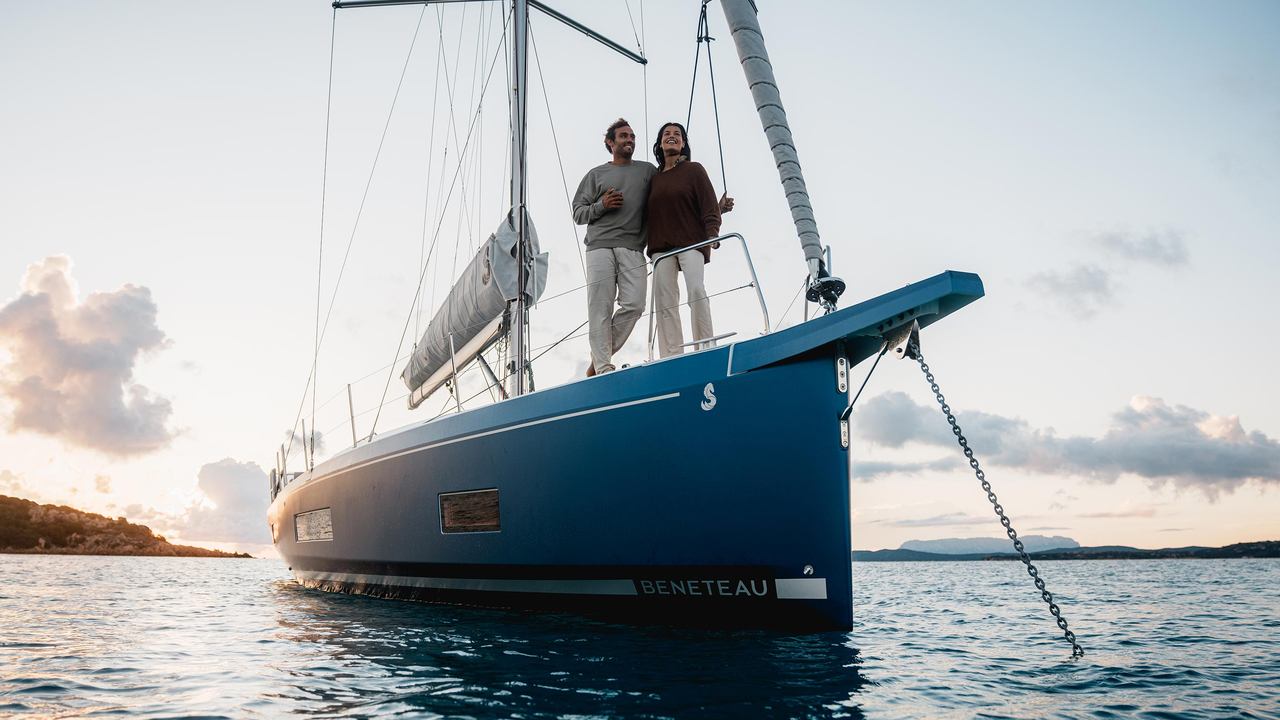
Il Beneteau Oceanis 47 è un cruiser di 14,60 metri progettato da Finot-Conq, con coperta e interni firmati Nauta Design. Baglio di 4,50 metri, peso a secco dichiarato di 10.981 kg, tre pescaggi possibili e due impostazioni dell’armo permettono di costruire barche molto diverse sulla stessa piattaforma. La valutazione deve quindi partire dalla configurazione: chiglia, albero, vele, layout interno, pozzetto, motore e impianti determinano uso, costi e comportamento più del nome del modello.
Le specifiche da fissare nel capitolato
La lunghezza fuori tutto è 14,60 metri e il baglio massimo 4,50 metri. L’altezza indicata è 21,31 metri, dato che richiede confronto con l’armo effettivo e con ogni antenna. Il pescaggio varia da 1,87 a 2,47 metri secondo la chiglia scelta. Le capacità pubblicate sono 195 litri di carburante e 370 litri d’acqua; la potenza massima del motore è 80 hp. Tutti i valori vanno ricondotti alla distinta “as built” dell’unità.
| Voce | Dato dichiarato | Verifica prima della consegna |
|---|---|---|
| Lunghezza fuori tutto | 14,60 m | Pulpiti, ancora e piattaforma |
| Baglio massimo | 4,50 m | Posto barca e parabordi |
| Peso a secco | 10.981 kg | Dislocamento pronto a navigare |
| Altezza | 21,31 m | Armo, antenne e passaggi |
| Pescaggio | 1,87–2,47 m | Tipo di chiglia installato |
| Carburante | 195 l | Volume utilizzabile e indicatore |
| Acqua dolce | 370 l | Distribuzione e autonomia reale |
| Motore | Massimo 80 hp | Versione, elica e trasmissione |
| Certificazione CE | A10 / B11 / C12 | Targhetta e carico dell’esemplare |
Tre pescaggi, tre programmi di navigazione
Il campo da 1,87 a 2,47 metri non è una tolleranza, ma il risultato di configurazioni differenti. Una chiglia meno profonda facilita l’accesso a porti e baie; una soluzione più immersa modifica momento raddrizzante, superficie laterale e vincoli d’ormeggio. Prima di scegliere si confrontano fondali abituali, stabilità documentata, peso della chiglia, altezze di invaso e possibilità di alaggio. Il dato definitivo deve comparire nei documenti dell’unità e nel piano di manutenzione.

Armo standard con randa avvolgibile
La configurazione standard adotta albero con randa avvolgibile e fiocco autovirante. È un’impostazione orientata alla manovrabilità con equipaggio ridotto, ma richiede controlli specifici: allineamento dell’avvolgitore, tensione della drizza, forma della randa, usura del gratile e libertà di rotazione. Il fiocco autovirante semplifica le virate e concentra carichi su rotaia, carrello e attacchi. Tutti i punti devono essere ispezionabili, con coppie e sostituzioni registrate.
First Line: albero più lungo e più tela
Il pacchetto First Line impiega un albero più lungo e aumenta la superficie velica. Non va trattato come un semplice accessorio: cambiano carichi, regolazioni, dotazione delle vele e competenze richieste. Il piano deve includere sartiame, arridatoi, attacchi, manovre correnti e gestione delle riduzioni. Altezza effettiva e superficie installata devono essere documentate. Un equipaggio che naviga spesso in equipaggio ridotto dovrebbe provare ogni manovra e definire soglie conservative per ridurre tela.

Scafo con baglio portato verso poppa
Il baglio si mantiene generoso verso lo specchio e contribuisce al volume del pozzetto e delle cabine poppiere. Le forme larghe richiedono attenzione all’assetto longitudinale e trasversale: batterie, tender, vele, ancora, acqua e ricambi non possono essere collocati senza un bilancio. In navigazione si osservano angolo di sbandamento, immersione dello specchio e comportamento con serbatoi a livelli diversi. Le prestazioni non vanno dedotte dalle sole forme né attribuite senza una prova strumentata.
Pozzetto chiuso oppure aperto sul mare
Il pozzetto può essere scelto in versione chiusa, con assetto più protetto, oppure aperta verso la piattaforma e l’acqua. La decisione interessa sicurezza, stivaggio e uso familiare. Chiusure, cancelli e sedute devono rimanere efficaci sotto carico; nella versione aperta serve una procedura rigorosa durante la navigazione. In entrambi i casi si controllano scarichi, gavoni, chiusure, antisdrucciolo e passaggio tra timonerie, tavoli e manovre senza punti di intrappolamento.

Tavoli centrali e prendisole modulare
I due tavoli centrali possono passare dalla posizione alta a quella bassa e contribuire alla formazione di un prendisole. Ogni trasformazione va provata da una persona, verificando perni, guide, blocchi e stabilità. I componenti mobili devono essere assicurati prima di mollare gli ormeggi; cuscini e riempimenti richiedono un vano ventilato. In emergenza il tavolo non deve bloccare un percorso verso la timoneria o la discesa. La portata ammessa del prendisole va confermata nel manuale.
Governo, visibilità e manovre correnti
Le due timonerie devono offrire visuale sulla prua, sulle vele e sul lato d’ormeggio. Ruota, strumenti, comando motore e manovre non devono interferire tra loro. Si verifica il rinvio del timone lungo tutta la corsa, compresa la barra di rispetto prevista dal progetto. Winch, stopper e bozzelli vanno provati sotto carico controllato; le cime devono raggiungere il pozzetto senza sfregamenti. L’autopilota, se installato, non sostituisce il controllo del sistema meccanico.

Motore fino a 80 cavalli
Il limite pubblicato è 80 hp. Per la barca scelta occorre identificare modello, trasmissione, rapporto, elica, alternatore e massa. Il vano motore deve permettere controllo di olio, raffreddamento, filtri, cinghie e tenute senza smontaggi sproporzionati. Si provano avviamento a freddo, carica, temperature, vibrazioni e manovra avanti-indietro. L’autonomia a motore deriva da consumo misurato e carburante utilizzabile, non dalla divisione teorica fra capacità e dato di catalogo.
Centonovantacinque litri di gasolio
Il serbatoio dichiarato contiene 195 litri. Bocchettone, sfiato, valvole, filtri e ritorno devono essere mappati; l’indicatore va confrontato con quantità note. In crociera lunga è essenziale conoscere il volume non pescabile con sbandamento e moto ondoso. Una riserva prudente copre deviazioni, mare contrario e generazione elettrica. Il filtro primario deve essere raggiungibile in sicurezza e l’equipaggio deve saper isolare una perdita senza spegnere circuiti estranei.

Trecentosettanta litri d’acqua dolce
I 370 litri dichiarati vanno tradotti in giorni di autonomia per numero di persone e stile d’uso. Occorre sapere come il volume è distribuito, quali serbatoi alimentano ciascuna utenza e come si selezionano. Autoclave, filtri, boiler ed eventuale dissalatore devono avere valvole identificabili e ricambi a bordo. La pompa deve arrestarsi a rubinetti chiusi; perdite nascoste, sfiati ostruiti o sensori imprecisi possono ridurre l’autonomia molto più di una differenza nominale.
Impianto elettrico e bilancio energetico
La configurazione elettrica deve elencare batterie di avviamento e servizi, capacità nominale e utile, chimica, alternatore, caricabatterie, prese di banchina e protezioni. Frigoriferi, autopilota, strumenti, pompe, illuminazione e apparecchi domestici hanno profili diversi. Si costruisce un bilancio per navigazione, rada e notte, poi si verifica con misure. Se sono presenti solare, inverter o generatore, ogni sistema richiede sezionamento e procedura di guasto; nessuna fonte deve mascherare una batteria deteriorata.

Elettronica, connettività e Seanapps
La piattaforma può essere collegata a Seanapps per monitoraggio e servizi. La connettività è utile per manutenzione e controllo remoto, ma non deve diventare un punto unico di dipendenza. Si documentano sensori, rete, alimentazioni, proprietà degli account, aggiornamenti e dati condivisi. Navigazione, allarmi e livelli essenziali devono rimanere leggibili a bordo anche senza segnale esterno. Prima della consegna si prova la perdita della connessione e si verifica come vengono esportati registri e storico.
Versione armatoriale: tre cabine e due bagni
La versione per proprietario prevede tre cabine e due locali doccia, oltre a un vero tavolo da carteggio. Il layout va valutato insieme agli impianti: accesso a serbatoi, pompe, prese a mare e cablaggi non può essere sacrificato agli arredi. Porte e cassetti necessitano chiusure positive; cuccette, materassi e controstampi devono ventilare. Le uscite e i rilevatori devono essere chiari anche di notte. Ogni bagno richiede schema di carico, scarico, sfiato e serbatoio nero.

Quadrato, finiture e tre atmosfere
Gli interni impiegano falegnameria in rovere sabbiato e possono essere scelti nelle atmosfere Sunset, Pacific o Ivory. Il pacchetto Elegance aggiunge elementi decorativi e tavolo in legno Alpi. La scelta estetica non deve impedire ispezioni: pannelli, specchi e rivestimenti devono poter essere rimossi senza danni per raggiungere connessioni e struttura. In consegna si controllano allineamenti, bordi, chiusure, ventilazione e rumori, verificando che il mobilio non trasferisca carichi impropri allo scafo.
Cucina, gas e ventilazione
La cucina deve essere verificata in base agli apparecchi realmente ordinati. Se è presente gas, bombola, riduttore, elettrovalvola, tubazioni e rilevatore richiedono certificazione e prova di tenuta; se la cottura è elettrica, il carico entra nel bilancio dell’inverter e delle batterie. Frigoriferi e scarichi necessitano ventilazione e accesso. Stoviglie e provviste devono essere trattenute. Il percorso dalla cucina al pozzetto non deve incrociare spigoli o ostacoli durante lo sbandamento.

Sentine, prese a mare e pompe
Prima della consegna si redige una mappa di tutte le prese a mare, valvole, scarichi e pompe. Ogni valvola deve essere azionabile e identificata; tubi e doppie fascette vanno ispezionati nel loro intero percorso. Le pompe di sentina si provano con acqua, verificando automatici, allarmi, riflussi e scarico esterno. La sentina deve restare leggibile: acqua, olio o odore sono segnali da indagare, non condizioni da coprire con detergenti.
Certificazione, carico e dotazioni
La certificazione dichiarata è A10, B11 e C12. Il numero di persone varia con la categoria e non sostituisce il limite di carico. Tender, ancora, vele, attrezzi, acqua, carburante e bagagli devono essere conteggiati insieme agli occupanti. La targhetta dell’unità e il manuale prevalgono sul materiale commerciale. Dotazioni di sicurezza, zattera, giubbotti e mezzi di recupero vanno collocati dove siano raggiungibili anche con pozzetto trasformato o cabine occupate.

verifiche per prova e consegna
La prova deve registrare vento, mare, carico e configurazione. Si eseguono manovre a vela e a motore, riduzioni, virate, retromarcia, arresto e controllo dell’autopilota senza trasformare l’uscita in una gara. In banchina si provano ogni pompa, luce, caricatore, sensore, valvola e utenza. Documenti, numeri di serie, schemi e manuali vengono confrontati con quanto installato. Le anomalie restano aperte fino a una nuova prova, non fino a una promessa di intervento.
Giudizio tecnico sull’Oceanis 47
L’Oceanis 47 offre una piattaforma ampia e realmente configurabile: tre pescaggi, armo standard o First Line, pozzetto aperto o chiuso e diversi interni. Questa ricchezza è convincente solo quando il capitolato è coerente con equipaggio, rotte e manutenzione. Non abbiamo eseguito una prova indipendente e non attribuiamo prestazioni non documentate. Per il lettore esperto il valore è nella relazione tra chiglia, vele, carichi e impianti, verificata sull’esemplare reale con una consegna metodica.