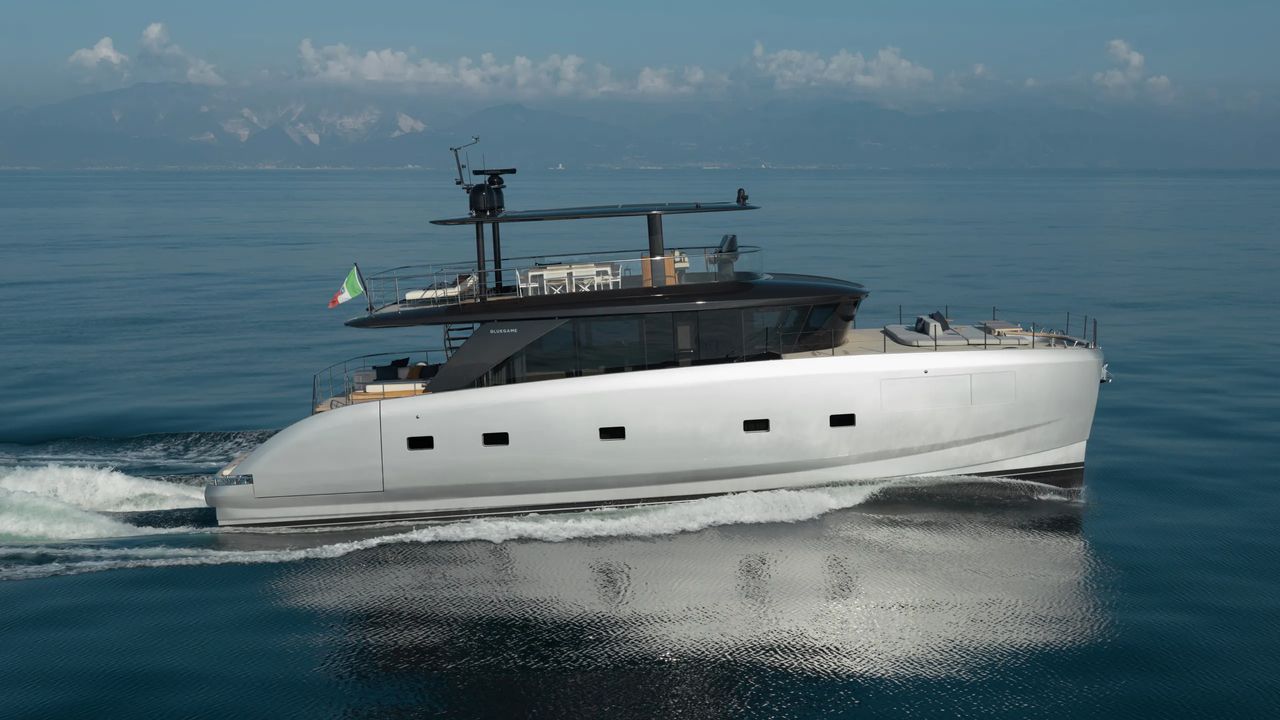
Il Bluegame BGM75 misura 22,75 metri fuori tutto, 8,15 metri di baglio e 1,70 metri di pescaggio a pieno carico. È un multiscafo a motore con proporzioni meno estreme di molti catamarani tradizionali: i due scafi sostengono una piattaforma centrale ampia, mentre l’ingombro laterale resta un dato da pianificare con precisione per posto barca, alaggio e manovra.
Questa guida riguarda configurazione, impianti e accettazione dell’esemplare; non è una prova in mare. La documentazione corrente indica 69 tonnellate a mezzo carico e 72 tonnellate a pieno carico, entrambe con tolleranza del cinque per cento. Propulsione standard con due Volvo Penta D13 IPS1050 da 800 hp, alternativa con due D13 IPS1200 da 900 hp, 5.000 litri di carburante e 2.000 litri d’acqua definiscono una barca che richiede un capitolato dettagliato prima ancora del collaudo.
Scheda tecnica da legare al contratto
| Voce | Dato dichiarato | Controllo di consegna |
|---|---|---|
| Lunghezza / baglio | 22,75 / 8,15 m | Ormeggio, travel lift e percorsi |
| Pescaggio | 1,70 m a pieno carico | Pod, appendici e fondali |
| Dislocamento | 69 / 72 t ±5% | Condizione e distinta pesi |
| Standard | 2 × D13 IPS1050, 800 hp | Seriali, rapporti, eliche e software |
| Alternativa | 2 × D13 IPS1200, 900 hp | Carico, rumore, costo e autonomia |
| Carburante / acqua | 5.000 / 2.000 l | Utilizzabile, riserva e calibrazione |
| Grigie / nere | 660 / 660 l | Sfiati, livelli e procedure |
| Velocità | 16 / 20 nodi | Crociera / massima dichiarate ±5% |
Configurazione: congelare versione e layout
Il primo documento operativo deve identificare versione di progetto, layout e condizione di peso. Dati tecnici precedenti possono riferirsi a revisioni differenti e non vanno mescolati. Il disegno contrattuale deve coincidere con numero di cabine, porte, bagni, stivaggi, locali tecnici e vie di fuga. Ogni optional riporta massa, posizione, assorbimento e accesso manutentivo.
La sequenza di verifiche iniziale comprende motori, pod, eliche, software, stabilizzatori, generatori, batterie, climatizzazione, dissalazione eventuale, tender e apparecchi alberghieri. L’ordine approvato diventa il riferimento per verificare la barca reale e impedisce che sostituzioni non documentate vengano accettate come equivalenti.
Due scafi: serbatoi e carichi simmetrici
Su un multiscafo la posizione dei carichi conta quanto la quantità. Carburante, acqua, batterie, ricambi e bagagli devono essere letti per lato. Una differenza persistente di immersione può dipendere da livelli, sensori o stivaggi e non va corretta soltanto con sistemi dinamici. Si registrano immersioni, sbandamento e livelli nella condizione di prova.
La distinta pesi finale indica cosa è presente e dove. Tender, water toy e arredi sul ponte superiore incidono sul centro di gravità. Il margine residuo è una caratteristica operativa: stabilisce quanto la barca possa essere personalizzata senza allontanarsi dalla condizione prevista.
IPS1050 o IPS1200: una scelta di missione
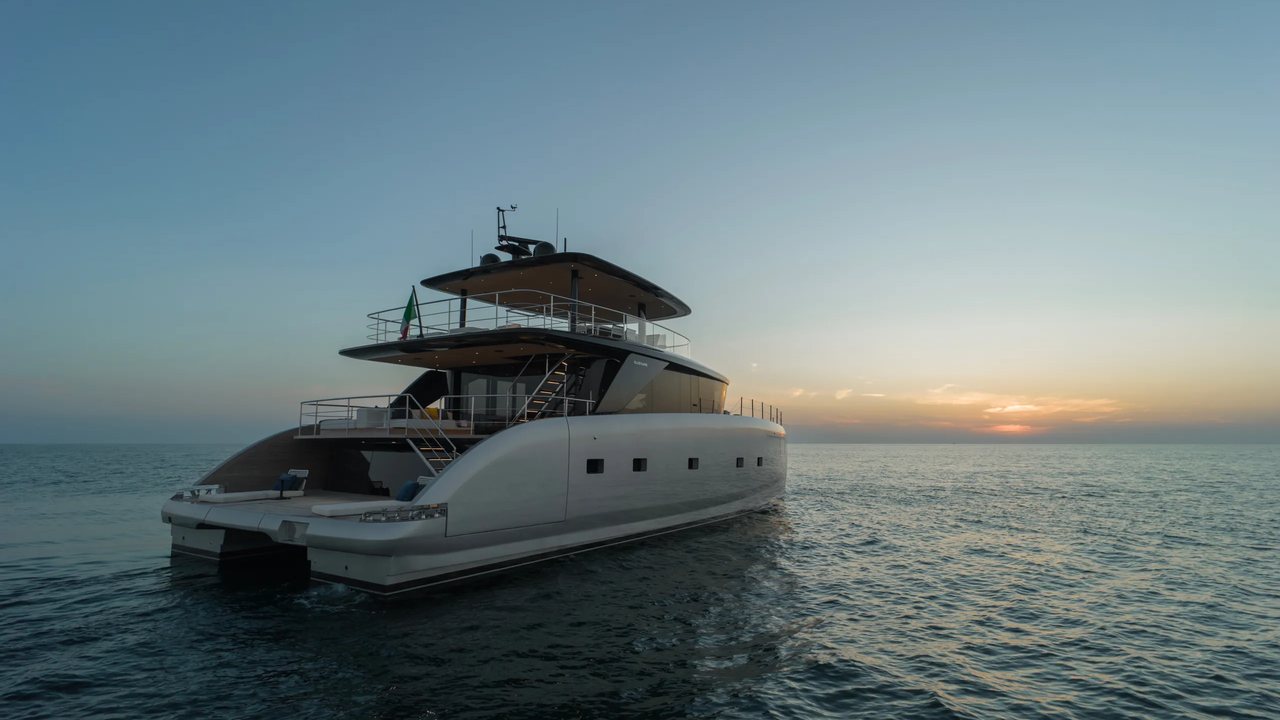
I due D13 IPS1050 da 800 hp rappresentano la configurazione standard; i due IPS1200 da 900 hp sono l’alternativa dichiarata. La scelta non si riduce alla velocità. Cambiano carico medio, costo, rumorosità, ricambi e margine con mare o peso elevato. Il profilo d’uso deve indicare miglia annuali, regime abituale, permanenza lontano dall’assistenza e carico realistico.
Per la versione ordinata si registrano seriali, rapporti, eliche e release elettroniche. A regimi stabilizzati i due lati vengono confrontati per giri, carico, pressione, temperatura e consumo indicato. Scostamenti persistenti richiedono diagnosi prima dell’accettazione.
Pod, joystick e manovra nel marina
Motore, riduttore, pod, eliche controrotanti, sterzo e joystick costituiscono un unico sistema. L’ispezione verifica tenute, oli, protezioni, cablaggi e libertà di movimento. In porto si provano avanzamento, retromarcia, traslazione, rotazione e arresto con vento annotato. La risposta deve essere progressiva e coerente sui due lati.
Gli 8,15 metri di baglio rendono essenziali visuale, comunicazioni e preparazione delle cime. La tecnologia assiste ma non elimina inerzia e presa al vento. Il comandante deve conoscere la procedura con un pod indisponibile, un sensore degradato o joystick non utilizzabile.
Cinquemila litri: autonomia e trasferimenti
I 5.000 litri sono ripartiti in due serbatoi da 2.500 litri. Capacità nominale e quantità utilizzabile non coincidono: fondo, riserva e generatori riducono il carburante disponibile per la rotta. Indicatori e livelli si calibrano con rifornimenti misurati; sfiati, ritorni, filtri, valvole e intercettazioni devono avere etichette coerenti con gli schemi.
La procedura di rifornimento coordina i due lati e previene sovrapressione o sversamento. L’autonomia nasce da consumi osservati sull’esemplare con carico noto, non da un singolo numero promozionale. Il registro delle prime uscite costruisce una curva affidabile.
Stabilizzazione doppia sincronizzata
Il BGM75 è proposto con due stabilizzatori giroscopici sincronizzati, uno per scafo. Devono essere collaudati come sistema: fissaggi, sensori, alimentazione, raffreddamento, comunicazione e logica di arresto. Si registrano avvio, raggiungimento del regime, allarmi, arresto e comportamento in modalità degradata.
Tempi di accelerazione e rallentamento entrano nel piano energetico e nelle procedure di partenza. L’efficacia si valuta nelle condizioni consentite, senza promettere l’eliminazione del rollio. La perdita di una macchina deve produrre indicazioni chiare e non lasciare dubbi sullo stato dell’altra.
Impianto elettrico e dipendenze
Lo schema unifilare deve distinguere servizi dei due scafi, utenze comuni, generatori, batterie, inverter e banchina. Il bilancio separa carichi continui, picchi e funzioni essenziali. Clima, cucina, boiler, pompe, stabilizzatori e movimentazioni vengono attivati in combinazioni realistiche, misurando tensione e temperatura dei collegamenti.
Una doppia installazione non garantisce ridondanza se condivide quadro, raffreddamento o comando. La prova di perdita di una sorgente mostra quali servizi restano disponibili e come avviene la commutazione. Sezionatori, fusibili e arresti devono essere raggiungibili e leggibili.
Plancia e rete dati
I display riuniscono navigazione, propulsione, livelli, energia e allarmi. Occorre distinguere schermate duplicate da sensori e alimentazioni realmente indipendenti. La mappa della rete identifica GNSS, radar, AIS, autopilota, VHF, gateway, switch e apparati condivisi.
Durante l’accettazione si simula in sicurezza la perdita di uno schermo, di una sorgente dati e di un ramo elettrico. Le funzioni essenziali devono restare leggibili. Luminosità, riflessi e priorità degli allarmi si verificano di giorno e al buio; configurazioni e password vengono consegnate al proprietario.
Climatizzazione del grande volume centrale
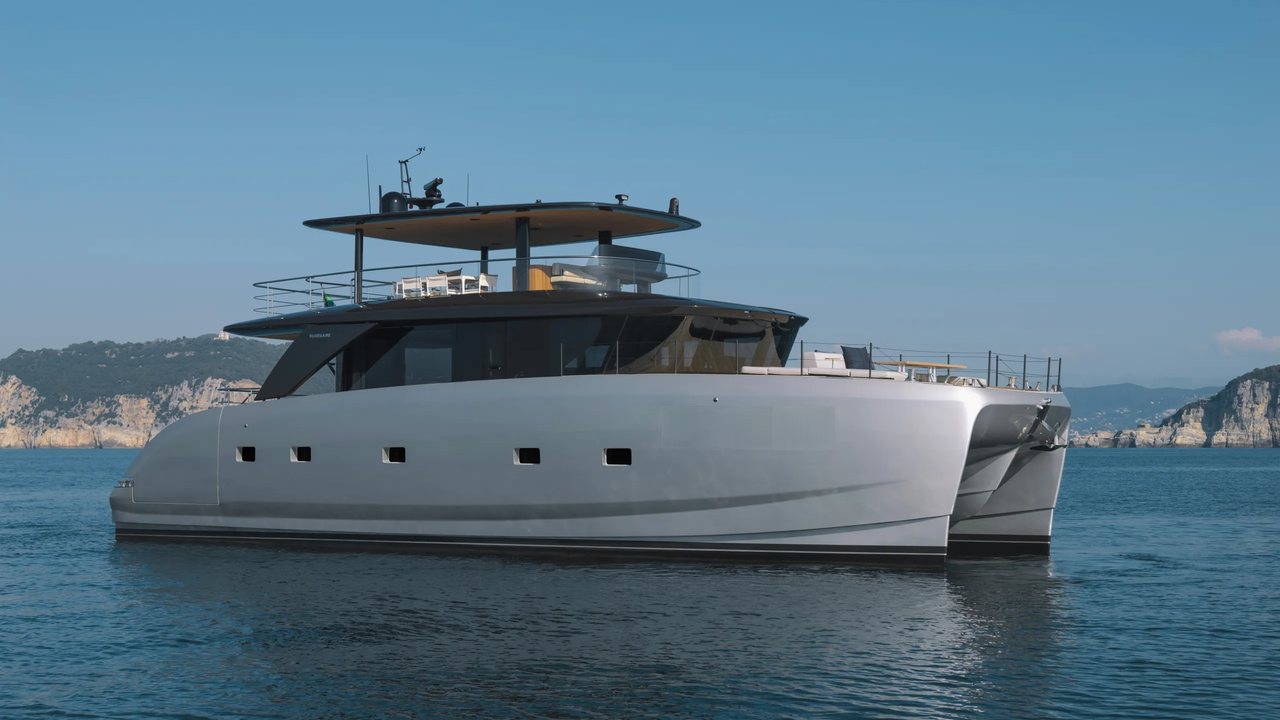
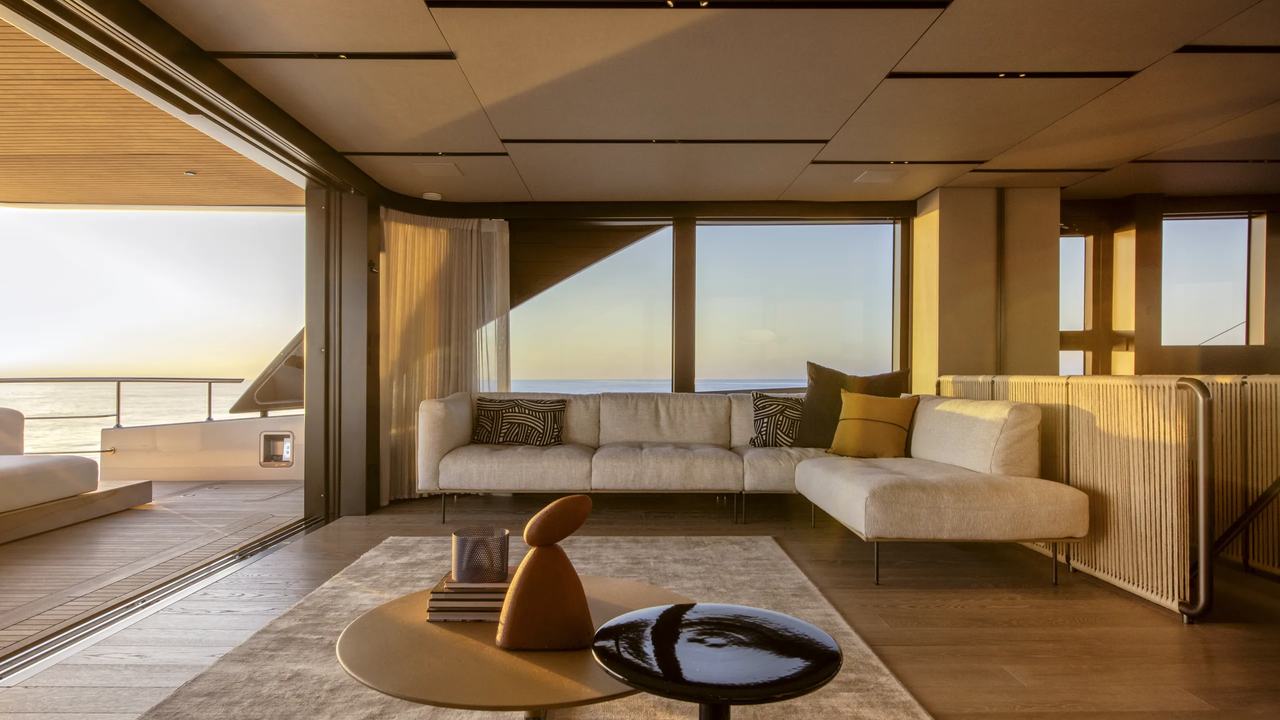
Salone a tutto baglio, vetrate e aperture aumentano luce e continuità, ma anche carico solare. Il clima si prova con persone, illuminazione e apparecchi attivi. Temperatura, umidità, assorbimento e rumorosità vengono registrati per zona, senza limitarsi alla temperatura impostata sul pannello.
Porte, guide, guarnizioni e drenaggi ricevono più cicli e una prova d’acqua. Arredi e cielini non devono ostruire ritorni d’aria o accessi tecnici. Condensa e distribuzione irregolare sono segnali da risolvere prima della consegna.
Cucina, pranzo e carichi simultanei
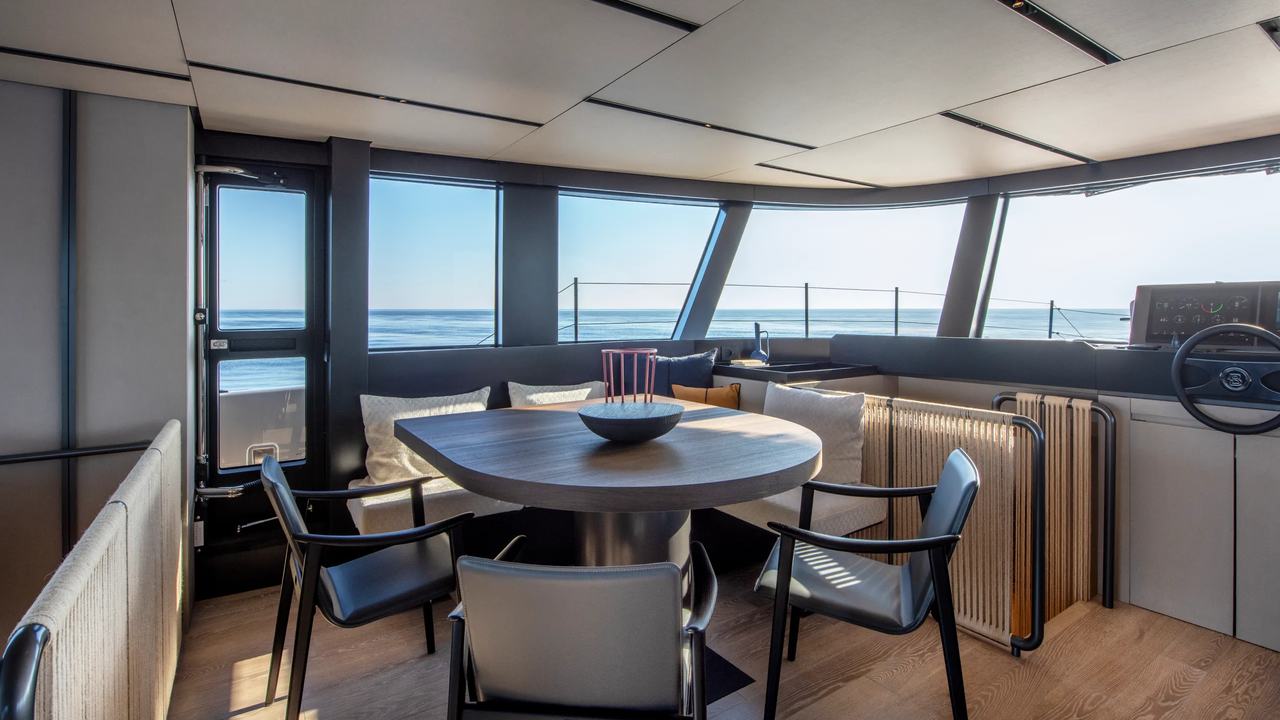
Cottura, refrigerazione, aspirazione, acqua e lavaggio funzionano vicino ai percorsi di servizio. Cassetti e apparecchi richiedono fermi nautici; calore e vapori non devono interessare rivestimenti o sensori. Si controllano portata, scarichi, ventilazione e possibilità di isolare ogni apparecchio.
Il test energetico attiva cucina, climatizzazione, boiler e refrigerazione insieme. Si osservano commutazioni, tensioni e quadri. Porte e sedute nella configurazione finale non possono bloccare vie di fuga, plancia o dispositivi antincendio.
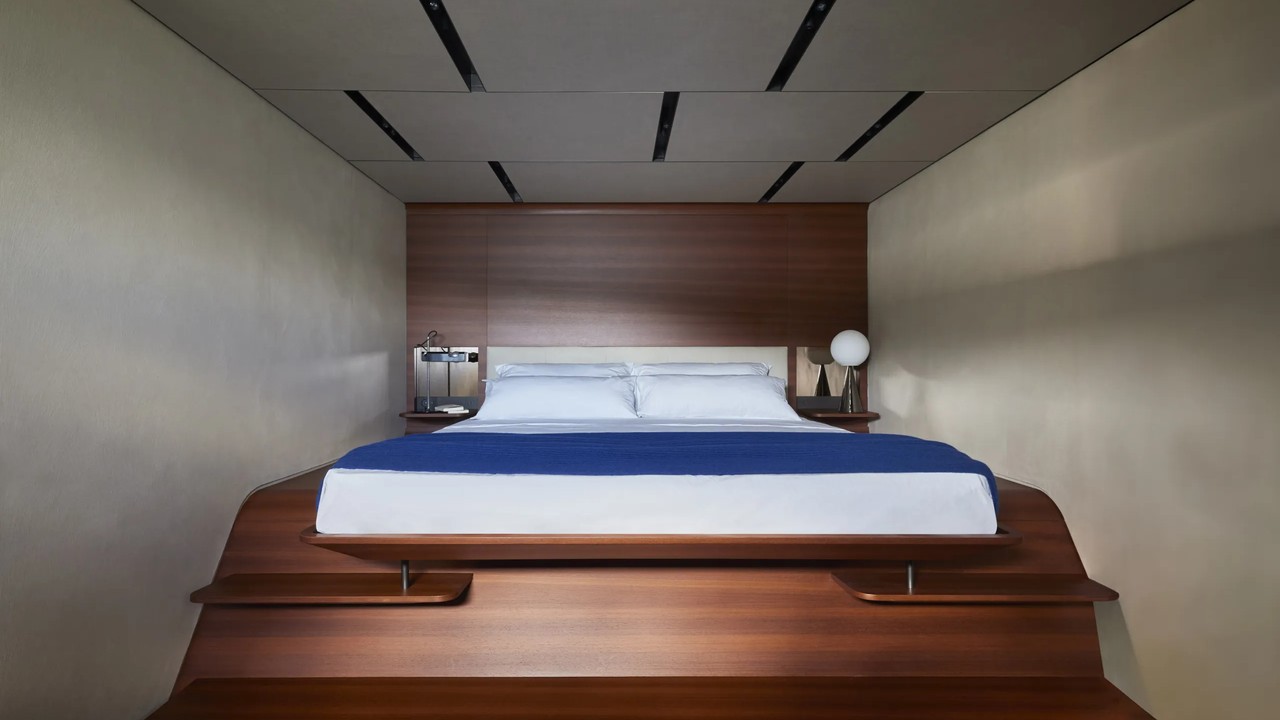
Tre o quattro cabine
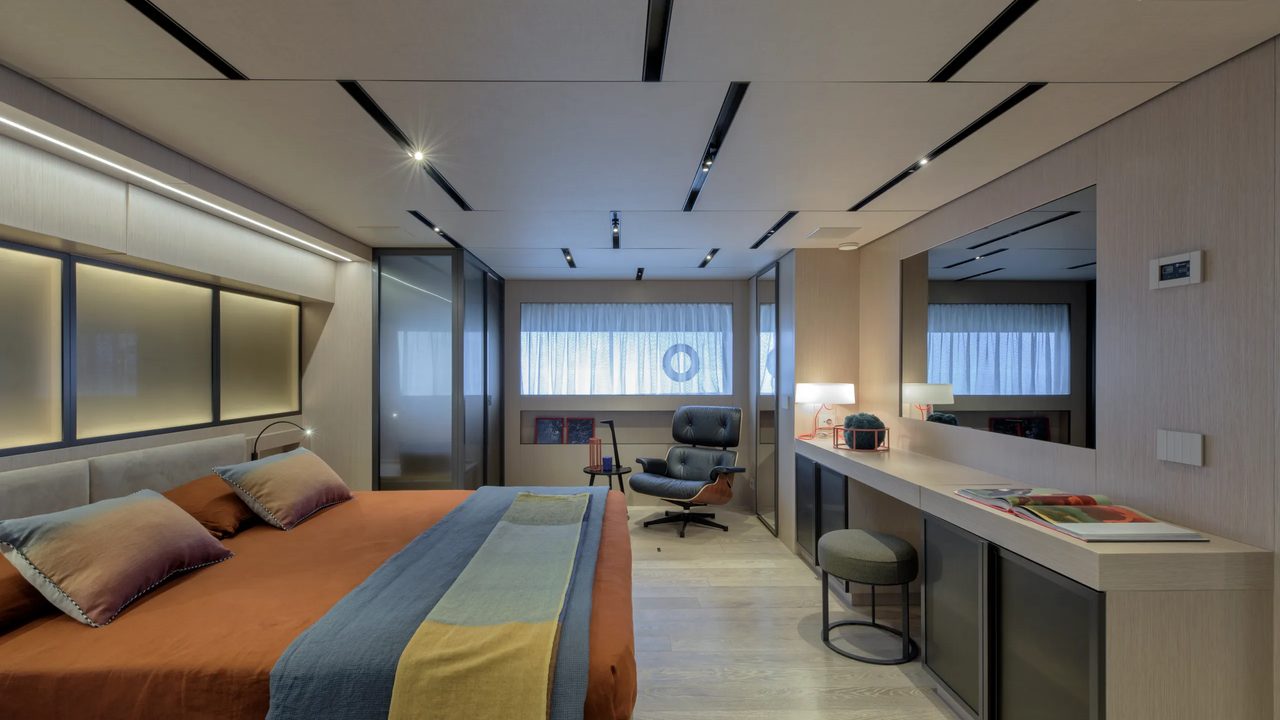
Le varianti a tre e quattro cabine rappresentano organizzazioni diverse, non soltanto un letto in più. Cambiano privacy, stivaggi, richiesta di acqua, ventilazione e percorsi dell’equipaggio. Il disegno approvato deve corrispondere a porte, armadi, bagni e pannelli dell’esemplare.
Ogni cabina viene preparata con biancheria e bagagli per verificare passaggi, vie di fuga e accessi. Prese, illuminazione, clima e oscuramento si provano insieme. Le installazioni dietro le finiture devono restare raggiungibili senza demolizioni.
Suite trasversale e baseline acustica
La cabina armatoriale sfrutta lo spazio fra i due scafi. La geometria richiede attenzione a struttura, isolamento e passaggi impiantistici. Letto e armadi non devono impedire l’accesso a cablaggi, ventilazione o raccordi; finestre e oblò ricevono una prova d’acqua dopo la navigazione.
Rumore e vibrazioni vengono misurati con IPS, generatori, clima, pompe e giroscopi in combinazioni ripetibili. I risultati diventano la baseline per le stagioni successive. Una variazione futura può così essere diagnosticata, invece di restare una sensazione soggettiva.
Acqua dolce, grigie e nere
I 2.000 litri d’acqua e i serbatoi da 660 litri per grigie e nere richiedono un bilancio basato su persone e giorni in rada. Indicatori, sfiati, valvole, pompe e punti di svuotamento vengono identificati. Più utenze funzionano insieme per verificare pressione, acqua calda, scarico e riflussi.
Odori o letture instabili non sono dettagli cosmetici. Ventilazione, guarnizioni e drenaggi delle docce si controllano dopo cicli completi. Un dissalatore eventuale entra nel capitolato con portata, qualità, assorbimento e manutenzione, senza essere dato per presente.
Ponte superiore e configurazione di navigazione
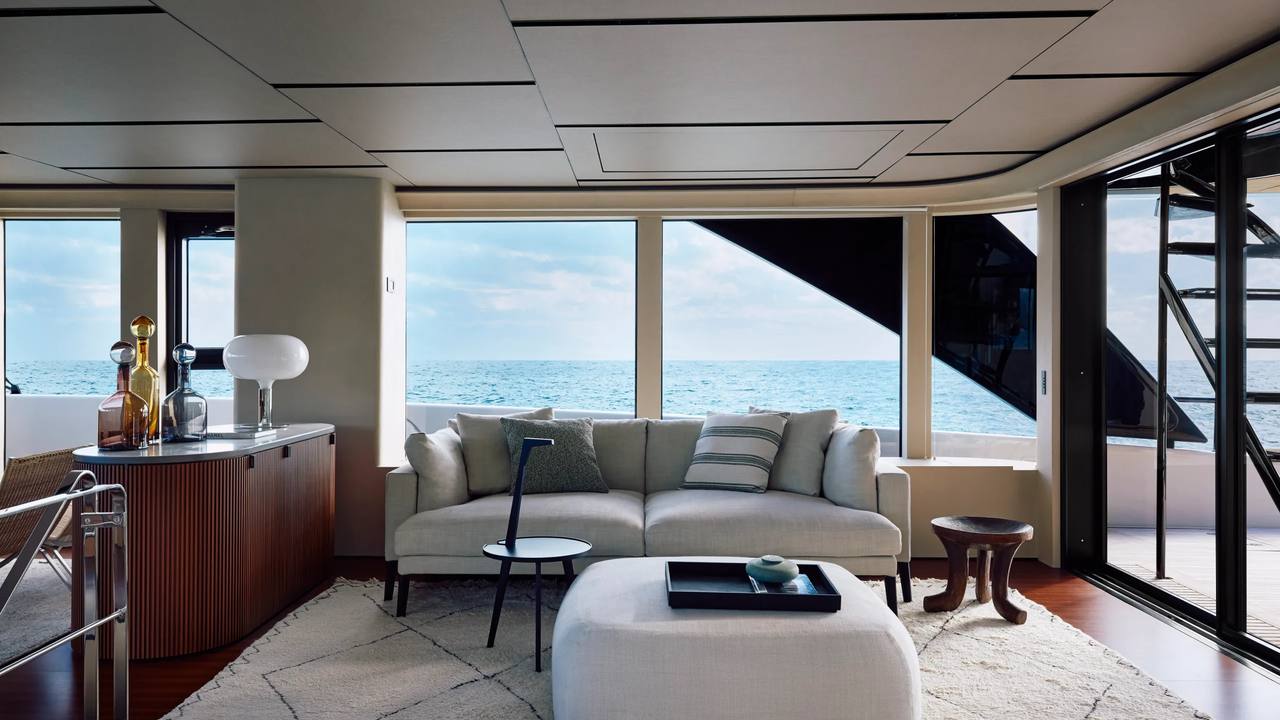
Persone, arredi, wet bar e protezioni sul ponte alto incidono sul centro di gravità. Ogni elemento deve avere una posizione da navigazione e un sistema di ritenuta. Drenaggi, tientibene, battagliole e superfici antisdrucciolo vengono verificati con ponte bagnato.
La disposizione ammessa cambia fra rada e navigazione. Il briefing stabilisce dove possono stare gli ospiti quando mare e velocità aumentano. Tavoli, cuscini e oggetti non possono essere lasciati liberi soltanto perché lo spazio è ampio.
Tender, garage e carichi mobili
Dimensioni e peso del tender devono coincidere con garage, culle e sistema di movimentazione. Il collaudo comprende varo e recupero con persone nelle posizioni previste. Si controllano interferenze con porte, cime, arredi e accessi tecnici.
Water toy e batterie richiedono ritenute, ventilazione e ricarica protetta. Drenaggi e pompe si provano dopo lavaggio. Il garage non può diventare un deposito che nasconde valvole, quadri o dotazioni di emergenza.
Incendio, sentine e sicurezza
Pompe e allarmi di alto livello vengono testati per ciascun volume. Rivelazione, estinzione, arresti remoti e chiusure del carburante devono essere accessibili con arredi e bagagli presenti. La separazione dei due scafi richiede una mappa chiara di sensori, pompe e valvole.
Il briefing comprende uomo a mare, incendio, perdita di governo e abbandono. Giubbotti e zattere restano raggiungibili. L’equipaggio deve riconoscere a quale zona appartiene ogni allarme e quale azione è prevista.
Prova in mare e prestazioni dichiarate
I 16 nodi di crociera e i 20 di massima, entrambi dichiarati con tolleranza del cinque per cento, valgono soltanto con condizioni note. Il programma registra carico, mare, vento, temperatura, giri, velocità, consumo, temperature e assetto. I punti vengono stabilizzati e ripetuti su rotte reciproche quando possibile.
Si verificano accelerazione, arresto, virata, visibilità e risposta sull’onda. Il regime utile combina comfort, autonomia e margine meccanico. Nessuna lettura isolata viene trasformata in una promessa universale.
sequenza di verifiche finale e accettazione
Ordine, seriali, schemi e installazioni vengono confrontati prima della firma finale. Ogni rilievo riceve responsabile, scadenza e criterio di chiusura. Dopo un intervento si ripete la prova interessata, soprattutto per tenute, pod, allarmi e sicurezza.
Il fascicolo conserva pesi, livelli, software, fotografie, curve di prova e piano manutentivo. La consegna deve permettere al proprietario di isolare combustibile, batterie e acqua, riconoscere gli allarmi e mettere lo yacht in sicurezza.
Valutazione operativa del Bluegame BGM75
Il BGM75 concentra doppio scafo, due IPS, stabilizzazione coordinata, grandi serbatoi e layout alternativi in una piattaforma di 22,75 metri. La configurazione migliore non è quella con più dotazioni, ma quella in cui pesi, impianti e accessi sono documentati e verificabili.
Una baseline costruita in consegna consente di gestire simmetria, consumi, energia e comfort nel tempo. È questo il criterio decisivo: trasformare un’architettura insolita in procedure ripetibili, senza affidarsi alla sola impressione di spazio o alla potenza installata.