
Configurare il Bluegame BG64 richiede di trasformare i dati di cantiere in una distinta verificabile. Il modello misura 20 metri fuori tutto, utilizza due Volvo Penta D13 IPS1050 e offre un ponte inferiore a due o tre cabine con quattro cuccette dichiarate. Questa guida non descrive una prova della redazione: organizza controlli su propulsione, serbatoi, impianti, layout e consegna usando soltanto informazioni ufficiali e richieste documentali.
Configurazione ufficiale in sintesi
| Elemento | Dato dichiarato | Controllo di consegna |
|---|---|---|
| LOA | 20,00 m | Ormeggio e ingombri |
| Lunghezza CE | 18,98 m | Coerenza dei documenti |
| Baglio | 5,30 m | Travel lift e posto barca |
| Pescaggio | 1,42 m a pieno carico | Fondali e piano di alaggio |
| Motori | 2× D13 IPS1050, 588 kW ciascuno | Seriali, pod ed eliche |
| Carburante | 3.000 l | Serbatoi, valvole e indicatori |
| Acqua dolce | 700 l | Pompe e utenze |
| Reflui | 330 l grigie + 330 l nere | Sfiati, sensori e scarichi |
| Cuccette | 4 | Layout effettivo |
Fissare il numero di scafo e la revisione
Ogni controllo deve riferirsi all’unità specifica. Numero di costruzione, disegno generale, layout e distinta devono comparire con data o indice di revisione. Una tavola commerciale non dimostra che tubazioni, cablaggi e accessi siano quelli dell’esemplare. Le varianti approvate durante la costruzione devono aggiornare documenti e pesi. Prima del collaudo conviene creare un indice unico che colleghi ogni schema al componente installato, evitando di scoprire a bordo che un manuale appartiene a una versione differente.
Pacchetto D13 IPS1050
La pagina ufficiale riporta due Volvo Penta D13 IPS1050 da 588 kW ciascuno e non elenca un’alternativa. Il preventivo deve specificare motori, trasmissioni, eliche, comandi, strumenti e software compresi. In consegna si registrano numeri di serie, ore, garanzie e interventi già eseguiti. A motori freddi si osservano avviamento, allarmi e perdite; con regimi progressivi si confrontano temperature e valori delle due linee. Qualunque configurazione diversa richiede un documento del cantiere, non una deduzione.
Accesso ai punti di manutenzione
Un’ispezione efficace non si limita a guardare il locale tecnico. Occorre raggiungere filtri, valvole, batterie, prese a mare, livelli e punti previsti dai manuali. Si verifica anche la possibilità di rimuovere componenti senza demolire arredi. Portelli e pannelli devono restare utilizzabili con l’allestimento definitivo e con materiali stivati. La sequenza di verifiche annota spazio per gli attrezzi, illuminazione, etichette e vie di sollevamento. Se un controllo ordinario è scomodo, tende a essere rinviato e aumenta il rischio operativo.

Prova prestazionale senza promesse
Bluegame dichiara 28 nodi massimi e 25 di crociera, con tolleranza del cinque per cento. NauticMag non li presenta come valori rilevati. Il protocollo deve fissare carico, livelli, persone, mare, vento e stato della carena. A ogni regime si annotano velocità stabilizzata, giri, temperature, allarmi e indicazioni di consumo disponibili. La prova include accelerazione e decelerazione senza inseguire una punta occasionale. Gli scostamenti hanno significato soltanto se le condizioni concordate sono state rispettate e documentate.
Dal mezzo carico al pieno carico
Il dislocamento passa da 38 tonnellate a mezzo carico a 46 a pieno carico, con tolleranza del cinque per cento. Prima di aggiungere dotazioni si costruisce un elenco con peso e posizione. Carburante, acqua, persone, bagagli e attrezzature devono essere considerati nella condizione d’uso. Il collaudo riporta i livelli effettivi e non usa formule vaghe. Confrontare due prove senza conoscere il carico può produrre conclusioni sbagliate su velocità, assetto e comportamento. Le modifiche successive vanno registrate nello stesso bilancio.

Circuito carburante da mappare
La capacità complessiva dichiarata è di 3.000 litri. La scheda dell’unità deve indicare quanti serbatoi sono presenti, dove si trovano e come vengono collegati. Si identificano bocchettoni, sfiati, valvole, filtri, sensori e possibilità di isolamento o trasferimento. Durante il rifornimento di prova si confrontano quantità e indicatori, controllando odori e perdite. L’autonomia viene calcolata dopo avere ottenuto consumi documentati e avere scelto una riserva; la capacità nominale non basta per pianificare una tratta.
Acqua dolce: capacità e distribuzione
I 700 litri dichiarati devono essere letti insieme al numero abituale di ospiti e alle utenze effettivamente ordinate. La sequenza di verifiche identifica serbatoi, pompe, accumulo, riscaldamento, filtri e punti di svuotamento presenti. Si prova ogni rubinetto, osservando stabilità della pressione e cicli anomali. Pannelli e valvole devono essere raggiungibili senza rimuovere arredi estesi. Le procedure di sanificazione e rimessaggio vanno consegnate per iscritto. Eventuali apparecchi non elencati nella fonte ufficiale restano da confermare nella distinta.

Acque grigie e nere separate
Bluegame indica 330 litri per le acque grigie e altrettanti per le nere. I circuiti devono essere riconoscibili tramite schema ed etichette. Si localizzano serbatoi, pompe, sfiati, sensori, valvole e punti di aspirazione in banchina. Gli allarmi di livello vanno provati con metodo concordato, mentre scarichi e comandi devono corrispondere alle regole applicabili e alla configurazione consegnata. L’accessibilità è essenziale per pulizia e sostituzione. Un sensore nascosto dietro pannelli complessi rende più difficile la diagnosi.
Due o tre cabine: cambiano i circuiti
Le tavole ufficiali mostrano una versione a due cabine e una a tre, entrambe associate a quattro cuccette dichiarate. La variante scelta può modificare percorsi, ventilazione, servizi, stivaggi e accessi tecnici. Il fascicolo deve quindi riportare esattamente il ponte inferiore costruito. In visita si provano porte e passaggi contemporaneamente, si controllano altezze e aperture e si verifica che valvole e ispezioni rimangano raggiungibili. Il numero di cabine non autorizza ad aumentare i posti letto oltre il dato pubblicato.

Upper deck e configurazioni mobili
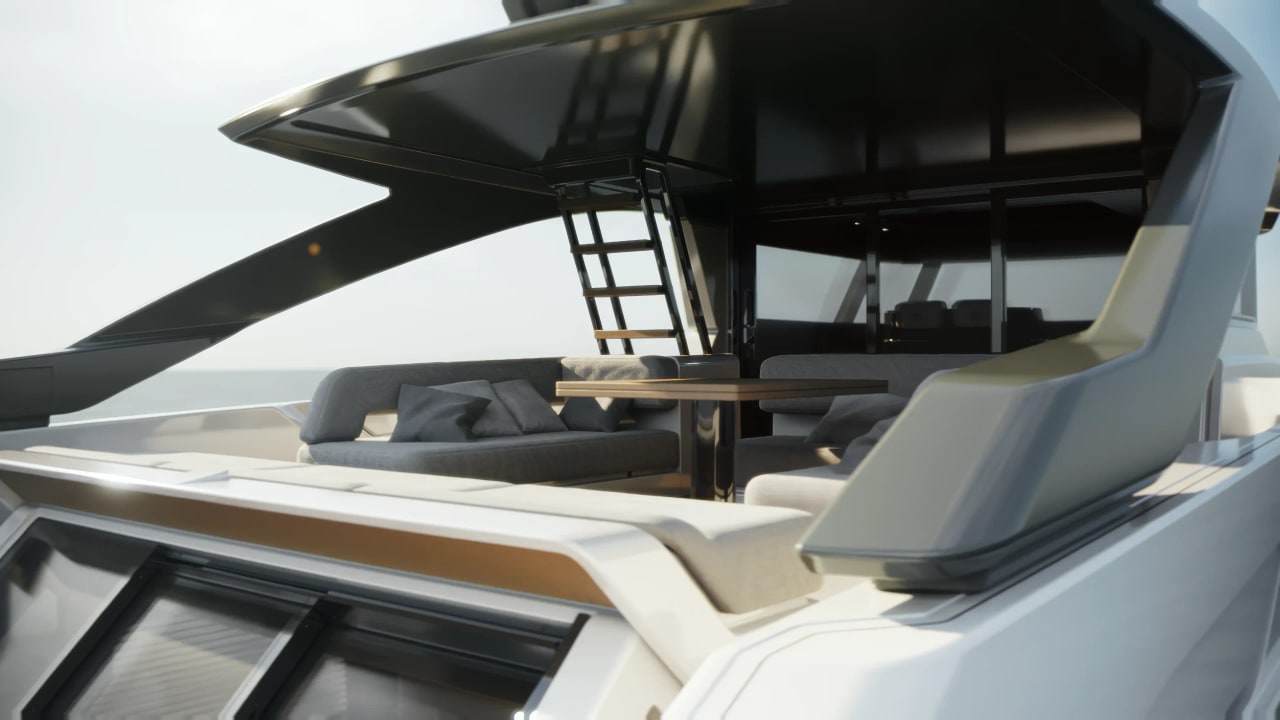
L’upper deck è indicato dal cantiere come ampliamento della libertà e del comfort della gamma BG. Nella sequenza di verifiche diventa un insieme di elementi concreti: scale, appigli, sedute, cuscinerie, drenaggi, illuminazione e stivaggi. Ogni trasformazione si prova sia in posizione d’uso sia in configurazione di navigazione. Tavoli e parti mobili devono avere bloccaggi e sedi precise. Con superfici bagnate si ricontrollano presa e deflusso dell’acqua. La disposizione non deve nascondere portelli né interrompere percorsi operativi.
Quadri elettrici e bilancio dei carichi
La fonte ufficiale non pubblica tensioni, capacità delle batterie, generatori o inverter. Questi dati non vanno inventati. Prima dell’ordine si richiede un bilancio elettrico relativo all’allestimento selezionato, distinguendo avviamento, servizi ed emergenza. In consegna si verificano protezioni, etichette, cadute di tensione, accessibilità e coerenza con gli schemi. Ogni utenza aggiunta deve comparire nel calcolo e nelle procedure. La disponibilità di un comando non dimostra che il sistema sia dimensionato per l’uso contemporaneo di tutti gli apparati.

Ventilazione dei locali tecnici e abitabili
I due D13 richiedono ventilazione conforme alla configurazione installata; cabine e aree di vita necessitano del ricambio previsto dal progetto. La sequenza di verifiche non attribuisce al BG64 apparecchi non elencati: identifica prese, estrattori, filtri, allarmi e comandi realmente presenti. Durante una prova progressiva si osservano temperature, odori e rumori, confrontandoli con limiti e manuali. I filtri devono poter essere puliti senza smontaggi sproporzionati. Porte e pannelli non devono ridurre accidentalmente i passaggi dell’aria.
Postazione di governo e comunicazioni
La verifica della postazione avviene seduti alle quote reali, con strumenti accesi e persone nei passaggi. Si controllano montanti, riflessi, tergitura, ventilazione, leggibilità e raggiungibilità dei comandi. In manovra si valuta la comunicazione con prua e poppa. Telecamere o sensori, se presenti nella distinta, vengono provati come ausili e non sostituiscono la visuale diretta. Ogni allarme deve avere significato e procedura comprensibili. Le regolazioni della seduta vanno provate da chi condurrà abitualmente la barca.

sequenza di verifiche di banchina
A barca ferma si verificano alimentazione da terra, caricamento, pompe, luci, indicatori, utenze idrauliche, portelli e scarichi. La partenza a freddo viene documentata con ore motore e stato delle batterie. Si prova la timoneria a basso regime, insieme ai comandi di emergenza previsti dall’unità. Sentine e compartimenti devono essere asciutti e ispezionabili. Ogni anomalia riceve numero, descrizione, fotografia privata e responsabile. Un punto non si chiude con una spiegazione verbale, ma con una nuova prova registrata.
sequenza di verifiche in navigazione
La prova procede per fasi, lasciando stabilizzare le letture. Si annotano carico, livelli, condizioni, giri, velocità e temperature. Si eseguono manovra lenta, retromarcia, accelerazione, decelerazione e virate compatibili con sicurezza e programma concordato. Rumori e vibrazioni vengono associati a regime e posizione. Gli oggetti mobili devono restare fermi nella configurazione prevista. Dopo il rientro si ripetono controlli di sentine, pod e circuiti, perché alcune perdite o anomalie diventano visibili soltanto a caldo.

Optional e forniture dell’armatore
La distinta finale deve separare standard, optional, sostituzioni e materiali forniti dall’armatore. Per ogni voce servono marca, modello, quantità, posizione e interfacce. Le modifiche devono aggiornare schemi, pesi, manuali e ricambi. Le fotografie di un esemplare dimostrativo non definiscono ciò che verrà consegnato. Prima del saldo si riconciliano fisicamente gli apparati con la distinta e si registrano seriali e garanzie. Qualunque dotazione non supportata da documenti resta una richiesta aperta, non un fatto acquisito.
Documenti e ricambi iniziali
Il fascicolo comprende dichiarazioni applicabili, manuale del proprietario, schemi aggiornati, layout, inventario, seriali e garanzie. Deve includere anche chiavi, codici e accessi digitali previsti, oltre ai ricambi iniziali concordati. Le revisioni vengono datate e associate al numero di scafo. Comandante e assistenza devono poter individuare un componente senza basarsi su una barca standard diversa. Una copia organizzata resta a bordo e una seconda viene conservata dall’armatore; le modifiche future seguono lo stesso criterio.
Verbale finale del BG64
La consegna si chiude quando ogni funzione prevista è stata provata e ogni documento è stato riconciliato. Il verbale distingue difetti, regolazioni, lavori differiti e modifiche richieste dall’armatore. Ogni rilievo ha scadenza e criterio di accettazione. Per il BG64 i punti centrali sono pacchetto IPS1050, bilancio dei pesi, layout a due o tre cabine, quattro cuccette e capacità dei quattro circuiti. Questo metodo preserva lo storico tecnico e riduce ambiguità fra cantiere, venditore, fornitori e proprietario.
Ordine corretto delle decisioni
La sequenza consigliata parte dalla missione: numero di ospiti, durata delle uscite, porti abituali e manutenzione disponibile. Seguono layout, carichi, distinta degli apparati e verifica dell’ormeggio. Solo dopo si chiudono finiture e accessori. Prima della consegna si aggiornano schemi e pesi, poi si eseguono prove di banchina e navigazione con criteri scritti. Il BG64 offre un’architettura flessibile, ma la flessibilità produce valore soltanto quando ogni scelta resta documentata, accessibile e coerente con l’uso reale.