
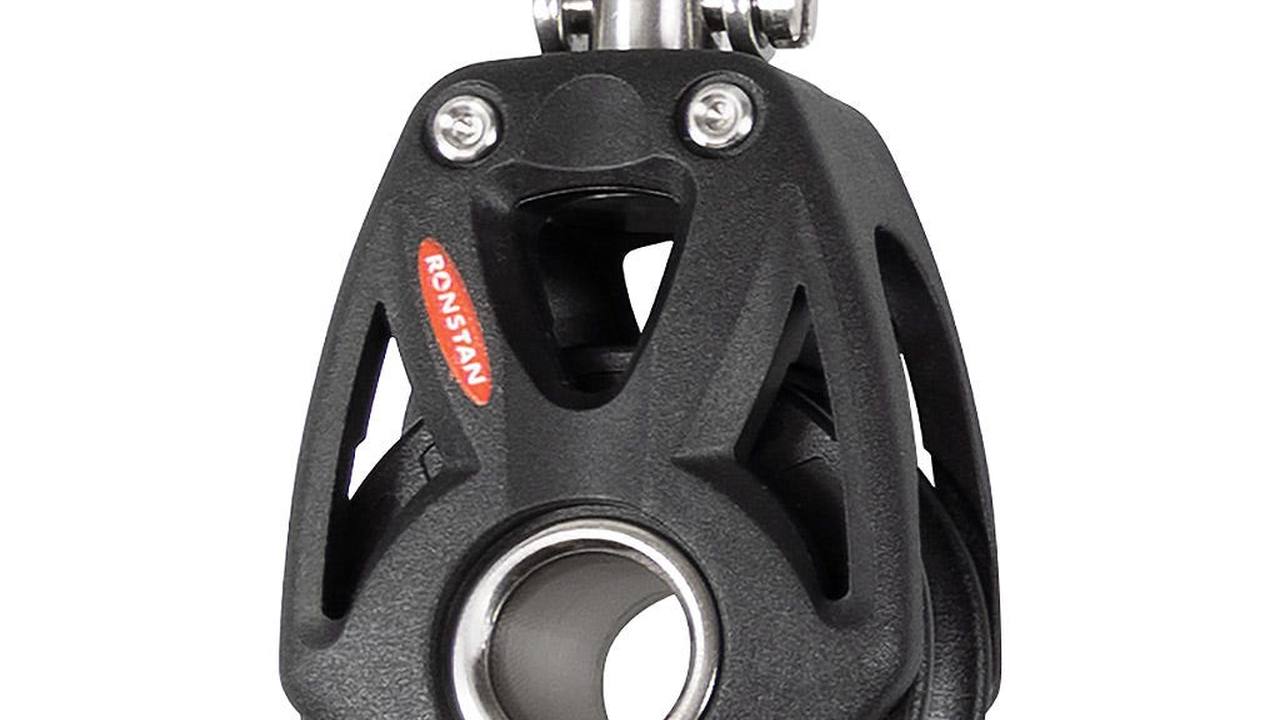
A new top that flows badly does not automatically indicate a faulty bearing. It can be too big for the throat, enter stunned, cross a branch of the hoist or force the bozzello against the support. The Ronstan Orbit series 20 and 40 ranges include single, multiple, cheek models, with ligature, soft attachment, cricket, choker and HHL versions. the procedure must identify the complete code, because two similar bodies can have different declared materials and loads. The diagnosis starts from the system and comes to the single component, without relying on the only feeling to the hand.
The model installed coincides with the distinct
You read the code on packaging, purchase document or component and compare it to the onboard file. Series, number of pulleys, draft, head, choker and suffix HHL must coincide. If the code is not reconstructable, they do not attribute capacity by similarity. You measure the top and you photograph the attack, then you download the maneuver. the procedure separates what is observed from what is stated: color, shape and outer diameter do not demonstrate the workload.
The series is suitable for top and function
The 20 series uses 20mm pulleys and a two-stage bearing system; it includes models for fabrics or textile links, ligature, HHL, double, triple and cheek. The 40 series employs 40 mm pulleys and in the declared configurations accommodates peaks up to 10 mm. You do not decide on the basis of only available space. We cross load, diameter, top construction, deviation, speed of maneuver, stroke and installation environment.
| Control | Correct results | Action if not consistent |
|---|---|---|
| code | series and variant identifiable | download and rebuild the distinct |
| top | diameter and compatible fit | replace or resize |
| attack | centered and without edges | refrain support or ligature |
| pulley | regular rotation and integral throat | clean, inspect, replace |
| parade | parallel and separate branches | rearm to zero load |

The actual diameter of the top
A used top can inflate, flatten or lose stock, so the nominal value is not enough. It is measured in multiple points without load and you see the stretch that passes on the pulley. Glossy marks at the edges indicate rubbing on the cheeks; regular crushing can indicate a challenging radius; fiber powder suggests abrasion. The limit of up to 10 mm of the 40 series does not guarantee that each model, strozer or circuit functions equally. The description of the variant governs verification.
The throat supports the top without imprisoning it
With the maneuver discharge the top must sit in the throat and follow the pulley. You don't have to go back to your cheek, touch a screw or jump when changing direction. It slowly advances the circuit in the two lines and looks at the input point. If the top is driven to the center only with one hand, the bozzello is disallined. A clean but polished throat on one side signals a geometric problem. The replacement of the top does not solve a wrong angle.
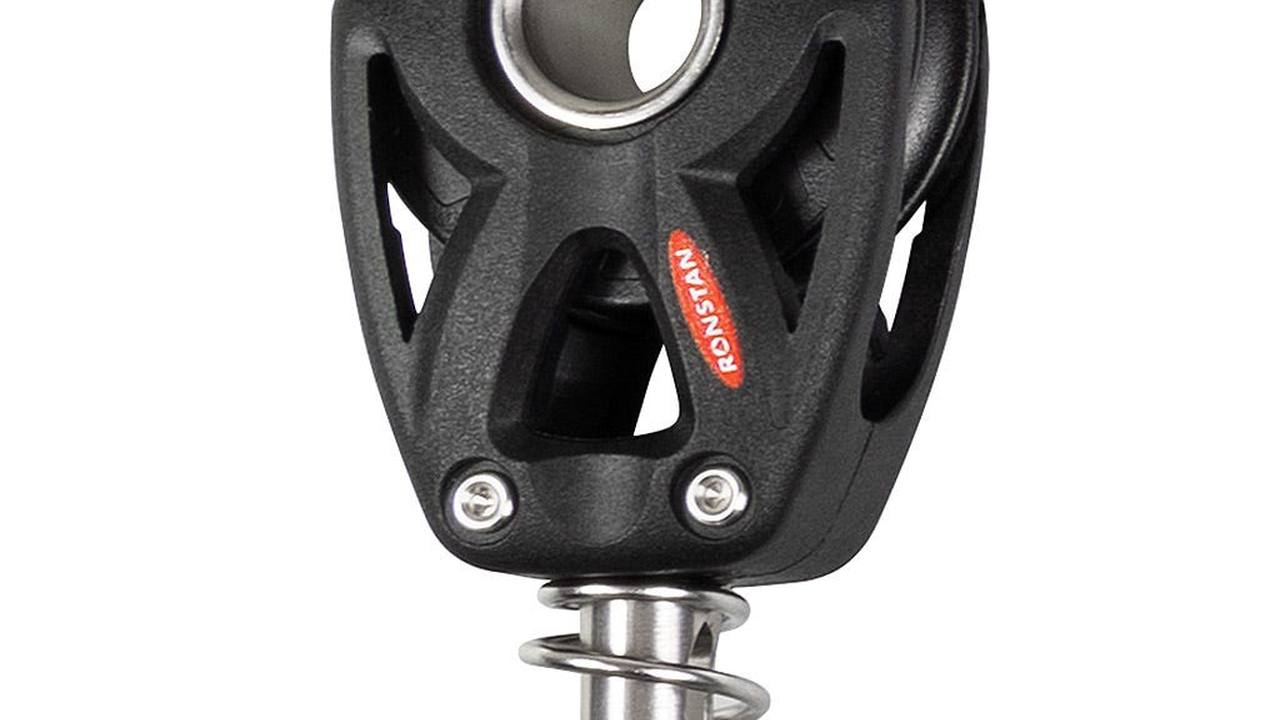
Standard and HHL are not confused
The HHL versions of the 20 series are described with grade 2205 stainless steel pulleys and bearings for high load applications; also the 40 series offers high load models. The suffix must appear in the separate and in the order of the spare. It does not transfer the limit of a HHL to a standard draft, nor is it assumed that the only presence of metal identifies the variant. The entire route, including attack and support, is checked against the expected load.
Bearing is rated clean and unloaded
The two-stage system is designed for efficiency under static and dynamic loads, but salt and sand can alter behavior. After rinsing with fresh water and drying, the pulley rotates slowly. Insights, obvious side game or irregular noise require deepening. No random lubricants are added to achieve a more free spin: they may retain contaminants or be incompatible. Vacuum smoothness is a control, not a certification of capacity.
Bonding does not migrate
In the alloying or soft attachment models the textile must remain in the intended seat, without running on edges, threads or abrasive surfaces. They mark position and orientation before the first controlled shot. After some cycles you download the system and compare the marking. A ligature that moves, twists or stretches abnormally is not simply tightened under load. Material, wrapping and path are reviewed by the rigger, also considering the freedom of the draft.
Women and links do not work the same way
The 20 RF21107 series provides an option for fectuccia up to 10 mm or for links in Dyneema. The fettuccia must remain flat and not fold; the link must lean symmetrically and not over the hub. The eventual arricavo and the absence of contacts with the cheek. If the boat uses a different solution than that recorded, the procedure treats it as a modification of the system. You do not accept a binding only because it enters physically into the hole.
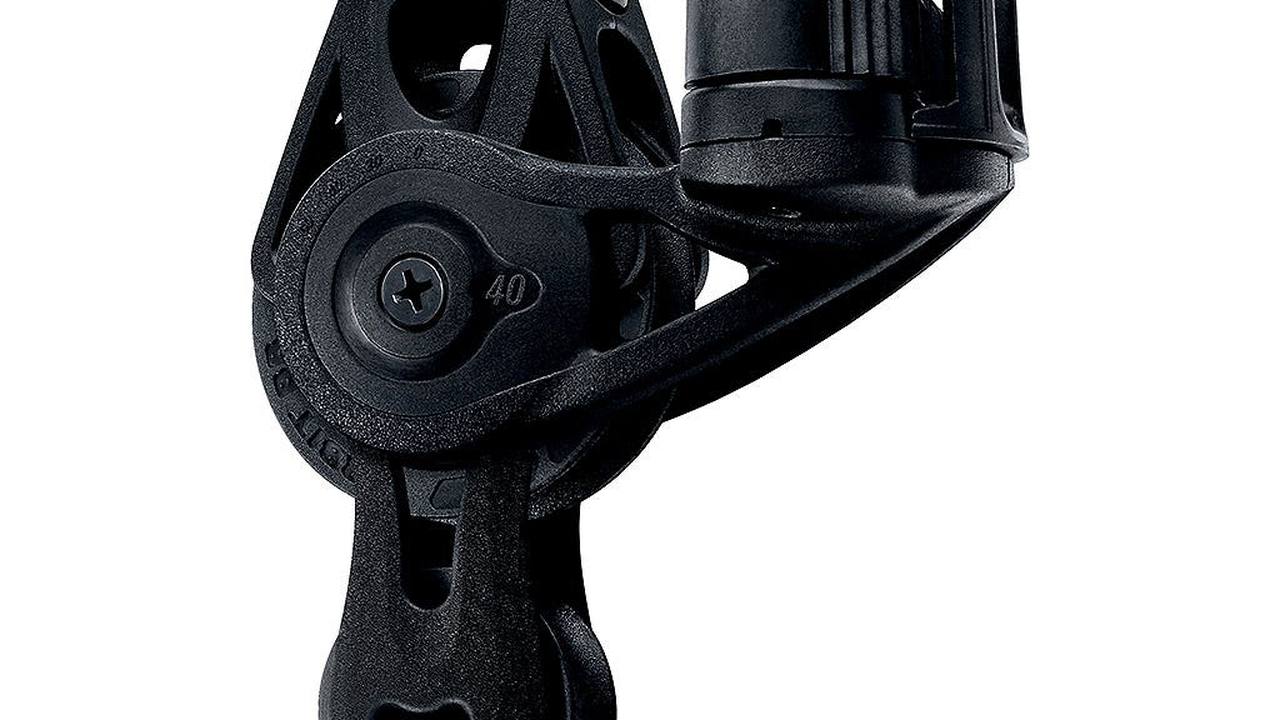
La viteria del modello a guancia
The cheekbone depends on the alignment of the support and the vice. The 20 RF25151 series requires a 5mm and 3mm fastening according to the model catalog. They control diameter, material, clamping according to procedure, support and back of the structure. Sealing should not hide corrosion or movement. The top is pulled along the real axis: if it tries to get out of the throat, it does not correct by increasing the clamping, but by reallining the component.
The body does not touch the structure
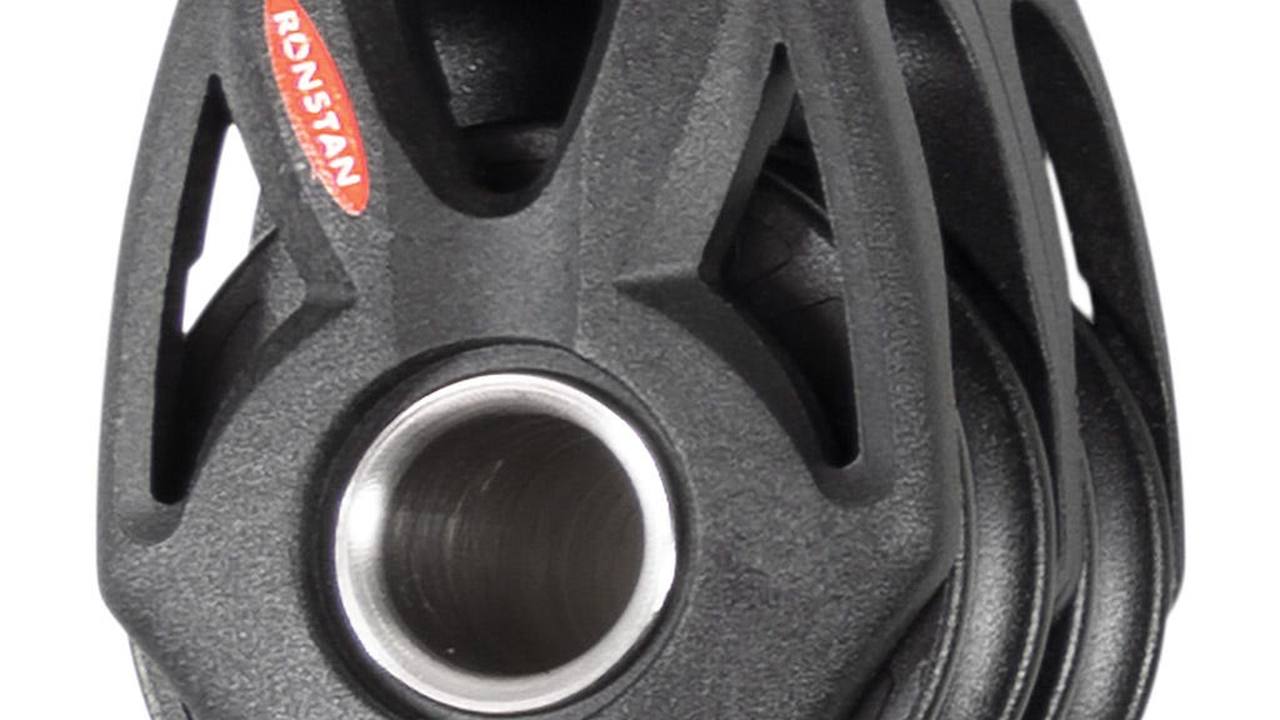
The 40 series uses a glass fiber reinforced nylon body, a lightweight solution that replaces metal bands present in traditional architectures. The body must rotate or stay in the planned position without bumping bridge, tree, hardware or other draft. Try the entire race, including the section where the hoist is almost closed. Polishing, grooves or dark powder on the cheek indicate contact. Added protection should not further reduce freedom.
The opening stamp is really closed
The 40 series includes an openable alloy model that can be armed with a textile grill or tied for a more permanent installation. Before the load you control closing, held and position of the top. It is excluded that a rock, a swelling sail or the support can act on the mechanism. After each rehab the verification departs from zero. The convenience not to parade the top does not justify the use on a point without documented capacity.
The hoist has no crossed branches
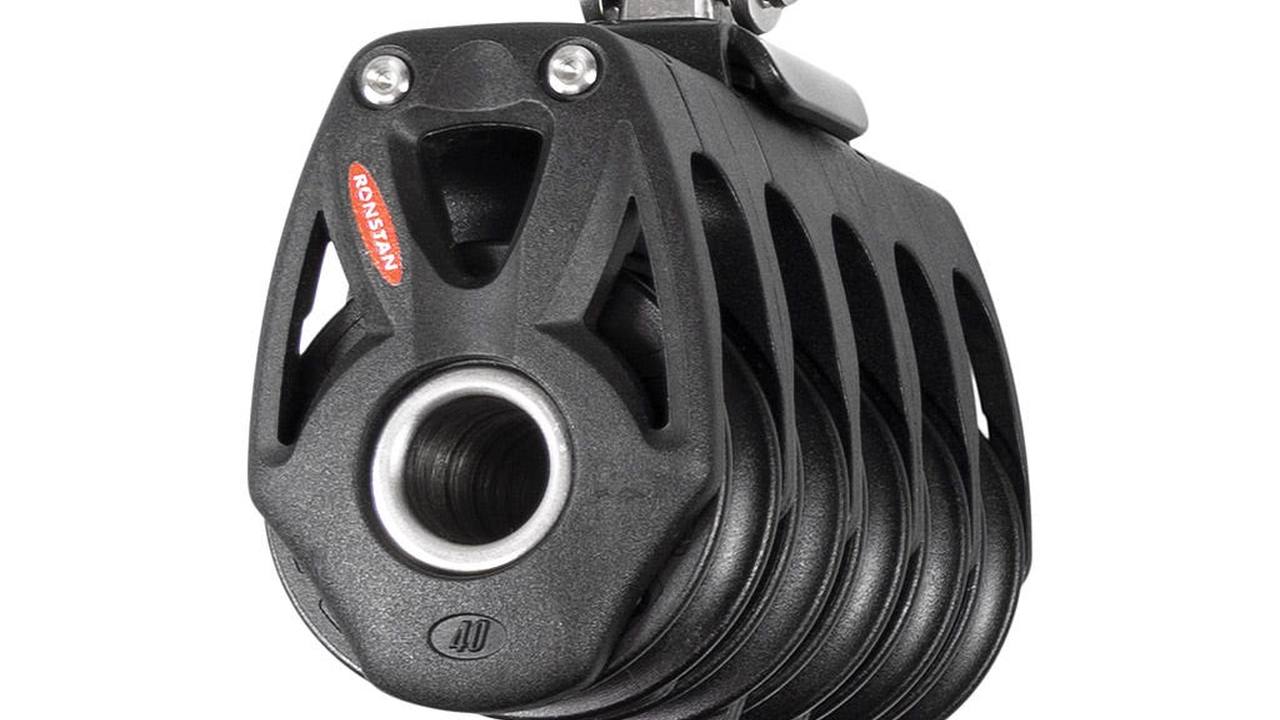
The 40 multiple series configurations arrive at four and five pulleys and can make declared dampers up to 12:1. Arms the circuit following a pattern, marking departure and arricavo. Each branch must remain parallel without touching the neighbor. You control the residual race before the packages meet. If a pulley stops turning or a top climbs on the cheek, you download and rearm the steps; pull stronger worsens the error.
The fucker voluntarily takes and frees
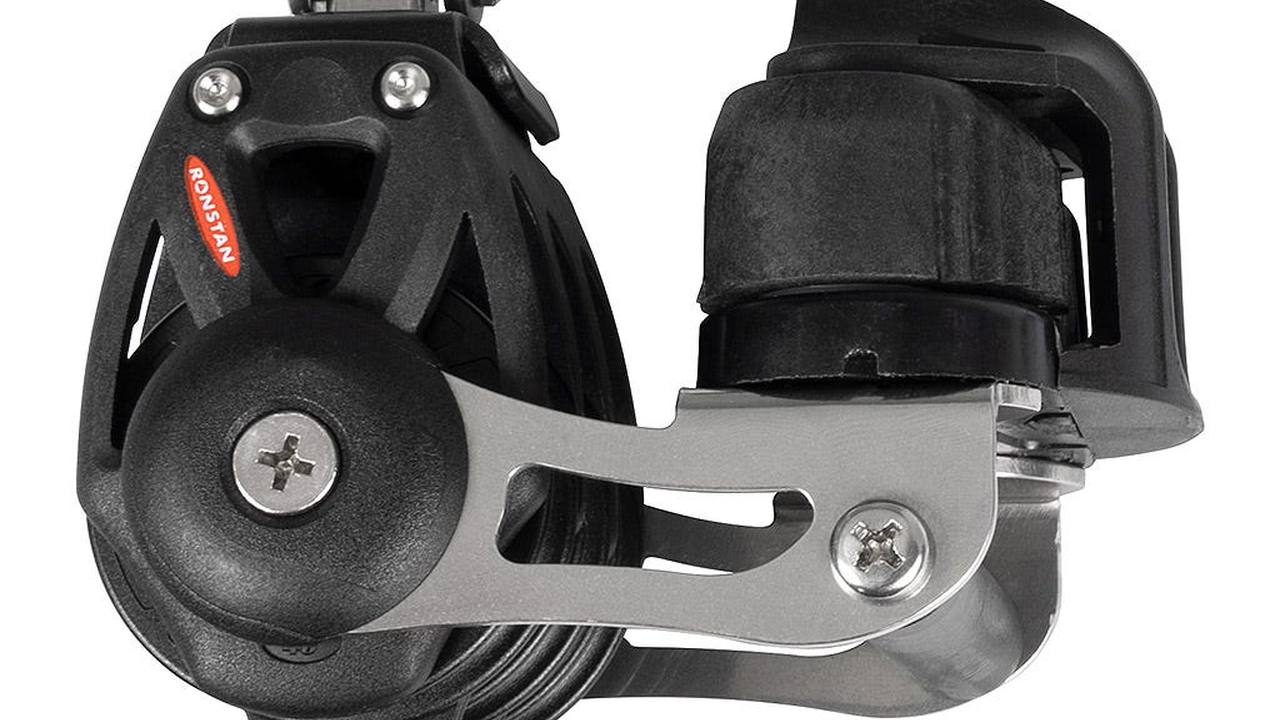
In the models with adjustable cam you try the angle from the real position of work, with the crew where normally maneuver. The top must enter without hitting the guide, stay held when planned and get rid of a controlled gesture. It repeats the test in the two edges if the posture changes. Consumable sock, incorrect diameter or side shot can alter the grip. The wiper is not used to compensate for a bozzello placed off axis.
The exit from the non-abrade structure
The 40 series outlet bozzelli employ anodized aluminium housing and are proposed with standard, high-load or narrow pulleys. Cut edges, centering, fixing and drainage are inspected. The top is observed at the end of the operating corner. A correct housing does not allow a rough hole or a path that touches the structure before the pulley. Any sign on one side requires verification of axis and support.
The test under load is progressive
You start with the unloaded manoeuvre, then you apply controlled increments in a protected environment. A maneuver operator, a second observes draft, attack and support when possible. You listen to noises, you look for twists and you control the markings. After each increase you download and observe game, ligature, vice and top stocking. A settlement is not automatically classified as normal. If a position changes, the test stops and locates the cause.
Maintenance and spare parts are tracked
Rinse, drying and visual control enter the periodic plan with frequency adapted to use and environment. The file records code, location, date, associated top and photographs. The restraint clips between the Ronstan spare parts are distinct for single, violin, double or triple configurations: they are not replaced by similarity. Each operation is carried out on an exhaust system and is followed by a new test. An unidentified component remains out of service.
Concluding verification assigns a clear outcome
The result is not “good look”, but conforms, to be corrected or out of service. Conforms requires identified code, load and compatible top, integro attack, regular pulley, free path, stable support and advanced progressive test. To be corrected is a problem solved before loading, such as armor or alignment. Out of service includes damage, capacity not reconstructable, considered dubious or deformed structure. This classification prevents us from using a maneuver only because the top still manages to move.