
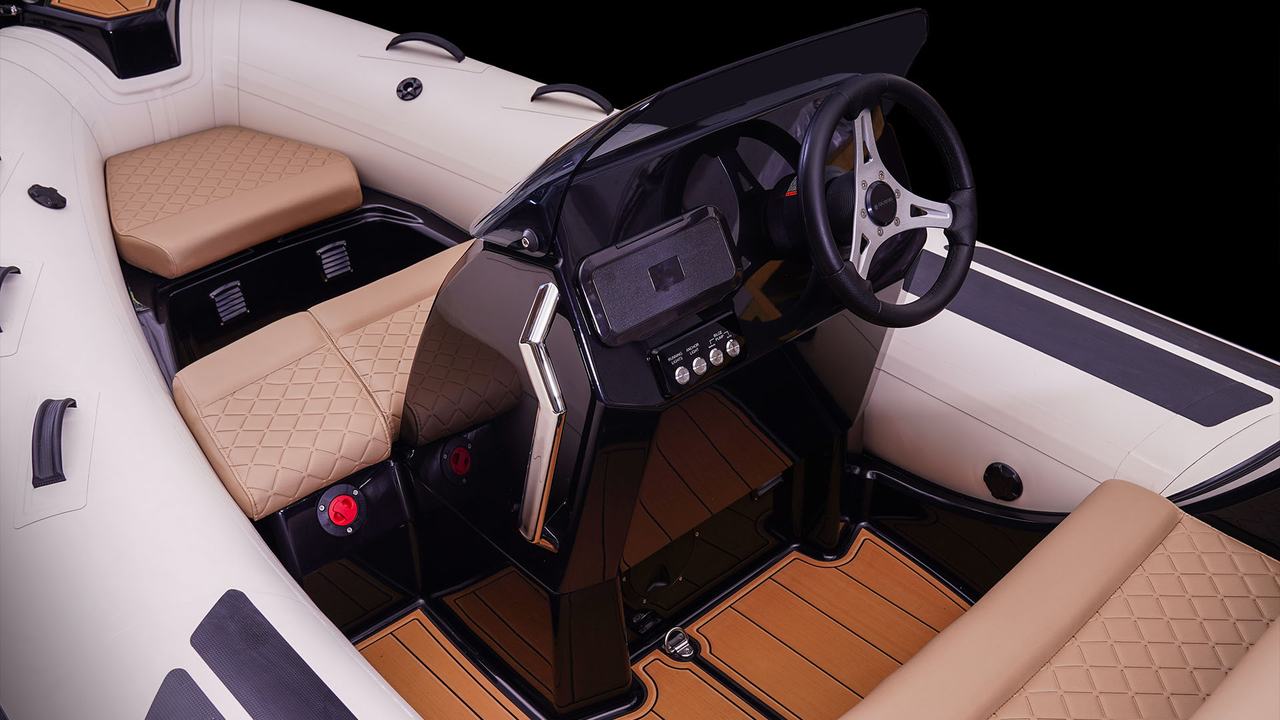
La configurazione del BRIG Eagle 4 va verificata come un insieme di impianti concentrati in quattro metri: fuoribordo, sterzo, serbatoio da 43 litri, batteria, quadro elettrico, pompa di sentina e tubolare a tre camere. Il manuale definisce limiti precisi, ma precisa anche che l’elenco degli equipaggiamenti rappresenta la dotazione massima possibile. La sequenza di verifiche deve quindi partire dall’unità reale, dalla sua distinta e dalle responsabilità degli installatori.
Identificazione iniziale dell’unità
Prima del collaudo si confrontano numero di identificazione, targhetta del costruttore, documenti di conformità e manuale. Il modello è dichiarato in categoria C, con capacità massima di cinque persone. La lunghezza senza motore è 4,00 metri e il baglio 1,95 metri. Eventuali differenze visibili non vanno compensate con supposizioni: accessori, modifiche o varianti devono risultare nella documentazione consegnata.
Inventario della configurazione installata
La lista massima comprende consolle, sterzo, volante, quattro interruttori, strumenti motore, presa 12 V con USB, luci di navigazione, cuscineria, prendisole, copertura, pompa automatica, staccabatteria e rivestimento di coperta. La singola unità può non averli tutti. Occorre redigere un inventario con marca, modello, numero di serie, protezione elettrica, posizione e stato di ogni componente, evitando che un accessorio venga considerato standard soltanto perché appare nelle immagini promozionali.

Fuoribordo: potenza e massa
Il motore raccomandato è 40 hp, quello massimo 60 hp. Il limite di massa comprende fuoribordo, comandi e batteria e non deve superare 185 kg. Il gambo previsto è lungo, 20 pollici. La verifica deve riportare peso dichiarato del motore nella specifica versione, massa della batteria e dei comandi, altezza di montaggio, coppia dei fissaggi e presenza del dispositivo di arresto d’emergenza.
Sterzo meccanico e libertà di movimento
La dotazione descritta comprende sistema di sterzo, volante e cavo. A motore spento si ruota da battuta a battuta controllando scorrevolezza, assenza di punti duri e corretta distanza tra cavo, tubi e cablaggi. Il movimento del fuoribordo non deve schiacciare conduttori o linea carburante. Gioco eccessivo, corrosione o guaine lesionate richiedono intervento prima della consegna, non una semplice annotazione.

Serbatoio integrato da 43 litri
Il circuito comprende serbatoio con sensore di livello, indicatore, tubo di riempimento, bocchettone, sfiato, linea verso il motore e staffe di fissaggio. Il prefiltro e la valvola carburante non risultano installati dal costruttore e devono essere predisposti da personale autorizzato quando previsti. La sequenza di verifiche registra percorso, serraggi, protezione da sfregamento, accessibilità e assenza di odore o trasudamenti.
Prova di tenuta del circuito carburante
Il controllo si esegue senza fiamme, scintille o apparecchiature non protette. Prima del rifornimento si arresta il motore e si disattivano le utenze elettriche. Dopo il riempimento si ispezionano bocchettone, sfiato, raccordi, filtro eventualmente installato e tubo verso il fuoribordo. Non si modifica il circuito per adattarlo a componenti incompatibili. Ogni perdita, anche minima, blocca il collaudo.

Batteria, contenitore e staccabatteria
La batteria è fornita sul mercato e va collocata nel contenitore dedicato, ventilato, accessibile e lontano da carburante o materiali infiammabili. I terminali devono essere protetti contro contatti accidentali. Si verificano fissaggio, polarità, sezione dei cavi, pressacavi, fusibile e funzionamento dello staccabatteria. La massa della batteria entra inoltre nel limite complessivo di 185 kg assegnato a motore, comandi e accumulatore.
Quadro elettrico e protezioni
Il manuale rappresenta quattro interruttori e identifica circuiti per luci, strumenti e pompa di sentina. Ogni comando deve corrispondere a una funzione reale e a una protezione adeguata. Si prova una sola utenza alla volta, osservando cadute di tensione, surriscaldamenti e indicazioni sul quadro. Cablaggi aggiunti dopo la consegna devono seguire percorsi fissati e non attraversare vani bagnati senza protezione.
Strumenti e presa 12 V USB
La consolle prevede tachimetro, indicatore carburante, eventuale velocimetro, spazi per strumentazione e presa combinata 12 V con USB. L’effettiva presenza dipende dall’allestimento. Si confrontano letture e allarmi con la documentazione del fuoribordo; l’indicatore carburante va osservato su più livelli, non soltanto a serbatoio vuoto. La presa deve essere protetta e non mostrare ossidazione o infiltrazioni.

Tabella dei limiti da registrare
| Controllo | Dato dichiarato |
|---|---|
| Categoria / persone | C / 5 |
| Lunghezza / baglio | 4,00 / 1,95 m |
| Motore | 40 hp raccomandati; 60 hp massimi |
| Massa motore, comandi e batteria | 185 kg massimi |
| Gambo | 20 pollici |
| Carburante | 43 l |
| Tubolare | 3 camere; 0,2 bar |
| Massa a vuoto | 250 kg massimi |
| Carico totale | 590 kg massimi |
| Dislocamento carico | 1.030 kg |
Pompa di sentina automatica e manuale
La pompa può essere comandata in modalità automatica e manuale; il circuito prevede una protezione da 10 A. Il collaudo deve simulare l’innalzamento dell’acqua in quantità controllata, verificare l’avvio automatico, poi il comando manuale e infine lo scarico esterno. Un rumore del motore elettrico non dimostra portata: tubo piegato, valvola chiusa o uscita ostruita possono impedire l’espulsione.
Tre sistemi di drenaggio
Il drenaggio comprende circuito del pozzetto, scarico del vano motore e circuito di sentina. Sono indicati due scarichi nel pozzetto con tappi impermeabili, due uscite poppiere con diaframma, due tubi, passascafo del vano motore, pompa, tubo e valvola di sentina. I tubi non devono essere compressi da carichi. Durante la navigazione le prese del pozzetto restano aperte e libere.

Valvola di sentina: posizione corretta
La valvola di sentina deve essere ben chiusa quando il battello è in acqua e aperta quando è fuori dall’acqua. Questa indicazione va riportata nella consegna e resa comprensibile a chi usa il mezzo. Si controllano accessibilità, tenuta, segnalazione della posizione e assenza di corpi estranei. La valvola non deve essere confusa con gli scarichi del pozzetto, che seguono una logica diversa.
Tubolare e sequenza di gonfiaggio
Il tubolare a U è diviso in tre camere. Si gonfiano prima i due compartimenti posteriori e poi quello prodiero, inizialmente senza raggiungere la pressione di esercizio; soltanto dopo si porta ogni camera a 0,2 bar. Il controllo va ripetuto a temperatura stabilizzata. Il battello non deve essere usato con pressione superiore al nominale e ogni valvola deve conservare tappo e tenuta.
Verifica della tenuta delle camere
Il manuale considera ermetici i compartimenti che mantengono la forma per otto ore. In un collaudo ordinato si misura la pressione iniziale, si annotano temperatura e orario e si ripete la lettura. Una variazione va interpretata considerando la temperatura, poi indagata su valvole, superfici e giunzioni. Schiume aggressive o riparazioni improvvisate non sostituiscono il controllo professionale del tessuto rivestito.

Luci di navigazione e asta poppiera
La configurazione massima comprende luci sul gradino prodiero, asta poppiera e luce bianca. Si provano alimentazione, tenuta, orientamento e stabilità meccanica. L’asta può includere un punto di traino, che va distinto dai punti destinati al sollevamento o all’ormeggio. Nessun elemento deve creare interferenza con la rotazione del motore, con le persone sedute o con l’apertura dei vani.
Carichi e distribuzione dei passeggeri
La massa a vuoto massima è 250 kg, la condizione di unità leggera 440 kg, il carico totale 590 kg e il dislocamento carico 1.030 kg. La targhetta riporta 555 kg per persone e carico secondo le esclusioni previste. Prima dell’uso si compila un bilancio con persone, carburante, bagagli e accessori. Il prendisole prodiero deve essere ripiegato durante la marcia e tutti devono utilizzare appigli adeguati.
Controllo dei gavoni e degli accessi
Si aprono sedute, consolle e comparti verificando cerniere, fermi, guarnizioni, drenaggio e libertà dei cablaggi. Un vano pulito non è sufficiente se impedisce l’accesso a pompa, batteria o raccordi. Cuscineria e schienali devono essere rimovibili secondo il progetto e non devono trattenere acqua sulle apparecchiature. Ogni oggetto stivato va fissato senza gravare sui tubi di scarico.
Collaudo statico prima della navigazione
Il collaudo statico comprende pressione camere, sterzo completo, arresto d’emergenza, fissaggio motore, circuito carburante, batteria, luci, strumenti, pompa automatica e manuale, scarichi e valvole. Si registrano esito, responsabile e interventi richiesti. Solo dopo la chiusura delle anomalie si passa a una verifica dinamica svolta da personale competente, senza trasformare una descrizione documentale in una prova prestazionale non eseguita.
Matrice di manutenzione documentata
La consegna dovrebbe includere una matrice con attività, frequenza, responsabile ed evidenza. Prima di ogni uscita si controllano carburante, valvole, pressione, sterzo e arresto motore; dopo l’uso si risciacquano componenti e si asciugano i vani. Periodicamente si provano pompa e luci, si ispezionano tubi e terminali elettrici e si confrontano serraggi con le indicazioni degli installatori. Ogni sostituzione deve mantenere compatibilità, sezione dei cavi, protezioni e limiti di massa dell’allestimento.
Gestione delle anomalie al collaudo
Una sequenza di verifiche efficace non si limita a “conforme” o “non conforme”. Per ogni difetto registra posizione, sintomo, possibile conseguenza, misura temporanea vietata o ammessa, intervento definitivo e nuova prova. Un indicatore carburante irregolare richiede verifica del sensore e del cablaggio; una pompa che gira senza scaricare richiede controllo del circuito idraulico. Perdita di pressione, odore di benzina, sterzo duro o cavo scaldato impediscono la consegna fino alla risoluzione verificata.
Ricambi e compatibilità dei componenti
Il registro tecnico dovrebbe indicare codici di valvole, pompa, fusibili, interruttori, cavo di sterzo, filtro aggiunto e batteria. Un ricambio con dimensioni simili non è automaticamente equivalente: portata, tensione, protezione, resistenza ambientale e modalità di fissaggio devono corrispondere. Per tubo carburante e raccordi si conserva la specifica dell’installatore. La disponibilità dei ricambi va verificata prima dell’acquisto, soprattutto quando l’unità ha subito modifiche che rendono lo schema diverso dalla configurazione originaria.
Consegna operativa al comandante
La spiegazione finale deve mostrare posizione di staccabatteria, fusibili, valvola di sentina, pompa manuale e automatica, bocchettone, sfiato e comando d’arresto. Il comandante prova personalmente le operazioni e riceve una copia della sequenza di verifiche. Vanno chiarite la sequenza di gonfiaggio, la pressione nominale, la disposizione ammessa dei passeggeri e l’obbligo di ripiegare il prendisole durante la marcia. Una firma senza dimostrazione non sostituisce la consegna tecnica.

sequenza di verifiche contrattuale finale
Il verbale di consegna deve elencare dotazione effettiva, accessori esclusi, manuali, chiavi, pompa, remi, kit di riparazione e copertura se presente. Si allegano schemi, dati del motore, peso della batteria e dichiarazioni degli installatori. Il BRIG Eagle 4 è compatto, ma proprio la densità degli impianti richiede tracciabilità: nessun circuito o accessorio deve restare senza identificazione, protezione e responsabilità manutentiva.