
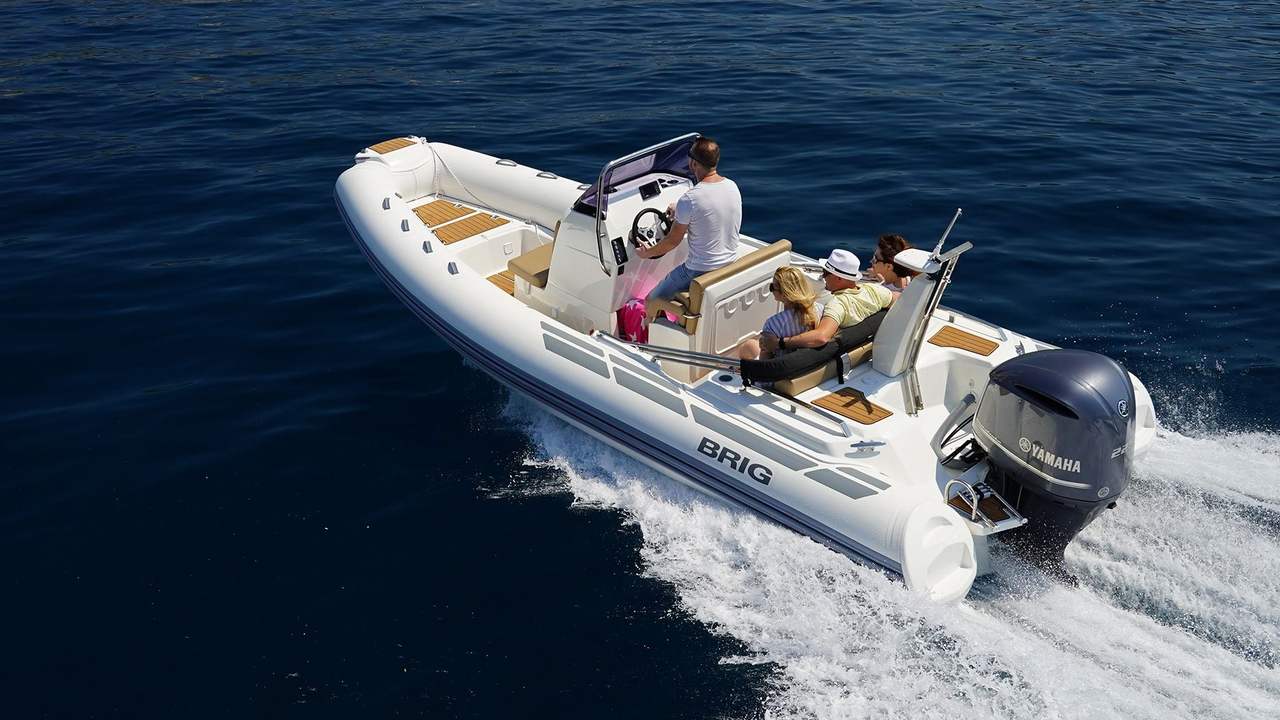
Il BRIG Eagle 6.7 richiede una configurazione documentata, perché pagina commerciale e manuale non coincidono su potenza e capacità persone. La sequenza di verifiche parte dalla targhetta dell’esemplare e collega fuoribordo, carburante, acqua, timoneria, elettrico, drenaggio e coperta. Solo ciò che è presente nella distinta viene considerato installato: fotografie e pacchetti del distributore non sostituiscono ordine, schema e prova funzionale.
Identificare versione, anno e documenti
Prima di salire a bordo si raccolgono numero di scafo, targhetta, dichiarazione applicabile, manuale e distinta. La pagina BRIG UK indica 250 hp massimi e 8/11 persone, mentre il manuale consultato riporta 225 hp e undici persone. Il controllo non sceglie il valore più comodo: associa ogni limite alla specifica unità. Motore, massa, gambo e categoria devono essere compatibili con i documenti consegnati.
Quote e percorsi da misurare
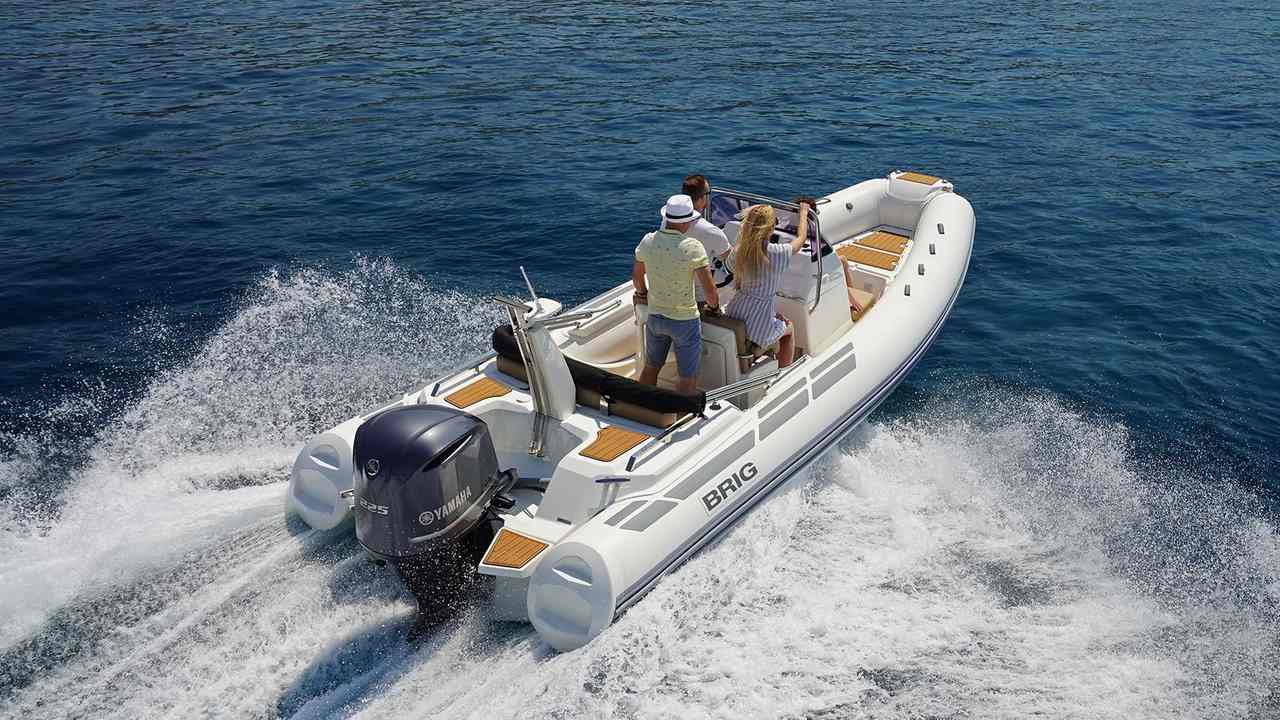
Le dimensioni pubblicate sono 6,70 per 2,55 metri, con interno di 4,70 per 1,45. La sequenza di verifiche misura i restringimenti creati da consolle e sedute, poi prova accesso a prua, gavoni e poppa. Ogni coperchio deve aprirsi con cuscini e tavolo nelle posizioni previste. La scaletta e il percorso di recupero devono restare liberi anche con parabordi e cime sistemati per l’uso reale.
Postazione di guida e strumenti
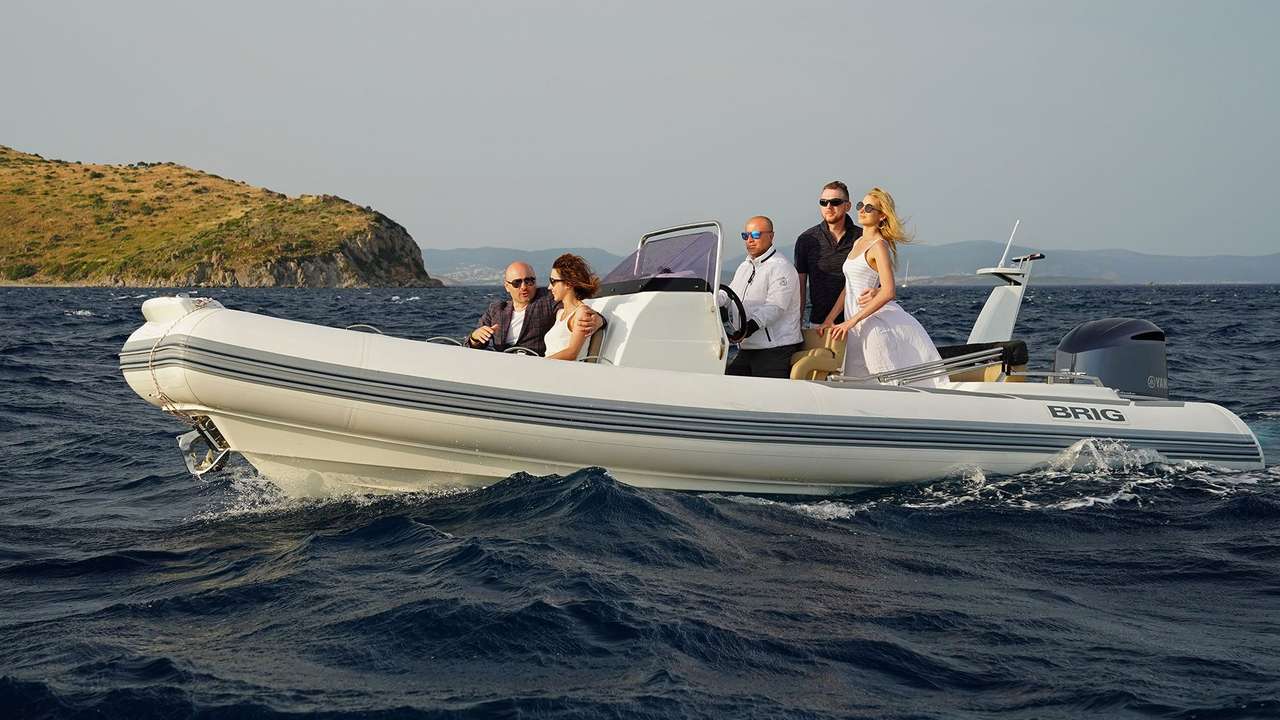
Si controllano seduta pilota-bolster, visuale, volante, manetta, arresto, indicatore carburante, strumenti e allarmi del motore installato. Comandi non identificati vengono etichettati e riportati nello schema. Dietro la consolle, cavi e tubi devono essere sostenuti, protetti e accessibili. Il parabrezza non è un appiglio universale. La prova viene ripetuta seduti e in piedi con persone e carico rappresentativi.
Timoneria meccanica o idraulica
La pagina elenca timoneria meccanica nello standard e idraulica fra gli optional. La distinta deve chiarire la variante. A motore spento si percorrono i fine corsa, osservando giochi, attriti, raccordi e interferenze. In acqua si eseguono manovre progressive e si registra la risposta, senza inventare giudizi prestazionali. Fluido, ingrassaggio, regolazioni e spurgo seguono il manuale del sistema realmente montato.
Motore e divergenza di potenza
Il distributore pubblica 115 hp minimi, 150 raccomandati e 250 massimi; il manuale indica 175–200 raccomandati, 225 massimi e 335 chilogrammi di massa motore massima. La sequenza di verifiche registra modello, serie, potenza, massa, elica, altezza, bulloneria e gambo XL da 25 pollici. La targhetta risolve la divergenza. Avviamento, arresto, raffreddamento, ricarica e allarmi vengono provati secondo le istruzioni del costruttore.

Tabella della configurazione da collaudare
| Sistema | Dato pubblicato | Verifica |
|---|---|---|
| Dimensioni | 6,70 × 2,55 m | Ingombri completi |
| Spazio interno | 4,70 × 1,45 m | Passaggi e vani |
| Tubolari | 55 cm, 5 camere | Valvole e pressione |
| Massa vuota | 780 kg | Peso operativo |
| Carico massimo raccomandato | 1.455 kg | Targhetta e distribuzione |
| Persone | 8/11; manuale 11 | Documento dell’unità |
| Carburante / acqua | 191 / 45 l | Serbatoi e linee |
| Potenza massima | 250; manuale 225 hp | Targhetta |
| Gambo | 25 pollici | Installazione |
Serbatoio carburante da 191 litri
Il serbatoio integrato sottocoperta, il bocchettone esterno e l’indicatore figurano nella dotazione. Si localizzano sfiato, tubazioni, filtro, valvole e accessi, controllando odori o tracce. La capacità non definisce autonomia o carburante utilizzabile in ogni assetto. Un registro annota litri, persone, condizioni e consumo misurato. La pianificazione mantiene una riserva prudenziale e considera deviazioni e indisponibilità di rifornimento.
Acqua dolce e doccia opzionale
La pagina riporta 45 litri di acqua dolce e indica doccia o washdown fra gli optional. Se il circuito è presente, si identificano riempimento, serbatoio, pompa, protezione, tubo e scarico. Il sistema viene pulito e svuotato secondo istruzioni, soprattutto prima dell’inattività. La massa dell’acqua entra nel bilancio. Una doccetta riposta male non deve ostacolare scaletta, coperchi o accessi tecnici.
Batteria, isolamento e distribuzione
Contenitore batteria e interruttore di isolamento sono standard dichiarati. A bordo si registrano tecnologia, capacità, data, fissaggio, coprimorsetti e ventilazione quando richiesta. Si ricostruiscono protezioni e ritorni dei circuiti effettivi. La tensione viene osservata durante avviamento e ricarica. Nuova elettronica richiede calcolo del carico, fusibile corretto e aggiornamento dello schema; non si collega un accessorio a un circuito solo perché vicino.
Pompa automatica e doppio autosvuotamento
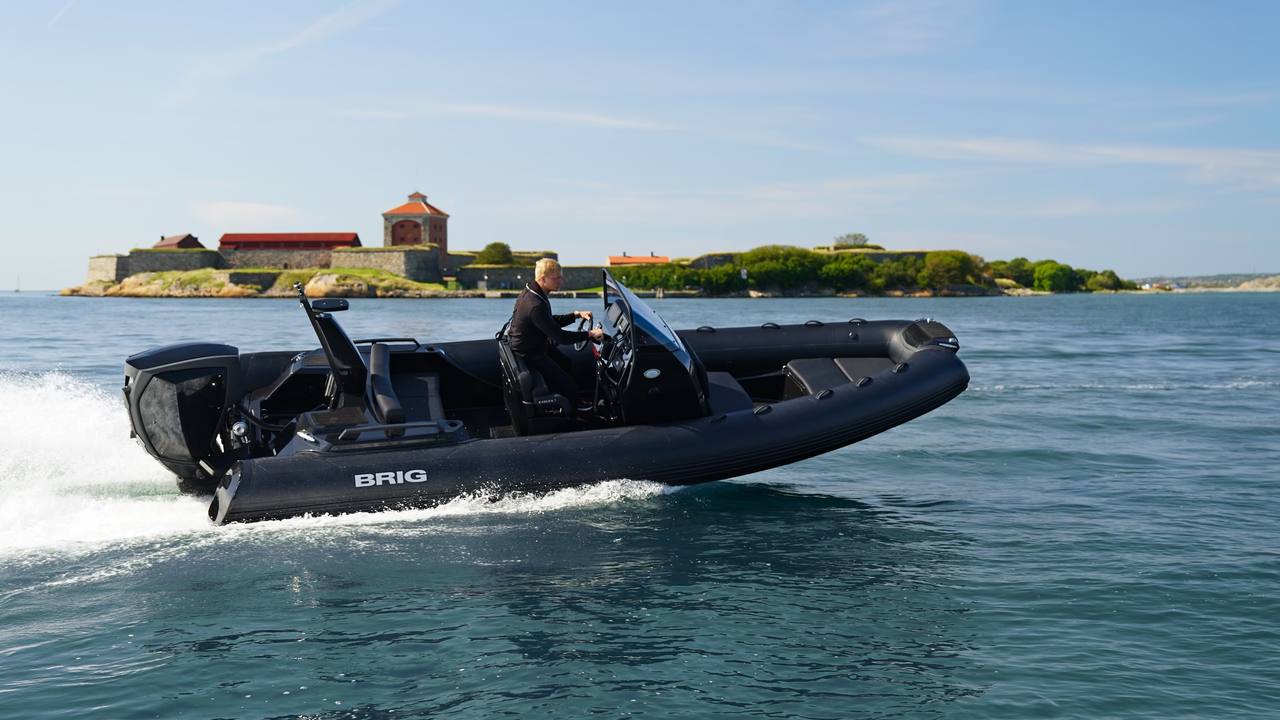
Pompa automatica di sentina e due unità autosvuotanti compaiono fra gli standard. La sequenza di verifiche individua prese, scarichi, valvole, sensore, alimentazione e comando. Si prova il funzionamento con il metodo previsto e si rimuovono residui. La presenza della pompa non rende normale l’acqua persistente. Dopo il lavaggio si ispezionano gavoni e volumi nascosti; ogni ingresso viene spiegato e seguito nel tempo.
Serbatoi e ventilazione dello scafo
Il sistema di ventilazione dello scafo è espressamente elencato. Griglie e percorsi devono restare liberi da borse o cuscini e non vanno modificati senza indicazioni. I vani che ospitano carburante, batteria o impianti vengono mantenuti ordinati e ispezionabili. Odore, condensa o corrosione non si coprono con materiale stivato. Fotografie ripetute dagli stessi punti aiutano a riconoscere cambiamenti progressivi.
Scaletta, piattaforma e recupero
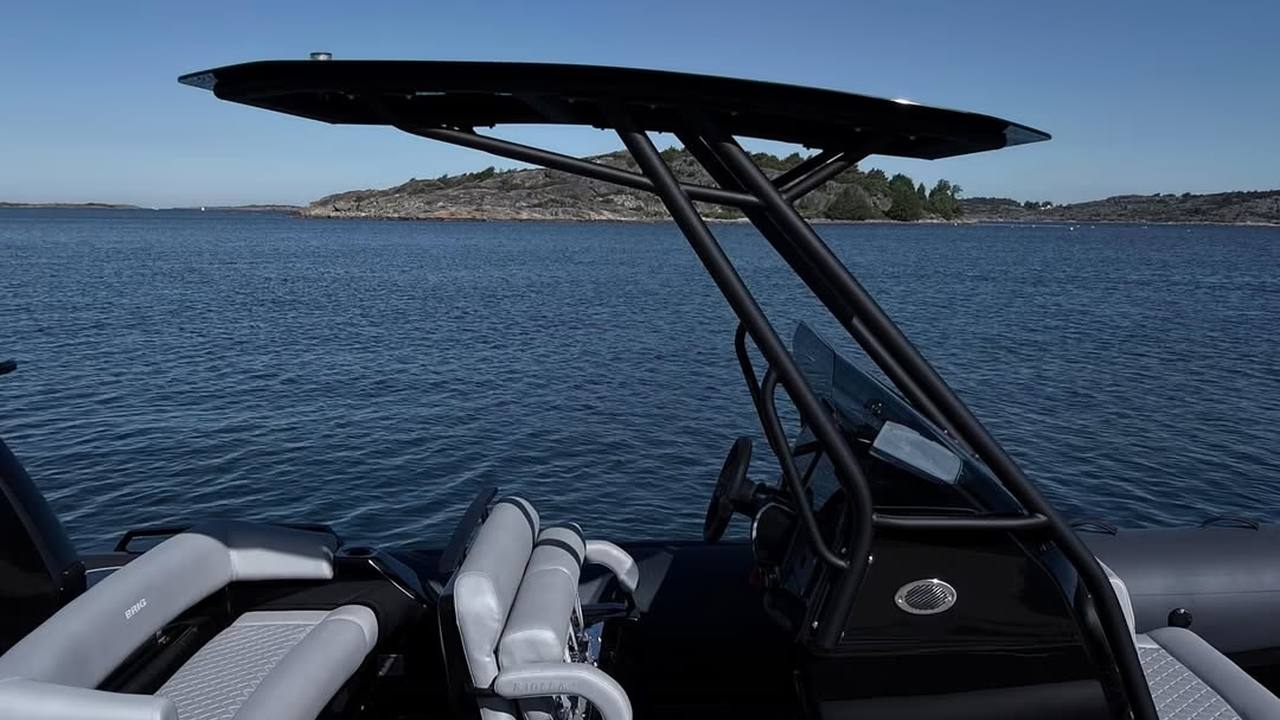
La piattaforma con scaletta pieghevole è opzionale nella pagina. Se installata, viene provata dall’acqua con motore arrestato e condizioni controllate. Si verificano profondità utile, apertura, appigli e possibilità di rientro senza aiuto. La procedura uomo a mare stabilisce chi arresta il motore e come assiste. Cime, coperture e doccia devono avere posizioni che non occupino il percorso di recupero.
Gavoni anteriori e posteriori
I vani di stivaggio sono standard, ma la capacità utile dipende dall’ordine. Ancora, cime, parabordi, sicurezza e ricambi ricevono posizioni definite. Oggetti pesanti restano bassi e trattenuti; materiale bagnato o abrasivo viene separato dai circuiti. Cuscino removibile e tavolo non possono diventare carichi liberi. Un coperchio deve aprirsi senza spostare persone in zone non sicure.
Tubolari Hypalon e cinque camere
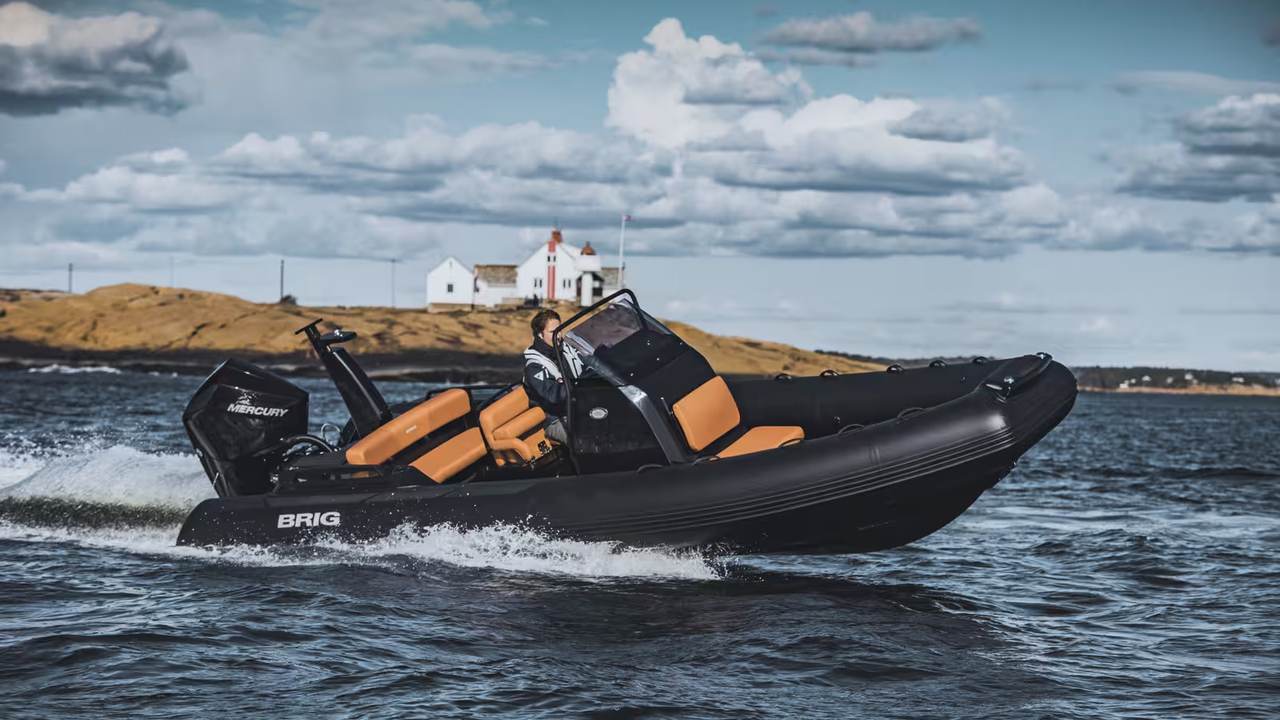
La pagina indica tessuto Hypalon, diametro massimo di 55 centimetri e cinque camere. Si controllano valvole, pressione secondo documentazione, giunzioni, bottazzo, maniglie e terminali rigidi con gradini antisdrucciolo. Pompa a piede e kit di riparazione sono standard. Prodotti e adesivi devono essere compatibili con il tessuto fornito. Danni o perdite vengono localizzati, documentati e riparati con procedure adatte.
Alaggio, traino e punti dedicati
Punti di sollevamento integrati, anello di prua e occhio per sci nautico hanno funzioni distinte. Il manuale stabilisce quali usare per gru, rimorchio o traino sportivo. La robustezza visiva non autorizza usi diversi. La procedura di alaggio identifica imbragature, appoggi e responsabilità. I punti restano accessibili e vengono ispezionati insieme a bitte, terminali e fissaggi dopo gli impieghi più gravosi.
Optional elettrici e di coperta
Bussola, doccia, prendisole, coolbox, ancoraggio, coperture e bimini sono optional pubblicati. Ogni voce deve avere modello, massa, fissaggio e manuale. Il sistema di ancoraggio non si presume presente; se ordinato, si controllano dimensionamento, linea, protezioni e stivaggio. Coperture e bimini devono riporsi senza bloccare visibilità o accessi. Colori speciali e rivestimenti sono identificati nel contratto.
Bilancio dei pesi e persone
Ai 780 chilogrammi dichiarati si sommano motore, carburante, acqua, batteria, optional e attrezzatura. La posizione è importante quanto il totale. Il limite di 1.455 chilogrammi e il numero persone si verificano sulla targhetta. L’equipaggio abituale mantiene margine e corridoi liberi. Per rimorchio o sollevamento una pesatura della barca pronta evita decisioni basate su valori incompleti.
Collaudo e fascicolo finale
La prova registra persone, carburante, acqua, attrezzatura, vento e mare. Si verificano avviamento, arresto, allarmi, timoneria, risposta progressiva, visuale, drenaggio e fissaggi. Velocità e consumi non vengono inventati. Le anomalie generano interventi tracciati e una nuova prova. Il fascicolo finale raccoglie matricole, schemi, manuali, garanzie e fotografie: ogni modifica successiva aggiorna peso, circuiti e configurazione approvata.
Preavviamento con controlli ripetibili
Prima di ogni uscita una sequenza breve riduce le omissioni. Si osservano tubolari, valvole e danni visibili; si controllano tappi e drenaggi secondo la configurazione; si apre il vano tecnico e si cercano odori, liquidi o oggetti liberi. Batteria e isolamento vengono portati nello stato previsto, la quantità di carburante è confrontata con il programma e le dotazioni sono sistemate senza ostruire passaggi. Al posto di guida si provano volante, manetta, arresto di emergenza e strumenti prima di lasciare l’ormeggio. La sequenza di verifiche riporta solo comandi presenti sull’esemplare, così resta breve, verificabile e utilizzabile da più membri dell’equipaggio.
Controllo dopo avviamento e prima della partenza
Con il fuoribordo avviato si verificano indicazioni, allarmi, raffreddamento e ricarica secondo il manuale del motore installato. Si osservano i vani senza avvicinarsi a parti mobili e si conferma l’assenza di perdite. La timoneria percorre un arco controllato, mentre un secondo operatore verifica che cavi, tubi e motore non interferiscano. Prima di accelerare, si confermano chiusura dei gavoni, posizione di tavolo e cuscini removibili, libertà dei passaggi e sistemazione delle cime. Qualsiasi anomalia rimanda la partenza: annotarla rende possibile confrontare il difetto dopo l’intervento, invece di affidarsi alla memoria.
Registro di esercizio per carburante e assetto
I 191 litri dichiarati sono un dato di capacità, non una promessa di autonomia. Un registro utile associa rifornimento, ore, regime, persone, acqua, attrezzatura e condizioni osservate. Nelle prime uscite si mantengono margini elevati e si costruisce una base misurata sulla propria configurazione. Lo stesso registro aiuta a capire se uno spostamento di carico modifica assetto o visibilità, senza trasformare sensazioni isolate in prestazioni generali. Le letture dello strumento vengono confrontate con i litri effettivamente imbarcati; eventuali scostamenti si indagano prima di usare l’indicatore come unica base di pianificazione.
Rientro, lavaggio e messa in sicurezza
Al termine dell’uscita si registra ogni allarme o comportamento anomalo, poi si porta l’impianto nello stato previsto per ormeggio o rimessaggio. Il lavaggio segue le indicazioni per Hypalon, vetroresina, fuoribordo e componenti installati. Scarichi e pompa vengono osservati mentre l’acqua defluisce; un ristagno non si considera normale solo perché la pompa lo rimuove. Batteria, carburante e acqua sono gestiti secondo periodo di inattività e manuali. Cuscini e coperture vengono asciugati e riposti senza chiudere la ventilazione dello scafo. La verifica finale lascia liberi i vani tecnici e prepara la verifica della successiva partenza.