
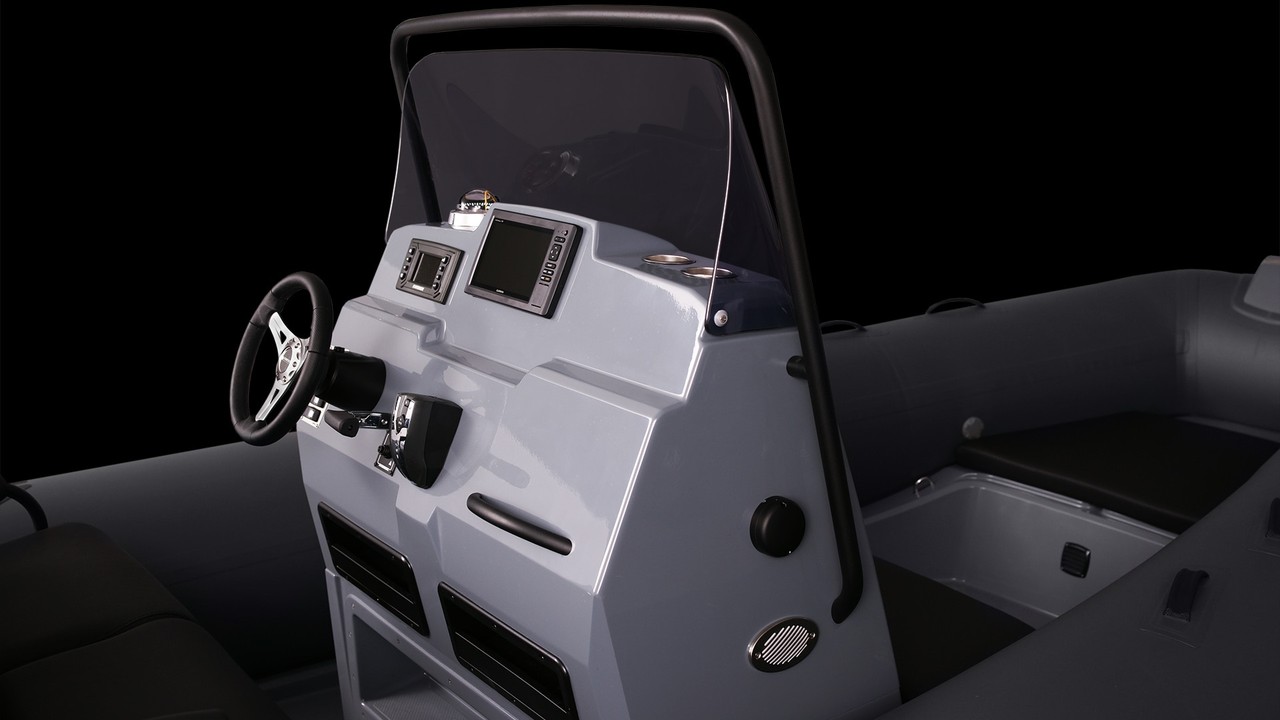
Il BRIG Navigator 700 è un modello fuori produzione che richiede una sequenza di verifiche diversa da quella di una barca nuova. Il manuale ufficiale 2020 distingue due configurazioni: monomotore e bimotore. Cambiano potenze, gambi, massa ammessa del gruppo propulsivo, numero di persone e limiti di carico. Questa guida organizza controlli documentali, impiantistici e di collaudo senza attribuire al singolo esemplare dotazioni viste soltanto nelle fotografie.
Aprire il dossier con lo stato legacy
La pagina del costruttore marca il Navigator 700 come dismesso. Nel dossier vanno quindi inseriti data di costruzione, codice identificativo, mercato di destinazione, versione dello specchio di poppa, motori originari e modifiche successive. Si allegano certificato, manuale, schemi, fatture, rapporti di officina e cronologia delle batterie. Una configurazione coerente non è quella più ricca, ma quella che permette di collegare ogni componente a un’installazione documentata. L’indisponibilità di un ricambio dedicato va accertata prima della firma.

Identificare singolo o doppio prima di ogni calcolo
Le due versioni condividono scafo da 6,99 per 2,80 metri, altezza 2,08 metri, tubolare da 0,58 metri e pozzetto 5,05 per 1,59 metri. La distinzione parte dallo specchio: il singolo usa gambo da 25 pollici, il doppio due gambi da 20. Non si deduce la versione contando i motori presenti oggi, perché un esemplare potrebbe essere stato trasformato. Targhetta, certificazione e geometria degli attacchi devono concordare.
sequenza di verifiche potenza e masse del monomotore
Il manuale assegna alla versione singola 200 hp raccomandati, 225 hp massimi e 335 kg massimi per motore, comandi e batteria. Si registrano marca, modello, matricola, peso dichiarato, altezza di montaggio ed elica. La pagina legacy menziona invece un massimo di 150 hp per il singolo: la divergenza deve restare nel verbale e va risolta usando i documenti specifici dell’unità, non una media fra valori. Il motore installato deve rientrare anche nei limiti assicurativi e amministrativi applicabili.
sequenza di verifiche potenza e masse del bimotore
Per il doppio, il riferimento è 2 x 120 hp raccomandati e 2 x 135 hp massimi. Motori, comandi e batterie possono pesare complessivamente fino a 560 kg. Si verifica che i due propulsori siano compatibili per rapporto, eliche, software e manutenzione. Cablaggi e tubazioni devono muoversi senza pieghe durante tutta la sterzata. Il verbale annota regimi raggiunti da entrambi, temperatura, pressione e ricarica, evitando di nascondere una differenza significativa dietro la normale tolleranza strumentale.
| Controllo | Singolo | Doppio |
|---|---|---|
| Potenza raccomandata | 200 hp | 2 x 120 hp |
| Potenza massima | 225 hp | 2 x 135 hp |
| Massa gruppo propulsivo | 335 kg | 560 kg |
| Lunghezza gambo | 25 pollici | 2 x 20 pollici |
| Persone | 11; 12 solo USA | 8 |
| LCC | 1.275 kg | 1.500 kg |
| Carico totale massimo | 1.225 kg | 1.000 kg |
| Massa trasportabile massima | 1.675 kg | 1.900 kg |
| Serbatoio carburante | 340 l | 340 l |
Persone e targhetta del mercato di origine
Il limite dichiarato nel manuale è undici persone sul monomotore, con dodici riservate al mercato USA, e otto sulla versione doppia. La pagina riassume dodici senza questa distinzione. La sequenza di verifiche fotografa la targhetta e registra mercato e configurazione. In navigazione, il limite numerico non elimina l’obbligo di distribuire il peso, mantenere liberi i comandi e assegnare appigli e posti. Un battello importato deve conservare documenti coerenti con le regole del luogo in cui viene utilizzato.

Ricostruire il bilancio dei pesi
La massa strutturale vuota è 700 kg e quella equipaggiata con consolle e sedute, senza motore e carburante, è 930 kg. Il monomotore ha LCC di 1.275 kg; il doppio 1.500 kg. Il dislocamento carico è 2.500 kg per entrambi, ma il carico totale massimo scende da 1.225 a 1.000 kg passando al doppio. La pesata reale deve includere elettronica, ancora, T-top, batterie, liquidi e oggetti che spesso restano permanentemente nei gavoni.
Impianto carburante da 340 litri
Il serbatoio integrato ha capacità dichiarata di 340 litri. Si controllano bocchettone, tappo, sfiato, tubo di riempimento, pescaggio, sensore e linee verso i motori. Il manuale mostra la disposizione generale, mentre filtro e collegamenti dipendono dall’installazione. Ogni tubo deve avere marcatura adatta, fissaggi corretti e distanza da spigoli o cablaggi. Odore persistente, macchie o variazioni inspiegabili del livello impongono arresto della prova e ispezione, non semplice aerazione del vano.

Batterie, staccabatteria e ricarica
Il numero di batterie varia fra le configurazioni e con gli accessori. Il controllo identifica capacità, tecnologia, data, protezioni, fissaggio, ventilazione e sezione dei conduttori. I poli devono essere protetti e i cavi sostenuti. Si verifica lo staccabatteria e si misura tensione a riposo, durante avviamento e in carica. Nella versione doppia, l’architettura deve evitare che un guasto comune renda indisponibili entrambi i motori, nei limiti dello schema installato. Ogni modifica va riportata in un disegno aggiornato.
Timoneria nelle due configurazioni
A motori spenti si percorre l’intera corsa del volante osservando cilindro, tubazioni, barra di collegamento e ingombri. Non devono apparire perdite, indurimenti o contatti con cavi e pozzo. Nel doppio si controlla il parallelismo dei motori e il serraggio dei collegamenti. In acqua, la risposta deve essere progressiva a velocità ridotta prima di aumentare il regime. Un volante centrato esteticamente non prova la corretta regolazione; conta la posizione reale dei motori e la simmetria della risposta.

Sentina e scarichi di coperta
La pompa viene provata introducendo una quantità controllata d’acqua e verificando sia l’avvio automatico sia il comando manuale. Si osservano portata, tubo e scarico fuori bordo. Gli scarichi di coperta devono essere liberi e funzionare nell’assetto effettivo del battello. Sedimenti, fascette sciolte e oggetti nei gavoni possono compromettere entrambi i sistemi. Dopo la prova si annota l’acqua residua e si ispezionano le zone non visibili con luce e specchio o strumento ottico.
Ventilazione e prevenzione dell’incendio
Il manuale vieta di bloccare la ventilazione dei compartimenti che contengono serbatoi, batterie o componenti del carburante. L’estintore non è fornito dal costruttore: tipo, numero, capacità e posizione sono responsabilità del proprietario con consulenza competente. Deve restare accessibile e non chiuso a chiave. Si controllano scadenza, indicatore, supporto e segnalazione. Il rifornimento avviene con motori e sorgenti di calore spenti; ogni odore anomalo viene risolto prima dell’avviamento.

Consolle ed elettronica installata
Plotter, VHF, audio, bussola e strumenti possono essere cambiati più volte nella vita di una barca legacy. La sequenza di verifiche non presume che ciò che appare nelle immagini sia di serie. Ogni apparecchio viene identificato con alimentazione e protezione, poi provato nelle funzioni disponibili. Dietro la consolle si cercano giunte non protette, cavi senza supporto, fori aperti e interferenze con la timoneria. La bussola va osservata con utenze accese e spente per individuare deviazioni evidenti dovute a nuove installazioni.
Gavoni, sedute e fissaggi
Le sedute e i moduli di coperta devono aprirsi senza ostacolare i passaggi e senza nascondere componenti che richiedono manutenzione. Si controllano cerniere, chiusure, basi, sigillature e tracce d’acqua. Un accessorio pesante aggiunto sopra coperta influenza baricentro e bilancio delle masse. Nei gavoni si verifica che gli oggetti non possano colpire tubazioni o cablaggi. Il fascicolo fotografa ogni vano vuoto: queste immagini rendono più semplice confrontare future modifiche e localizzare una perdita.

Pressione e integrità del tubolare
Cinque camere indipendenti lavorano alla pressione nominale di 0,15 bar. Il test si esegue con temperatura registrata, perché sole e raffreddamento alterano la lettura. Si ispezionano valvole, giunzioni, coni, parabordi e zone vicine ai fissaggi. Riparazioni precedenti devono essere compatibili con il tessuto effettivo. Perdita lenta, distacco o abrasione profonda richiedono valutazione professionale. I detergenti impiegati devono essere appropriati e benzina o solventi non vanno usati per rimuovere macchie.
Collaudo in acqua con verbale ripetibile
Il test registra persone, carburante, dotazioni, mare, vento, motori, eliche e altezza di montaggio. Si parte da manovre al minimo, retromarcia e arresto; poi si controllano planata, trim, virata e regime massimo previsto dal fabbricante dei motori. Non si attribuisce una velocità standard al modello, perché la documentazione esaminata non la stabilisce. Nel doppio si confrontano i parametri dei due propulsori. Vibrazioni o ventilazione vanno diagnosticate prima di modificare eliche o quote.

Controllo del rimorchio e della massa a terra
Il manuale indica massa trasportabile massima di 1.675 kg per il singolo e 1.900 kg per il doppio. Questi numeri non comprendono automaticamente il carrello e non sostituiscono una pesata dell’insieme. Si verificano portata, assi, pneumatici, freni, verricello, cinghie e sostegni della carena, evitando carichi sul tubolare. T-top e motori modificano altezza e sbalzo. Prima di un trasferimento si misurano dimensioni effettive e si controllano le prescrizioni stradali applicabili al veicolo e al percorso.
sequenza di verifiche finale prima dell’acquisto
Il verbale deve chiudere ogni ambiguità: singolo o doppio certificato, potenze, pesi, persone, serbatoio, stato del tubolare, timoneria, carburante, elettrico, sentina e dotazioni antincendio. Si allegano analisi delle anomalie e preventivi, non solo una lista di spunte. Poiché il Navigator 700 è fuori produzione, si verifica anche disponibilità di ricambi per parabrezza, sedute, ferramenta e parti stampate. La prova economica più importante è stimare il ripristino necessario per riportare l’esemplare alla configurazione documentata.
Piano di manutenzione dopo il passaggio di proprietà
Il nuovo proprietario dovrebbe programmare una baseline indipendente dalle dichiarazioni del venditore. Si sostituiscono i consumabili scaduti, si controllano oli, giranti e filtri secondo le istruzioni dei motori, si puliscono i collegamenti elettrici e si prova la sentina. Tubolare e carena vengono fotografati con luce uniforme; pressioni, tensioni e ore motore entrano in un registro. Dopo le prime uscite si ricontrollano serraggi dei fuoribordo, supporti delle batterie, tubazioni carburante e fissaggi di consolle e sedute. Il calendario distingue controlli prima di ogni uscita, mensili e stagionali. Questa base rende riconoscibile un cambiamento futuro e impedisce che una piccola anomalia venga confusa con la normale età del modello.
Valutazione della configurazione
Il Navigator 700 offre un’impostazione robusta e una scelta propulsiva rara nella stessa piattaforma, ma le due versioni non sono intercambiabili sul piano dei limiti. La monomotore privilegia carico e numero di persone; la bimotore assorbe più massa e riduce il limite equipaggio. Un acquisto sensato richiede targhetta leggibile, documenti coerenti, impianti accessibili e collaudo registrato. Su una barca legacy, la qualità della manutenzione conta più della quantità di accessori aggiunti nel tempo.