
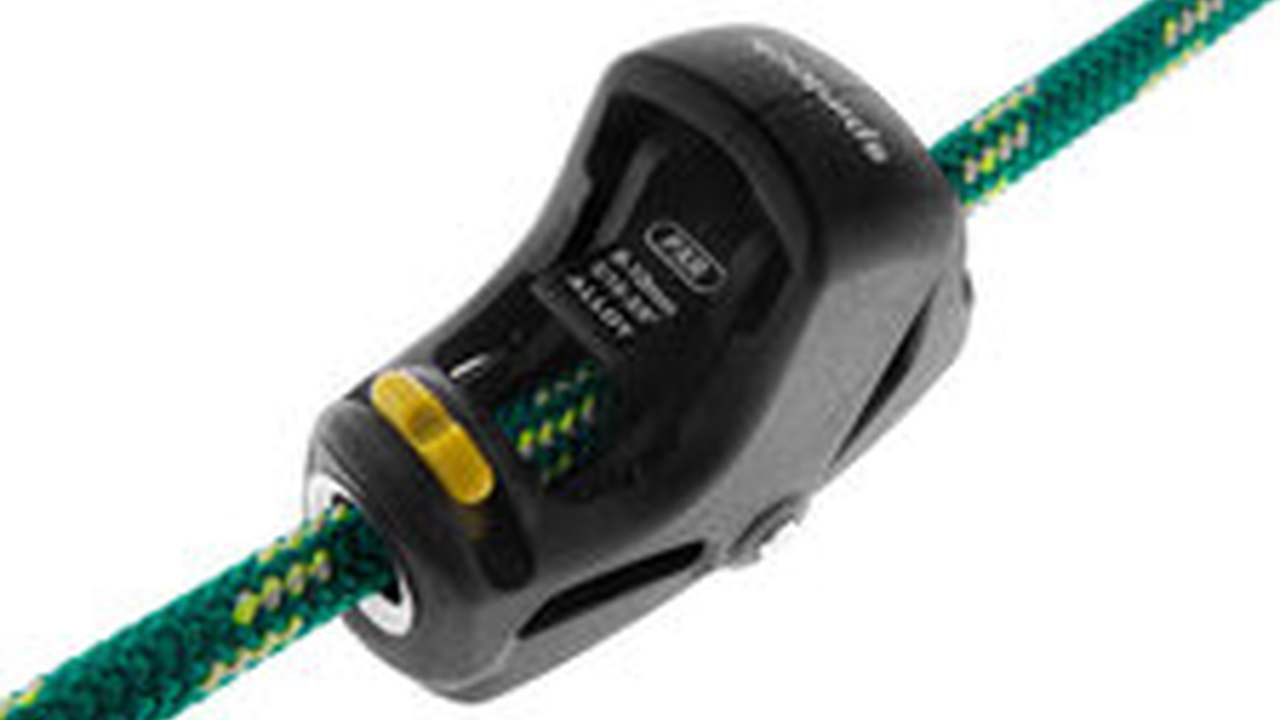
Quando una cima esce dallo strozzatore, la sostituzione immediata del corpo è spesso una scorciatoia. Il difetto può dipendere da diametro errato, calza consumata, selettore PXR in posizione diversa, base girevole impuntata, mini jammer SUA sottodimensionato, fissaggi mossi o supporto deformato. Una diagnosi efficace isola le cause in ordine, mantiene la linea scarica durante l’ispezione e conclude con una prova progressiva. la procedura seguente tratta PXR e SUA come sistemi completi, insieme a cima, rinvii, winch e coperta.
Mettere in sicurezza la manovra prima di toccare il corpo
Il tiro viene trasferito a un punto previsto o eliminato secondo la procedura della barca. La coda resta governata e nessuno lavora davanti a una linea tesa. Si marca la posizione della cima e si fotografa il percorso prima di smontare. Questo evita che il difetto sparisca appena il componente viene liberato. La diagnosi non usa mani o attrezzi per forzare una camma sotto carico. Solo con energia rimossa si controllano movimento, usura e fissaggi senza creare un rilascio incontrollato.
Identificare modello e variante senza affidarsi al colore
Si legge il codice o si confrontano impronta e configurazione documentata. PXR esiste nelle misure 0206 e 0810, con versioni standard, retrofit T, base girevole SW e perno verticale VP limitato alla misura più piccola. SUA è singolo, doppio o triplo. La variante decide diametro, carico, peso e fissaggi. Un controllo generico su “uno strozzatore Spinlock” non basta: la stessa vite, lo stesso interasse o la stessa procedura non valgono automaticamente per tutte le configurazioni.
Misurare la cima nel tratto che lavora davvero
PXR0206 copre 2-6 millimetri; PXR0810 8-10 millimetri; SUA 6-10 millimetri. La cima viene misurata in più punti, compresa la zona lucidata o appiattita. Si osservano fili rotti, calza spostata, contaminazione e variazioni rispetto al tratto libero. Il diametro nominale riportato in un vecchio inventario non sostituisce la misura. Se la linea è fuori campo o deformata, si corregge questa condizione prima di dichiarare usurato il meccanismo.
| Controllo | PXR0206 | PXR0810 | SUA |
|---|---|---|---|
| Cima dichiarata | 2-6 mm | 8-10 mm | 6-10 mm |
| Carico dichiarato | fino a 140 kg | fino a 200 kg | fino a 400 kg |
| Standard | 2 M4 svasati | 2 M5 svasati | 4 M6 testa cilindrica |
| Varianti | T, SW, VP | T, SW | singolo, doppio, triplo |
Confrontare il carico con l’impiego assegnato
Il carico dichiarato non è un invito a provare il limite. Serve a verificare se il componente appartiene alla manovra. Una regolazione che supera il ruolo di una camma compatta può richiedere un mini jammer o un’altra architettura. SUA è descritto per piccoli winch e offre più capacità di un cam cleat, restando più compatto di un powerclutch. Se la linea è stata spostata da un circuito diverso, la causa dello slittamento può essere una assegnazione incoerente e non un guasto improvviso.
Controllare la camma PXR e la superficie di contatto
PXR usa una camma ad azione rotolante e una base in lega anodizzata dura. A dispositivo scarico si verifica che il movimento sia libero, senza granelli, fibre o segni irregolari. Si osserva se la cima siede centrata e se l’usura è simmetrica. Un fianco lucidato indica spesso un ingresso inclinato; residui diffusi possono derivare dall’ambiente. La pulizia segue le indicazioni applicabili e non introduce prodotti che alterino la presa o raccolgano nuova contaminazione.
Provare le tre posizioni del selettore PXR
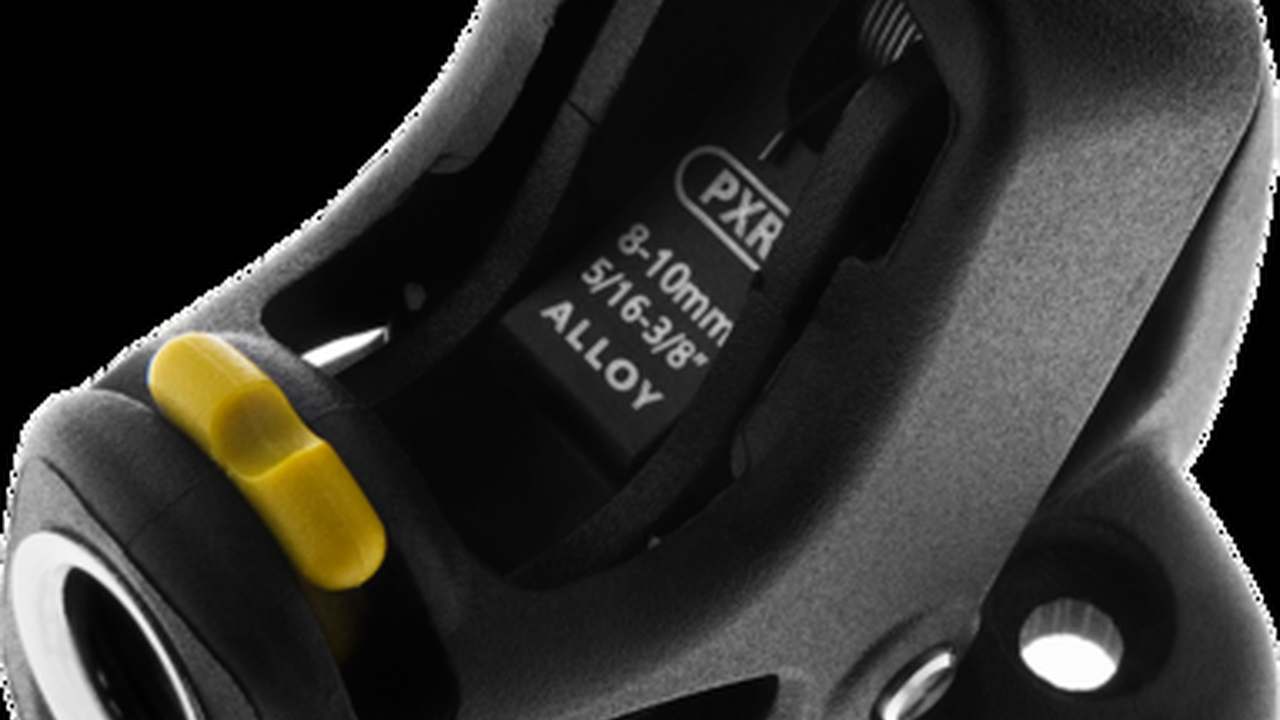
Il controllo di rilascio a tre stadi deve assumere condizioni nette. Si aziona più volte a vuoto, verificando il bloccaggio udibile e la resistenza alla richiusura accidentale prevista dal progetto. Un selettore coperto da una cima, urtato da un oggetto o lasciato in posizione diversa può spiegare un comportamento apparentemente casuale. la procedura registra la posizione iniziale prima di cambiarla, poi conferma che l’equipaggio sappia riconoscere le tre condizioni senza interpretazioni improvvisate.
Verificare che il rilascio non richieda un gesto anomalo
Una delle funzioni dichiarate di PXR è facilitare il rilascio sotto carico nel campo previsto. La prova non comincia comunque con tiro elevato. Si controlla prima il percorso della mano, l’altezza della coda e lo spazio per sollevare la linea. Se l’operatore deve tirare lateralmente o piegare la cima contro una guida, il problema può essere geometrico. Un meccanismo libero ma installato fuori asse produce una sensazione dura e può impedire alla camma di lavorare in modo uniforme.
Ispezionare le versioni standard e retrofit sul supporto
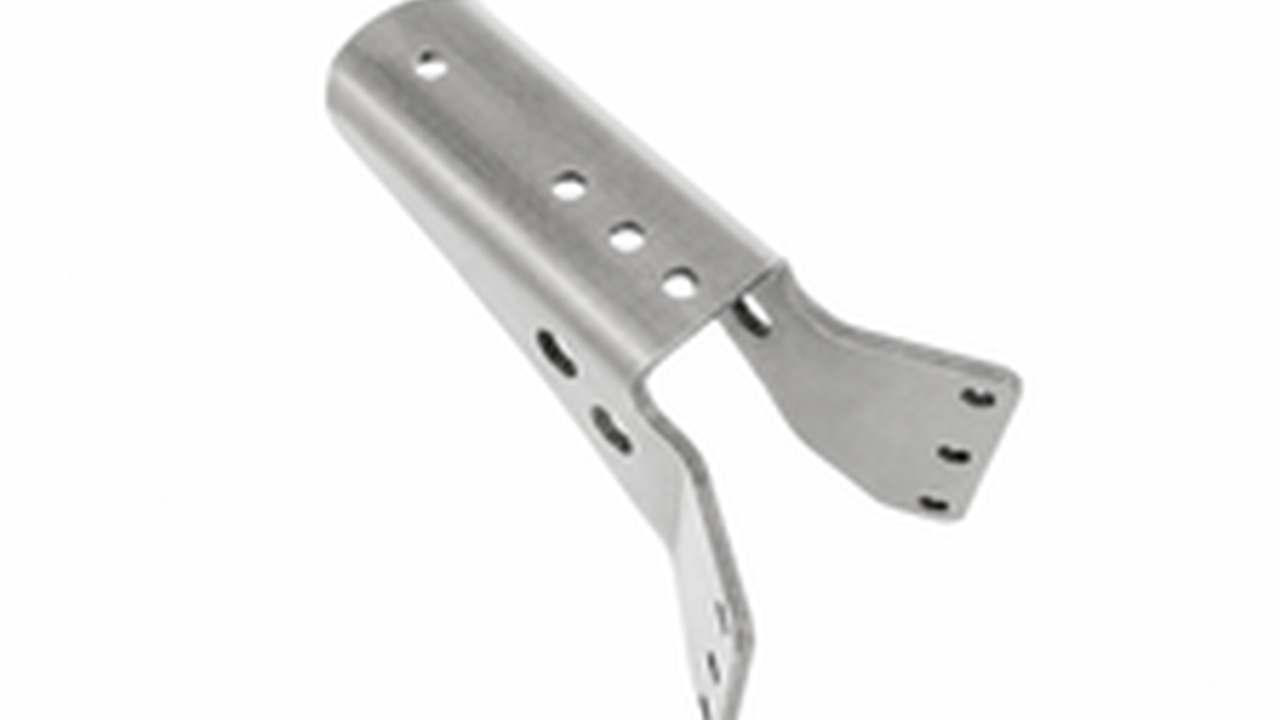
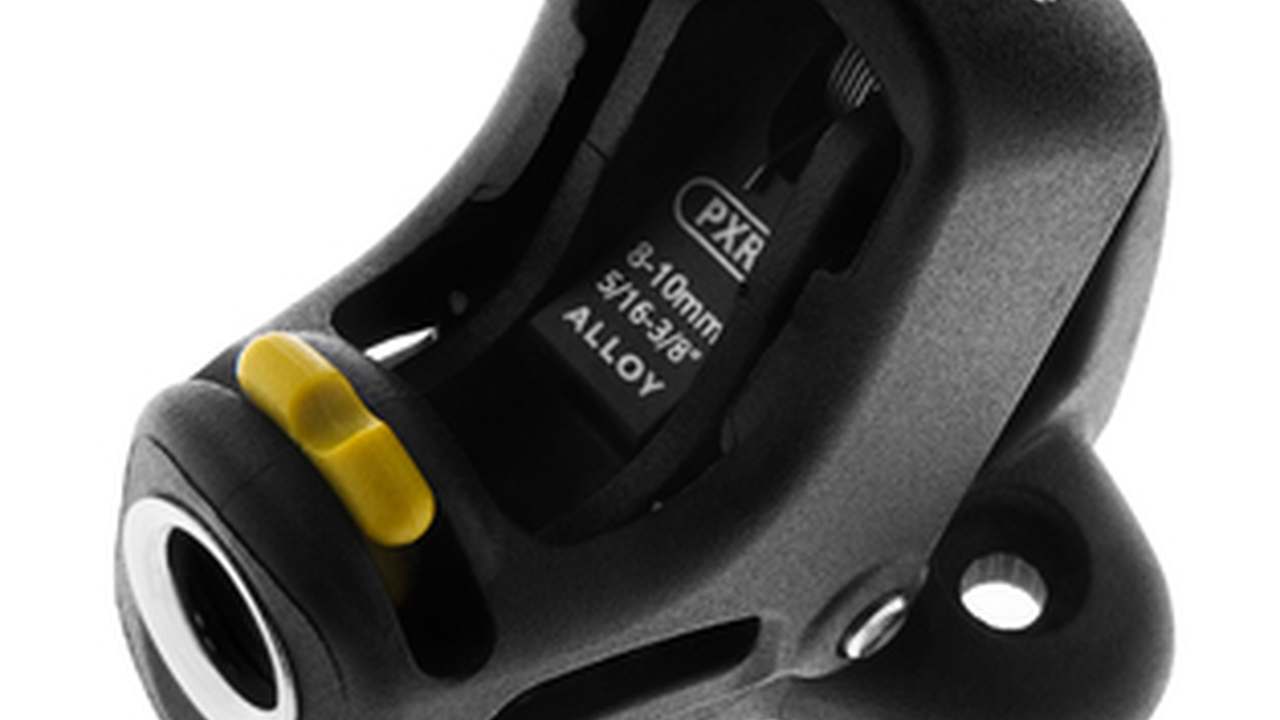
PXR0206 standard usa due M4 svasati e PXR0810 due M5. Le versioni T mantengono interassi da 27 e 38 millimetri destinati alla sostituzione di cam cleat tradizionali. Si controllano teste, gioco, ovalizzazione e tracce d’acqua. Un foro riutilizzato può essere compatibile e al tempo stesso danneggiato. Il corpo viene osservato mentre si applica un piccolo tiro controllato: qualsiasi movimento tra base e coperta richiede correzione strutturale prima di valutare la presa.
Muovere la base girevole nell’intero arco utile
Le versioni SW usano tre M5 svasati e devono orientarsi verso l’operatore senza impuntamenti. A linea scarica si percorre tutto l’arco, cercando interferenze, gioco e punti in cui la cima sfrega. Si controlla che il tubo, il bordo o un’altra manovra non spingano il gruppo fuori asse. Una base che ruota soltanto quando viene strattonata aggiunge resistenza e rende imprevedibile il rilascio. Il problema viene localizzato tra perno, base, fissaggi e geometria esterna.
Esaminare puleggia e perno della variante VP
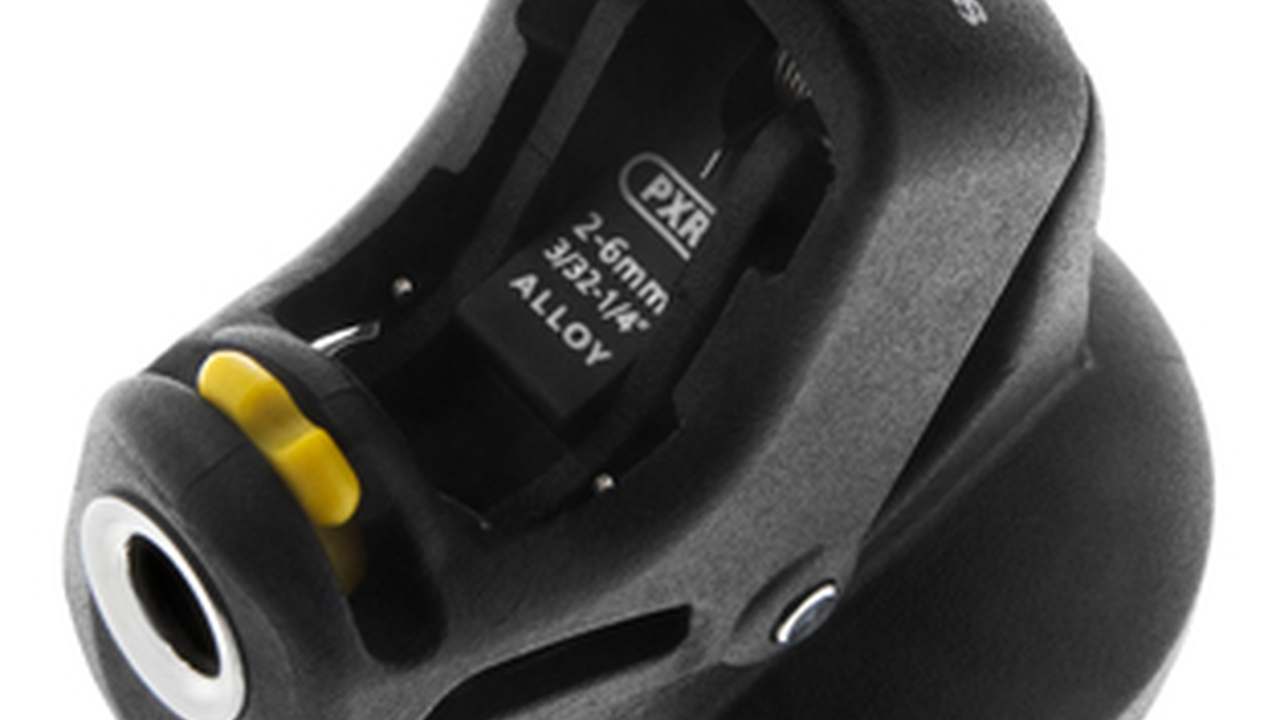
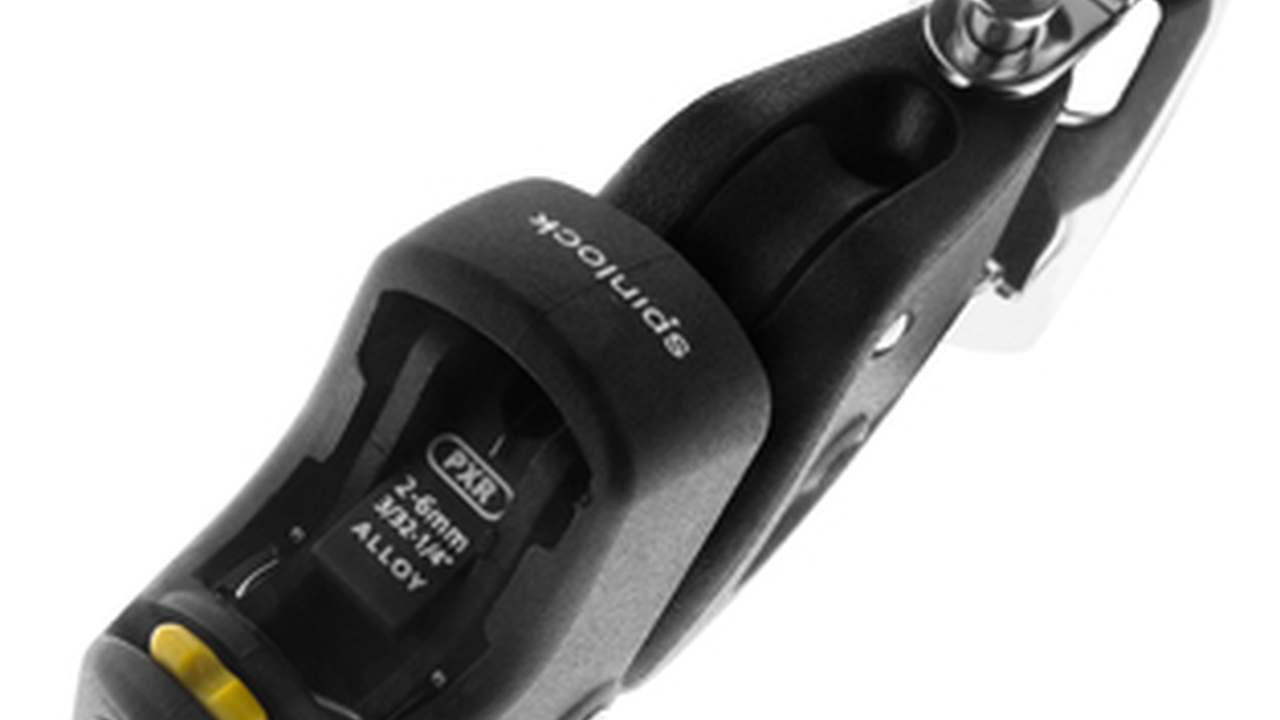
PXR0206/VP integra un rinvio orientabile, può essere montato al centro, sotto il boma o alla base dell’albero ed è concepito per essere rimosso facilmente. Si verifica libertà della puleggia, centratura nella gola, movimento del perno e completo innesto del sistema di trattenuta. Il corpo non deve basculare per compensare un ingresso errato. Se è presente una puleggia sostitutiva, si conferma la compatibilità specificata e si evita di dedurla soltanto dal diametro apparente.
Controllare SUA come singola via prima del gruppo
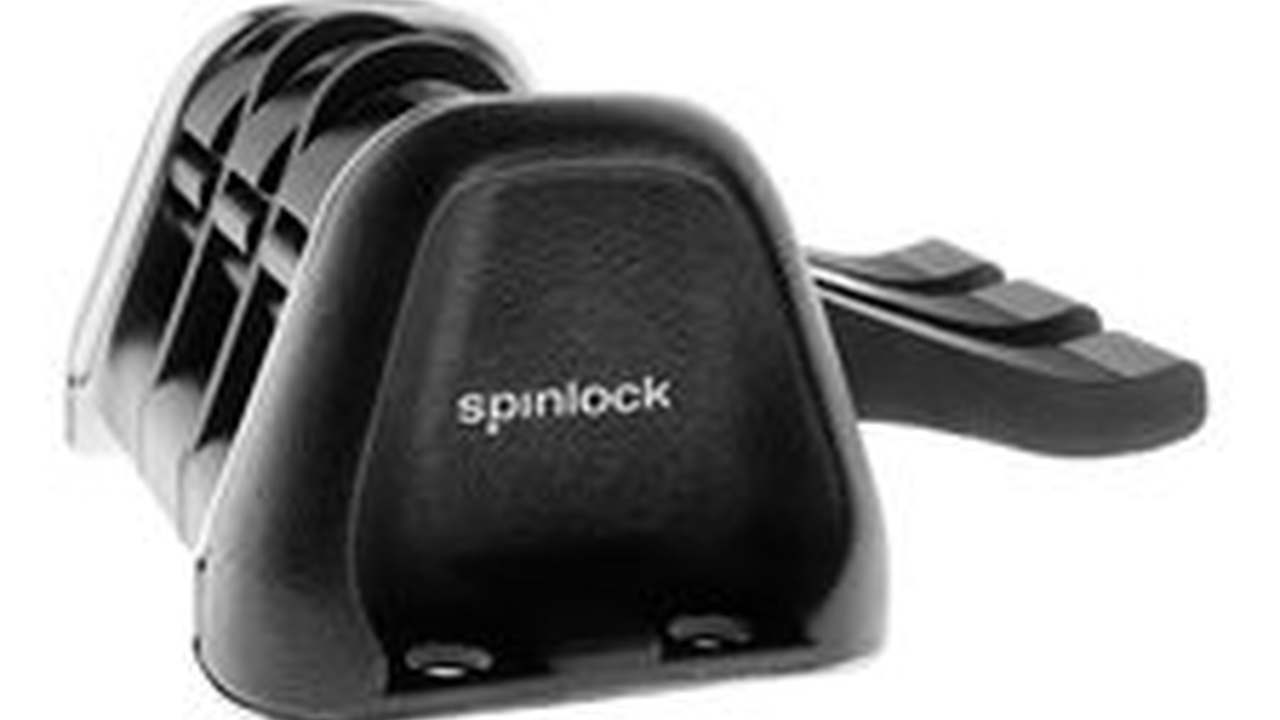
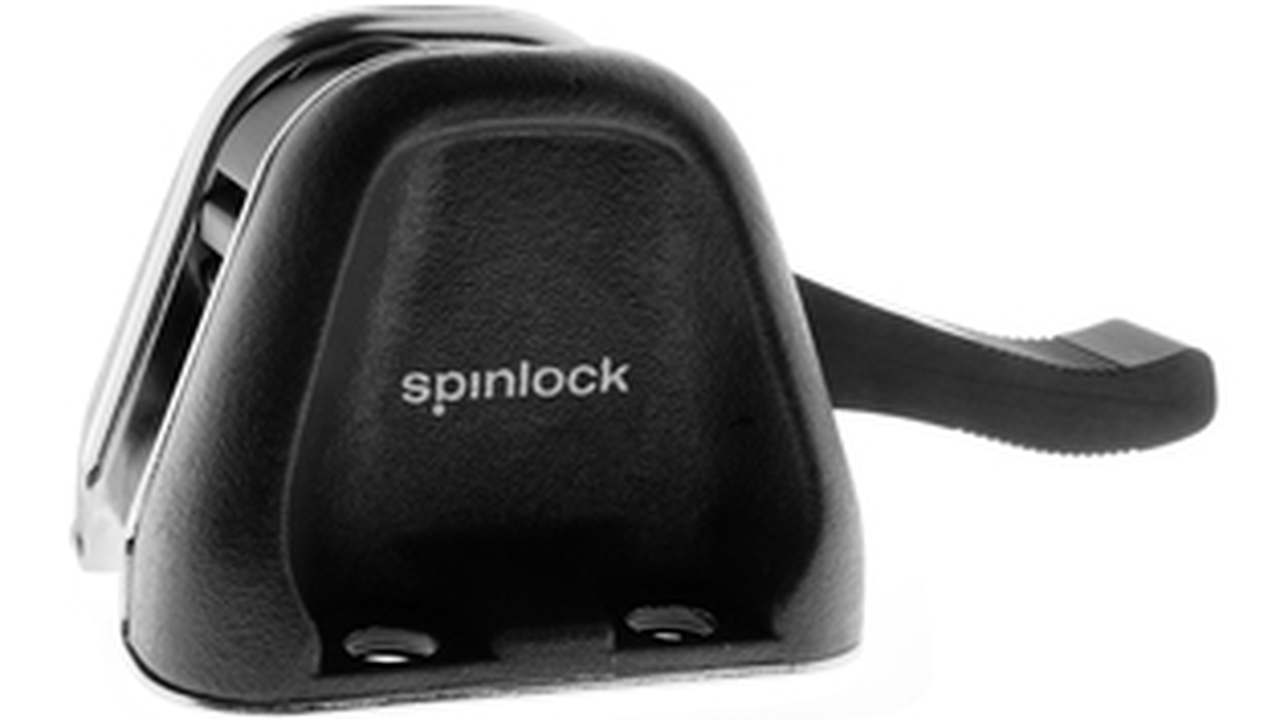
Ogni via del mini jammer viene liberata e provata separatamente. SUA accetta cime da 6 a 10 millimetri e carichi fino a 400 chilogrammi. Si osservano leva, presa, superfici di contatto e percorso verso il winch. Un’unità doppia o tripla non viene dichiarata efficiente perché una sola linea funziona. Le differenze tra vie aiutano la diagnosi: un difetto isolato orienta verso sporco o usura locale; lo stesso sintomo su tutte suggerisce supporto, allineamento o assegnazione.
Usare peso e configurazione per riconoscere parti errate
I pesi dichiarati di SUA sono 170 grammi per il singolo, 250 per il doppio e 350 per il triplo. Non servono a diagnosticare direttamente la presa, ma aiutano a identificare l’unità e a riconoscere aggiunte o assemblaggi non documentati. Dopo uno smontaggio, una differenza evidente porta a controllare distanziali, piastre o componenti sostituiti. La verifica privilegia sempre codice e geometria; il peso è un controllo incrociato, non un criterio per improvvisare compatibilità tra ricambi.
Controllare i quattro M6 di ogni mini jammer SUA
Singolo, doppio e triplo richiedono tutti quattro M6 a testa cilindrica, non forniti. Si verifica che diametro e testa corrispondano, che il serraggio sia uniforme e che rondelle, dadi o contropiastra lavorino sul supporto. Nel triplo, più vie possono trasferire azioni agli stessi quattro punti: una testa lenta o una coperta cedevole influenza l’intero gruppo. Non si compensa il movimento serrando oltre misura; si ripristina prima la capacità della struttura e l’appoggio piano.
Esaminare la coperta sopra e sotto il componente
Si cercano crepe, impronte, schiacciamento, aloni, sigillante espulso e corrosione. Sotto coperta si controllano contropiastra, rondelle, dadi, anima e accessibilità. Una flessione locale modifica l’angolo della cima e può far apparire debole un meccanismo sano. la procedura separa quindi la presa dal supporto. Se sono presenti pannelli o impianti vicini, vengono rimossi o protetti secondo necessità; non si dichiara asciutto un fissaggio soltanto perché la superficie esterna è pulita.
Seguire la cima fino al winch senza saltare i rinvii
SUA è destinato all’impiego con piccoli winch, mentre le varianti PXR possono servire circuiti differenti. Si osservano ingresso, uscita, eventuale puleggia, altezza sul tamburo e spazio della coda. Un rinvio bloccato o una deviazione laterale può aumentare il tiro e rendere instabile la presa. La linea viene fatta scorrere a vuoto attraverso ogni elemento; il difetto viene attribuito soltanto dopo aver escluso il resto del percorso. Il winch non deve mascherare attrito o disallineamento.
Confrontare le vie multiple senza scambiarne le cime
Su SUA doppio e triplo ogni manovra viene etichettata prima di essere liberata. Si confrontano diametro, stato della calza, durezza della leva e segni sul corpo. Scambiare temporaneamente due cime può sembrare una prova rapida, ma rischia di introdurre un carico non previsto. la procedura mantiene ciascuna linea nel proprio circuito e confronta osservazioni omogenee. Se serve una sostituzione, si definisce prima compatibilità, poi si ripete l’intero controllo di geometria e presa.
Pulire senza cambiare il coefficiente di presa
Il risciacquo rimuove sale e particelle secondo le istruzioni del prodotto. Non si applicano lubrificanti o protettivi casuali su camma, rullo o superfici che trattengono la cima. Le parti vengono asciugate e rimontate nella posizione registrata. Se la pulizia risolve il sintomo, si cerca comunque la causa della contaminazione e si programma un intervallo coerente. Un dispositivo che torna libero sul banco ma si riempie nuovamente al primo uso non ha completato la manutenzione.
Eseguire una prova progressiva con la coda controllata
Si parte con trazione manuale moderata, poi si aumenta entro la procedura prevista, osservando presa, corpo e supporto. La cima viene segnata per riconoscere scorrimento. Su PXR si provano innesto e rilascio; su SUA si trasferisce il tiro al winch e si apre il jammer mantenendo controllo. Nessuno resta nella linea di richiamo. Il test si interrompe a slittamento, rumore, movimento o calore. Non si cerca il carico massimo: si conferma la condizione operativa reale.
Ricontrollare fissaggi e calza dopo l’assestamento
Dopo la prova si scarica nuovamente tutto. Si cercano segni freschi, fili sollevati, movimento delle teste e tracce di umidità. Un componente che trattiene ma marca la calza non supera la procedura. Il serraggio viene verificato con la procedura applicabile senza deformare base o supporto. Il risultato viene registrato per modello, variante, cima, via e intervento. Questa fotografia tecnica rende confrontabile il controllo successivo e permette di riconoscere un deterioramento prima che la linea esca sotto carico.
Chiudere la diagnosi con una causa verificata
La scheda non termina con “strozzatore sistemato”. Indica se la causa era diametro, carico assegnato, calza, selettore, rullo, base girevole, perno, mini jammer, fissaggi, supporto o rinvio. PXR e SUA coprono campi diversi e devono essere giudicati secondo la variante installata. Quando la cima resta centrata, l’innesto è netto, il rilascio è controllabile e la base non si muove, il sistema torna operativo con una spiegazione ripetibile, non per semplice sostituzione tentata.