
Profilo del cantiere
Storia e posizionamento di Custom Line
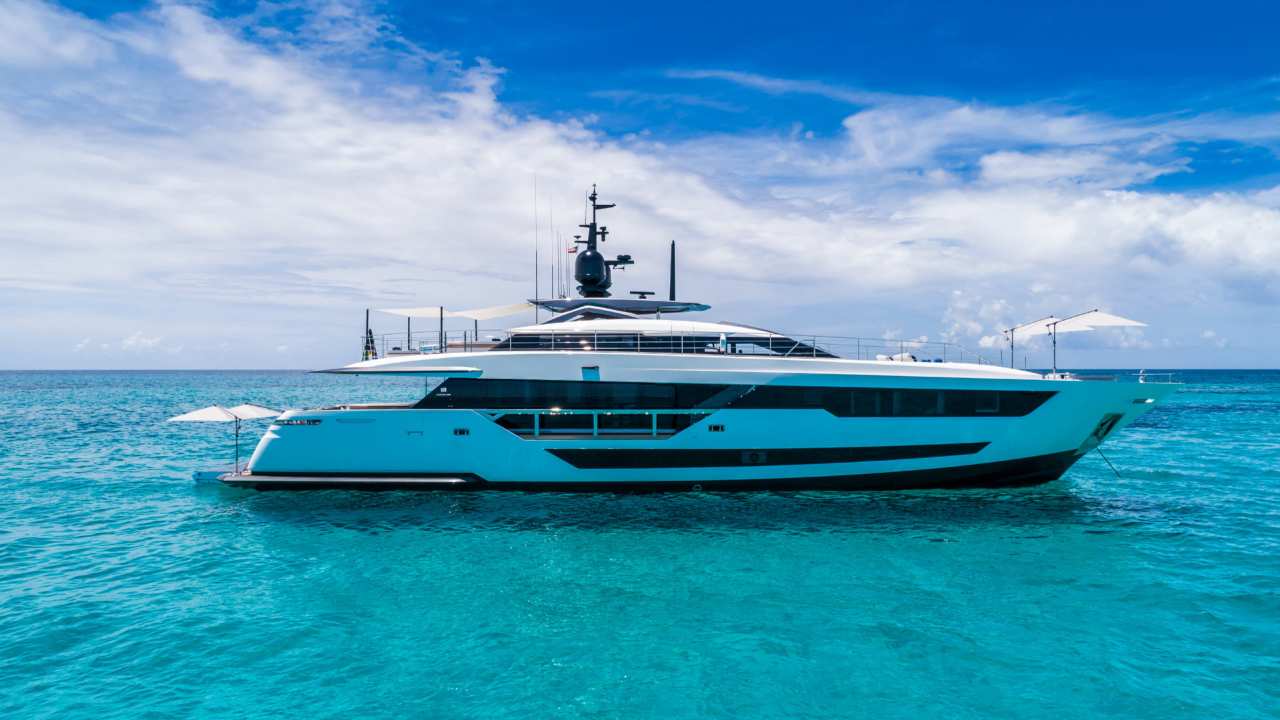
Custom Line è il marchio di Ferretti Group dedicato agli yacht “tailor-made” tra 30 e 50 metri, con linee plananti e dislocanti (Navetta). L’integrazione con il Ferretti Group Engineering Department garantisce continuità metodologica su scafo, impianti e industrializzazione, mentre il Custom Line Atelier presidia l’interior design su misura, modulando materiali, palette e arredi sulle preferenze dell’armatore. La linea Saetta rappresenta la gamma planante rinnovata, in cui la 120’ è la proposta cardine nell’area 38 m.
Filosofia costruttiva
Il cantiere lavora su stampi e processi collaudati in GRP, privilegiando la ripetibilità dimensionale e la prevedibilità di prestazioni e pesi. La scelta del composito — con impiego di sandwich nelle zone non strutturali e rinforzi mirati — consente un buon rapporto rigidità/peso, facilità di manutenzione correttiva e contenimento del baricentro. Lato allestimento, Custom Line applica un controllo di qualità multilivello (accettazione fornitori, prove di impianto, collaudi in mare) e protocolli per la riduzione del rumore percepito, oggi driver di progetto tanto quanto la velocità.
Reputazione e ritmo produttivo
La serie Saetta ha registrato un ritmo di lanci significativo. Il 24 luglio 2025 è stata varata la 14ª Saetta 120’, all’interno di una campagna che ha visto cinque lanci tra luglio e settembre, come riportato dai canali ufficiali del Gruppo e ripreso dalla stampa internazionale.
Analisi tecnica approfondita
Dimensioni principali e parametri caratteristici
- LOA: 38,36 m
- Baglio massimo: 7,65 m
- Pescaggio: circa 2,15–2,18 m (a seconda di fonti e allestimenti)
- Materiale scafo/sovrastruttura: GRP
- Cabine ospiti: 5 (10 posti)
- Cabine equipaggio: 4
- Serbatoi carburante: ~16.300 l
- Serbatoi acqua dolce: ~3.000 l
- Velocità economica: 11 kn — Autonomia: ~1.100 nm
Architettura navale: carena, assetto, pesi
La carena della Saetta 120’ è ottimizzata per planata regolare e passaggio morbido sull’onda corta tipica del Mediterraneo. Le deadrise alla sezione maestra e la prua affilata lavorano in sinergia con la distribuzione dei pesi (serbatoi e macchinari in basso, riduzione delle masse alte) per stabilizzare l’assetto su 3–4° a velocità di crociera. Le linee d’asse, oltre a semplificare la cinematica, consentono di tarare finemente l’incidence delle eliche rispetto al volume di carena immerso a vari carichi.
Il metacentro trasversale è gestito anche tramite la scelta dei materiali: sovrastruttura e allestimenti alleggeriti (honeycomb, pannellature composite, pietre alleggerite) limitano il top weight, con benefici sul periodo proprio di rollio. Questa impostazione, unita a pinne stabilizzatrici e/o giroscopi, garantisce un comportamento composto in marcia e un comfort elevato all’ancora.
Materiali e processi costruttivi
Il GRP (vetroresina) resta la scelta più razionale in questa classe per equilibrio tra costo, ripetibilità e lifecycle. Nello scafo si privilegiano laminazioni piene nelle aree strutturali e sandwich con anime leggere nelle superfici estese non portanti; la sovrastruttura in composito contribuisce a ridurre il baricentro. L’uso diffuso di strutture longitudinali e trasversali ottimizzate (longheroni, paratie irrigidite) incrementa la rigidezza globale, riducendo i picchi vibrazionali trasmessi agli interni.
Per gli interni, la filosofia è di alleggerimento intelligente: pannelli alveolari, veneers di pietra su supporto leggero e arredi su misura a massa controllata. L’effetto combinato è duplice: velocità di risposta dinamica migliore e dispersione acustica più uniforme, con un “soundscape” di bordo più curato in crociera e in rada.
Motorizzazioni, propulsione e trasmissione
La Saetta 120’ adotta il collaudato binomio:
- Motori: 2 × MTU 16V 2000 M96L (2.638 mhp ciascuno)
- Trasmissione: linee d’asse (shaft line)
- Eliche: ottimizzate per compromesso spinta/efficienza/rumorosità
- Stabilizzazione: pinne attive e/o giroscopi (su richiesta), zero speed e in marcia
La scelta dell’asse, rispetto a waterjet o surface drive, privilegia robustezza meccanica, efficienza alle velocità di crociera e prevedibilità dell’assetto, con un profilo manutentivo più lineare per flotte charter e armatori privati che usano intensivamente lo yacht nel periodo estivo. Le velocità dichiarate — 25 kn massima, 21 kn di crociera — sono in linea con la classe; a 11 kn, l’autonomia dichiarata (~1.100 nm) è coerente con i serbatoi da ~16.300 l e con i profili di consumo tipici dell’M96L in carena planante a carico parziale.
Sistemi di bordo: elettronica, domotica, navigazione
La plancia integra multi-display ridondati per navigazione, motori e hotel systems, con monitoraggio digitale di sottosistemi (HVAC, illuminazione, ombreggiature, pompe, livelli, generatori). La logica è user-centric: interfacce chiare per comandante e ufficiali, allarmi gerarchizzati e accesso remoto per diagnosi predittiva. L’integrazione domotica estesa consente modalità di scena (night mode, movie, quiet) che orchestrano luci, tendaggi e intrattenimento, riducendo la necessità di interventi manuali diffusi.
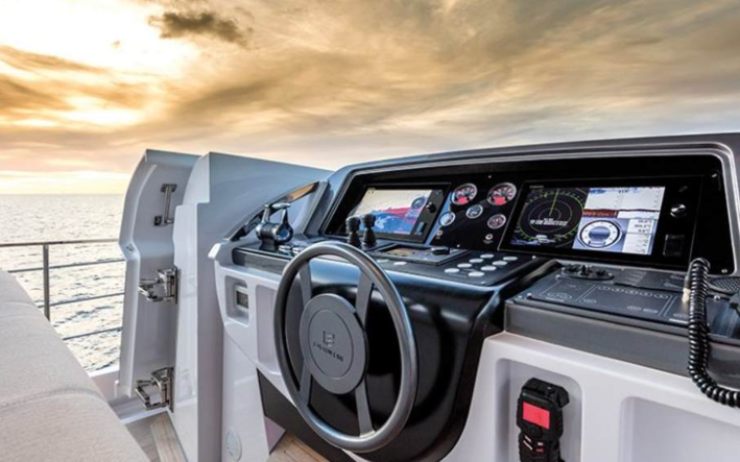
Il piano energetico prevede gruppi elettrogeni dimensionati per i carichi di hotel estivi, banchi batterie servizi e inverter per livellare i picchi; sempre più richiesti i pacchetti “silent mode” che permettono soste in rada con generatori minimal o spenti per finestre temporali definite — tendenza coerente con la strategia di comfort acustico e con l’attenzione a consumi ed emissioni dei porti turistici evoluti.
Design, architettura degli interni e layout
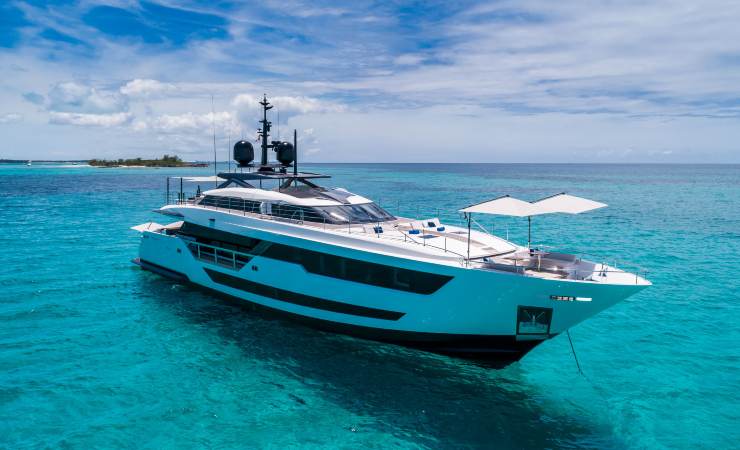
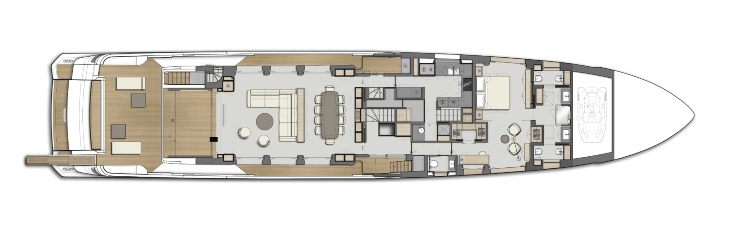
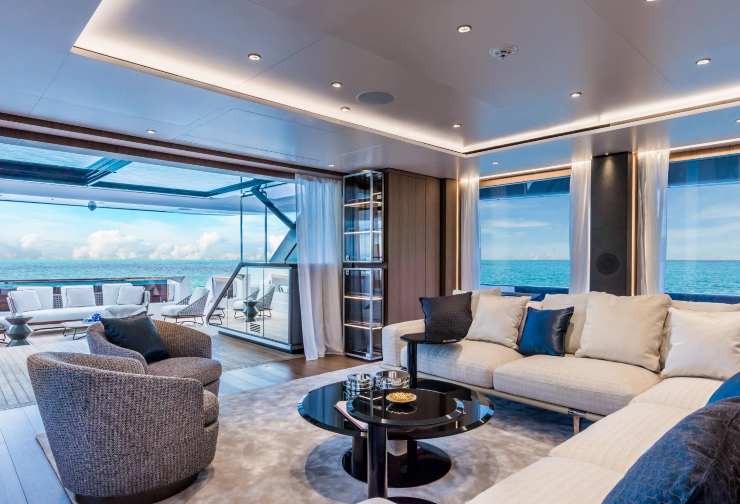
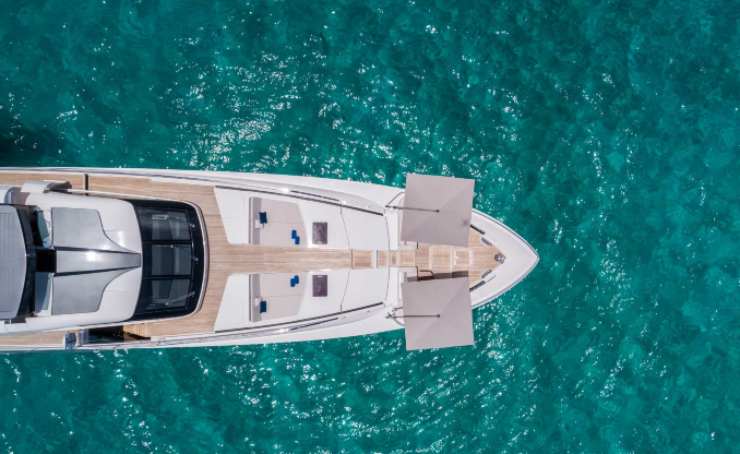
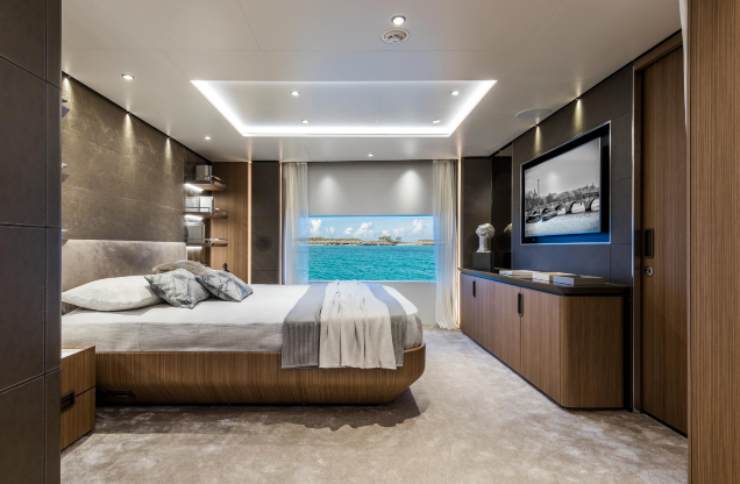
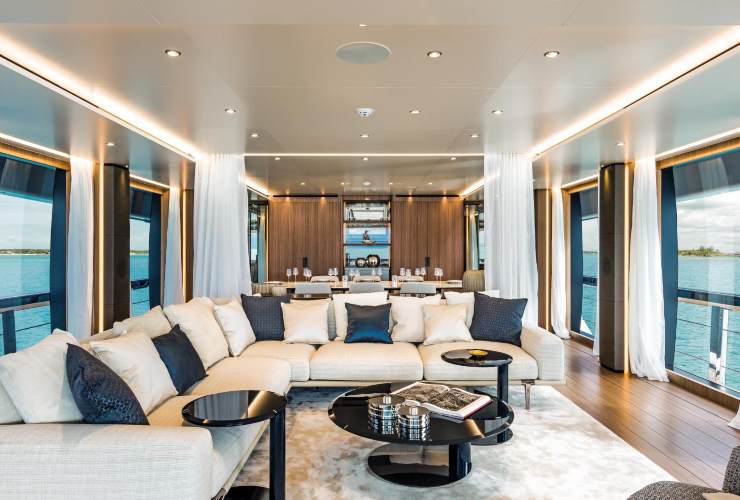
Il linguaggio esterno è filante, con superfici vetrate estese che alleggeriscono la massa della sovrastruttura e trasferiscono luce naturale agli ambienti principali. Il salone sul ponte principale beneficia di vetrate quasi a tutta altezza con vista a 270°, enfatizzando la continuità indoor–outdoor. La suite armatoriale (in configurazione tipica a prua ponte principale) gode di volumi generosi, bagno en-suite con marmi alleggeriti e cabina armadio dedicata.
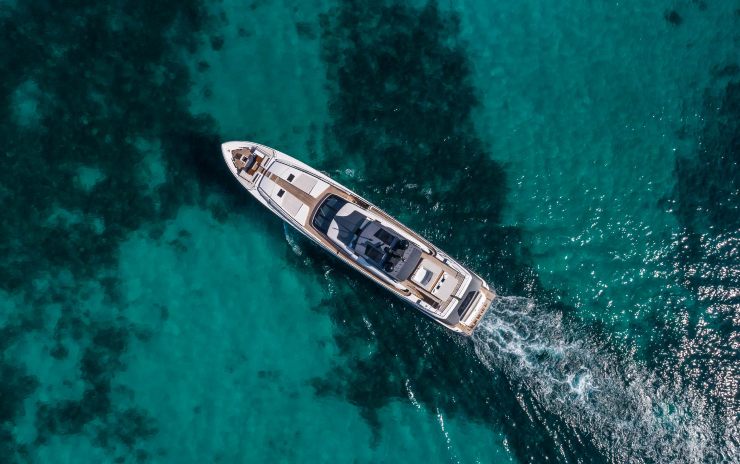
- Ponte principale: living a tutta larghezza, zona pranzo, galley di servizio (o professionale secondo specifica), day head, suite armatore; accessi laterali protetti.
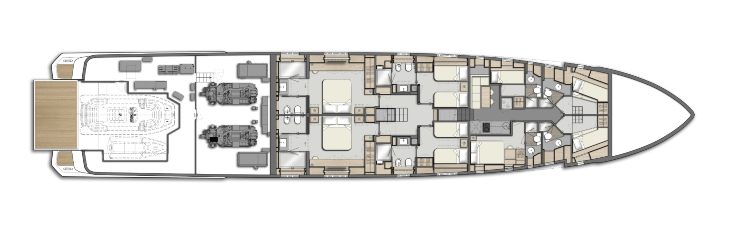
- Ponte inferiore: 4 cabine ospiti con bagni privati (due VIP matrimoniali e due doppie convertibili con Pullman), circolazioni separate per equipaggio; locale lavanderia/servizi.
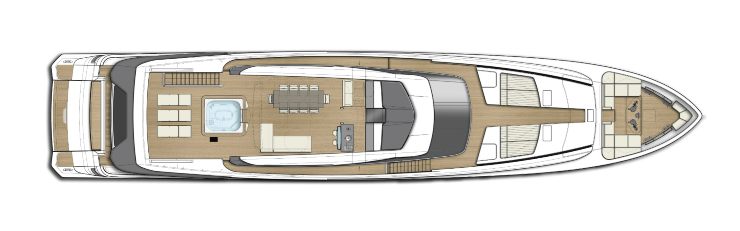
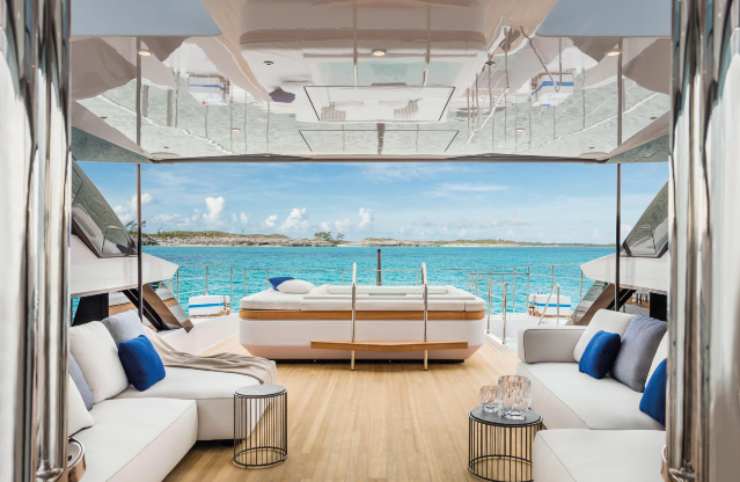
- Sun deck/Fly: lounge modulare, prendisole, area bar/grill, possibilità di hardtop con aperture; predisposizione per arredi freestanding.
- Poppa & beach area: piattaforma bagno, garage per tender e toys con movimentazioni semplificate; docce e storage dedicati.
L’interior design, curato dal Custom Line Atelier in dialogo con l’armatore, adotta palette chiare, essenze naturali, metalli caldi e tessili “contract” nautici. L’ergonomia reale (passaggi, altezze, punti di presa) è oggetto di studio: l’obiettivo è ridurre micro-urti e rumore d’uso quotidiano, mentre l’illuminotecnica stratifica luce diretta e indiretta per atmosfere diverse tra giorno e sera.
Innovazione e ricerca: efficienza, stabilità, sicurezza
L’innovazione della Saetta 120’ non è “di rottura” sul singolo componente, ma sistemica:
- Ottimizzazione pesi e gestione del top weight per un rollio più lento e comfort superiore.
- Isolamento vibroacustico stratificato (sale macchine, locali tecnici, vani impianti) per abbattere trasmissioni strutturali.
- Power management con logiche di peak shaving delle utenze hotel, incremento gradualistico della capacità batterie servizi e predisposizione per shore-power avanzato.
- Stabilizzatori elettrici/ibridi zero speed e in marcia, integrati nel bridge con interfacce user-friendly.
- Sicurezza: impianti antincendio automatici sala macchine, monitoraggio temperature e trend, remote support dei sistemi critici.
Nel medio termine, l’evoluzione della gamma Saetta suggerisce una traiettoria di raffinamento energetico (carichi hotel più efficienti, modalità silenziate più lunghe) e di interfacce sempre più intuitive per ridurre la complessità percepita da armatore ed equipaggio.
Vita a bordo e comfort
Le altezze interne generose e la luce naturale diffusa rendono l’esperienza a bordo vicina a quella di una villa sull’acqua. Le cinque cabine ospiti offrono standard alberghieri “upper luxury”: bagni in pietra alleggerita, cabine doccia di dimensione domestica, storage integrati e letti con sistemi di ventilazione materassi per climi caldi. La privacy è favorita da percorsi equipaggio separati e da schermature discrete nelle aree di maggior passaggio esterno (corridoi laterali, accessi alla zona beach).
Sul piano acustico, la combinazione tra isolamento, stabilizzazione e hotel mode intelligente permette conversazioni a tono basso in salone anche con mare formato, mentre l’onda d’urto a prua è filtrata da geometrie e materiali per evitare risonanze a basse frequenze.
Prestazioni in navigazione: prove, osservazioni, feedback
I walkthrough di unità gemelle e le prove informali raccolte su barche con allestimento analogo indicano un assetto composto in accelerazione, con spray contenuto e buona tenuta sul corto. La risposta al timone è progressiva; la trasmissione su asse e l’ampia superficie laterale immersa danno prevedibilità nei cambi di rotta veloci. All’ancora, le pinne attive “zero speed” riducono il rollio residuo rendendo fruibili spazi esterni e dining anche con traffico diurna in rada.
Mercato e concorrenza
Posizionamento per prezzo e segmento
La Saetta 120’ occupa la fascia alta dei 36–40 metri plananti con un posizionamento premium dovuto a personalizzazione, allestimenti e finiture. Il valore complessivo dipende da opzioni (pacchetti stabilizzazione, hotel mode avanzata, elettronica, marmi, arredi, tender e toys) e dall’execution sartoriale sugli interni. Nel canale brokerage, per unità recenti con ore motore contenute, l’asset di marca e il ritmo produttivo sostengono la tenuta del valore.
Analisi dei competitor diretti
- Sanlorenzo SL120A (~36,9 m): architettura asimmetrica con percorsi laterali potenziati, forte continuità indoor–outdoor, prestazioni veloci. Plus: design-driven, spazi percepiti maggiori sul main deck. Minus: impostazione più “architettonica” che non tutti gli armatori privilegiano.
- Azimut Grande 36M (~35,3 m): semi-dislocante a “triplo ponte” con enfasi su efficienza e volumi, estetica distintiva. Plus: ottimo bilanciamento comfort/autonomia. Minus: velocità assoluta inferiore alle plananti pure.
- Mangusta (Gransport 33/45): vocazione più sportiva, talvolta velocità superiori con soluzioni propulsive alternative. Plus: look aggressivo, prestazioni brillanti. Minus: curva costi/benefici da valutare sull’uso reale mediterraneo.
La Saetta 120’ si differenzia per tailor-made spinto, coerenza meccanica e comfort vibroacustico, offrendo un mid-point di categoria: non estrema sul picco di velocità, ma estremamente curata sull’esperienza d’uso quotidiana.
Trend del settore
- Stabilizzazione evoluta come standard di segmento, anche su unità spiccatamente plananti.
- Domotica e UX di bordo più raffinate: scene preimpostate, controllo remoto, integrazione AV nativa.
- Riduzione impronta acustica in rada e in porto: pacchetti “silent” e banchi batterie servizi più capienti.
- Efficientamento energetico (hotel load, climatizzazione, illuminazione) per prolungare comfort senza incidere su consumi.
Clientela target
- Armatori privati con stagionalità mediterranea, attenzione al design e desiderio di crociera veloce senza rinunciare a volumi e silenzio.
- Charter di lusso orientati a esperienze resort-like per 10 ospiti, con forte enfasi su beach area e interni “gallery-grade”.
- Società di rappresentanza e flotte corporate attente all’immagine, alla manutenibilità e alla prevedibilità operativa.
Risultati e riconoscimenti
Il numero di scafi lanciati e la continuità industriale della serie (14 unità per la 120’ a metà 2025) sono un riconoscimento implicito del mercato. La stampa specializzata evidenzia la qualità percepita degli interni, la continuità visiva con l’esterno e l’equilibrio tra prestazione e comfort. Le rassegne sui lanci estivi 2025 confermano l’appeal della gamma Saetta.
Prospettive future
La Saetta 120’ è una piattaforma tecnica solida e “scalabile”. Le direttrici evolutive prevedibili sono:
- Gestione energetica sempre più granulare, con peak shaving automatico, supporto a banchi batterie ampliati e shore-power evoluto per ridurre tempi di generazione in porto.
- Modalità silenziate estese: obiettivo di fruizione prolungata di aree esterne senza rumore di fondo.
- Interfacce digitali ancora più intuitive e predittive (diagnostica, manutenzione, aggiornamenti), con analytics a supporto di comandante e armatore.
- Affinamento di stabilizzatori e algoritmi di controllo per riduzioni ulteriori dell’angle of roll con mare formato.
Galleria immagini
Scheda tecnica (riassunto operativo)
- Modello: Custom Line Saetta 120’
- Cantiere: Custom Line (Ferretti Group)
- LOA: 38,36 m — Baglio: 7,65 m
- Pescaggio: ~2,15–2,18 m
- Costruzione: scafo e sovrastruttura in GRP; ponte in teak
- Motori: 2 × MTU 16V 2000 M96L (2.638 mhp cad.)
- Trasmissione: linee d’asse con eliche ad alta efficienza
- Velocità max: ~25 kn — Crociera: ~21 kn — Economica: 11 kn
- Autonomia a 11 kn: ~1.100 nm
- Serbatoi: carburante ~16.300 l; acqua ~3.000 l
- Ospiti: 10 in 5 cabine — Equipaggio: 4 cabine
Video
Conclusioni sul posizionamento
Custom Line Saetta 120’ è il benchmark “comfort-centrico” fra i plananti 38 m: non aspira al record assoluto di velocità, ma eccelle per silenzio, continuità spaziale e personalizzazione. La piattaforma propulsiva su asse e l’attenzione al weight engineering rendono la barca prevedibile, efficiente nel medio raggio e poco affaticante per ospiti ed equipaggio. Se il brief dell’armatore privilegia un’esperienza resort-like con trasferimenti rapidi tra baie mediterranee — e una qualità percepita elevata agli interni — la Saetta 120’ è una scelta estremamente coerente e robusta nel tempo anche in chiave di tenuta del valore.