
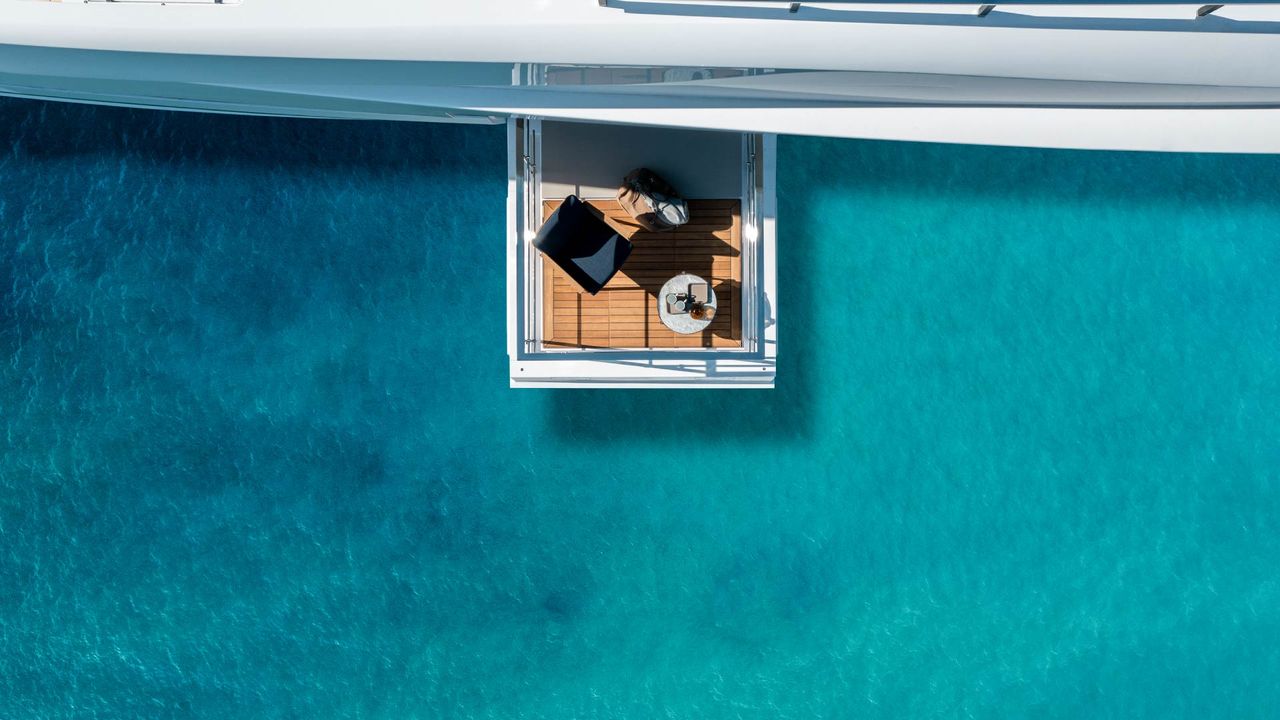
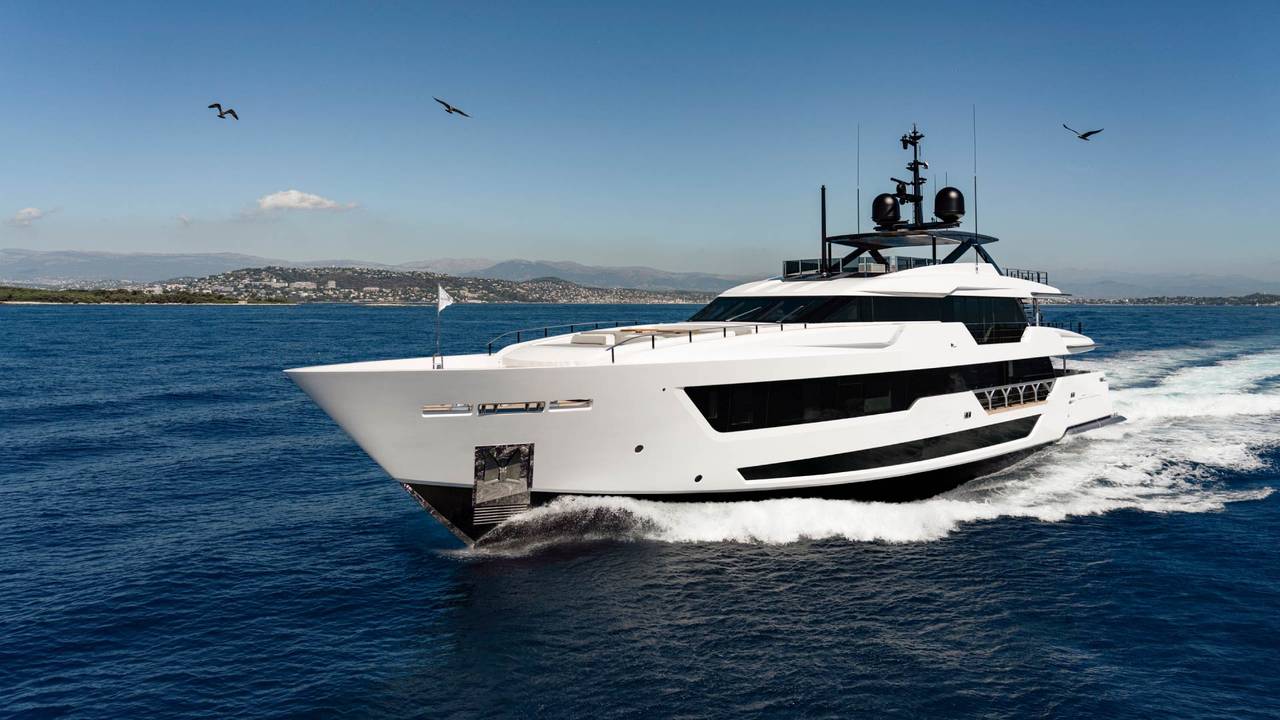
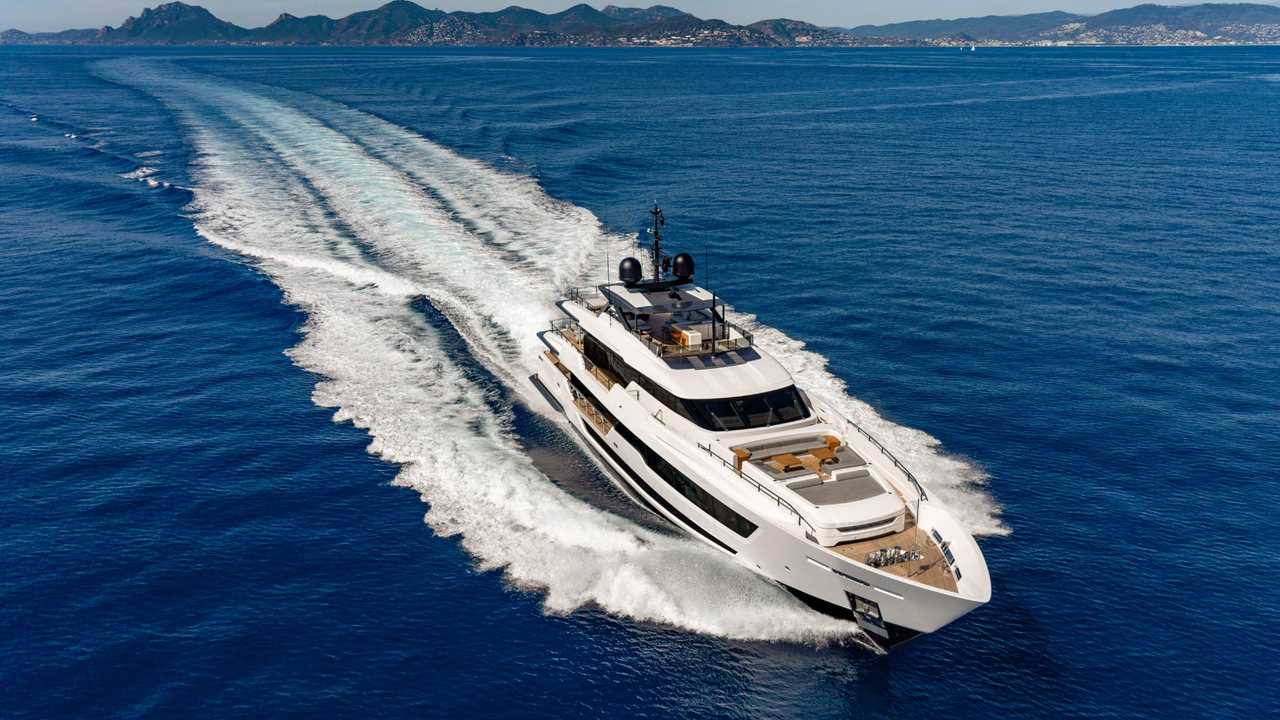
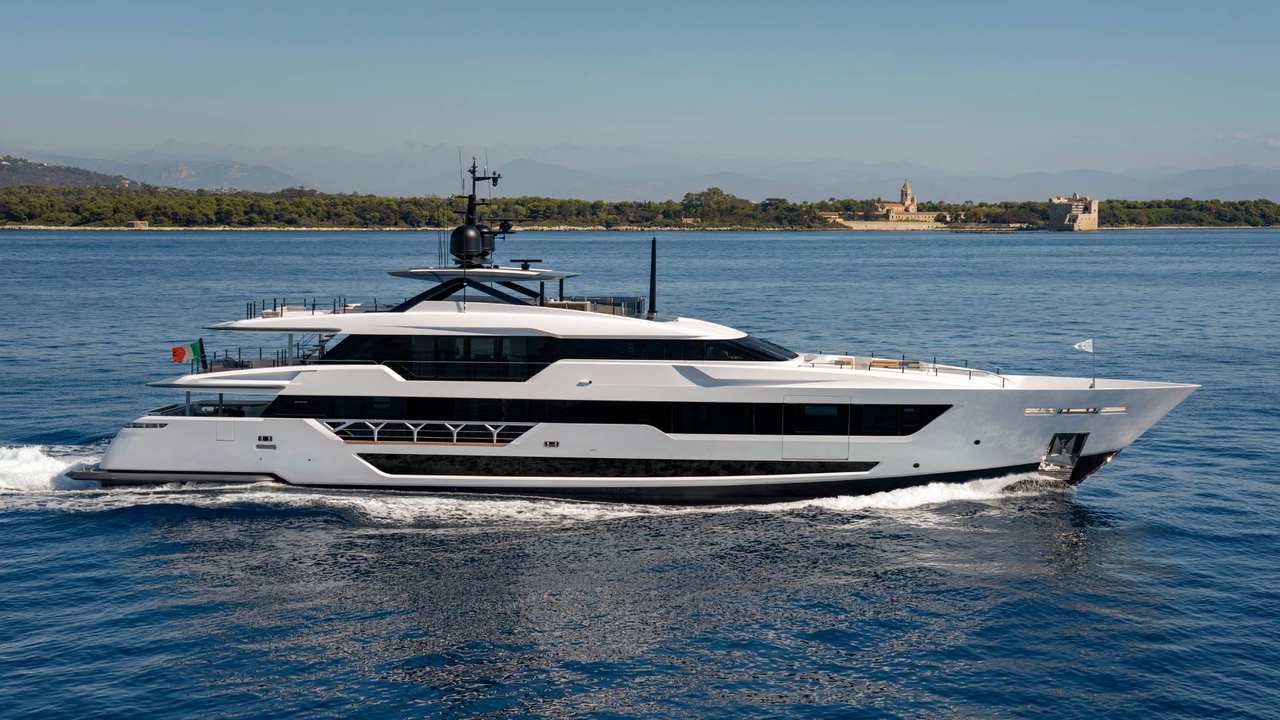
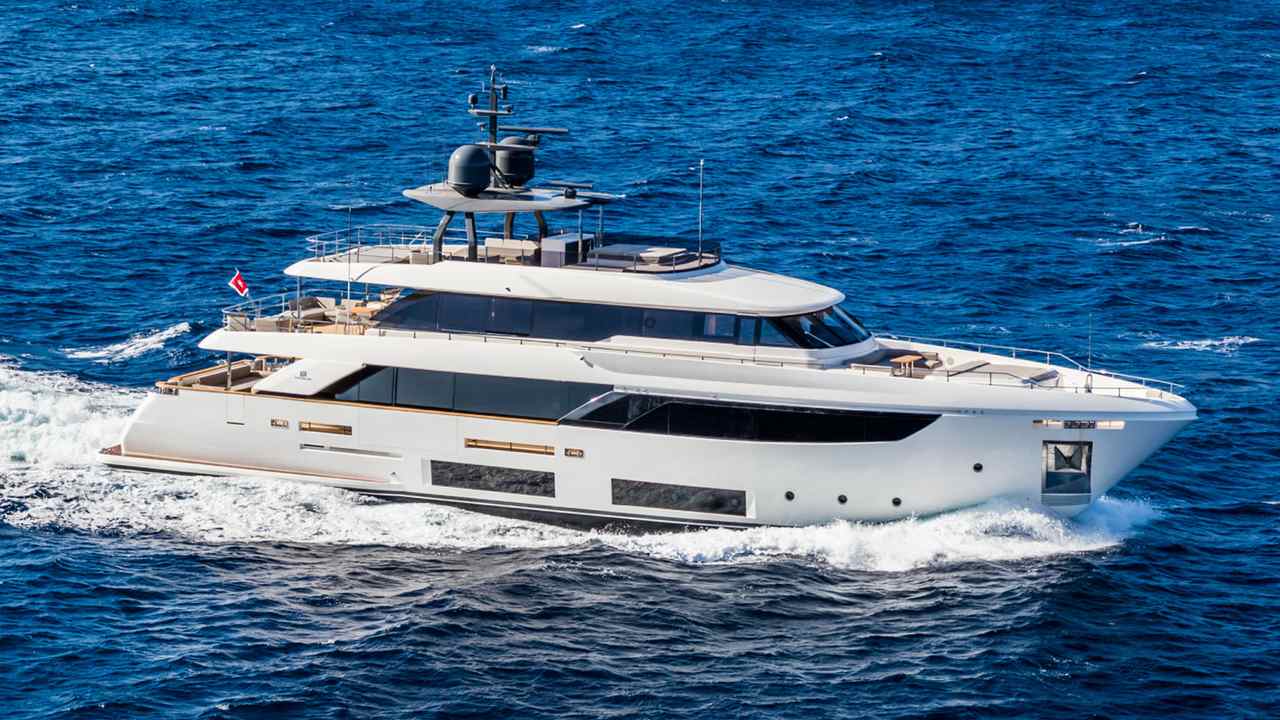
Il Custom Line Saetta 140 è un 42,61 metri con baglio di 8,54 metri e stazza dichiarata di 398 GT. La scheda del cantiere indica due MTU 16V 2000 M96L da 2.638 mhp ciascuno, 28.400 litri di carburante, 4.000 litri d’acqua, cinque cabine ospiti e quattro cabine per l’equipaggio. Questi numeri descrivono la piattaforma, ma non sostituiscono la configurazione dell’esemplare.
La lettura che segue è una guida a configurazione, impianti e consegna, non una prova in mare. Velocità e autonomia sono dati dichiarati da verificare con carico, condizioni e strumenti registrati. Su un grande yacht veloce il risultato dipende dall’accordo fra pesi, propulsione, utenze alberghiere, stabilizzazione e procedure dell’equipaggio.
Scheda tecnica da congelare
| Parametro | Dato dichiarato | Verifica di consegna |
|---|---|---|
| Lunghezza fuori tutto | 42,61 m | Appendici e configurazione |
| Baglio massimo | 8,54 m | Documenti e ormeggio |
| Pescaggio | 2,35 m | Condizione di carico |
| Dislocamento | 225 / 265 t | Lightship e pieno carico |
| Stazza | 398 GT | Certificato dell’unità |
| Propulsione | 2 × MTU M96L, 2.638 mhp | Matricole, software, riduttori |
| Carburante / acqua | 28.400 / 4.000 l | Volumi utilizzabili e sonde |
| Velocità | 21,5 / 18 / 11 kn | Massima, crociera, economica |
| Autonomia | 1.850 nm a 11 kn | Consumi e riserva concordata |
| Cabine | 5 ospiti / 4 equipaggio | Layout effettivamente consegnato |
Configurazione e distinta pesi
Fra 225 e 265 tonnellate esiste un margine che comprende liquidi, persone, provviste, tender, water toy e dotazioni. Ogni personalizzazione deve avere massa e posizione. Un elemento pesante sul ponte alto influenza il baricentro; una concentrazione a prua o a poppa cambia immersioni e risposta longitudinale.
La consegna richiede il weight report finale, la lettura dei pescaggi e una condizione di riferimento ripetibile. Serbatoi, tender e scorte devono essere dichiarati. Correttori e stabilizzatori non possono diventare il modo per nascondere un assetto statico non coerente.
Propulsori MTU e linea d’asse
I due sedici cilindri lavorano con riduttori, assi, supporti, eliche, timoni, raffreddamento e scarichi. La sequenza di verifiche confronta matricole, rapporti, versioni software, diametri e passi con il fascicolo dell’esemplare. Le protezioni e gli allarmi vengono provati senza alterare le soglie.
A regimi stabilizzati si registrano giri, carico, temperature, pressioni e consumo di ciascun lato. Differenze persistenti richiedono diagnosi. Dopo la navigazione si controllano tenute, livelli, filtri, supporti e allineamenti, annotando ogni intervento eseguito.
Sala macchine e manutenzione reale
L’accessibilità si verifica simulando sostituzione di filtri, giranti, pompe e scambiatori. Un componente raggiungibile soltanto smontando arredi o tubazioni non è davvero manutenibile. Passaggi, illuminazione, ventilazione e protezioni calde devono restare efficaci con tutti i macchinari in funzione.
La prova misura temperatura ambiente e comportamento della ventilazione con motori e generatori sotto carico. Sentine, drenaggi e rilevazione perdite ricevono test separati. Utensili speciali, punti di sollevamento e ricambi devono corrispondere alle macchine installate.
Carburante: 28.400 litri da rendere utilizzabili
Capacità nominale e volume impiegabile in rotta non coincidono. Fondi, riserva, assetto, casse giornaliere e consumo dei generatori riducono il dato disponibile. Lo schema deve mostrare serbatoi, trasferimenti, ritorni, valvole, sfiati, separatori e intercettazioni, usando a bordo le stesse sigle.
Le sonde si confrontano con quantità note durante il rifornimento. Allarmi e arresti automatici vengono provati. L’equipaggio deve saper isolare una linea, trasferire combustibile senza sbilanciare l’unità e riconoscere rapidamente una lettura incoerente.
Autonomia dichiarata e piano di rotta
Le 1.850 miglia a 11 nodi sono un riferimento del cantiere. Per usarlo serve una curva misurata sull’esemplare, con mare, vento, dislocamento, ore dei generatori e margine di riserva. La pianificazione considera anche deviazioni, attese, disponibilità di carburante e qualità dei rifornimenti.
Il diario unisce quantità imbarcate, ore, consumi e livelli. In questo modo la previsione viene corretta viaggio dopo viaggio. Un unico rilievo di velocità non basta: servono più punti stabilizzati e rotte reciproche per ridurre l’effetto delle condizioni ambientali.
Generazione elettrica e scenari di carico
Il bilancio elettrico distingue banchina, navigazione, rada, notte e massimo carico alberghiero. Climatizzazione, cucina, lavanderia, dissalazione, illuminazione e intrattenimento vengono accesi nelle combinazioni previste. Si controllano tensione, frequenza, temperature dei quadri e selettività delle protezioni.
La perdita controllata di un generatore verifica avviamento, trasferimento e priorità delle utenze. Batterie, caricabatterie e inverter devono sostenere le funzioni indicate senza scariche anomale. Il black-start viene eseguito dall’equipaggio seguendo una procedura disponibile anche senza rete dati.
Acqua dolce e autonomia alberghiera
I 4.000 litri vanno tradotti in giorni, persone e profilo d’uso. Pompe, autoclavi, boiler, dissalatori e trattamento vengono provati con più utenze aperte. Portata, pressione, qualità, temperatura e assorbimenti costituiscono la baseline.
Filtri e membrane devono essere raggiungibili; conservazione e lavaggio richiedono istruzioni precise. Una perdita viene cercata isolando i rami, non aumentando la frequenza delle pompe. La scorta di ricambi comprende elementi compatibili con la versione realmente installata.
Acque grigie, nere e sentine
Volumi, sonde, sfiati, pompe e valvole devono coincidere con gli schemi. Gli allarmi di alto livello vengono attivati in ogni cassa. La procedura considera le regole dell’area di navigazione e impedisce manovre involontarie o scarichi non consentiti.
Le sentine sono provate zona per zona, compresi allarmi, pompe automatiche e comandi manuali. Aspirazioni e non ritorno restano ispezionabili. Ogni allarme sulla plancia deve identificare il compartimento e suggerire una prima azione inequivocabile.
Stabilizzazione, governo e alimentazioni
Pinne, timoni, autopilota e sensori di moto dipendono da alimentazioni e dati. Modello, limiti, logiche di sicurezza e modalità da fermo devono risultare dal capitolato. Il collaudo confronta comportamento attivo e disattivo senza usare la stabilizzazione per correggere un problema di assetto.
Si simulano perdita di un sensore, esclusione di un canale e commutazione delle alimentazioni. Governo locale ed emergenza devono essere praticabili. La ridondanza è credibile soltanto quando un singolo guasto non interrompe entrambi i percorsi.
Plancia, rete dati e allarmi
Le pagine dei display devono rappresentare la configurazione reale. Nomi di serbatoi, gruppi e zone vengono uniformati fra schemi, etichette e interfaccia. Versioni software, configurazioni e backup vengono archiviati prima della consegna.
La prova allarmi non si limita al suono: controlla priorità, riconoscimento, registrazione e conseguenza operativa. Radar, comunicazioni, telecamere e sensori vengono verificati insieme, evitando che una perdita di rete elimini più funzioni del previsto.
Climatizzazione e grandi superfici vetrate
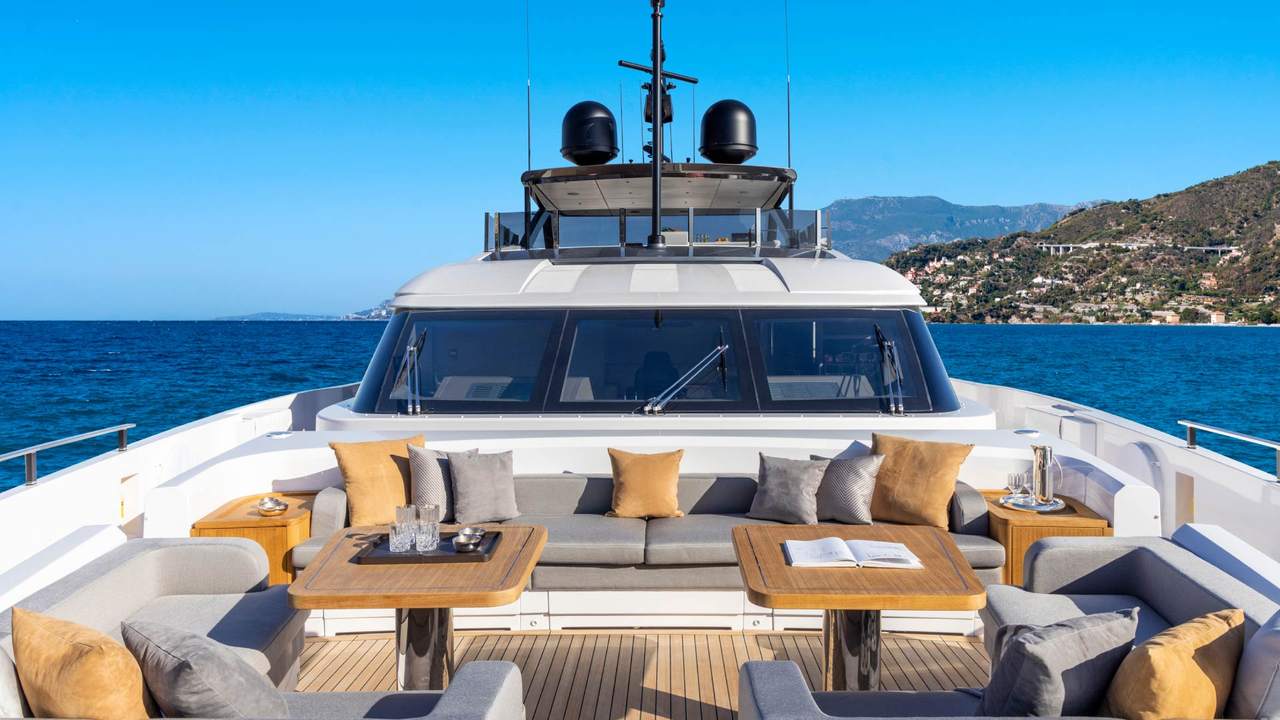
Oltre trecento metri quadrati interni e ampie vetrate impongono un collaudo termico realistico. Persone, luci ed elettronica restano attive mentre si registrano temperatura, umidità, condensati, rumore e assorbimento per zona. Filtri, riprese e scarichi devono restare accessibili.
Telai, incollaggi, porte e drenaggi ricevono prova d’acqua prima e dopo la navigazione. Differenze persistenti fra locali o pannelli difficili da rimuovere vengono trattati come rilievi, non come caratteristiche inevitabili del layout.
Cucina, lavanderia e servizio
La separazione dei percorsi fra ospiti ed equipaggio va verificata durante una giornata simulata. Preparazione, servizio, riassetto e ormeggio possono avvenire insieme. Pantry, montacarichi, stivaggi e passaggi devono funzionare con tavoli occupati e porte nella posizione d’uso.
Cottura, refrigerazione, aspirazione, lavaggio e lavanderia vengono provati contemporaneamente. Si controllano ventilazione, calore, drenaggi, cadute di tensione e chiusure nautiche. Ogni apparecchio deve poter essere isolato e rimosso senza interventi distruttivi.

Cabine ospiti e locali equipaggio
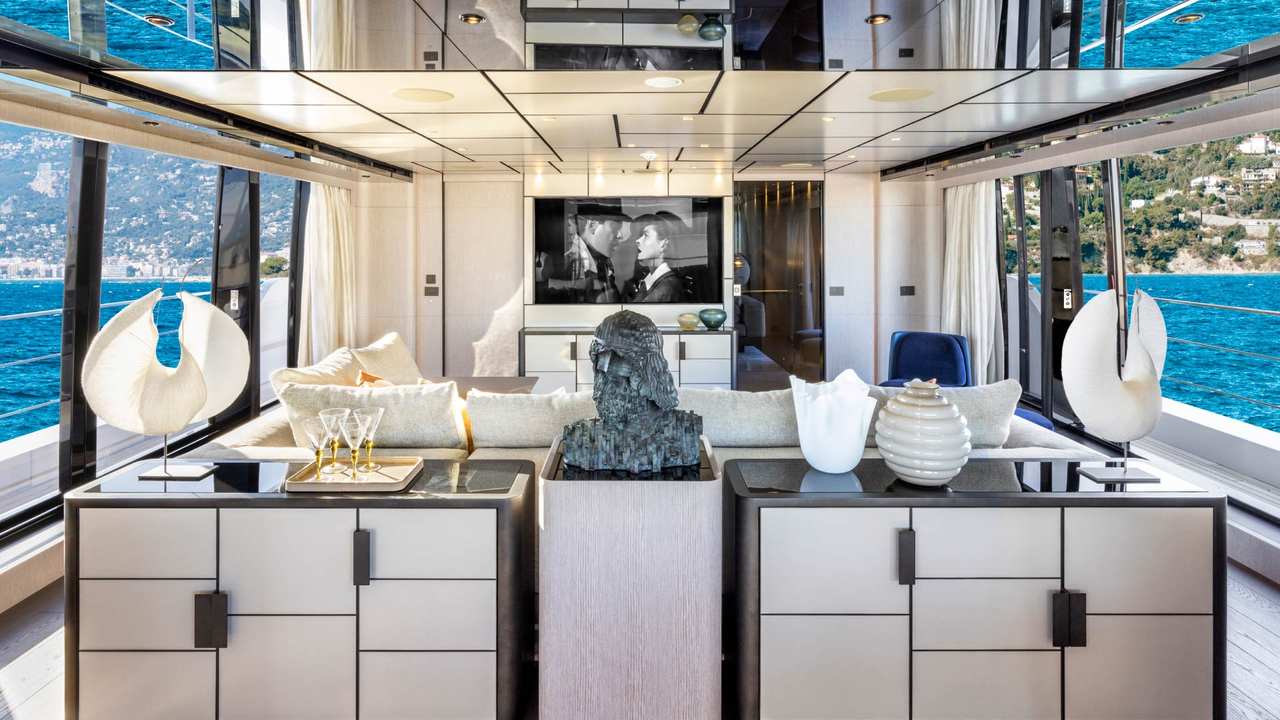
Le cinque cabine ospiti e le quattro dell’equipaggio vengono confrontate con il layout approvato. Porte, letti, oscuramento, prese, illuminazione, clima e vie di fuga si provano in ogni locale. Bagagli e biancheria non devono coprire pannelli o dotazioni.
Rumore e vibrazioni vengono misurati in condizioni ripetibili con motori, generatori e pompe identificati. I locali equipaggio richiedono lo stesso controllo di ventilazione, sicurezza e accesso. Un equipaggio riposato è parte della continuità operativa.
Ponti esterni e configurazione da navigazione
Arredi, cuscini, tavoli, tendalini e vasca sui ponti alti hanno massa, ritenute e una posizione da navigazione. Parapetti, scale, tientibene, drenaggi e superfici antisdrucciolo vengono provati con coperta bagnata. La presa al vento entra nella procedura di manovra.
Le aree prodiera e poppiera non devono impedire accesso a bitte, passacavi o comandi. La visuale dalla plancia si valuta con allestimento e persone presenti. Illuminazione e comunicazioni con le squadre di manovra vengono testate anche in emergenza.
Garage, tender e piattaforme
Tender, moto d’acqua, culle, verricelli, portelloni e piattaforma formano un sistema. Pesi e dimensioni coincidono con il contratto. Varo e recupero vengono ripetuti con l’equipaggio nelle posizioni previste, controllando sensori, arresti e procedure manuali.
Batterie e carburanti dei water toy richiedono ventilazione, rilevazione e ritenute. Il ciclo include lavaggio, ricarica, drenaggio e ripristino della tenuta. Gli stivaggi non possono nascondere pompe, valvole o dotazioni antincendio.
Incendio, vie di fuga e addestramento
Rivelazione, estinzione fissa, serrande, ventilazione e intercettazioni del carburante vengono azionati secondo una matrice concordata. Le vie di fuga si percorrono con arredi e bagagli reali. Ogni membro dell’equipaggio deve conoscere zone, arresti e comunicazioni.
Il briefing comprende incendio, ingresso d’acqua, perdita di governo, blackout e uomo a mare. Le esercitazioni vengono registrate con tempi e rilievi. Una procedura è accettabile quando può essere eseguita senza interpretare per la prima volta un manuale durante l’emergenza.
Prova in mare e chiusura dei rilievi
Il programma registra dislocamento, livelli, mare, vento e temperatura. A più regimi stabilizzati si annotano velocità, consumo, carico, pressioni, temperature, assetto, rumore e vibrazioni. I 21,5 nodi massimi, i 18 di crociera e le 1.850 miglia restano dichiarati finché la configurazione pertinente non li supporta.
Ogni rilievo ha responsabile, scadenza e metodo di verifica. Dopo una correzione si ripete la prova interessata nelle condizioni più confrontabili. Schemi as-built, seriali, software, ricambi e piano manutentivo vengono consegnati nella stessa revisione dell’unità.
Giudizio operativo
Il Saetta 140 combina volume sotto 400 GT e velocità significativa. Per NauticMag il punto decisivo non è il singolo dato, ma la capacità di mantenere sotto controllo energia, fluidi, pesi e ridondanze. Una configurazione ben documentata rende leggibili anche le personalizzazioni più complesse.
La consegna è completa quando equipaggio e assistenza sanno ricostruire lo stato dell’esemplare, isolare un guasto e ripetere una misura. È questo passaggio, dalla dotazione alla procedura verificata, che trasforma il grande yacht in una piattaforma davvero utilizzabile per crociere lunghe.