Righe, bersagli doppi e perdita del fondo possono nascere da montaggio, turbolenza, cavo, alimentazione o modello selezionato male. la procedura identifica il trasduttore reale, ispeziona fissaggio e tenuta, controlla percorso e porta sonar, poi verifica rilevamento, viste, interferenze e comportamento a velocita progressive. Le istruzioni Garmin distinguono tradizionale, CHIRP, ClearVu, SideVu e LiveScope: ogni diagnosi resta legata alla funzione effettivamente supportata.
Registrare modello e stile di montaggio
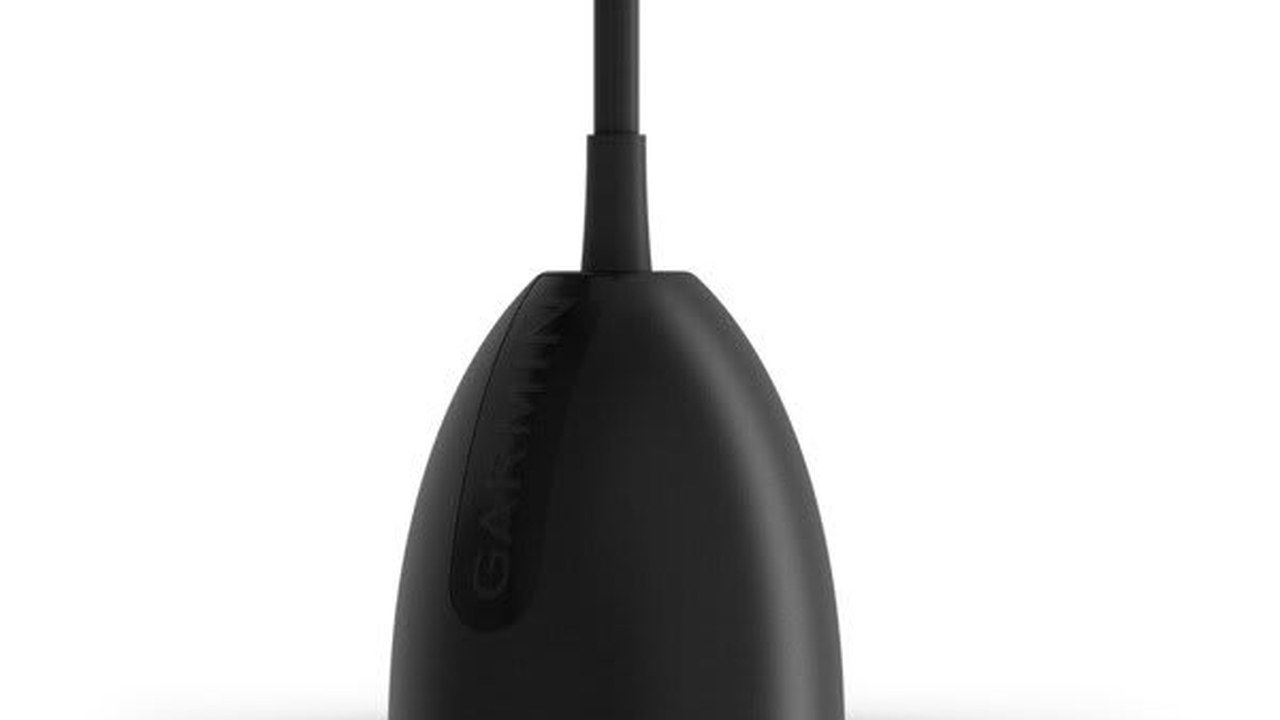
la procedura parte da part number, connettore, supporto e chartplotter. Una denominazione simile non autorizza a usare impostazioni o istruzioni di un altro trasduttore. Il punto 1 annota stato iniziale, strumento, impostazione ed esito. Si modifica una sola variabile per volta e si ripete la prova nella configurazione finale. Foto e schermate restano nel verbale. Se tenuta, cavo o identificazione non sono certi, la prova viene fermata e il sistema non viene dichiarato conforme. Il tecnico confronta inoltre il risultato con profondita nota, velocita, assetto e utenze attive, descrivendo ogni anomalia senza trasformare una regolazione temporanea in una riparazione definitiva.
Ispezionare staffa o passascafo
Fissaggi, sigillante, corrosione, crepe, giochi e urti vengono controllati a secco quando necessario. Un dubbio sulla tenuta blocca la prova in acqua. Il punto 2 annota stato iniziale, strumento, impostazione ed esito. Si modifica una sola variabile per volta e si ripete la prova nella configurazione finale. Foto e schermate restano nel verbale. Se tenuta, cavo o identificazione non sono certi, la prova viene fermata e il sistema non viene dichiarato conforme. Il tecnico confronta inoltre il risultato con profondita nota, velocita, assetto e utenze attive, descrivendo ogni anomalia senza trasformare una regolazione temporanea in una riparazione definitiva.
Controllare quota e orientamento
Si verifica che il sensore sia rivolto e inclinato come previsto, libero da pattini, eliche e sporgenze. Per SideVu si controllano entrambi i lati del campo. Il punto 3 annota stato iniziale, strumento, impostazione ed esito. Si modifica una sola variabile per volta e si ripete la prova nella configurazione finale. Foto e schermate restano nel verbale. Se tenuta, cavo o identificazione non sono certi, la prova viene fermata e il sistema non viene dichiarato conforme. Il tecnico confronta inoltre il risultato con profondita nota, velocita, assetto e utenze attive, descrivendo ogni anomalia senza trasformare una regolazione temporanea in una riparazione definitiva.
Confrontare deadrise e compensazione
Angolo della carena, elemento inclinato e fairing vengono confrontati con installazione e manuale. Un fascio obliquo puo falsare lettura e copertura. Il punto 4 annota stato iniziale, strumento, impostazione ed esito. Si modifica una sola variabile per volta e si ripete la prova nella configurazione finale. Foto e schermate restano nel verbale. Se tenuta, cavo o identificazione non sono certi, la prova viene fermata e il sistema non viene dichiarato conforme. Il tecnico confronta inoltre il risultato con profondita nota, velocita, assetto e utenze attive, descrivendo ogni anomalia senza trasformare una regolazione temporanea in una riparazione definitiva.
| Blocco | Dato da fissare | Prova |
|---|---|---|
| Trasduttore | Modello, frequenze e connettore | Riconoscimento corretto |
| Montaggio | Specchio, passascafo o interno | Assetto e tenuta |
| Scafo | Materiale e deadrise | Geometria documentata |
| Cavo | Percorso e integrita | Nessun rumore indotto |
| Sonar | Tradizionale, CHIRP, ClearVu, SideVu o live | Vista coerente |
| Collaudo | Fermo, lenta e crociera | Fondale stabile |
Seguire il cavo fino alla porta sonar
Schiacciamenti, tagli, giunte, curve strette e trazione sul connettore vengono eliminati. Il cavo resta lontano da sorgenti di interferenza secondo istruzioni. Il punto 5 annota stato iniziale, strumento, impostazione ed esito. Si modifica una sola variabile per volta e si ripete la prova nella configurazione finale. Foto e schermate restano nel verbale. Se tenuta, cavo o identificazione non sono certi, la prova viene fermata e il sistema non viene dichiarato conforme. Il tecnico confronta inoltre il risultato con profondita nota, velocita, assetto e utenze attive, descrivendo ogni anomalia senza trasformare una regolazione temporanea in una riparazione definitiva.
Verificare connettore e adattatori
Ogni adattatore viene identificato e controllato nella matrice compatibilita. La presenza di un immagine non prova che tutte le frequenze e viste siano abilitate. Il punto 6 annota stato iniziale, strumento, impostazione ed esito. Si modifica una sola variabile per volta e si ripete la prova nella configurazione finale. Foto e schermate restano nel verbale. Se tenuta, cavo o identificazione non sono certi, la prova viene fermata e il sistema non viene dichiarato conforme. Il tecnico confronta inoltre il risultato con profondita nota, velocita, assetto e utenze attive, descrivendo ogni anomalia senza trasformare una regolazione temporanea in una riparazione definitiva.
Confermare Auto Detect o modello manuale
Il display deve riconoscere il sensore corretto. Una selezione manuale viene usata soltanto con i parametri ufficiali e ripristinata se il trasduttore cambia. Il punto 7 annota stato iniziale, strumento, impostazione ed esito. Si modifica una sola variabile per volta e si ripete la prova nella configurazione finale. Foto e schermate restano nel verbale. Se tenuta, cavo o identificazione non sono certi, la prova viene fermata e il sistema non viene dichiarato conforme. Il tecnico confronta inoltre il risultato con profondita nota, velocita, assetto e utenze attive, descrivendo ogni anomalia senza trasformare una regolazione temporanea in una riparazione definitiva.
Provare sonar tradizionale
A barca ferma si verifica profondita plausibile, fondo continuo e rumore. Frequenza, guadagno e range vengono riportati a valori controllati prima di diagnosticare. Il punto 8 annota stato iniziale, strumento, impostazione ed esito. Si modifica una sola variabile per volta e si ripete la prova nella configurazione finale. Foto e schermate restano nel verbale. Se tenuta, cavo o identificazione non sono certi, la prova viene fermata e il sistema non viene dichiarato conforme. Il tecnico confronta inoltre il risultato con profondita nota, velocita, assetto e utenze attive, descrivendo ogni anomalia senza trasformare una regolazione temporanea in una riparazione definitiva.
Provare CHIRP e viste di scansione
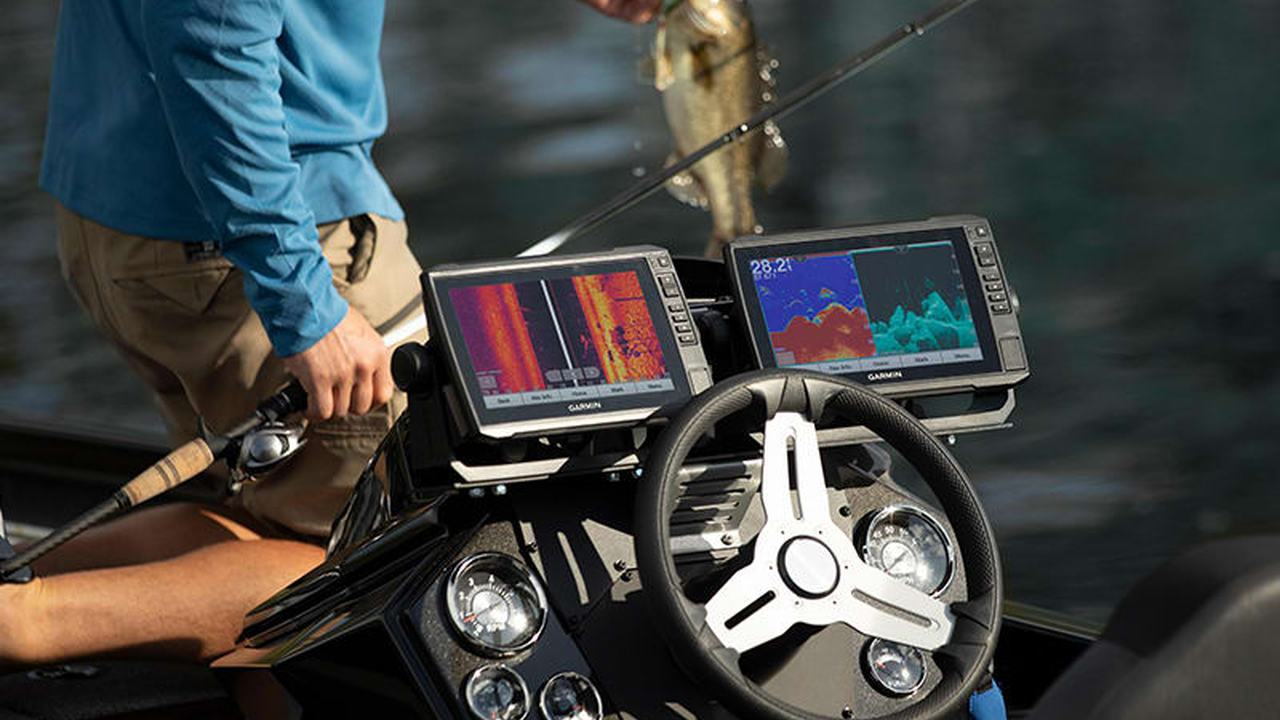
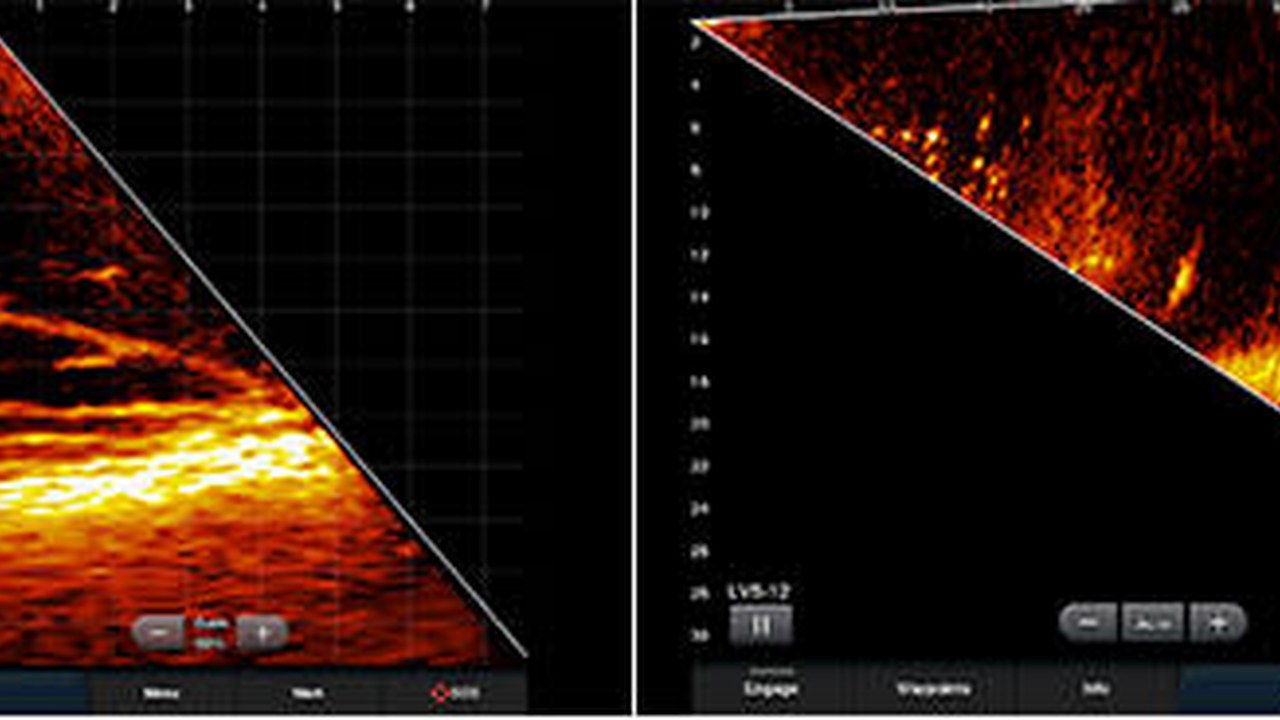
ClearVu, SideVu e CHIRP vengono aperti solo se supportati. Orientamento destra-sinistra e copertura sono confrontati con riferimenti reali. Il punto 9 annota stato iniziale, strumento, impostazione ed esito. Si modifica una sola variabile per volta e si ripete la prova nella configurazione finale. Foto e schermate restano nel verbale. Se tenuta, cavo o identificazione non sono certi, la prova viene fermata e il sistema non viene dichiarato conforme. Il tecnico confronta inoltre il risultato con profondita nota, velocita, assetto e utenze attive, descrivendo ogni anomalia senza trasformare una regolazione temporanea in una riparazione definitiva.
Provare LiveScope nelle viste previste
Forward, down o perspective dipendono dal montaggio compatibile. Si controllano staffa, angolo, modulo GLS, rete e alimentazione senza attribuire modi non previsti. Il punto 10 annota stato iniziale, strumento, impostazione ed esito. Si modifica una sola variabile per volta e si ripete la prova nella configurazione finale. Foto e schermate restano nel verbale. Se tenuta, cavo o identificazione non sono certi, la prova viene fermata e il sistema non viene dichiarato conforme. Il tecnico confronta inoltre il risultato con profondita nota, velocita, assetto e utenze attive, descrivendo ogni anomalia senza trasformare una regolazione temporanea in una riparazione definitiva.
Misurare alimentazione e fusibile
Tensione e caduta del modulo vengono rilevate con il sistema attivo. Riavvii o righe periodiche richiedono controllo elettrico prima di cambiare il sensore. Il punto 11 annota stato iniziale, strumento, impostazione ed esito. Si modifica una sola variabile per volta e si ripete la prova nella configurazione finale. Foto e schermate restano nel verbale. Se tenuta, cavo o identificazione non sono certi, la prova viene fermata e il sistema non viene dichiarato conforme. Il tecnico confronta inoltre il risultato con profondita nota, velocita, assetto e utenze attive, descrivendo ogni anomalia senza trasformare una regolazione temporanea in una riparazione definitiva.
Accendere le sorgenti di interferenza
Motori, convertitori, caricabatterie e pompe vengono attivati uno per volta. Si annotano righe, rumore o perdita di fondo e si ripete la prova dopo ogni correzione. Il punto 12 annota stato iniziale, strumento, impostazione ed esito. Si modifica una sola variabile per volta e si ripete la prova nella configurazione finale. Foto e schermate restano nel verbale. Se tenuta, cavo o identificazione non sono certi, la prova viene fermata e il sistema non viene dichiarato conforme. Il tecnico confronta inoltre il risultato con profondita nota, velocita, assetto e utenze attive, descrivendo ogni anomalia senza trasformare una regolazione temporanea in una riparazione definitiva.
Controllare trasmissione e potenza impostata
Rateo e potenza possono modificare rumore e ringing. Le impostazioni vengono cambiate con criterio e associate alla vista prevista, non usate per nascondere un difetto meccanico. Il punto 13 annota stato iniziale, strumento, impostazione ed esito. Si modifica una sola variabile per volta e si ripete la prova nella configurazione finale. Foto e schermate restano nel verbale. Se tenuta, cavo o identificazione non sono certi, la prova viene fermata e il sistema non viene dichiarato conforme. Il tecnico confronta inoltre il risultato con profondita nota, velocita, assetto e utenze attive, descrivendo ogni anomalia senza trasformare una regolazione temporanea in una riparazione definitiva.
Provare in acqua bassa e profonda
Range automatico e manuale vengono confrontati su fondali noti. I limiti dichiarati dal produttore non vengono trattati come prestazione garantita sulla barca. Il punto 14 annota stato iniziale, strumento, impostazione ed esito. Si modifica una sola variabile per volta e si ripete la prova nella configurazione finale. Foto e schermate restano nel verbale. Se tenuta, cavo o identificazione non sono certi, la prova viene fermata e il sistema non viene dichiarato conforme. Il tecnico confronta inoltre il risultato con profondita nota, velocita, assetto e utenze attive, descrivendo ogni anomalia senza trasformare una regolazione temporanea in una riparazione definitiva.
Provare a velocita progressive
Fermo, dislocamento, planata e crociera vengono registrati quando applicabili. Il punto in cui il fondo si interrompe indirizza verso turbolenza, quota o cablaggio. Il punto 15 annota stato iniziale, strumento, impostazione ed esito. Si modifica una sola variabile per volta e si ripete la prova nella configurazione finale. Foto e schermate restano nel verbale. Se tenuta, cavo o identificazione non sono certi, la prova viene fermata e il sistema non viene dichiarato conforme. Il tecnico confronta inoltre il risultato con profondita nota, velocita, assetto e utenze attive, descrivendo ogni anomalia senza trasformare una regolazione temporanea in una riparazione definitiva.
Verificare temperatura e altri dati
Si confrontano valori con uno strumento indipendente quando possibile. Sensori mancanti, duplicati o bloccati vengono isolati sulla rete. Il punto 16 annota stato iniziale, strumento, impostazione ed esito. Si modifica una sola variabile per volta e si ripete la prova nella configurazione finale. Foto e schermate restano nel verbale. Se tenuta, cavo o identificazione non sono certi, la prova viene fermata e il sistema non viene dichiarato conforme. Il tecnico confronta inoltre il risultato con profondita nota, velocita, assetto e utenze attive, descrivendo ogni anomalia senza trasformare una regolazione temporanea in una riparazione definitiva.
Simulare scollegamento e ripristino
A sistema spento si controlla che la perdita del sensore sia riconosciuta e che il ritorno non lasci un modello manuale errato. Connettori vengono richiusi e protetti. Il punto 17 annota stato iniziale, strumento, impostazione ed esito. Si modifica una sola variabile per volta e si ripete la prova nella configurazione finale. Foto e schermate restano nel verbale. Se tenuta, cavo o identificazione non sono certi, la prova viene fermata e il sistema non viene dichiarato conforme. Il tecnico confronta inoltre il risultato con profondita nota, velocita, assetto e utenze attive, descrivendo ogni anomalia senza trasformare una regolazione temporanea in una riparazione definitiva.
Chiudere con verbale e limiti
Il rapporto include foto, part number, porta, software, impostazioni, misure e prove in navigazione. Il comandante sa quali viste usare e quando la lettura non e affidabile. Il punto 18 annota stato iniziale, strumento, impostazione ed esito. Si modifica una sola variabile per volta e si ripete la prova nella configurazione finale. Foto e schermate restano nel verbale. Se tenuta, cavo o identificazione non sono certi, la prova viene fermata e il sistema non viene dichiarato conforme. Il tecnico confronta inoltre il risultato con profondita nota, velocita, assetto e utenze attive, descrivendo ogni anomalia senza trasformare una regolazione temporanea in una riparazione definitiva.