
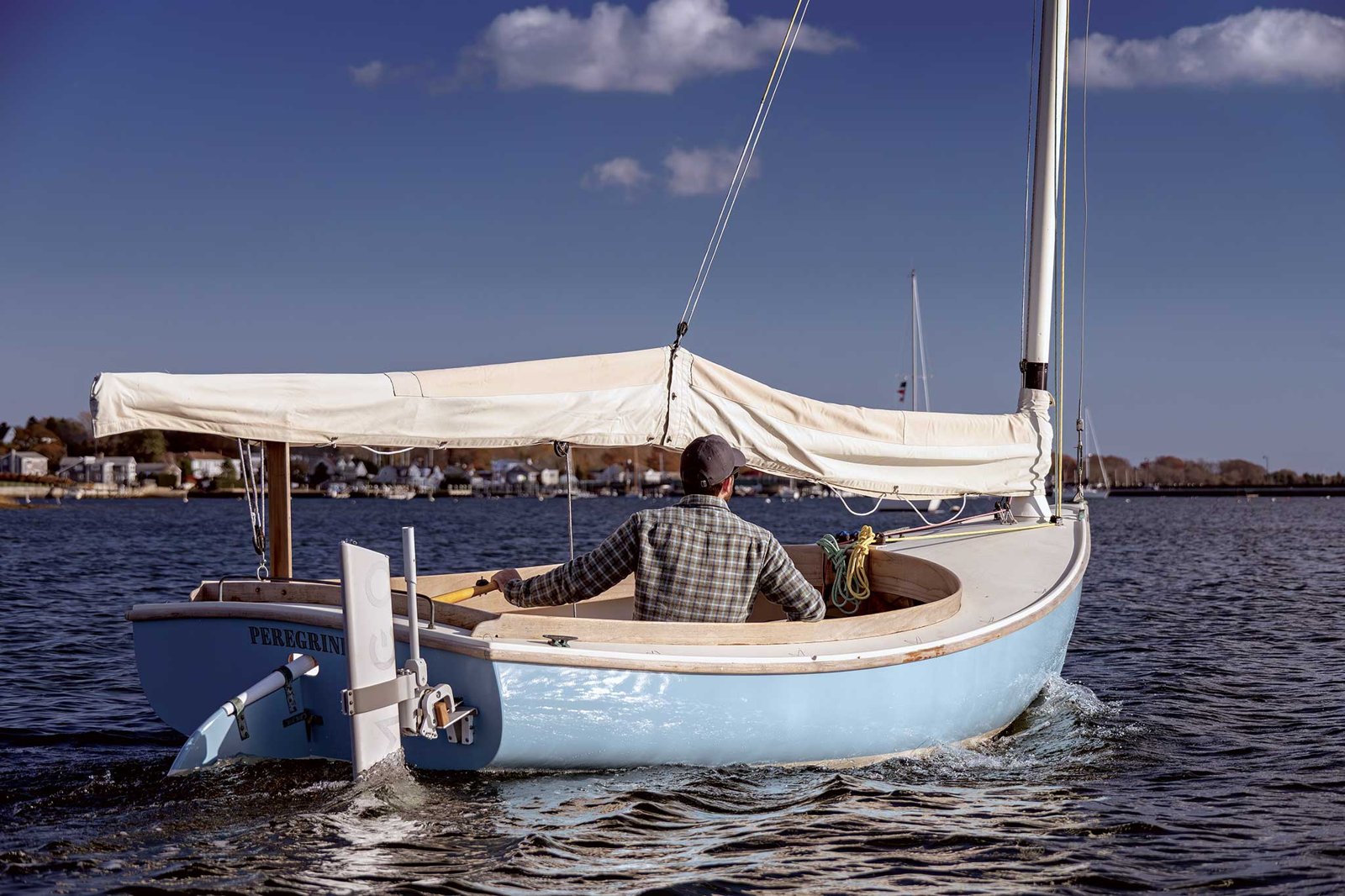

The electric drive is turning the way you navigate on small yachts and dinghies, offering a combination of power, lightness and ease of use. The new compact electric outboards, such as ePropulsion eLite or Remigo One Neo, stand out for their versatility and ability to adapt to different needs, both for the race and for the cruise. These devices, tested on a 15-foot Marshall Sandpiper, are particularly useful in situations where manoeuvrability and ease of use are fundamental.
Lightness and power in balance
Lightness is a key aspect for small electric outboards. ♪ traditional petrol engines can weigh up to 55 kilos, electric models such as Remigo One Neo or Temo 1000 are attested around 28-35 pounds, with a net weight that is further reduced when removing the support. This allows for greater manoeuvrability and ease of installation, ideal for dinghies and small yachts. The power, however, is not negligible: the Temo 1000, for example, offers 1100 watts and 59 pounds of static thrust, enough to move a boat even under strong current conditions.
Efficiency and modularity
Modularity is an additional advantage of small electric outboards. Many models, such as Theme 1000, allow you to easily replace the batteries, which are designed to be water resistant (IP67) and cooled with water flow. This not only extends the useful life of the device, but reduces maintenance costs. Moreover, the possibility to use personal batteries (12V, 24V or 36V LFP) offers additional flexibility, especially for long cruises or remote areas. The simplicity of use, with an intuitive interface and quick installation, makes these devices accessible to those who have no technical experience.
Unfortunately, charging is a limit. Tested models take 4 to 8 hours for a full charge, with a greater charging time if you use a DC charger. However, for night races or for cruises where the distance is not too high, this limitation can be accepted. Moreover, the possibility to charge the batteries on site or to carry reserve is a useful alternative, especially for sea trips away from the coast.
A sustainable and versatile alternative
The transition to electric drive not only reduces environmental impact, but also improves navigation experience. Without toxic emissions or unpleasant odours, electric motors offer a cleaner and comfortable alternative. Also, maintenance is minimal: there is no need to handle the fuel, nor to clean any outboards. The ease of use and reduction of maintenance costs make these devices an increasingly popular choice, especially for navigators looking for a sustainable but effective alternative.
Despite the advantages, small electric outboards are not perfect. Their range is not comparable to that of petrol engines, and in some cases, such as long cruises or open seas, may require a more powerful alternative. However, for dinghies, small yachts and racing activities, these devices are an innovative and versatile solution. Their lightness, modularity and efficiency make them an ideal choice for those seeking a sustainable and accessible alternative.