
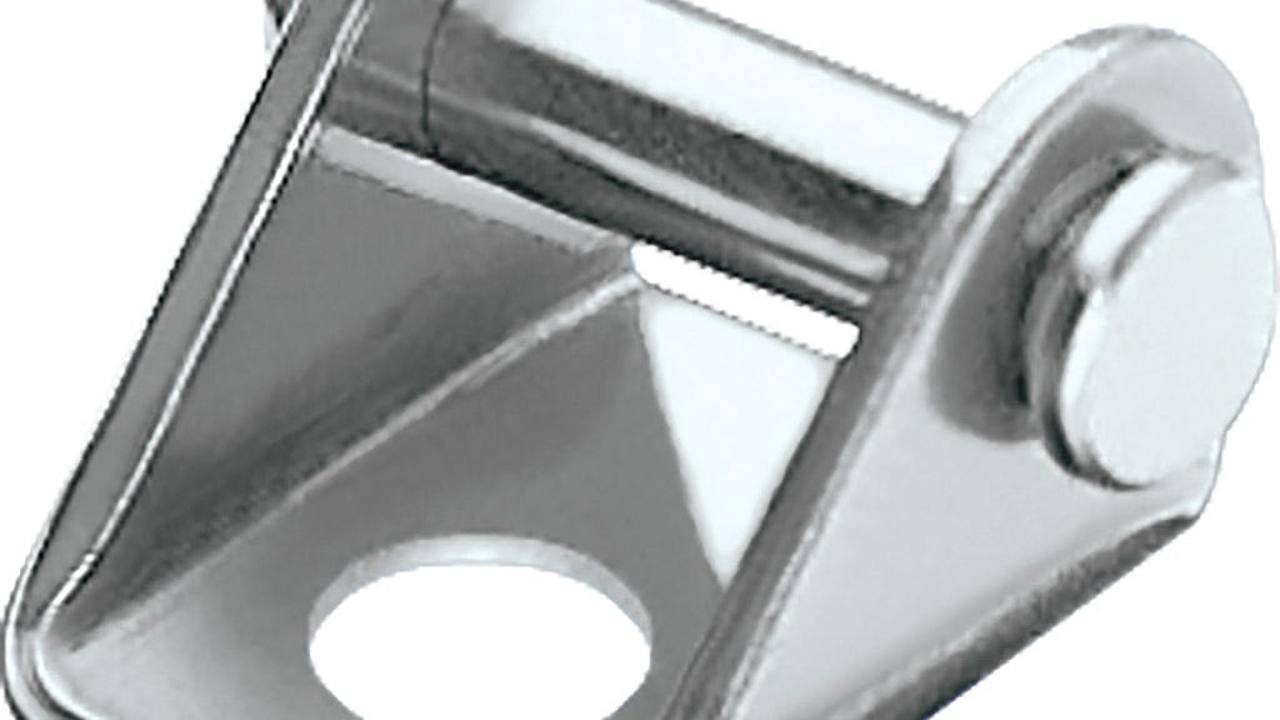
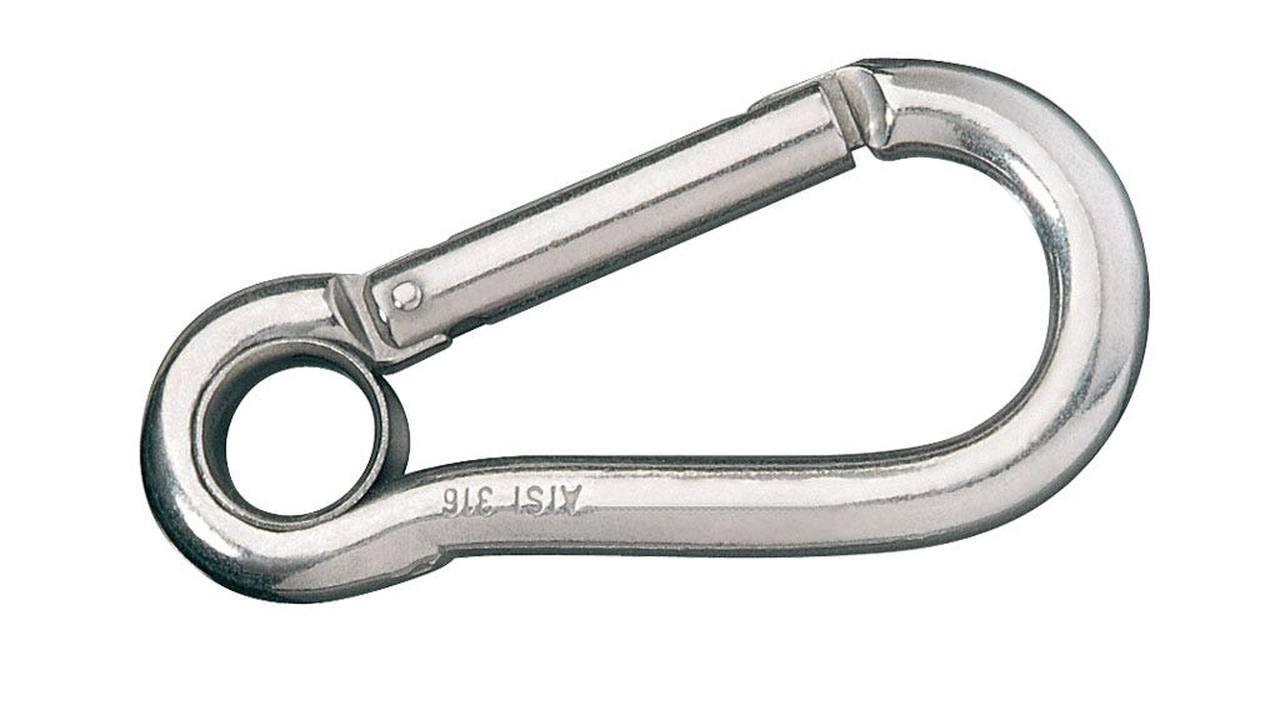
Un gancio che “sembra chiuso” può avere il gate frenato dal sale, una ghiera rimasta a metà, il corpo deformato o una linea che preme proprio sulla leva. Anche uno S-hook aperto, una sister clip consumata e un becket fuori serie possono restare montati finché uno strappo cambia l’angolo. La diagnosi non parte dalla forza applicata, ma dalla funzione e dalla geometria originali. Le famiglie Ronstan offrono riferimenti distinti per carabiner, S-hook, sister clip ed eye o fork becket: identificarle permette di leggere i segni senza inventare un ricambio.
Il punto viene scaricato e segregato prima della prova
Si rimuove la tensione con un’alternativa adeguata e si impedisce l’uso dell’attacco. Non si apre un gate sotto carico né si tiene una sister clip con le dita mentre un’altra persona tende la cima. Le verifiche manuali avvengono soltanto senza energia. Se il componente è associato a persone, sollevamento o funzioni regolamentate, intervengono procedure e dispositivi specifici; un accessorio nautico non viene promosso a dispositivo certificato per somiglianza. La fotografia iniziale conserva posizione, verso e tracce prima della pulizia.
Il gate deve chiudere da solo lungo tutta la corsa
Su un carabiner non bloccante si apre lentamente il gate e lo si lascia tornare più volte, osservando resistenza, allineamento e contatto con il naso. Un ritorno incompleto non si corregge tirando la leva oltre corsa. Si cercano sabbia, cristalli, deformazione e interferenza della linea fissa. Il corpo non viene serrato in morsa per raddrizzarlo. Se il gate resta duro dopo una pulizia compatibile o mostra gioco anomalo, il carabiner viene ritirato dal servizio e sostituito secondo codice.
La linea fissa può impedire la chiusura senza essere evidente
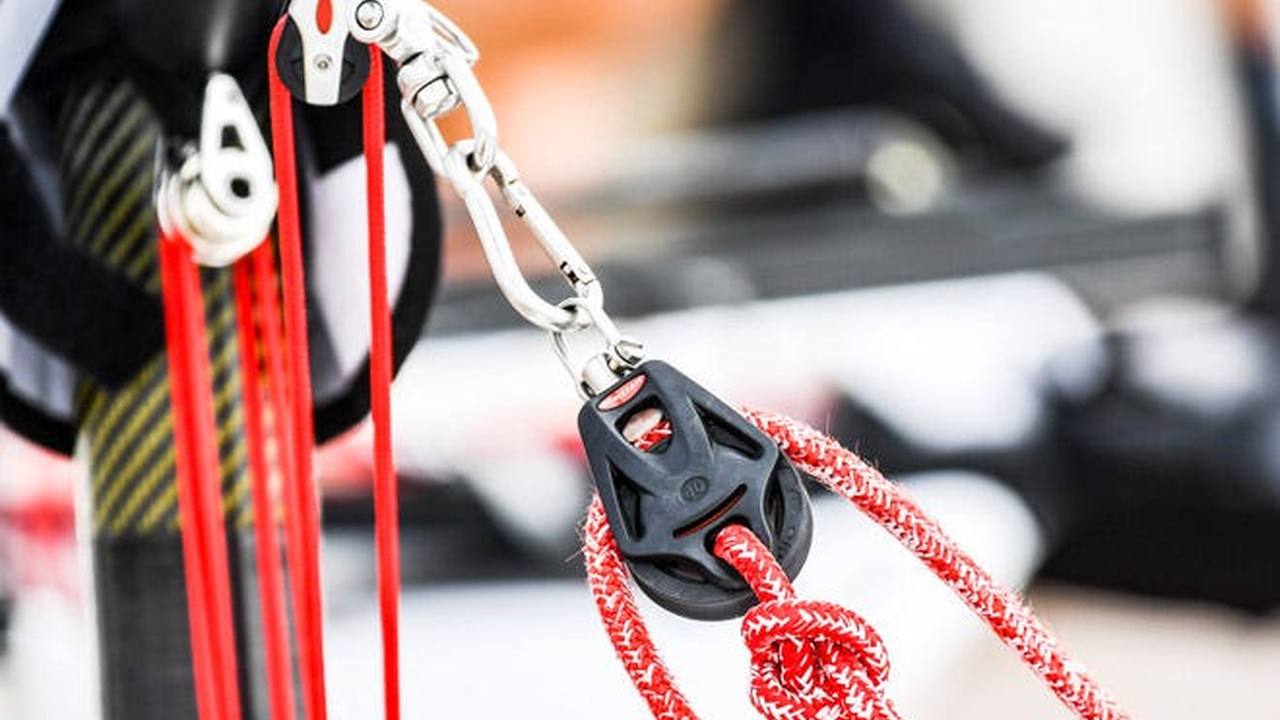
Ronstan descrive occhi chiusi o rivestiti da ferrula per trattenere il capo fisso nei carabiner. Nodo, impiombatura o guaina devono restare in quella sede. Se migrano verso il gate, possono premere sulla leva o impedire il ritorno. Si muove la linea a sistema scarico e si osserva l’intera corsa, senza limitarsi alla posizione in cui è stata trovata. Una fascetta aggiunta, una cucitura sporgente o un terminale più voluminoso del precedente possono essere la causa della chiusura intermittente.
La ghiera filettata deve girare libera ma senza gioco sospetto
Il carabiner Ronstan da 100 millimetri con manicotto filettato aggiunge una chiusura al gate. Si controllano filetto, pulizia, deformazioni e capacità di raggiungere la posizione prevista senza utensili improvvisati. Una ghiera che blocca a metà non viene forzata con pinze, perché si può segnare la superficie o mascherare un filetto danneggiato. Si verifica anche che il gate chiuda prima dell’azione della ghiera. Se le parti non lavorano nella sequenza corretta, il componente resta fuori servizio.
La misura dichiarata aiuta a riconoscere il ricambio
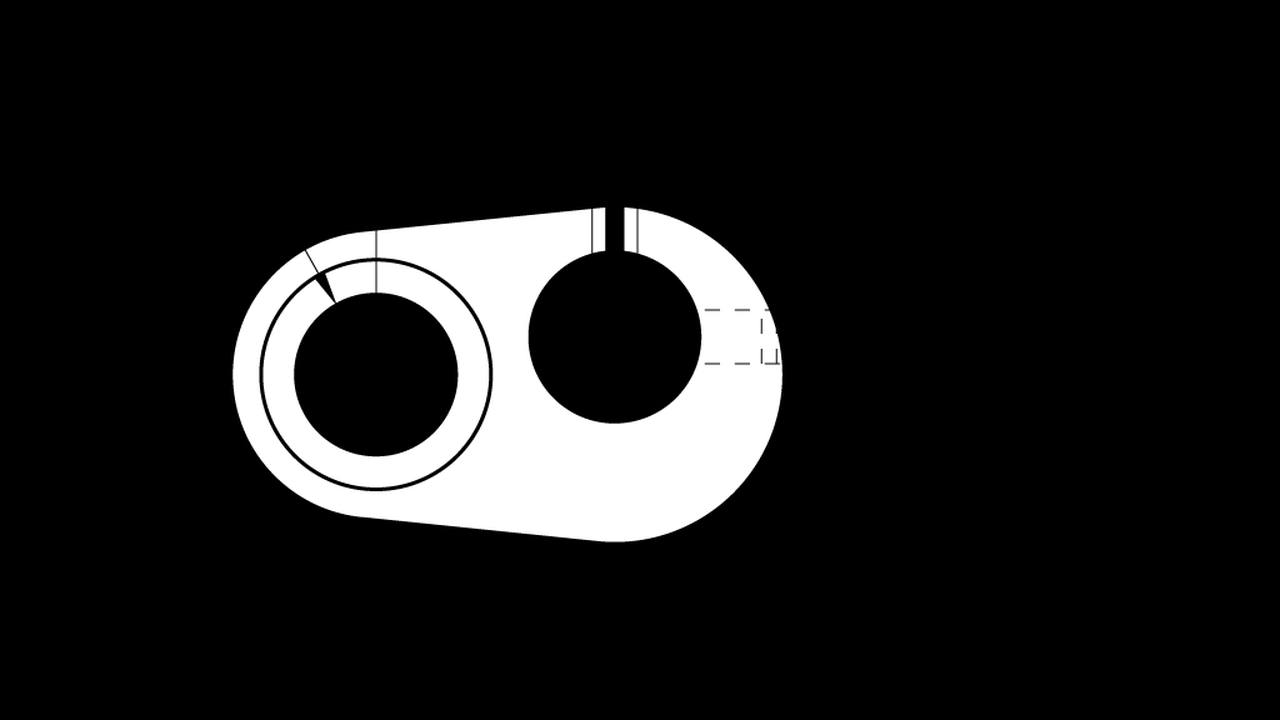
I carabiner Ronstan non bloccanti sono disponibili nelle lunghezze 60, 80 e 100 millimetri; la versione da 100 con ghiera ha quote A 13, B 14, C 100 e D 10. Pesi e geometrie differiscono. Un ricambio più grande può toccare la coperta o cambiare l’orientamento, mentre uno più piccolo può non accogliere il terminale. Durante la diagnosi si registra il codice e si confronta la tavola, senza scegliere dal solo ingombro esterno. La sostituzione deve ripristinare anche l’occhio fisso.
Uno S-hook aperto non si richiude piegandolo
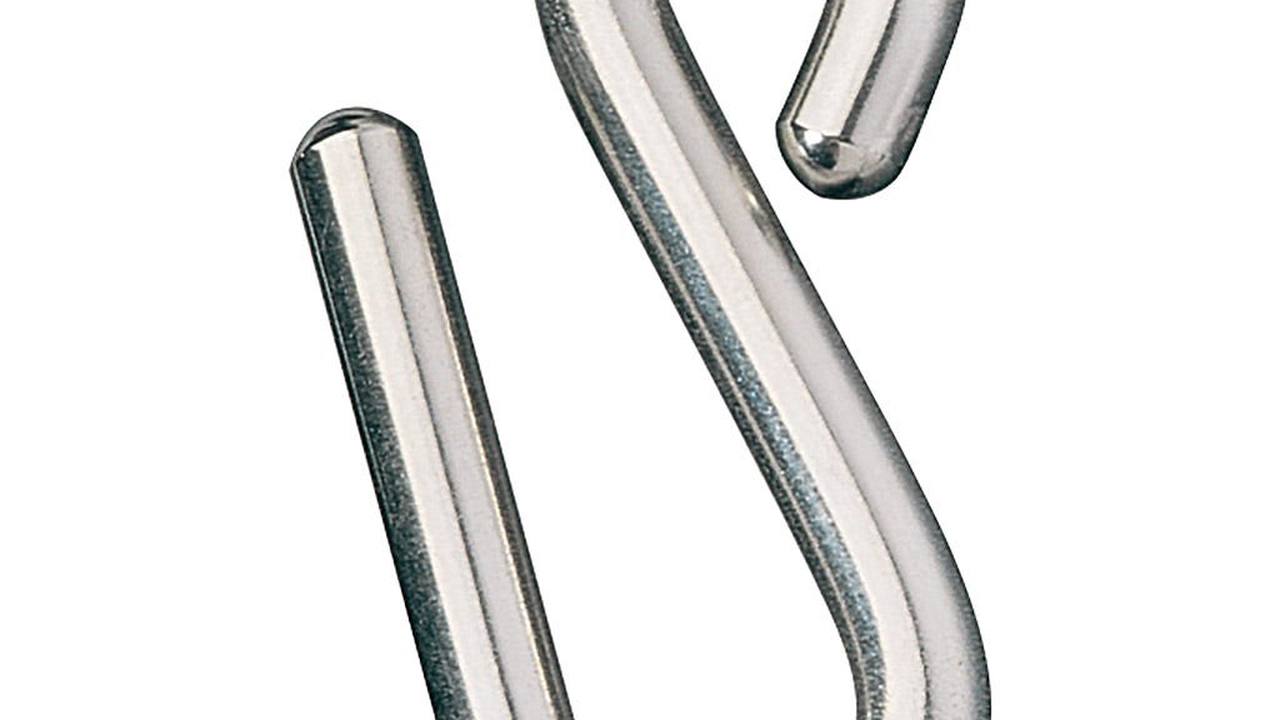
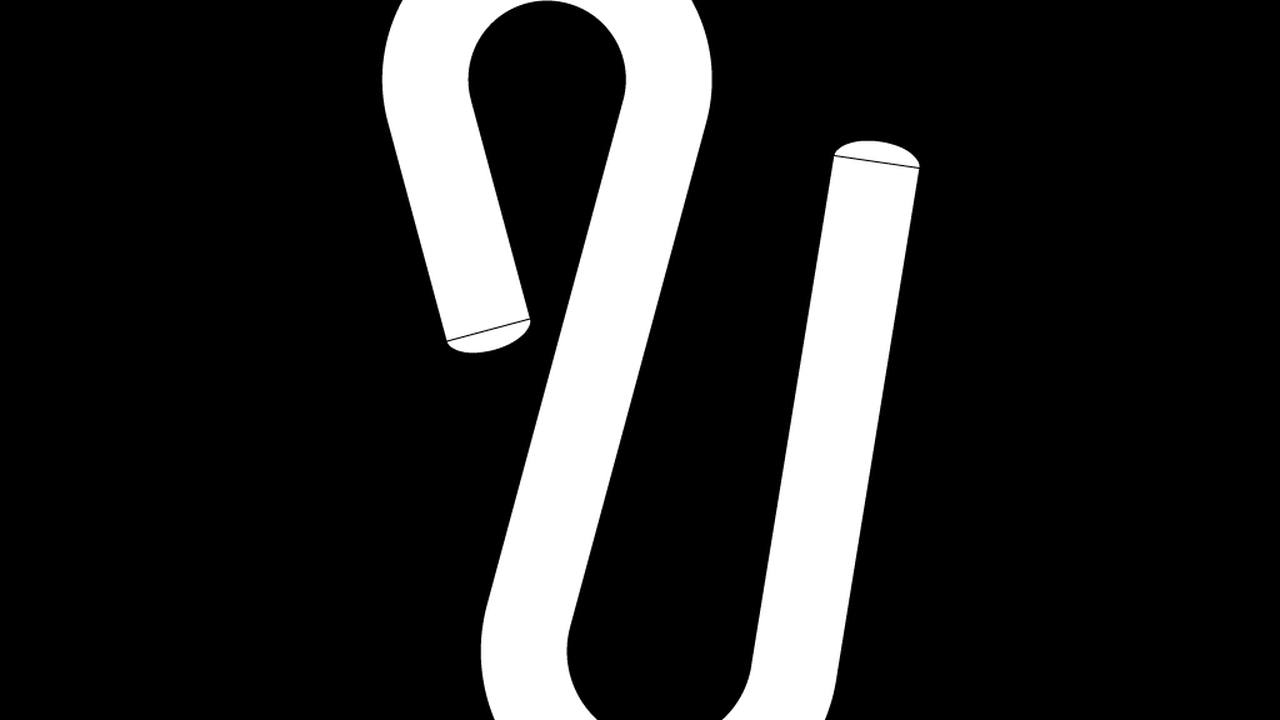
Lo S-hook nasce con due curvature aperte. Se una punta appare più larga, la barra è torta o le due sedi non sono simmetriche rispetto alla tavola, il pezzo può aver subito carico laterale o urto. Raddrizzarlo modifica nuovamente il materiale senza spiegare la causa. Si sostituisce e si analizzano orientamento e terminali. Ronstan propone barre da 4,8, 6, 8 e 9,5 millimetri con lunghezze differenti; il confronto va fatto con il modello corretto, non con un’altra taglia trovata a bordo.
Le lucidature mostrano dove il terminale ha lavorato
Una zona brillante nella curva è coerente con l’appoggio; un segno vicino alla punta o sul gate indica che il carico ha migrato. Si documenta la posizione prima di lucidare o pulire. La causa può essere una linea troppo grande, un anello troppo stretto, rotazione dell’hook o perdita di tensione che permette al terminale di saltare. Sostituire il pezzo senza cambiare la geometria riproduce il difetto. La manovra viene osservata nelle posizioni estreme con procedure sicure e senza persone nel piano di carico.
La sister clip deve essere una coppia della stessa taglia
Ronstan propone sister clip da 24, 37 e 58 millimetri. Due parti quasi uguali possono accoppiarsi soltanto in modo parziale. Si separano le clip a sistema scarico, si identificano codici e quote e si controllano deformazione, bordi e zona di contatto. La versione da 24 ha dimensioni A 7, B 27 e C 24; quella da 58 A 15, B 60 e C 58. Mescolare taglie o forme viene escluso. Il ricambio è una coppia compatibile, non metà di provenienza incerta.
La tabella ordina i sintomi più comuni
| Sintomo | Parte da verificare | Possibile causa | Azione |
|---|---|---|---|
| Gate non ritorna | Molla, naso, linea fissa | Sporco o deformazione | Scaricare, pulire, sostituire se incerto |
| Ghiera a metà | Filetto e sequenza | Depositi o danno | Non forzare |
| S-hook segnato sulla punta | Orientamento e terminale | Carico migrato | Correggere geometria |
| Sister clip lucida su un lato | Coppia e taglia | Accoppiamento parziale | Sostituire la coppia |
| Becket con gioco | Foro, perno, serie | Componente incompatibile | Identificare traveller |
Il becket viene diagnosticato insieme al traveller
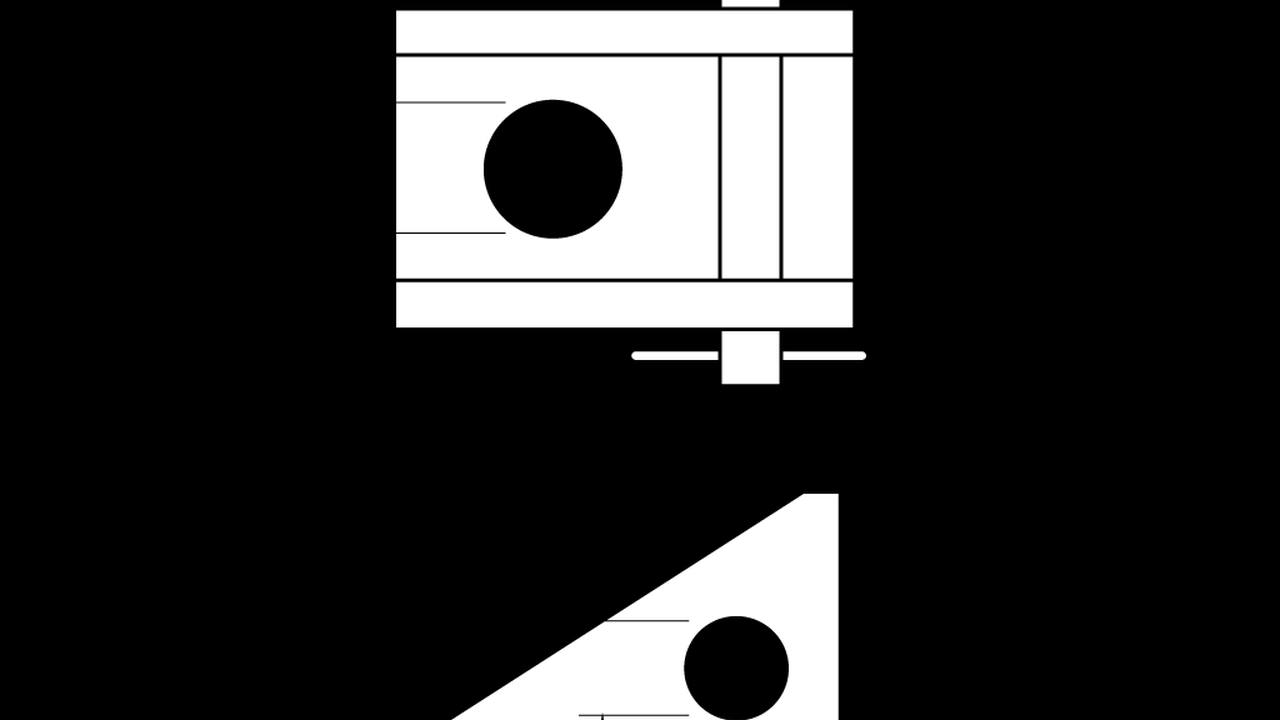
RF1050 e il fork becket da 5 millimetri sono indicati per traveller Series 14 e 19; RF1051 e il fork da 6 per Series 22, 26 e 30. Se il becket ha gioco, non si inserisce un perno maggiore o una rondella a caso. Si identifica il carrello, si misura il foro e si confronta il codice. Un componente da 5 in una serie da 6 può apparire montabile ma lavorare con gioco. Anche la sostituzione storica del carrello viene considerata, perché il becket potrebbe non essere quello originario.

Occhio e forcella producono usure riconoscibili
Nell’eye becket si cerca ovalizzazione e contatto concentrato dell’anello. Nel fork becket si controllano guance, perno, foro e ritenuta. Una guancia lucida all’interno può indicare terminale fuori centro; un perno segnato su un lato rivela flessione o disallineamento. Non si allarga la forcella per far entrare un terminale e non si molano gli spessori. Il componente danneggiato viene sostituito secondo la serie, mentre si corregge l’interfaccia che ha generato il contatto.
Il perno deve essere trattenuto con il sistema previsto
Un perno che migra può creare gioco prima di uscire. Si verifica la ritenuta senza improvvisare filo, coppiglie o adesivi non previsti. Il foro non deve presentare bave o ovalizzazione e il perno deve attraversare le guance senza essere usato come leva per riallinearle. Se la ritenuta manca, si ricostruisce il codice completo. Un perno apparentemente della misura giusta ma con testa o sistema di chiusura diversi può interferire con il traveller o non restare nella sede.
Il sale può bloccare un gate senza corrosione evidente
Cristalli e depositi nelle cerniere modificano il ritorno prima che compaiano segni profondi. Si risciacqua e pulisce con metodi compatibili con l’acciaio inossidabile 316 e con eventuali parti non metalliche, poi si asciuga e si riprova a sistema scarico. Non si applicano lubrificanti casuali che attirino sporco o siano contrari alle indicazioni del produttore. Se il movimento non torna uniforme, si sostituisce il carabiner. La manutenzione viene resa più frequente se la posizione trattiene acqua o spruzzi.
Una macchia non va coperta prima di identificarla
Deposito ferroso superficiale, contaminazione e pitting non hanno lo stesso significato. Si fotografa la macchia, si pulisce senza asportare materiale e si osserva la superficie. Sotto il gate, fra le sister clip e nei fori dei becket possono esistere zone poco visibili. Perdita di sezione, cricca, corrosione localizzata o origine incerta portano al ritiro del pezzo. Il fatto che la famiglia sia descritta in 316 non elimina la necessità di drenaggio, risciacquo e separazione da materiali incompatibili.
Il contatto laterale sul gate va eliminato, non imbottito
Se una cima o un bordo preme sulla leva, una guaina morbida può nascondere il problema senza cambiare la traiettoria. La diagnosi ricostruisce l’inviluppo del componente durante rotazione e perdita di tensione. Si modifica posizione, terminale o tipo di attacco affinché il gate resti libero. Una fascetta che impedisce l’apertura può anche impedire la chiusura completa e l’ispezione. Il criterio è una geometria intrinsecamente libera, non un blocco aggiunto attorno a un componente non bloccante.
Il ricambio deve conservare la funzione originaria
Un carabiner con ghiera non sostituisce automaticamente uno non bloccante se la ghiera diventa irraggiungibile; uno S-hook più grande può non sedersi; una sister clip singola non completa una coppia diversa; un fork becket non equivale a un eye. Si riportano codice, taglia, terminali, orientamento e serie. Il pezzo rimosso resta identificato per l’analisi, ma non è l’unica dima: se era sbagliato, copiarlo replicherebbe l’errore. La tavola ufficiale chiude la selezione.
La prova finale verifica chiusura e linea senza sovraccaricare
A montaggio concluso si aziona più volte il gate o la ghiera, si accoppiano le sister clip e si controlla che lo S-hook resti nella sede prevista durante la corsa scarica. Il traveller deve muoversi senza che il becket tocchi o fletta. La manovra viene poi caricata soltanto secondo una procedura sicura e applicabile, osservando l’allineamento, non improvvisando una prova di rottura. Qualunque scatto, apertura parziale o segno nuovo interrompe il collaudo e riapre la diagnosi.
Il primo controllo dopo il ripristino è ravvicinato
Le fotografie della condizione nuova permettono di confrontare gate, punte, coppia di clip e becket dopo le prime uscite. Si cercano sale, lucidature, spostamento della linea fissa e movimento dei perni. Non si aspetta che il gancio salti per riconoscere un contatto. Il rapporto registra causa, componente sostituito e modifica della geometria. Se il difetto ricompare, il punto viene nuovamente scaricato; non si trasforma il ricambio periodico in una soluzione a una manovra disallineata.
Un attacco è chiuso quando la sua funzione è verificabile
La diagnosi termina quando spiega perché il componente si apriva, si deformava o consumava. Il gate deve tornare, la ghiera raggiungere la posizione prevista, lo S-hook restare orientato, le sister clip essere una coppia compatibile e il becket appartenere alla serie corretta. Questa distinzione evita la formula pericolosa “era solo un po’ duro”. Un attacco rapido torna affidabile non perché è stato forzato, ma perché geometria, ritenzione e manutenzione sono state ripristinate e documentate.