
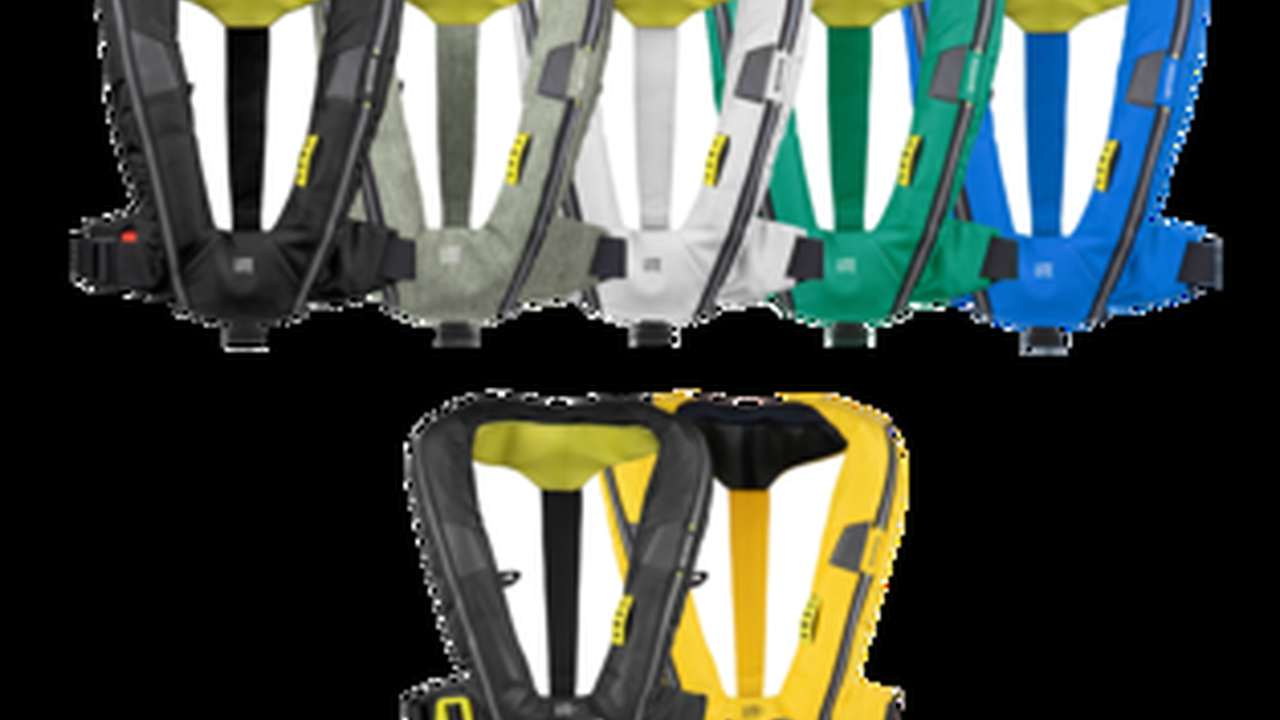
Un giubbotto autogonfiabile può apparire perfetto mentre una bombola già perforata, una testina non armata o una cinghia dimenticata lo rendono inaffidabile. La finestra di controllo del sistema UML Pro Sensor Elite aiuta, ma non sostituisce una verifica ordinata. questa analisi prende come riferimento le configurazioni Spinlock Deckvest 6D e DURO con le rispettive opzioni, mantenendo distinti modelli, spinte e kit. L’obiettivo non è smontare tutto prima di ogni uscita: è scoprire in tempo i difetti che l’occhio distratto lascia sotto la custodia.
Identifica esattamente modello, spinta e sistema
Prima di toccare il giubbotto leggi etichetta, versione e spinta dichiarata. Deckvest 6D può essere 170 N o 275 N e usa UML Pro Sensor Elite; Deckvest VITO adotta invece un’attivazione idrostatica Hammar. La procedura e il ricambio devono appartenere al dispositivo reale, non alla stessa marca in generale. Registra numero identificativo, configurazione e data dell’ultimo intervento. Se etichetta o manuale non sono leggibili, il controllo si ferma finché l’identità non viene ricostruita.
La prima ispezione si fa senza aprire la custodia
Controlla tagli, abrasioni, contaminazione, cuciture, chiusura frontale e deformazioni. Osserva se il dispositivo è stato schiacciato, bagnato con acqua salata o esposto a carburante e solventi. Verifica che il comando manuale sia presente, visibile e libero. La custodia deve apparire chiusa secondo il disegno previsto, non trattenuta da nastro o fascette. Odore anomalo, gonfiore o un lembo fuori sede richiedono un’ispezione approfondita, non una pressione per farlo rientrare.
| Punto | Controllo | Esito accettabile | Azione se non conforme |
|---|---|---|---|
| Finestra | Stato testina e bombola | Indicatori previsti leggibili | Aprire secondo manuale |
| Bombola | Corrosione, serraggio, integrità | Ricambio esatto e integro | Rimuovere dal servizio |
| Camera | Danni e tenuta prevista | Nessuna perdita o abrasione | Servizio competente |
| Cinghia | Presenza e regolazione | Chiusa, libera, non ritorta | Ripristinare prima dell’uso |
| Accessori | Luci, cappuccio, beacon | Compatibili e posizionati | Sostituire o rimontare |
La finestra è un controllo rapido, non un verdetto finale
La finestra delle configurazioni UML consente di osservare la bombola e gli indicatori del meccanismo senza aprire ogni volta la custodia. Confronta colori e posizione con il manuale del modello. Condensa, visibilità ridotta o un indicatore incoerente impongono l’apertura prevista. Non scuotere il giubbotto e non azionare il comando per «vedere se funziona». Un indicatore verde non esclude corrosione nascosta, danni alla camera o accessori mancanti: certifica soltanto ciò che il sistema dichiara di mostrare.
La bombola deve essere corretta, piena e ben fissata
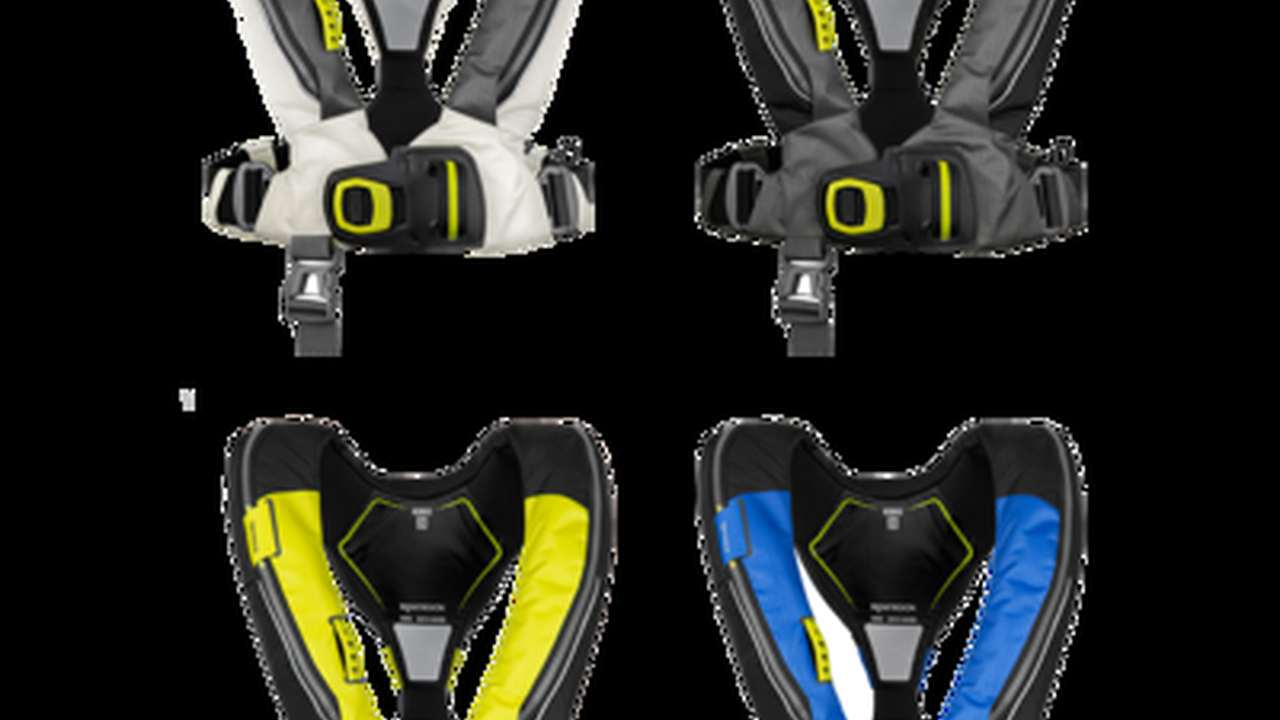
Apri la custodia soltanto come indicato e controlla che la bombola appartenga al kit esatto della versione. Cerca corrosione, ammaccature, filettature danneggiate e segni di perforazione. Se il manuale prescrive una verifica di massa, usa una bilancia adeguata e i valori riportati sulla bombola; non inventare una tolleranza. Il serraggio segue la procedura, senza pinze o sigillanti casuali. Una bombola lucida ma già utilizzata resta vuota, mentre una piena montata male può separarsi durante l’attivazione.
Il kit da 170 N non si scambia con quello da 275 N
Le camere con spinta differente richiedono quantità di gas e componenti abbinati. I kit Spinlock indicano varianti specifiche, comunemente associate a bombole diverse, ma l’unico riferimento operativo è il codice del proprio modello e della propria edizione. Conserva ricambi etichettati in contenitori separati e associa ciascuno al giubbotto. Somiglianza di filetto, colore o confezione non è compatibilità. Dopo ogni riarmo aggiorna inventario e scorta, perché un kit usato non resta disponibile per l’emergenza successiva.
La testina automatica deve risultare armata come previsto
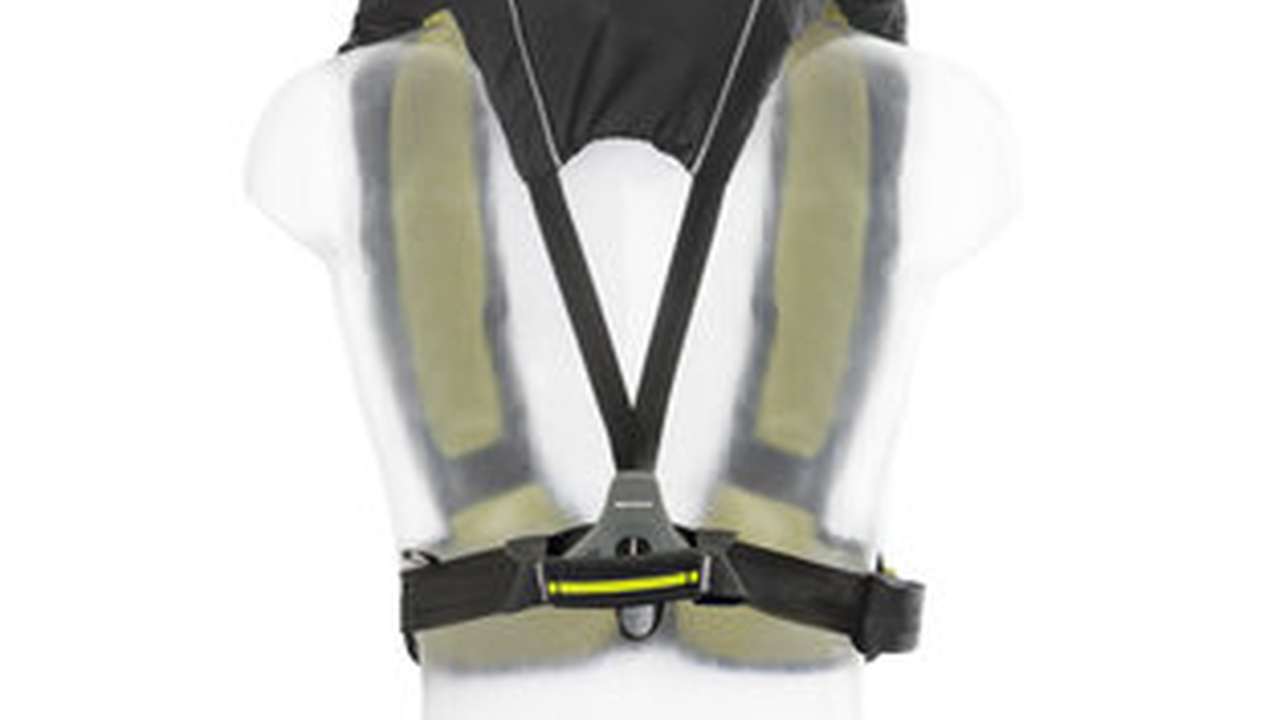
Controlla UML Pro Sensor Elite secondo gli indicatori e la sequenza del fabbricante. Cerca segni di attivazione, umidità, deposito salino, data o vita utile del componente quando riportata. Non immergere la testina per provarla e non riutilizzare parti monouso. Se il sistema è scattato, sostituisci tutti gli elementi prescritti dal kit, non soltanto quello visibilmente rotto. Una capsula compatibile in apparenza può avere caratteristiche diverse e non va scelta fuori dalla matrice ufficiale.
Il comando manuale deve essere afferrabile con una mano
La maniglia deve sporgere nella posizione stabilita, portare la marcatura prevista e scorrere senza essere legata ad altri accessori. Prova soltanto la raggiungibilità, senza tirare. Indossa il giubbotto sopra la cerata e verifica con entrambe le mani, perché una persona ferita potrebbe usarne una sola. Il comando non deve restare sotto una cintura, una radio o la cinghia di una borsa. Se la linea è sfrangiata o il fissaggio dubbio, il dispositivo esce dal servizio.
La valvola orale non è un tappo secondario
Individua tubo, valvola e cappuccio. Devono essere puliti, integri e accessibili dopo il gonfiaggio. Il cappuccio spesso svolge anche una funzione nella gestione dell’aria secondo il modello: non sostituirlo con un tappo generico. Non introdurre strumenti e non soffiare umidità nella camera durante un controllo sommario. Quando il manuale prevede una prova di gonfiaggio orale e tenuta, eseguila in ambiente pulito per il tempo indicato, poi asciuga e sgonfia con la procedura corretta.
La camera si controlla senza pieghe aggressive
Stendi la camera su una superficie liscia, lontano da olio, viti e spigoli. Cerca abrasioni, delaminazioni, cuciture compromesse, valvole allentate e zone scolorite. Non usare detergenti, patch o colle non autorizzati. Una perdita, anche lenta, non si risolve stringendo più forte la bombola. Se la prova prevista non viene superata, affida il giubbotto a un servizio competente. Ripiegare una camera dubbia trasferisce il problema alla prossima immersione e cancella l’unica occasione semplice di scoprirlo.
La cinghia sottogamba deve esserci e deve essere usata
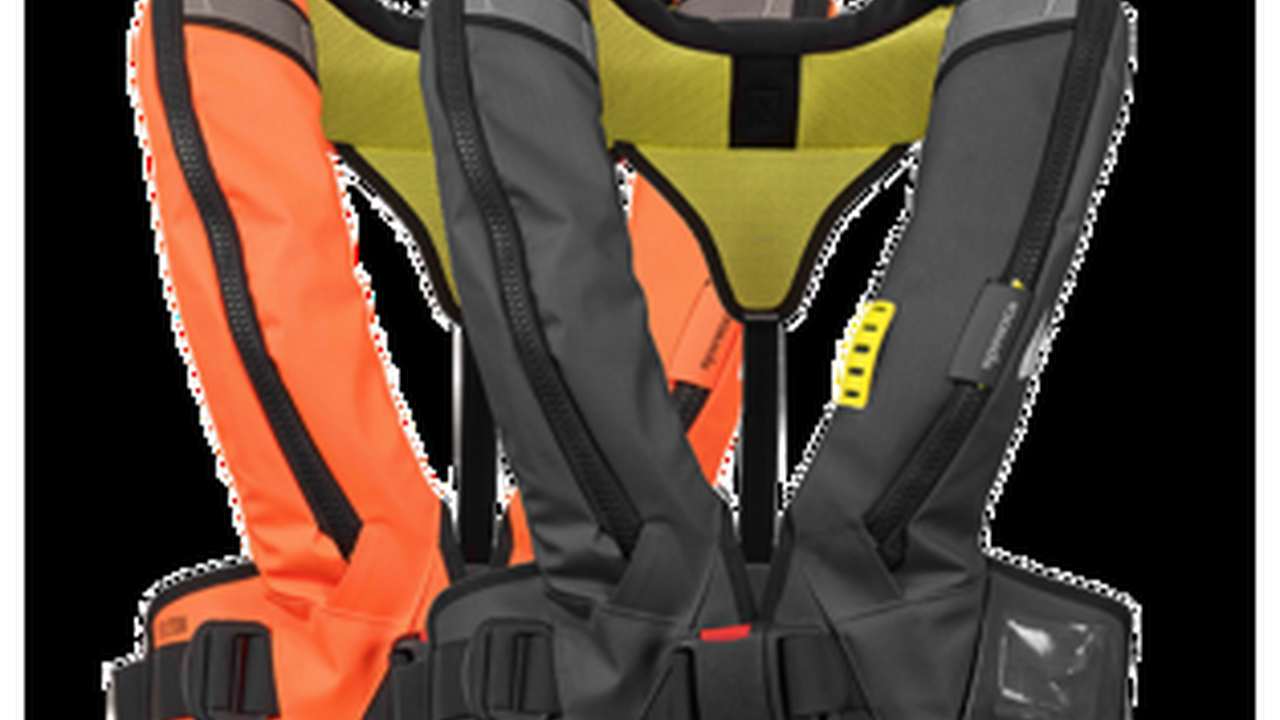
Verifica fibbie, nastro, cuciture e percorso. La cinghia non deve essere ritorta, annodata, passata dentro elementi del comando o nascosta nella custodia. Regolala sull’utilizzatore con l’abbigliamento previsto e prova la chiusura con guanti. Dopo il controllo lasciala pronta secondo le istruzioni, non troppo lunga per evitare fastidio. Un nastro integro ma mai allacciato è un difetto operativo: nel registro va trattato come mancata disponibilità, non come preferenza personale.
Imbrago e HRS richiedono un controllo distinto
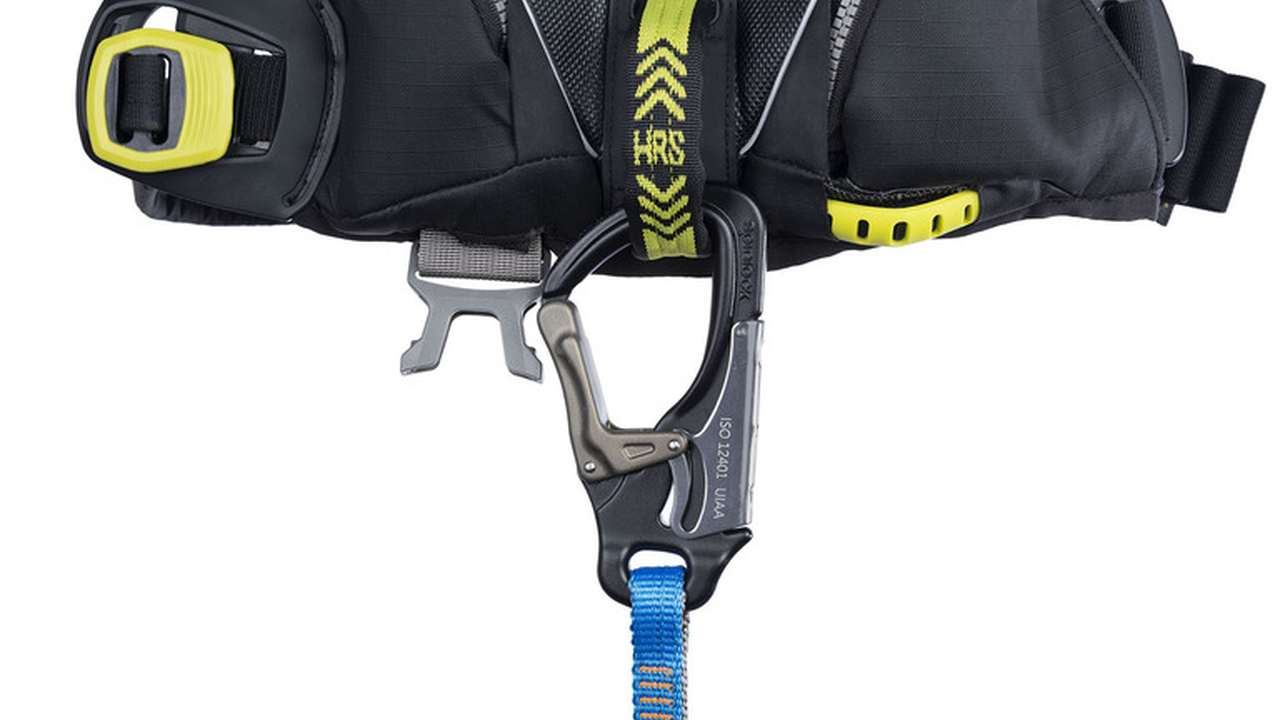
Ispeziona tessili, cuciture, punto di collegamento e anello morbido HRS quando presente. Cerca usura, tagli, contaminazione e deformazione dovuta a carico. Verifica che il comando di rilascio resti accessibile e non venga confuso con il gonfiaggio manuale. Non applicare un carico improvvisato per provarlo. Il cordone e i moschettoni vengono controllati separatamente, perché il giubbotto può essere integro mentre la catena di trattenuta è danneggiata. Qualsiasi caduta arrestata apre una verifica straordinaria.

Il cappuccio anti-spruzzo deve aprirsi senza coprire il volto
Estrai e osserva sprayhood, elastici, finestra e fissaggi secondo la procedura. Deve risultare pulito, trasparente e correttamente riposto. Una finestra opaca, elastici degradati o pieghe errate possono comprometterne l’impiego. Simula il posizionamento a secco senza forzare la camera e controlla che la respirazione resti libera. Riponi il cappuccio nel vano stabilito: lasciarlo sciolto può interferire con l’apertura, mentre dimenticarlo fuori dalla custodia lo espone a strappi e raggi solari.
Le luci hanno batteria, montaggio e scadenza propri
Controlla ogni luce realmente installata, senza dedurne la presenza dalla denominazione commerciale. Lume-On e Pylon hanno funzioni e posizioni differenti nelle configurazioni compatibili. Verifica fissaggio, orientamento, batteria o scadenza dichiarata e metodo di test previsto. Non scaricare una luce per curiosità. Assicurati che camera e cappuccio non la coprano una volta aperti e che i cavi, se presenti, non attraversino pieghe critiche. Registra la sostituzione come parte del giubbotto, non nell’inventario generico delle torce.
Il beacon MOB non deve bloccare il gonfiaggio
Se è installato un trasmettitore compatibile, controlla staffa, cordino di attivazione, antenna e spazio di espulsione. Confronta esattamente modello e istruzioni di integrazione. Esegui soltanto l’autotest consentito e verifica anche la ricezione o visualizzazione di bordo con la procedura ammessa, senza trasmettere falsi allarmi. La batteria del beacon segue la propria scadenza. Un’unità ben caricata ma montata capovolta, coperta dalla camera o priva del collegamento previsto può non svolgere la funzione promessa.
Asciugatura e pulizia precedono il ripiegamento
Dopo spruzzi o immersione accidentale, segui il lavaggio e l’asciugatura indicati, tenendo conto che l’acqua può attivare la testina. Non applicare calore diretto, asciugacapelli o prodotti aggressivi. Tutti i componenti devono essere completamente asciutti prima della chiusura. Sale e sabbia rimasti nella zip o nelle pieghe accelerano l’usura. Se il meccanismo si è attivato, non tentare di farlo tornare verde senza un riarmo completo e documentato con i componenti corretti.
Il ripiegamento segue una sequenza, non l’estetica
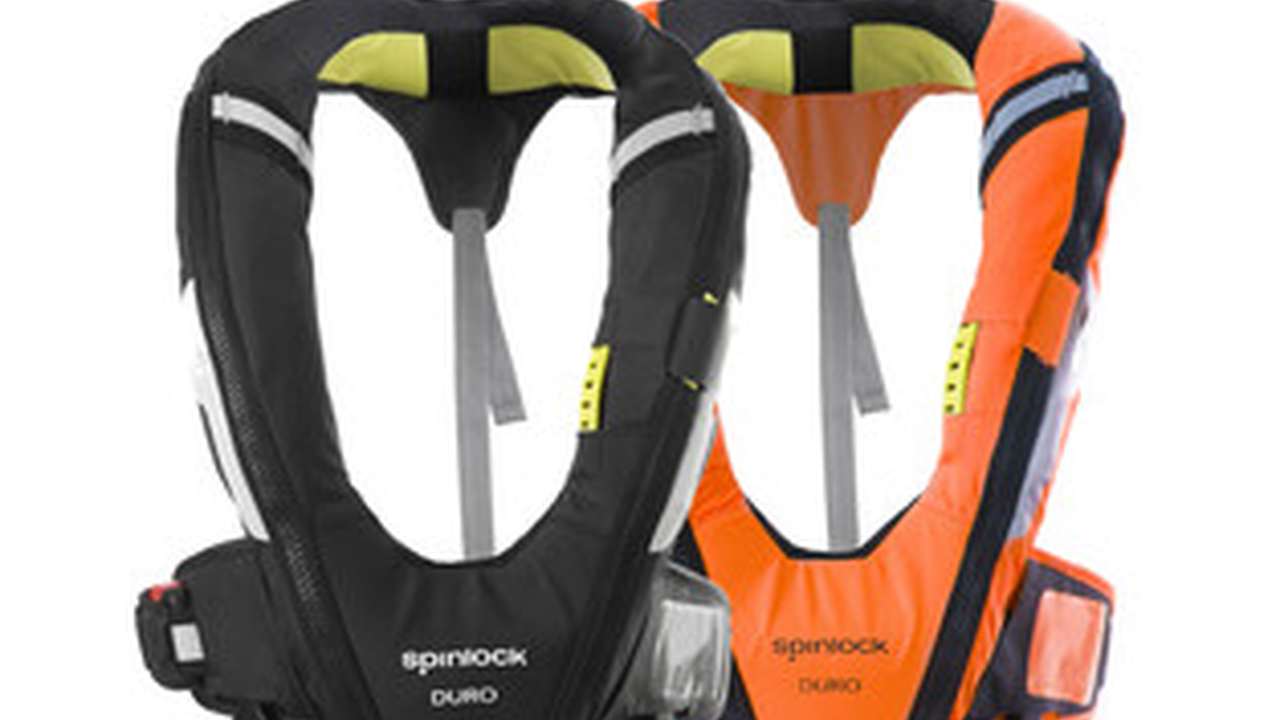
Sgonfia completamente la camera con il metodo previsto, distendila e ripiega pannelli, tubo, cappuccio, luci e beacon nell’ordine illustrato. Mantieni liberi il comando manuale e i punti di apertura. Non comprimere con ginocchio, attrezzi o fascette. Chiudi zip o lembi dal punto iniziale corretto e ricontrolla la finestra. Se resta materiale fuori sede, riapri e ripeti: una confezione piatta ottenuta forzando le pieghe non è un esito valido. Una seconda persona può confrontare il risultato con il disegno.
Il controllo prima dell’uscita dura poco perché il registro è buono
Identità, aspetto, finestra, comando, cinghia e accessori costituiscono il controllo rapido. Le verifiche di camera, bombola, riarmo e ripiegamento si eseguono quando previste o dopo eventi specifici, non smontando ogni giorno il dispositivo. Una scheda per ciascun giubbotto registra esito, interventi, ricambi e prossima azione. In questo modo il tempo breve non diventa superficialità e ogni dubbio produce una decisione chiara: pronto, da controllare o fuori servizio.
La prova finale si fa indossando il sistema completo
Indossa il giubbotto con cerata, cinghia, cordone e accessori personali. Controlla chiusura, regolazione, libertà delle braccia, accesso al comando e allo sgancio HRS. Simula aggancio e passaggio lungo il percorso di coperta senza mettere il sistema sotto carico. L’assegnatario deve riconoscere attivazione automatica, comando manuale e gonfiaggio orale. la procedura è superata soltanto quando dispositivo e persona funzionano insieme: un pezzo perfetto sul banco può essere inutilizzabile sopra una giacca sbagliata.
Un esito incerto equivale a non pronto
Bombola dubbia, indicatore incoerente, camera danneggiata, ricambio non identificato o accessorio che ostacola l’apertura richiedono rimozione dal servizio. Non si rimanda perché il mare è calmo o perché esiste il comando orale. Etichetta il pezzo, sostituiscilo con una dotazione verificata e affida la diagnosi corretta. la procedura protegge proprio da questa zona grigia: trasforma dettagli nascosti in decisioni prima della partenza, quando c’è ancora tempo per rimediare senza affidare la vita a una supposizione.