
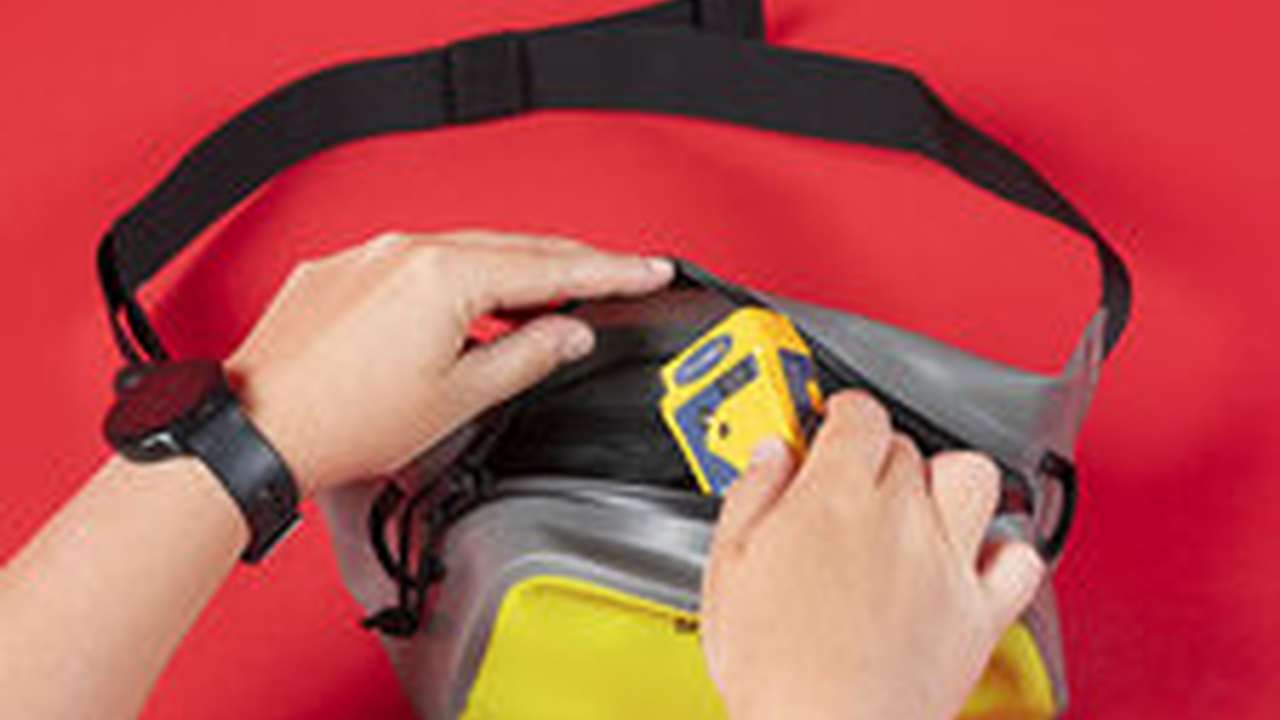
Il grab bag può essere pieno e comunque non pronto: basta una zip sporca, un roll-top con una sola piega o una radio sepolta sotto cinque litri d’acqua. la procedura deve distinguere contenitori e promesse. Explorer 2L e i Waterproof Packs Spinlock dichiarano IPX7 nelle configurazioni descritte; Explorer 35L usa una chiusura roll-top; le sacche comprimibili da 15 e 25 litri sono impermeabili agli spruzzi ma il fabbricante precisa che non proteggono in immersione. Controllare significa quindi verificare modello, chiusura, contenuto, massa e accesso, non soltanto cercare fori.
Identifica ogni contenitore e la sua prestazione
Leggi codice, volume, tipo di chiusura e dichiarazione. Registra quali pack sono IPX7, quali usano roll-top e quali servono soltanto a organizzare. Non trasferire il valore IPX7 da Explorer 2L a Explorer 35L o alle sacche con valvola. La parola waterproof commerciale non sostituisce il dato del modello. Se etichetta e documentazione non coincidono, il contenitore non riceve oggetti critici finché non viene identificato. Una fotografia del codice aiuta il controllo successivo.
Svuota su una superficie pulita e dividi per funzione
Apri un modulo alla volta e disponi il contenuto su un telo asciutto. Separa comunicazione, localizzazione, luce, medicina, protezione termica, acqua, alimenti, utensili e documenti. Conta ciò che esiste, non ciò che appare nella vecchia lista. Oggetti non previsti vengono valutati prima di rientrare, perché piccoli extra accumulati aumentano massa e nascondono l’essenziale. Mantieni sempre un livello personale attivo durante il controllo, evitando che l’intera dotazione sia contemporaneamente fuori servizio.
| Punto | Controllo | Esito | Azione |
|---|---|---|---|
| Modello | Codice e prestazione | Corrispondono al registro | Isolare se incerti |
| Chiusura | Zip, pressione o roll-top | Pulita e completa | Pulire o sostituire |
| Tessile | Fori, abrasione, saldature | Integro | Fuori servizio |
| Contenuto | Quantità, test e scadenze | Completo e pronto | Ripristinare prima di chiudere |
| Trasporto | Massa, maniglia e fissaggio | Gestibile con guanti | Ridurre o dividere |
La TRU Zip deve scorrere e sigillare secondo istruzioni
Explorer 2L usa una zip impermeabile e antipolvere TRU dichiarata auto-riparante. Osserva denti o superfici di tenuta, cursore, fine corsa e contaminazione. Esegui cura e manutenzione indicate dal produttore della chiusura, senza oli o grassi casuali. Il cursore deve completare il percorso senza un carico che spinga dall’interno. Non immergere il pack operativo per provarlo. Se la zip salta, si apre o non arriva a battuta, gli oggetti sensibili vengono trasferiti a una custodia verificata.
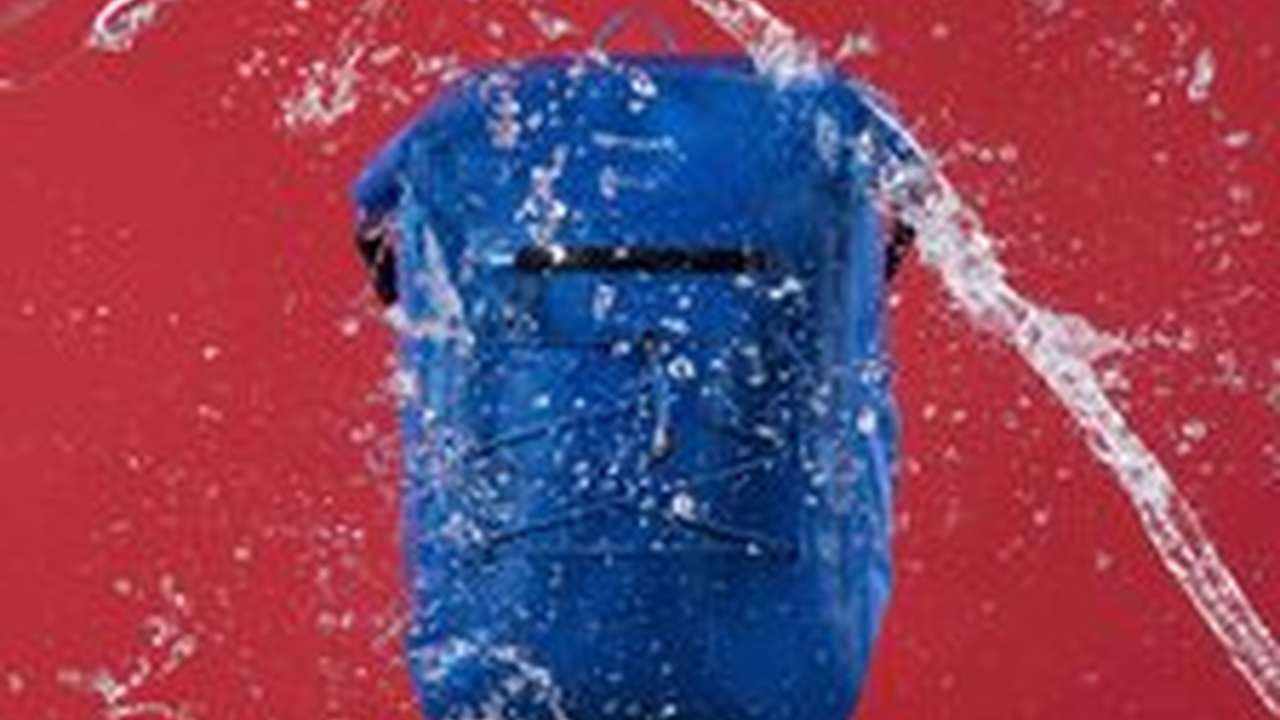
La chiusura a pressione deve essere completa
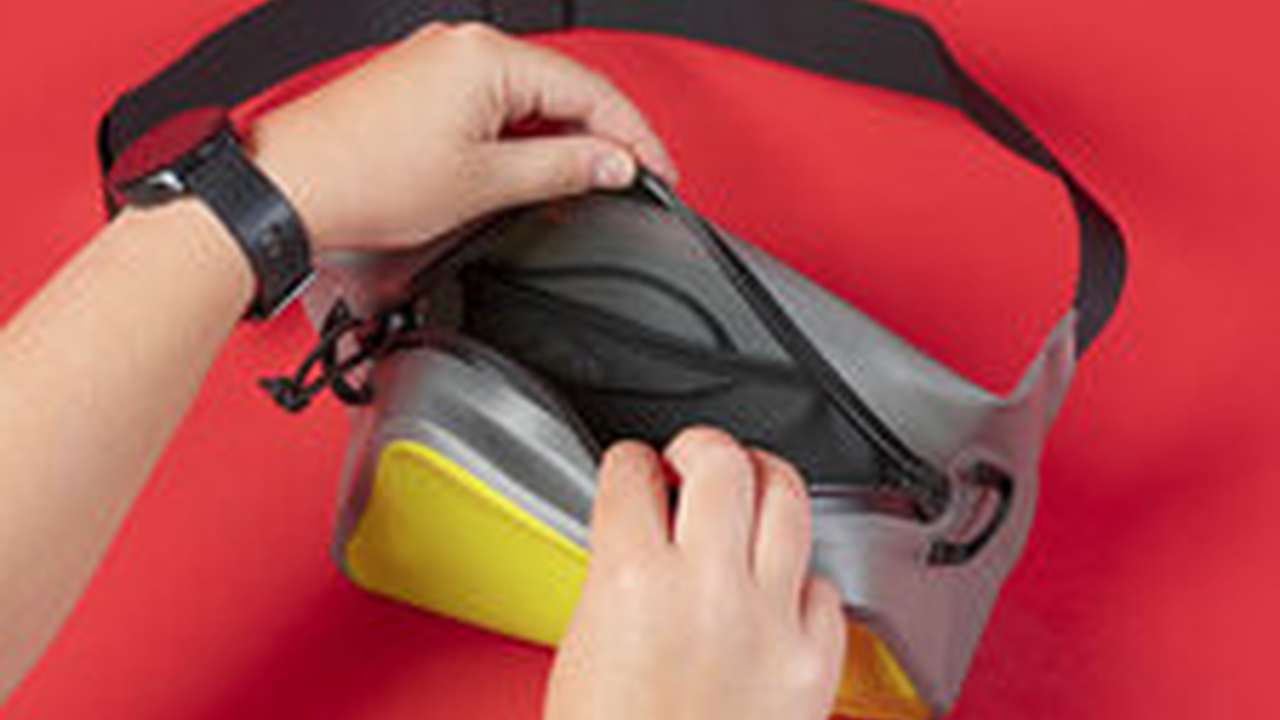
I Waterproof Packs piccoli, medi e grandi usano una press closure. Pulisci la linea di chiusura, allinea i bordi e percorri tutta la lunghezza con le dita. Nessuna cinghia o cordino deve restare intrappolato. Verifica passante apribile, anello interno e punto esterno per tether. La finestra di media e grande deve essere integra e trasparente. Se la confezione grande è avvolta sulla cintura, controlla che la piega non forzi la chiusura né copra un comando del giubbotto.
Il roll-top richiede spazio per pieghe regolari
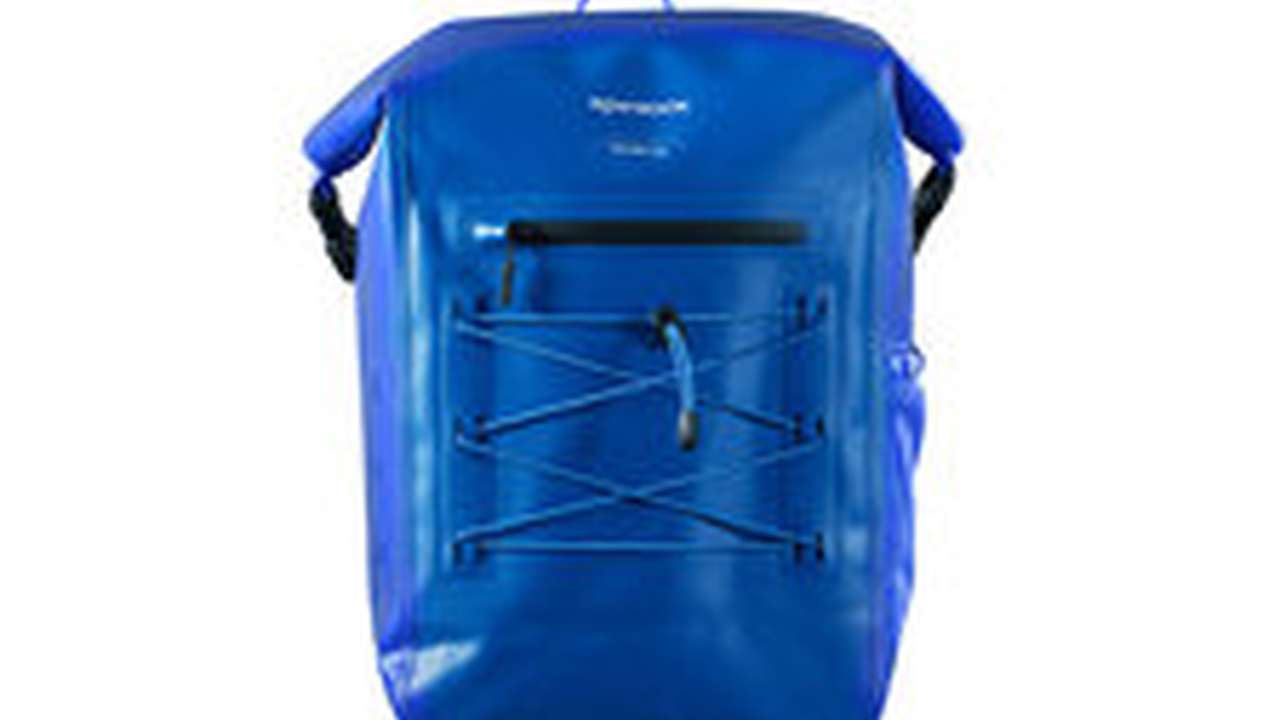
Explorer 35L e le sacche comprimibili usano roll-top. Stendi il bordo, elimina sabbia e oggetti, espelli l’aria senza deformare il contenuto e completa il numero di rotazioni previsto dal modello. Le fibbie devono chiudersi e mantenere la tensione. Un bag troppo pieno, con oggetti rigidi vicino al bordo, non supera il controllo. Non arrotolare una sola volta per guadagnare volume. La maniglia o la cinghia non devono trasferire un tiro che riapre il roll-top durante il trasporto.

La valvola di compressione deve lavorare in una sola direzione
Nelle sacche da 15 e 25 litri la valvola espelle aria per ridurre l’ingombro. Controlla corpo, fissaggio, pulizia e chiusura senza smontare parti non previste. Comprimi lentamente per verificare la funzione, evitando elettronica, medicinali o confezioni che non tollerano pressione. Ricorda il limite dichiarato: queste sacche non offrono protezione impermeabile in immersione. Se la valvola perde o resta aperta, il modulo può ancora organizzare soltanto dopo una valutazione, ma non riceve compiti di tenuta.
Il tessuto si guarda anche sotto cinghie e fondo
Cerca fori, abrasioni, delaminazione, saldature sollevate, scolorimento, rigidità e contaminazione. Esamina fondo, spigoli, attacchi e zone coperte da spallacci o passanti. Il tessuto senza PVC dichiarato su alcuni modelli non cambia la procedura di ispezione. Non applicare patch o colle generiche su una custodia a cui viene attribuita protezione IPX7. Un danno vicino a zip, valvola o saldatura è particolarmente critico e richiede sostituzione o servizio appropriato.
Cordini interni e punti esterni hanno ruoli diversi
L’anello interno serve a trattenere piccoli oggetti; il punto esterno può fissare il pack secondo l’uso ammesso. Verifica cuciture, nodi previsti, moschettoni e lunghezza. Radio, chiavi e beacon non devono uscire quando la confezione si apre, ma il cordino non deve avvolgere il collo o impedire l’estrazione. Il tether esterno trattiene il contenitore, non una persona. Non legare il grab bag al polso e non usare un piccolo loop come punto di sollevamento senza dichiarazione specifica.
Il pack personale non deve interferire con il giubbotto
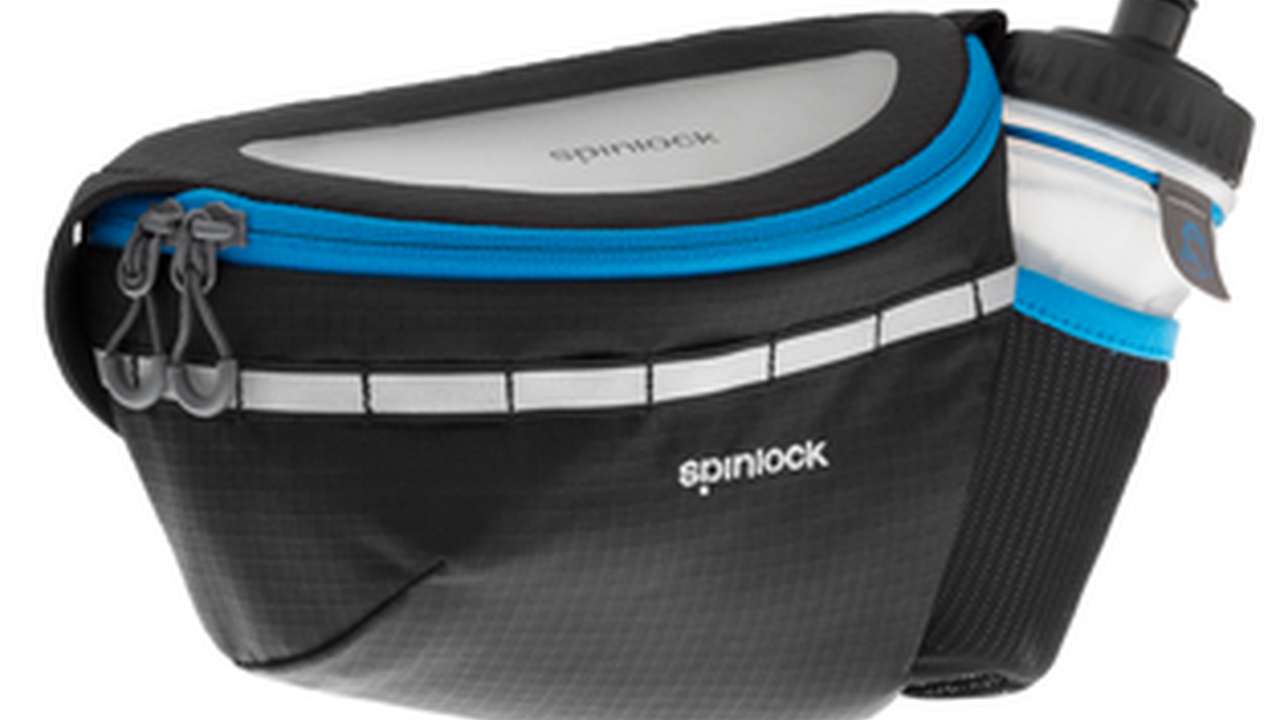
Indossa Explorer 2L o un Waterproof Pack nella posizione prevista insieme a giubbotto, imbrago e cerata. Controlla comando manuale, cinghia, HRS, cordone e apertura della camera. Il pack deve essere accessibile con una mano ma non pendere sulla clip di sicurezza. Simula gonfiaggio soltanto con attrezzatura didattica o procedura autorizzata, non attivando il dispositivo operativo. Se la collocazione interferisce, sposta il pack o riduci il contenuto; la protezione degli oggetti non può compromettere quella della persona.
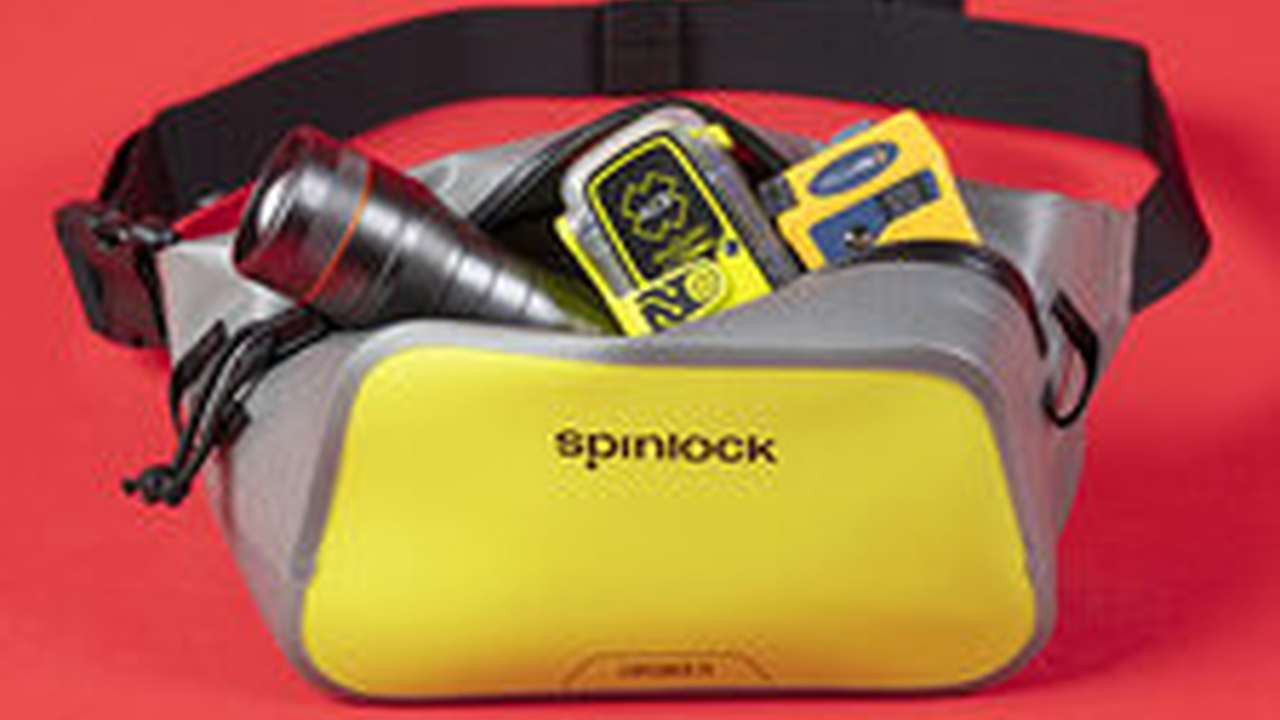
Radio e beacon passano un controllo separato
Verifica modello, batteria, scadenza, registrazione, autotest consentito, antenna e accessori. Il pack protegge ma non rende operativo un apparato scarico. Mantieni comandi e antenna liberi quando viene estratto. Un beacon personale deve restare assegnato e correttamente montato; una radio deve accendersi con le impostazioni previste senza trasmettere falsi allarmi. Dopo il test torna nella stessa posizione, fissata al cordino interno se appropriato. Registra l’esito fuori dalla semplice lista del contenuto.
Batterie sciolte vengono eliminate dalla sacca
Ogni cella di ricambio sta in custodia isolante con tipo, quantità e scadenza. Non mescolare chimiche, marche, età o livelli di carica. Proteggi terminali e separa le batterie da oggetti metallici. Se il contenitore viene compresso, scegli una zona che non schiacci celle o apparati. Una busta impermeabile non previene cortocircuiti e calore. Controlla anche le batterie interne di torce e radio per perdita o corrosione; un ricambio ossidato può contaminare l’intero modulo.
Medicinali e documenti richiedono aggiornamento
Confronta farmaci, dosi, allergie e date con l’equipaggio attuale, rispettando indicazioni sanitarie applicabili. Non utilizzare il grab bag come deposito permanente di medicinali sensibili a temperatura. Documenti e contatti vengono aggiornati e protetti in una busta distinta, con una copia separata. La finestra del pack mostra soltanto un cartellino di identificazione, non informazioni personali esposte. I fogli devono restare leggibili con mani bagnate e contenere istruzioni brevi, non un archivio amministrativo.
Acqua, alimenti e protezione termica vengono ruotati
Leggi scadenze, integrità e condizioni di stivaggio. Cerca confezioni gonfie, perdite e spigoli capaci di forare il tessuto. Distribuisci il peso e mantieni i primi oggetti accessibili sopra le riserve. Sostituisci ogni elemento prima di rimuovere quello vecchio, così il kit non resta incompleto. Il fabbisogno viene definito dal piano della barca e dalle dotazioni della zattera, non copiato da una lista generica. Registra massa e data di rotazione insieme all’inventario.
La massa viene misurata dopo la chiusura
Pesa ogni livello completo e verifica che la persona assegnata possa sollevarlo con giubbotto e guanti. Spallacci, sternum strap e maniglie devono essere integri e regolati. Explorer 35L offre una cinghia sternale, ma una capacità di 35 litri non autorizza a riempire fino al limite di forza dell’equipaggio. Se la massa è eccessiva, dividi contenuto e responsabilità. Annota il peso sulla scheda, perché aggiunte successive possono rendere invalida una prova effettuata mesi prima.
Tasche esterne e rete non ospitano elementi critici
La tasca esterna con zip e quella laterale in rete di Explorer 35L migliorano organizzazione e accesso, ma sono esposte a perdita e ambiente. Assegna loro oggetti non critici o temporanei, senza presumere la stessa protezione del vano principale. L’elastico esterno non trattiene una radio d’emergenza. Controlla zip, rete e bungee per strappi e impigliamenti. Prima dell’abbandono, una rapida scansione esterna deve confermare che nulla possa cadere durante il passaggio alla zattera.
Il fissaggio a bordo deve liberarsi con un gesto
La sacca non deve volare con lo sbandamento né restare intrappolata sotto altri carichi. Verifica posizione, ritenuta, maniglia e via di uscita. Prova il rilascio con una mano e guanti, senza rimuovere permanentemente la protezione. La marcatura deve essere visibile al buio con la luce disponibile. Controlla una seconda via se incendio o acqua rendono inaccessibile la principale. Il livello personale resta indossato proprio perché nessuna posizione di stivaggio è raggiungibile in tutti gli scenari.
La prova di trasporto trova urti e mani occupate
Con barca ferma e ambiente controllato, l’equipaggio percorre la via assegnata, mantiene appigli e consegna il bag a una seconda persona. Non lancia il contenitore operativo in acqua. Osserva se cinghie si impigliano, la zip viene premuta, il roll-top funge da presa impropria o il peso richiede due persone. Ripeti con luce ridotta. La procedura viene corretta finché la sacca arriva senza compromettere l’equilibrio e senza obbligare qualcuno a sganciare il proprio cordone di sicurezza.
Il sigillo segnala apertura, non sostituisce il controllo
Un sigillo numerato o una fascetta debole può indicare che il modulo è stato aperto, purché si rompa immediatamente in emergenza e non attraversi la chiusura impermeabile. Il numero viene registrato dopo ogni controllo. Un sigillo integro non prova batterie cariche, scadenze valide o assenza di perdita lenta. Mantieni quindi un calendario di verifica. Dopo un uso parziale, il bag passa a stato non pronto e viene ricostruito da lista, non richiuso contando gli oggetti a memoria.
La procedura chiude soltanto con un inventario coerente
Confronta quantità, posizione, test, scadenze, massa, prestazione del contenitore e persona assegnata. Fotografa i moduli aperti e chiusi, aggiorna il registro e conferma che ogni chiusura sia completata. Un oggetto mancante, una dichiarazione incerta, una zip difettosa o un roll-top troppo pieno producono esito non pronto. Il grab bag non è una borsa da dimenticare: è una dotazione composta, verificabile e distribuita, capace di conservare almeno le funzioni essenziali anche quando il modulo principale viene perso.