
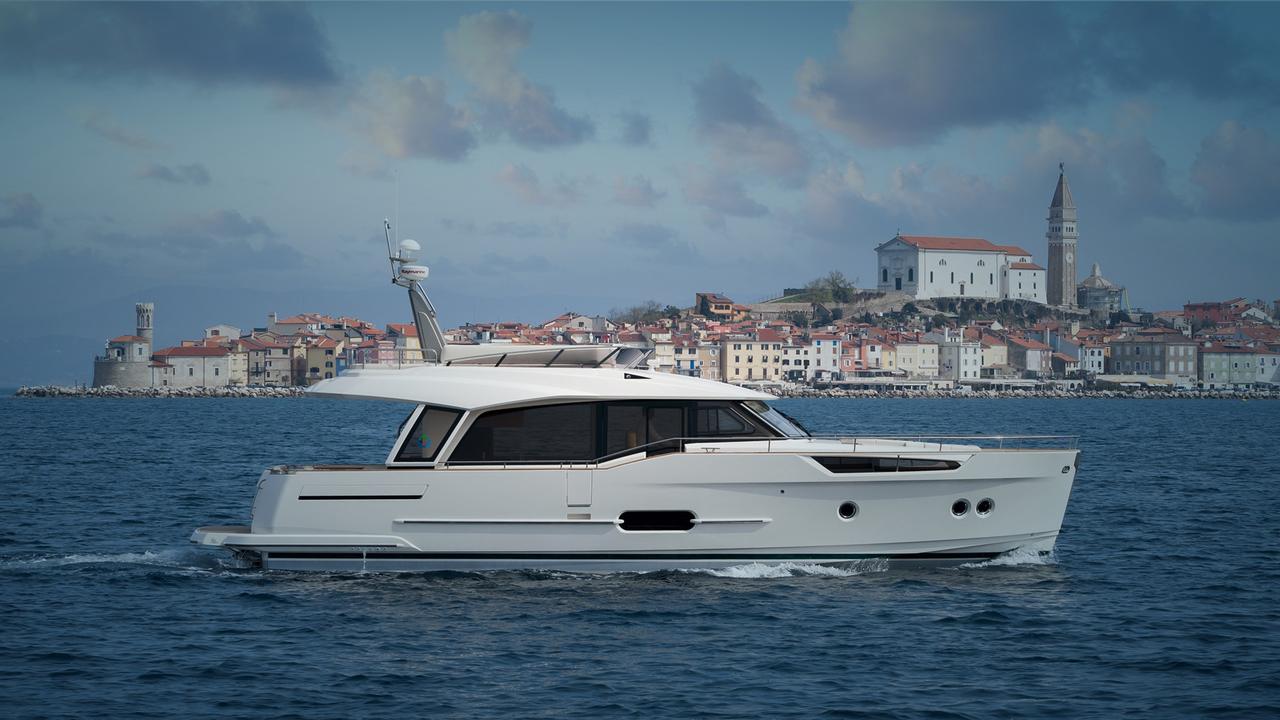
Il Greenline 48 Fly richiede una configurazione più ragionata di quella di un cruiser convenzionale. Nei suoi 15,97 metri può combinare due diesel Yanmar da 370 hp, H-Drive parallelo con due motori elettrici da 25 kW, accumulo fino a 80 kWh e fotovoltaico fino a 1,6 kW. La promessa di silenzio e autonomia energetica dipende però da come questi elementi sono dimensionati, installati e usati insieme.
Questa guida non descrive una prova in mare della redazione. Traduce i dati ufficiali in una verifiche per configurazione, collaudo e manutenzione. Prestazioni e autonomie dichiarate vanno confermate sul singolo esemplare, registrando carico, condizioni ambientali, stato della carena e servizi attivi.
Definire la missione prima degli optional
La scelta iniziale riguarda il profilo d’uso: trasferimenti diesel, permanenza in rada, navigazione elettrica costiera oppure combinazione dei tre. Da questa decisione discendono capacità dell’accumulo, superficie solare, climatizzazione, tender e dotazioni alberghiere. Aggiungere utenze senza aggiornare il bilancio può ridurre il vantaggio dell’ibrido. Il capitolato deve indicare per ogni componente peso, assorbimento, posizione, protezione e accesso manutentivo. Solo così autonomia, comfort e riserva energetica possono essere confrontati con obiettivi concreti.
Dati principali da confermare in consegna
| Voce | Dato ufficiale | Verifica operativa |
|---|---|---|
| Lunghezza / baglio | 15,97 / 4,80 m | Ormeggio, alaggio e ingombri contrattuali |
| Pescaggio a vuoto | 0,98 m | Rilevare la condizione a pieno carico |
| Dislocamento a vuoto | circa 13.800 kg | Aggiornare distinta con fluidi e optional |
| Carburante / acqua | 1.500 / 660 l | Tarare livelli e definire riserve |
| Acque nere | 2 × 80 l | Provare sensori, valvole e ventilazioni |
| Diesel indicati | 2 × Yanmar 370 hp | Confrontare diagnostica dei due lati |
| Velocità massima | fino a 25 kn | Solo con carico e condizioni documentati |
| Layout notte | 3 cabine, 6+2 posti | Verificare servizi e cabina skipper opzionale |
Distinta pesi e livelli dei serbatoi
Il dislocamento a vuoto non comprende la condizione reale di crociera. Gasolio, acqua, batterie, persone, cambusa, tender e attrezzature modificano massa e baricentro. Prima della prova si registrano livelli e carico, indicando anche la loro posizione. Ogni optional sul flybridge alza il centro di gravità e aggiunge superficie esposta al vento. Una distinta aggiornata consente di ripetere le misure e di capire se una variazione di assetto dipende dal mare, dalla carena o dalla configurazione.
H-Drive: verificare ogni stato operativo
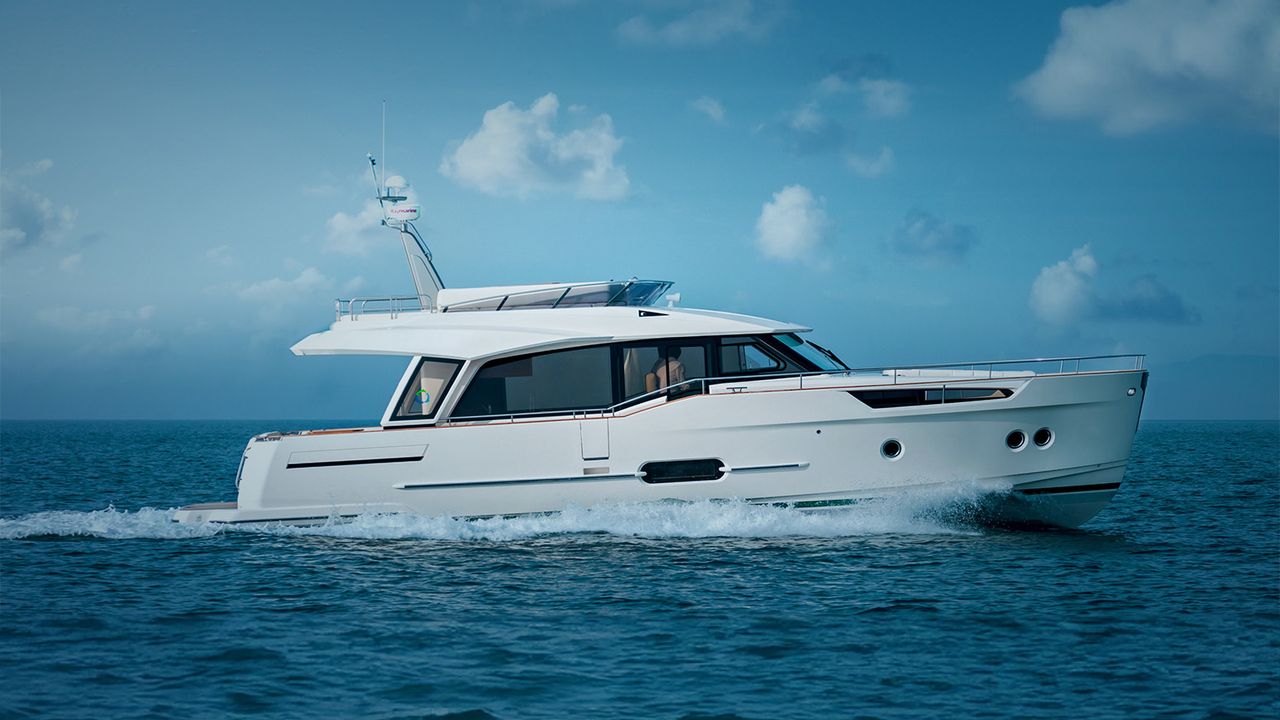
Nella configurazione ibrida parallela dichiarata, i due motori elettrici da 25 kW affiancano i diesel e lavorano anche nel sistema di generazione, con 20 kW dichiarati per lato. La consegna deve provare avvio elettrico, passaggio al diesel, ricarica, arresto e gestione dei servizi. Consensi e allarmi vanno annotati. I due lati devono rispondere in modo coerente, senza vibrazioni o temperature anomale. L’equipaggio deve saper riconoscere la modalità effettiva senza dipendere dalla presenza del tecnico.
Accumulo fino a 80 kWh
Un pacco al litio di questa taglia è un impianto primario. Si verificano capacità installata, energia utile, stato di salute, bilanciamento, temperature, contattori, fusibili, sensori e versioni software. Il vano deve rispettare ventilazione e accessibilità previste dal costruttore. La percentuale sul display non basta: occorre conoscere limiti di carica e scarica e comportamento quando il sistema protegge le celle. Storico degli allarmi e diagnostica devono entrare nel fascicolo dell’unità e accompagnare ogni intervento futuro.
Navigazione elettrica e riserva
Il costruttore indica fino a 35 miglia a cinque nodi e una velocità elettrica massima di sette nodi. Sono valori da contestualizzare con capacità installata, servizi attivi, mare e pulizia della carena. La prova misura energia prelevata per miglio a più regimi, non soltanto il tempo di funzionamento. Prima della partenza si definiscono soglia minima di carica e punto di passaggio al diesel. La previsione residua va confrontata con il consumo reale, includendo una riserva per manovra e servizi essenziali.
Fotovoltaico: potenza e produzione reale
La configurazione dichiarata comprende 500 W standard e può aggiungere 1.100 W sul flybridge, fino a 1,6 kW complessivi. La potenza nominale non coincide con l’energia giornaliera: ombre di antenne, temperatura, sale e orientamento cambiano la resa. Si controllano stringhe, connettori, regolatori, sezionamenti e protezioni. Durante il collaudo si confrontano produzione e irraggiamento in diverse ore. Una stringa degradata può ridurre il risultato senza fermare il sistema, quindi serve un valore di riferimento registrato.
Bilancio energetico in rada
Frigoriferi, cucina, illuminazione, pompe e climatizzazione devono essere provati insieme, perché il comfort dipende dalla contemporaneità dei carichi. Il bilancio distingue potenza di picco, consumo medio e durata prevista. Si verifica quando parte il generatore o la ricarica dai diesel e quali utenze vengono limitate. L’obiettivo non è evitare sempre il generatore, ma usarlo con una strategia verificabile. Una tabella a bordo deve indicare assorbimenti principali, autonomia stimata, soglie di allarme e procedure per preservare navigazione e servizi essenziali.
Due Yanmar da 370 hp
La componente termica sostiene la crociera prolungata e la velocità massima dichiarata fino a 25 nodi. Il controllo parte con avviamento a freddo e confronto di giri, pressioni, temperature, fumosità e tensioni. Sotto carico si registrano consumi e dati diagnostici dei due lati. Filtri, prese a mare, scambiatori e scarichi devono rimanere accessibili. Analisi di olio e refrigerante, insieme allo storico, aiutano a distinguere manutenzione ordinaria da usura. Il sistema ibrido non riduce l’importanza di supporti, giunti e allineamento.
Prova per regimi e curva dell’esemplare
Una sola velocità non descrive una carena chiamata a lavorare da cinque a 25 nodi. La prova procede per punti stabilizzati, annotando giri, velocità, consumo, assetto, rumore e condizioni. Alle basse andature si osservano direzionalità e resistenza; aumentando il regime, sostegno della poppa, visibilità e spruzzi. La curva ottenuta individua l’andatura efficiente dell’unità e consente di confrontare le successive stagioni. Ogni risultato deve riportare carico e modalità energetica, altrimenti il confronto perde significato.
Locale macchine e accessibilità
Diesel, moduli elettrici, raffreddamento, generatori, filtri e circuiti ausiliari condividono uno spazio che deve restare lavorabile. Si simula l’accesso a giranti, valvole, arresti, filtri e punti diagnostici. Illuminazione, ventilazione e pavimento devono permettere ispezioni sicure. Durante la prova si confrontano temperature dei componenti simmetrici e si cercano trafilamenti o sfregamenti. Cablaggi ad alta e bassa tensione devono essere identificati e protetti. La pulizia ha valore solo se rende subito visibile una perdita.
Raffreddamento delle linee ibride
Diesel, motori elettrici, inverter e batterie possono avere esigenze termiche diverse. La sequenza di verifiche identifica circuiti, pompe, filtri e sensori, poi verifica temperature durante elettrico, diesel e ricarica. Un sistema che funziona a bassa potenza può mostrare un limite soltanto durante una transizione prolungata o con servizi attivi. Dopo lo spegnimento si osserva il calore residuo. Allarmi e limiti devono essere spiegati all’equipaggio, insieme alla procedura che evita di trasformare una protezione automatica in perdita inattesa di disponibilità.
Acqua dolce e acque nere
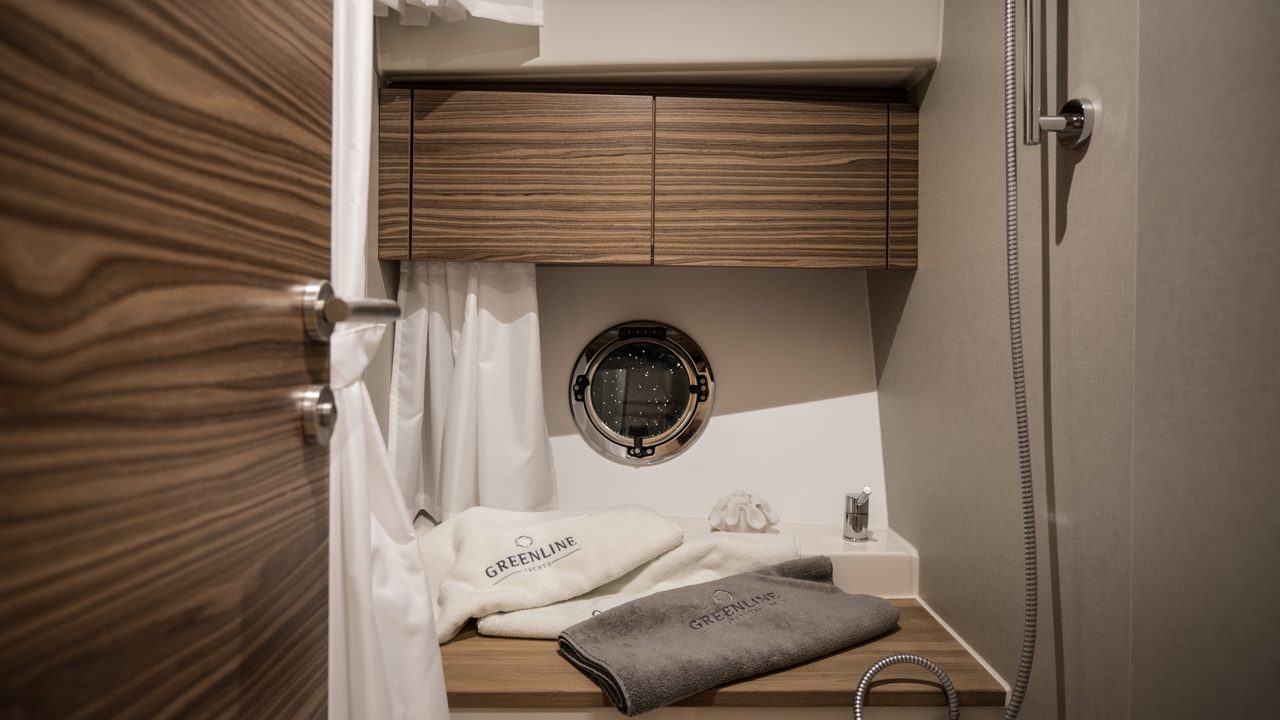
I 660 litri d’acqua servono cabine, cucina e lavaggi, mentre le acque nere sono raccolte in due serbatoi da 80 litri. Si provano indicatori, pompe, boiler, docce, valvole e ventilazioni con più utenze contemporanee. Le sentine devono restare asciutte e una pompa non deve ciclare senza richiesta. Capacità nominale e autonomia dipendono dal numero di ospiti. Il piano di bordo include punti di isolamento, ricambi e procedura per un sensore guasto, evitando aperture o scarichi non consentiti.
Cucina e apparecchi domestici
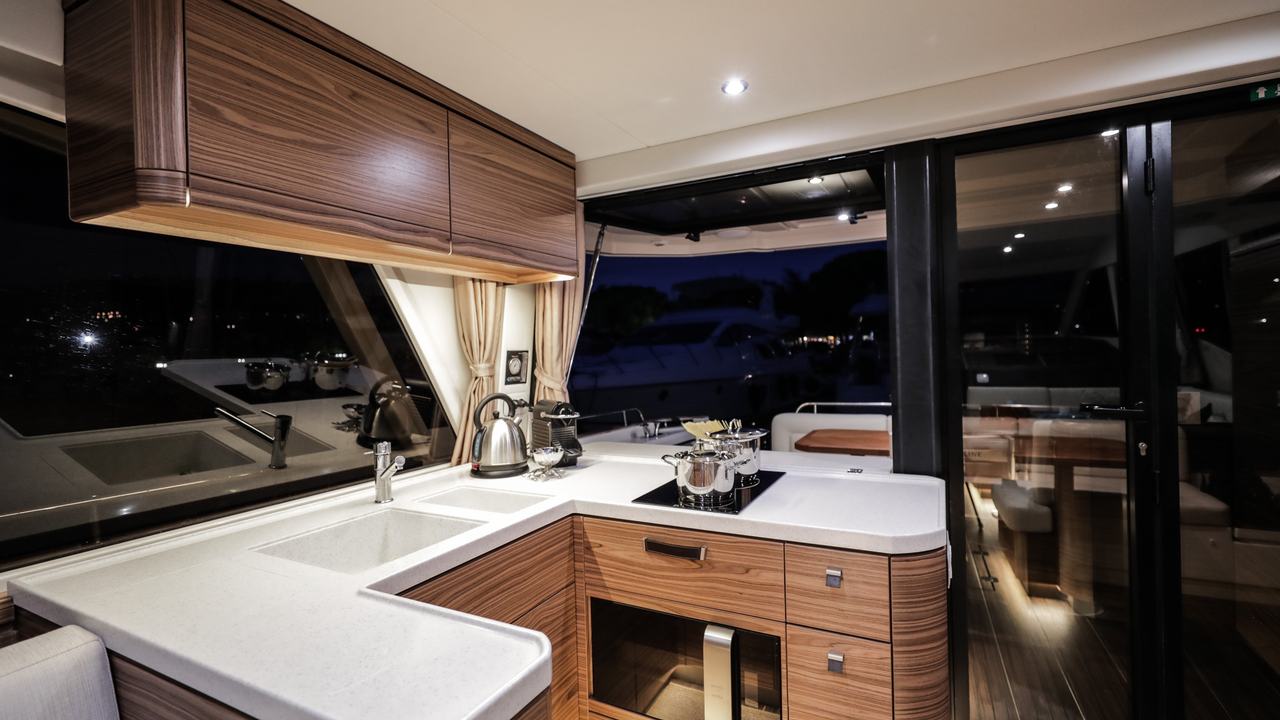
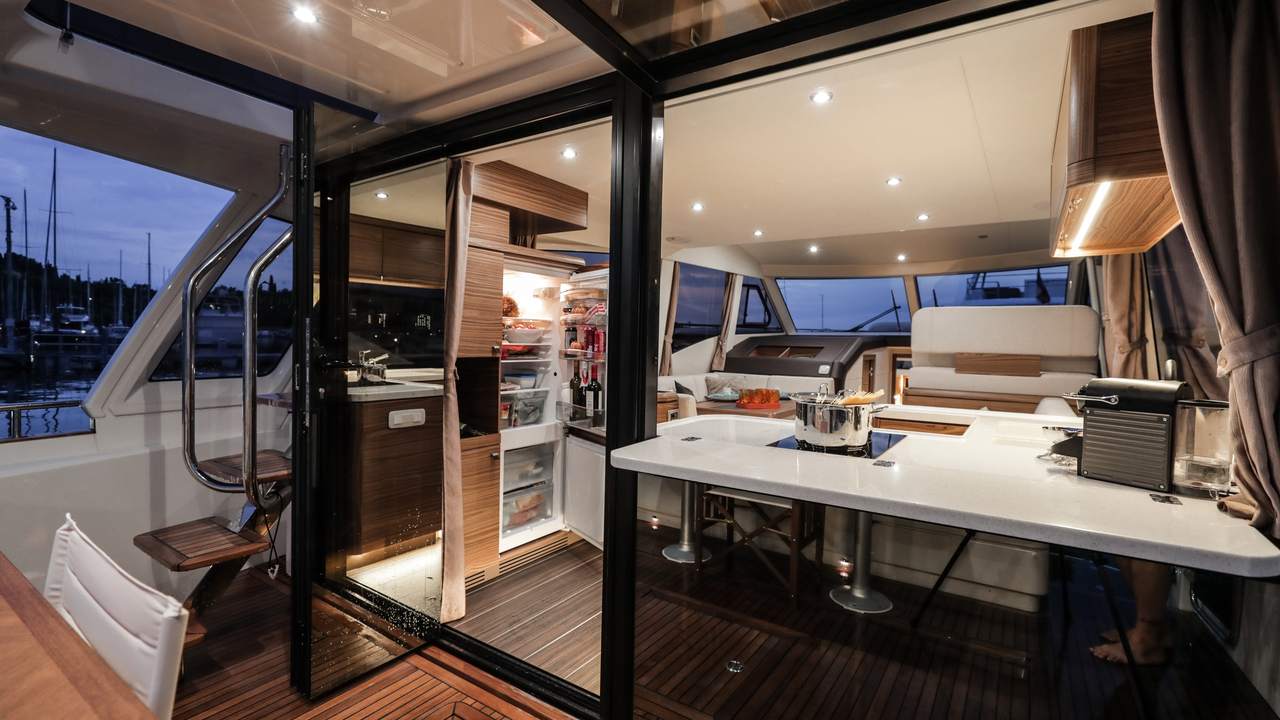
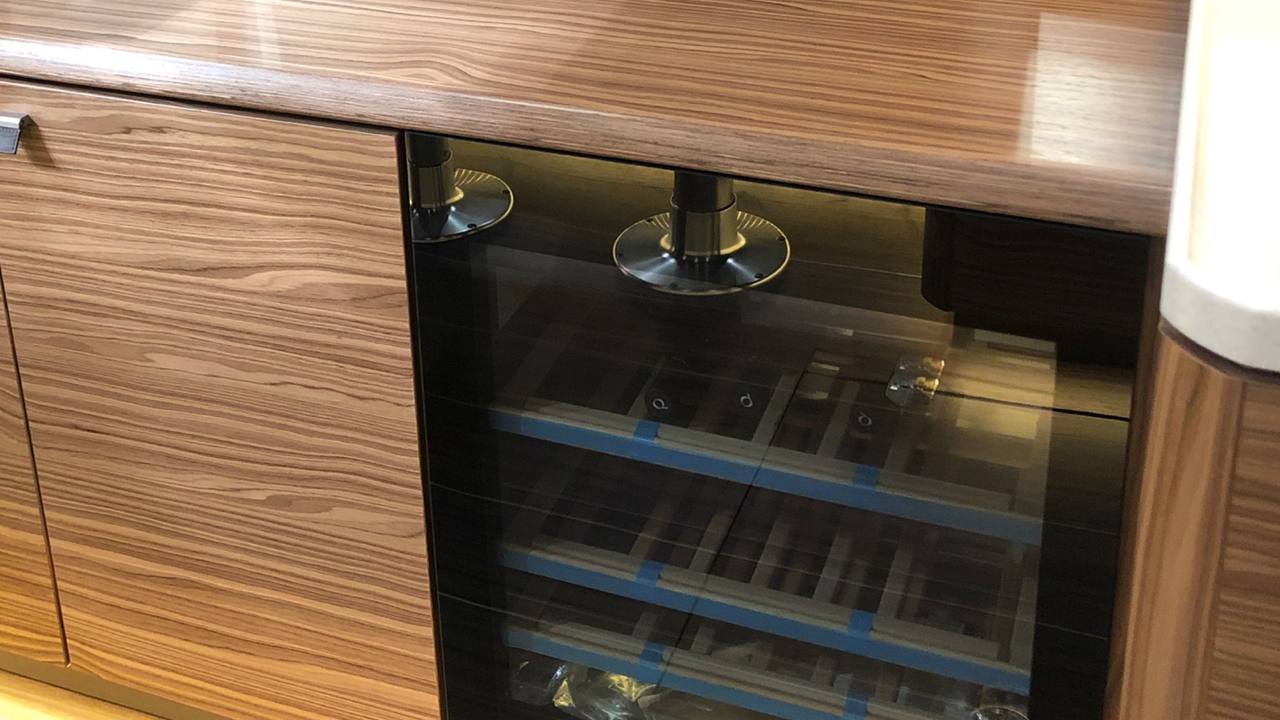
La cucina è parte del concetto abitativo del 48 Fly, ma gli apparecchi devono funzionare in un ambiente mobile. Frigoriferi, cottura e prese si provano nel bilancio reale, verificando fermi, ventilazione e protezioni. Cassetti e sportelli devono bloccarsi senza impedire l’accesso rapido. Gli scarichi vanno controllati con la barca nelle condizioni previste. Eventuali cantinette o apparecchi aggiuntivi aumentano consumo e calore: devono comparire nella distinta, non essere trattati come elementi neutrali.
Tre cabine e cabina skipper opzionale
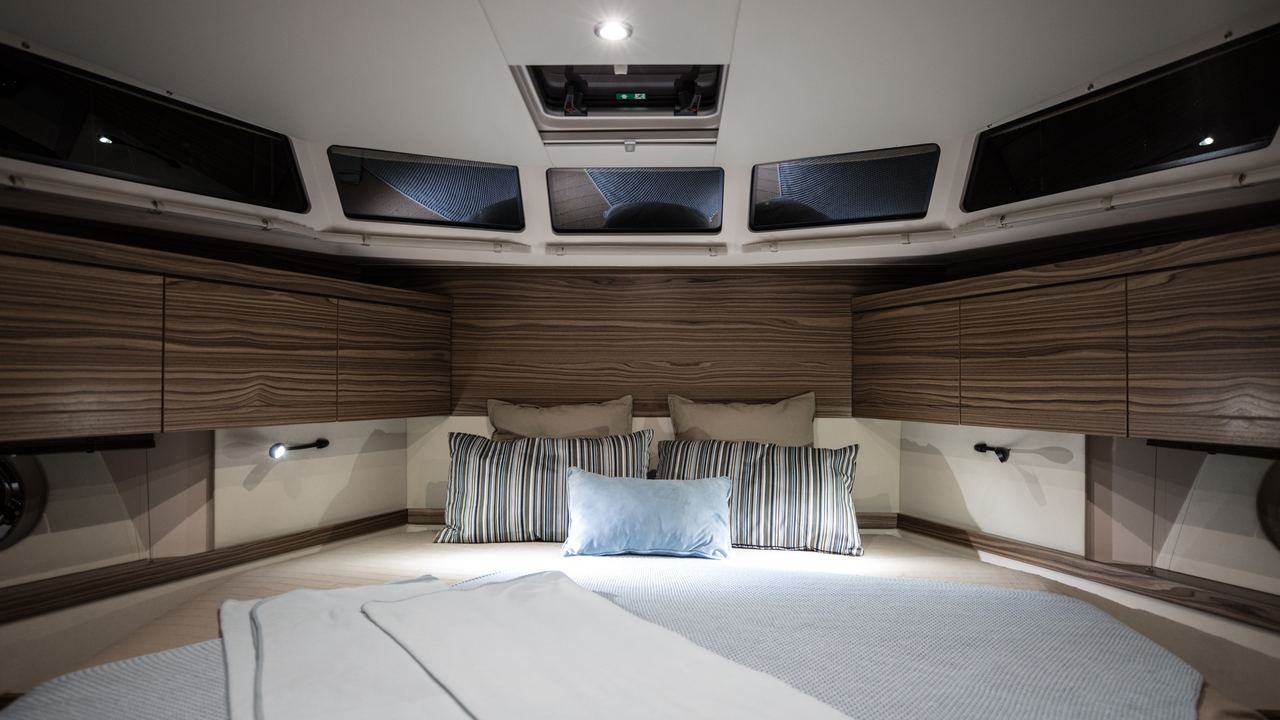
Il layout dichiarato offre tre cabine, sei posti permanenti e due posti aggiuntivi nel salone; può essere prevista una sistemazione per lo skipper. Ogni ambiente si collauda con climatizzazione, illuminazione, pompe e ventilazione in funzione. Portelli, oscuranti e vie d’uscita devono restare accessibili. Ante e cassetti richiedono fermi positivi. La qualità del riposo si valuta con generatori e servizi attivi, perché rumore e vibrazioni possono emergere soltanto nella configurazione notturna e non durante una visita a impianti spenti.
Flybridge e seconda postazione
Il ponte superiore riunisce guida, sedute, prendisole e fotovoltaico opzionale. Si controllano drenaggi, basi delle attrezzature, scala, antisdrucciolo e tientibene. La seconda postazione deve mostrare dati e allarmi coerenti con quella interna; commutazione e priorità dei comandi vanno provate. Tavoli, cuscini e sportelli devono avere fermi efficaci. Antenne, hard-top e apparecchi non devono creare ombre evitabili sui pannelli né ostacolare la visuale nelle manovre.
Pozzetto, poppa e passaggi esterni
La continuità tra salone e pozzetto favorisce l’uso familiare, ma la trasformazione non deve ostruire bitte, piattaforma e accessi. Porte, tavoli e sedute si provano in tutte le posizioni; drenaggi e guarnizioni vengono testati con acqua. Nei passavanti si verificano larghezza utile, appigli e antisdrucciolo con coperta bagnata. A poppa occorre una procedura per tender e piattaforma, se installati, con limiti di peso, punti di fissaggio e modalità manuale in caso di perdita di alimentazione.
Plancia e monitoraggio integrato
Propulsione, energia, navigazione e servizi devono rimanere leggibili senza sovraccaricare chi conduce. La prova comprende luminosità, pagine essenziali, priorità degli allarmi, perdita simulata di una sorgente e coerenza tra le due postazioni. Percentuale batteria, flussi di potenza e autonomia prevista vanno confrontati con misure reali. Manuali e versioni software devono essere registrati. Un display elegante non compensa sensori non tarati o allarmi ambigui: l’equipaggio deve sapere quale dato usare per decidere.
Variante E-Drive: capitolato separato
La variante elettrica non deve essere confusa con l’H-Drive parallelo. Potenza, capacità, ricarica, autonomia e limiti operativi richiedono un capitolato specifico dell’unità. Prima dell’acquisto si verificano infrastruttura disponibile nei porti, tempi di carica, compatibilità delle connessioni e assistenza. Le prove includono comportamento a diversi stati di carica e gestione termica. I dati della versione ibrida non vanno trasferiti automaticamente alla versione elettrica, così come una dotazione mostrata in materiale promozionale non va considerata installata senza conferma contrattuale.
sequenza di verifiche documentale di consegna
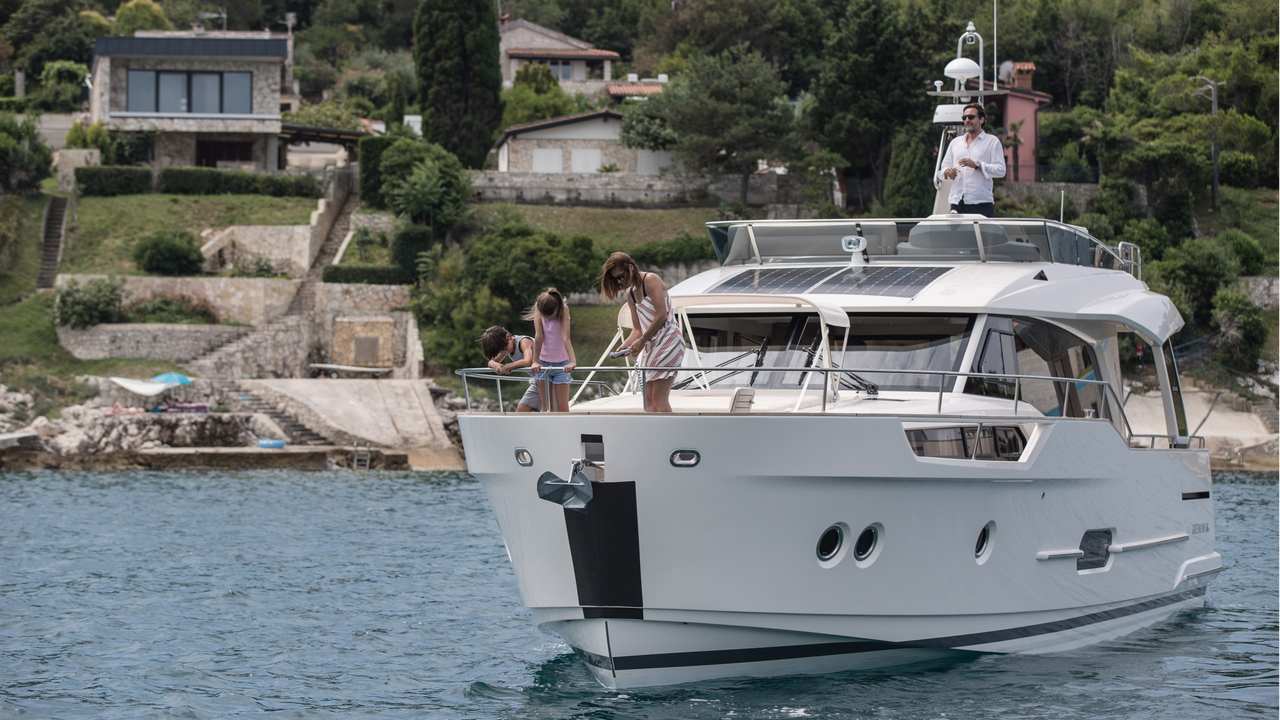
Il fascicolo finale comprende distinta dell’unità, pesi, numeri di serie, schemi, manuali, certificazioni, diagnostica, versioni software e risultati delle prove. Ogni anomalia ha responsabile, scadenza e verifica dopo la correzione. L’equipaggio ripete accensione, transizioni, isolamento, gestione degli allarmi e procedure d’emergenza. I dati non restano sul terminale del tecnico: vengono consegnati in formato consultabile. Solo una documentazione completa permette di mantenere l’integrazione tra meccanica, alta tensione e servizi durante i passaggi di proprietà o assistenza.
Manutenzione per ore, cicli e calendario
I diesel seguono ore e calendario; le batterie anche cicli, temperature e stato di salute; pannelli e connettori richiedono pulizia e ispezione. Pompe, guarnizioni, estintori e valvole invecchiano anche a barca ferma. Il piano deve unire queste scale senza duplicare o dimenticare attività. Fotografie, analisi dei fluidi, curve di prova e storico degli allarmi formano una linea base. Una variazione di consumo o temperatura diventa così un segnale misurabile, non una sensazione riferita dopo il guasto.
Valutazione finale della configurazione
Il Greenline 48 Fly è convincente quando la configurazione resta coerente con la missione. Tre cabine, 1.500 litri di carburante, accumulo fino a 80 kWh e solare fino a 1,6 kW offrono molte possibilità, ma ciascuna aggiunge verifiche. La scelta migliore non massimizza ogni voce: bilancia peso, produzione, consumo e accessibilità. Un collaudo che misura transizioni, energia per miglio e contemporaneità dei servizi trasforma le dichiarazioni ufficiali in strumenti utili per l’armatore.