
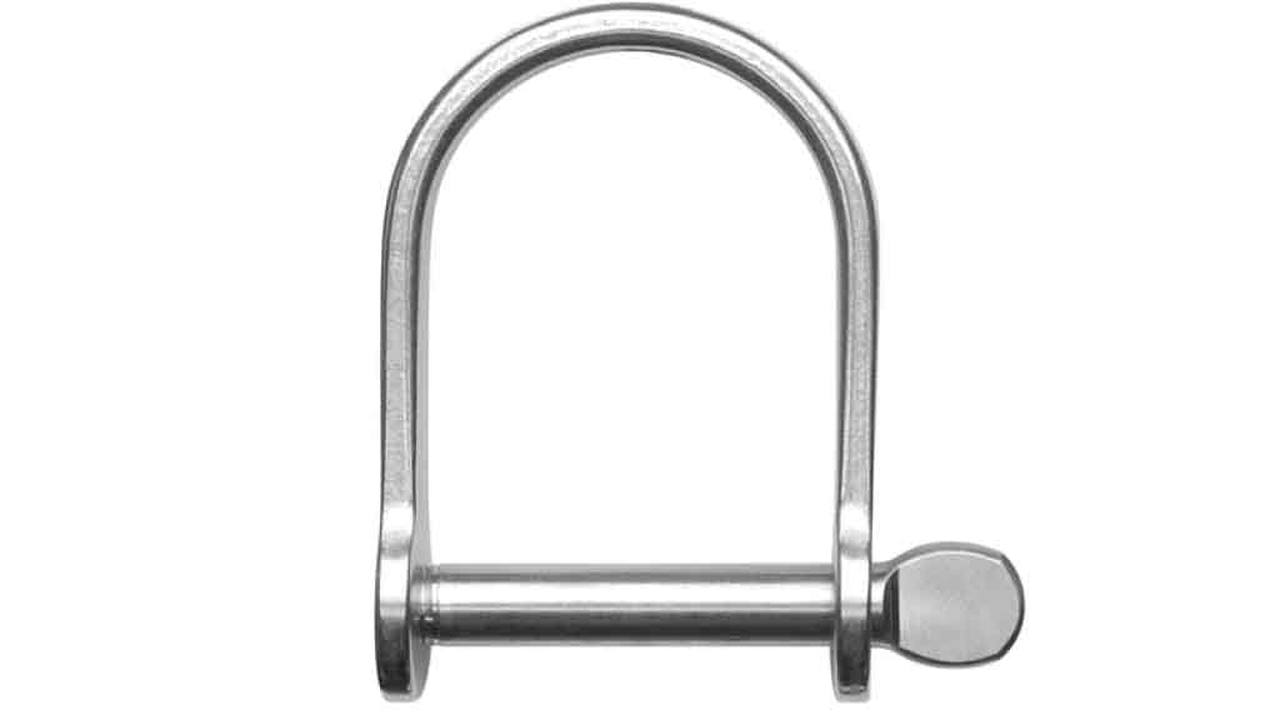
Un perno che gira e rientra nella filettatura può dare una falsa sensazione di efficienza. Il grillo può essere sporco, deformato, caricato di lato o abbinato a un terminale che concentra il tiro in pochi millimetri; può persino apparire perfetto a riposo e cambiare assetto appena la manovra va in tensione. La diagnosi utile non si limita a “apre o non apre”. Ricostruisce forma, codice, direzione del carico e storia del componente, distinguendo ciò che si può pulire da ciò che deve essere ritirato.
Il primo segnale è la posizione sotto carico
Prima di smontare, si osserva come il collegamento si orienta nella normale manovra, senza avvicinarsi a parti in tensione e senza eseguire prove pericolose. Il terminale dovrebbe appoggiare nella zona prevista e il corpo non dovrebbe essere trascinato contro spigoli, lande o guance. Una posizione obliqua racconta un problema di geometria, non di lubrificazione. Fotografare l’assetto permette di confrontarlo dopo lo scarico e impedisce che l’assestamento a vuoto cancelli l’indizio più importante.
La chiusura fluida non prova la capacità del collegamento
Il filetto può sembrare regolare mentre il corpo ha subito un sovraccarico, oppure il perno può chiudere senza raggiungere l’appoggio corretto. Per questo si separano funzione meccanica e idoneità strutturale. La prima riguarda apertura, corsa e serraggio; la seconda richiede codice leggibile, forma non alterata, superfici sane e compatibilità con il carico. Se manca la tracciabilità o una zona non è ispezionabile, non si inventa un giudizio positivo basato soltanto sulla sensazione della mano.
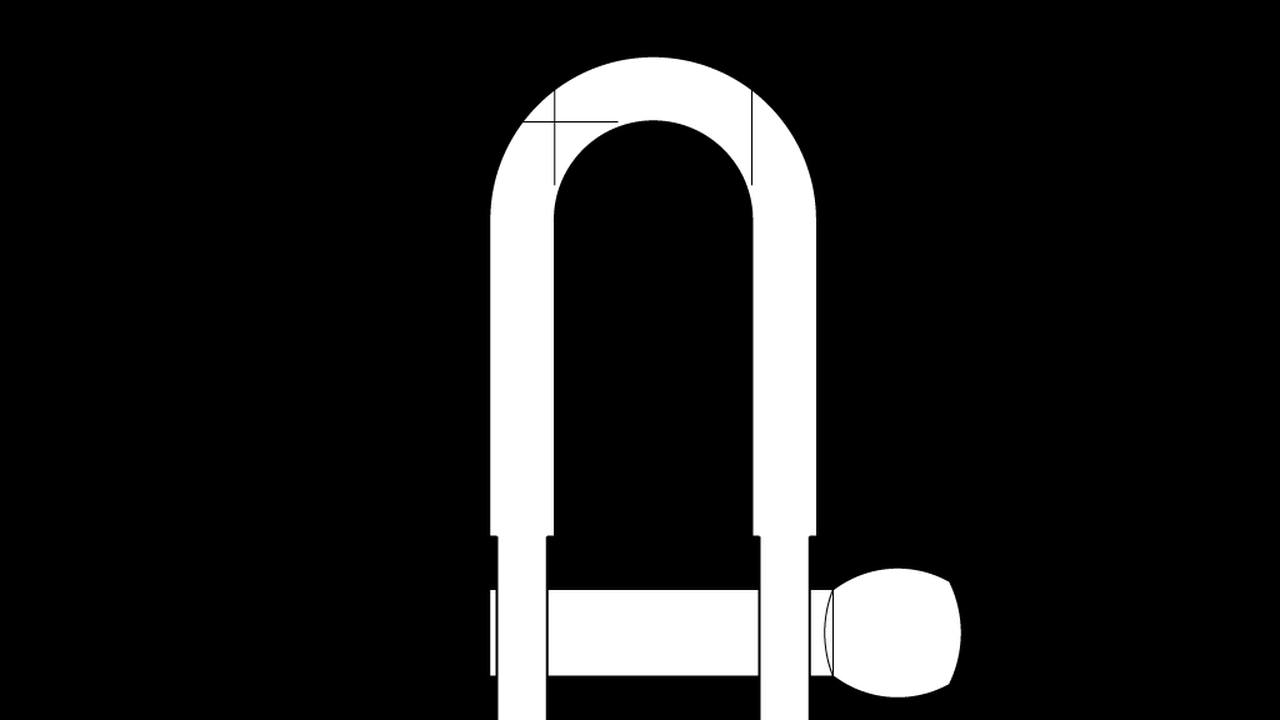
Il contatto puntuale lascia una firma riconoscibile
Quando un occhio stretto insiste al centro di un perno largo, la pressione si concentra e può lasciare una fascia lucida, un’impronta o una bava localizzata. Ronstan distingue esplicitamente, per il wide D RF1853, il carico di rottura con forza puntuale da quello con forza distribuita: circa 2.430 contro 5.070 libbre. Non si usano questi numeri per valutare a posteriori un componente danneggiato; servono a capire perché la larghezza del contatto cambia radicalmente il comportamento dell’insieme.
Le guance segnate denunciano un tiro laterale
Strisciate asimmetriche sui fianchi, lucidatura su un solo raccordo o perno che tende a inclinarsi indicano che il grillo non lavora nel piano previsto. La causa può essere una landa ruotata, una gassa troppo larga o una manovra che cambia direzione. Passare a un bow più ampio non è automaticamente la cura: occorre ricostruire le posizioni estreme e scegliere una forma coerente. Un twisted corregge uno sfalsamento fisso; uno swivel serve quando la rotazione deve essere libera e prevista.
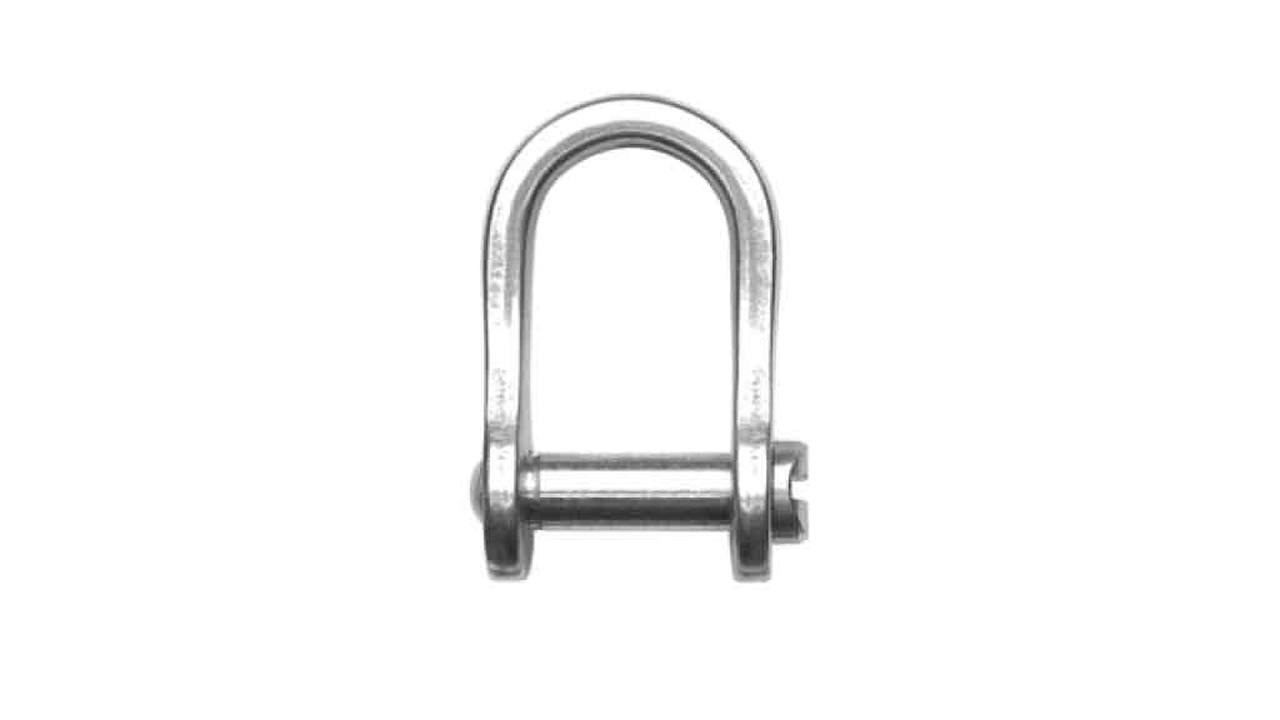
Il codice dedicato non va sostituito per somiglianza
RF150 è documentato come grillo per l’avvolgitore Ronstan Series 60, con un carico di rottura verticale dichiarato di 1.500 chilogrammi. Il dato centrale è la destinazione specifica: un pezzo collegato a un furler appartiene a una configurazione e non diventa un grillo universale. Se durante l’ispezione compare un codice differente da quello previsto, si verifica la distinta del sistema prima di qualunque rimontaggio. Somiglianza, diametro apparente e facilità di chiusura non dimostrano la compatibilità.
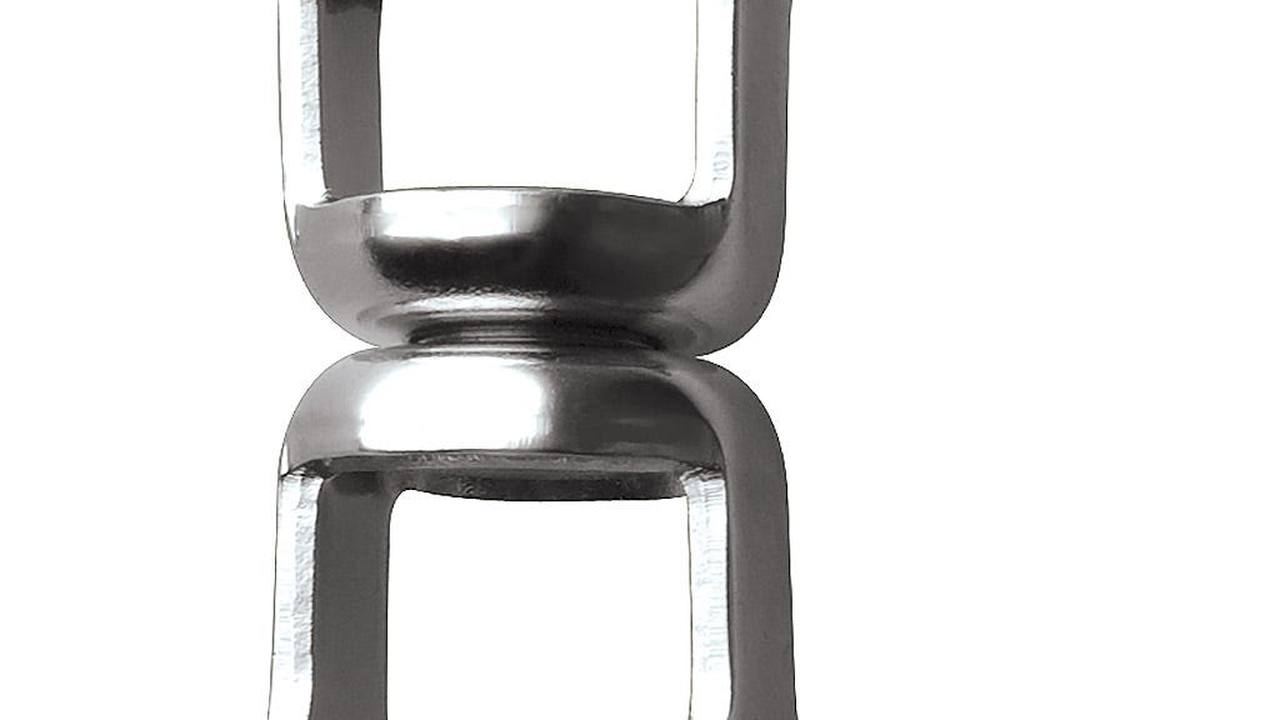
Un corpo girevole non assorbe ogni disallineamento
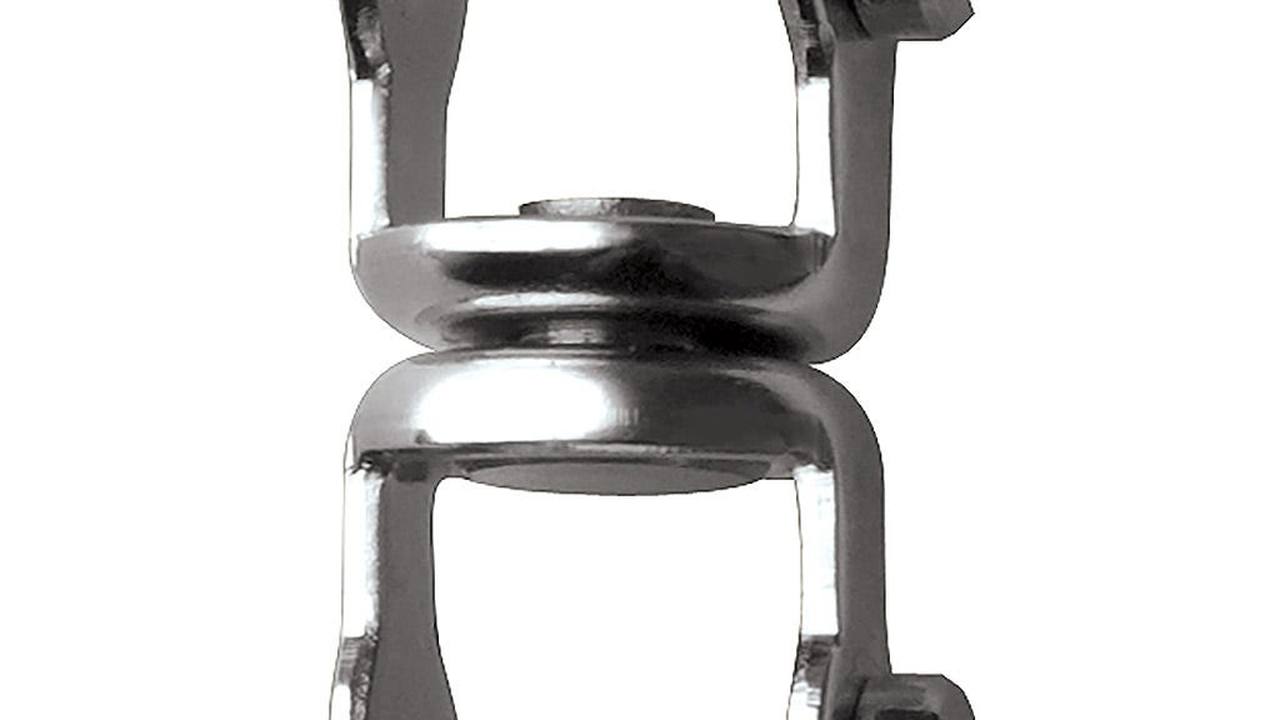
RF120 è un grillo girevole in acciaio inossidabile con perni da 3/16 di pollice a testa coniata. Lo swivel consente una rotazione definita dalla costruzione, ma non rende innocui un tiro trasversale, un appoggio su spigolo o una torsione bloccata dalla ferramenta vicina. Durante la diagnosi si controlla che la rotazione sia libera nella corsa utile e che non serva a mascherare un attacco mal orientato. Gioco anomalo, impuntamenti o segni discontinui richiedono valutazione e possibile ritiro.
Il filetto racconta sporco, deformazione e montaggi forzati
Sale, sabbia e residui possono rendere il perno duro; un primo lavaggio con acqua dolce permette di capire se la resistenza è contaminazione superficiale. Se resta un punto duro nella stessa posizione, compaiono trucioli o serve forza per avanzare, non si insiste con una leva. Filetto incrociato, corpo fuori squadra e perno piegato possono produrre sintomi simili. L’uso di pinze sulla testa aggiunge nuovi segni e confonde la diagnosi, oltre a danneggiare l’interfaccia dell’utensile corretto.
La testa del perno indica anche la procedura prevista
Una testa coniata, una testa intagliata e un foro per seizing richiedono gesti differenti. RF1320R offre sedi per piccoli perni coniati o slotted e una punta a cacciavite, evitando utensili sproporzionati. Se la testa è arrotondata, scheggiata o tanto segnata da non trattenere più la chiave, la difficoltà non si risolve aumentando la forza. Si documenta lo stato e si segue la procedura di sostituzione applicabile, controllando anche la parte femmina che potrebbe avere subito lo stesso montaggio forzato.
Il foro di seizing vuoto è un’anomalia di configurazione
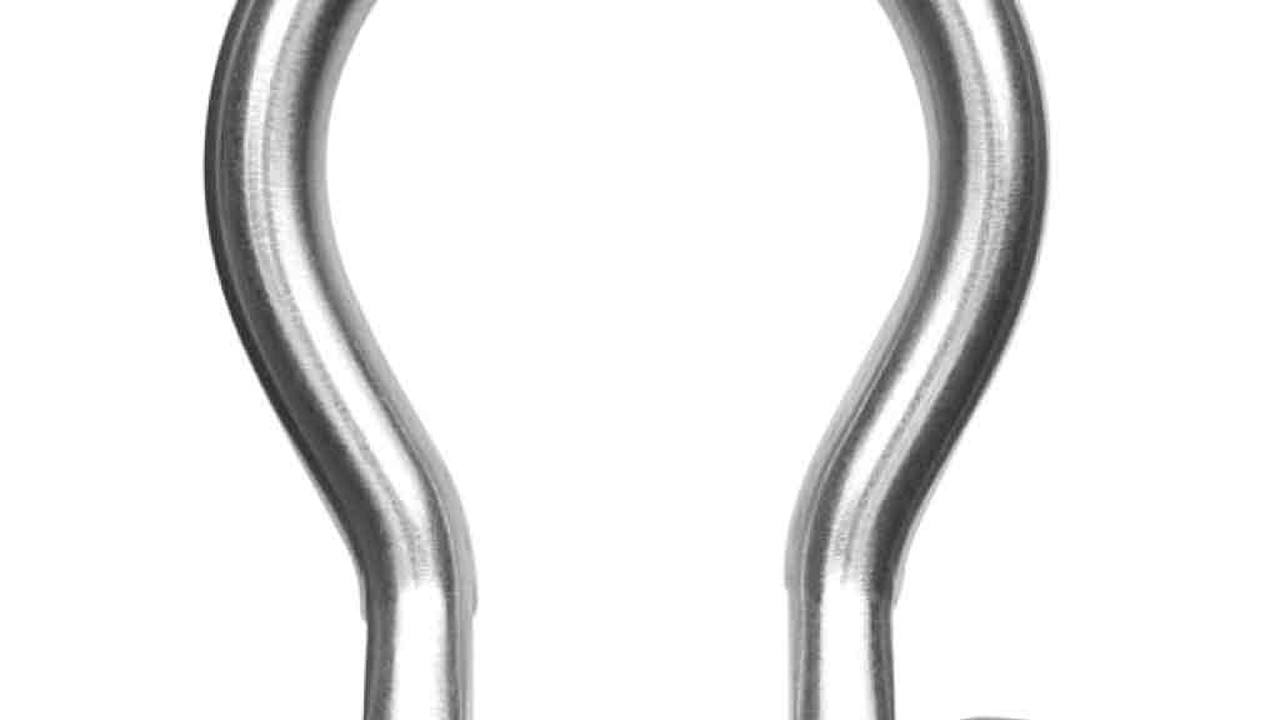
RF637 è un bow shackle da 3/8 di pollice con testa coniata e foro destinato al filo di sicurezza. Se la distinta richiede il seizing e il foro è vuoto, il collegamento non è completo anche se il perno sembra serrato. Se il filo esiste, si controllano integrità, percorso e assenza di estremità taglienti. Materiale o avvolgimento improvvisati possono ostacolare l’apertura o trattenere sporco. Prima di ripristinare si chiarisce perché la sicurezza è scomparsa, altrimenti il difetto può ripetersi.
La tabella collega il sintomo alla verifica corretta
| Sintomo | Ipotesi principale | Verifica utile | Decisione prudente |
|---|---|---|---|
| Punto duro nel filetto | Sporco, filetto incrociato o deformazione | Lavaggio, esame visivo e confronto del perno | Non forzare |
| Segno al centro del perno | Contatto puntuale | Larghezza e forma del terminale | Rivedere l’interfaccia |
| Usura su un fianco | Carico laterale | Assetto nelle posizioni estreme | Correggere la geometria |
| Foro di sicurezza vuoto | Seizing mancante | Distinta e procedura del sistema | Ripristinare solo come prescritto |
| Fibre tessili pelose o tagliate | Abrasione o spigolo | Superfici di contatto e storia | Ritirare se dubbio |
Le macchie non si interpretano tutte allo stesso modo
I grilli standard Ronstan sono descritti con corpi e perni in acciaio inossidabile di grado 316. Una macchia superficiale può derivare da contaminazione ferrosa, mentre un attacco localizzato, una cavità o una linea in prossimità del raccordo meritano un giudizio molto più severo. Si pulisce soltanto con metodi compatibili e si riesamina in buona luce. Non si lucida aggressivamente per far sparire la prova. La fotografia prima della pulizia conserva distribuzione e colore utili a ricostruire ambiente e ristagno.
Il soft shackle richiede un altro vocabolario diagnostico
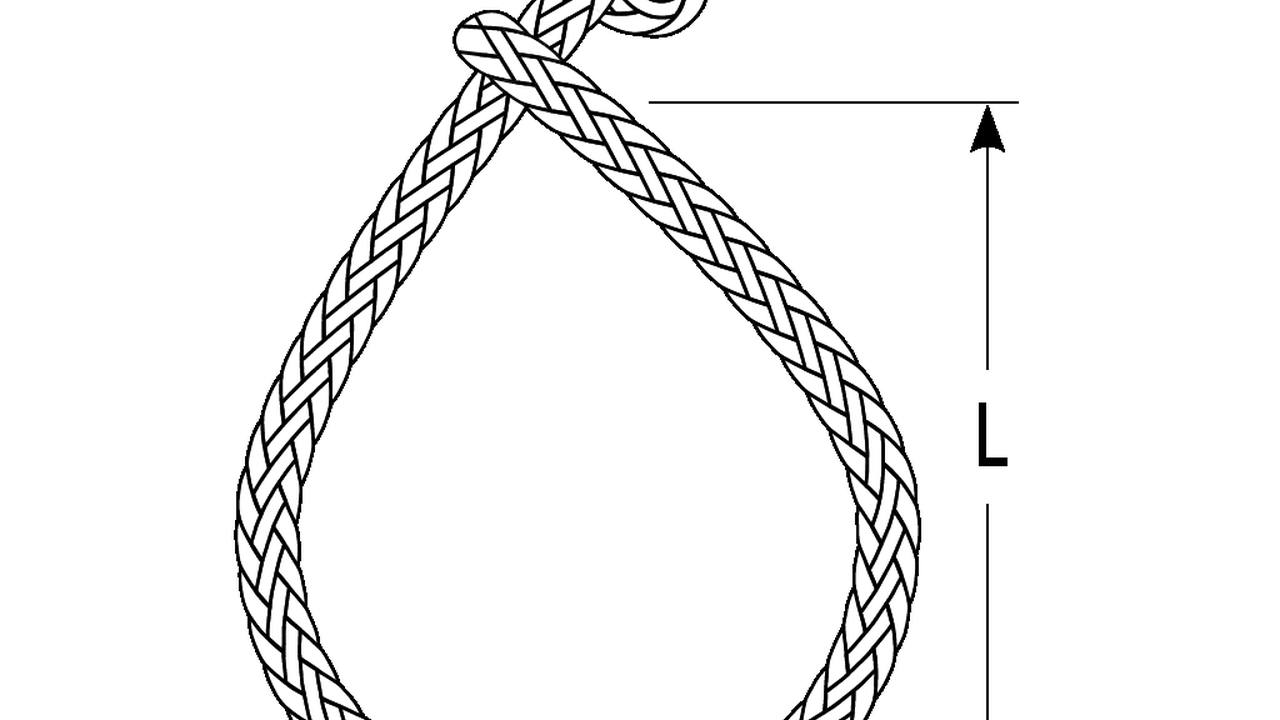
DSH-12GRY è un soft shackle da 12 millimetri per 70 millimetri, con massa dichiarata di 24 grammi e carico di rottura verticale pubblicato di 5.000 chilogrammi quando nuovo. Ronstan precisa che usura, raggi ultravioletti e fatica riducono le prestazioni e richiede superfici lisce, arrotondate e prive di bave. Qui non si cercano ruggine o filetto duro: si osservano fibre tagliate, peluria concentrata, perdita di rivestimento, schiacciamenti e condizioni del nodo e della linea di apertura.
Il valore del soft shackle vale per il prodotto nuovo
Attribuire al tessile usato il carico pubblicato per il nuovo è un errore. La storia di esposizione e i cicli di carico spesso non sono ricostruibili con precisione, quindi l’ispezione visuale è necessaria ma non onnisciente. Se il componente ha lavorato su uno spigolo, ha subito un sovraccarico o mostra danno non classificabile, viene ritirato. Lavaggio e asciugatura seguono le indicazioni applicabili; calore, solventi e marcature improvvisate possono alterare le fibre o nascondere i segnali.
Un twisted fuori verso si riconosce dalla torsione residua
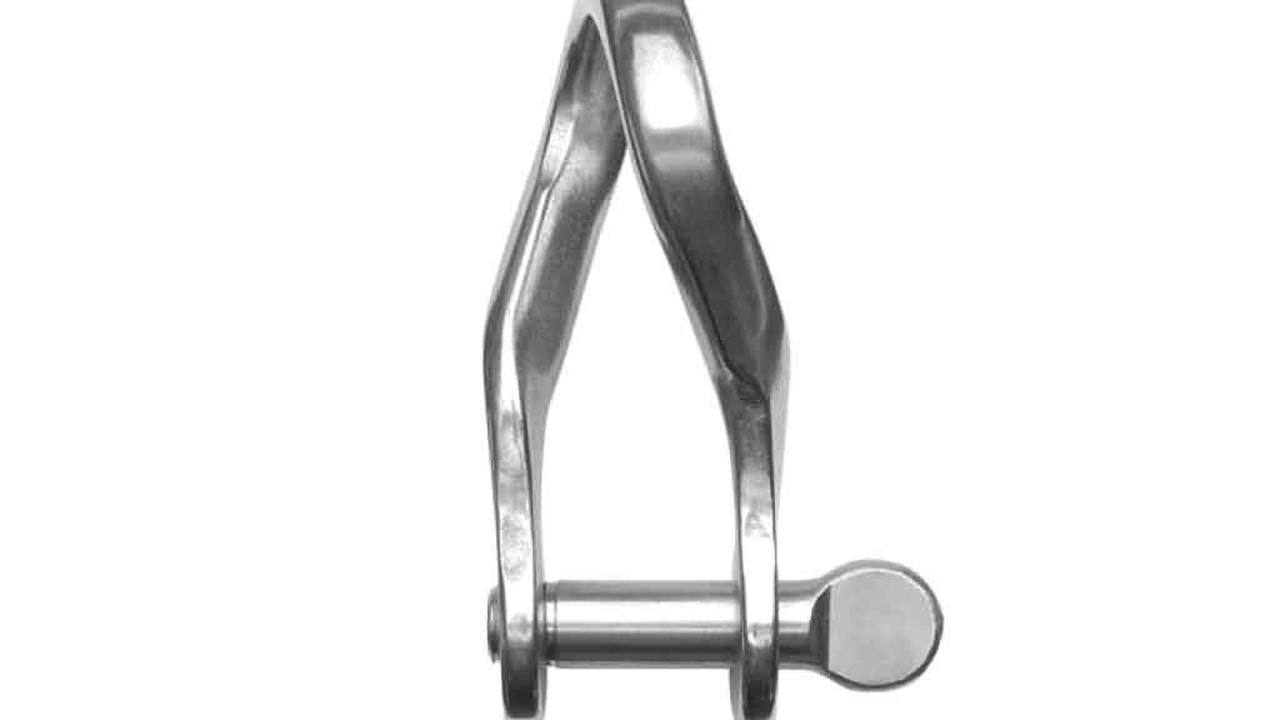
RF629 è un grillo twisted con perno da 1/4 di pollice a testa coniata. La torsione incorporata serve a mettere in relazione due piani determinati. Se montato al contrario o in un collegamento che ruota, può lasciare una coppia permanente: cima e ferramenta cercano di tornare, il corpo appoggia da un lato e il perno riceve un carico non ordinato. A vuoto si osserva dove il sistema vuole assestarsi; sotto condizioni controllate si confronta l’orientamento previsto dalla configurazione.
La deformazione si cerca con confronti, non a memoria
Un’apertura leggermente diversa, un perno che non attraversa più senza attrito o due fianchi non paralleli possono essere difficili da riconoscere su un pezzo singolo. Lo schema ufficiale e, quando disponibile, un componente nuovo dello stesso codice aiutano il confronto senza diventare strumenti di raddrizzatura. Non si rimette in forma un grillo a bordo: una deformazione permanente dimostra che il materiale ha superato il comportamento previsto o ha ricevuto un carico anomalo. La causa va individuata prima di installare il ricambio.
La bava sul terminale può essere la vera origine
Sostituire il grillo senza esaminare le parti collegate prepara il danno successivo. Si passa un controllo visivo e tattile sulle superfici accessibili e scariche, cercando spigoli, ovalizzazione, scanalature e corpi estranei. Per un soft shackle basta una bava per tagliare progressivamente le fibre; per l’acciaio un occhio ovalizzato può concentrare il tiro. Non si prova la superficie con le dita vicino a parti taglienti o in tensione: il componente viene reso sicuro e smontato secondo la procedura.
Il serraggio non deve diventare una gara di forza
Il perno deve raggiungere la posizione prevista senza filetto incrociato e senza utensili che moltiplichino una forza non controllata. Un serraggio eccessivo può rendere impossibile lo smontaggio e danneggiare testa o filettatura; uno insufficiente può favorire rotazione e perdita. La coppia o la modalità corretta dipendono dal modello e dalla configurazione, quindi non si inventa una regola unica. Se è previsto il seizing, questo completa la ritenuta ma non corregge un filetto mal chiuso.
La registrazione distingue manutenzione da sostituzione casuale
Nel rapporto si annotano codice, posizione, sintomo, assetto osservato, fotografie, pulizia eseguita e decisione. Se il grillo viene sostituito, il ricambio mantiene forma, pin e destinazione verificati; se cambia un elemento, si rivaluta il collegamento. Registrare il difetto permette di riconoscere ricorrenze: tre perni segnati nello stesso punto indicano probabilmente un problema della landa o del terminale, non una successione di componenti sfortunati.
La diagnosi finisce soltanto quando la causa è rimossa
Un grillo nuovo montato nella stessa geometria sbagliata non chiude l’intervento. La conclusione deve spiegare se il problema era contaminazione, carico puntuale, tiro laterale, seizing, incompatibilità o danno del componente collegato. Si prova poi apertura e orientamento a scarico, si ripristinano protezioni e si aggiorna la distinta. Il perno che torna a girare è soltanto uno dei risultati; quello decisivo è un collegamento nuovamente coerente, tracciabile e controllabile durante il servizio.