
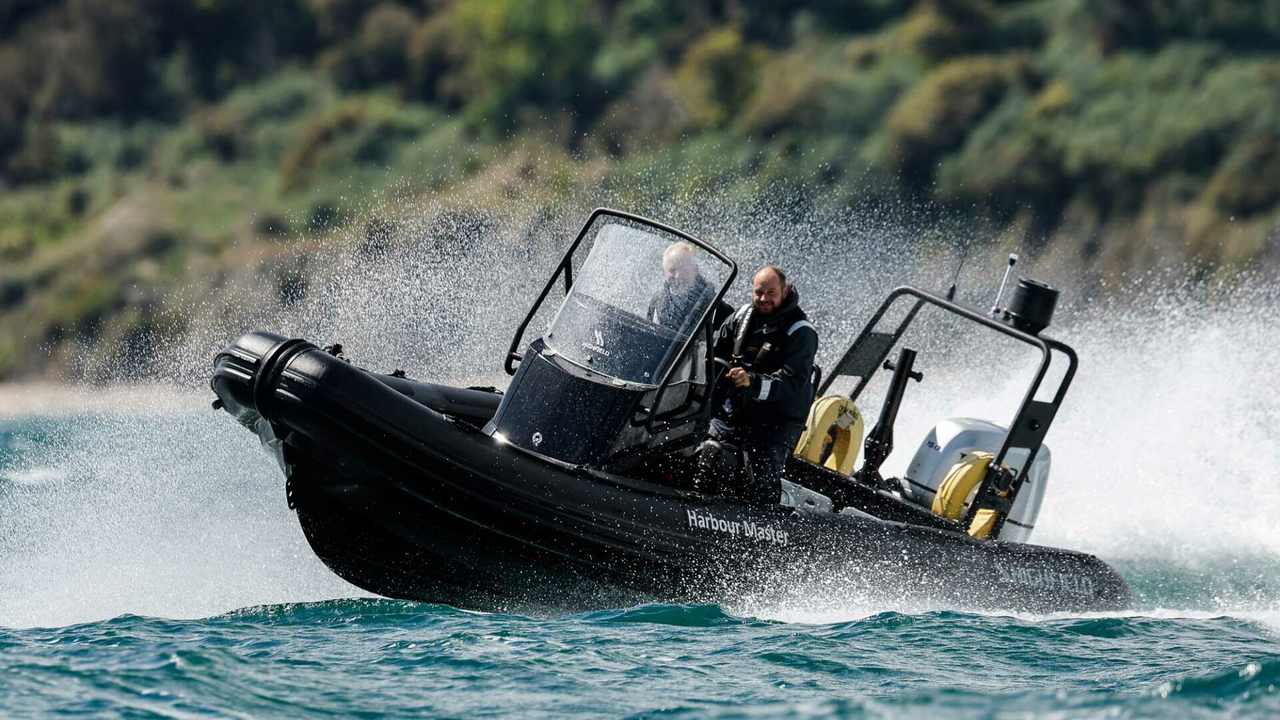
La consegna di un Highfield Patrol 660 richiede una sequenza di verifiche costruita sulla configurazione reale. La scheda stabilisce dimensioni, limiti, struttura in alluminio, tubolari, serbatoio e propulsione massima, ma consolle, sedute e optional possono cambiare cablaggi, passaggi, masse e manutenzione. Questo gommone da 6,60 metri va quindi collaudato come esemplare, non come nome commerciale. Il metodo parte dai documenti, ricostruisce il peso pronto all’uso, identifica tutti i circuiti e chiude con una prova in acqua registrata, senza introdurre velocità, consumi o prestazioni che il costruttore non dichiara.
Bloccare la configurazione prima dell’ordine
Il primo allegato contrattuale deve mostrare consolle, sedute, eventuale T-top o roll bar, portabombole, lavaggio coperta e posizione delle utenze. Le dimensioni interne, 4,71 per 1,35 metri, non possono essere valutate senza conoscere questi ingombri. Sul disegno si tracciano passaggi, aperture dei gavoni e zone di lavoro. Ogni accessorio deve avere codice, quantità, peso quando disponibile e responsabilità di installazione. La verifica impedisce che una fotografia di una versione diversa venga scambiata per la distinta dell’unità acquistata.

Identificare scafo, targhetta e limiti
La carena è dichiarata in alluminio ad alta resistenza cromatato e verniciato a polvere, con supporti dello specchio integrati. Alla consegna si registrano matricole e targhetta, poi si confrontano categoria C, quindici persone, carico massimo di 1.200 chilogrammi e potenza massima con i documenti della barca. Finitura, bordi, saldature visibili e fissaggi vengono ispezionati senza procedure invasive. Eventuali difetti o ritocchi devono essere descritti e gestiti secondo indicazioni pertinenti, non coperti da supposizioni sulla resistenza del materiale.
Misurare i percorsi su una coperta da 1,35 metri
Il baglio complessivo è 2,52 metri, ma quello interno dichiarato è 1,35. La sequenza di verifiche misura il passaggio ai lati della consolle, lo spazio fra sedute e la possibilità di raggiungere prua e poppa con il materiale previsto. Si aprono tutti i vani e si prova la scaletta. Appigli e comando di arresto devono restare raggiungibili dalle posizioni operative. L’obiettivo non è massimizzare i posti, ma confermare che l’equipaggio possa muoversi senza rimuovere componenti o calpestare accessi tecnici.
Verificare tubolari e sei camere separatamente
Il costruttore propone tubolari ORCA Hypalon oppure PVC, diametro 54 centimetri e sei camere. Il verbale identifica il materiale installato e controlla ogni valvola di non ritorno, giunzione, bottazzo e area rinforzata. Pressioni e procedure vanno ricavate dal manuale della singola unità, non da un valore generico. Pompa e kit di riparazione standard devono essere presenti e spiegati. Il piano manutentivo distingue i prodotti compatibili con il materiale effettivo, perché Hypalon e PVC non si trattano come equivalenti.

Documentare il fuoribordo singolo
La configurazione prevista è monomotore: massimo 200 hp, gambo XL e peso del motore non superiore a 300 chilogrammi. La distinta deve riportare modello, versione, elica, comandi, sterzo, strumenti e quota di montaggio approvata. Si controllano bulloni, sigillature, libertà di sterzata e inclinazione, arresto di emergenza e allarmi. Il limite di 200 hp non prescrive la potenza massima e non garantisce un risultato prestazionale. La prova deve riferirsi esclusivamente al motore montato e al carico registrato.
Controllare la postazione di governo
Volante e plancia con finitura carbonio sono standard, così come un pacchetto elettrico per la consolle. Display, radio e sensori dipendono dall’allestimento e vanno nominati uno per uno. Pilota seduto e in piedi devono vedere verso prua, azionare gas, sterzo, arresto e interruttori senza movimenti forzati. Dietro il pannello si verificano sostegno dei cablaggi, raggi di curvatura, protezioni e accesso ai fusibili. Una plancia ordinata deve poter essere diagnosticata senza smontare strutture permanenti.
Collaudare sedute e fissaggi
Le opzioni di consolle e sedile cambiano la distribuzione della coperta; fra gli optional compare anche un sedile ammortizzato. Per ogni posto si controllano fissaggi, appoggio dei piedi, tientibene e interferenze con vani e passaggi. Il collaudo va eseguito con persone e abbigliamento realistici. Le sedute non devono nascondere scarichi, impedire la manutenzione o avvicinare il corpo a bordi rigidi. Il verbale identifica la versione effettivamente installata invece di descrivere genericamente una famiglia di configurazioni.

Tabella di riscontro per il Patrol 660
| Elemento | Dato da verificare |
|---|---|
| Lunghezza esterna / interna | 6,60 / 4,71 m |
| Larghezza esterna / interna | 2,52 / 1,35 m |
| Carena | alluminio, deadrise 26° |
| Tubolari | Hypalon o PVC, 54 cm, 6 camere |
| Massa base | 792 kg* |
| Carico massimo | 1.200 kg** |
| Persone / categoria | 15 / C |
| Serbatoio carburante | 140 l |
| Motore | singolo, massimo 200 hp |
| Peso motore / gambo | massimo 300 kg / XL |
*Barca, consolle e sedute standard. **Equipaggio e materiale; esclusi motore, carburante e acqua.
Ricostruire il peso pronto all’uso
I 792 chilogrammi dichiarati comprendono barca, consolle e sedute standard. La sequenza di verifiche aggiunge motore, carburante, batterie, strumenti, strutture opzionali, sicurezza e materiale. Ogni valore deve avere una provenienza documentale; quando manca, si pesa l’elemento o si chiede conferma all’installatore. Il totale serve a trasporto e sollevamento, mentre la posizione longitudinale aiuta a interpretare l’assetto. Il carico massimo di 1.200 chilogrammi riguarda equipaggio e materiale ma esclude motore, carburante e acqua, distinzione da mantenere nel calcolo.

Ispezionare il circuito carburante da 140 litri
Il serbatoio integrato sottocoperta contiene 140 litri. Si identificano bocchettone, sfiato, tubazioni, filtro, connessioni e punti d’ispezione, verificando assenza di perdite e corretto sostegno. La quantità imbarcata durante il collaudo va registrata perché incide su massa e assetto. Nessuna autonomia viene dedotta dalla capacità: consumi e raggio saranno misurati soltanto sulla barca reale, indicando elica, regime, carico e condizioni. La pianificazione mantiene una riserva separata dai valori osservati.
Trasformare i pacchetti elettrici in uno schema
Il costruttore elenca un pacchetto elettrico per la barca e uno per la consolle, ma non una composizione universale di batterie e utenze. La consegna deve includere schema aggiornato, posizione dello staccabatteria, protezioni, sezioni dei cavi e identificazione dei circuiti. Ogni utenza viene azionata singolarmente e in combinazione, osservando allarmi e cadute di tensione anomale. Cablaggi sotto coperta devono essere protetti da acqua e abrasione, ma restare raggiungibili per controllo e sostituzione.
Provare ponte autodrenante e gavoni
Ponte autodrenante e superficie antiscivolo sono standard. La sequenza di verifiche controlla scarichi liberi, pendenze, chiusure e possibili ristagni nelle condizioni previste, senza improvvisare prove incompatibili con il manuale. Il contenuto dei gavoni non deve bloccare drenaggi o componenti. Si prova il cuscino prodiero lasciando accessibili le funzioni di ormeggio. L’area tecnica dietro la consolle e i volumi sottocoperta vengono ispezionati per infiltrazioni, cablaggi liberi e oggetti non fissati.

Verificare punti di sollevamento e traino
Punti di sollevamento, occhielli di traino, bottazzo pesante e protezione della chiglia fanno parte della dotazione dichiarata. La loro presenza non autorizza manovre senza istruzioni. Si confronta la posizione con lo schema dell’unità e si controllano accessibilità, usura e interferenze con sedute o materiale. Per gru, invaso e rimorchio servono massa pronta e procedure specifiche. La sequenza di verifiche non attribuisce portate o angoli che non risultano dalla documentazione, e richiede chiarimenti prima di eseguire una movimentazione dubbia.
Collaudare scaletta e recupero dall’acqua
La scaletta di poppa è standard. Va aperta con il motore abbassato e inclinato nelle condizioni consentite, verificando interferenze, impugnature e percorso di risalita. Il test considera anche attrezzature e sedute vicine. Una scaletta presente ma irraggiungibile dall’acqua non soddisfa la funzione pratica; eventuali procedure di apertura devono essere comprese dall’equipaggio. La zona deve restare libera da cime, borse e accessori, e i fissaggi vengono inclusi nel controllo periodico.

T-top, roll bar e sedile ammortizzato
T-top, roll bar con scaletta e sedile ammortizzato sono optional dichiarati. Quando presenti, il verbale registra fissaggi, altezza complessiva, bordi, passaggi dei cavi e manutenzione prevista. T-top e roll bar possono influire su rimessaggio e trasporto; il sedile ammortizzato modifica postura e ingombro. Si prova ogni componente sotto carico normale e si controlla che non impedisca l’accesso a plancia o gavoni. Luci e apparati montati sulle strutture devono comparire nello schema elettrico, senza essere presunti dallo scatto fotografico.
Portabombole e lavaggio coperta
Il portabombole e il lavaggio coperta sono optional distinti. Il primo richiede quantità, dimensioni e sistemi di ritenuta definiti; il secondo introduce pompa, presa, tubazioni e assorbimento. In consegna si verifica che le bombole previste possano essere fissate senza ostruire passaggi o scaletta. Il lavaggio viene provato controllando perdite e protezione elettrica. Entrambi entrano nel bilancio dei pesi e nel piano di manutenzione: nessuno va aggiunto dopo senza aggiornare documenti e schema.
Inventariare lo standard senza aggiunte implicite
La base dichiarata comprende tubolari, cuscino di prua, valvole, scafo trattato, supporti dello specchio, ponte autodrenante, volante, serbatoio, punti di sollevamento e traino, antiscivolo, bottazzo, protezione della chiglia, plancia, pacchetti elettrici, scaletta, pompa, remi e kit di riparazione. Si spunta ogni voce fisicamente. Motore, batterie, elettronica e dotazioni di sicurezza restano capitoli separati quando non risultano inclusi. L’inventario firmato chiarisce cosa appartiene al cantiere e cosa all’installatore.

Chiudere con prova e dossier di consegna
Il collaudo registra motore, elica, carburante, persone, materiale e condizioni. Si verificano avviamento, allarmi, sterzata, comandi, visuale, fissaggi, drenaggio e risposta dell’assetto; non si cerca una velocità universale assente dalla scheda. Il dossier finale contiene targhetta, matricole, distinta, disegno, pesi, manuali, schema elettrico e verbale coerenti. Si programma inoltre il controllo di tubolari, finitura dello scafo, fissaggi, carburante, batterie e optional. Il Patrol 660 è pronto quando configurazione fisica e documentazione descrivono la stessa unità.
Dopo le prime uscite si ripetono ispezione visiva, serraggi accessibili, verifica delle valvole e prova delle utenze, rispettando le indicazioni ricevute. Il proprietario registra interventi e modifiche, così un accessorio aggiunto non resta estraneo a peso e schema. Questa tracciabilità semplifica diagnosi, manutenzione e future verifiche pre-acquisto.