
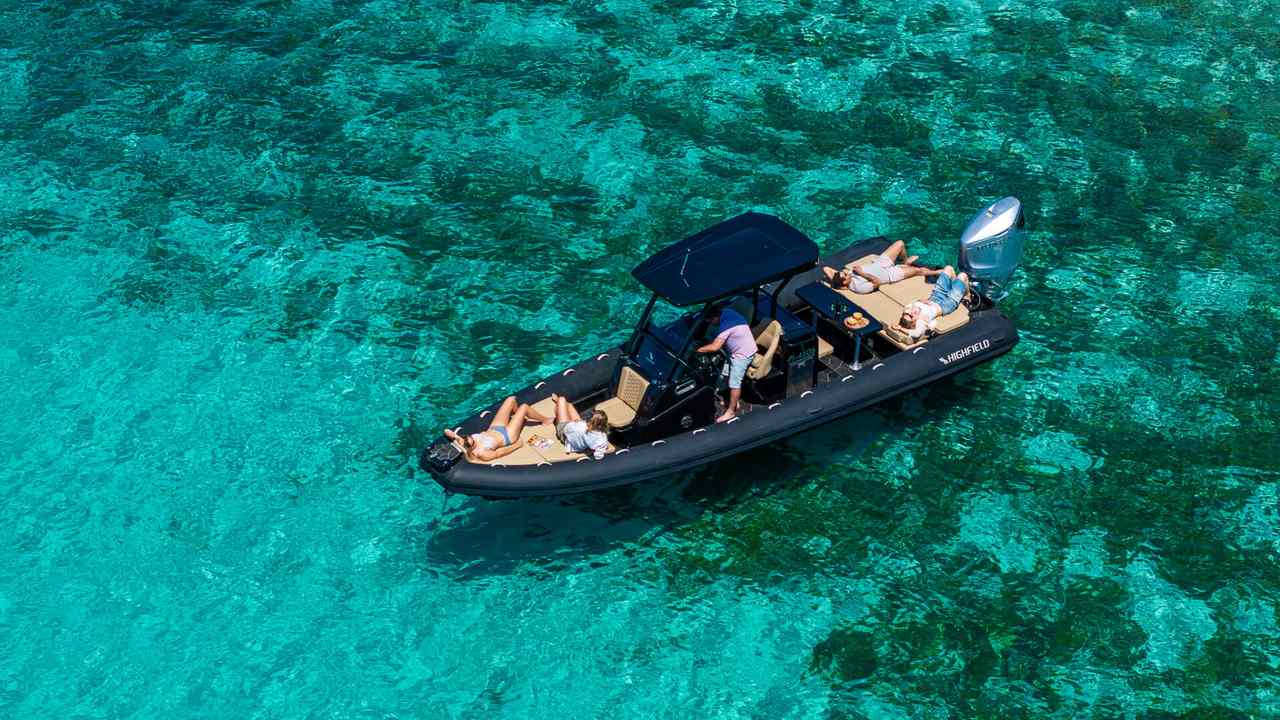
L’Highfield Sport 900 è il modello più grande della gamma cruising RIB del cantiere. Misura 9,12 metri fuori tutto e organizza la coperta attorno a prendisole, sedute avvolgenti, tavolo, plancette e una console con grande vano interno. La configurazione può comprendere cucina e toilette, mentre la scheda dichiara serbatoio carburante da 380 litri e motorizzazione singola o doppia. Questa guida legge il battello dal punto di vista di configurazione, impianti e controlli operativi; non riporta impressioni o prestazioni inventate.
Come impostare la configurazione dello Sport 900
Prima di scegliere gli accessori bisogna definire l’uso dominante: uscite giornaliere con molti ospiti, trasferimenti costieri, sport acquatici oppure permanenza prolungata all’ancora. Lo Sport 900 offre numerose funzioni, ma ognuna occupa spazio, aggiunge peso e introduce componenti da alimentare o mantenere. La configurazione migliore non è quella con il maggior numero di elementi, bensì quella che mantiene percorsi chiari e carico compatibile.
Il cantiere dichiara fino a 19 persone. È un limite da leggere insieme a categoria, portata e documentazione della singola unità, non un obiettivo per ogni uscita. Tavolo, cucina, frigorifero, doccia, eventuale toilette, batterie e dotazioni personali partecipano al bilancio. Una scheda di carico preparata prima della consegna evita di scoprire troppo tardi che gli scenari desiderati competono fra loro.

Misure interne e organizzazione della coperta
La lunghezza interna dichiarata è 6,99 metri, con larghezza interna di 1,84 metri. Il baglio massimo raggiunge 3,10 metri. La differenza fra baglio e passaggio utile deriva in parte dai tubolari da 58 centimetri, che delimitano la superficie disponibile. Per valutare l’abitabilità non basta quindi confrontare la lunghezza fuori tutto con quella di barche rigide della stessa fascia.
Le misure devono essere verificate nei punti che interessano davvero: spazio fra sedute, apertura dei gavoni, passaggio accanto al tavolo e accesso alle plancette. La planimetria aiuta, ma la configurazione reale dipende da optional e installazioni. È opportuno misurare anche gli ingombri con schienali, cuscini e porte aperti.

Cucina, frigorifero e piano di lavoro
Highfield indica una cucina opzionale e comprende fra le dotazioni dichiarate frigorifero e tavolo. La zona di preparazione aumenta l’autonomia nelle uscite giornaliere, ma richiede ordine impiantistico. Alimentazione, protezioni, ventilazione e drenaggio del lavello devono risultare accessibili. Il piano di lavoro deve poter essere usato senza interrompere il passaggio o avvicinare oggetti liberi ai comandi.
In consegna vanno provati apertura del frigorifero, chiusure, rubinetteria e scarico. L’assorbimento elettrico deve essere inserito nel bilancio delle utenze, tenendo conto delle ore all’ancora e della ricarica disponibile. Non è corretto presumere capacità o autonomia che il cantiere non pubblica nella scheda del modello: sono dati da richiedere per l’unità ordinata.

Console, plancia e visibilità
La plancia adotta una finitura carbonio e concentra volante, manette, strumenti e comandi elettrici. La superficie disponibile consente differenti pacchetti elettronici, ma ogni display aggiunto deve conservare visuale e leggibilità. Il conducente deve raggiungere arresto di emergenza, interruttori principali e regolazioni senza lasciare una postura stabile.
La verifica ergonomica va compiuta sia seduti sia in piedi, con il tendalino o il T-top nella configurazione scelta. Riflessi, posizione della bussola, interferenza del volante e corsa delle manette sono aspetti concreti. Dietro la plancia, cavi e connessioni devono essere fissati, etichettati e raggiungibili per manutenzione.

Vano console e toilette opzionale
Il grande vano della console può accogliere una toilette opzionale. Questa funzione cambia il modo di usare il battello, soprattutto con famiglie o permanenze lunghe, ma introduce ventilazione, serbatoi, tubazioni e procedure di pulizia. Prima dell’ordine bisogna chiarire quale apparato sia previsto, dove siano collocati i componenti e quali volumi restino per lo stivaggio.
In fase di collaudo si controllano chiusura della porta, illuminazione, ventilazione e accesso ai punti di servizio. Eventuali impianti sanitari devono essere verificati per tenuta e corretta gestione. Le capacità non pubblicate non vanno sostituite con stime. Anche l’altezza e l’agibilità del vano devono essere provate dagli utilizzatori reali.

Sedute di prua e prendisole
La parte anteriore comprende sedute avvolgenti, grande gavone e prendisole. L’area può funzionare come salotto in sosta o come superficie distesa, ma i cuscini devono essere fissati e stivati secondo necessità. Durante la navigazione, il numero di persone e le posizioni ammesse dipendono dalle indicazioni specifiche della barca.
Il gavone di prua è utile per cime, parabordi e attrezzature, purché il peso sia distribuito. Il salpancora dichiarato richiede accesso, protezione elettrica e un percorso ordinato per catena o cima. A consegna si provano comando, arresto, fissaggio dell’ancora e drenaggio, rispettando le procedure previste.

Panca di poppa trasformabile
La panca posteriore può trasformarsi in prendisole. La doppia funzione aumenta la flessibilità senza aggiungere un secondo volume permanente, ma cerniere, supporti e sistemi di blocco devono essere intuitivi e robusti. La trasformazione va provata con i motori nella posizione prevista, verificando che nessun elemento interferisca con cablaggi o passaggi.
Quando la superficie è estesa cambia la circolazione a poppa. Occorre stabilire dove riporre cuscini e oggetti prima di manovrare. In navigazione, ogni componente deve trovarsi nella posizione ammessa e risultare bloccato. La comodità in rada non deve compromettere accesso rapido a plancette, scaletta o dotazioni di emergenza.

Plancette, scaletta e kit doccia
La dotazione dichiarata comprende piattaforma con scaletta e kit doccia. Sono componenti centrali per bagno e risalita, ma lavorano vicino ai fuoribordo. La scaletta deve potersi aprire e utilizzare senza avvicinarsi a eliche in movimento; il motore va gestito secondo le procedure di sicurezza. Maniglie e punti di appoggio devono consentire una risalita controllata.
Il circuito doccia richiede serbatoio, pompa e drenaggio, i cui dati vanno confermati nella specifica. A fine uso si controllano perdite, protezione delle tubazioni e modalità di svuotamento. L’acqua dolce aggiunge peso e necessita di igiene. Anche qui, l’autonomia dipende dalla capacità effettivamente installata e dalle abitudini dell’equipaggio.

Tavolo, convivialità e percorsi
Il tavolo serve la zona centrale e trasforma le sedute in spazio conviviale. La sua posizione deve consentire di sedersi senza chiudere completamente il passaggio. Piede, piano e sistemi di ritenuta vanno testati sia montati sia riposti. In navigazione non devono generare giochi o rumori e devono restare nella configurazione prescritta.
La prova pratica consiste nel simulare un’uscita completa: imbarco, stivaggio, preparazione del pasto, accesso ai gavoni e ritorno alle postazioni di navigazione. Questo esercizio evidenzia conflitti fra funzioni che le fotografie non mostrano. Un allestimento riuscito permette di cambiare attività senza spostare continuamente attrezzature pesanti.

Carena, tubolari e materiali dichiarati
La carena in alluminio ha deadrise dichiarato di 26 gradi. I tubolari ORCA Hypalon hanno diametro di 58 centimetri e sono divisi in sei camere. La scheda cita valvole non ritorno a filo, protezione del fondo, bottazzo pesante e supporti di poppa integrati. Queste caratteristiche delineano una costruzione pensata per uso frequente, senza eliminare la necessità di ispezioni.
Alluminio, accessori metallici e impianto elettrico devono essere compatibili e isolati correttamente. Anodi, verniciatura, punti di fissaggio e zone umide meritano controlli periodici. Sui tubolari si osservano pressioni, valvole, abrasioni e giunzioni. Detergenti e riparazioni devono seguire le indicazioni per i materiali impiegati.
Motorizzazione e differenza fra singolo e doppio
La tabella indica fino a 450 hp con motore singolo oppure due motori da 300 hp nella configurazione doppia. Il richiamo generale a 600 hp va interpretato come somma della coppia, non come potenza ammessa per un singolo fuoribordo. Il peso massimo motore pubblicato è 458 chilogrammi; alberi e installazione dipendono dalla configurazione approvata.
La scelta modifica peso a poppa, impianto carburante, batterie, manutenzione e manovra. Due motori offrono una diversa gestione propulsiva ma raddoppiano molte operazioni di servizio. Un singolo apparato riduce complessità, pur richiedendo un piano per eventuali avarie. Velocità e consumi non sono dedotti dalla potenza: vanno verificati sulla configurazione reale e nel rispetto del carico.
Serbatoio carburante e autonomia operativa
La capacità carburante dichiarata è 380 litri. Il numero descrive il volume nominale, non l’autonomia. Per pianificare una rotta servono consumo rilevato, riserva, condizioni, carico e margine per deviazioni. Indicatore e sensore devono essere verificati, perché forma del serbatoio e assetto possono rendere non lineare la lettura.
Durante la consegna si controllano bocchettone, sfiato, tubazioni, filtri, valvole e assenza di odori o trafilamenti. La documentazione deve identificare combustibile previsto e accessi di ispezione. Ogni intervento sull’impianto richiede personale qualificato; non è un’area nella quale improvvisare modifiche per aumentare capacità o autonomia.
Impianto elettrico e bilancio delle utenze
Il modello comprende un pacchetto elettrico per barca e console. La configurazione con frigorifero, doccia, salpancora, illuminazione ed elettronica richiede un bilancio dettagliato. Capacità batterie, separazione dei banchi, ricarica e protezioni devono essere specificate per l’unità. La sola presenza di interruttori non dimostra che ogni scenario di utilizzo sia sostenibile.
La sequenza di verifiche deve associare a ogni utenza circuito, fusibile o interruttore, punto di massa e modalità di isolamento. Etichette chiare riducono errori. In sosta, si misura il carico continuativo e si definisce una soglia di conservazione per l’avviamento. Eventuali aggiunte future vanno progettate ricalcolando sezioni e protezioni.
Tabella tecnica dell’Highfield Sport 900
| Parametro | Dato dichiarato |
|---|---|
| Lunghezza fuori tutto | 9,12 m |
| Lunghezza interna | 6,99 m |
| Baglio massimo | 3,10 m |
| Larghezza interna | 1,84 m |
| Deadrise | 26° |
| Diametro tubolari | 58 cm |
| Camere d’aria | 6 |
| Peso barca dichiarato | 1.781 kg, secondo perimetro indicato dal cantiere |
| Portata massima | 1.520 kg |
| Numero massimo di persone | 19 |
| Capacità carburante | 380 l |
| Potenza massima singola | 450 hp |
| Potenza massima doppia | 2 × 300 hp |
| Peso massimo motore | 458 kg |
| Categoria di progettazione | C o B, secondo configurazione |
Il peso di 1.781 chilogrammi è presentato per barca, console, sedute standard, tavolo e towpost; altri componenti possono cambiare il peso effettivo. Portata, persone e categoria devono essere verificati sulla documentazione della singola unità. La tabella non sostituisce specifica contrattuale e manuali.
controlli di consegna
La consegna inizia da identità e conformità: numero dello scafo, targhetta, categoria, persone, potenze e documenti devono concordare. Si passa poi a carena, tubolari, valvole, drenaggi, fissaggi, sedute e chiusure. Tutti i gavoni vanno aperti; le aree di servizio devono essere raggiungibili senza smontaggi non previsti.
Si provano timoneria, manette, arresto di emergenza, allarmi, luci, pompe, salpancora, frigorifero, doccia ed eventuale toilette. La trasformazione dei prendisole, il tavolo e la scaletta devono funzionare senza interferenze. Le prove della specifica unità vanno annotate e firmate, affidando eventuali anomalie a tecnici qualificati.
sequenza di verifiche prima di ogni uscita
Prima di lasciare l’ormeggio si verificano meteo e piano di navigazione, carburante con riserva, carico, dotazioni e numero di persone. Tubolari e valvole devono apparire regolari; sentina e coperta prive di accumuli. Cime, tavolo, cuscini e oggetti devono essere fissati. Motori, timoneria e arresto di emergenza si provano prima della manovra.
Il quadro elettrico deve mostrare lo stato atteso e gli allarmi non vanno ignorati. Ancora e catena devono essere assicurate; scaletta e vie di accesso libere. Se la configurazione comprende impianti acqua o toilette, si controllano livelli e chiusure. Una lista breve, ripetuta con disciplina, è più efficace di un controllo affidato alla memoria.
Manutenzione e registro impianti
Il registro deve separare scafo e tubolari, motori, carburante, elettrico, acqua, coperta ed elettronica. Per ogni voce si annotano data, ore, controllo e intervento. Gli intervalli derivano dai manuali dei componenti; questa organizzazione serve a non confondere prescrizioni differenti e a conservare evidenza dei lavori.
Dopo l’uso in acqua salata, lavaggio e ispezione aiutano a individuare depositi, abrasioni o collegamenti allentati. Frigorifero, doccia e toilette richiedono procedure igieniche e di svuotamento compatibili con l’uso stagionale. Qualunque segno di corrosione, perdita di carburante, surriscaldamento o guasto elettrico impone valutazione professionale.
Valutazione tecnica conclusiva
Lo Sport 900 concentra in 9,12 metri molte funzioni da day cruiser: aree prendisole, tavolo, cucina, frigorifero, doccia, plancette e toilette opzionale. La carena in alluminio a 26 gradi e i tubolari a sei camere costituiscono la base, mentre la qualità d’uso dipende dalla configurazione degli impianti. Ogni comfort aggiunto deve entrare nel bilancio di peso ed energia.
La scelta razionale parte dallo scenario operativo e arriva a una specifica completa, non viceversa. Distinguere potenza singola e doppia, comprendere il perimetro del peso dichiarato e verificare le capacità installate evita conclusioni superficiali. Con controlli di consegna, bilancio elettrico e registro manutentivo, lo Sport 900 può esprimere la propria versatilità senza trasformare la ricchezza di dotazioni in complessità nascosta.