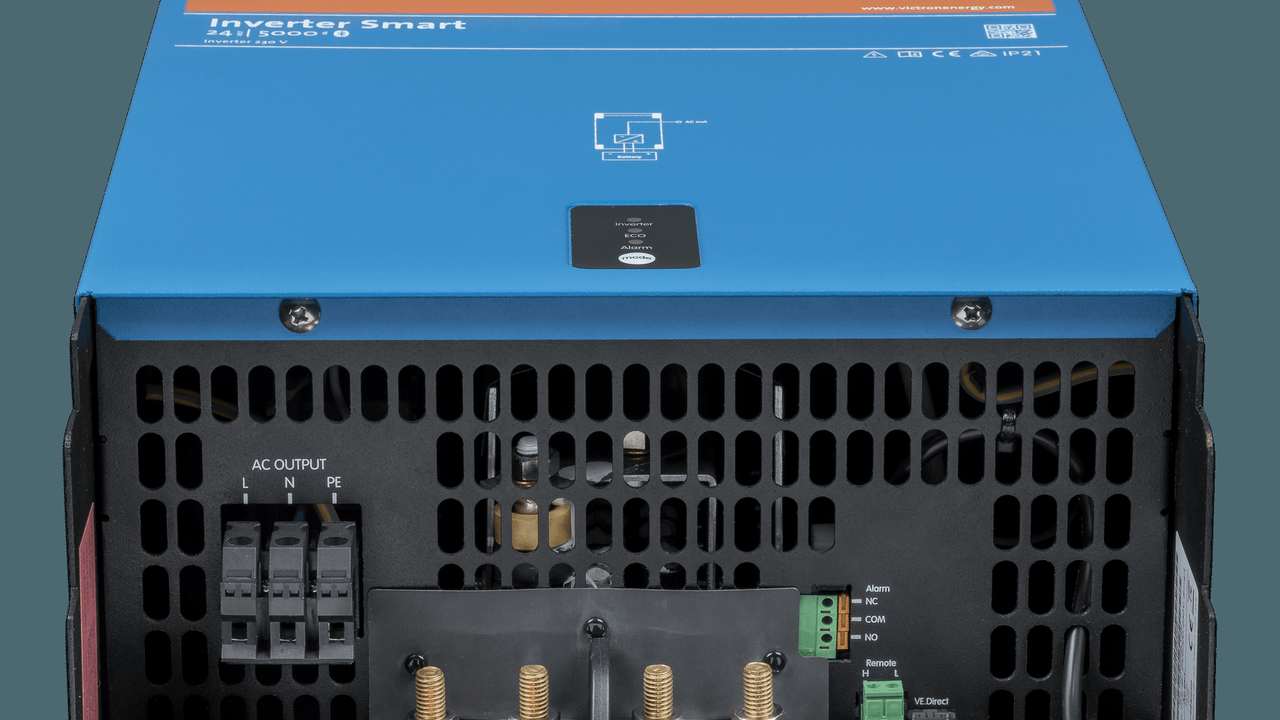
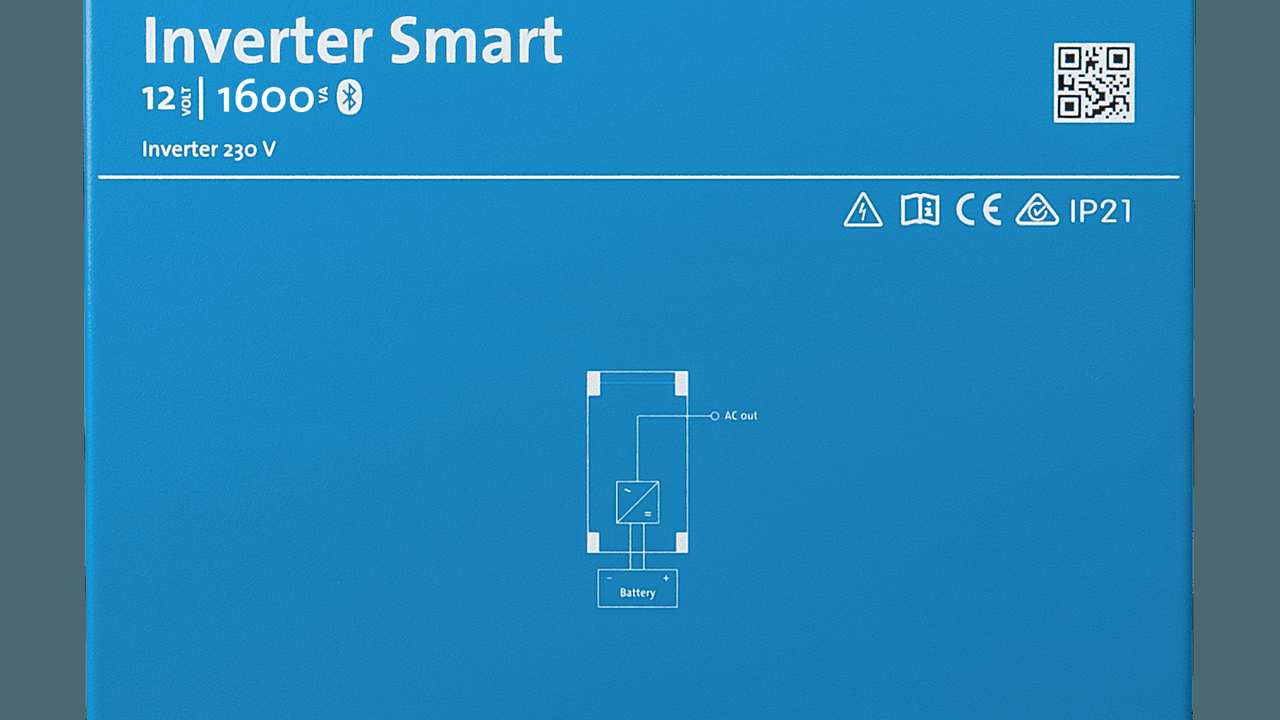
Il phon parte, l’inverter fischia e il 230 V scompare. Comprare più watt può lasciare invariato il difetto se la causa è nel banco, nei cavi, nel fusibile, nella temperatura o in una soglia configurata male. Inverter Smart e VE.Direct Victron devono essere identificati dal codice esatto, perché tensione, taglia, interfacce e impostazioni cambiano tra modelli. La diagnosi corretta registra lo stato prima del riavvio, misura la tensione direttamente ai poli durante lo spunto e separa un sovraccarico AC da una caduta DC. Solo dopo queste prove si decide se il dimensionamento è realmente insufficiente.
Non riavviare subito
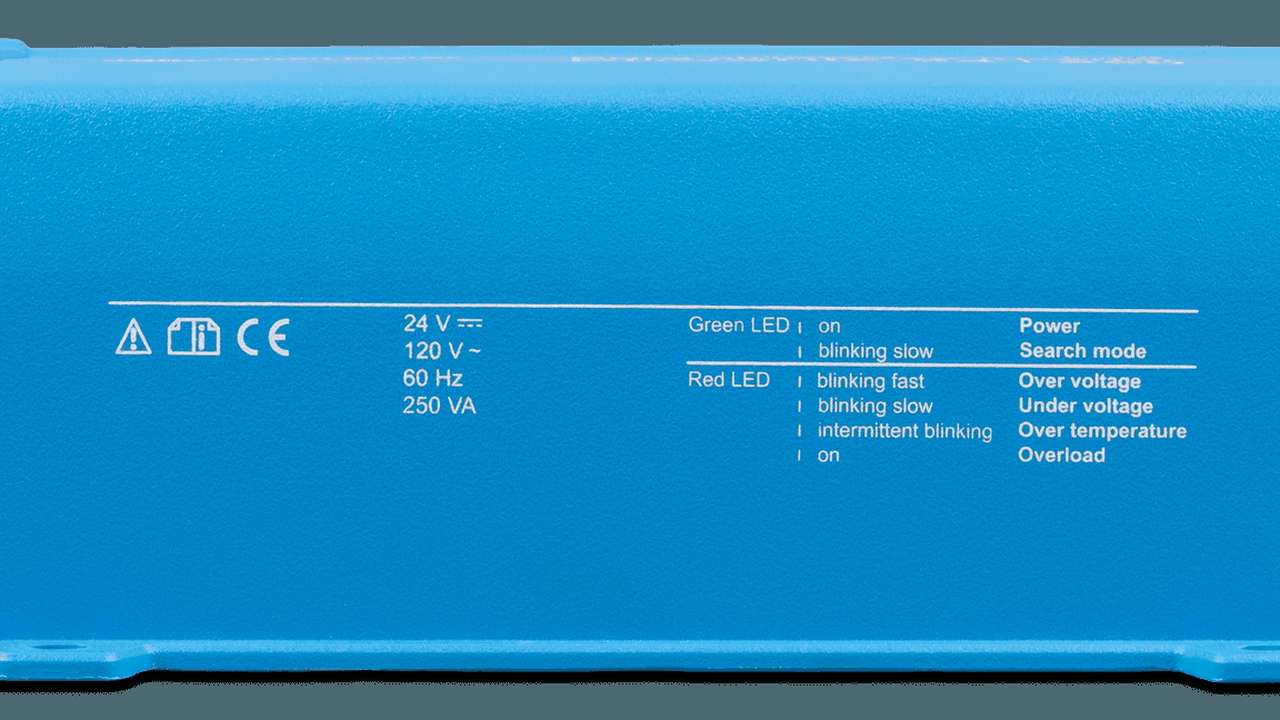
Si lascia il carico spento e si annotano LED, allarme, messaggio, tensione visualizzata, stato del banco, temperatura e utenze attive. Un riavvio cancella spesso la condizione utile. Si fotografa l’etichetta e si verifica se l’arresto è immediato o avviene dopo alcuni minuti. Odore, terminali caldi, involucro deformato o fusibile intervenuto richiedono isolamento. La diagnosi non procede aprendo l’inverter: lavora su misure esterne, schema e documentazione ufficiale, con personale competente quando sono coinvolti circuiti AC.
Identificare modello e tensione
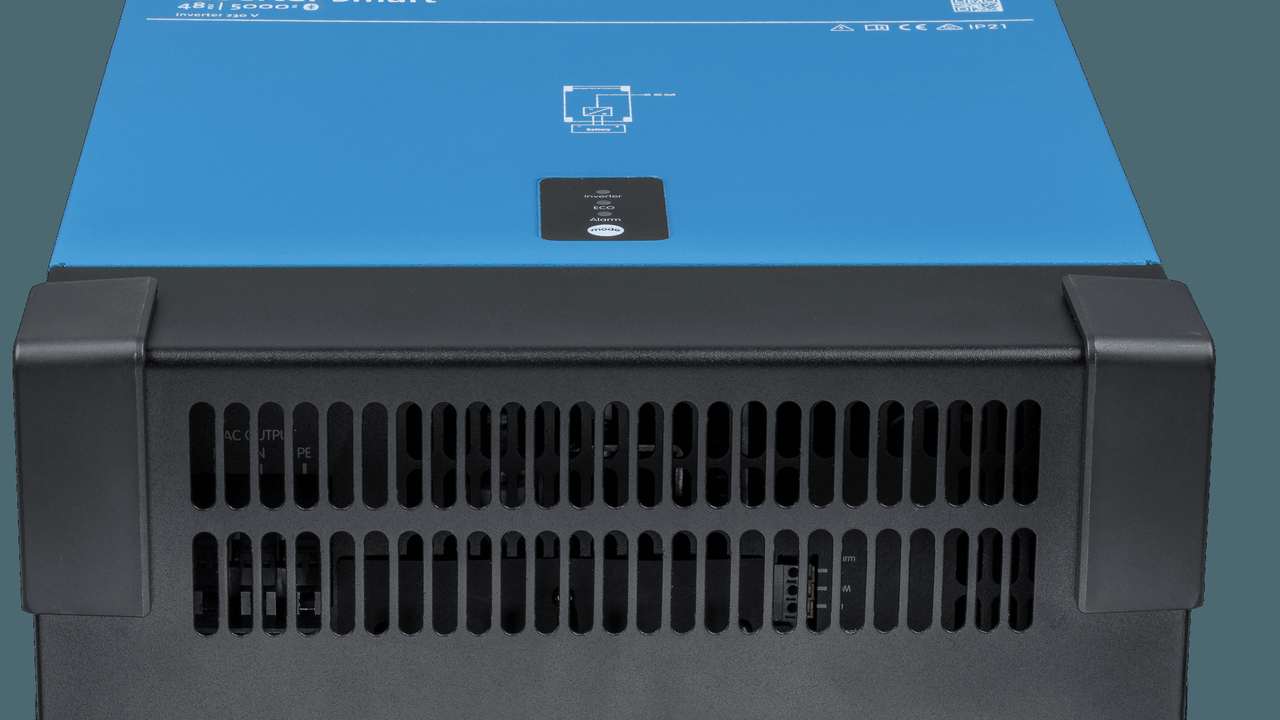
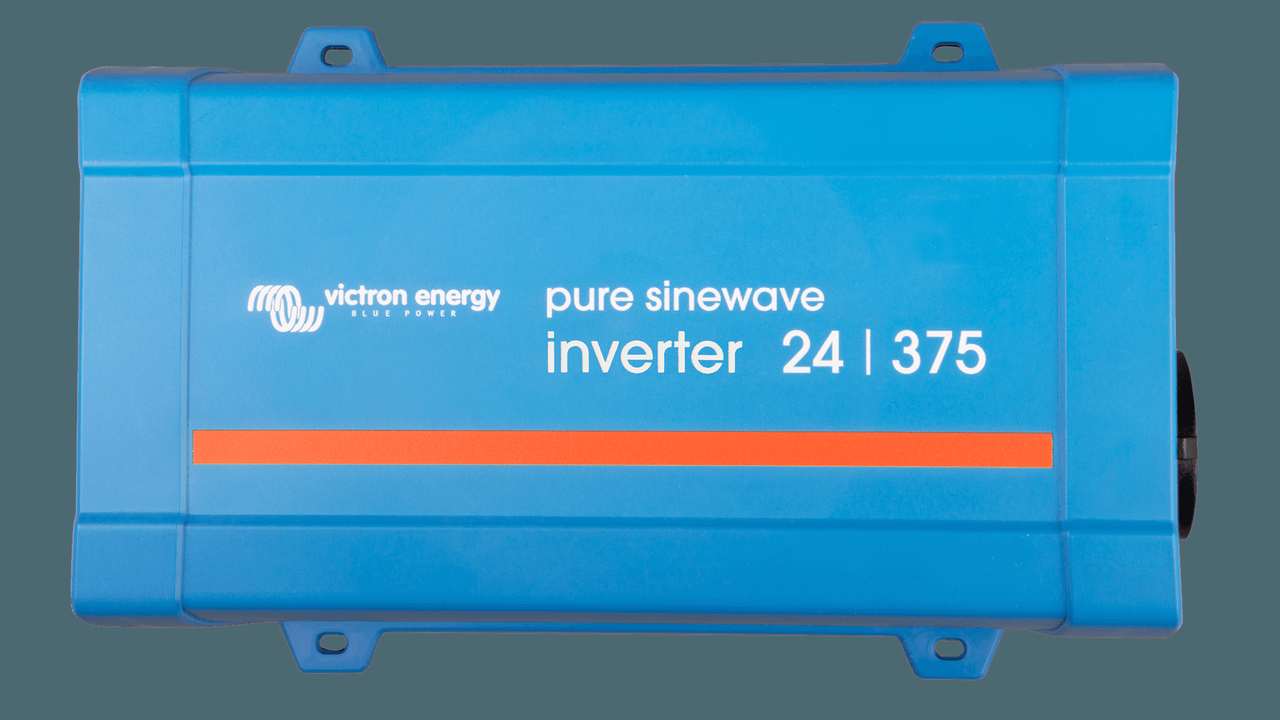
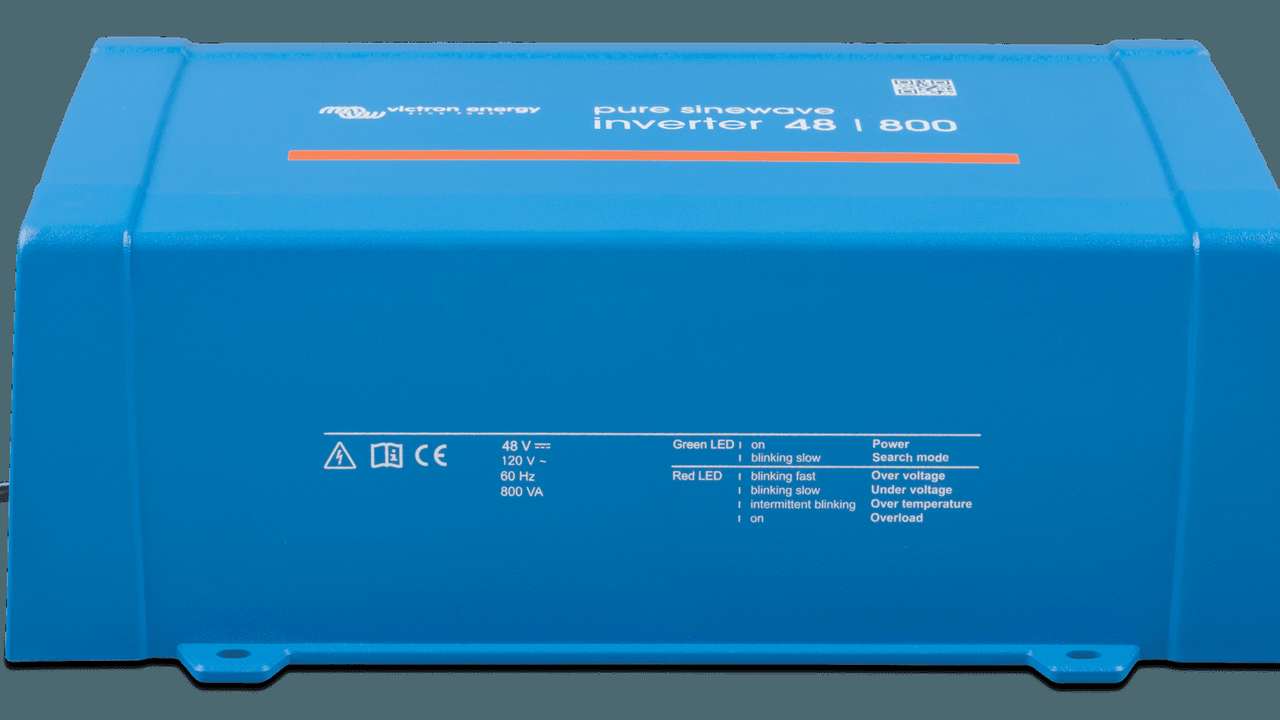
Il codice completo conferma tensione DC, potenza e famiglia. Si confronta con il banco installato e con la configurazione nell’app o nel sistema di monitoraggio. Un apparecchio a tensione diversa non viene adattato con collegamenti temporanei. Si annotano firmware, Eco mode, soglie di arresto e comando remoto. Se l’unità è stata sostituita, si controlla che fusibili, cavi e quadro siano stati ridimensionati. La sola somiglianza della carcassa non prova che la nuova variante abbia gli stessi limiti o terminali.
Misurare il carico AC reale
Il phon, il compressore o l’utensile viene misurato durante l’avvio e a regime con strumenti adatti. La potenza di targa non sempre include picco, fattore di potenza o modalità di riscaldamento. Si prova il carico da solo, poi con le altre utenze autorizzate. Se l’arresto compare soltanto in combinazione, il problema può essere contemporaneità e non guasto. Non si usa una multipresa per aggiungere carichi durante la diagnosi. L’obiettivo è conoscere corrente, durata dello spunto e stabilità, non forzare il dispositivo fino all’intervento.
Tabella dei sintomi principali
| Sintomo | Misura | Ipotesi |
|---|---|---|
| Stop immediato | Picco AC e tensione DC | Sovraccarico o caduta |
| Stop dopo minuti | Temperatura | Riduzione termica |
| Cicli on/off | Soglie e riavvio | Isteresi o cavo |
| Carico piccolo assente | Eco mode | Soglia ricerca |
| Fusibile caldo | Caduta sul ramo | Giunzione resistiva |
Registrare la tensione ai poli
Un valore a riposo può sembrare normale e crollare durante lo spunto. Si misura direttamente ai poli della batteria mentre il carico viene applicato, rispettando sicurezza e strumenti. La caduta viene confrontata con quella ai morsetti dell’inverter. Se i poli restano stabili ma l’inverter vede bassa tensione, il ramo DC è sospetto. Se crollano entrambi, si verificano stato del banco, capacità, BMS e corrente richiesta. La misura deve avere risoluzione temporale sufficiente per catturare l’evento, non soltanto una lettura successiva.
Misurare positivo e negativo separatamente
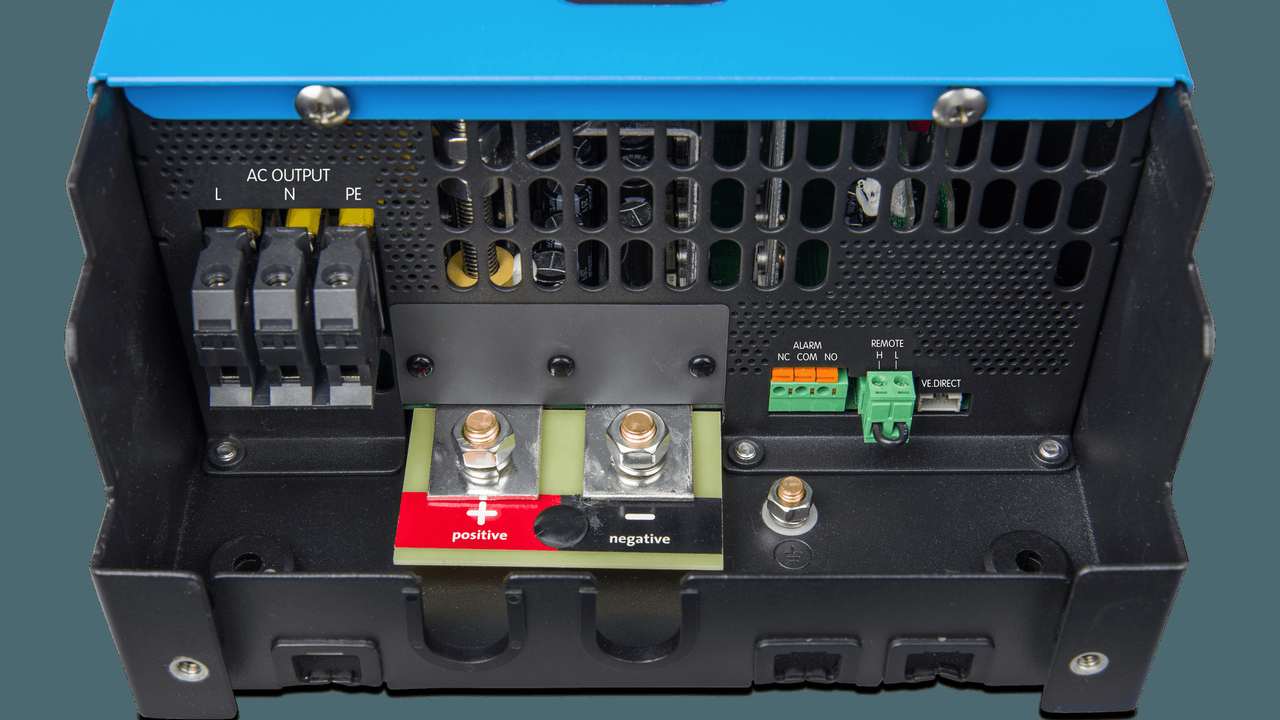
La perdita complessiva viene suddivisa misurando la caduta sul positivo e sul ritorno negativo sotto corrente. In questo modo si localizzano sezionatori, barre, portafusibili, capicorda o giunzioni resistive. Un cavo grande può essere vanificato da un solo terminale ossidato. Si controllano lunghezza, sezione, posa e supporto meccanico. La continuità a impianto spento non basta, perché una connessione può mostrare pochi ohm con il tester e scaldarsi quando passano decine di ampere. I risultati vengono annotati in condizioni identiche.
Controllare fusibile e portafusibile
Il fusibile può essere integro ma il contatto nel supporto può produrre calore e caduta. Si ispezionano scolorimento, deformazione, serraggio e compatibilità. La tensione viene misurata ai due lati durante il carico. Se interviene, non si aumenta la taglia prima di confrontare cavo, corrente e capacità di interruzione. Anche il sezionatore viene provato sotto corrente. Prima di toccare i componenti si isolano banco e uscita AC. Un fusibile che risolve temporaneamente il difetto senza trovarne la causa non chiude la diagnosi.
Verificare banco e BMS
Capacità nominale, chimica, stato di carica, temperatura e corrente massima vengono confrontati con la richiesta. Sul litio si leggono eventi del BMS e bilanciamento; su piombo si verifica comportamento sotto carico e capacità residua con metodo adeguato. Un banco vecchio può raggiungere rapidamente la tensione di carica e cedere allo spunto. Batterie in parallelo richiedono controllo dei rami, perché una unità scollegata riduce la capacità senza rendere evidente il guasto. La sostituzione viene decisa su misure, non sull’età soltanto.
Controllare soglia di bassa tensione
Le soglie configurabili devono proteggere banco e inverter senza scattare per la sola caduta del cablaggio. Si confrontano valori impostati, tensione ai poli, tensione ai morsetti e messaggio di arresto. Il riavvio viene verificato per evitare cicli rapidi: rimosso il carico, la tensione può risalire e far ripartire l’unità, che ricade subito. Non si abbassa la soglia per far funzionare il phon. Prima si correggono cavi e banco, poi si adatta la configurazione alle indicazioni della chimica.
Escludere l’Eco mode
Se un carico piccolo non parte o pulsa, si verifica la modalità di ricerca e la soglia documentata. Alcuni alimentatori assorbono in modo intermittente e possono non mantenere l’inverter attivo. La prova viene ripetuta con Eco mode disabilitata secondo procedura, senza cambiare altri parametri. Se il difetto scompare, si decide se rinunciare al risparmio o configurarlo per le utenze reali. Se il phon spegne l’unità a pieno carico, Eco mode è invece una pista secondaria e non deve distrarre da picco e lato DC.
Controllare la temperatura nel tempo
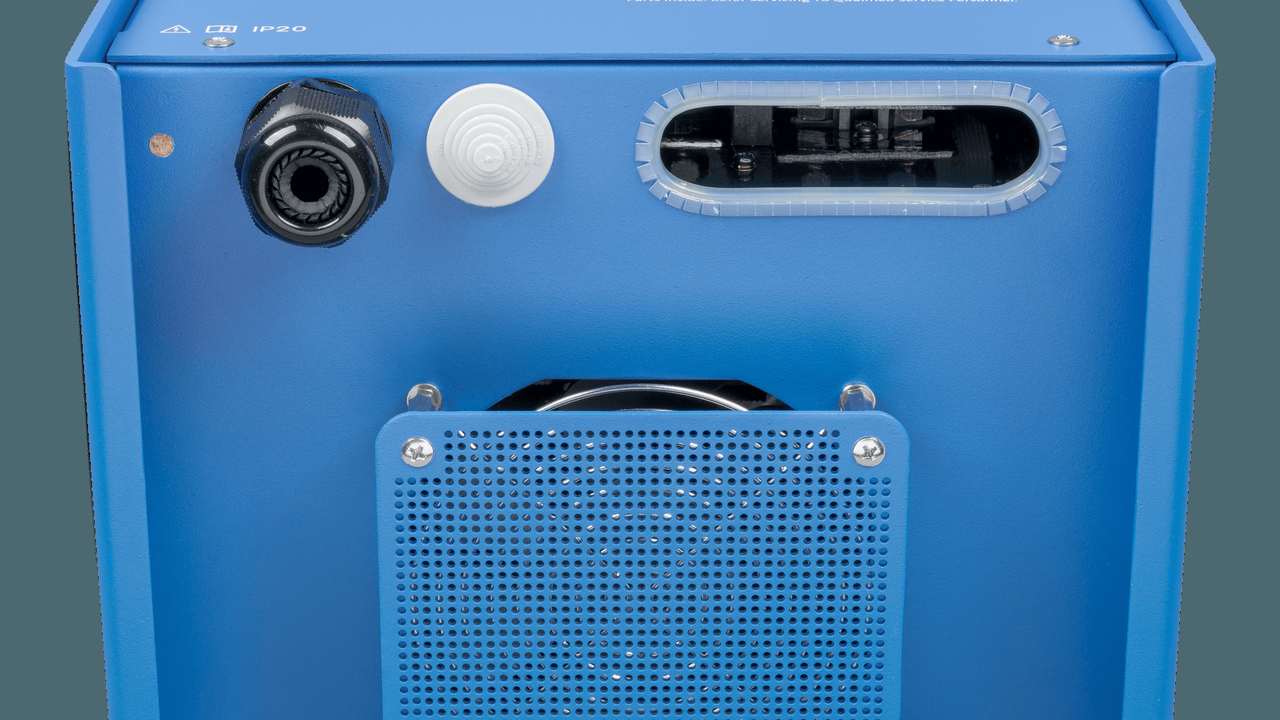
Un inverter può sostenere il carico a freddo e ridurre la potenza o arrestarsi quando il vano si scalda. Si misura temperatura ambiente e si osservano aperture, orientamento, distanze, polvere e oggetti appoggiati. Il carico viene mantenuto per un tempo rappresentativo, registrando quando compaiono allarmi. Se il difetto segue la temperatura, si correggono ventilazione, collocazione o contemporaneità nel rispetto del manuale. Una ventola esterna improvvisata non sostituisce il progetto e può introdurre umidità o coprire un problema di sovraccarico.
Verificare l’uscita AC e il quadro
Si misura tensione e frequenza all’uscita e sul circuito interessato. Un commutatore, interruttore o presa difettosa può interrompere il carico mentre l’inverter resta attivo. Si controllano polarità, terra, neutro, differenziale e sovracorrente secondo schema. Non si collega l’uscita a una presa di banchina per prova e non si crea una retroalimentazione. Se più sorgenti condividono il quadro, il commutatore deve impedire paralleli. Le prove AC vengono eseguite da personale qualificato e comprendono l’intervento delle protezioni, non solo la presenza di volt.
Leggere Bluetooth e VE.Direct criticamente
L’app e il monitoraggio mostrano dati e allarmi supportati, ma devono riferirsi al dispositivo corretto. In marina più unità possono essere visibili. Si confronta la lettura interna con strumenti e si salva la configurazione prima di modificarla. Un aggiornamento firmware viene eseguito con alimentazione stabile e seguito da collaudo. Il comando remoto non sostituisce il sezionatore: prima di avviare si verifica che nessuno lavori sull’impianto. Una cronologia priva del picco non esclude una caduta molto breve sui cavi.
Provare un carico noto
Dopo i controlli si usa un carico resistivo noto e compatibile per separare il comportamento dell’inverter da quello dell’utenza problematica. Si applicano gradini progressivi registrando AC, corrente DC, tensione ai poli, caduta e temperatura. Se il carico noto raggiunge la potenza autorizzata senza allarmi, si analizza il picco o l’alimentatore del phon. Se l’arresto ricompare allo stesso livello, la causa resta in inverter, banco o ramo DC. La prova non supera i limiti per cercare il punto di rottura.
Ripetere a caldo e con stato diverso
La prova viene ripetuta dopo funzionamento prolungato e con uno stato del banco ancora operativo ma inferiore al pieno. Questo verifica il margine reale senza portare le batterie oltre la soglia conservativa. Si osserva se le cadute crescono con temperatura o se il BMS limita la corrente. I risultati vengono confrontati con la prova a freddo. Un sistema che funziona solo con batterie appena caricate non è adeguato al servizio previsto. Il limite viene tradotto in istruzioni d’uso o in un intervento di progetto.
Stabilire la soluzione corretta
Se il carico supera potenza continua o picco documentato, si riduce il servizio o si riprogetta inverter, banco, cavi e protezioni insieme. Se la caduta è eccessiva, si corregge il ramo. Se il banco cede, si verifica capacità e sostituzione. Se è termico, si interviene su ambiente o carico. Comprare un inverter più grande senza modificare il lato DC può aumentare corrente e rischio. Ogni soluzione viene dimensionata sulla causa dimostrata e non sulla speranza che più VA compensino tutto.
Collaudo dopo la riparazione
Si ripete la sequenza iniziale con lo stesso carico, registrando messaggi, tensione AC, corrente DC, tensione ai poli, cadute, temperatura e durata. Vengono provati arresto controllato, allarme, riavvio e Eco mode se utilizzato. Fusibili e terminali vengono controllati dopo raffreddamento. L’esito è valido quando il sistema sostiene le combinazioni autorizzate a freddo e a caldo senza superare limiti. Le misure finali entrano nel registro e diventano riferimento per manutenzione e futuro degrado del banco.
Manutenzione preventiva
Periodicamente si ispezionano cavi, supporti, ventilazione, polvere, condensa, fusibili, sezionatori, barre e terminali. Si confrontano cadute e temperatura con la consegna. Le impostazioni vengono protette da modifiche casuali. Ogni nuovo carico viene misurato prima di entrare nella lista autorizzata. La sostituzione delle batterie richiede controllo di soglie e corrente. Un allarme occasionale non viene cancellato e dimenticato: data, carico e stato del banco aiutano a riconoscere una tendenza prima che il 230 V sparisca nel momento sbagliato.
Verdetto della procedura
L’inverter che si spegne col phon non chiede automaticamente più watt. Può segnalare picco eccessivo, banco debole, BMS, cavo resistivo, fusibile caldo, soglia, Eco mode o temperatura. Inverter Smart e VE.Direct forniscono dati utili, ma la prova decisiva misura ai poli e ai morsetti durante l’evento. Quando carico, lato DC, quadro AC e condizioni termiche sono separati, la soluzione diventa precisa. Solo un collaudo ripetuto a caldo conferma che il difetto è risolto e che la nuova potenza, se necessaria, è sostenibile.