
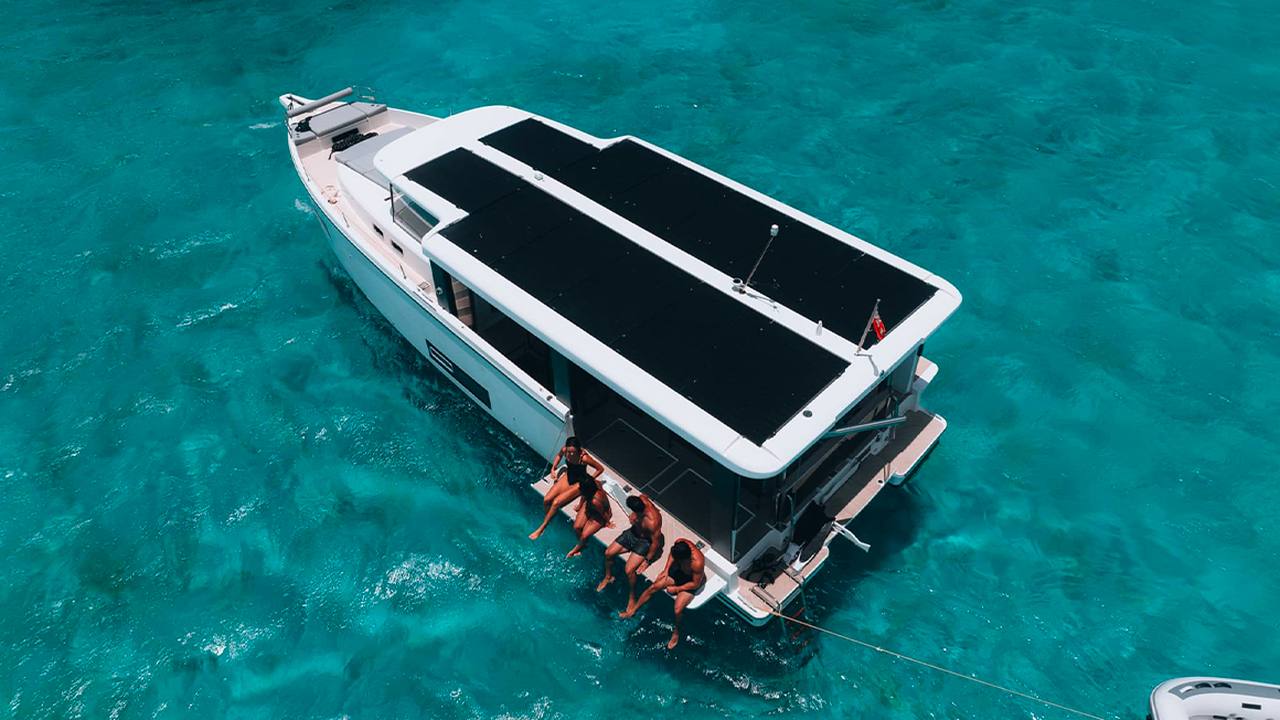
Configurare il Jeanneau Sea Loft 480 significa trasformare un concetto di crociera lenta in una distinta tecnica verificabile. La documentazione ufficiale descrive motori diesel standard, un’alternativa elettrica con generatore, grandi superfici solari, due layout e numerosi impianti domestici. Alcuni documenti, però, non coincidono su lunghezza, pescaggio, potenza dei pod e pannelli fotovoltaici. Questa guida separa quindi dotazione standard, opzioni e dichiarazioni di autonomia, costruendo una verifiche per contratto, consegna e gestione senza inventare risultati di prova.
Configurazione Sea Loft 480: matrice iniziale
| Area | Configurazione documentata | Controllo richiesto |
|---|---|---|
| Diesel standard | 2 Yanmar 4JH45CR da 45 hp | Seriali, linea d’asse, eliche e manuali |
| Elettrico opzionale | 2 pod da 10 o 11 kW | Codice d’ordine e schema 48 V |
| Energia | Batteria 30 kWh, solare 4,2 o 4,8 kW | Capacità utilizzabile e potenza installata |
| Acqua | 580 L, boiler 60 L | Prova tenuta, pompe e indicatori |
| Layout | 3 cabine/2 bagni oppure 4/4 | Piano contrattuale della specifica unità |
| Certificazione | CE B10 / C18 / D18 | Targhetta, manuale e carico autorizzato |
Primo controllo: congelare la versione documentale
Il fascicolo dell’unità deve avere una data e un numero di configurazione. L’inventario semplificato aggiornato ad aprile 2026 riporta 14,85 metri di lunghezza fuori tutto, 14,00 al galleggiamento e 0,53 di pescaggio; la pagina modello dichiara 46 piedi e 3 pollici e 0,98 metri, mentre la brochure indica 14,10 e 0,53 metri. Prima di parlare di optional è necessario risolvere queste differenze con certificato CE, dichiarazione di conformità, manuale del proprietario, piano generale e offerta firmata. La misura contrattuale influenza ormeggio, trasporto e sollevamento.
Motori diesel: cosa comprende lo standard
La distinta ufficiale elenca due Yanmar 4JH45CR da 45 hp, equivalenti a 33 kW ciascuno, con linea d’asse, eliche fisse e alternatori da 90 Ah. I motori sono sotto accessi dal pozzetto; il vano è descritto con schiuma isolante da 40 millimetri, film ritardante di fiamma, marmitte integrate, ventilazione ed estrattore. Il serbatoio gasolio rotostampato da 200 litri è collocato sotto una cuccetta poppiera. Alla consegna vanno verificati seriali, silent block, allineamento, tenute d’asse, scarichi, ventilazione, separatori acqua-carburante e accessibilità per il tagliando.

Opzione elettrica: due descrizioni da riconciliare
La brochure parla di due pod elettrici da 11 kW; l’inventario aprile 2026 indica due Fischer Panda da 10 kW e generatore in corrente continua a 48 V da 22 kW. La differenza non è cosmetica. Cambiano potenza nominale, fornitore, logica di gestione, ricambi e forse certificazione. Il capitolato deve riportare modello dei pod, potenza continua e di picco, tensione, capacità nominale e utilizzabile della batteria, tipo di raffreddamento, dispositivi di isolamento, protezione antincendio e condizioni di garanzia. Senza questi dati la dicitura “elettrica” resta troppo generica.
Autonomia dichiarata: protocollo per verificarla
Jeanneau dichiara fino a 15 miglia nautiche in elettrico e 250 in ibrido alla velocità di 7 nodi. Non sono risultati di una prova indipendente eseguita qui. Il collaudo deve annotare carico, livello acqua e carburante, temperatura, vento, onda, stato iniziale della batteria e utenze attive. Si percorrono tratte reciproche per limitare l’effetto ambientale, registrando velocità, potenza assorbita e stato di carica. Nella prova ibrida occorre documentare l’avvio del generatore, il punto di intervento e la capacità residua prevista per le manovre.
Batteria a 48 V e segregazione dei circuiti
La comunicazione del modello associa alla configurazione elettrica una batteria da 30 kWh. L’inventario specifica il generatore a 48 V, mentre la rete servizi standard è a 12 V. L’ispezione deve identificare fisicamente i due domini elettrici, i convertitori, i sezionatori, le protezioni e i cavi. Vanno controllati ventilazione, accesso, sensori di temperatura, grado di protezione dei contenitori e procedura di messa in sicurezza. Il manuale deve spiegare chi può intervenire e quali operazioni sono riservate a tecnici qualificati.

Impianto servizi a 12 V e inverter
Per la configurazione documentata sono indicati tre accumulatori servizi da 95 Ah a 12 V, una batteria avviamento da 50 Ah, sezionatori positivo e negativo, ripartitore di carica e inverter da 2.000 W per utenze a 220 V. Numeri e tecnologia delle batterie possono dipendere dalla versione, quindi devono essere riscontrati a bordo. La prova include tensione a riposo, caduta sotto carico, ricarica da alternatore, intervento delle protezioni, funzionamento dell’inverter e corretto isolamento della presa di banchina. Ogni circuito deve avere etichetta leggibile e schema aggiornato.
Fotovoltaico: 4,2 o 4,8 kW
Brochure e articoli ufficiali citano 4,2 kW di pannelli; l’inventario aprile 2026 elenca dodici moduli Marlex da 400 W, pari a 4,8 kW nominali. L’ordine deve chiarire quale campo viene installato. Al collaudo si verificano numero e targhette dei moduli, cablaggi, passaggi sul tetto, regolatori, tensioni di stringa, produzione istantanea e assenza di allarmi. Ombra, temperatura, orientamento e carichi alterano la resa: la dichiarazione del 30–50 per cento dei fabbisogni coperti non va trasformata in garanzia senza un profilo energetico concordato.

Monitoraggio SEANAPPS e dati di bordo
La tecnologia connessa SEANAPPS può raccogliere posizione GPS, stato batterie, livello sentina, condizione motori, distanza, velocità, profondità, serbatoi, temperatura e umidità, secondo la configurazione installata. La sequenza di verifiche deve distinguere sensori presenti da funzioni disponibili solo in teoria. Occorre testare account, autorizzazioni, allarmi, aggiornamento dei dati, perdita di connettività e procedura di trasferimento al proprietario. Il monitoraggio remoto non sostituisce indicatori locali, allarmi autonomi o ispezioni fisiche delle sentine.
Plancia Raymarine: verifica della rete
L’inventario indica Axiom da 12 pollici, Next4 da 9 pollici per supervisione, i70 per i dati, autopilota P70, VHF 73 e impianto audio Fusion RA210. Non è corretto considerarli universali senza confrontare la distinta ordinata. In consegna si controllano accensione, sorgenti, pagine motore, profondità, velocità, posizione, VHF, DSC se configurato, sensore bussola e risposta del pilota. La prova del governo comprende i due timoni collegati, circuito idraulico, barra di accoppiamento e arresti, con verifica di eventuali trafilamenti.

Acqua dolce: due serbatoi e una pompa importante
La capacità dichiarata è 580 litri, ottenuta con serbatoi da 380 e 200 litri. La pompa è indicata per 36 litri al minuto con vaso di espansione; il boiler da 60 litri può essere scaldato dal motore o dal circuito a 220 V. Il collaudo riempie i serbatoi separatamente, confronta gli indicatori, pressurizza la rete e ispeziona raccordi, scarichi e vano tecnico. Vanno provati rubinetti, doccia poppiera calda e fredda, valvola di sicurezza del boiler e capacità di isolare un ramo senza fermare tutto l’impianto.
Acque grigie, nere e pompe di sentina
L’inventario generale riporta 180 litri di capacità per le acque nere; nelle specifiche di dettaglio compaiono serbatoi da 50 litri per l’eventuale cabina skipper e da 80 litri per i bagni laterali. Il totale effettivo dipende dal layout. Ogni serbatoio deve essere associato al proprio indicatore, sfiato, scarico a gravità e raccordo di aspirazione in coperta. Le docce usano pompe elettriche automatiche. Le sentine dispongono di pompe elettriche comandate dal quadro e pompe manuali a doppia azione con tubazioni separate: entrambe vanno provate con acqua controllata.
Gas, cucina e rilevazione perdite
La cucina a isola comprende forno, due fuochi a gas, plancha, lavello e due frigoriferi; il vano bombola universale e la valvola di intercettazione sono sotto il lavello, con rilevatore di fuga. Lavastoviglie per sei coperti e fabbricatore di ghiaccio sono optional. Il controllo non si limita all’accensione: si esaminano scadenza e instradamento dei tubi, ventilazione del vano, tenuta con strumento appropriato, posizione della valvola, funzionamento del rilevatore e manuale degli apparecchi. La capacità frigorifera ufficiale è indicata complessivamente in circa 288 litri.

Climatizzazione e carichi alberghieri
Tra le opzioni compare climatizzazione reversibile con due unità per un totale di 23.000 BTU, utilizzabile da batterie o banchina secondo l’inventario. È un carico rilevante rispetto al bilancio di bordo. Prima dell’ordine servono assorbimenti nominali e di spunto, schema delle pompe acqua mare, protezioni, scarichi condensa e autonomia prevista. Durante il collaudo si provano entrambe le modalità di alimentazione, si misurano tensione e temperatura dei cavi, e si verifica che l’attivazione non comprometta propulsione, ricarica o altri servizi essenziali.
Layout A e B: impianti diversi, non solo cabine
La versione A dispone di due cabine anteriori, due posteriori e quattro bagni; la B riunisce la prua in cabina armatoriale e conserva due cabine poppiere con due bagni. La cabina skipper è opzionale e porta con sé cuccetta, WC, lavello e relativo serbatoio. Cambiano quindi pompe, scarichi, ventilazione, accessi e manutenzione. Il piano contrattuale deve mostrare posizione dei serbatoi e delle valvole. Le altezze dichiarate sono circa due metri nelle principali zone, mentre i bagni poppieri sono indicati a 1,99 metri.
Pozzetto, terrazze e componenti mobili
Il pozzetto standard comprende tavolo per otto persone, otto sedie, due divani mobili, otto gavoni, cucina centrale e due terrazze manuali. Sono previste tende laterali elettriche trasparenti; esistono varianti in tessuto e microforate. Gruette elettriche per tender, pavimento Marinemat e predisposizione TV sono opzioni. La verifica di consegna prova blocchi dei divani, tavolo, sedie, porte, portello, terrazze, tende e scaletta. Ogni componente deve rimanere sicuro con la barca in movimento e consentire vie di passaggio libere.

Ormeggio, verricello e propulsore di prua
La dotazione descritta include sei bitte in alluminio, gavone ancora profondo, musone integrato e verricello Lofrans da 1.000 W a 12 V. È inoltre indicato un propulsore di prua a tunnel con quattro batterie dedicate da 12 V e 50 Ah; la potenza riportata nel documento richiede conferma specifica e non viene assunta qui. Il collaudo controlla fissaggi, comando locale e remoto se presente, protezioni, caduta di tensione, serraggio dei terminali e tempi di utilizzo ammessi. Catena, ancora e giunzioni devono corrispondere alla distinta.
sequenza di verifiche CE e sicurezza prima dell’uscita
Le categorie dichiarate sono B con massimo 10 persone, C con 18 e D con 18. Prima di uscire si confrontano targhetta e documenti, si calcola il carico effettivo e si fissano sedie, portelli, terrazze e tender. Si controllano livelli, batterie, pompe, allarmi, gas, ventilazione motori, governo, comunicazioni e dotazioni obbligatorie. La categoria non elimina il giudizio del comandante su meteo e rotta. La massa leggera di 10.900 kg non comprende automaticamente ogni liquido, persona e optional: per sollevamento e assetto serve il peso della barca realmente configurata.

Verbale di consegna e prove da registrare
Il verbale finale deve allegare distinta, seriali, fotografie dei quadri, versioni software e schemi. Si registrano avviamento a freddo, carica, allarmi, temperature, tenuta degli assi, timoneria, verricello, propulsore, utenze idriche, scarichi, gas, climatizzazione e monitoraggio. Per l’elettrico si aggiungono isolamento, scarica controllata, ricarica solare e intervento del generatore. Le discrepanze documentali su misure, pod e fotovoltaico devono risultare chiuse per iscritto. Solo così il Sea Loft 480 diventa una configurazione reale e manutenibile, non una somma di opzioni promesse.