
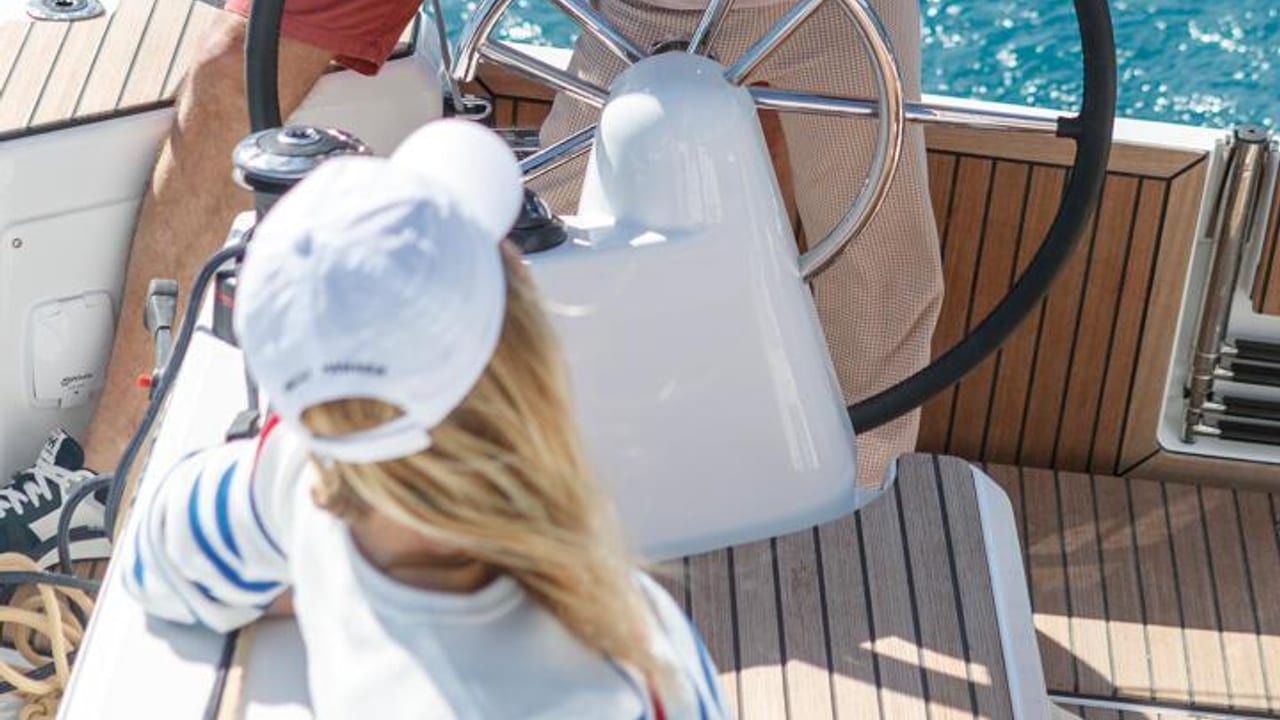
La configurazione del Jeanneau Sun Odyssey 350 comincia molto prima della lista degli accessori. La barca può avere due o tre cabine, chiglia standard, ridotta o retrattile, armo classico o varianti di vela e differenti pacchetti domestici. Il manuale tecnico dichiara 130 litri di carburante, 206 litri di acqua elevabili a 336, frigorifero da 100 litri e serbatoio delle acque nere da 80. Il motore ausiliario standard è indicato con 29 CV e linea d’asse. Per evitare una barca sovraccarica o difficile da mantenere, ogni scelta deve essere collegata al programma, registrata nella distinta e verificata fisicamente alla consegna.
Matrice delle decisioni principali
| Area | Configurazioni dichiarate | Verifica contrattuale |
|---|---|---|
| Interni | 2 o 3 cabine | Pianta, stivaggi e accessi tecnici |
| Chiglia | 1,98 m; 1,49 m; retrattile 1,28–2,54 m | Variante, peso e documentazione |
| Acqua | 206 l oppure 336 l | Secondo serbatoio e indicazione livelli |
| Vele | Randa classica, avvolgibile, fiocco o Code 0 | Superfici, attrezzatura e stivaggio |
| Motore | Diesel 29 CV, linea d’asse | Targhetta, elica, alternatore e ore |
| Elettrico | 12 V; pacchetti e presa 220 V disponibili | Batterie, caricatore e protezioni reali |
| Coperta | Piattaforma, tavolo e protezioni opzionali | Presenza, fermi e ingombri |
| Categoria CE | A6 / B8 / C10 / D10 | Numero persone e area applicabile |
Due o tre cabine: la prima scelta
La versione a due cabine conserva un accesso a un’area officina sotto la panca sinistra del pozzetto; con tre cabine, la distribuzione cambia e lo stesso settore diventa gavone. Questo dettaglio pesa sulla manutenzione quanto il posto letto aggiuntivo. Un equipaggio ridotto che porta attrezzatura può preferire volume tecnico e stivaggio, mentre una famiglia numerosa può valorizzare la terza cabina. Prima dell’ordine bisogna percorrere entrambe le piante, aprire portelli e simulare bagagli e ricambi. La capacità CE non coincide con il numero di posti letto. Ventilazione, privacy e accesso agli impianti devono rimanere adeguati nella versione scelta.

Selezionare la chiglia in base ai fondali
La chiglia standard pesca 1,98 metri e pesa 1.580 kg; quella ridotta pesca 1,49 e pesa 1.860 kg; la retrattile varia fra 1,28 e 2,54 metri con 1.522 kg dichiarati. Porto abituale, fondali, alaggio e tipo di navigazione devono guidare la selezione. La minore profondità non va letta come vantaggio gratuito: massa, geometria e manutenzione cambiano. Nella versione retrattile occorre comprendere comando, indicazioni di posizione, blocchi e procedura in caso di anomalia. I documenti dell’unità devono riportare la variante corretta. Curve e regolazioni appartenenti a un’altra chiglia non devono essere usate per valutare l’esemplare.
Piano velico standard e inventario
La configurazione base pubblicata comprende randa semi full-batten da 31,60 metri quadrati e genoa avvolgibile al 110 per cento da 23,40, in poliestere High Strength Dacron a taglio orizzontale. La consegna deve includere vele, stecche, sacca, scotte, drizze e accessori descritti. Si controllano etichette, misure, cuciture e banda anti-UV senza confondere una vela fotografata con quella ordinata. L’equipaggio prova issata, presa di terzaroli e avvolgimento nelle condizioni autorizzate. Una lista numerata delle vele, con data e manutenzione, rende più semplice distinguere dotazione originale, sostituzioni e aggiunte successive.

Pacchetti fiocco, Code 0 e randa avvolgibile
Fra le alternative figurano fiocco autovirante da 17,30 metri quadrati, randa avvolgibile da 26,30 e Code 0 da 48,70. Il pacchetto per andature portanti aggiunge delfiniera, stopper, rinvii e winch di tuga a dritta. Ogni combinazione richiede una verifica di compatibilità: non basta trovare la vela nel gavone. Rotaia, punti di mura, drizze, bozzelli e stivaggio devono essere presenti e dimensionati come previsto. Il fiocco autovirante semplifica le virate, mentre il Code 0 richiede procedure e spazio. La configurazione migliore è quella che l’equipaggio sa ridurre e riporre senza lasciare manovre libere.
Winch, stopper e rinvii al timoniere
Due winch principali Harken 40.2 ST, un 35.2 STA di tuga, stopper Spinlock e scotte randa rinviate secondo schema alla tedesca sono descritti nello standard. Alla consegna si segue ogni cima dalla vela al punto di lavoro, controllando incroci, sfregamenti e marcature. Il tamburo deve girare regolarmente e il self-tailing trattenere il diametro installato. Le sacche portacime appartengono ai pacchetti e vanno identificate. Il vantaggio dei comandi vicini alle ruote si perde se le cime sono disordinate o gli ospiti occupano l’area. Una breve procedura per virata, riduzione e recupero evita movimenti contraddittori.

Doppio timone e governo di emergenza
Le due pale hanno alberi in acciaio inox e collegamenti tessili; le barre di emergenza accedono da tappi nel pagliolo di poppa. Il collaudo comprende rotazione delle ruote, simmetria delle pale, assenza di giochi anomali e verifica visiva dei componenti raggiungibili. La barra di emergenza deve essere localizzata, assemblata e provata a barca ferma, liberando prima la zona. Equipaggio e skipper devono conoscere la sequenza senza cercare il manuale durante un problema. Dopo un incaglio o un urto, entrambe le pale e i relativi supporti richiedono controllo, anche se il governo sembra ancora funzionare.
Motore diesel e linea d’asse
La dotazione descrive un diesel da 29 CV, pari a 21 kW, con scambiatore di calore, linea d’asse ed elica tripala fissa. Modello e numero di serie vanno letti sulla targhetta, perché la distinta del singolo esemplare prevale. Il motore è accessibile dalla scala con ispezioni frontali e laterali. Si controllano livelli, cinghia, filtri, prese, scarico, supporti, giunto e tenuta d’asse. Avviamento a freddo, temperatura, carica, vibrazioni e risposta all’invertitore vanno registrati. L’insonorizzazione deve essere integra e lontana dalle parti calde. Le ore non sostituiscono fatture e cronologia degli interventi.

Serbatoio carburante da 130 litri
Il serbatoio rotostampato da 130 litri è indicato sotto il letto della cabina poppiera, con filtro separatore e sensore di livello. Il controllo richiede accesso a bocchettone, sfiato, linee e raccordi. Odori, macchie o manicotti induriti non devono essere considerati normali. L’indicatore va confrontato con quantità note durante i primi rifornimenti. L’autonomia si calcola solo con consumi misurati sull’unità, condizioni dichiarate e riserva prudente; il dato di capacità non basta. Per lunghi periodi di inattività si seguono le indicazioni del motore e del carburante utilizzato, evitando additivi non approvati.
Quadro 12 V e batterie
Il quadro a 12 V è collocato al tavolo da carteggio, con interruttori dei servizi, USB e commutatori. Lo standard indica predisposizione per una batteria motore da 50 Ah, alternatore da 125 A, sezionatori positivo e negativo e ripartitore di carica. I pacchetti possono aggiungere batterie servizi da 100 Ah e monitoraggio. La configurazione reale si ricostruisce da targhe, schema e cablaggi, non dalla descrizione generale. Ogni batteria deve essere fissata e protetta; morsetti e fusibili devono risultare accessibili. Si misurano tensione a riposo, carica da motore e caduta sotto utenze, conservando i valori come riferimento.

Banchina 220 V e caricabatterie
Presa a 220 V con differenziale, prese interne, monitor e caricabatterie da 40 A compaiono nei pacchetti di allestimento e non vanno presunti su ogni barca. Se presenti, si verificano cavo, connettori, protezione, polarità e comportamento del caricatore con i banchi installati. Il cavo non deve restare immerso o in tensione meccanica. Prima di scollegare si disattivano i carichi secondo la procedura. Modifiche, inverter o pannelli aggiunti successivamente richiedono schemi aggiornati e protezioni dedicate. Un caricatore potente non corregge una batteria degradata né un impianto con contatti ossidati.
Acqua dolce e boiler
La capacità base è 206 litri e può arrivare a 336 con l’opzione. Il circuito usa tubazioni semirigide, pompa per servizio continuativo, accumulo da 19 litri e boiler da 25. Si riempie con acqua pulita osservando bocchettoni e sfiati, quindi si porta l’impianto in pressione e si provano le utenze. Una pompa che riparte a rubinetti chiusi può segnalare perdita o problema dell’accumulo. Boiler e miscelazione devono funzionare senza temperature instabili. Per invernaggio o sanificazione occorre seguire materiali e apparecchi installati. Il secondo serbatoio, se ordinato, deve comparire nella distinta e nel sistema di lettura.

Acque nere, sentina e gas
Il serbatoio delle acque nere è dichiarato da 80 litri, con toilette marina manuale, scarico per gravità e raccordo di aspirazione. Valvole, sfiato e percorso dei tubi devono essere identificati rispettando le regole locali. La pompa di sentina manuale è comandata dal pozzetto; eventuali ulteriori pompe presenti vanno inventariate senza attribuirle allo standard. Il vano gas è dedicato e la scheda include un rivelatore di fughe. Si controllano riduttore, tubo, chiusura, drenaggio e data dei componenti. Le prove utilizzano procedure sicure: nessuna fiamma per cercare perdite e nessuno scarico fuori dalle condizioni consentite.
Cucina e refrigerazione
Lavello inox, fornello a due fuochi e frigorifero superiore da 100 litri con piccolo comparto congelatore costituiscono la base descritta. I pacchetti possono sostituire piano e apparecchio di cottura, quindi ogni elemento deve essere elencato. Si provano accensione, arresto, fermo delle ante, drenaggio del lavello e assorbimento del frigorifero. Il bordo antirollio deve trattenere oggetti senza creare spigoli nei passaggi. Acqua e gas richiedono chiusure raggiungibili. Dopo l’uso, frigorifero e gavoni si lasciano asciutti e ventilati. Una cucina completa aggiunge autonomia soltanto se energia, acqua e stivaggio sono dimensionati insieme.

Elettronica e schermi alle ruote
La coperta prevede alloggiamenti per schermi GPS presso le postazioni di governo, ma marca, misura, trasduttori e rete dipendono dall’ordine. La sequenza di verifiche elenca ogni display, sensore, radio e pilota con versione e numero di serie. Si controllano avvio, luminosità, dati di vento, profondità, velocità e motore, distinguendo valori ricevuti da misure dirette. Gli allarmi devono essere comprensibili e udibili. Cavi e connettori esposti richiedono protezione dall’acqua. Aggiornamenti software e cartografia si eseguono solo dopo backup. Un dispositivo portatile indipendente e carte adeguate restano utili in caso di guasto della rete.
Passavanti, piattaforma e optional di coperta
I passavanti inclinati e senza gradini facilitano il movimento dalle ruote verso prua. La piattaforma da bagno, il tavolo, capote, tendalino e cuscinerie sono configurabili. Ogni optional cambia ingombri e stivaggio. Si provano cerniere, fermi, drenaggi e sedi dei componenti rimossi. La piattaforma deve chiudere in modo positivo; tavolo e protezioni non devono ostacolare barra d’emergenza, gavone zattera o manovre. Cime e parabordi devono restare lontani dall’elica. La verifica viene ripetuta con la coperta pronta per navigare, non soltanto nella disposizione ampia utilizzata all’ormeggio.
controlli di consegna a banchina
Prima della prova si confrontano numero di scafo, categoria CE, chiglia, layout, motore, vele e pacchetti con contratto e fattura. Si aprono tutti i portelli, si registrano valvole e sezionatori, si testano luci, pompe, frigorifero, gas ed elettronica. Il motore viene avviato con raffreddamento disponibile; sterzo e invertitore si muovono in area libera. Vele e attrezzature rimovibili vengono contate. Manuali, chiavi, password e garanzie entrano nel fascicolo. Ogni difetto è fotografato e associato a una scadenza. La firma finale arriva solo quando dotazioni e correzioni sono verificabili, non sulla base di promesse verbali.
Routine dopo la navigazione
Al rientro si annotano ore motore, carburante, acqua, tensioni e anomalie. Le vele vengono asciugate e riposte senza pieghe forzate; scotte e drizze sono ordinate nelle sacche. Pozzetto e coperta ricevono pulizia compatibile con le finiture, lasciando liberi gli scarichi. Sentina, vano motore, tenuta d’asse e filtri vengono osservati prima che ogni traccia scompaia. Il gas viene chiuso secondo procedura e il frigorifero lasciato ventilato se spento. Collegamento a banchina e caricabatterie seguono una sequenza fissa. Una routine breve ma registrata rende evidenti cambiamenti graduali.
Configurazione equilibrata
Il Sun Odyssey 350 funziona meglio quando le opzioni rispondono a un programma preciso. Chiglia e vele definiscono la navigazione; due o tre cabine determinano stivaggio e accessibilità; energia e acqua devono sostenere l’equipaggio reale. La piattaforma e le protezioni migliorano la vita all’ormeggio ma richiedono spazio e manutenzione. Nessun pacchetto sostituisce la conoscenza delle procedure di governo, riduzione, sentina e arresto dei circuiti. Una barca ben configurata è leggibile: ogni comando ha un’etichetta, ogni componente compare nella distinta e ogni verifica può essere ripetuta dal proprietario o da un tecnico senza smontaggi impropri.